Loading video…


 8 Concepts
 4.4K views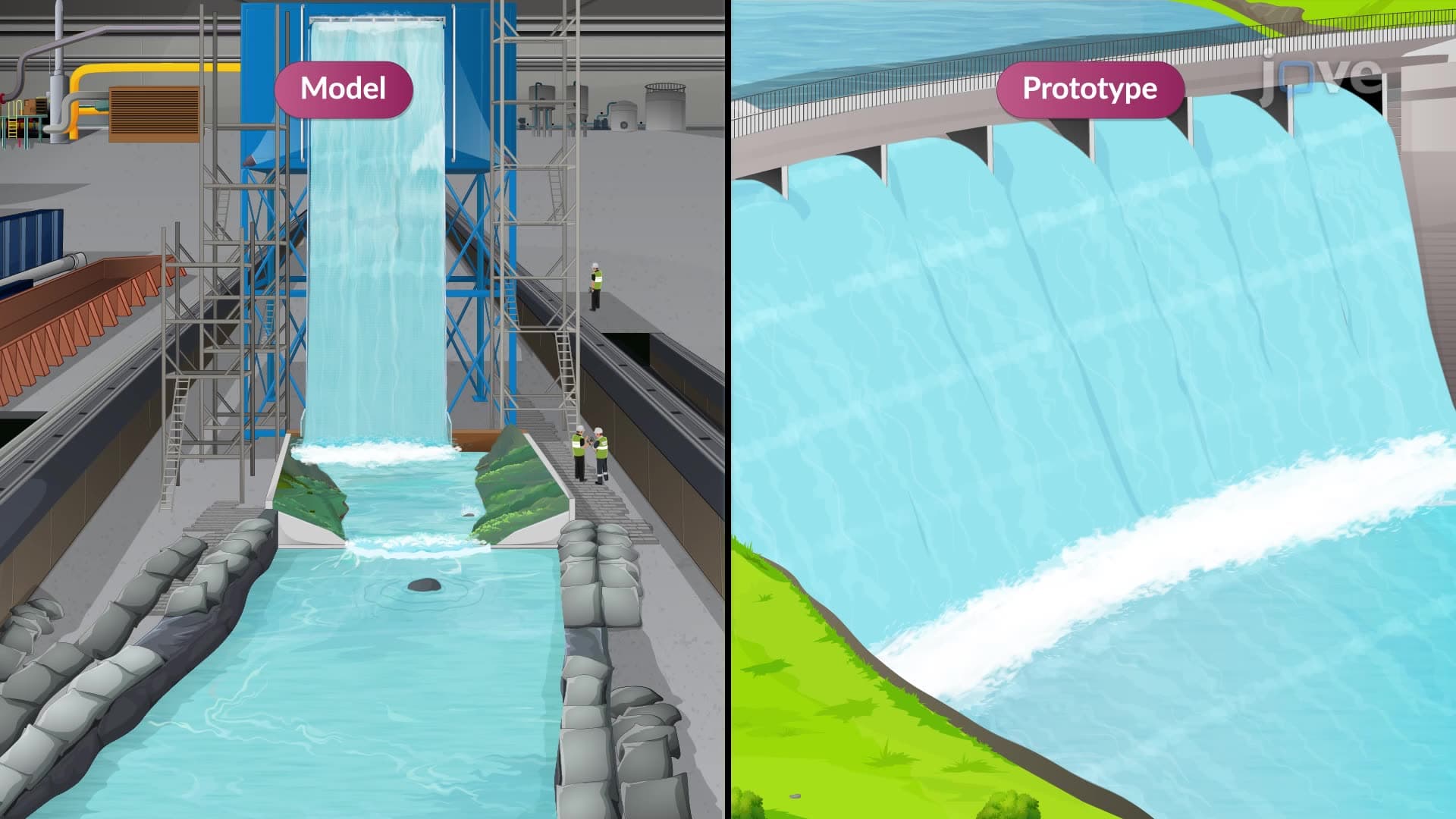

Video Summary: Design Example Creating a Hydraulic Explained
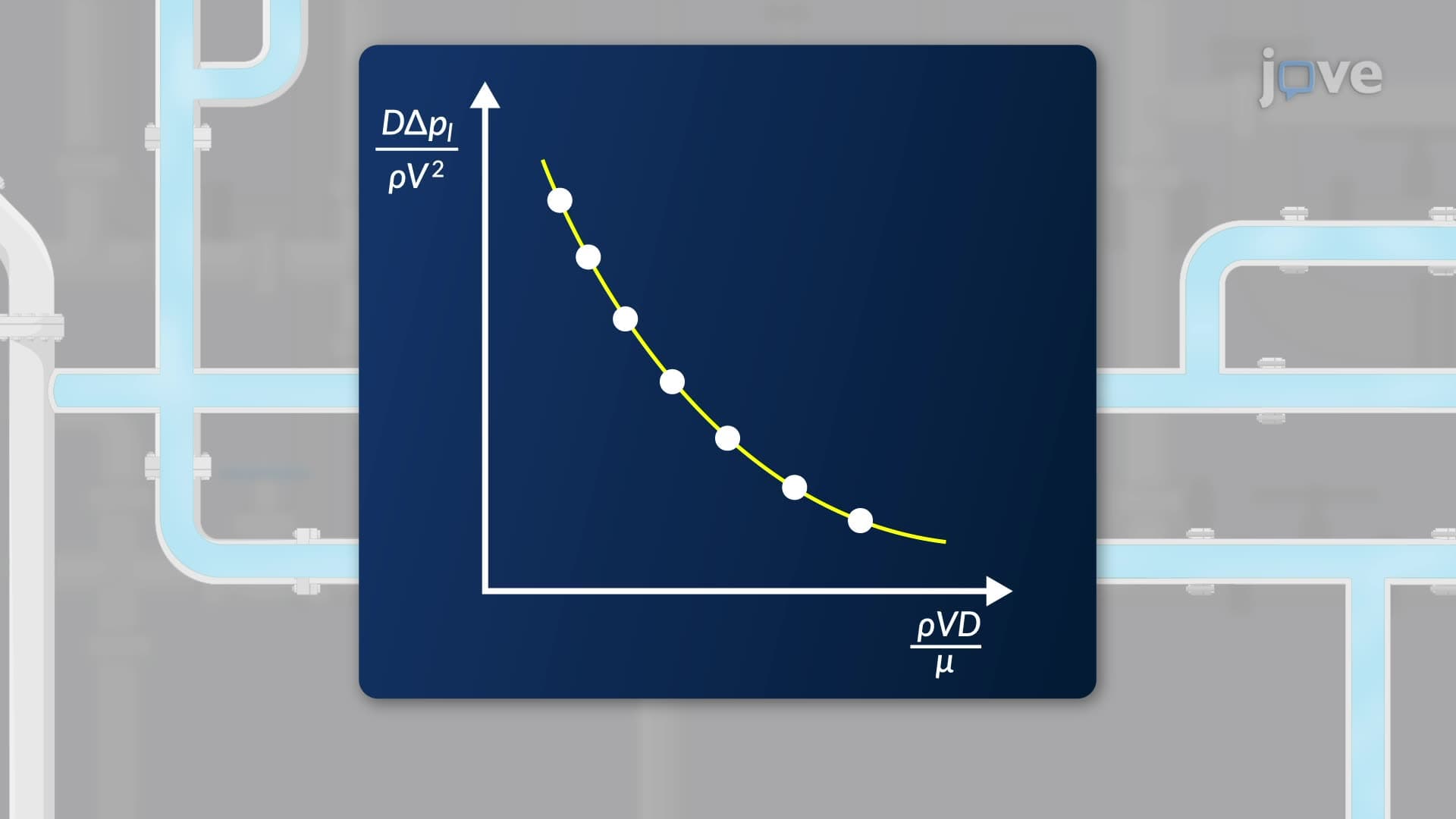
When engineers design massive dams like the Hoover Dam, they don't build full-scale prototypes first, they create precise hydraulic models. The general characteristics of pipe flow i principles guide these scaled-down replicas, typically at 1:15 ratios, allowing engineers to study water behavior safely. For instance, the U.S. Army Corps of Engineers uses hydraulic modeling to test spillway designs before constructing billion-dollar flood control systems. Design Example Creating A Hydraulic demonstrates how Froude number similarity maintains realistic flow conditions in these critical engineering tools. Watch the full video on JoVE Coach to master this concept with expert-led visuals and step-by-step explanations.
Hydraulic modeling represents one of the most critical tools in modern civil and environmental engineering, particularly for large-scale water infrastructure projects. When engineers design spillways for major dams like those managed by the Tennessee Valley Authority or the Bureau of Reclamation, they rely on physical models to predict real-world performance before committing millions of dollars to construction.
The foundation of successful hydraulic modeling lies in maintaining dynamic similarity between the prototype and model. Engineers typically employ geometric scaling ratios of 1:15 to 1:50, depending on the complexity and size of the structure being studied. This scaling process involves more than simply reducing dimensions, it requires careful consideration of how forces, velocities, and time scales interact.
The Froude number (Fr = V / sqrt(gL)) serves as the primary similarity parameter for free-surface flows, where V represents velocity, g is gravitational acceleration, and L indicates a characteristic length. By maintaining equal Froude numbers between prototype and model, engineers ensure that gravitational and inertial forces remain proportionally identical. This principle becomes particularly important when studying phenomena like hydraulic jumps, flow separation, and energy dissipation, all critical factors in spillway design.
Consider a practical example involving the Folsom Dam spillway in California. If the prototype design handles 120 cubic meters per second during flood conditions, the 1:15 scale model would operate at approximately 0.138 cubic meters per second. This dramatic reduction in flow rate makes laboratory testing both feasible and safe while maintaining accurate flow physics.
Time scaling follows the square root relationship: t(model) = t(prototype) / sqrt(scale factor). For a 1:15 model, events occurring over 24 hours in reality compress to roughly 6.2 hours in the laboratory. This time compression allows engineers to observe long-term erosion patterns, sediment transport, and structural responses within practical testing schedules.
These concepts frequently appear in AP Physics, college-level fluid mechanics courses, and professional engineering examinations. Students preparing for the Fundamentals of Engineering (FE) exam will encounter scaling principles in the fluid mechanics and hydraulics sections. Understanding dimensional analysis and similarity parameters also proves essential for graduate-level coursework in water resources engineering and environmental fluid mechanics.
The practical skills developed through studying hydraulic modeling extend beyond academic requirements. Many engineering consulting firms, particularly those specializing in water resources and coastal engineering, regularly employ physical modeling techniques for project design and regulatory approval processes.
Related Micro-courses