Loading video…


 8 Concepts
 4.4K views

Video Summary: What Is Typical Model Studies
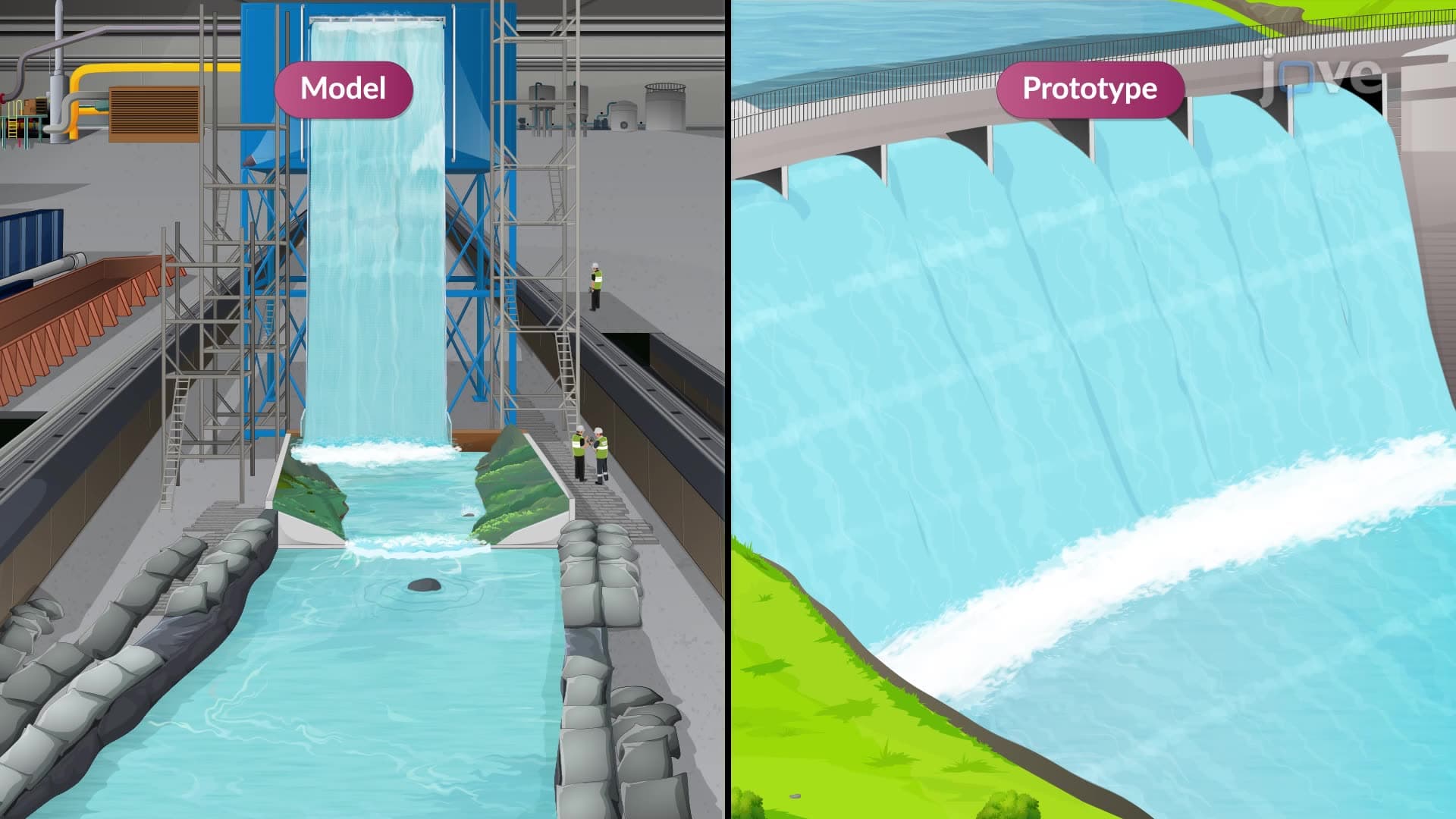
When engineers design the Hoover Dam's spillway, how do they predict water flow behavior without flooding actual communities? A design example creating a hydraulic model provides the answer through scaled-down replicas that simulate real-world conditions. These typical model studies use precise mathematical relationships like Froude number similarity to predict how water interacts with structures, from the Colorado River's flow patterns to bridge pier erosion in the Mississippi. Understanding what is typical model studies reveals how engineers test everything from dam safety to river channel modifications before construction begins. Watch the full video on JoVE Coach to master this concept with expert-led visuals and step-by-step explanations.
Typical model studies represent a cornerstone methodology in hydraulic engineering, where scaled-down physical systems predict real-world fluid behavior with remarkable accuracy. This design example creating a hydraulic modeling approach enables engineers to test critical infrastructure before committing to full-scale construction, potentially saving millions of dollars and preventing catastrophic failures.
The foundation of successful hydraulic modeling rests on Froude number similarity, a dimensionless parameter that governs the relationship between inertial and gravitational forces. This design example creating a hydraulic tutorial principle ensures that surface wave behavior in the model accurately represents prototype conditions. For instance, when modeling the Tennessee Valley Authority's dam spillways, engineers maintain Froude number consistency to predict how water will behave during flood events. The mathematical relationship Fr = v/(gL)^0.5 where v represents velocity, g is gravitational acceleration, and L indicates characteristic length, must remain constant between model and prototype.
How design example creating a hydraulic works often requires geometric distortions to accommodate laboratory constraints while preserving essential flow characteristics. Engineers frequently apply different horizontal and vertical scaling factors, particularly in river modeling where maintaining a 1:1 scale ratio would create impractically large models. The San Francisco Bay Model, operated by the U.S. Army Corps of Engineers, demonstrates this principle with horizontal scaling of 1:1000 and vertical scaling of 1:100, successfully predicting tidal flows and sediment transport patterns.
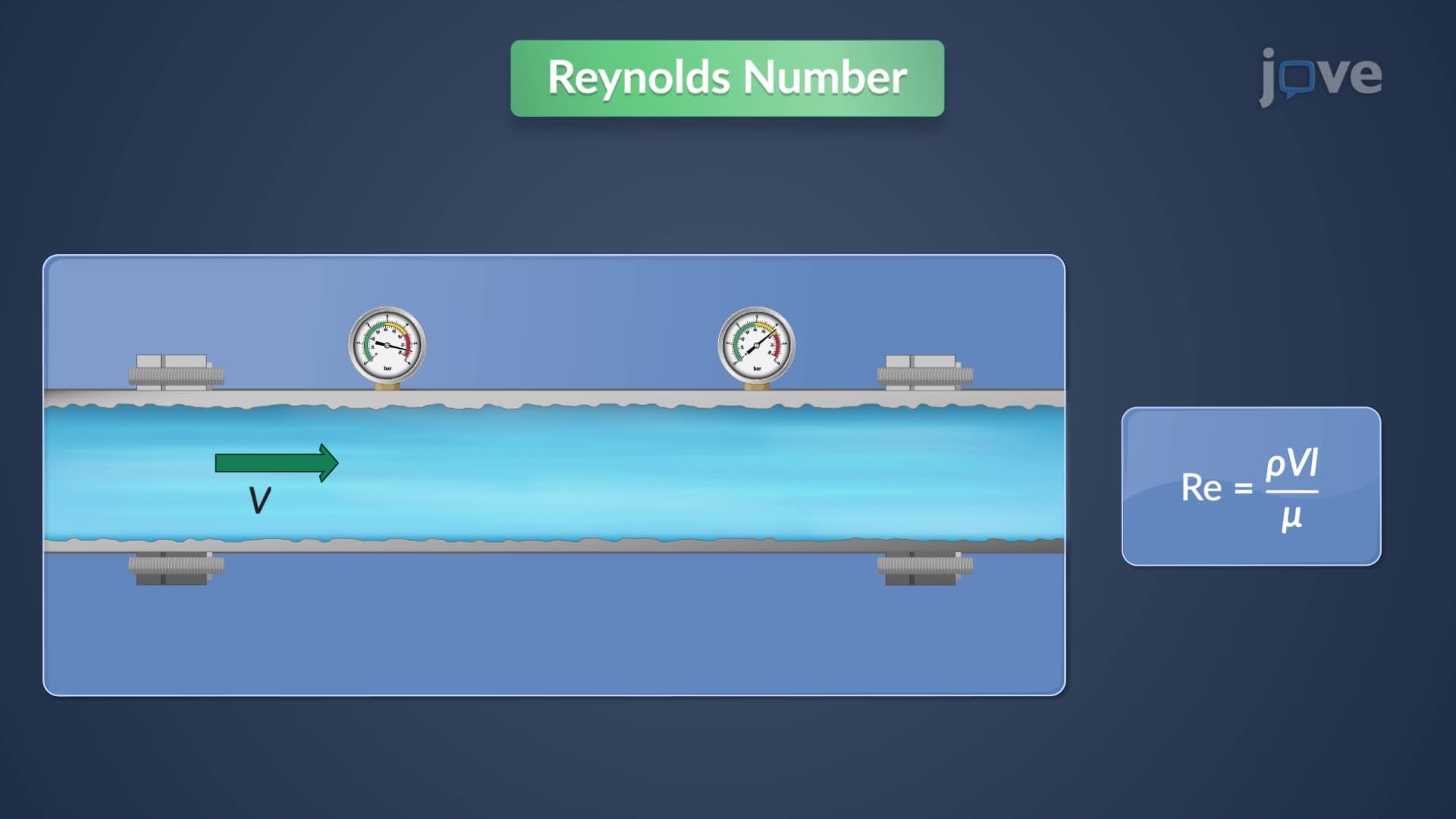
Large-scale hydraulic structures demand careful attention to Reynolds number effects, particularly when studying flow separation and turbulence around bridge piers or dam abutments. Understanding design example creating a hydraulic concept requires recognizing that while perfect similarity across all parameters remains impossible, strategic compromises enable accurate predictions. Engineers studying the Oroville Dam spillway failure used model studies to understand how high-velocity flow creates cavitation damage, informing critical repair strategies.
This methodology proves essential for AP Physics C students studying fluid mechanics and college engineering students in hydraulics courses. The principles appear frequently on the Fundamentals of Engineering (FE) exam, where candidates must demonstrate understanding of dimensional analysis and scaling laws in hydraulic design problems.
Related Micro-courses