Micro-courses:30

Wood
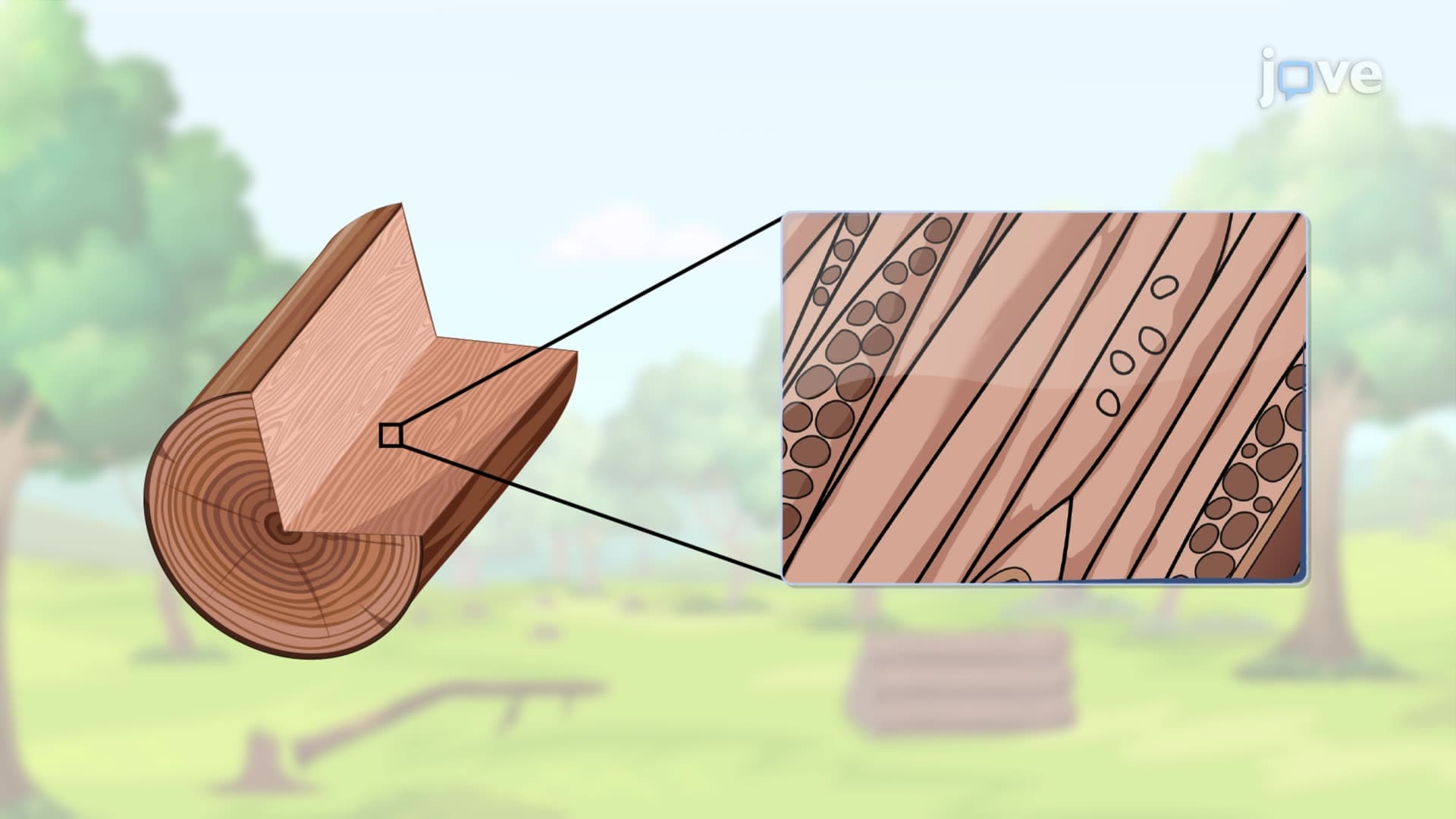
1. Introduction to Wood
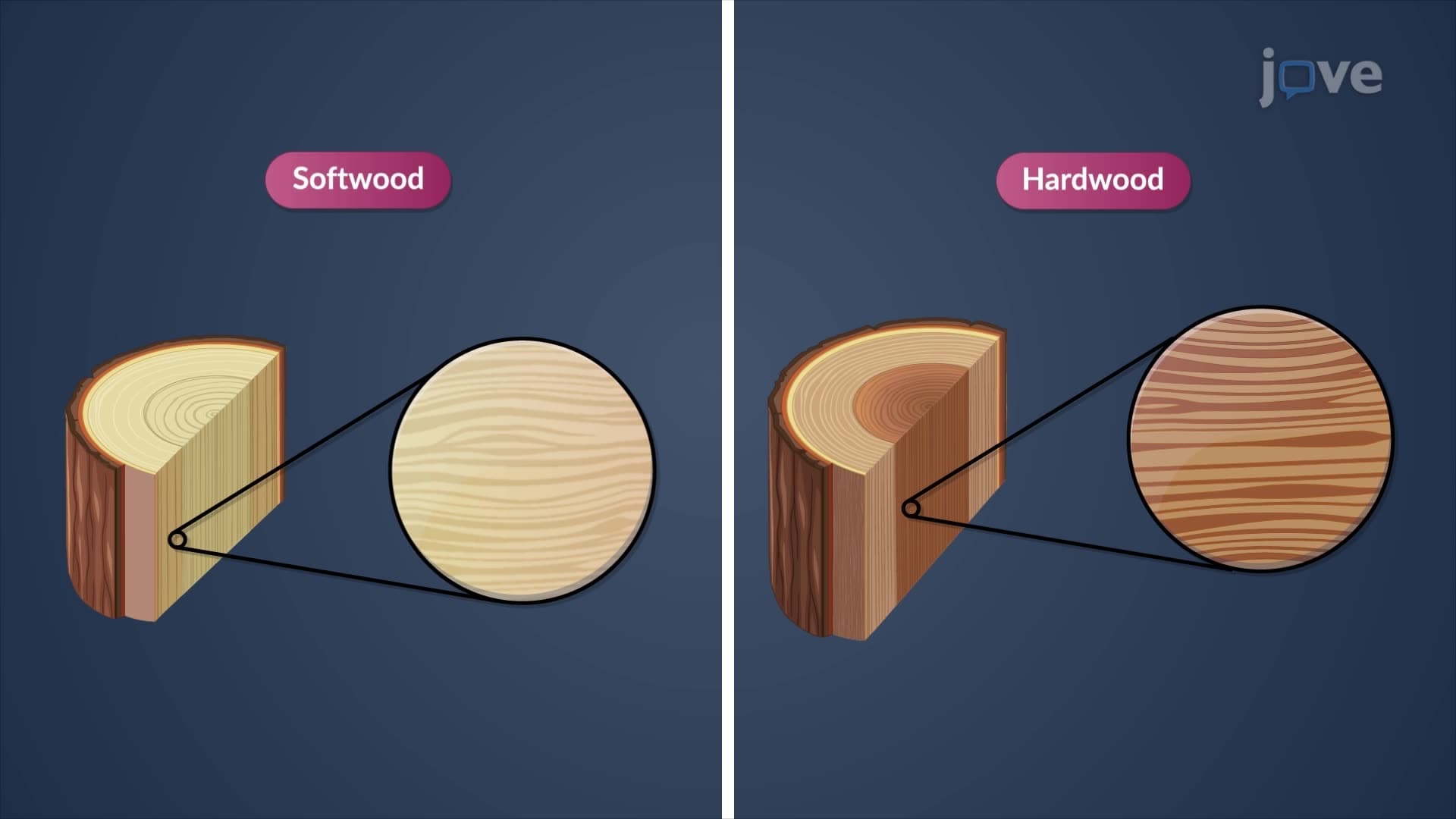
2. Softwoods and Hardwoods
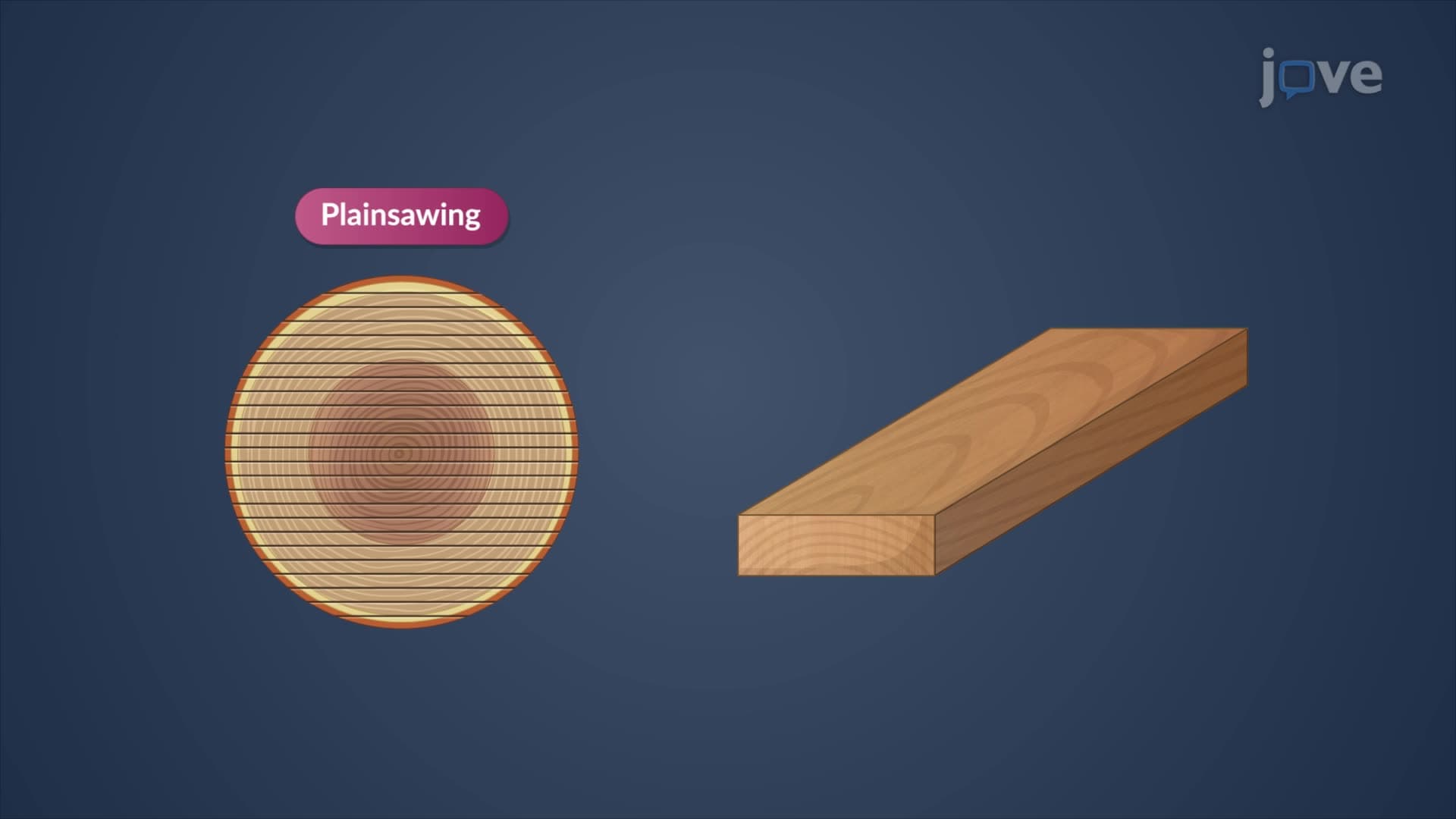
3. Lumber
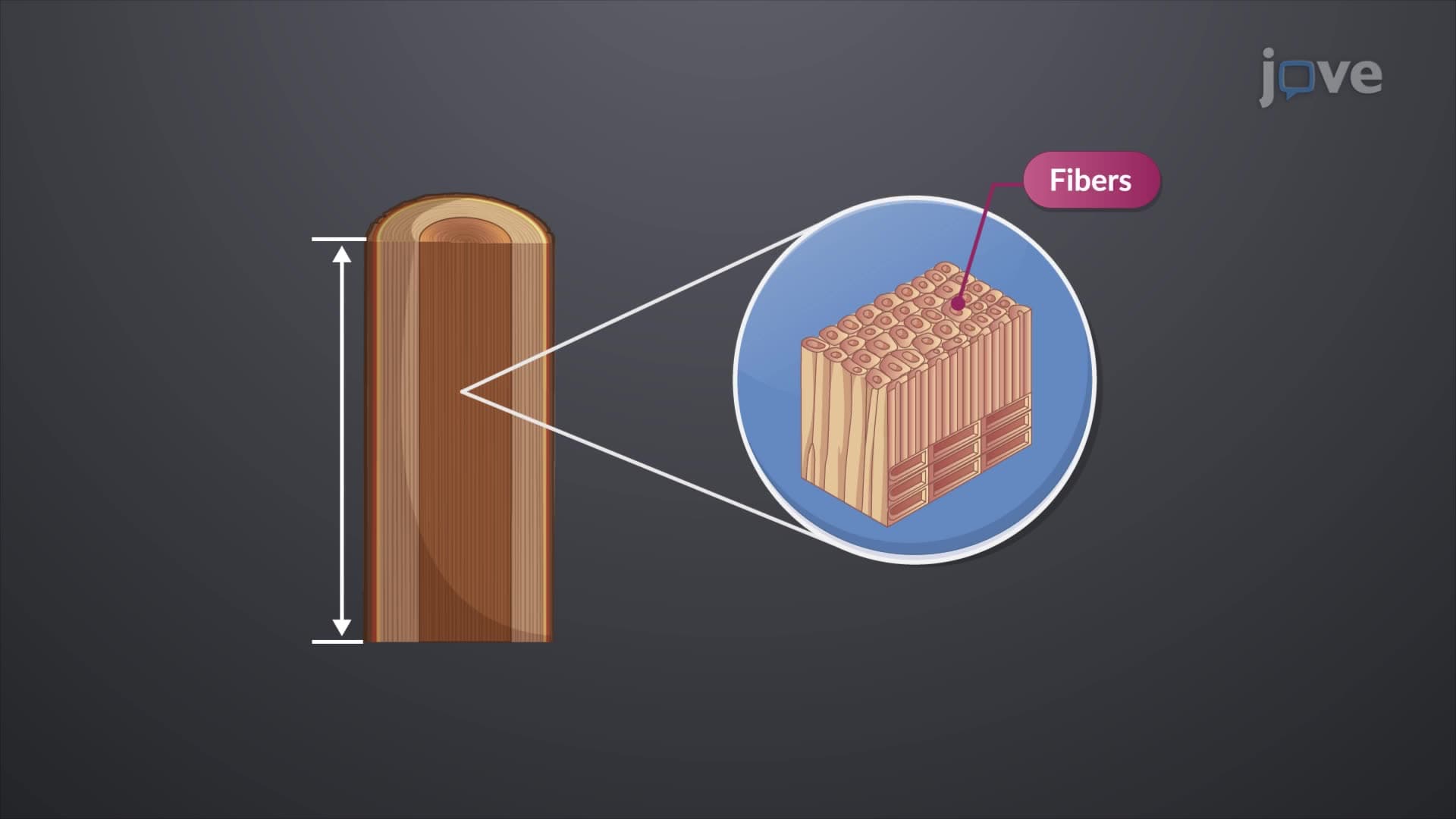
4. Structural Properties and Dimensions of Lumber
5. Seasoning of Wood
6. Wood Surfacing
7. Lumber Defects
8. Wood Fasteners
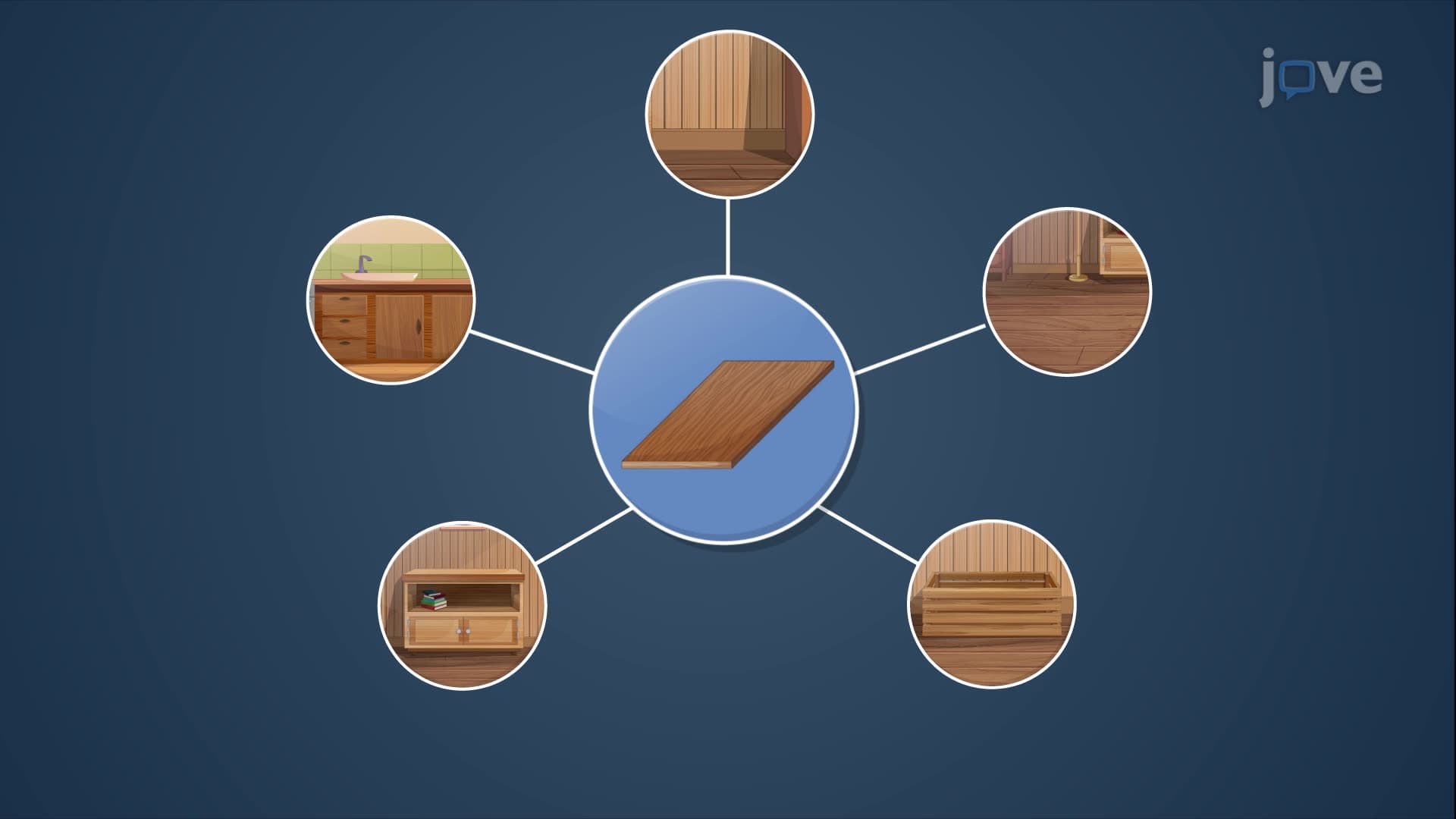
9. Veneer
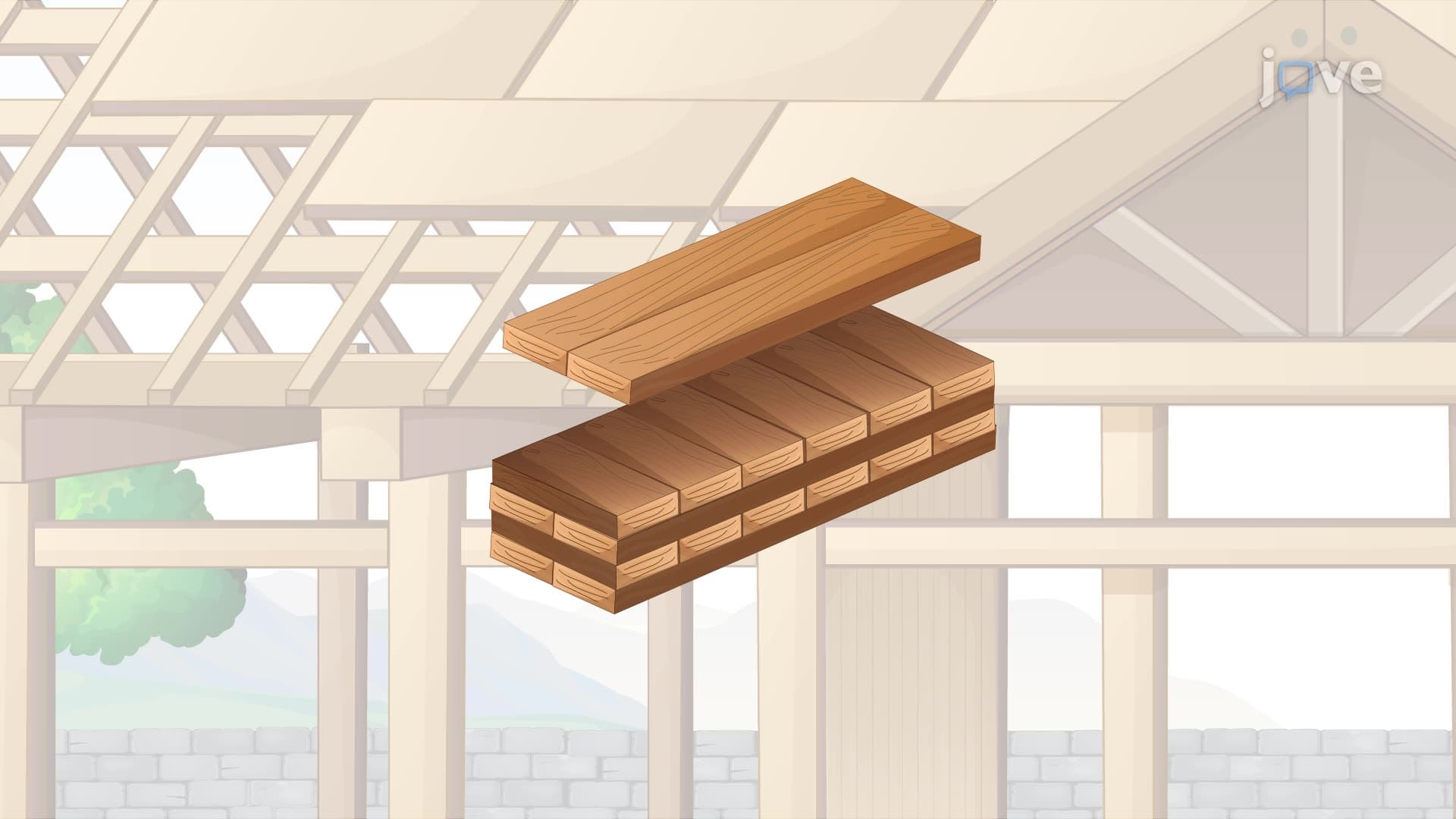
10. Wood Products
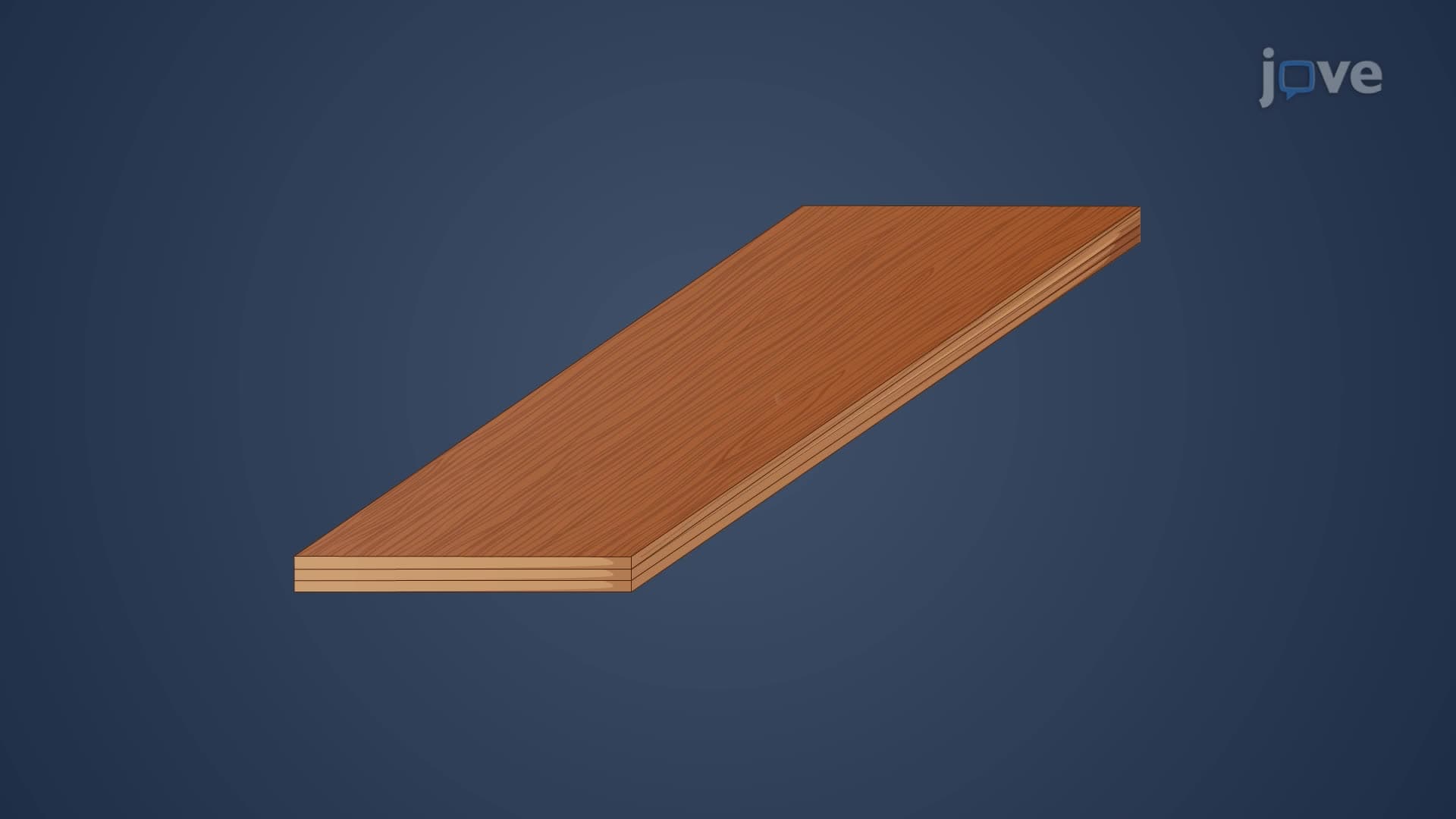
11. Wood Panel Products
Wood serves as one of America's most versatile construction materials, from residential framing in suburban developments to engineered timber in modern skyscrapers. This comprehensive micro-course through JoVE Coach explores wood's cellular structure, classification systems, lumber processing, and structural properties essential for engineering applications. Students examine seasoning processes, surface treatments, common defects, fastening methods, and advanced wood products including veneer and panel systems used throughout the US construction industry.
- Understand the anatomical structure of trees and how cellular organization affects wood grain and structural properties
- Identify differences between softwoods and hardwoods, including their microstructure and typical construction applications
- Learn lumber processing methods, classification systems, and dimensional standards used in the US construction industry
- Analyze wood's mechanical properties, including tensile and compressive strength variations along different grain directions
- Explore seasoning techniques like air drying and kiln drying to control moisture content and prevent structural damage
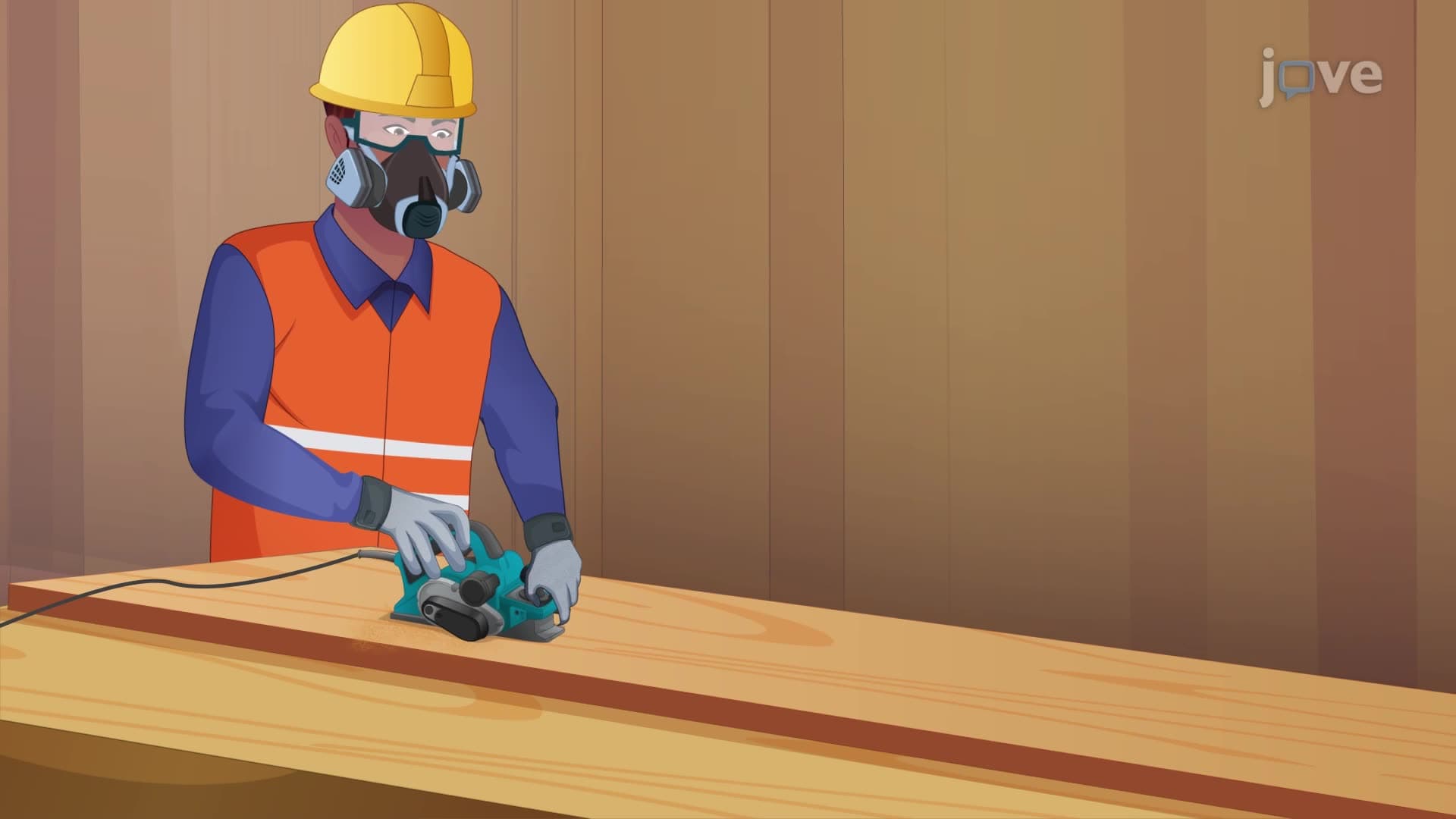
- Apply knowledge of wood surfacing methods to achieve proper dimensions and smooth finishes for construction projects
- Identify common lumber defects and understand their impact on structural integrity and aesthetic quality
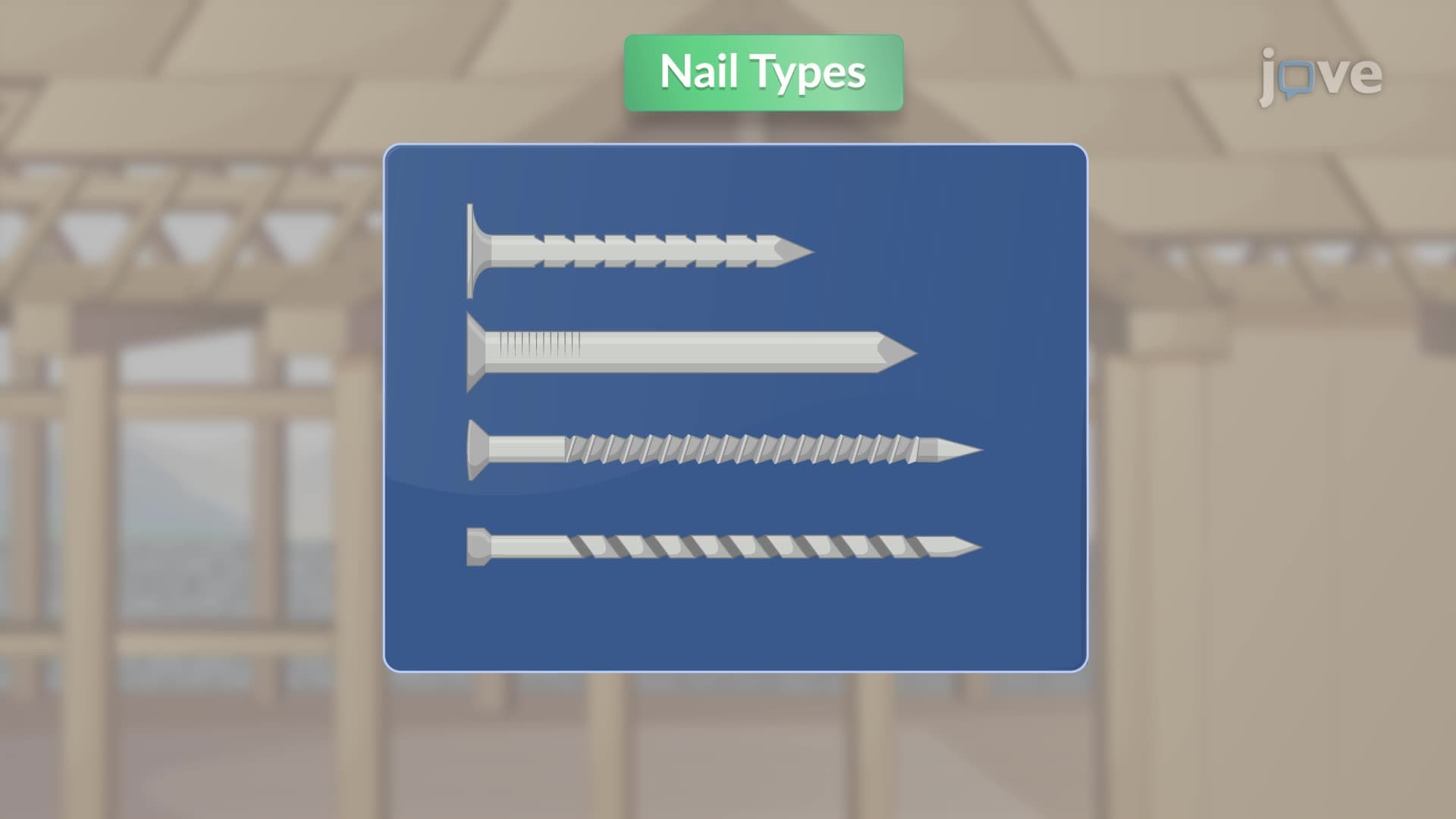
- Understand various wood fastening systems including nails, screws, bolts, and specialized connectors for different applications
- Examine veneer production methods and applications in fine woodworking and manufacturing
- Analyze engineered wood products and panel systems used in modern construction projects
1. Wood Anatomy and Cellular Structure Understanding wood begins with tree anatomy, where the cambium layer produces new growth rings annually. The cellular structure includes elongated tracheids in softwoods and a combination of fibers and vessels in hardwoods, creating the grain patterns visible in lumber. This cellular organization directly influences wood's mechanical properties, with strength varying dramatically between longitudinal and transverse directions. Growth rings, sapwood, and heartwood formation affect both appearance and structural characteristics. American species like Douglas fir and Southern pine demonstrate these principles in common construction applications, from residential framing in Texas subdivisions to commercial timber structures in Oregon.
2. Softwood vs. Hardwood Classification and Applications The distinction between softwoods and hardwoods extends beyond leaf type to fundamental structural differences affecting construction use. Softwoods like pine, fir, and spruce feature simple cellular structures ideal for framing lumber, sheathing, and structural applications throughout American construction. Hardwoods including oak, maple, and cherry contain complex vessel systems creating attractive grain patterns perfect for flooring, cabinetry, and architectural millwork. Understanding moisture behavior differences helps predict shrinkage patterns, with softwoods reaching fiber saturation around 30% moisture content. These classifications directly impact lumber grading, pricing, and application selection in projects ranging from California tract homes to New England restoration work.
3. Lumber Processing and Dimensional Standards American lumber production follows standardized processes from log harvesting to finished products meeting specific dimensional requirements. Plainsawing produces structural lumber with flat grain patterns, while quartersawing and riftsawing create premium products for flooring and millwork applications. The US system categorizes lumber into boards (under 2 inches), dimension lumber (2-4 inches), and timber (5+ inches), with nominal versus actual dimensions accounting for processing and seasoning shrinkage. Understanding these standards proves essential for construction estimating and material selection, whether specifying 2x4 studs for residential framing or selecting engineered timbers for commercial projects across American building markets.
4. Structural Properties and Engineering Applications Wood's anisotropic nature creates strength variations up to 20 times greater parallel to grain versus perpendicular, fundamental to structural timber engineering design. Laboratory testing determines allowable stresses for bending, compression, tension, and shear, establishing design values used in American building codes. Hardwood fibers measuring 1/25 inch contrast with softwood fibers ranging 1/8 to 1/3 inch, affecting strength characteristics and applications. These properties guide structural design decisions from residential floor joists using Southern pine to glue-laminated beams in gymnasium construction. Understanding load-bearing capabilities helps engineers optimize member sizes while ensuring safety in structures from apartment buildings in Florida to warehouse facilities in Michigan.
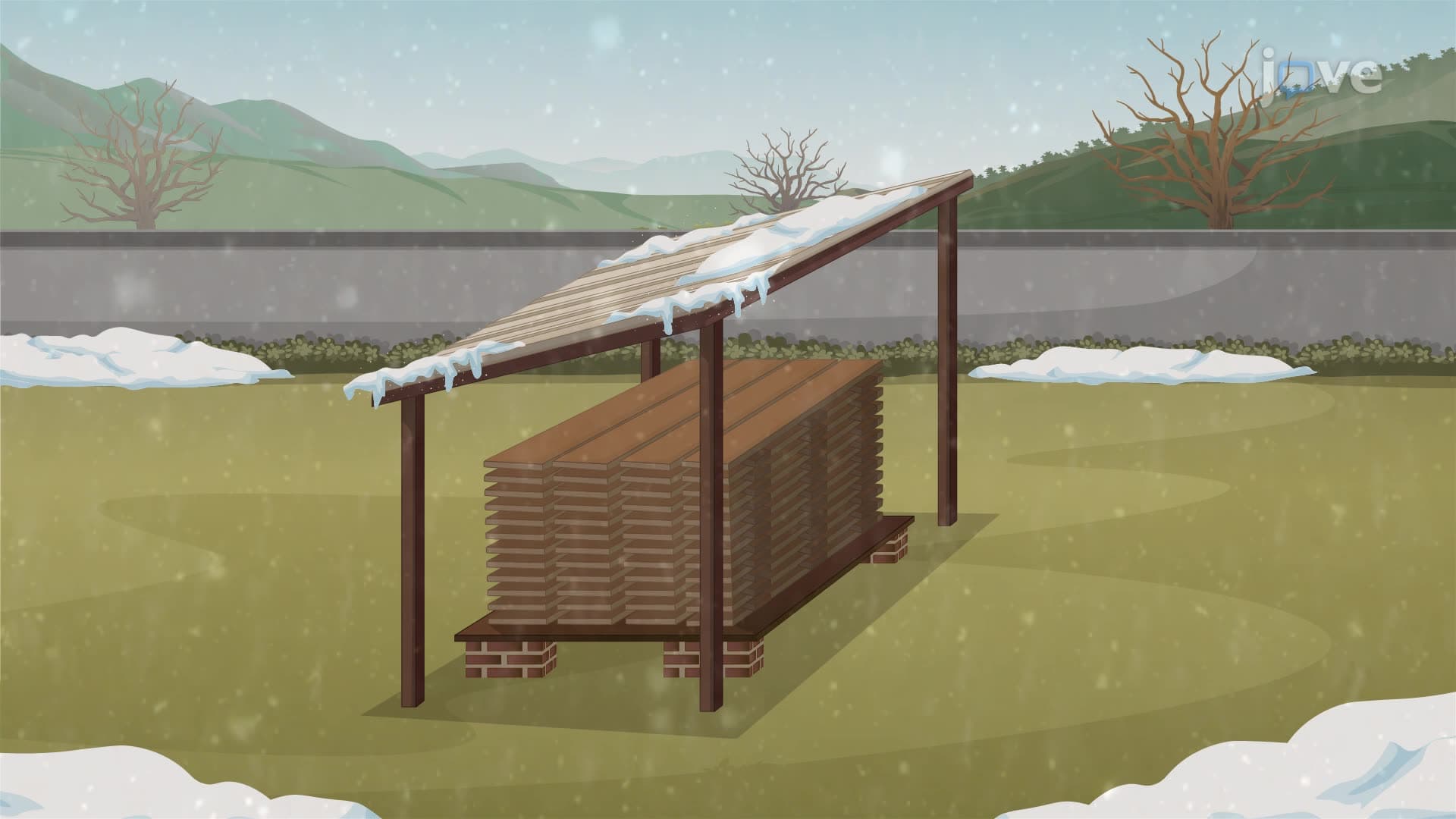
5. Seasoning and Moisture Control Proper seasoning prevents dimensional instability that could compromise structural integrity and aesthetic appearance in finished construction. Air drying involves careful stacking with adequate ventilation, while kiln drying provides controlled temperature and humidity for predictable results. Standard framing lumber reaches 19% moisture content for general stability, while structural applications require 15% moisture for enhanced dimensional control. Understanding equilibrium moisture content helps predict long-term behavior in different climates, from humid Gulf Coast conditions to arid Southwest environments. Proper seasoning techniques prevent problems like floor gaps in hardwood installations or structural movement in timber frame construction throughout American building projects.
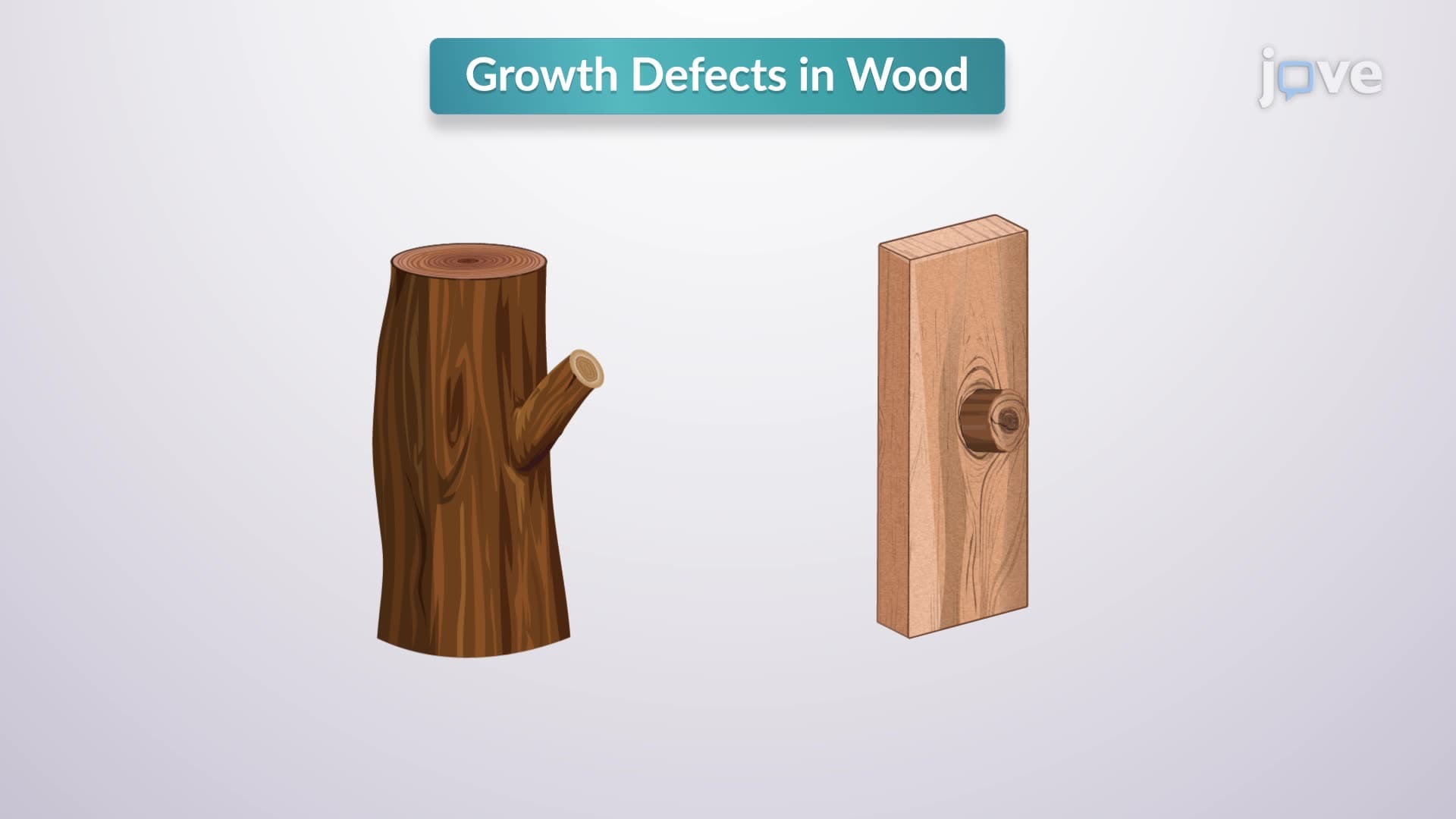
6. Wood Defects and Quality Assessment Recognizing lumber defects enables proper material selection and structural design decisions affecting both safety and economics. Natural defects include knots from branch attachments, shakes from growth stresses, and wane from inadequate processing. Manufacturing defects encompass checks from seasoning stresses, warping from uneven drying, and torn grain from improper machining. Each defect type impacts structural capacity differently, with knots reducing bending strength while surface stains affect only appearance. Quality grading systems help specifiers choose appropriate materials, from utility-grade framing lumber for concealed applications to clear architectural grades for exposed beamwork in restaurants, libraries, and other public buildings across America.
Frequently Asked Questions
Nominal dimensions refer to rough-cut sizes before seasoning and surfacing, while actual dimensions are smaller finished sizes. A nominal 2x4 actually measures 1.5" x 3.5" due to processing shrinkage and planing. This difference affects structural calculations, material quantities, and construction details, making it essential for accurate project planning and building code compliance.
Species selection depends on required strength properties, availability, and cost considerations. Southern pine and Douglas fir offer excellent strength-to-weight ratios for framing applications, while engineered lumber provides consistent properties for longer spans. Consult structural design tables and local building codes to ensure species meet load requirements for your specific application.
For structural use, focus on defects affecting load capacity like large knots, checks, and splits that could propagate under stress. Surface stains and minor grain irregularities typically don't affect strength. For architectural applications, appearance defects become more critical while small structural defects may be acceptable if they don't compromise the intended aesthetic.
Standard framing lumber at 19% moisture content works for most applications, but specify 15% for structural members requiring dimensional stability. In humid climates like the Southeast, consider lower initial moisture content to accommodate seasonal fluctuations. For flooring and millwork, match moisture content to expected equilibrium levels in your specific region.
Wood is approximately 20 times stronger parallel to grain than perpendicular, making grain orientation critical for structural design. In framing, load-bearing members should align grain with primary loads. For panels and connections, consider grain direction when positioning fasteners and designing joints to optimize strength and prevent splitting.
Engineered products like glue-laminated timber and laminated veneer lumber offer consistent properties, longer spans, and efficient use of resources. They eliminate many natural defects found in solid lumber while providing predictable performance characteristics. These products often cost more initially but can reduce overall project costs through optimized design and installation efficiency.
Focus on understanding the relationship between cellular structure and mechanical properties rather than memorizing specific values. Practice identifying different defect types and their impact on structural capacity. Work through design problems using standard reference materials to become familiar with allowable stress calculations and load duration factors used in professional practice.
Career paths include structural engineering specializing in timber design, wood products manufacturing and quality control, construction management focusing on wood-frame projects, and research and development of new engineered wood systems. The growing emphasis on sustainable construction and mass timber buildings creates expanding opportunities in green building design and carbon-conscious structural systems.
This microcourse includes 11 concept videos that walk you through the building blocks of Civil Engineering. Each video is short, about 1 minute, so you can cover a full topic during a coffee break or between classes. The full sequence starts with Introduction to Wood and ends with Wood Panel Products.
The playlist moves from big-picture ideas to the precise vocabulary used in Civil Engineering. Early videos introduce Introduction to Wood, Softwoods and Hardwoods, and Lumber. The middle of the series focuses on Seasoning of Wood, Wood Surfacing, and Lumber Defects. The final stretch covers Wood Fasteners, Veneer, Wood Products, and Wood Panel Products.
The natural next step is Introduction to Concrete. From there, you can move to Aggregates and Water, Fresh Concrete, and Strength of Concrete. Once you finish those, the full Civil Engineering curriculum of 30 microcourses on JoVE Coach opens up, taking you from foundational concepts to advanced systems.
Related Subjects
 Electrical Engineering 33 micro-courses›Mechanical Engineering 28 micro-courses›