Loading subject page…


2,689 views

Video Summary: What Is Wood Products
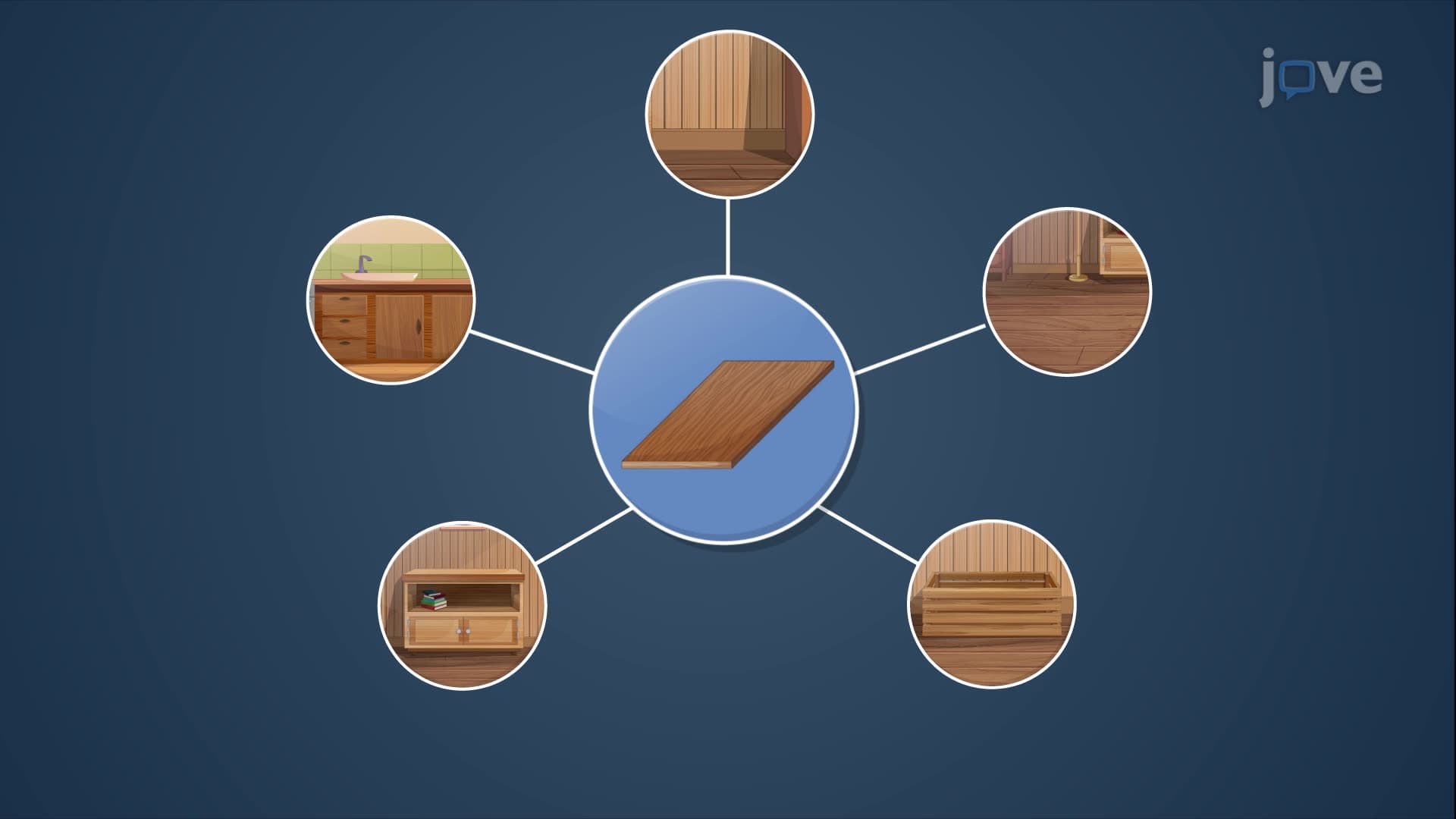
Did you know that the plywood in your home's walls combines multiple wood layers for strength that exceeds solid lumber? Wood products are engineered materials created by bonding wood strands, veneers, lumber, and waste materials using adhesives and mechanical fasteners for both structural and non-structural applications. From the laminated beams supporting basketball arenas like Madison Square Garden to the oriented strand board used in hurricane-resistant construction across Florida, these materials revolutionize how we build. Watch the full video on JoVE Coach to master this concept with expert-led visuals and step-by-step explanations.
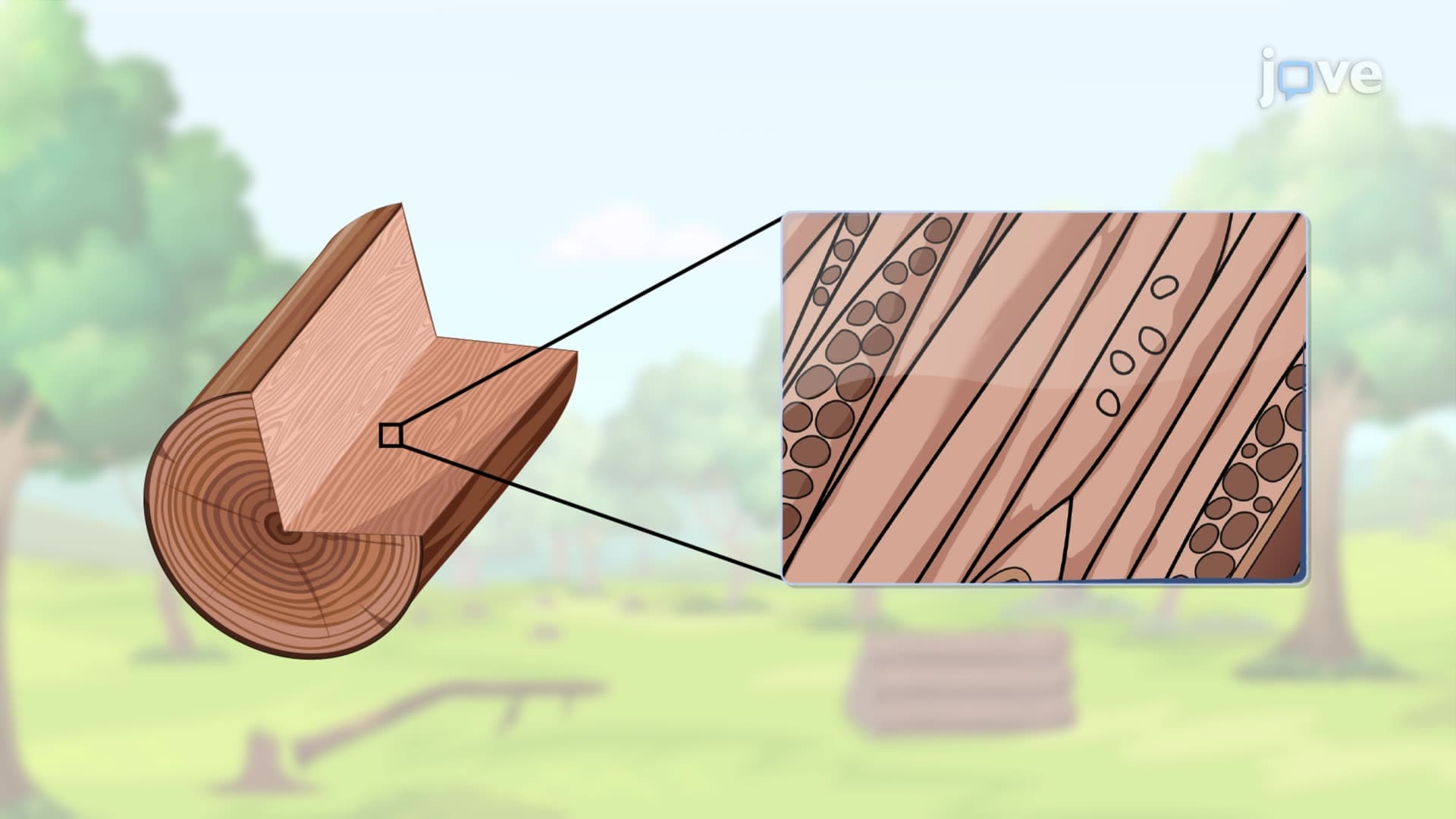
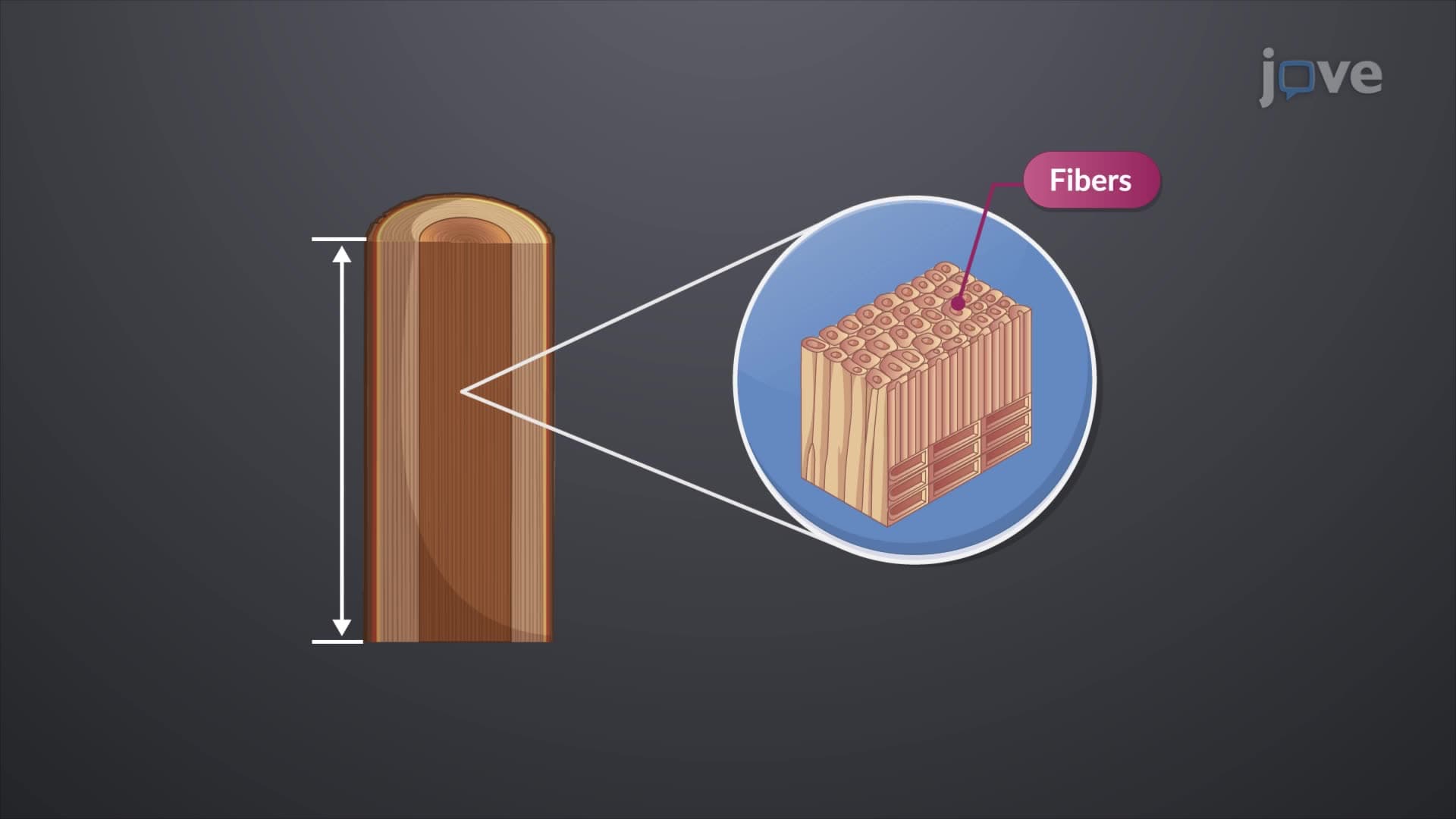
Wood products represent a revolutionary approach to construction materials, transforming traditional lumber into engineered composites that often exceed the performance of solid wood. Unlike harvested timber that relies solely on natural wood grain, these manufactured materials strategically combine wood elements with adhesives, mechanical fasteners, and specialized processing techniques to create superior structural properties.
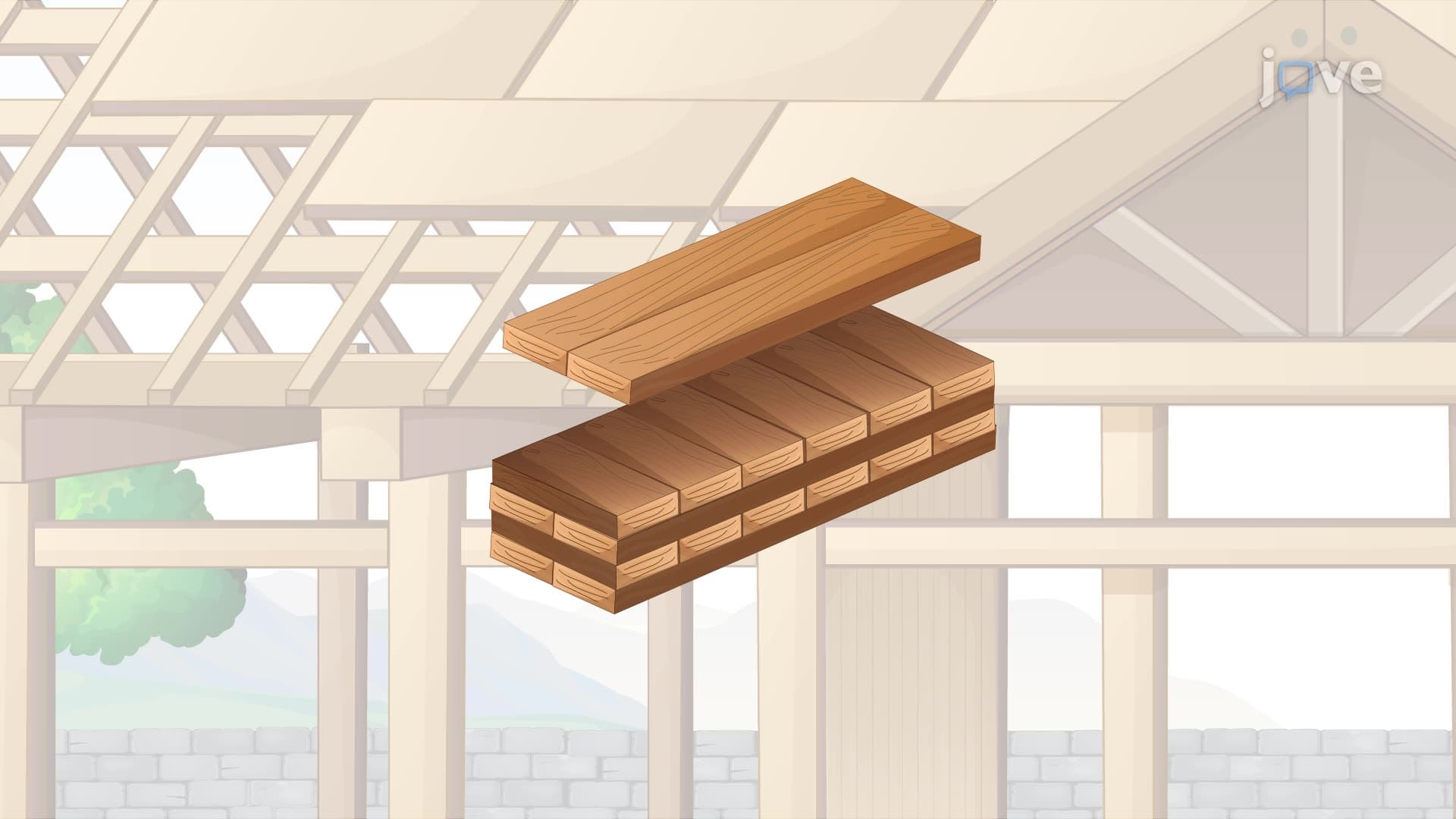
The foundation of modern wood products lies in lamination-the process of bonding multiple wood layers together. Glue-laminated timber (glulam) exemplifies this concept by combining smaller dimensional lumber pieces with industrial adhesives, creating beams capable of spanning distances impossible with solid wood. Major US construction projects, including the Seattle Tacoma International Airport's soaring timber arches, showcase glulam's architectural potential.
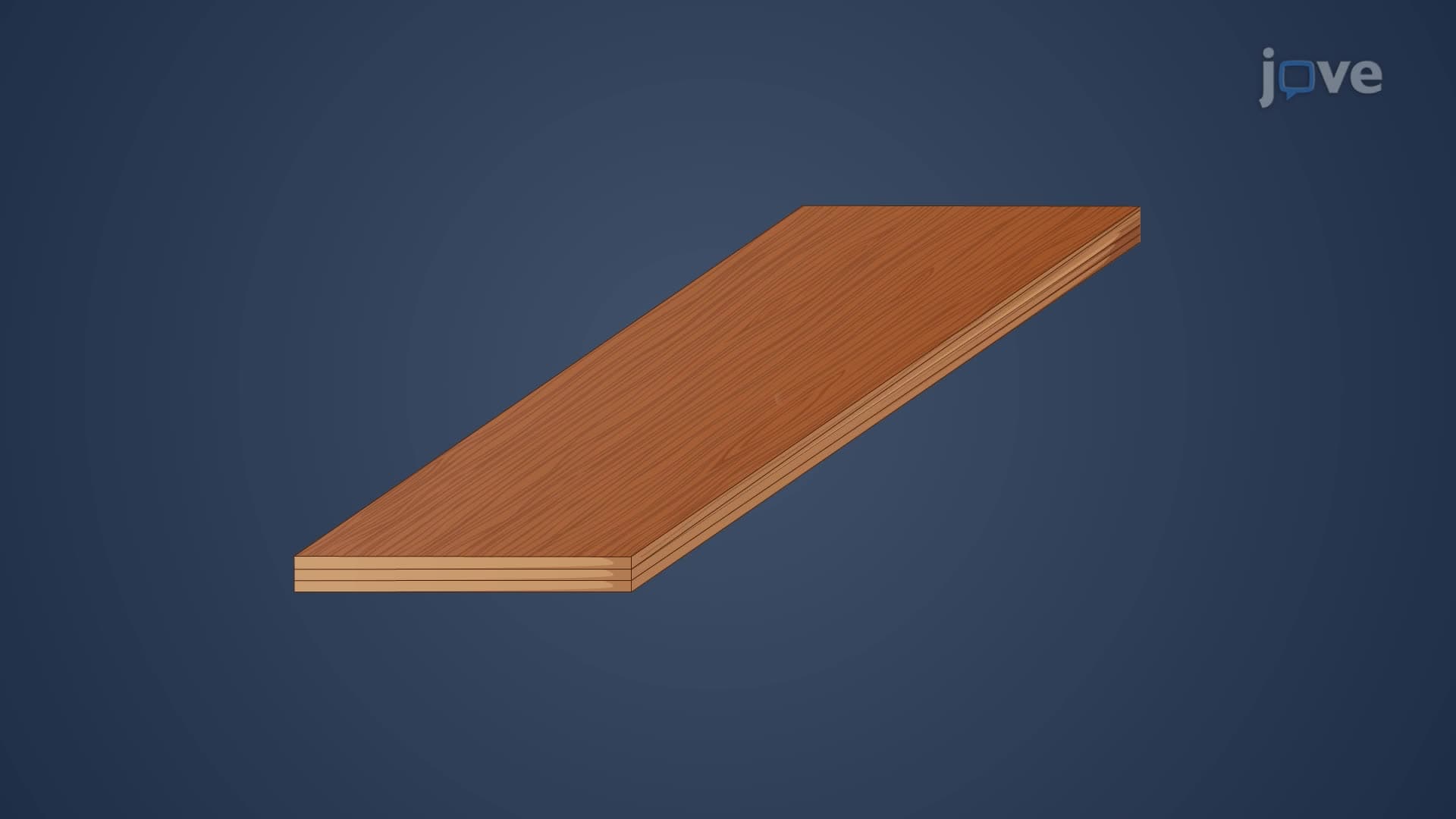
Cross-laminated timber (CLT) takes lamination further by alternating wood grain directions between layers, similar to plywood but much thicker. This alternating pattern distributes loads in multiple directions, making CLT panels ideal for walls, floors, and roofs in mid-rise construction. The growing popularity of mass timber buildings in cities like Portland and Minneapolis demonstrates CLT's role in sustainable urban development.
Engineered strand lumber products transform wood waste into high-performance materials. Laminated strand lumber (LSL) uses long, adhesive-coated wood strands arranged and heat-cured under pressure, creating uniform structural members perfect for headers and beams. Oriented strand lumber (OSL) employs shorter strands in a similar process, while parallel-strand lumber (PSL) aligns thin veneer strips parallel for maximum strength.
These technologies prove especially valuable for sustainable construction, converting what would otherwise be waste into structural components. Laminated veneer lumber (LVL) bonds thin wood veneers to create strong, predictable structural members widely used in residential floor systems and commercial framing across the United States.
For students preparing for AP Environmental Science or college-level materials engineering courses, understanding wood products connects chemistry concepts (adhesive bonding), physics principles (load distribution), and environmental science (resource utilization). Professional certification exams in architecture and construction management frequently test knowledge of engineered wood products, making this topic essential for career preparation in the building industry.
Related Micro-courses