Loading subject page…

- Civil Engineering
- Wood
- Wood Panel Products
Micro-course: Wood
2,689 views
Learn key concepts and earn your certificate.



Wood Panel Products

00:00
01:18
Video Summary: What Is Wood Panel Products
Ever wondered how the walls of most American homes stay strong for decades? Wood panel products form the backbone of residential construction across the United States, from California beach houses to New York apartments. These engineered materials combine thin wood layers or particles through advanced manufacturing processes to create panels stronger than solid wood. Modern homes rely on plywood, particleboard, and composite panels for everything from subflooring to kitchen cabinets. Watch the full video on JoVE Coach to master this concept with expert-led visuals and step-by-step explanations.
- Understand what wood panel products are and how they differ from solid lumber in construction applications
- Identify the standard dimensions (4×8 feet) and thickness variations (1/4 inch to 1-1/8 inches) used in commercial wood panels
- Compare the construction methods of plywood, composite panels, oriented strand board (OSB), particleboard, and fiberboard
- Analyze how grain orientation patterns in different layers contribute to panel strength and stability
- Evaluate the manufacturing processes that bond wood veneers, particles, and fibers under pressure
- Apply knowledge of wood panel types to select appropriate materials for specific construction projects
- Recognize the role of adhesives and resin binders in creating durable engineered wood products
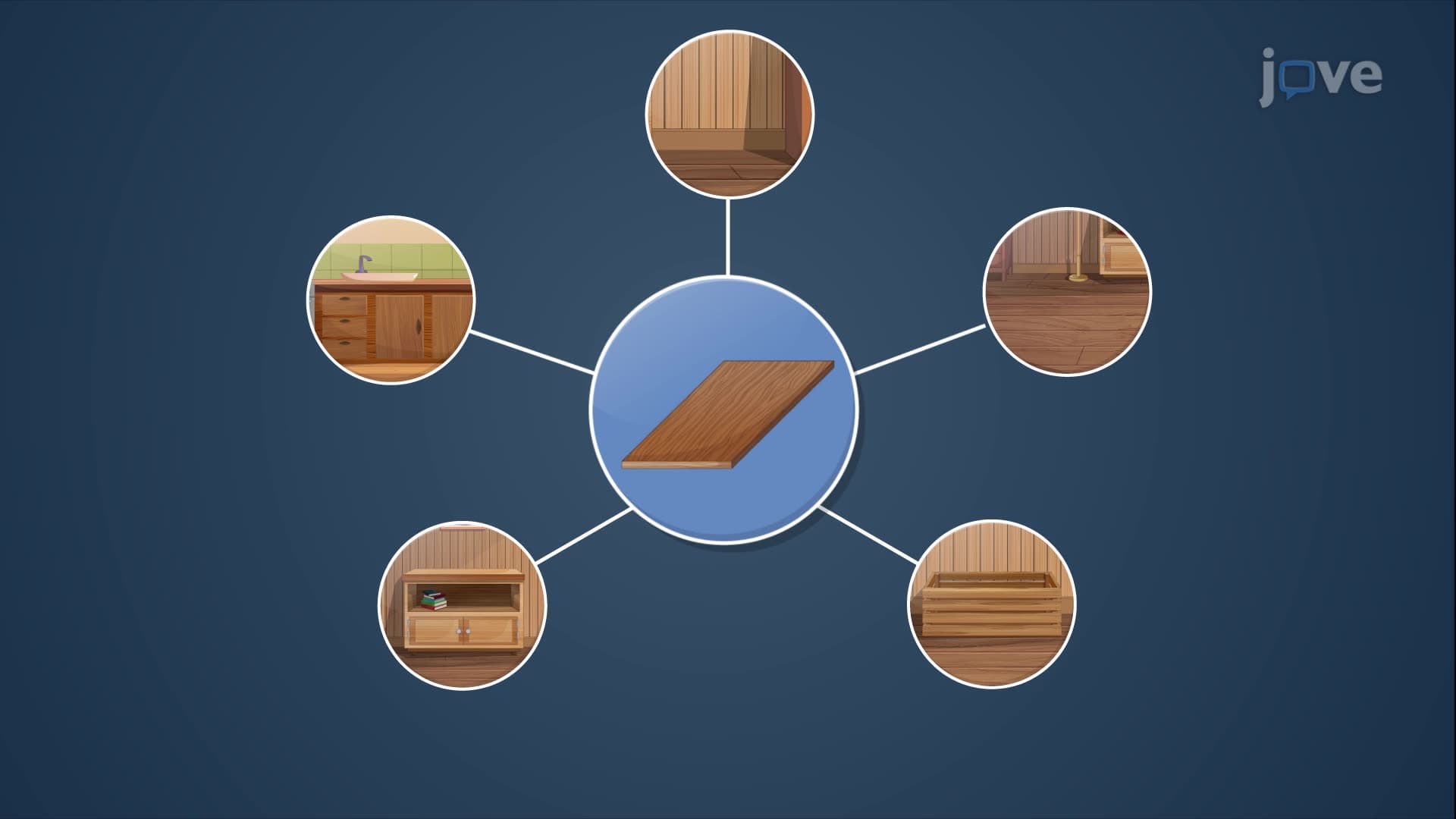
- Explore real-world applications in flooring, siding, roofing, and furniture manufacturing
Understanding Wood Panel Products in Modern Construction
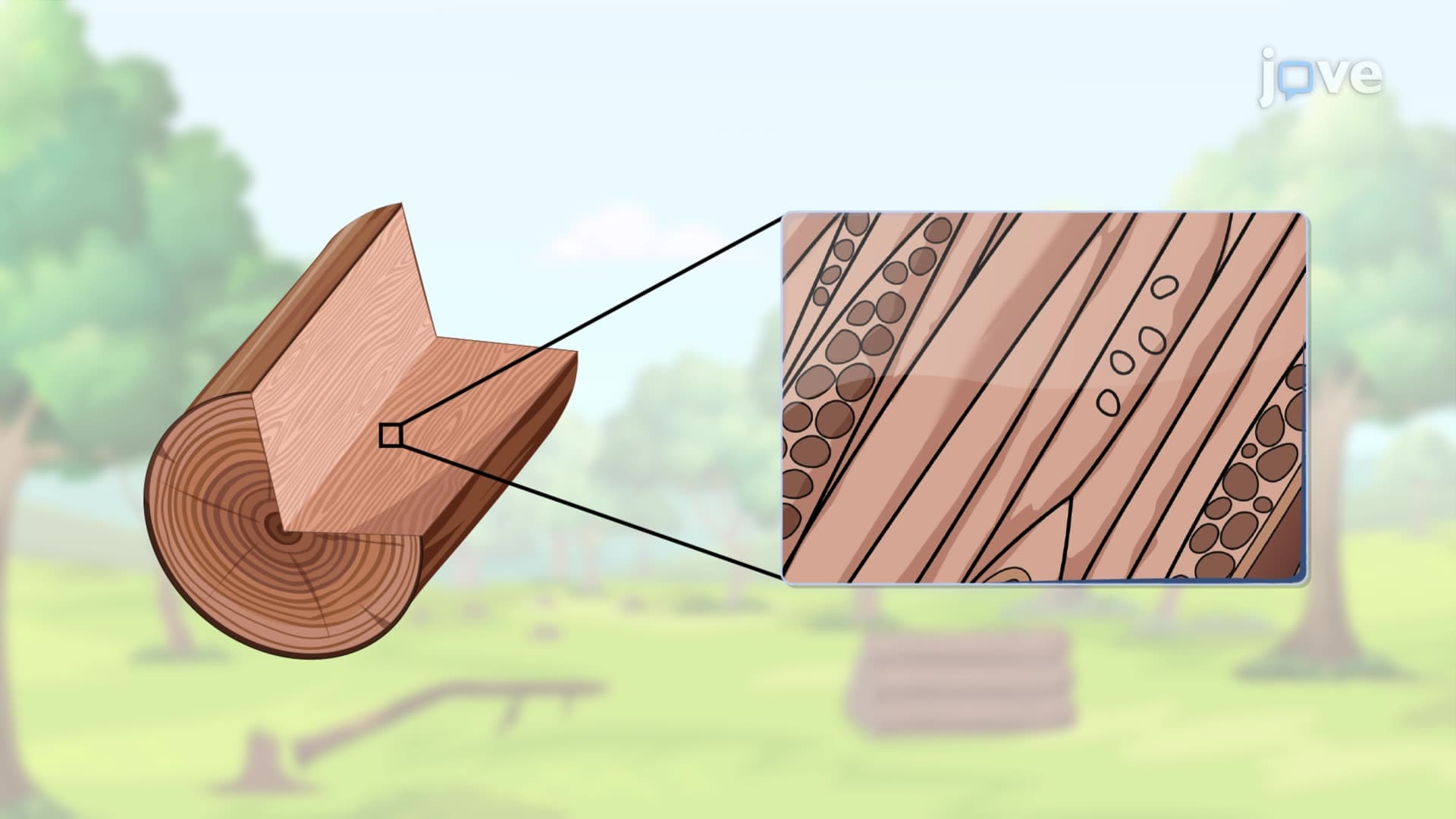
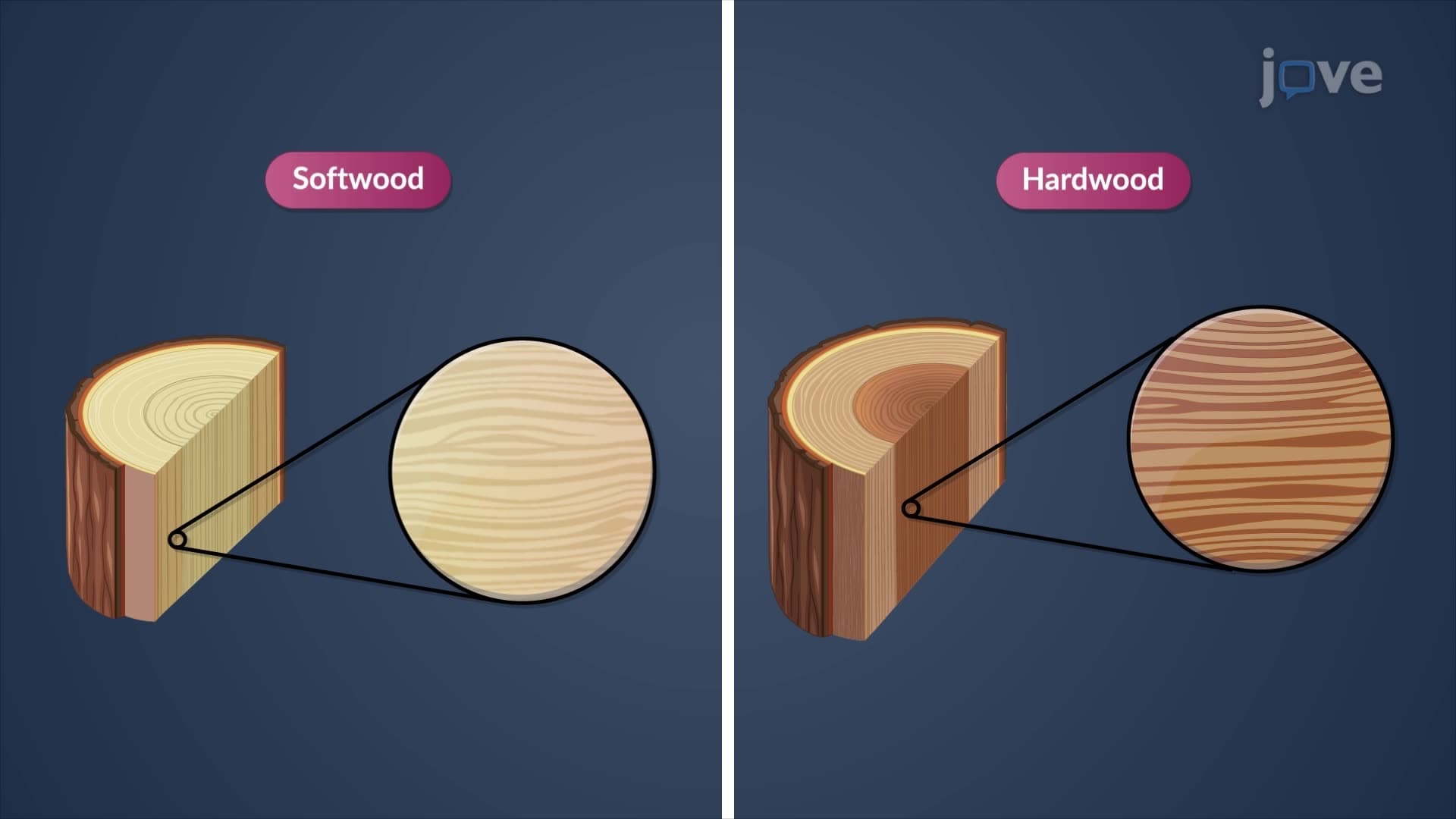
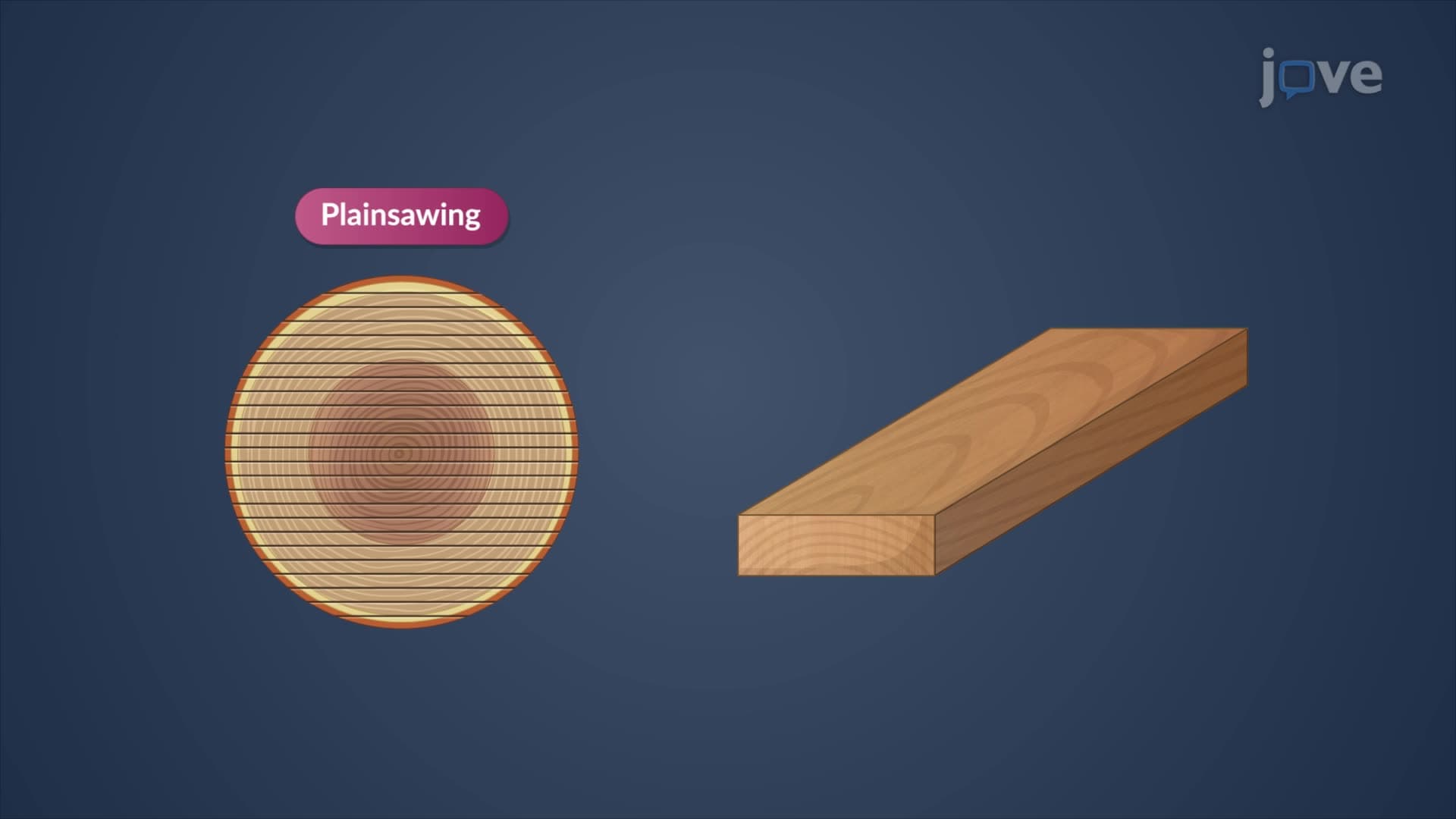
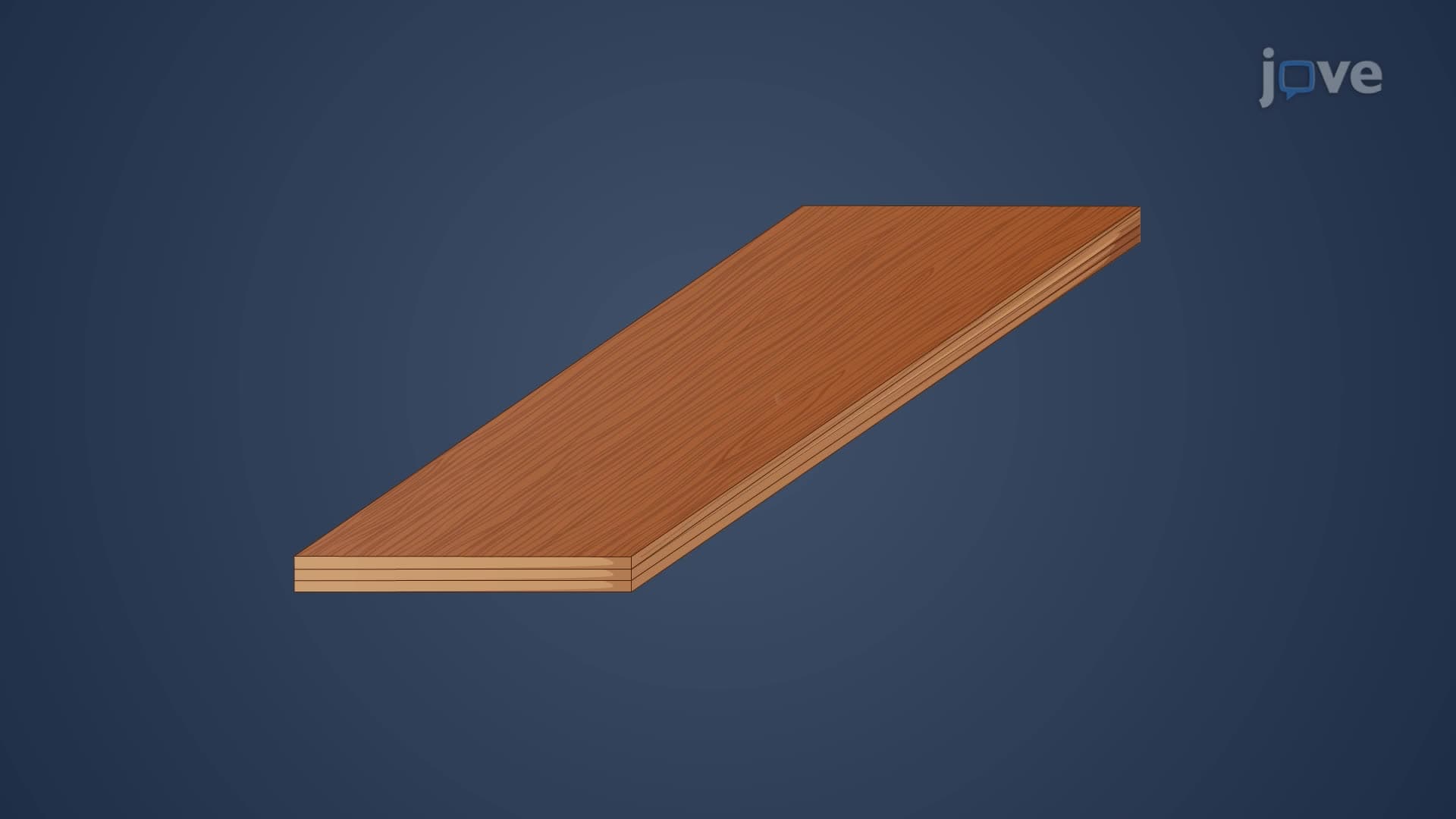
Wood panel products represent a revolutionary advancement in building materials, transforming how Americans construct everything from single-family homes to commercial buildings. Unlike traditional solid lumber, these engineered materials maximize wood fiber utilization while delivering superior performance characteristics. The standardization around 4×8-foot dimensions reflects the modular nature of American construction, fitting perfectly with standard framing techniques used nationwide.
Plywood: The Foundation of Engineered Wood
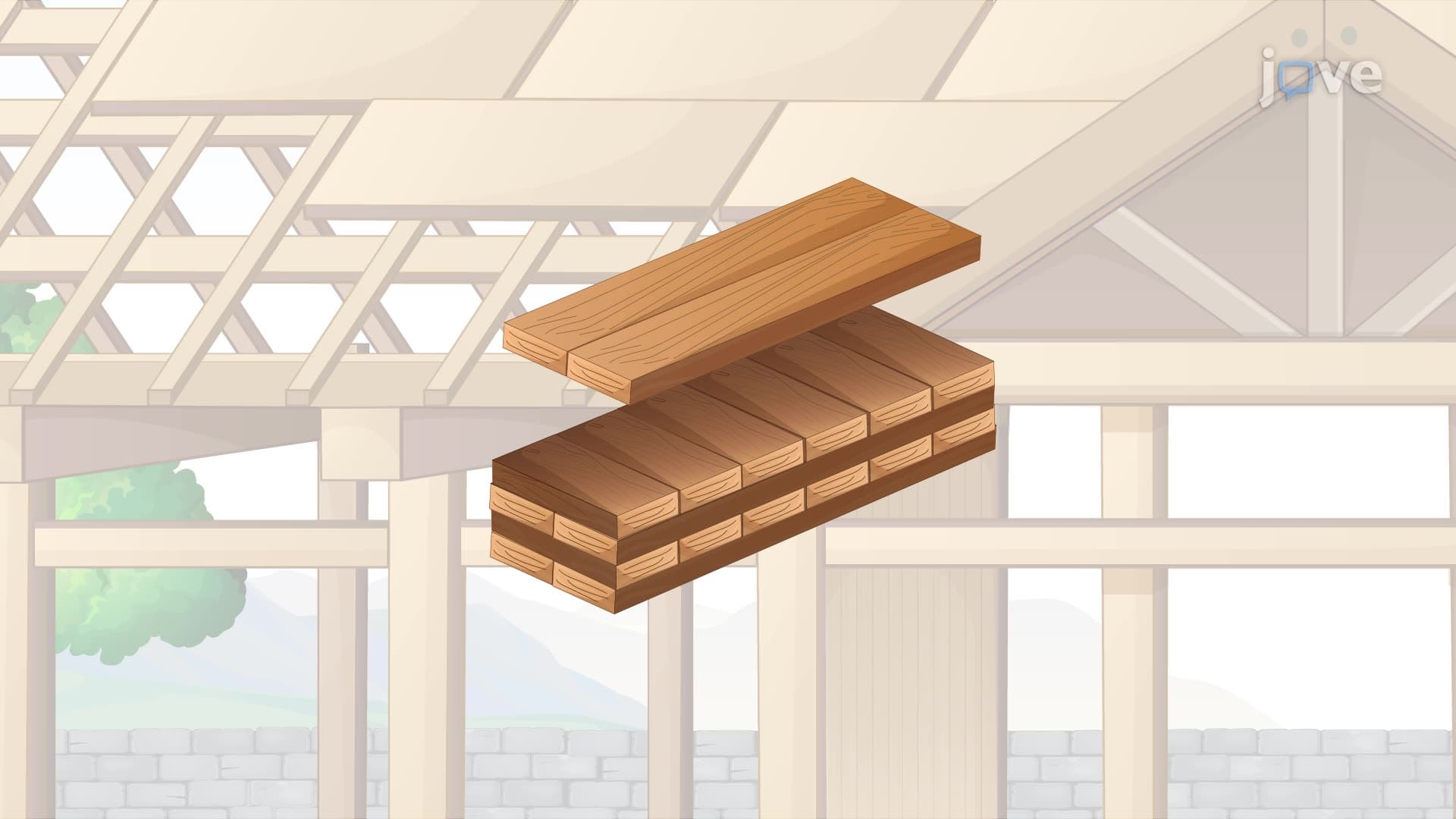
Plywood manufacturing showcases sophisticated engineering principles that high school physics students encounter in material science courses. The alternating grain pattern-longitudinal on exterior faces, transverse on interior layers-creates what engineers call "cross-laminated strength." This design principle appears on AP Physics exams when discussing composite materials and stress distribution. Major manufacturers like Georgia-Pacific and Weyerhaeuser produce billions of square feet annually, supplying construction projects from Hurricane Katrina rebuilding efforts to California wildfire recovery initiatives.
Composite Panels and Modern Innovation
Composite wood panels represent cutting-edge materials science, combining traditional wood veneers with reprocessed fiber cores. This technology addresses sustainability concerns while maintaining structural integrity. The dense wood fiber core utilizes manufacturing waste that would otherwise end up in landfills-a concept relevant to AP Environmental Science curricula. Companies like Louisiana-Pacific have pioneered these technologies, creating products that outperform traditional plywood in moisture resistance and dimensional stability.
Oriented Strand Board and Manufacturing Excellence
OSB production involves precise engineering that demonstrates principles taught in college-level materials science courses. The three-to-five layer construction, with strands aligned perpendicular between layers, mirrors the stress-distribution concepts found in civil engineering programs at institutions like MIT and Stanford. This manufacturing process transforms what were once waste wood shreds into structural panels capable of supporting entire building loads, making OSB a favorite for wall sheathing and subflooring across American construction sites.
Applications in Modern American Construction
These wood panel products enable the rapid construction techniques that built modern America's suburbs. From the post-WWII housing boom to today's sustainable building initiatives, engineered panels provide the reliability and efficiency that traditional lumber cannot match. Understanding these materials proves essential for students pursuing careers in construction management, architecture, or civil engineering-fields with strong job growth projections according to the Bureau of Labor Statistics.
Frequently Asked Questions
Wood panel products are engineered materials made by combining wood veneers, particles, or fibers with adhesives under pressure to create large, flat panels. Unlike solid lumber cut directly from trees, these panels offer consistent dimensions, reduced warping, and often superior strength-to-weight ratios for construction applications.
For AP exams, focus on wood panels as sustainable alternatives to solid lumber that maximize forest resource utilization. Emphasize how manufacturing processes convert wood waste into valuable building materials, supporting both economic and environmental sustainability in the construction industry.
Engineering courses typically examine the structural properties and manufacturing processes of wood panels. Expect questions about grain orientation in plywood, stress distribution in composite materials, and how layered construction principles apply to other engineering applications like carbon fiber composites.
Plywood and OSB dominate residential construction markets across the United States. Plywood serves premium applications like cabinets and finish work, while OSB provides cost-effective solutions for structural sheathing and subflooring in tract housing and commercial construction projects.
Basic high school math sufficiently covers wood panel concepts for most applications. Understanding ratios, percentages, and basic geometry helps with thickness calculations and panel sizing, while introductory physics concepts explain pressure and adhesion principles in manufacturing processes.
Create comparison charts highlighting manufacturing methods, typical applications, and key characteristics for each panel type. Practice with real construction examples-visualize plywood in kitchen cabinets, OSB in wall sheathing, and particleboard in furniture-to build lasting memory associations.
Consider studying advanced composite materials like cross-laminated timber (CLT) used in modern skyscrapers, bamboo composites for sustainable construction, or carbon fiber panels in aerospace applications. These topics bridge traditional wood technology with cutting-edge materials science.
Wood panels support sustainability by utilizing wood waste, reducing old-growth forest harvesting, and enabling efficient construction techniques that minimize material waste. Many panels now incorporate recycled content and formaldehyde-free adhesives, addressing both environmental and indoor air quality concerns.
Related Micro-courses