Loading subject page…


2,689 views
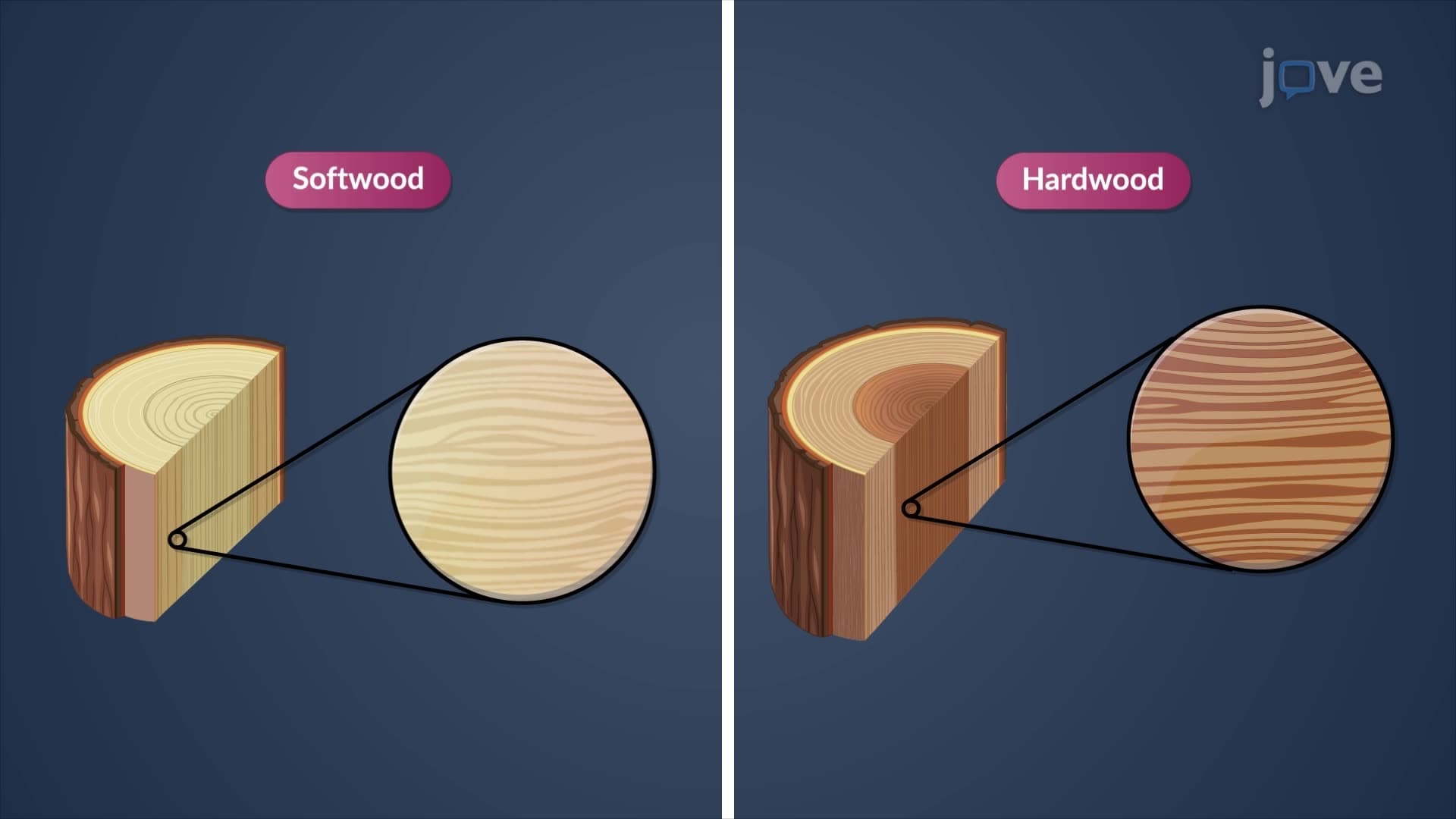

Video Summary: What Is Softwoods and Hardwoods
Ever wondered why the Douglas fir framing your American home feels different from the oak hardwood floors beneath your feet? Softwoods and hardwoods represent two fundamental categories of timber that shape our built environment in distinct ways. From the pine studs supporting California houses to the maple cabinetry in New England kitchens, understanding what is softwoods and hardwoods reveals the science behind material selection in construction and design. Watch the full video on JoVE Coach to master this concept with expert-led visuals and step-by-step explanations.
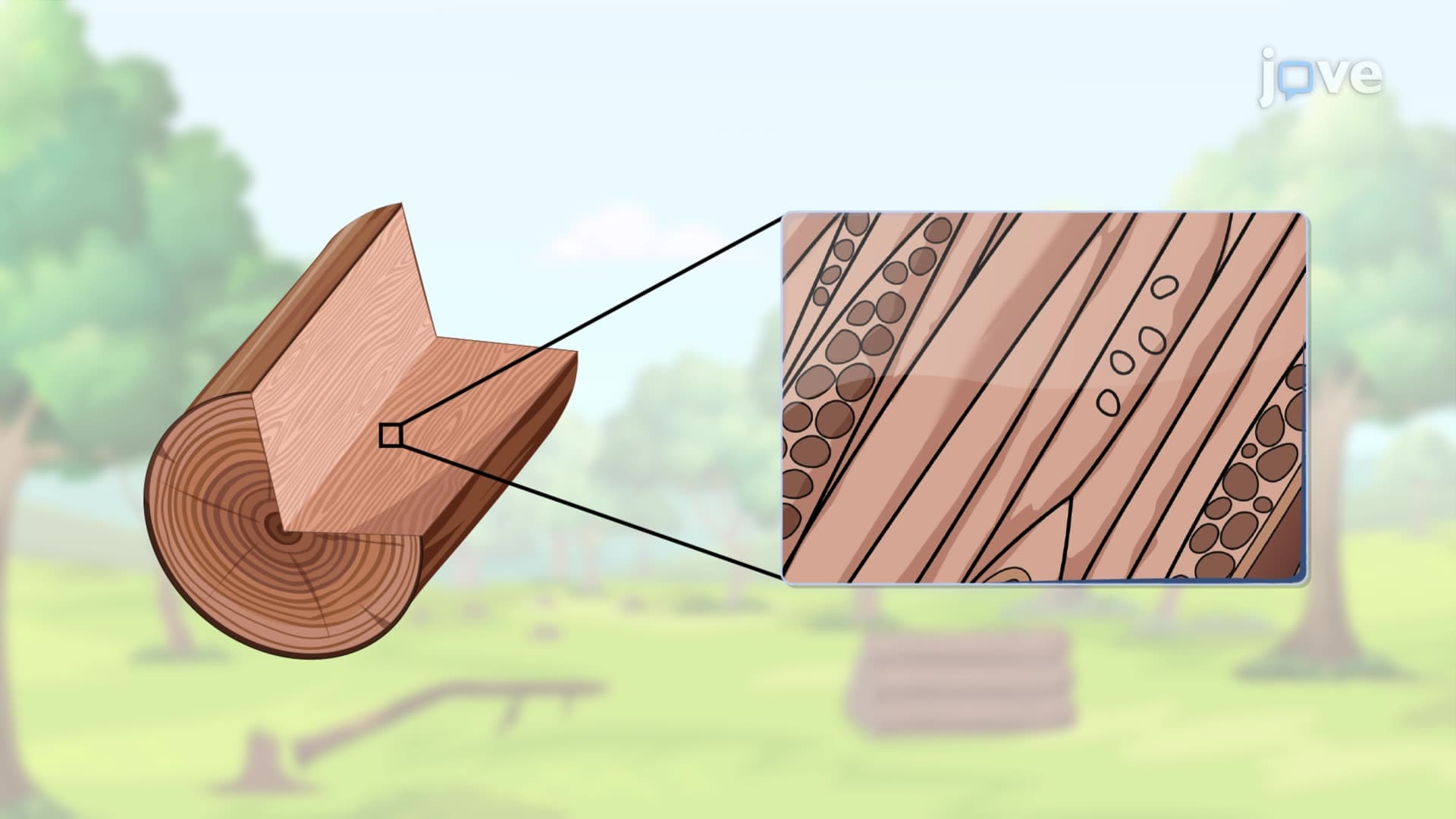
The fundamental distinction between softwoods and hardwoods lies not in their actual hardness, but in their botanical classification and cellular architecture. Softwoods derive from gymnosperms-cone-bearing trees like pines, firs, and spruces-while hardwoods come from angiosperms, typically broad-leaved deciduous trees such as oak, maple, and cherry. This classification system, essential for AP Biology and forestry courses, directly impacts material properties and applications.
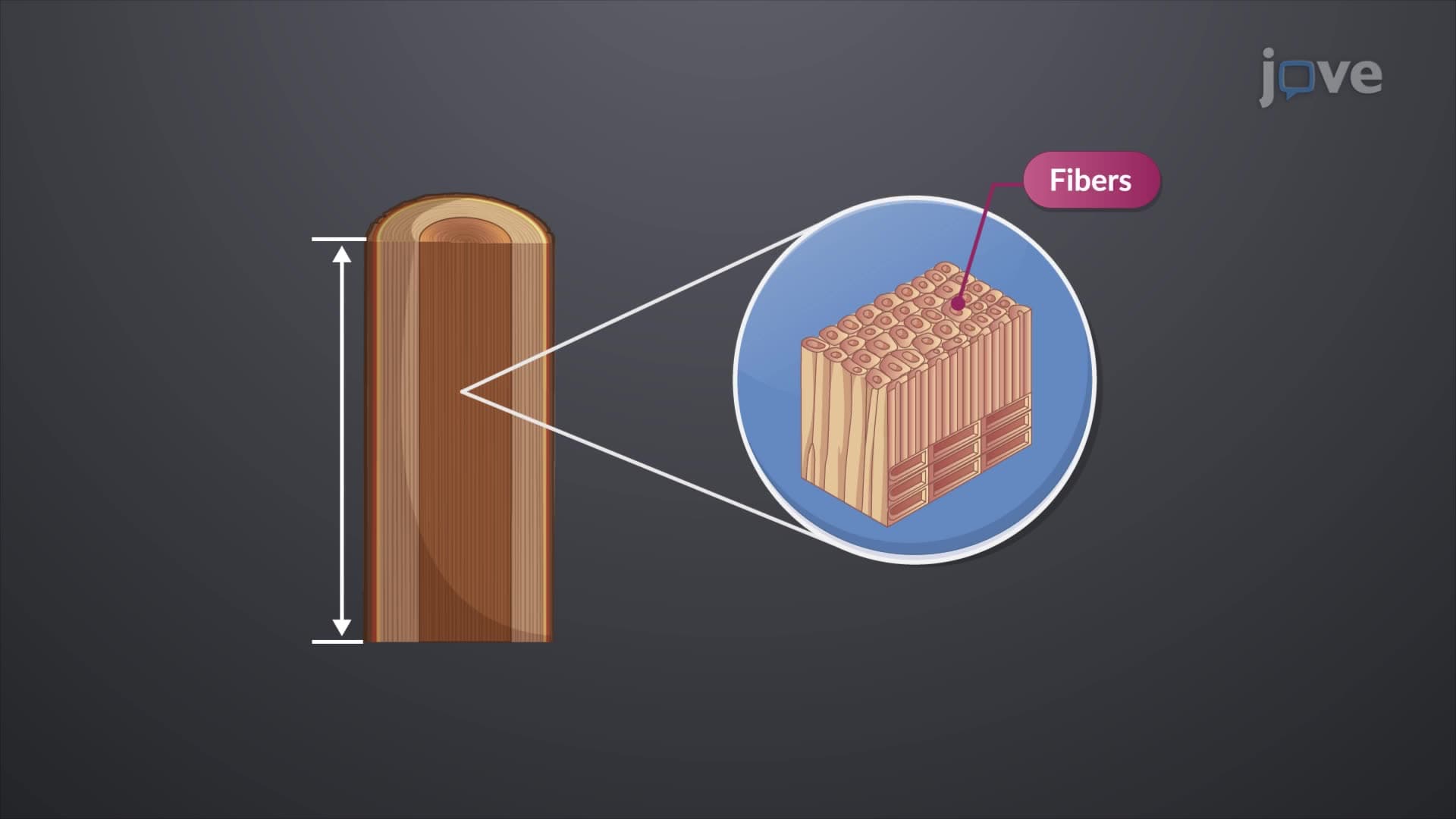
Softwood cellular structure centers on tracheids-elongated cells that serve dual functions of water transport and structural support. These large longitudinal cells create the characteristic simple grain patterns seen in lumber yards across America. Radial cells called rays comprise only a small percentage of softwood volume, contributing to their relatively uniform appearance.
Hardwoods exhibit more complex anatomy featuring two distinct longitudinal cell types: small-diameter fibers providing strength and large-diameter vessels facilitating water transport. This dual-cell system, combined with a higher percentage of rays, creates the intricate grain patterns prized in furniture manufacturing. Students studying plant biology or materials science often encounter these distinctions in college-level botany courses.
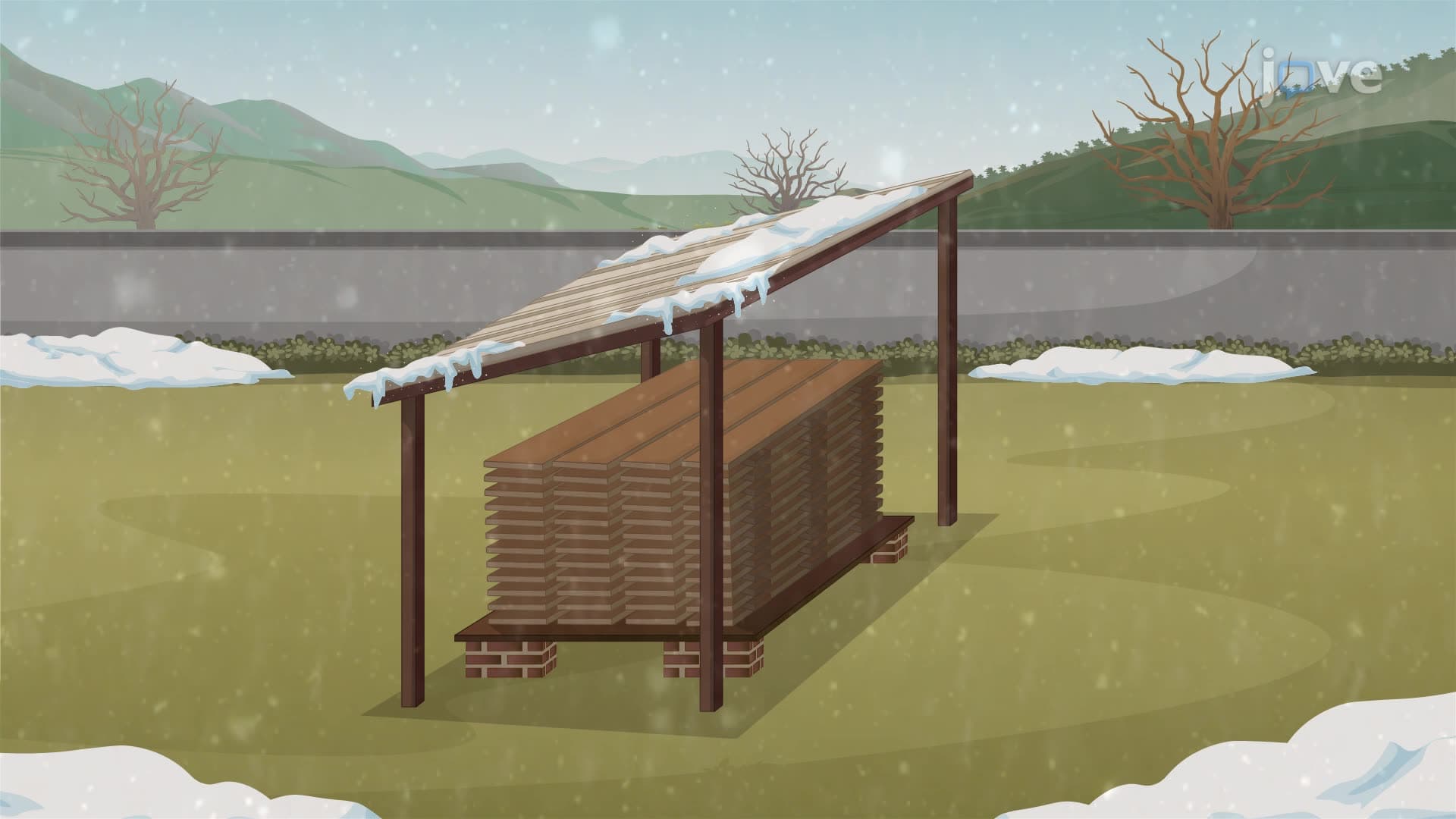
Understanding moisture behavior proves crucial for construction applications and frequently appears on MCAT passages involving material properties. Fresh-cut wood contains water in both cell cavities and fiber walls. During drying, cavity water evaporates first, followed by fiber-bound moisture removal. The fiber saturation point-typically around 30% moisture content for most softwoods-marks when shrinkage begins as remaining water leaves the cell walls.
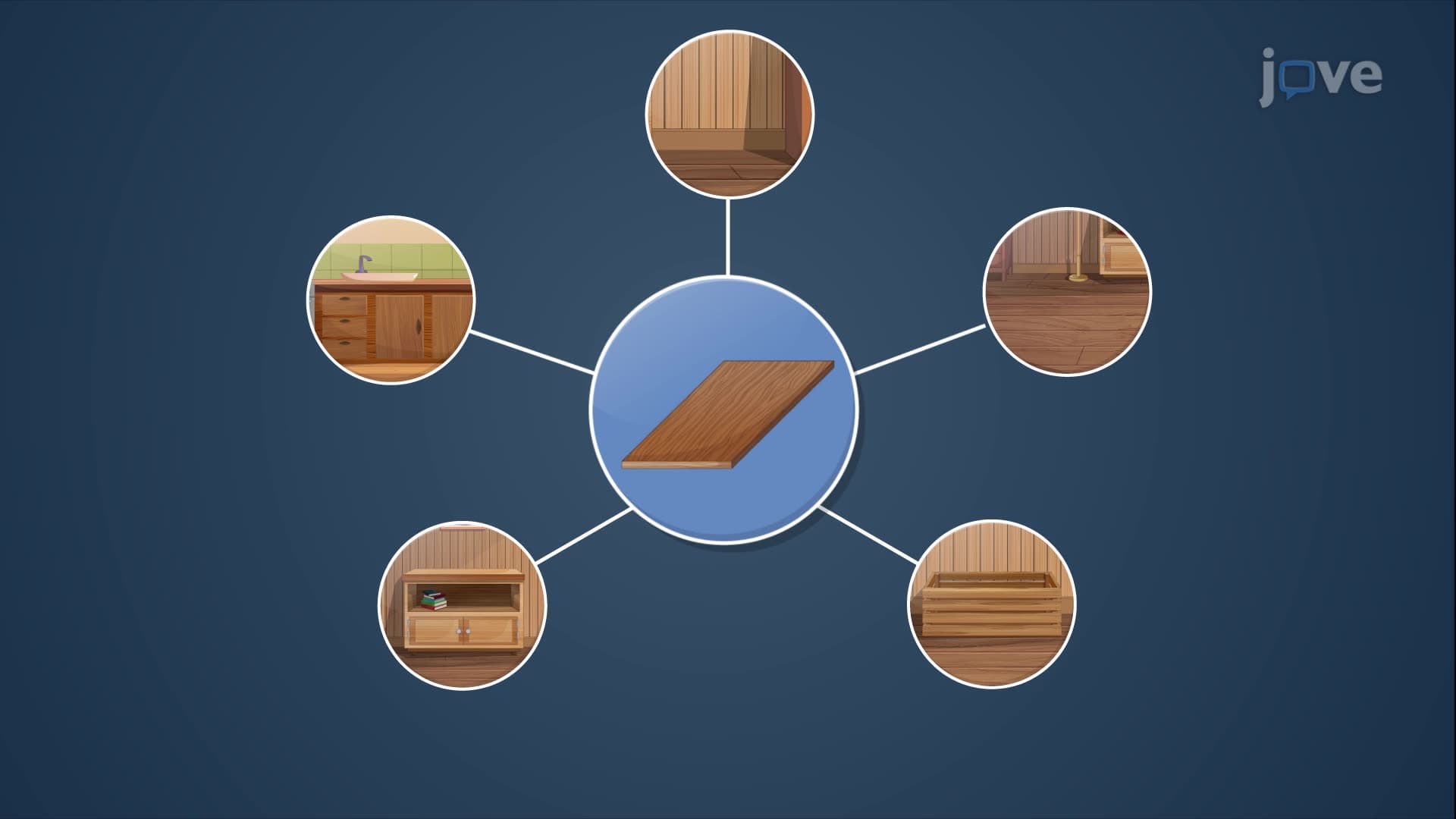
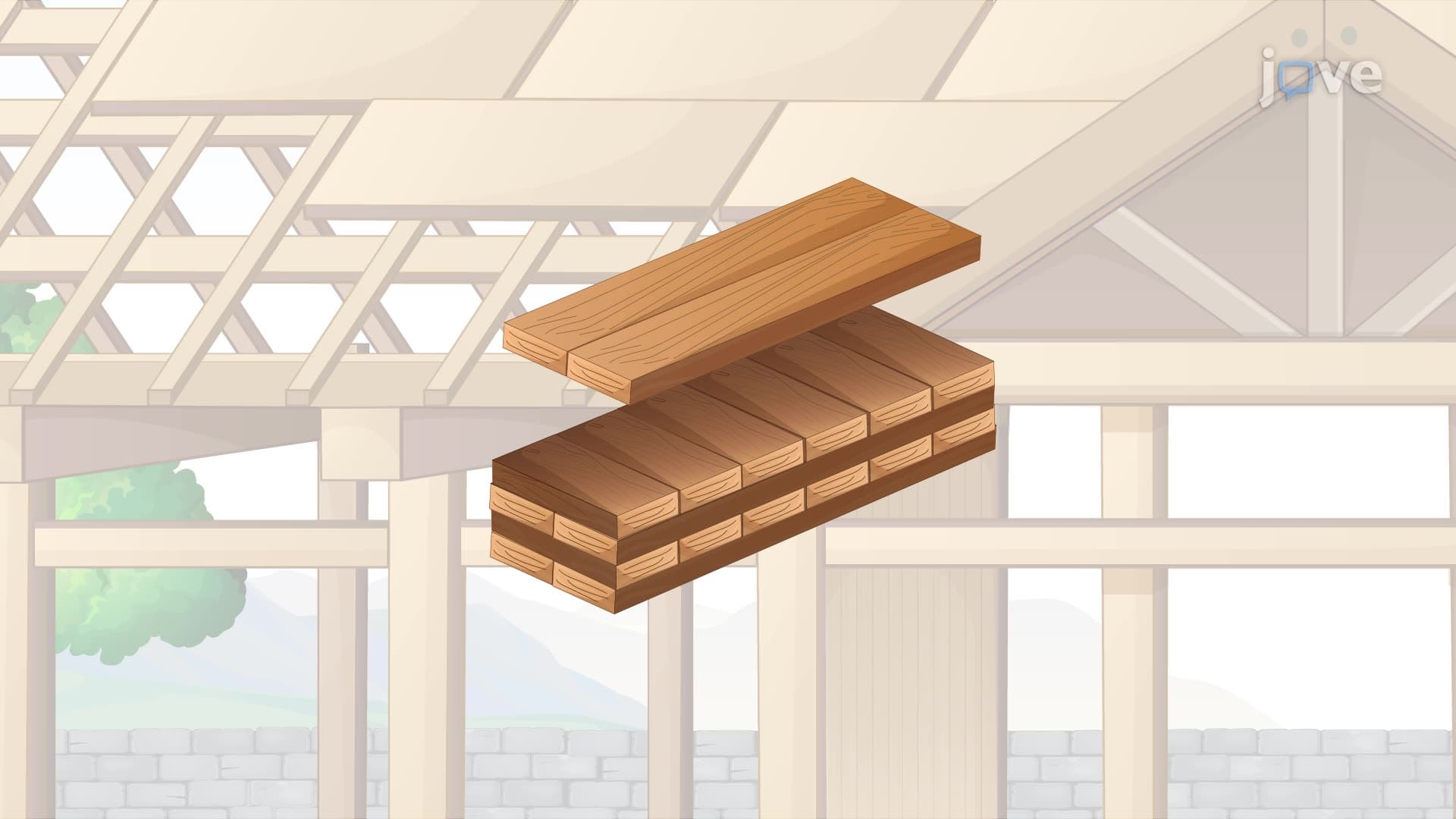
Construction industries leverage these cellular differences strategically. Softwoods dominate structural applications due to their availability, workability, and adequate strength-to-weight ratios. Southern pine frames homes from Texas to Georgia, while Douglas fir supports Pacific Northwest construction projects. Hardwoods excel in applications requiring durability and aesthetics-from Harvard University's historic oak paneling to contemporary maple flooring in Silicon Valley offices.
The grain structure differences directly impact processing and finishing. Softwoods' simpler cellular arrangement accepts stains and finishes uniformly, making them ideal for painted surfaces. Hardwoods' complex vessel-fiber systems create distinctive patterns that enhance natural finishes, explaining their preference for high-end millwork and furniture applications throughout American manufacturing.
Related Micro-courses