- Civil Engineering
- Masonry
Micro-courses:30

Masonry
1. Composite Masonry Walls
2. Masonry Cavity Walls
3. Masonry Loadbearing Walls
4. Masonry Curtain Walls
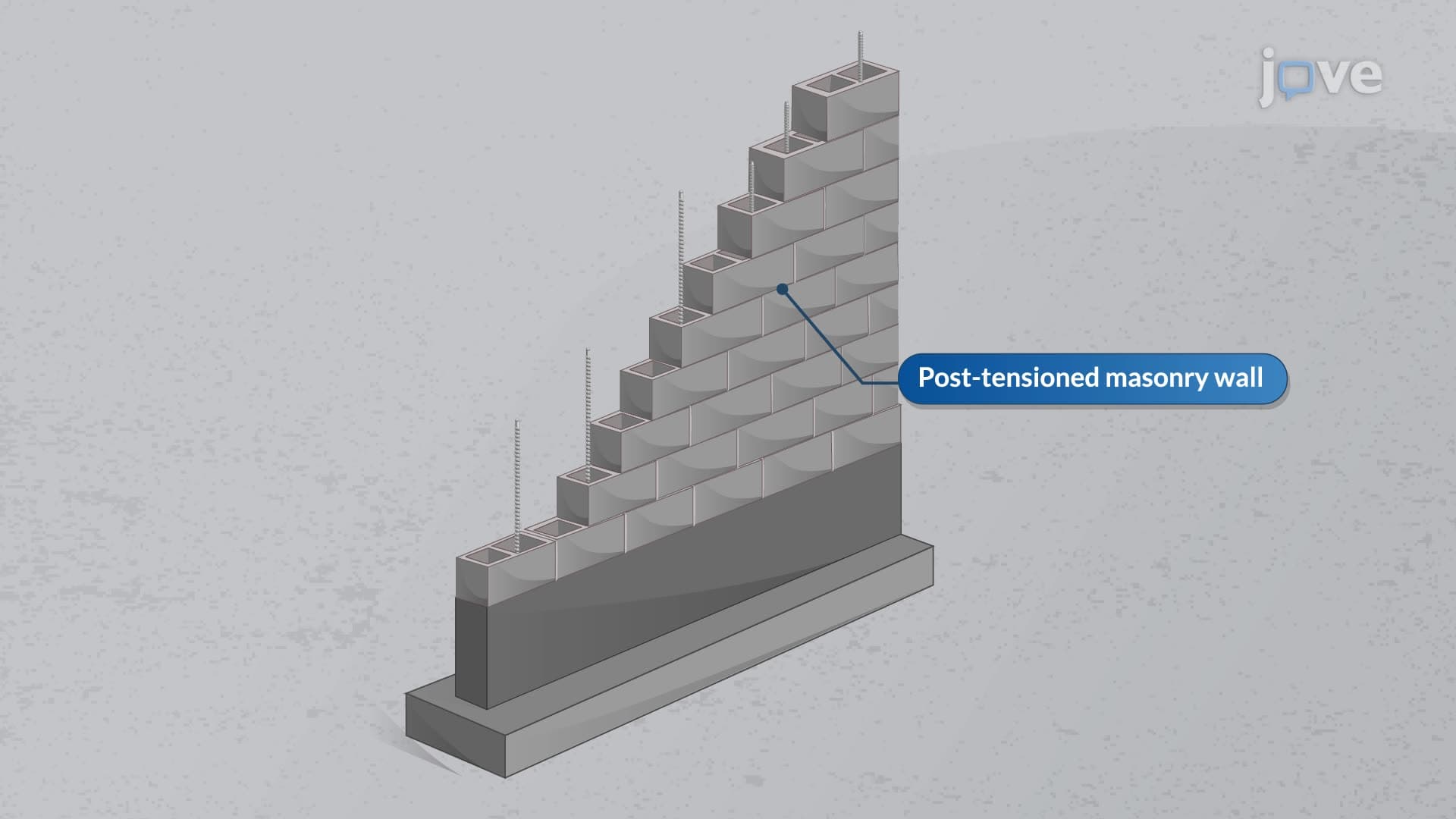
5. Posttensioned Masonry Walls
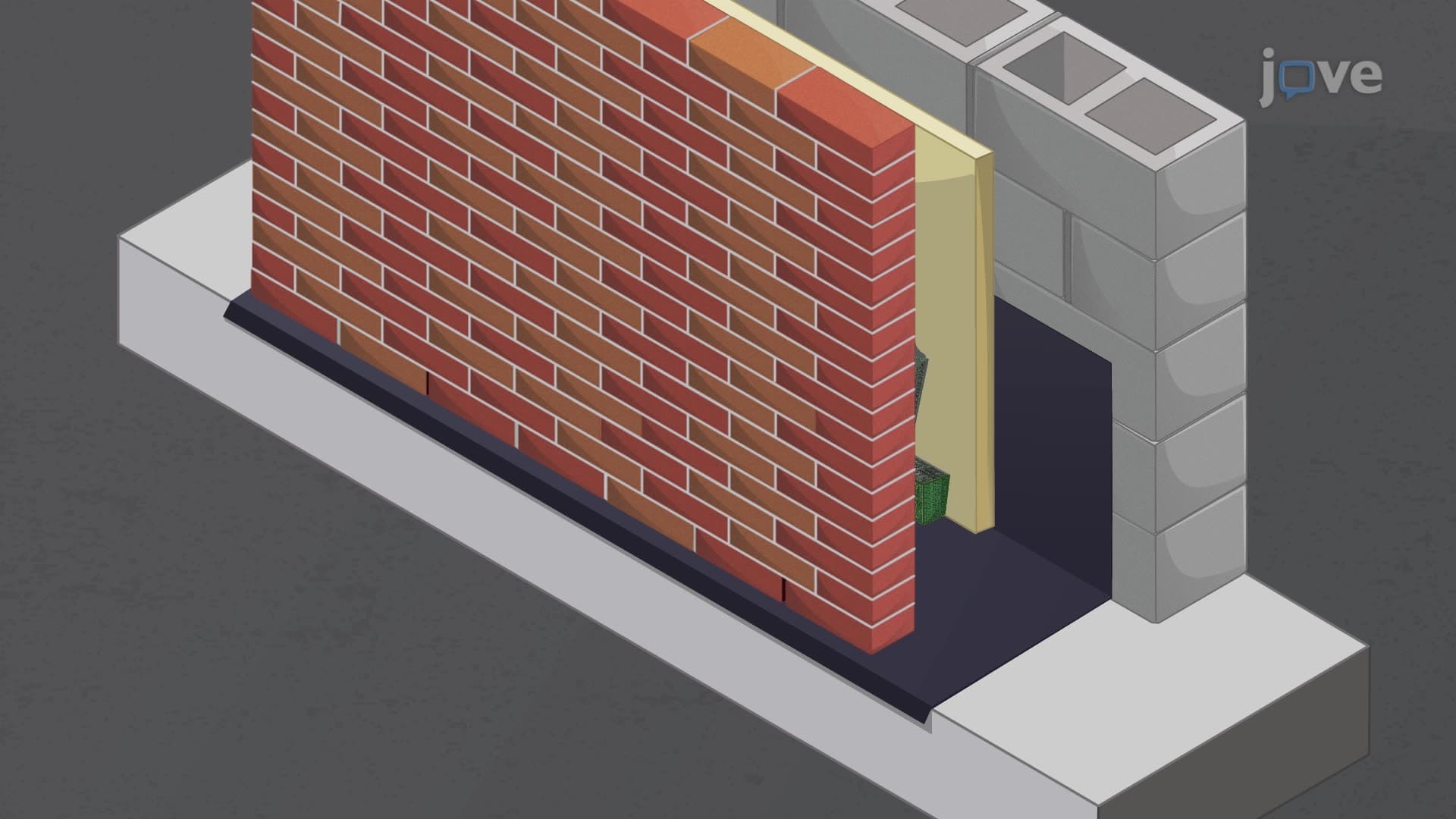
6. Cavity Drainage and Flashings in Masonry walls
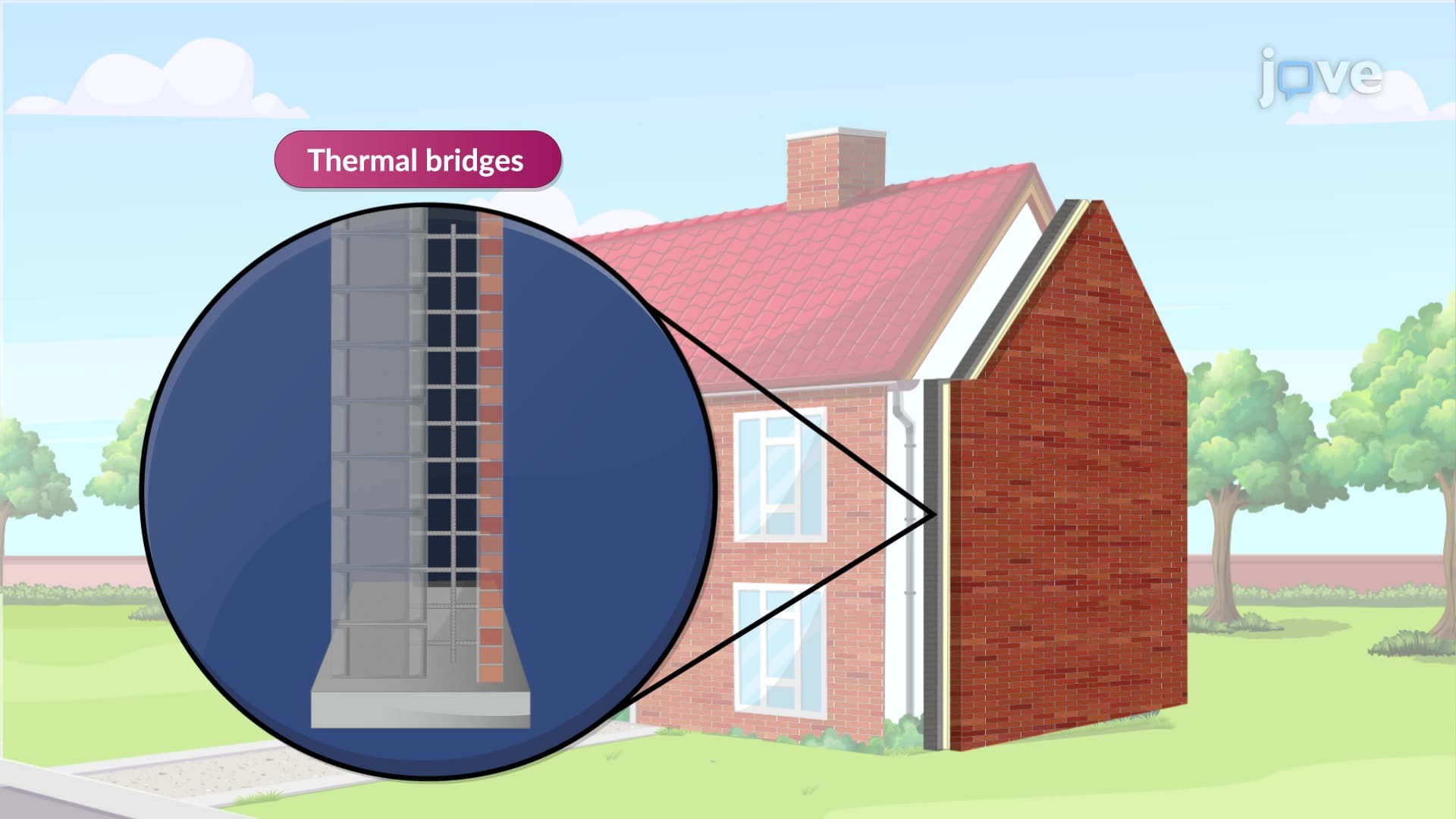
7. Thermal Insulation in Masonry Walls
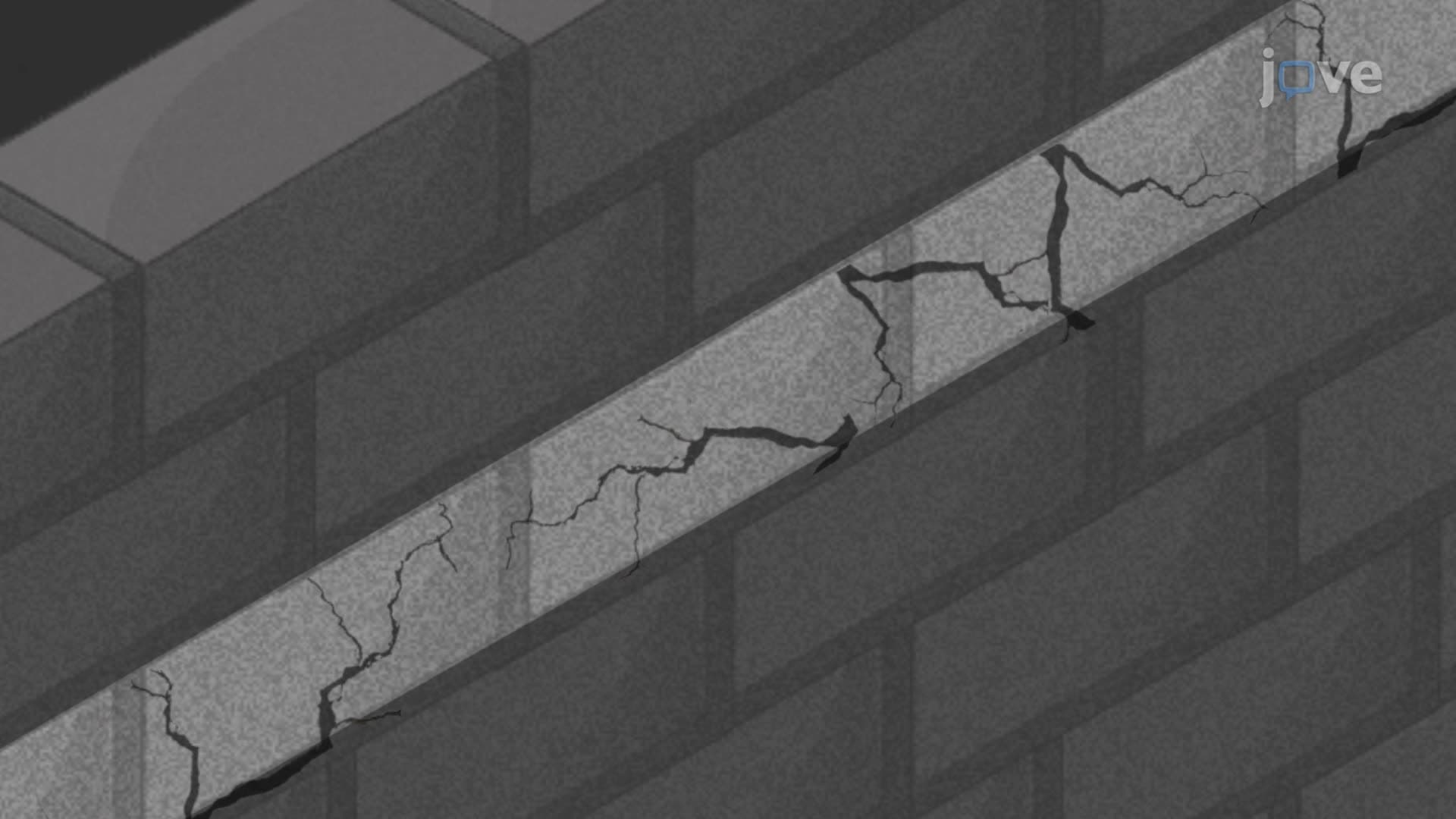
8. Expansion and Contraction in Masonry Walls
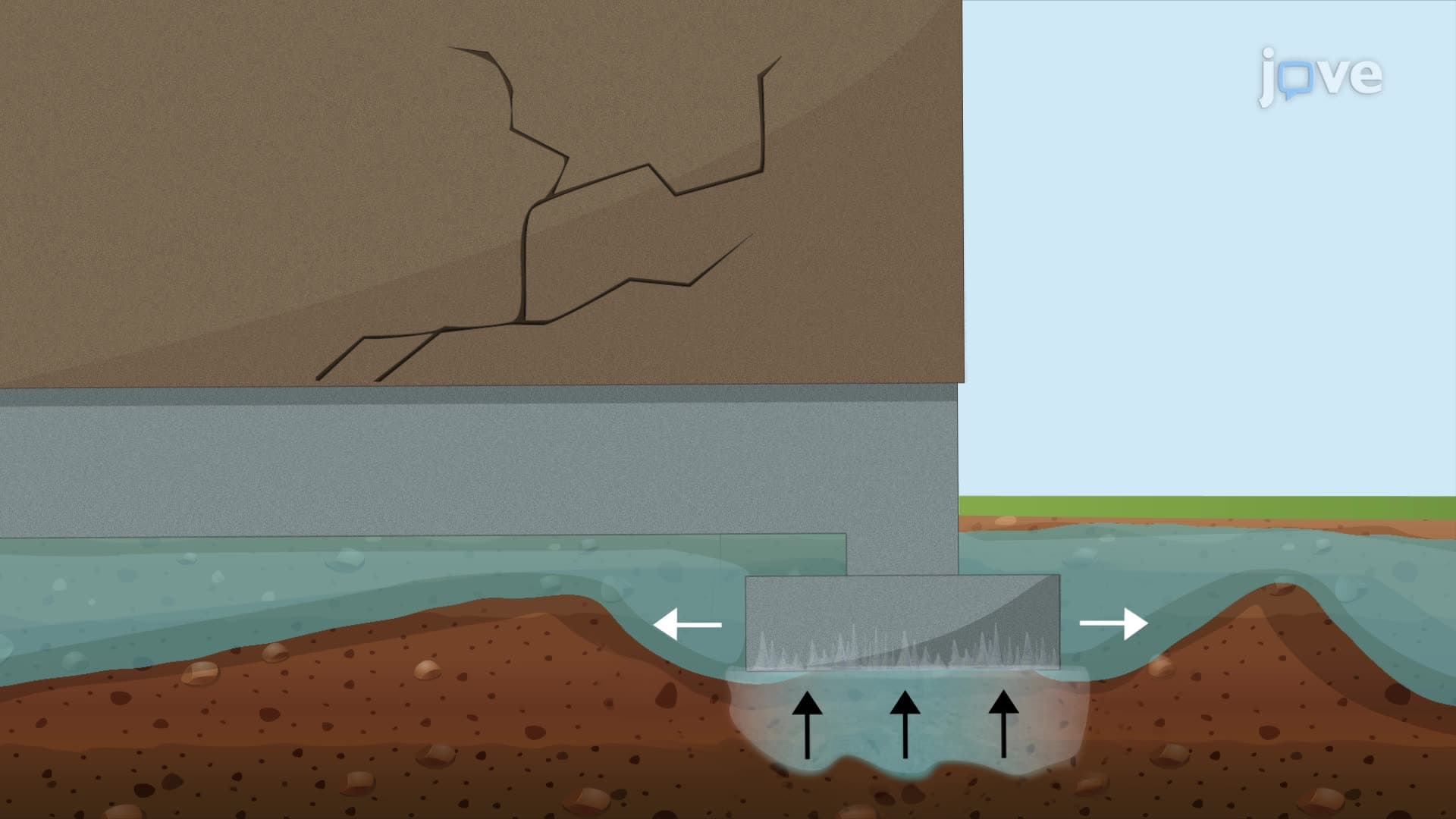
9. Movement Joints in Buildings
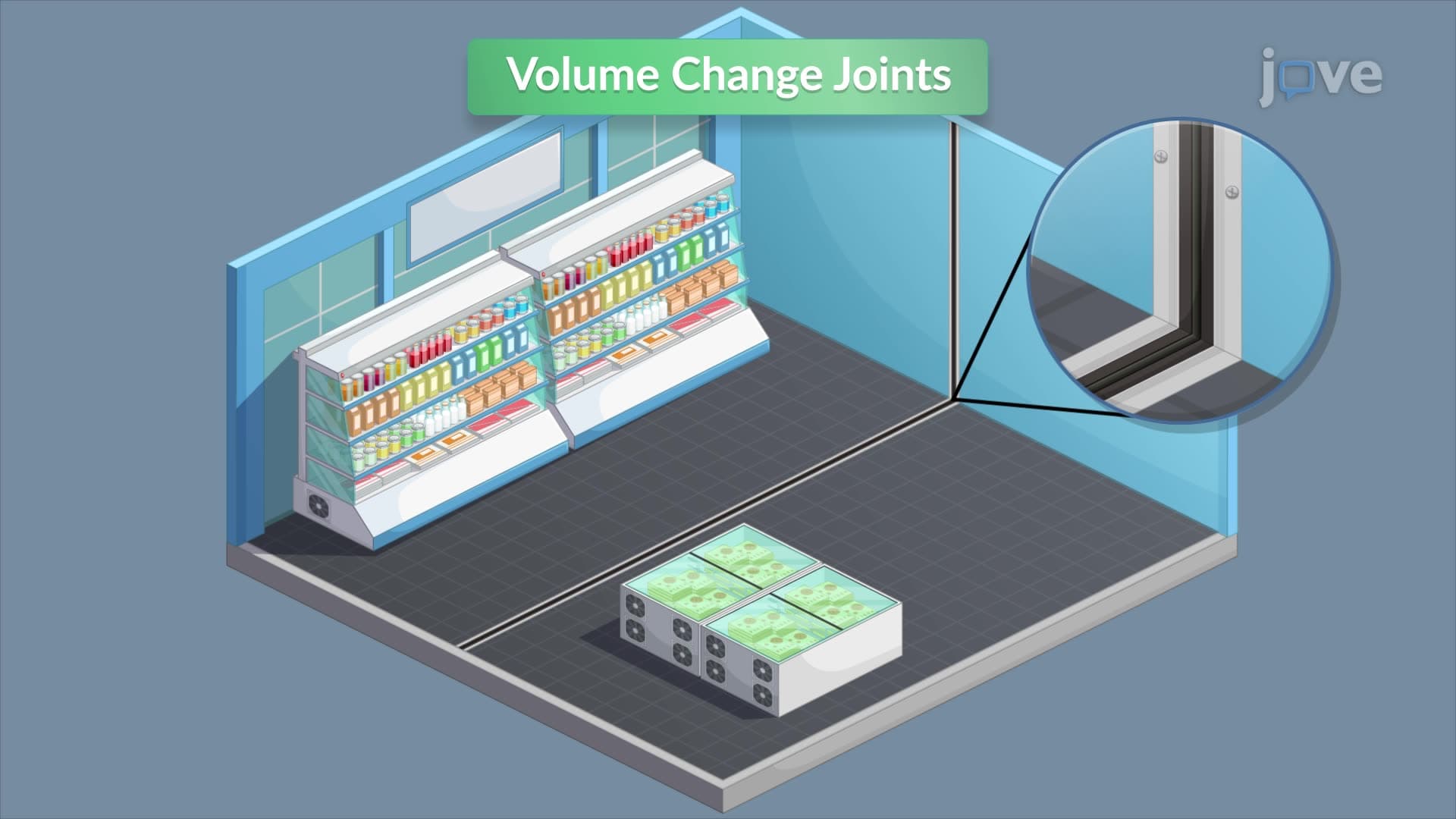
10. Types of Building Separation Joints
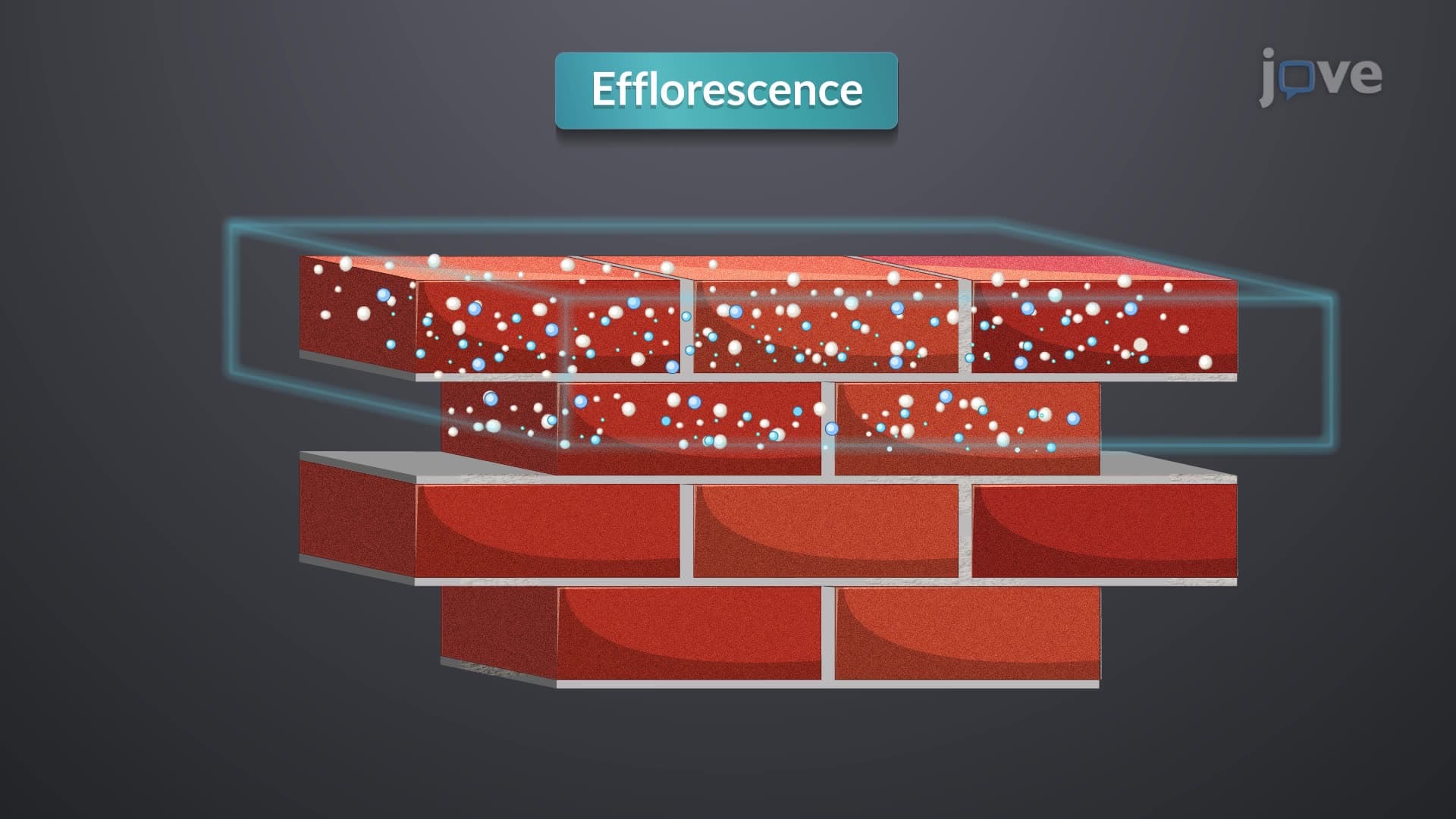
11. Efflorescence in Masonry
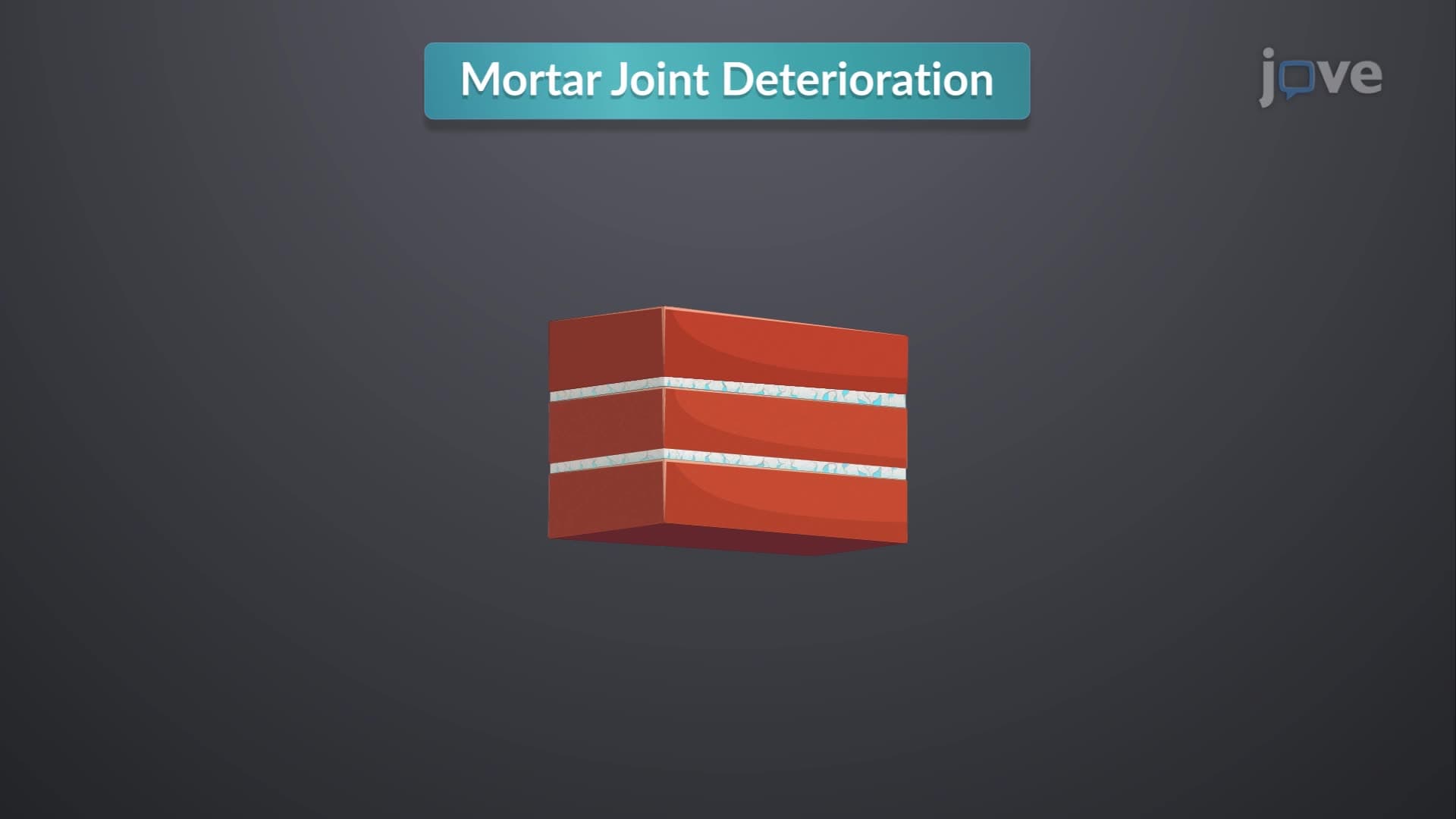
12. Mortar Joint Deterioration in Masonry
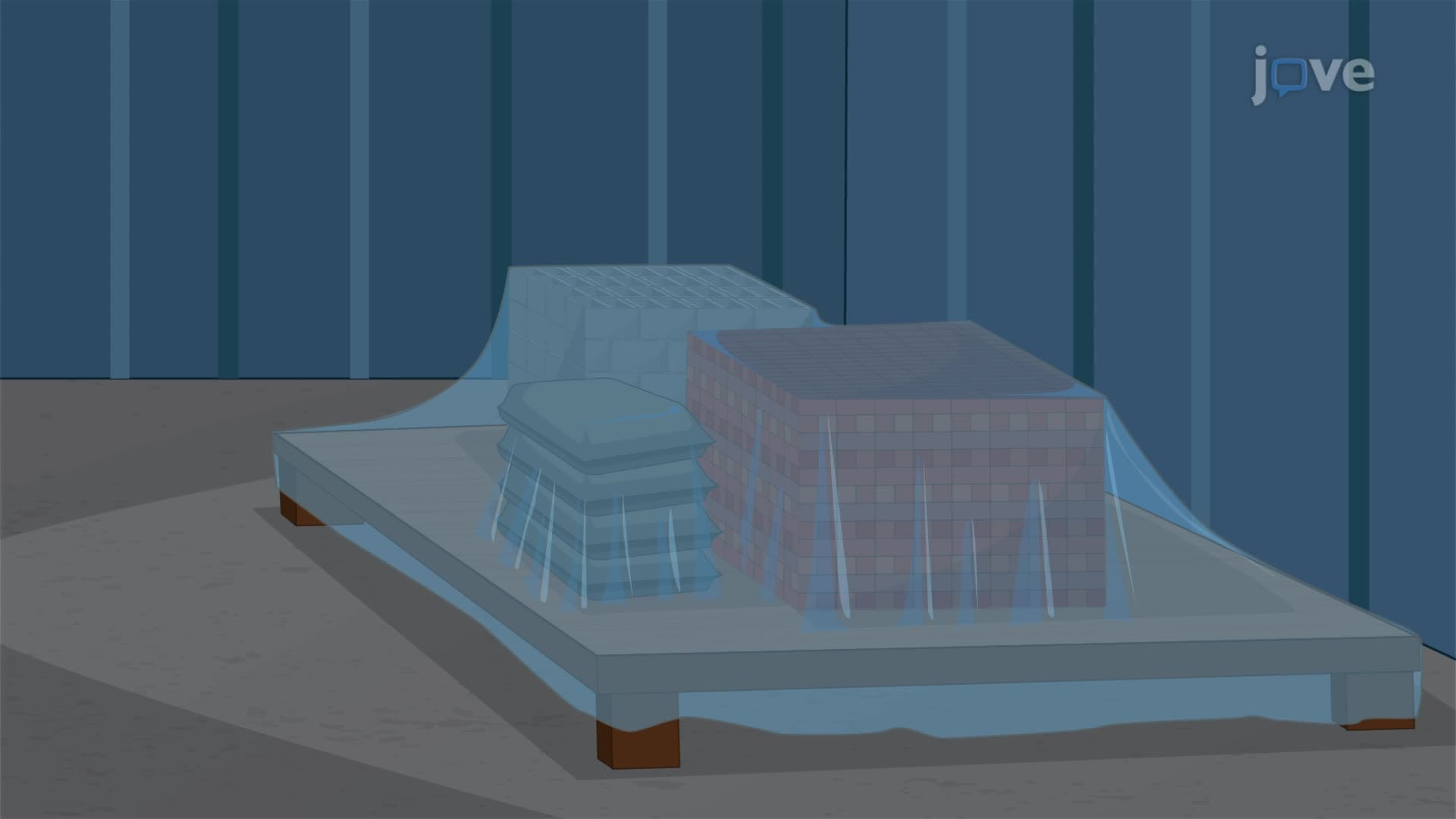
13. Masonry in Cold and Hot Weather Conditions
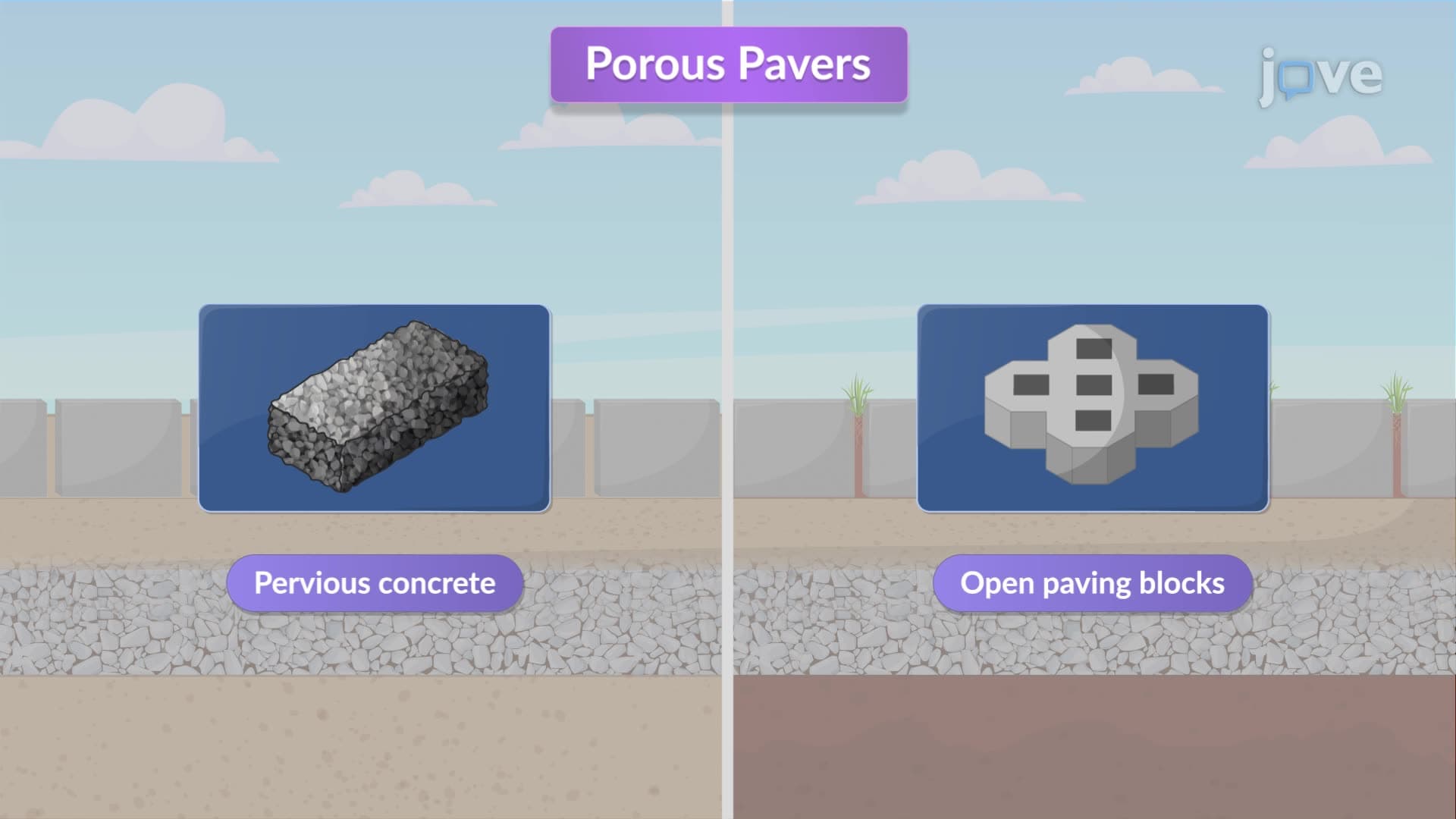
14. Masonry Paving
Masonry construction techniques form the foundation of durable building systems across the United States, from residential homes to commercial structures. This comprehensive course explores the principles and techniques of masonry construction, covering everything from composite and cavity walls to thermal insulation and structural applications. Students will examine brick laying methods, wall construction strategies, mortar joint systems, and masonry bonding techniques used in American construction projects. JoVE Coach provides detailed instruction on both traditional and modern masonry practices essential for construction professionals.
- Understand composite masonry wall construction using multiple wythes and metal tie systems
- Learn cavity wall design principles including drainage, flashing, and moisture management
- Identify load-bearing masonry applications in structural frameworks and building enclosures
- Explore curtain wall installation techniques and prefabricated panel systems
- Analyze post-tensioned masonry methods for enhanced structural performance
- Apply thermal insulation strategies for exterior, interior, and cavity installations
- Understand expansion and contraction management through movement joint placement
- Learn weatherproofing techniques for hot and cold climate construction
- Identify common masonry problems including efflorescence and mortar deterioration
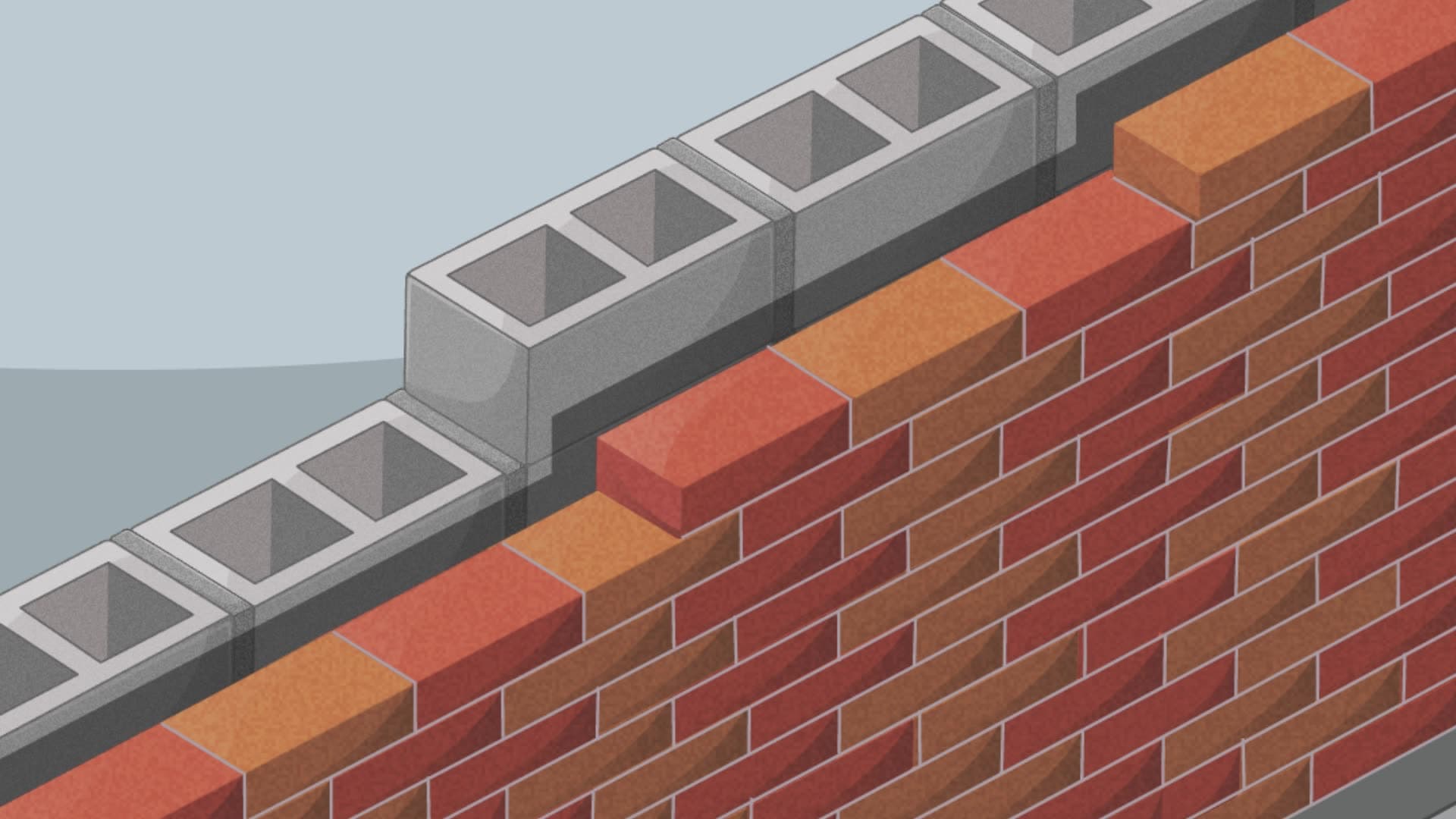
1. Composite Masonry Wall Systems: Composite masonry walls utilize two or more wythes constructed from different masonry materials, connected through metal ties or rigid reinforcements. In American construction, these systems commonly combine durable stone facing with cost-effective brick backing, separated by collar joints filled with mortar. The metal tie system prevents water penetration while maintaining structural integrity. Applications include historic restoration projects and high-end commercial buildings where aesthetic appeal must be balanced with structural performance and cost considerations.
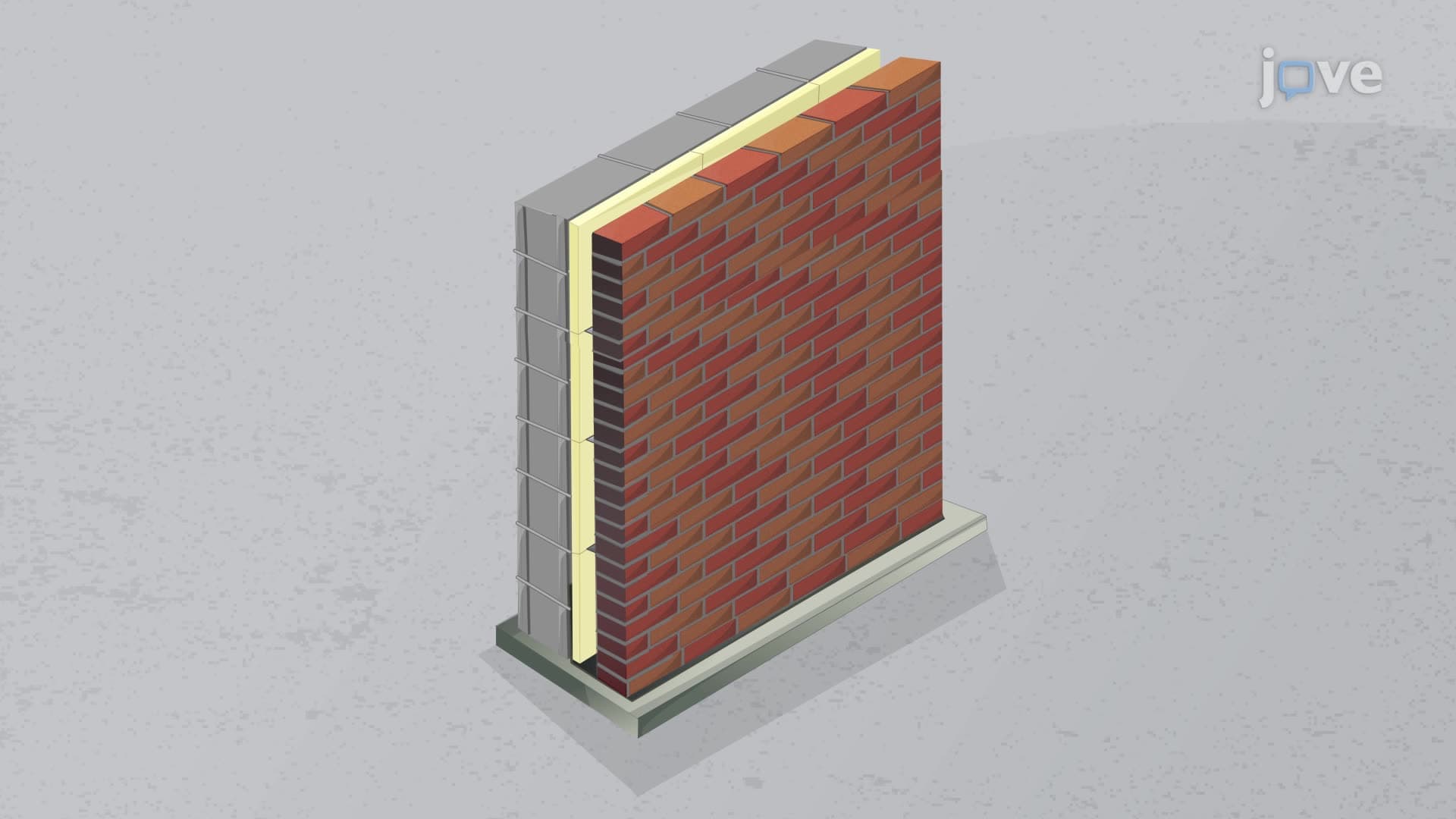
2. Cavity Wall Construction and Drainage: Masonry cavity walls feature two separated wythes connected by corrosion-resistant ties, creating a hollow space for moisture management and insulation. The outer wythe acts as a weather barrier while the inner wythe provides structural support. Flashing systems collect penetrating water and direct it to weep holes for drainage. This construction method is widely used in American residential and commercial buildings, particularly in regions with significant rainfall or freeze-thaw cycles.
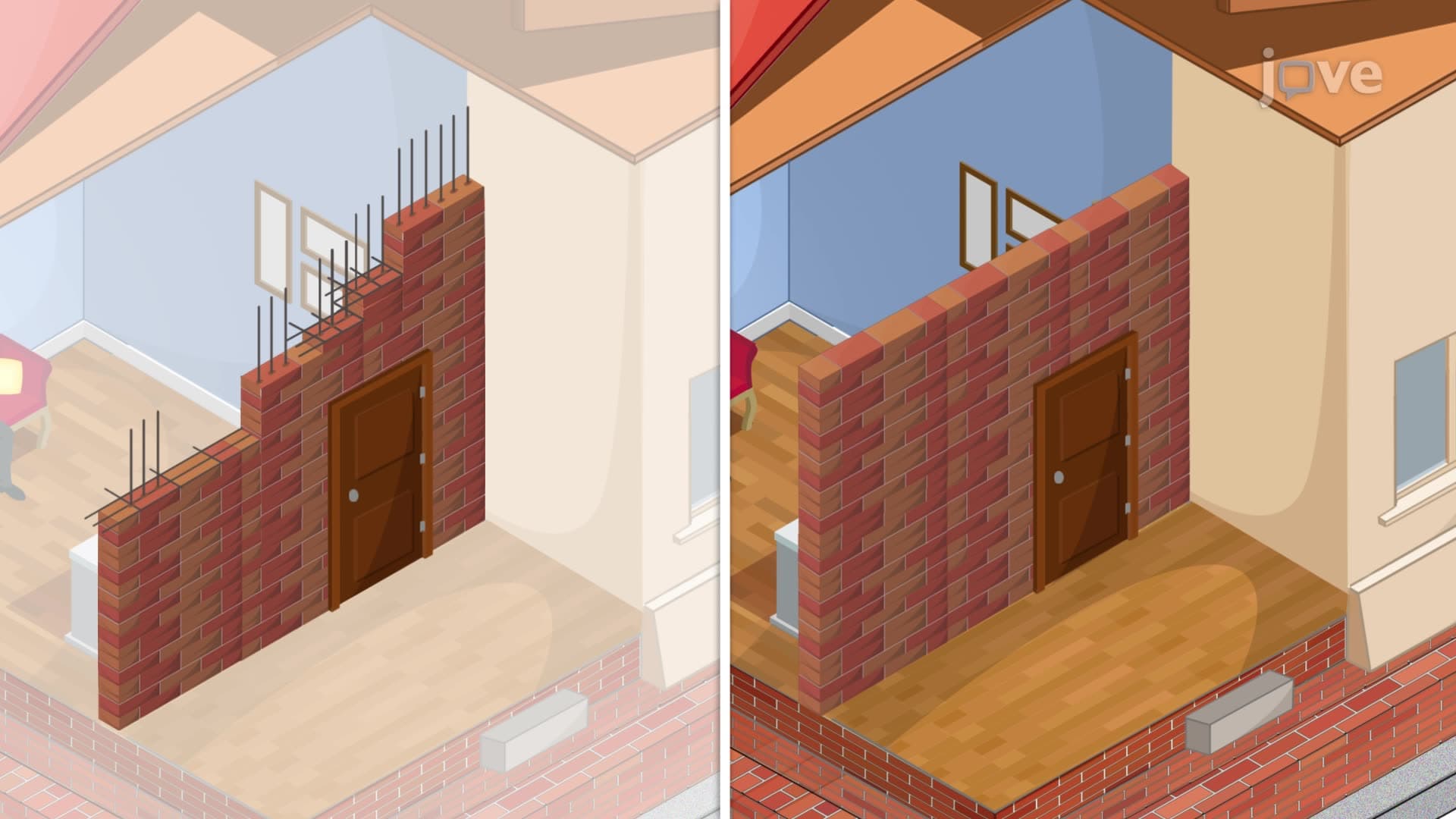
3. Load-Bearing Masonry Applications: Load-bearing masonry walls support structural loads from floors and roofs while serving as the building enclosure. These systems transfer dead loads through compression to the foundation system. American applications include low- to medium-height educational buildings, where masonry load-bearing walls work with interior masonry columns to create efficient structural frameworks. Working stresses remain significantly below ultimate strength to account for mortar joint limitations and ensure long-term structural performance.
4. Post-Tensioned Masonry Technology: Post-tensioned masonry employs high-strength steel tendons or threaded rods anchored to foundations and tensioned after construction completion. This technique induces compressive prestress exceeding normal dead load stresses, enhancing resistance to wind and seismic forces. The method enables thinner wall construction compared to conventional reinforced masonry, maximizing interior space. Applications include high-rise residential towers and institutional buildings in seismically active regions of the United States.
5. Thermal Insulation Strategies: Masonry thermal insulation involves exterior, interior, or cavity-based systems to minimize seasonal heat transfer. Exterior insulation utilizes polystyrene foam panels with polymeric stucco finishes, while interior systems employ reflective barriers or batt insulation with furring strips. Cavity insulation includes rigid foam boards or granular materials like perlite. Selection depends on building function, local energy codes, and cost-benefit analysis, with particular attention to thermal bridging through reinforcement elements.
6. Movement Joint Design and Installation: Movement joints accommodate expansion and contraction in masonry systems caused by moisture, temperature changes, and structural loads. Control joints manage shrinkage cracking in new construction, while expansion joints allow for material growth. Joint placement occurs at wall intersections, openings, and directional changes. Proper sealing with backer rods and elastic sealers prevents moisture infiltration while maintaining flexibility. American building codes specify joint spacing requirements based on material types and climatic conditions.
7. Moisture Management and Weatherproofing: Effective moisture control involves flashing systems, drainage mats, and vapor barriers to prevent water penetration and structural damage. Sheet metal, asphaltic membrane, and synthetic rubber flashings redirect water away from vulnerable areas. Weep holes and cavity ventilation promote drainage and evaporation. Cold weather construction requires heated materials and protective coverings, while hot weather techniques include equipment shading and fog spray applications to maintain proper curing conditions.
Frequently Asked Questions
Composite masonry walls bond multiple wythes together as a solid structural unit, making them suitable for load-bearing applications with consistent material behavior. Cavity walls separate wythes with an air space, allowing the inner wythe to carry structural loads while the outer wythe primarily serves as weather protection. Cavity walls offer superior moisture management and insulation capabilities, while composite walls provide greater structural mass and thermal storage.
Movement joints create intentional weak points where controlled cracking or movement can occur without damaging the overall structure. Expansion joints accommodate material growth from moisture absorption or thermal expansion, while control joints direct shrinkage cracking to predetermined locations. These joints must be properly sealed and spaced according to building codes to maintain weatherproofing while allowing necessary movement.
AP Physics may include questions about thermal expansion coefficients, compressive stress calculations, and heat transfer through wall assemblies. AP Environmental Science could cover sustainable building materials, energy efficiency of different wall systems, permeable paving for stormwater management, and lifecycle environmental impacts of various masonry materials. Understanding thermal bridge effects and insulation R-values is relevant for both subjects.
Post-tensioned masonry offers the best seismic performance by providing high compressive prestress that resists tension forces generated during ground motion. The prestressed system allows masonry to remain in compression even under lateral loads, preventing crack formation and structural failure. Additionally, proper seismic separation joints allow different building segments to move independently during earthquakes.
Cold climates require freeze-thaw resistant materials, heated construction materials, and insulated coverings during installation. Hot, arid climates need pre-wetted units, shaded storage, and protective coverings to prevent rapid moisture loss during curing. Humid coastal regions emphasize moisture management through cavity drainage and vapor barriers. Each region requires specific material selection and construction timing based on local weather patterns.
Efflorescence occurs when water dissolves soluble salts from masonry units or mortar, then evaporates at the surface, leaving white crystalline deposits. Prevention involves using low-salt masonry materials, minimizing water infiltration through proper flashing and drainage, and applying breathable water repellents that allow vapor movement while blocking liquid water penetration.
Focus on understanding the relationship between different wall components rather than memorizing isolated facts. Practice sketching wall cross-sections showing how wythes, ties, insulation, and moisture barriers work together. Create comparison charts highlighting the advantages and applications of different wall types. Connect theoretical principles to real buildings you can observe in your community.
Permeable masonry paving allows rainwater to infiltrate through joints filled with sand or planted soil, or through porous pavers themselves. This reduces surface runoff, minimizes strain on municipal storm drainage systems, and helps recharge groundwater supplies. The technique is increasingly required by local regulations in many US communities as part of green infrastructure initiatives.
This microcourse includes 14 concept videos that walk you through the building blocks of Civil Engineering. Each video is short, about 1 minute, so you can cover a full topic during a coffee break or between classes. The full sequence starts with Composite Masonry Walls and ends with Masonry Paving.
The playlist moves from big-picture ideas to the precise vocabulary used in Civil Engineering. Early videos introduce Composite Masonry Walls, Masonry Cavity Walls, and Masonry Loadbearing Walls. The middle of the series focuses on Posttensioned Masonry Walls, Cavity Drainage and Flashings in Masonry walls, and Thermal Insulation in Masonry Walls. The final stretch covers Expansion and Contraction in Masonry Walls, Movement Joints in Buildings, Types of Building Separation Joints, Efflorescence in Masonry, Mortar Joint Deterioration in Masonry, Masonry in Cold and Hot Weather Conditions, and Masonry Paving.
The natural next step is Wood. From there, you can move to Introduction to Concrete, Aggregates and Water, and Fresh Concrete. Once you finish those, the full Civil Engineering curriculum of 30 microcourses on JoVE Coach opens up, taking you from foundational concepts to advanced systems.
Related Subjects
 Electrical Engineering 33 micro-courses›Mechanical Engineering 28 micro-courses›