Loading subject page…

- Civil Engineering
- Masonry
- Mortar Joint Deterioration in Masonry
Micro-course: Masonry
7,488 views
Learn key concepts and earn your certificate.

Mortar Joint Deterioration in Masonry

00:00
01:13
Video Summary: What Is Mortar Joint Deterioration
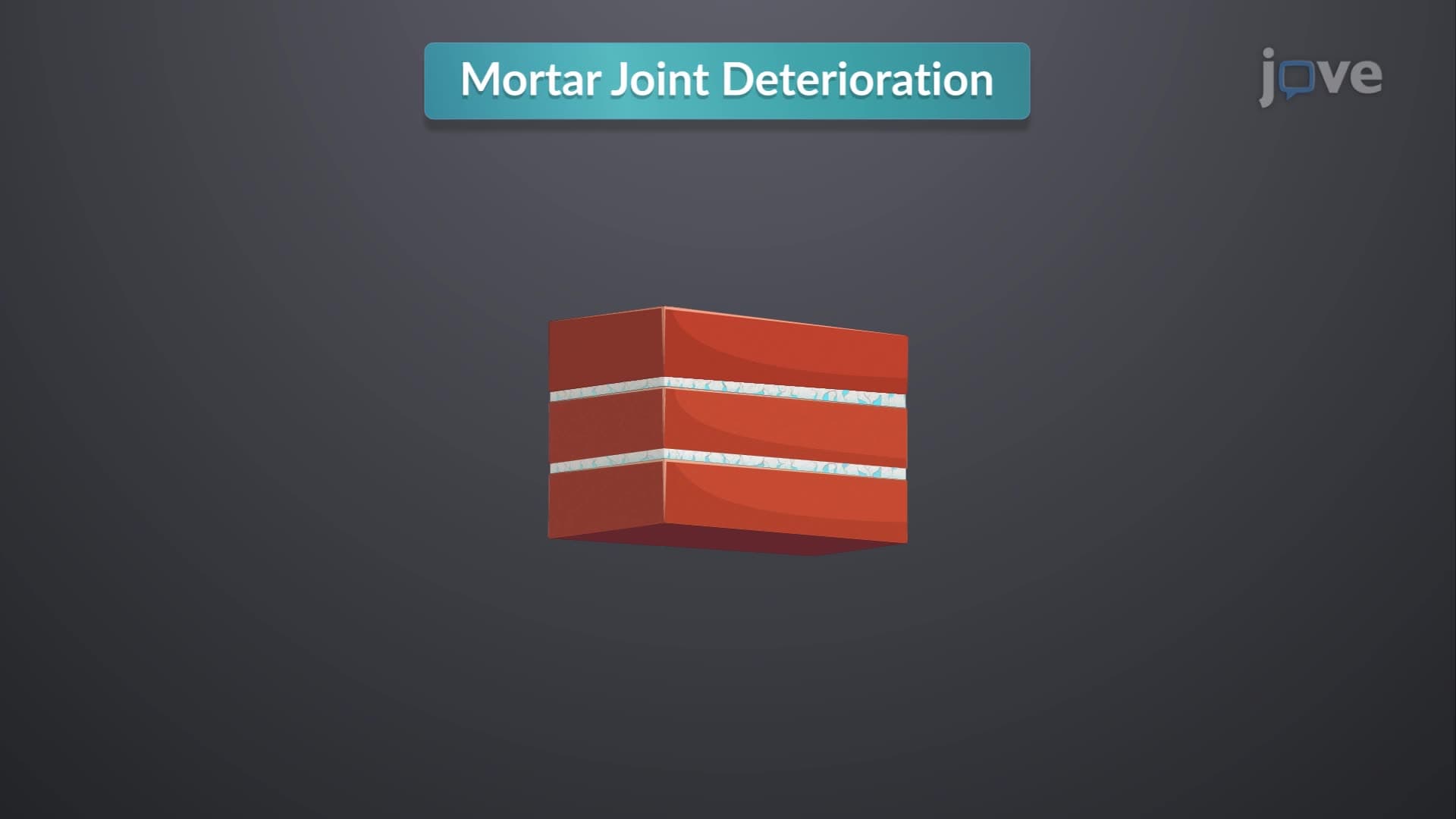
Did you know that freeze-thaw cycles can destroy the strongest-looking brick buildings? Mortar joint deterioration occurs when water trapped in masonry joints repeatedly freezes and expands, creating cracks that eventually cause mortar to split and flake away. Historic buildings like Boston's Faneuil Hall require constant maintenance to combat this process. Understanding what is mortar joint deterioration helps explain why proper construction techniques and regular repointing are essential for structural integrity. Watch the full video on JoVE Coach to master this concept with expert-led visuals and step-by-step explanations.
- Understand what mortar joint deterioration is and how freeze-thaw cycles damage masonry structures
- Identify the key factors that contribute to mortar joint failure, including water penetration and climate exposure
- Analyze the progression from initial water collection to complete mortar breakdown and structural compromise
- Recognize the importance of water-resistant mortar and proper compaction during initial construction
- Evaluate when repointing becomes necessary based on visual signs of deterioration
- Apply knowledge of preventive measures to assess real-world masonry construction practices
- Explore the step-by-step repointing process used to restore damaged mortar joints
- Compare different climate conditions and their impact on masonry durability
Understanding Mortar Joint Deterioration Fundamentals
Mortar joint deterioration represents one of the most common and destructive processes affecting masonry structures throughout the United States. This phenomenon occurs when the mortar binding masonry units together gradually weakens and fails due to environmental stresses, particularly the freeze-thaw cycle that characterizes much of the American climate.
The deterioration process begins when rainwater penetrates into mortar joints through microscopic pores or small cracks. During winter months across northern states like Minnesota, Wisconsin, and New York, this trapped water undergoes repeated freezing and thawing cycles. Water expands approximately 9% when it freezes, creating internal pressure that exceeds the tensile strength of most mortar compositions. This expansion generates stress fractures that grow larger with each successive freeze-thaw event.
The Progressive Nature of Mortar Breakdown
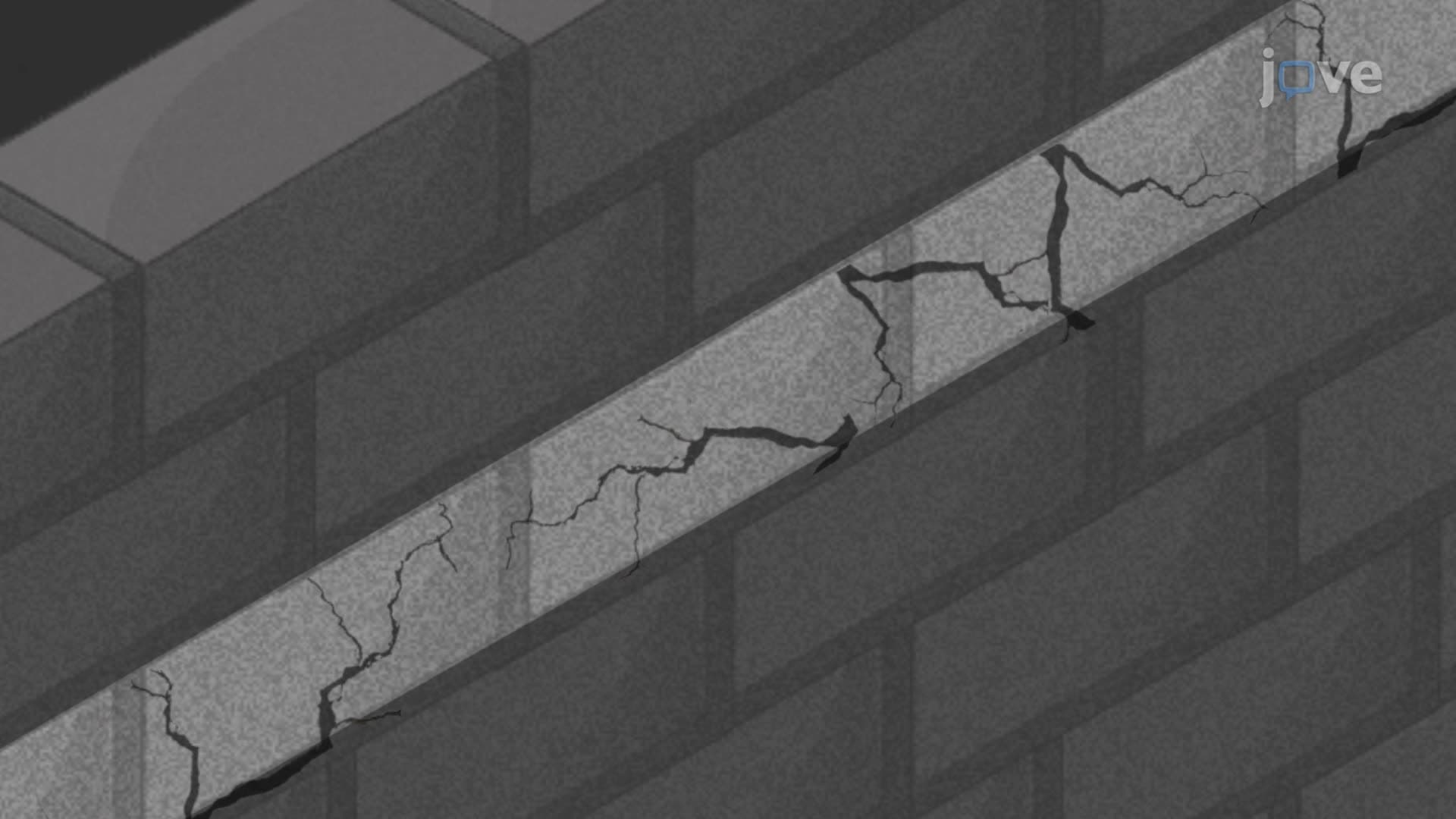
Initially, hairline cracks appear in the mortar surface, barely visible to the naked eye. However, these micro-fractures create additional pathways for water infiltration, accelerating the deterioration process exponentially. As cracks widen, larger volumes of water can penetrate deeper into the joint structure. Eventually, the mortar begins to split and flake off in visible chunks, a process called spalling.
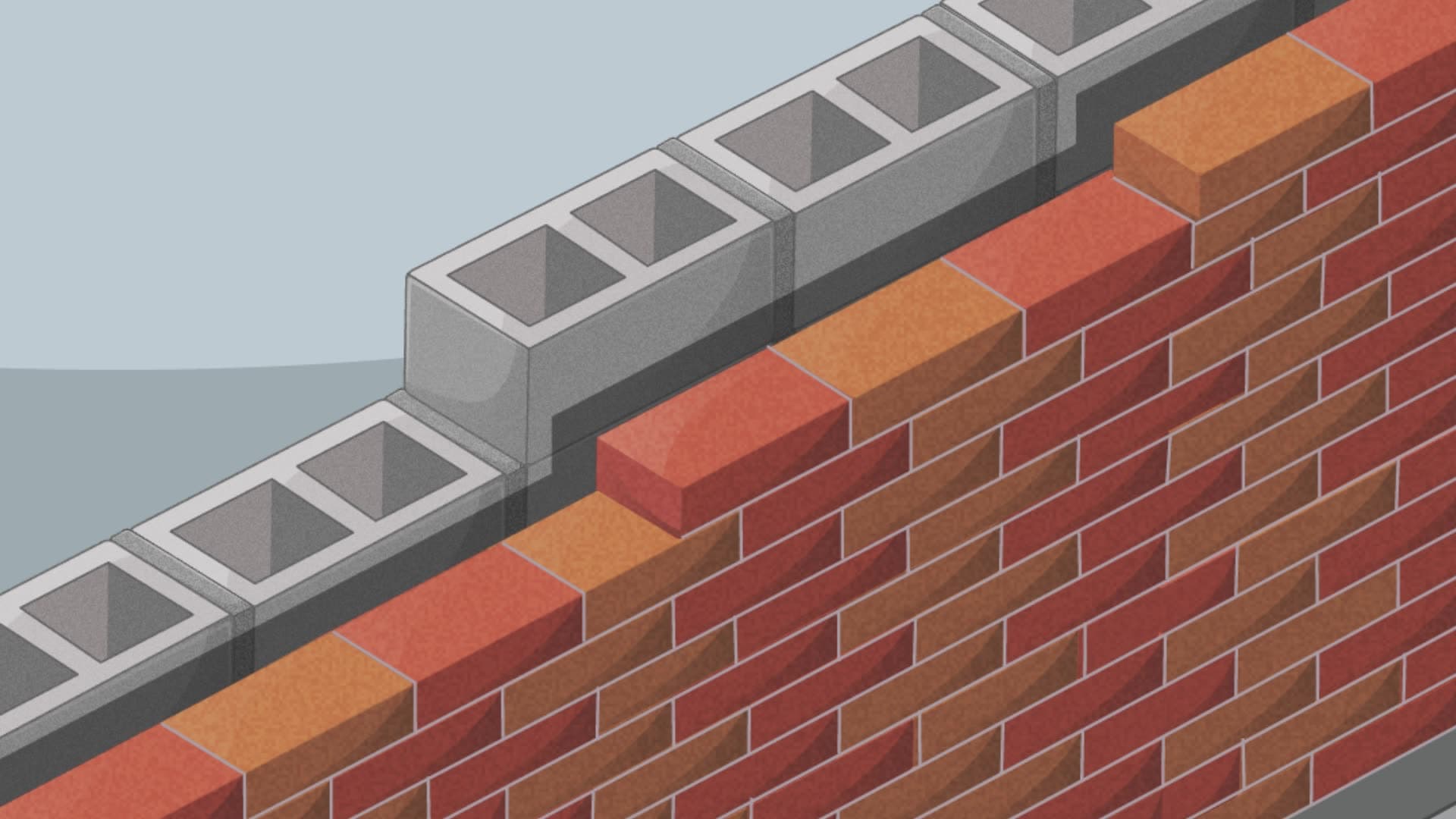
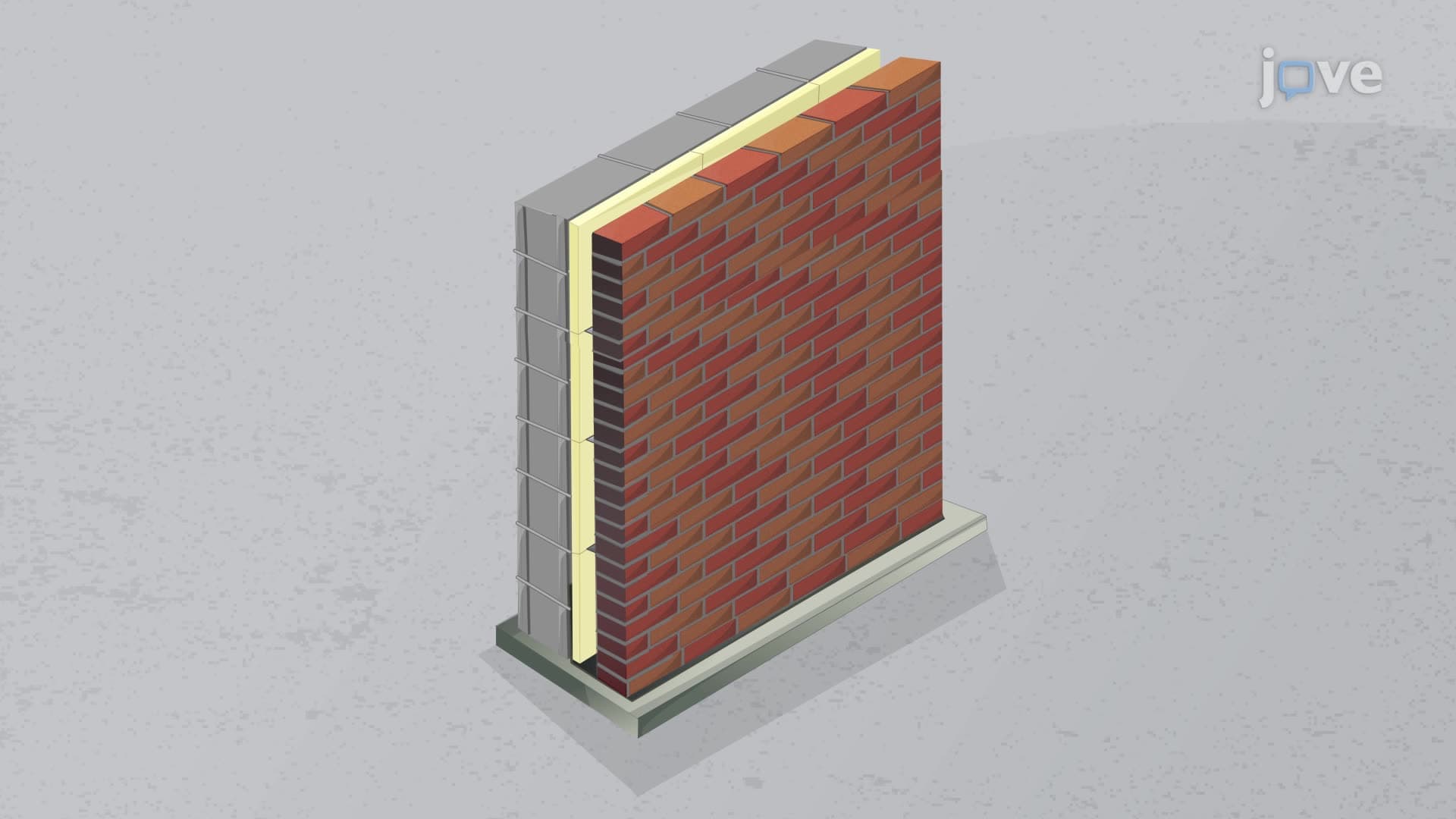
This progressive failure compromises the structural integrity of the entire wall system. Individual masonry units-whether brick, stone, or concrete block-become loose and unstable. More critically, the deteriorated joints create direct pathways for water penetration into the building envelope, potentially causing interior damage, mold growth, and foundation problems.
Students preparing for AP Environmental Science or college-level materials science courses should understand that this process demonstrates fundamental principles of thermal expansion, material fatigue, and weathering cycles that affect infrastructure nationwide.
Prevention Through Proper Construction Techniques
Preventing mortar joint deterioration requires implementing proper construction practices during initial masonry installation. Water-resistant mortar formulations, typically containing Portland cement, lime, and specific aggregate ratios, provide superior resistance to freeze-thaw damage compared to traditional lime-based mortars.
Thorough joint filling and tight compaction during installation eliminate air voids that could trap water. Professional masons use specialized tools to ensure complete mortar penetration and proper joint profiles that shed water effectively. The joint finish-whether concave, V-shaped, or weathered-significantly influences long-term durability.
Repointing: The Restoration Solution
When deterioration occurs, repointing provides the primary remedial technique. This process involves systematically removing damaged mortar to uniform depths, typically 2-3 times the joint width. Debris removal and surface preparation ensure proper adhesion of new mortar to existing materials.
Professional repointing requires careful mortar matching to ensure compatibility with existing masonry thermal expansion rates and permeability characteristics. Mismatched mortar can actually accelerate deterioration by creating differential stresses within the wall system.
Frequently Asked Questions
Mortar joint deterioration is the gradual breakdown of mortar binding masonry units together, primarily caused by freeze-thaw cycles when trapped water repeatedly expands and contracts. This process creates cracks that eventually cause mortar to split and flake away. Environmental exposure, poor initial construction, and inadequate drainage accelerate this natural weathering process.
The deterioration process progresses through distinct stages: initial water infiltration through microscopic pores, freeze-thaw stress creating hairline cracks, crack propagation allowing deeper water penetration, visible spalling and flaking of mortar surfaces, and finally complete joint failure with loose masonry units. Each stage compounds the next, making early intervention crucial for structural preservation.
AP Environmental Science questions often use mortar joint deterioration as examples of weathering processes, thermal expansion effects, and human infrastructure vulnerability to climate change. Students should understand freeze-thaw cycles, material science principles, and how environmental factors affect built structures. Practice problems frequently ask about prevention strategies and regional climate impacts.
Engineering programs include this topic in Materials Science, Structural Engineering, and Construction Management courses. Architecture students study it in Building Technology and Historic Preservation classes. Civil engineering curricula address it within Infrastructure Systems and Concrete Technology courses. Many programs use case studies of historic building restoration projects for practical application.
The MCAT Physics section covers thermal expansion, pressure-volume relationships, and material properties that directly apply to understanding freeze-thaw damage mechanisms. Chemistry concepts include intermolecular forces affecting water behavior during phase changes. These fundamental principles help explain why water expansion creates sufficient force to crack solid materials.
Historic structures like Independence Hall in Philadelphia, Ellis Island buildings in New York Harbor, and countless university campuses across the Northeast require ongoing repointing maintenance. Modern commercial buildings, residential homes, and infrastructure like bridge abutments throughout cold-climate regions face similar challenges. Annual maintenance costs for institutional buildings often include significant masonry restoration budgets.
Basic high school chemistry and physics concepts provide sufficient background for understanding mortar joint deterioration mechanisms. Knowledge of thermal expansion, phase changes, and material properties covers the essential principles. Students can grasp the fundamental concepts without advanced materials science or structural engineering coursework.
Create visual diagrams showing the deterioration progression from initial water infiltration through complete joint failure. Practice identifying deterioration stages in photographs of real buildings. Memorize key prevention strategies and repointing steps using flashcards. Connect freeze-thaw principles to broader weathering processes studied in earth science or environmental science courses.
Advanced students can investigate concrete carbonation, steel corrosion in reinforced masonry, seismic effects on masonry structures, and modern masonry restoration technologies. Historic preservation techniques, sustainable building materials, and climate change impacts on infrastructure provide excellent extensions of these foundational concepts.
Related Micro-courses