Loading subject page…


7,491 views

Video Summary: What Is Efflorescence in Masonry
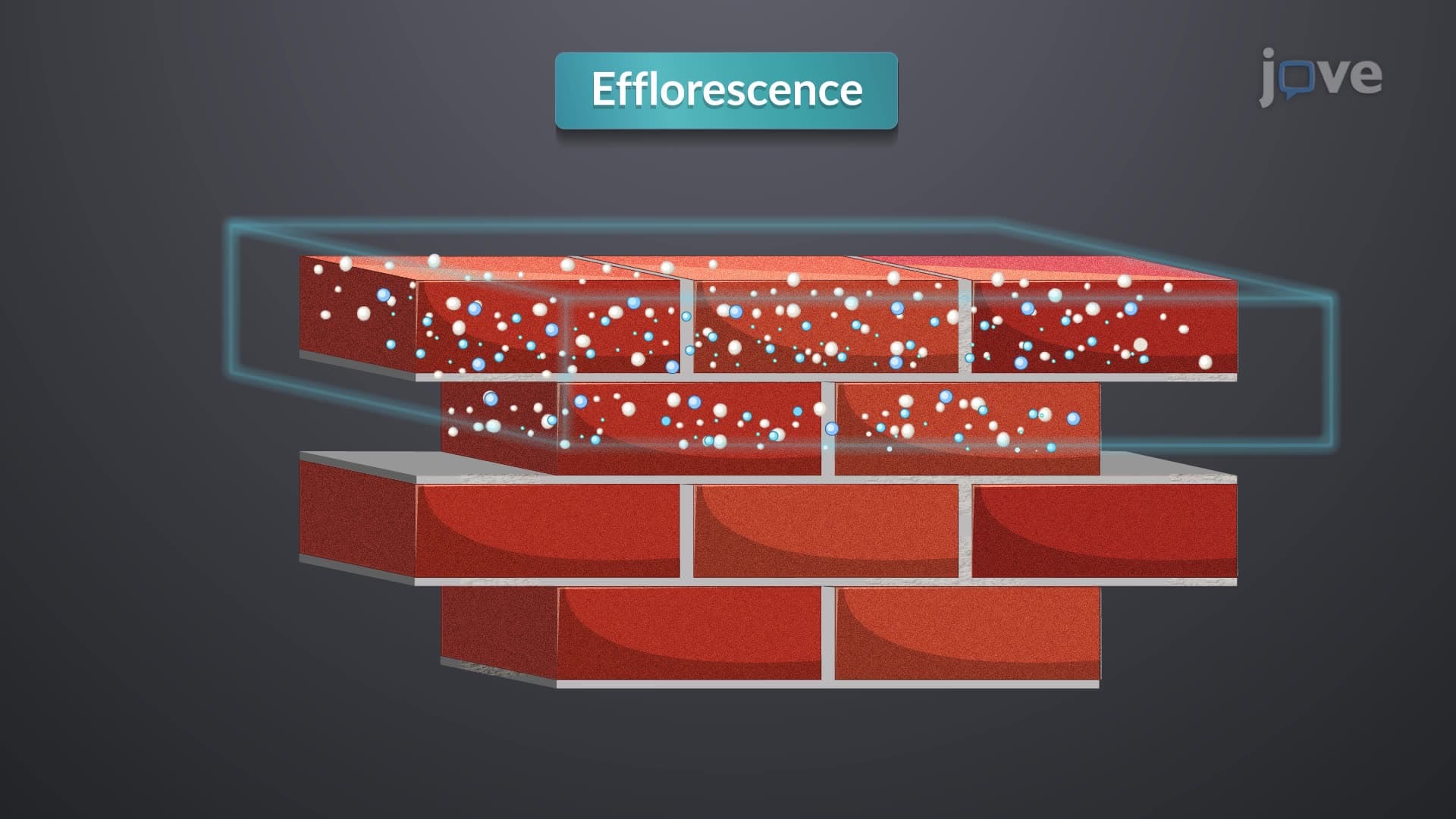
Have you ever noticed white, chalky deposits mysteriously appearing on brick buildings around your neighborhood? Efflorescence in masonry creates these distinctive crystalline patches when water-soluble salts migrate through materials like brick, stone, or concrete and evaporate at the surface. This phenomenon commonly affects structures like the brick facades of Boston's historic buildings or concrete retaining walls in California suburbs. Understanding what is efflorescence in masonry helps explain why these unsightly deposits form and how they can be prevented or remedied. Watch the full video on JoVE Coach to master this concept with expert-led visuals and step-by-step explanations.
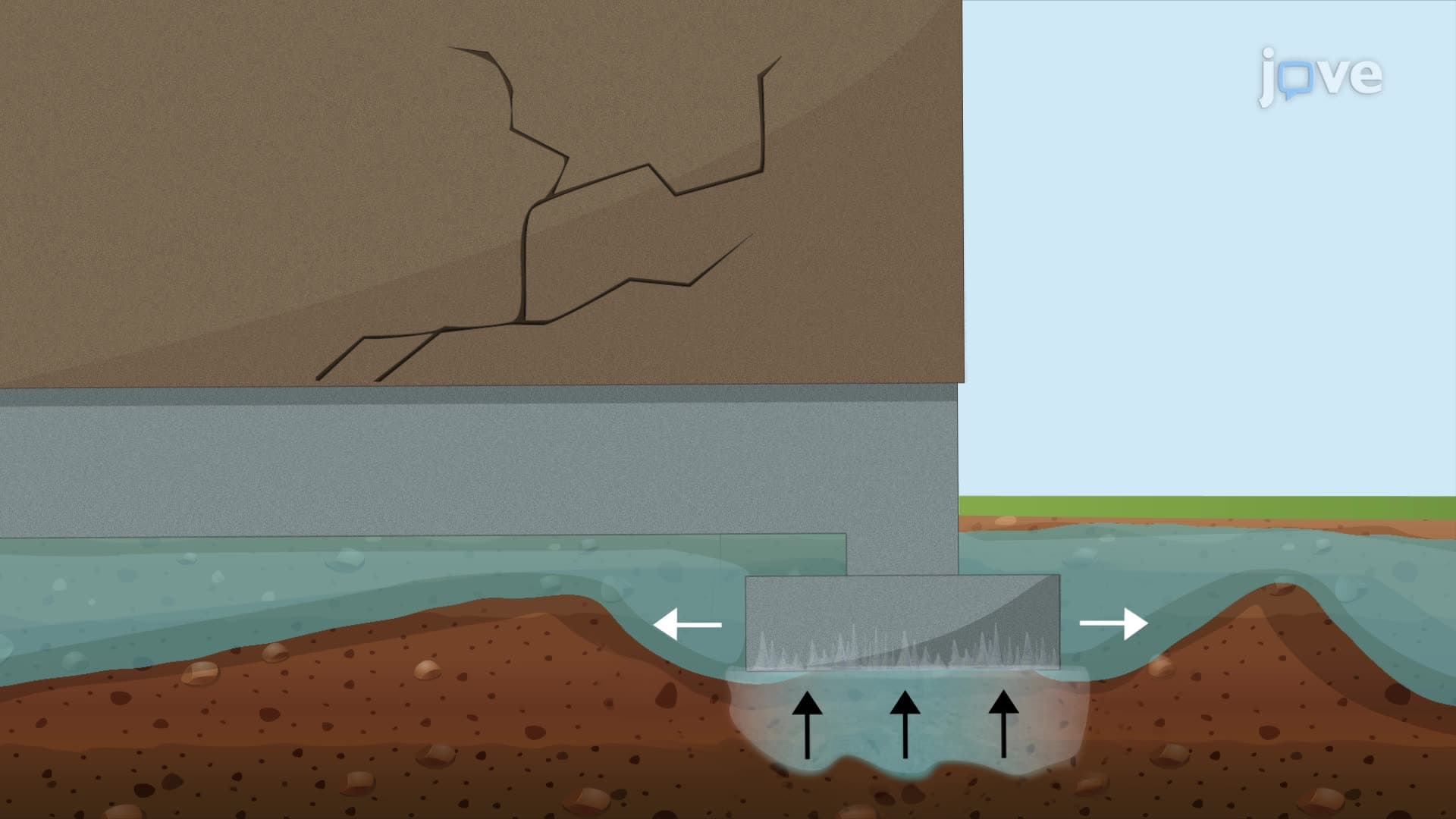
Efflorescence in masonry represents a fascinating intersection of chemistry, materials science, and construction engineering. This phenomenon occurs when dissolved alkaline salts within masonry materials undergo a migration process driven by water movement and evaporation. The process begins deep within the masonry structure, where water-soluble salts naturally present in brick, mortar, or concrete dissolve when moisture infiltrates the material.
The efflorescence in masonry definition centers on understanding this multi-step process. Water acts as a transport medium, carrying dissolved salts through the porous network of masonry materials via capillary action. As this salt-laden water reaches the surface, evaporation concentrates the dissolved minerals until they exceed their solubility limits and crystallize. This crystallization creates the characteristic white, powdery deposits that define efflorescence.
Temperature and humidity fluctuations significantly influence this process. During hot, dry conditions common in southwestern states like Arizona or Nevada, rapid evaporation accelerates efflorescence formation. Conversely, humid coastal regions like Florida may experience slower but more persistent efflorescence development.
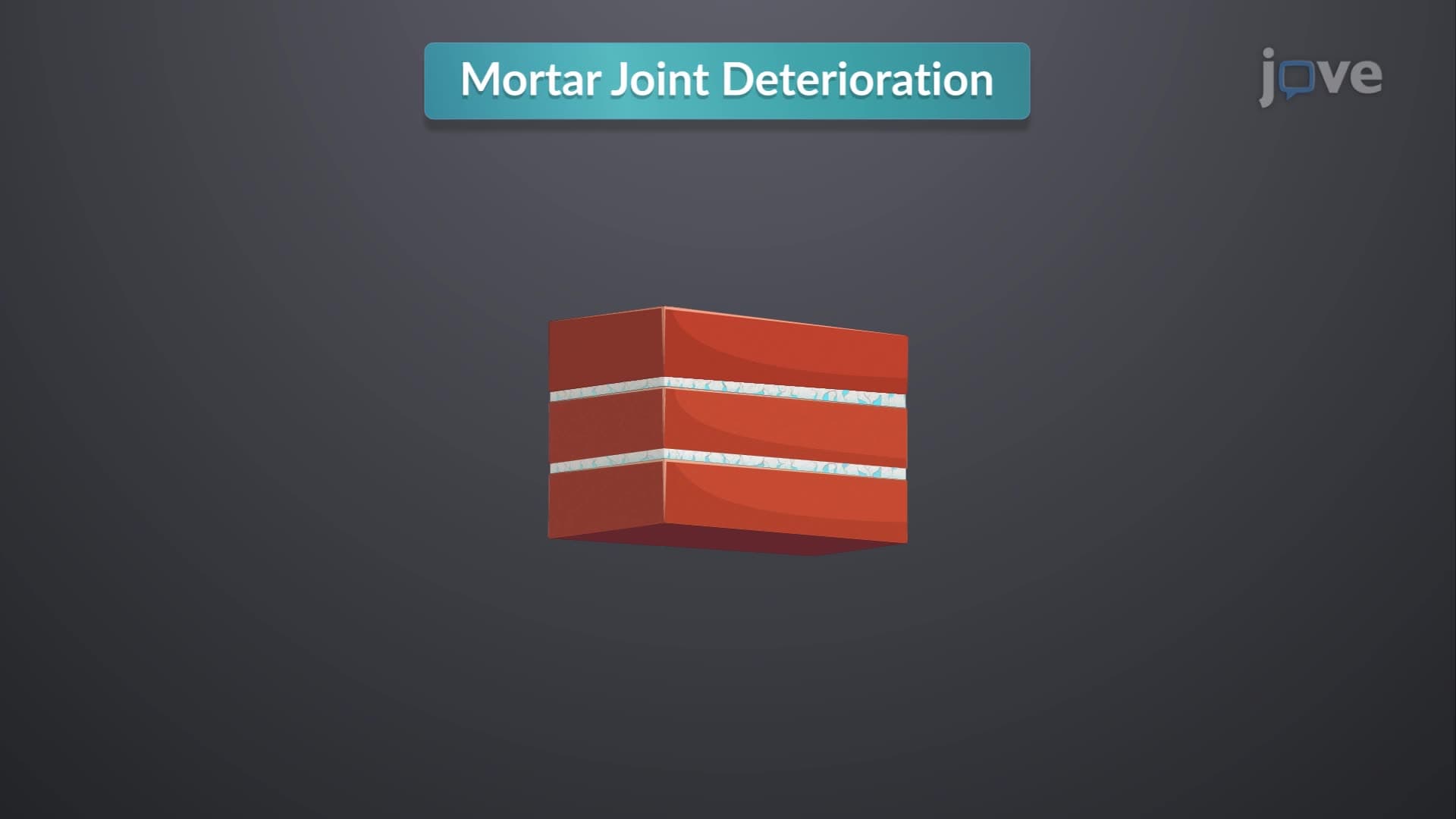
Early-stage efflorescence appearing within months of construction typically indicates normal salt leaching from new materials. The Washington Monument's restoration project in the 1990s exemplified this phenomenon, where initial cleaning removed surface deposits that naturally diminished over time. However, efflorescence appearing years after construction completion serves as a diagnostic indicator of water infiltration problems, potentially signaling failed waterproofing, damaged flashing, or compromised joint sealing.
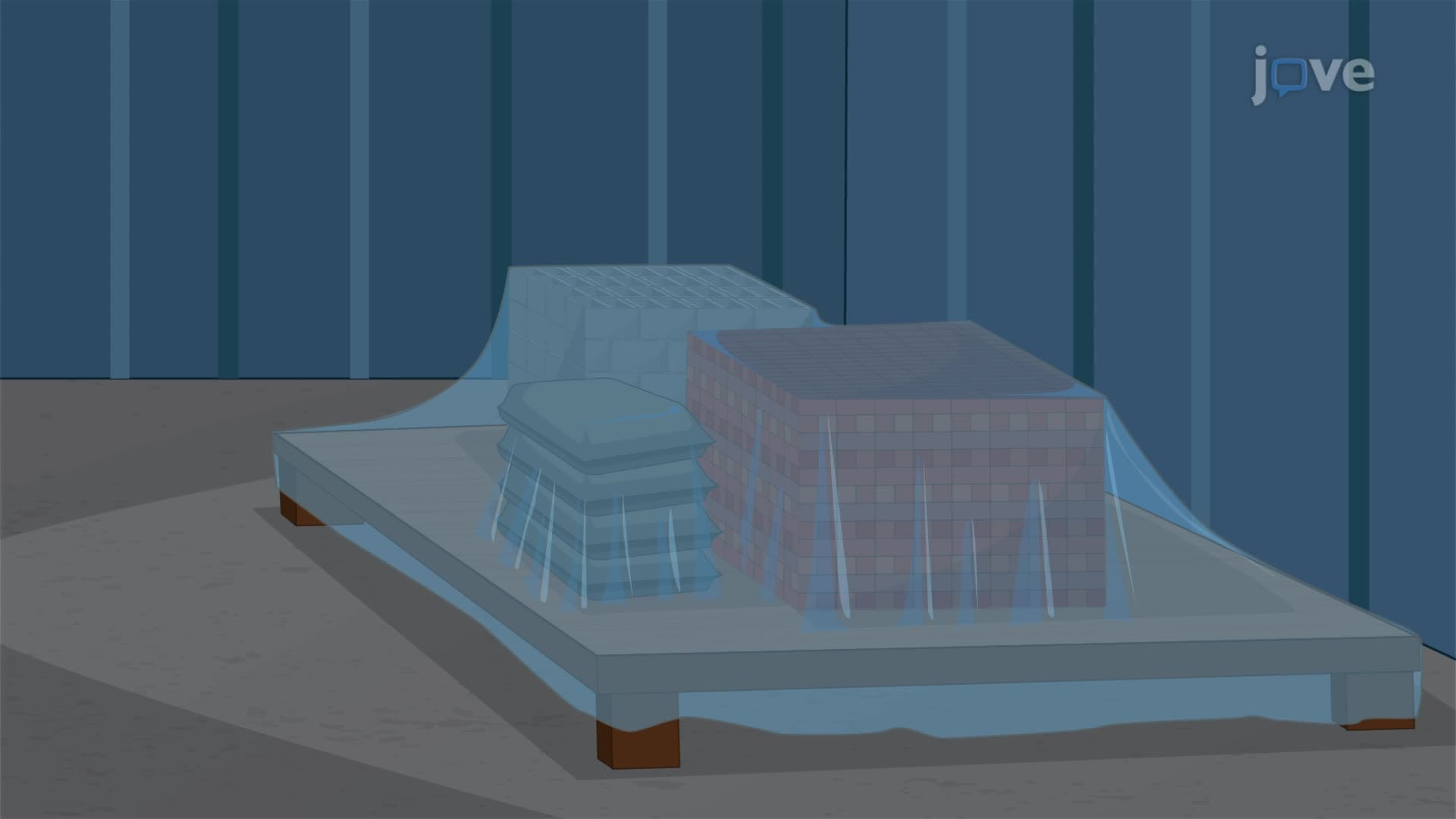
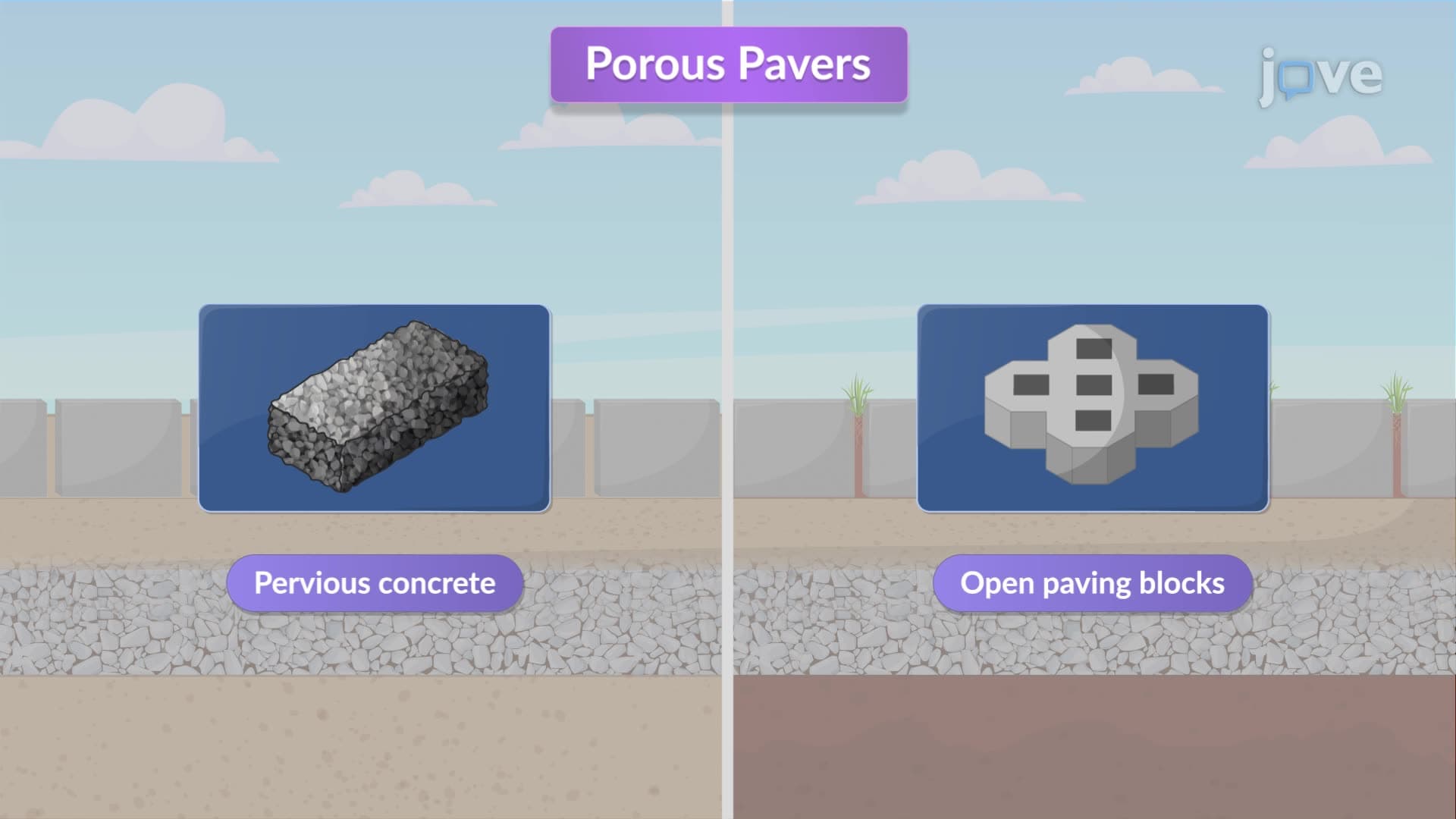
Modern construction practices emphasize prevention through material selection and design strategies. Low-alkali cements, properly graded aggregates, and vapor-permeable water barriers help minimize efflorescence potential. The renovation of Chicago's historic brick buildings demonstrates successful implementation of these principles, combining traditional aesthetics with modern moisture management systems.
Students preparing for AP Environmental Science or college-level materials engineering courses should understand how efflorescence connects to broader concepts of chemical weathering, building science, and sustainable construction practices. This knowledge proves particularly relevant for careers in civil engineering, architecture, or historic preservation, fields where understanding masonry behavior is essential for professional practice.
Related Micro-courses