Loading video…


 14 Concepts
 7.5K views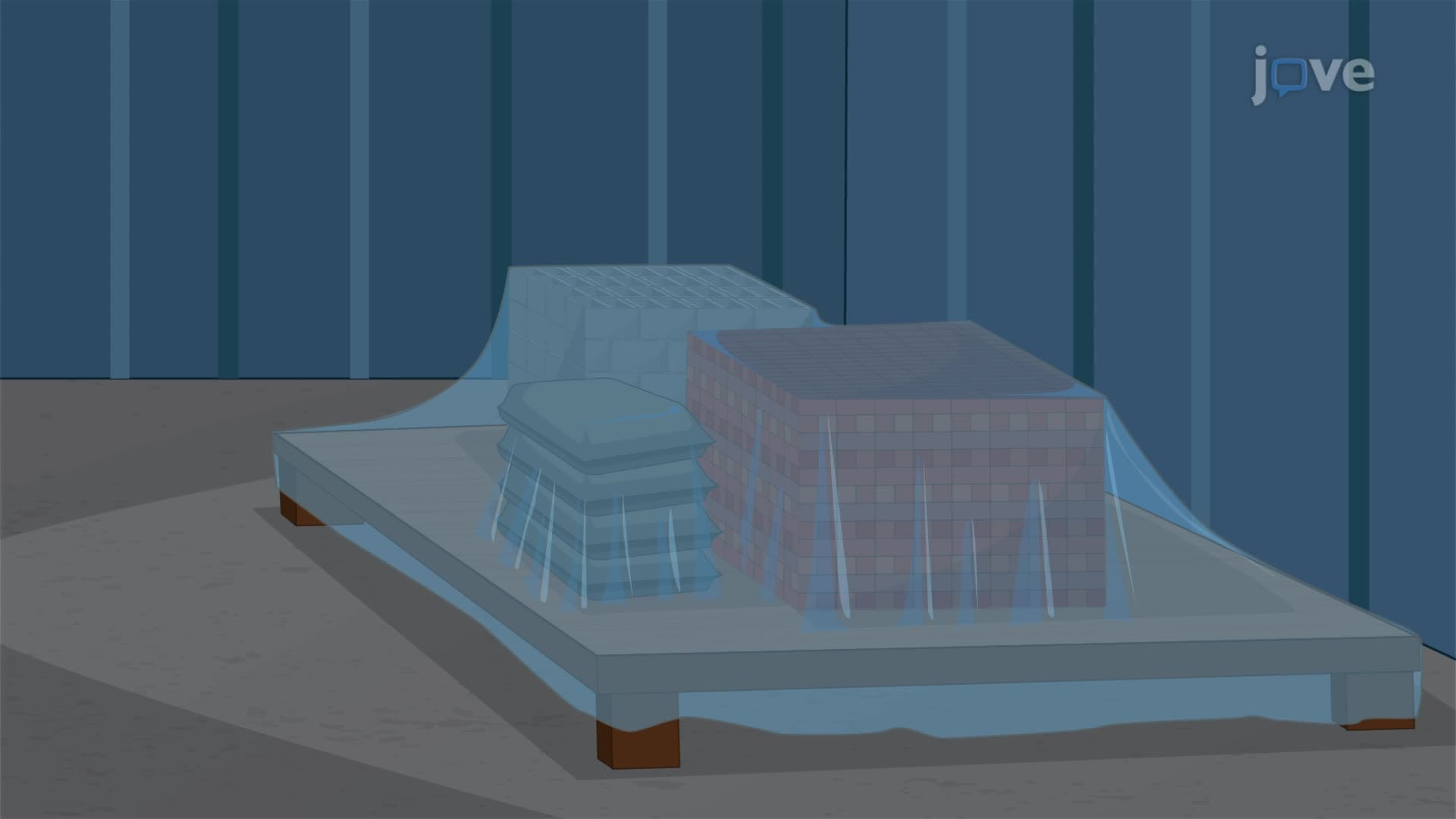

Video Summary: Masonry in Cold and Hot Explained
Ever wonder why construction crews in Chicago bundle up their freshly laid bricks in winter blankets, while workers in Phoenix spray-mist concrete walls in scorching heat? Masonry in cold and hot weather requires specialized techniques to ensure structural integrity and prevent costly failures. From rapid-hardening cement mixtures that combat freezing temperatures to fog-spray applications protecting against desert heat, temperature-controlled construction methods determine whether a building stands strong or crumbles. Watch the full video on JoVE Coach to master this concept with expert-led visuals and step-by-step explanations.
Masonry in cold and hot weather presents unique challenges that directly impact construction quality, safety, and long-term structural performance. Temperature extremes affect mortar curing rates, material expansion and contraction, and worker productivity. Understanding these principles proves essential for students pursuing careers in construction management, civil engineering, or architecture programs at institutions like Texas A&M University's Construction Science program or Arizona State University's Built Environment degree tracks.
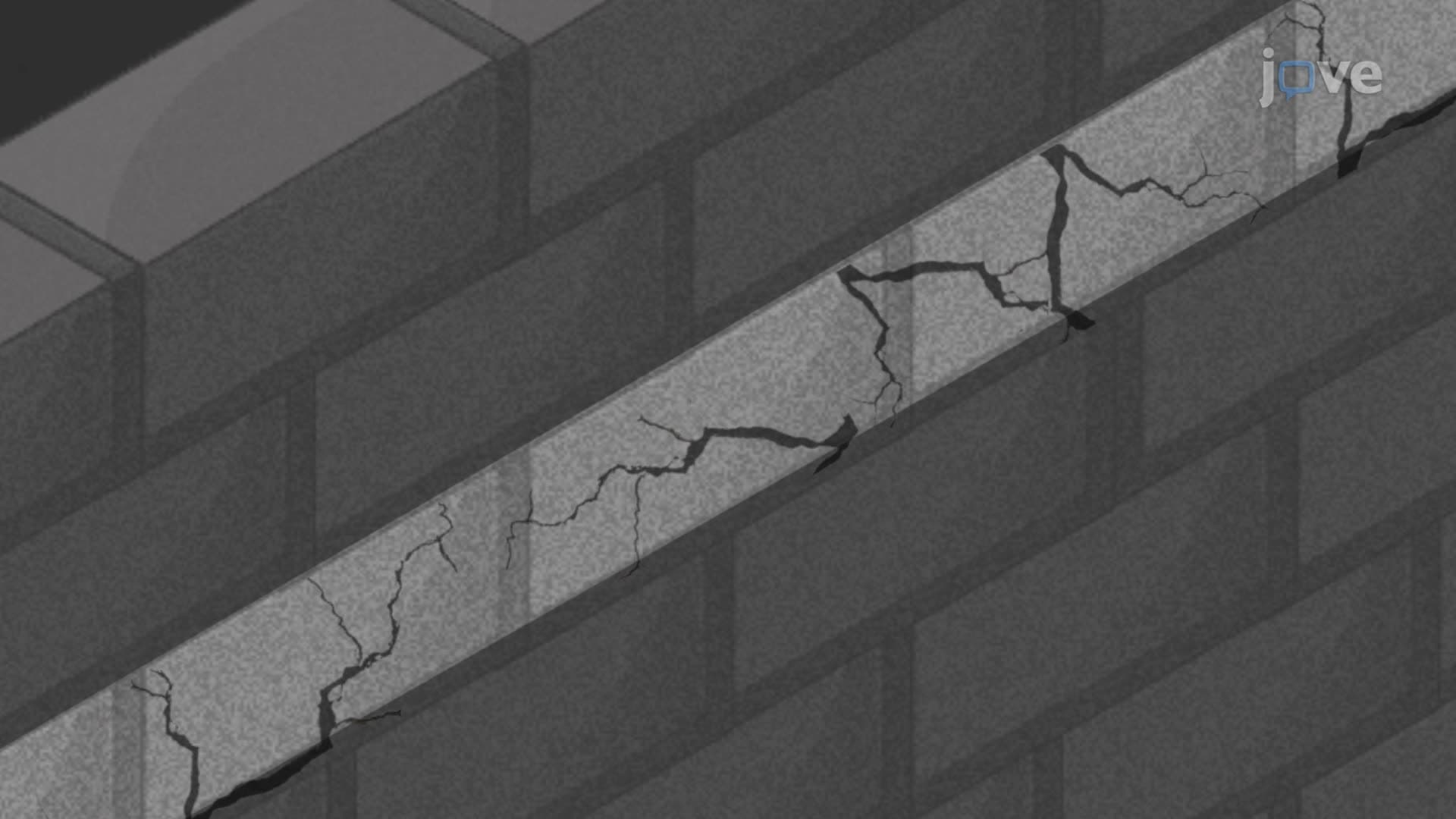
Cold weather masonry becomes critical when temperatures drop below 40°F, with emergency protocols activating at 32°F. The fundamental challenge involves preventing freeze-thaw cycles that can compromise mortar integrity and create structural weaknesses. Rapid-hardening cement accelerates the curing process, while heated water maintains optimal mortar temperatures between 40°F and 120°F during application.
Material storage requires elevated platforms to prevent ground moisture absorption, waterproof coverings, and space heaters for consistent temperature control. Sand heating using electric blankets or heat pipes prevents aggregate freezing, which could create weak points in the mortar matrix. Wind protection becomes mandatory when velocities exceed 15 mph, as wind chill dramatically accelerates heat loss from fresh mortar.
Real-world applications include winter construction projects in Minneapolis high-rises or Boston university campus expansions, where contractors must balance construction schedules with weather limitations. Post-construction protection involves insulated blanket coverage for 24 hours, allowing proper hydration and strength development before exposure to freezing conditions.
Hot weather masonry addresses challenges from rapid moisture evaporation, accelerated curing, and thermal expansion issues. Direct sunlight protection for materials, equipment, and work surfaces prevents premature drying and thermal shock. Cool water additions to mortar mixes slow curing rates, while pre-wetting masonry units prevents rapid moisture absorption from fresh mortar.
Equipment flushing with cool water maintains optimal working temperatures and prevents mortar from hardening in mixers or application tools. Post-installation fog spraying and weather-resistant membrane coverage protect against UV degradation and excessive moisture loss during critical curing periods.
These techniques prove essential in southwestern construction projects, from Nevada solar installation foundations to Florida hurricane-resistant construction, where summer temperatures routinely exceed 100°F.
Students encounter these concepts in AP Environmental Science weather pattern discussions, college-level Materials Science courses, and professional certification exams for construction management. The American Concrete Institute (ACI) standards referenced in these practices appear frequently in engineering licensure examinations and construction management certification tests.
Related Micro-courses