Loading subject page…


7,491 views

Video Summary: What are Composite Masonry Walls
Did you know that many iconic buildings like the Empire State Building use composite masonry walls to combine stunning aesthetics with structural strength? Composite masonry walls represent an ingenious construction technique that layers different masonry materials-such as decorative stone facing over economical brick backing-to optimize both performance and cost. A prime example is Boston's historic Faneuil Hall, where composite masonry walls blend durability with visual appeal. Watch the full video on JoVE Coach to master this concept with expert-led visuals and step-by-step explanations.
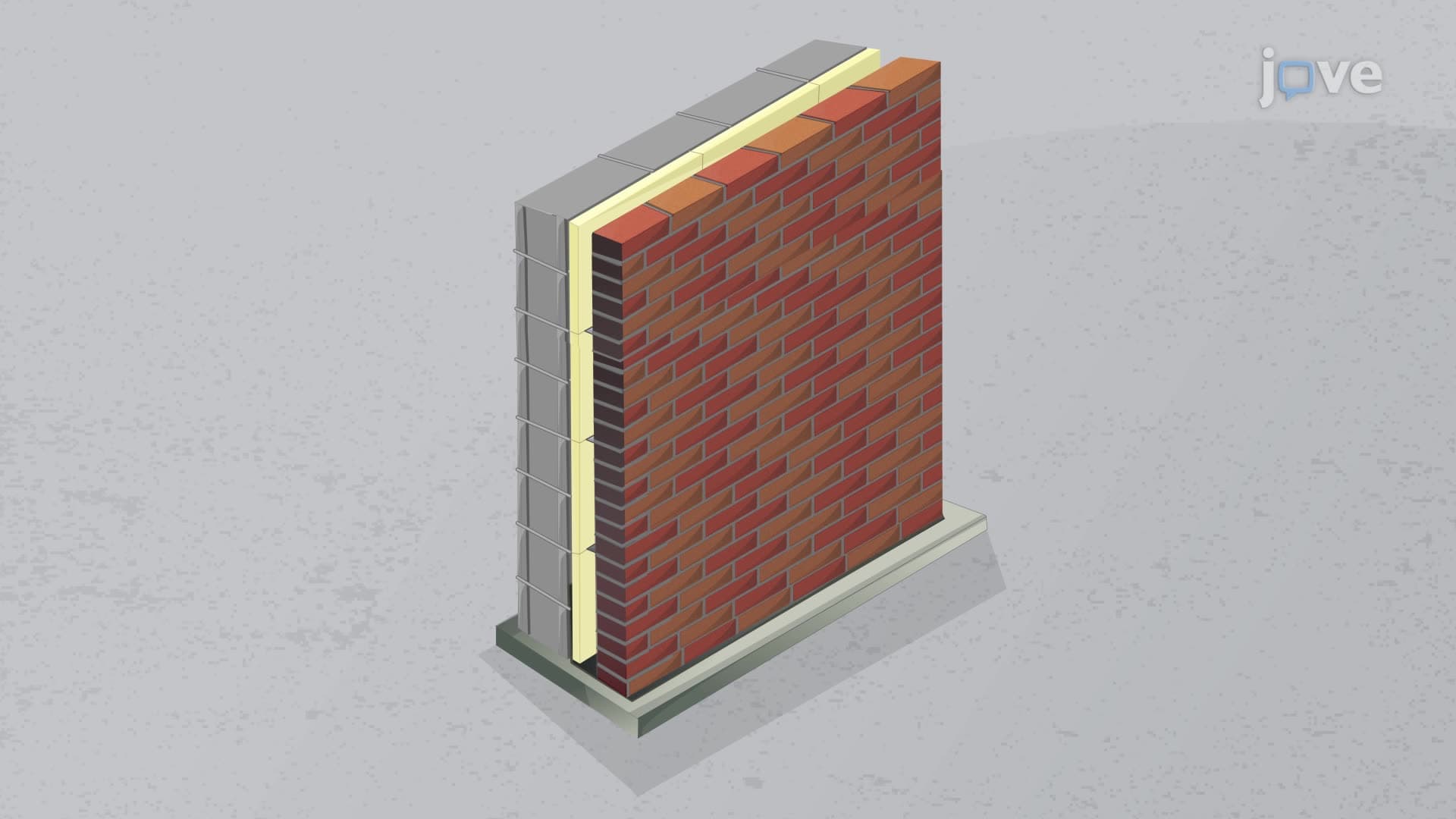
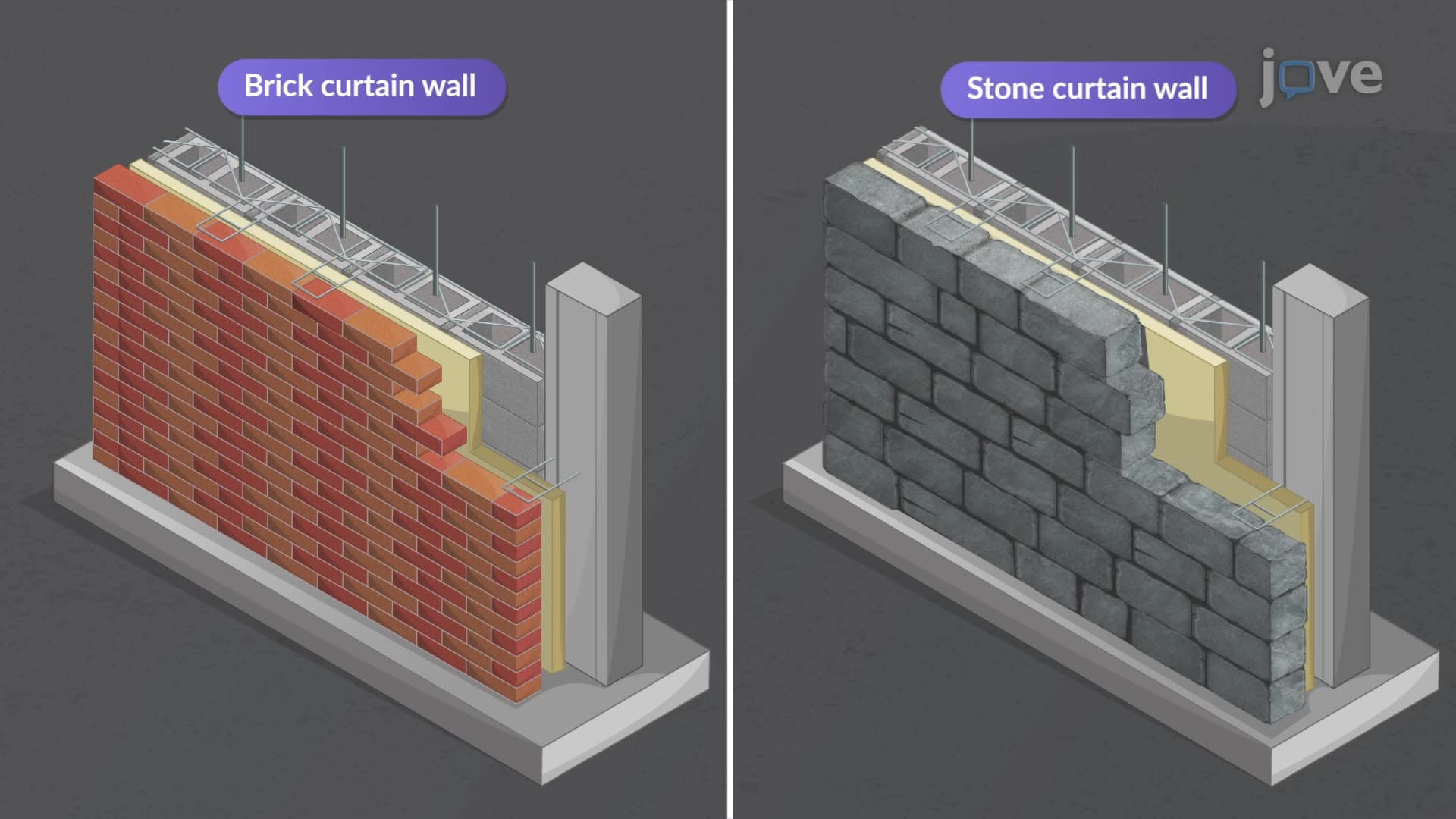
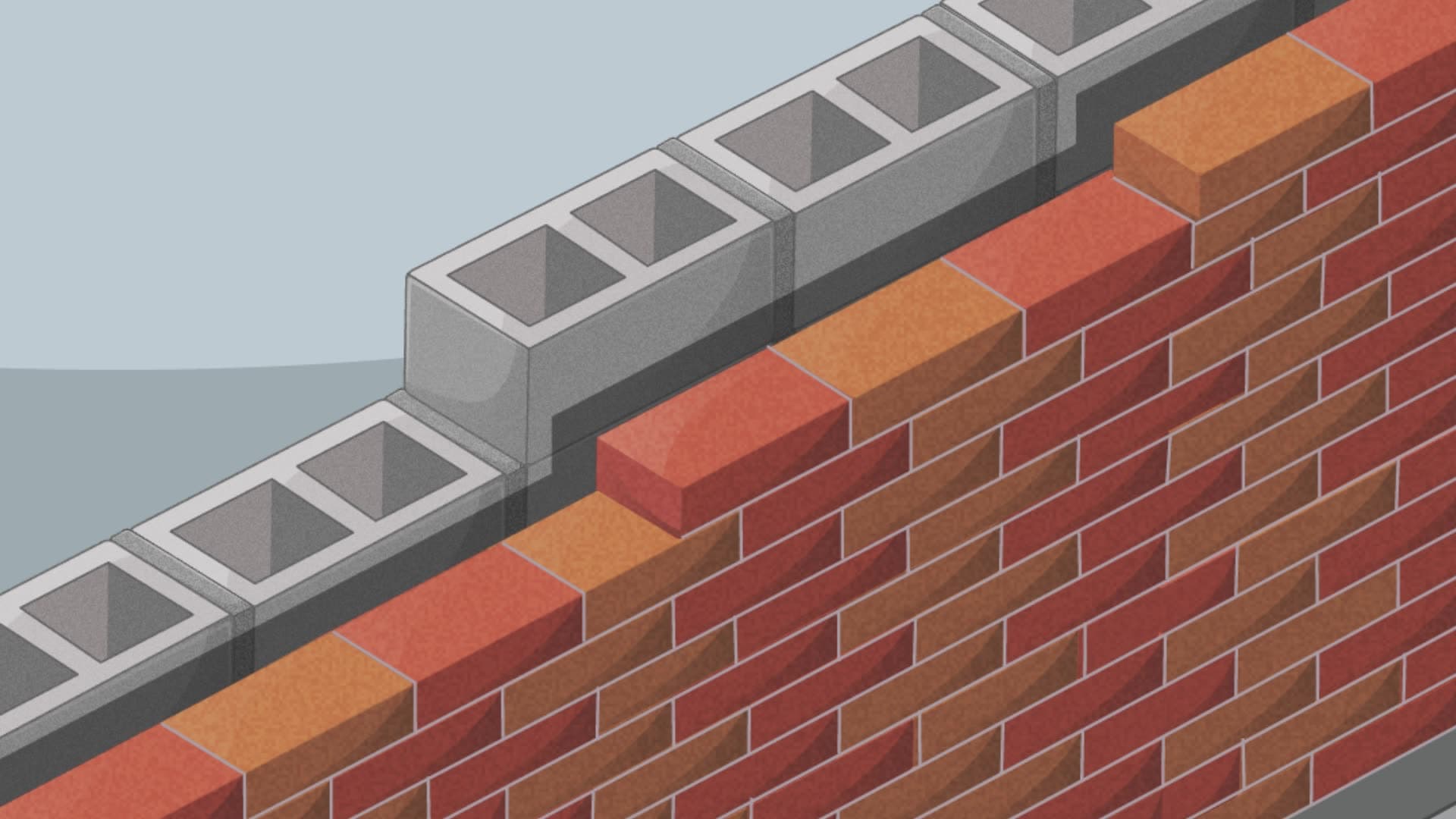
Composite masonry walls represent a sophisticated building technique that combines multiple layers (wythes) of masonry materials to achieve optimal structural and aesthetic performance. Unlike single-wythe construction, these walls strategically layer different materials-such as an exterior stone veneer over an interior concrete masonry unit (CMU) backup-to maximize benefits while minimizing costs.
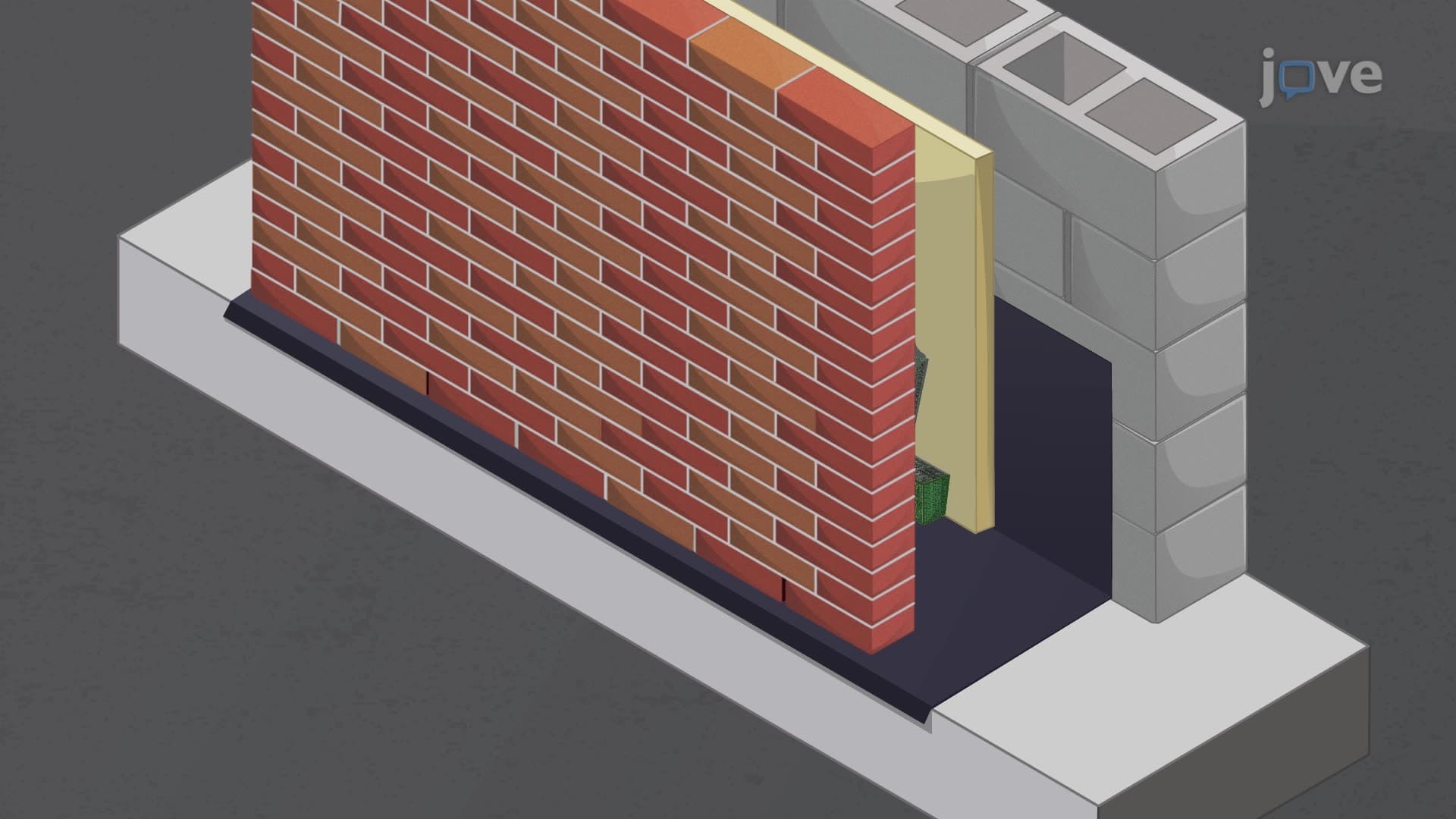
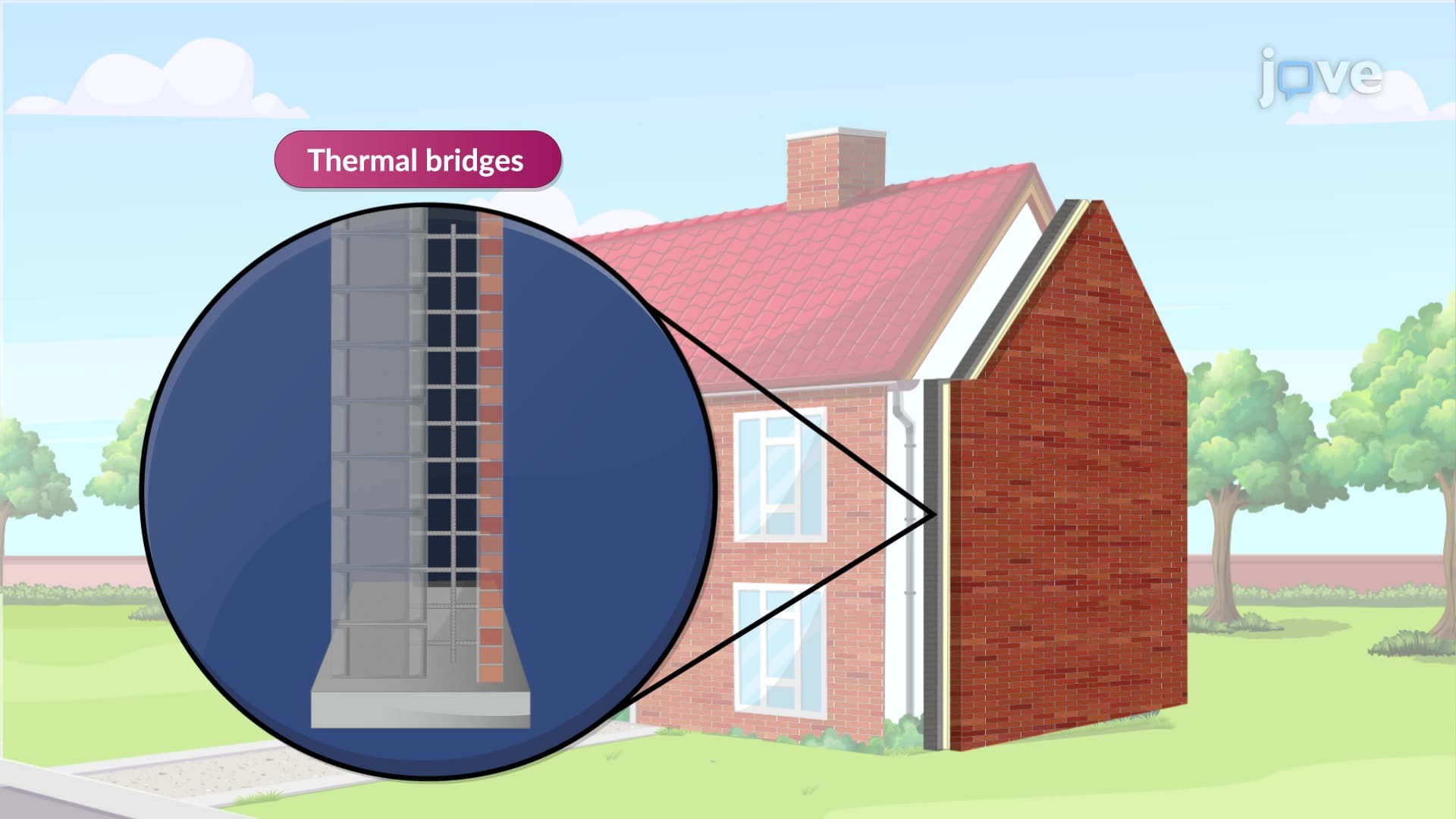
The construction process involves creating separate wythes connected by metal ties or, less commonly, masonry headers. A crucial element is the collar joint, typically three-quarters of an inch wide, filled with mortar or grout as construction progresses. This joint serves both structural and thermal functions, contributing to the wall's overall performance characteristics.
Several types of composite masonry walls serve different architectural and structural needs. The most common configuration features a decorative exterior wythe-often natural stone, architectural precast concrete, or high-quality brick-paired with a structural backup wythe of standard concrete masonry units or clay brick. This approach appears in prominent buildings like Chicago's Willis Tower, where composite walls provide both structural integrity and visual impact.
Another configuration uses identical materials across wythes but varies unit sizes or orientations. For instance, load-bearing composite walls often employ the same brick type throughout to ensure consistent thermal expansion and structural behavior, critical for maintaining long-term structural integrity under varying load conditions.
Modern composite masonry construction predominantly uses metal ties rather than traditional masonry headers for wythe connection. Metal ties offer superior resistance to water penetration-a critical consideration since composite walls function as moisture reservoirs. The system works by absorbing rainwater during storms, then releasing it through evaporation during dry periods, preventing moisture accumulation that could cause freeze-thaw damage or structural deterioration.
This moisture management principle proves essential in climates like those found in New England, where seasonal temperature variations create challenging conditions for masonry construction. Understanding these principles becomes crucial for students preparing for AP Physics or college-level structural engineering courses, where moisture dynamics and thermal properties frequently appear in problem sets and examinations.
Composite masonry walls excel in applications requiring both structural performance and architectural sophistication. Educational institutions like Harvard University's historic buildings demonstrate successful long-term composite wall performance, combining local stone facing with practical brick backup construction. These examples illustrate how proper material selection and construction techniques create durable, attractive building envelopes that serve multiple generations.
For students preparing for construction management or civil engineering programs, understanding composite masonry principles provides foundation knowledge for advanced courses in building systems, structural design, and construction materials. These concepts frequently appear in Professional Engineering (PE) exam preparation and college-level materials science coursework.
Related Micro-courses