Loading subject page…


7,491 views

Video Summary: What Is Expansion and Contraction
Ever wonder why sidewalks have those regular gaps or why the Golden Gate Bridge has special joints? Expansion and contraction occurs when materials change size due to temperature, moisture, or other environmental factors. Consider how concrete highways in Texas develop expansion joints every 20 feet to prevent cracking during extreme heat. Understanding What is Expansion And Contraction is crucial for engineers designing everything from skyscrapers to bridge infrastructure. Watch the full video on JoVE Coach to master this concept with expert-led visuals and step-by-step explanations.
Expansion and contraction represents one of the most critical concepts in materials science and structural engineering. When materials undergo dimensional changes due to environmental factors like temperature fluctuations, moisture content, or chemical processes, they can develop significant internal stresses that lead to structural failure if not properly managed.
This phenomenon affects virtually every material used in construction, from the steel framework of Chicago's Willis Tower to the concrete foundations of residential homes in Florida. The expansion and contraction definition encompasses both the physical enlargement (expansion) and shrinkage (contraction) of materials, which occurs as molecular structures respond to external stimuli.
The expansion and contraction concept operates through several key mechanisms. Thermal expansion occurs when rising temperatures increase molecular kinetic energy, causing atoms to vibrate more vigorously and occupy greater space. Conversely, cooling temperatures reduce molecular motion, leading to contraction. For example, steel railroad tracks in Arizona can expand several inches during summer months, requiring expansion joints every quarter-mile.
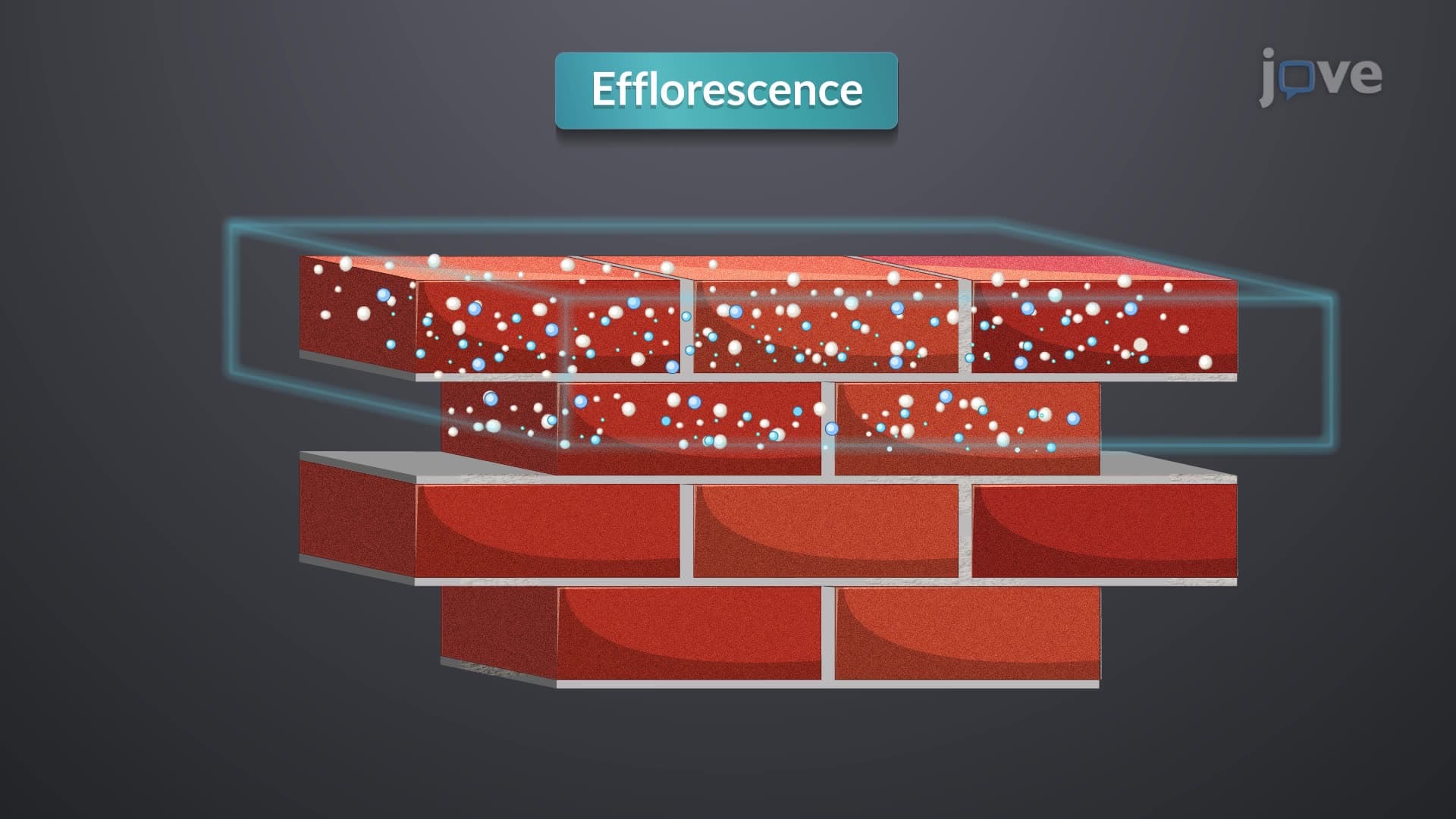
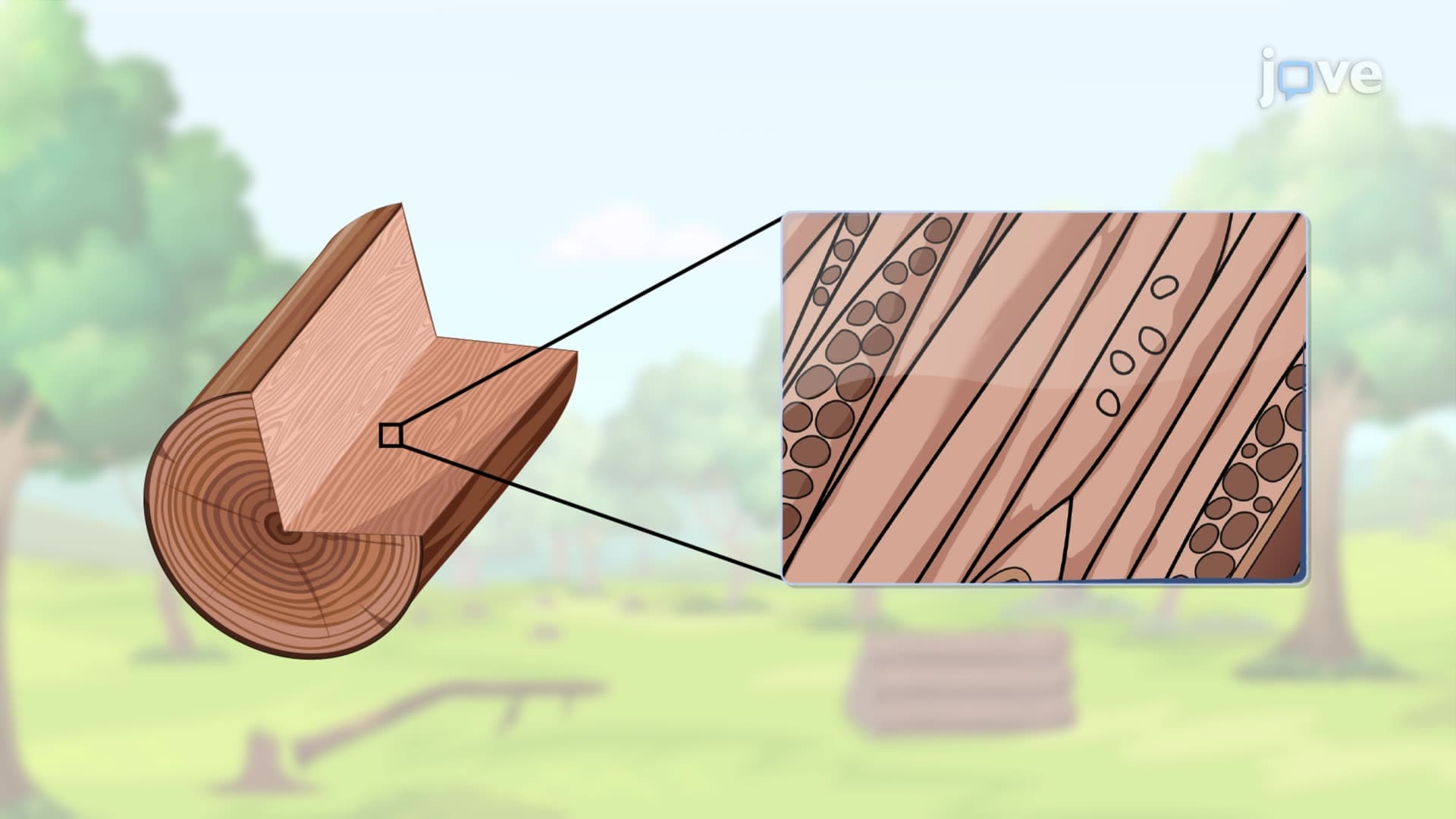
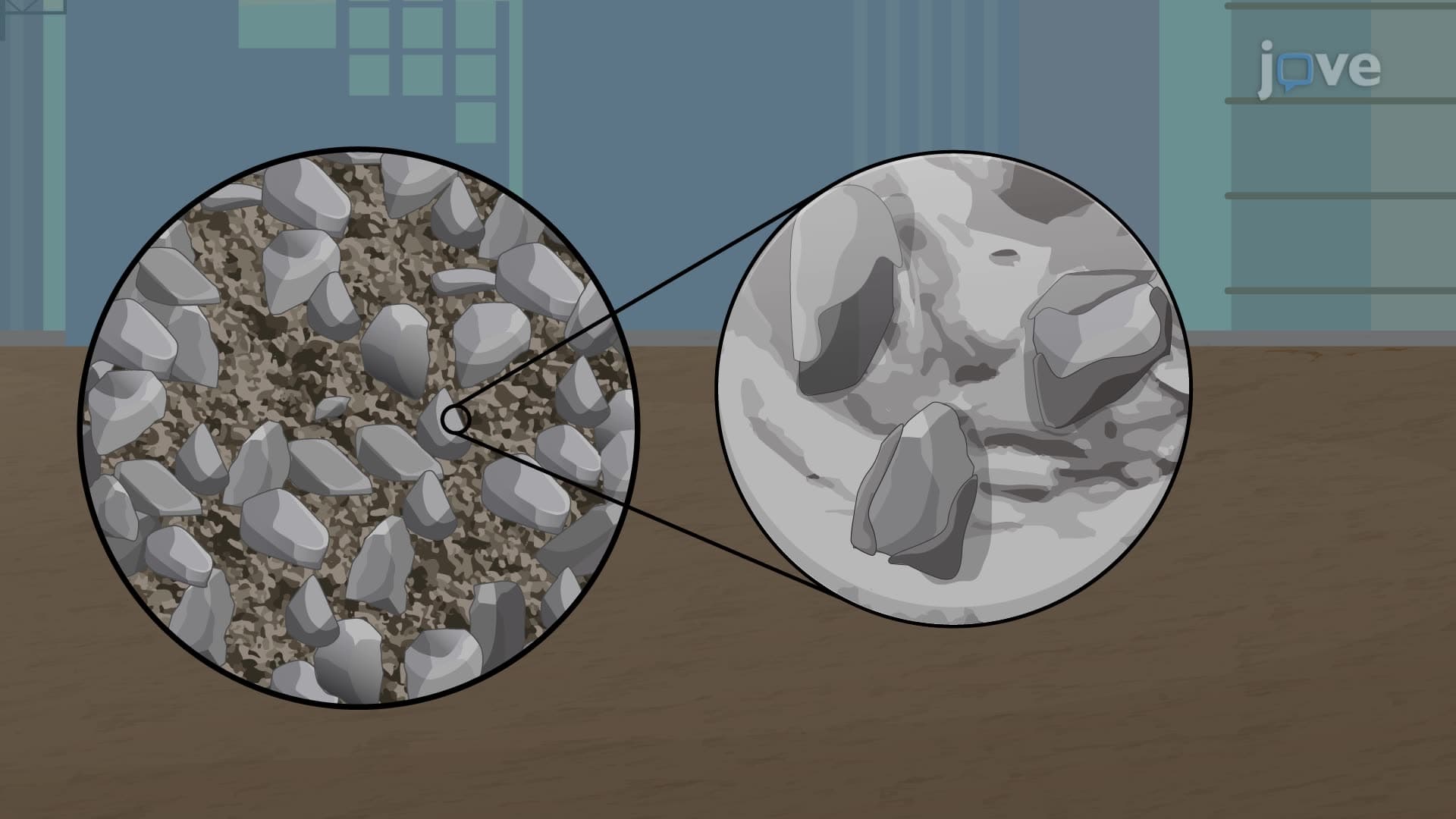
Moisture-induced expansion represents another critical mechanism, particularly in porous materials like brick, concrete, and wood. When these materials absorb water, the molecules infiltrate the material's structure, physically pushing apart the solid components and causing dimensional increases. This process explains why wooden door frames in humid climates like Louisiana often swell and stick during summer months.
Understanding what is expansion and contraction in detail enables engineers to design appropriate accommodation systems. Expansion joints allow controlled movement during material growth, typically filled with flexible materials like rubber or specialized sealants. These joints appear in major infrastructure projects such as the Chesapeake Bay Bridge, where massive concrete sections must accommodate thermal expansion without compromising structural integrity.
Control joints serve a different purpose, creating intentionally weakened sections where shrinkage cracks can form in controlled locations rather than randomly throughout a structure. New concrete sidewalks demonstrate this principle, with control joints cut at regular intervals to direct inevitable shrinkage cracking to predetermined locations.
This concept frequently appears in AP Physics exams through thermal expansion calculations, while civil engineering students encounter expansion and contraction principles in structural analysis courses. The MCAT includes questions about molecular behavior during temperature changes, connecting this concept to broader scientific understanding. Professional engineers must master these principles for state licensing exams, where failure to account for expansion and contraction can result in catastrophic structural failures costing millions of dollars.
Related Micro-courses