Loading video…


 14 Concepts
 7.5K views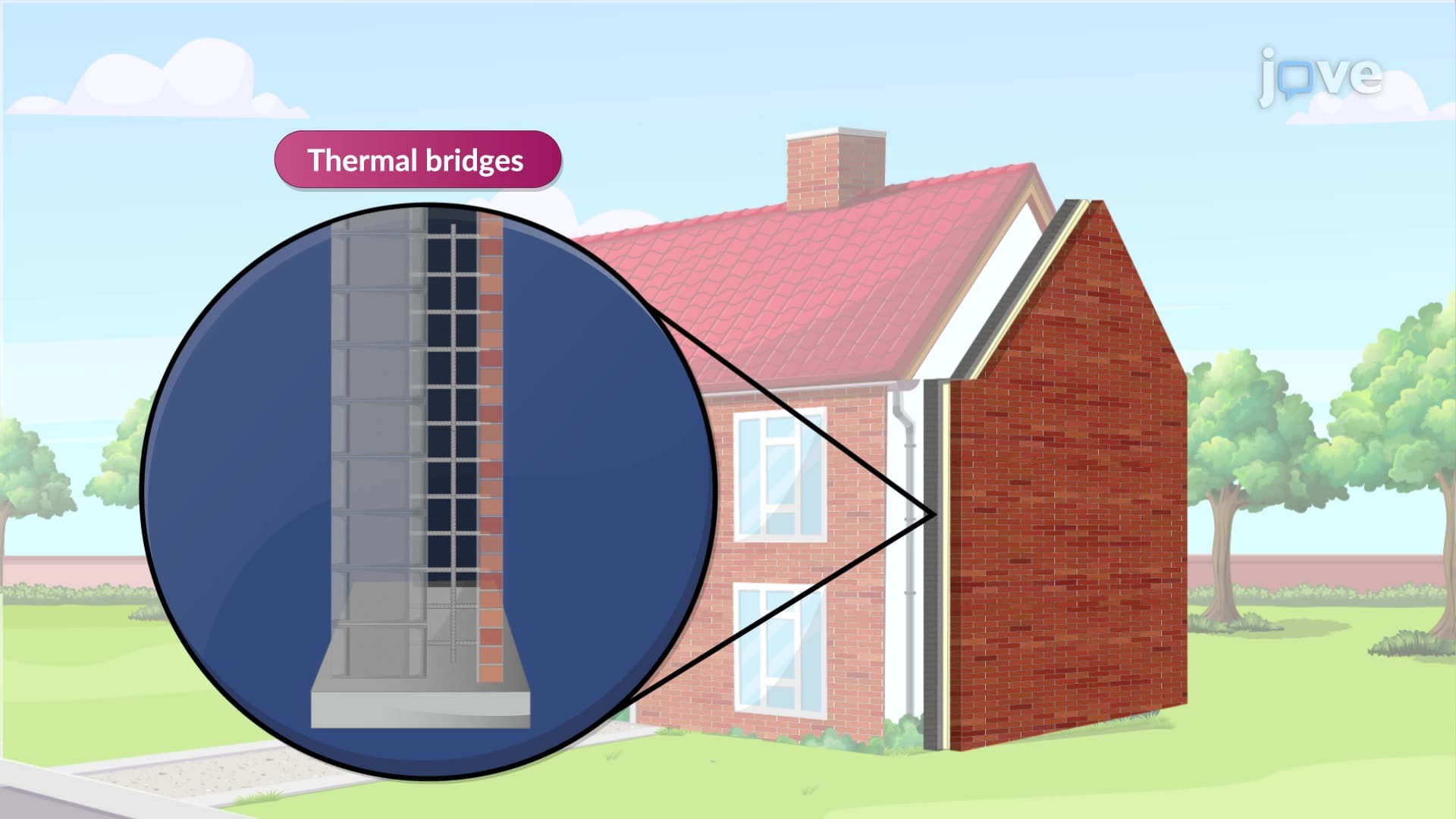

Video Summary: What Is Thermal Insulation
Did you know that proper thermal insulation can reduce your home's energy bills by up to 40%? Thermal insulation is the process of reducing heat transfer between different temperature environments, playing a crucial role in building energy efficiency. From polystyrene foam panels on Chicago apartment buildings to reflective barriers in Arizona homes, thermal insulation methods vary based on climate and construction needs. Watch the full video on JoVE Coach to master this concept with expert-led visuals and step-by-step explanations.
Thermal insulation represents one of the most critical aspects of modern building design, fundamentally controlling how heat moves through building materials. This thermal insulation concept involves creating barriers that resist heat flow, maintaining comfortable indoor temperatures while minimizing energy consumption. In the United States, where heating and cooling costs represent nearly 40% of residential energy use, understanding thermal insulation becomes essential for both environmental sustainability and economic efficiency.
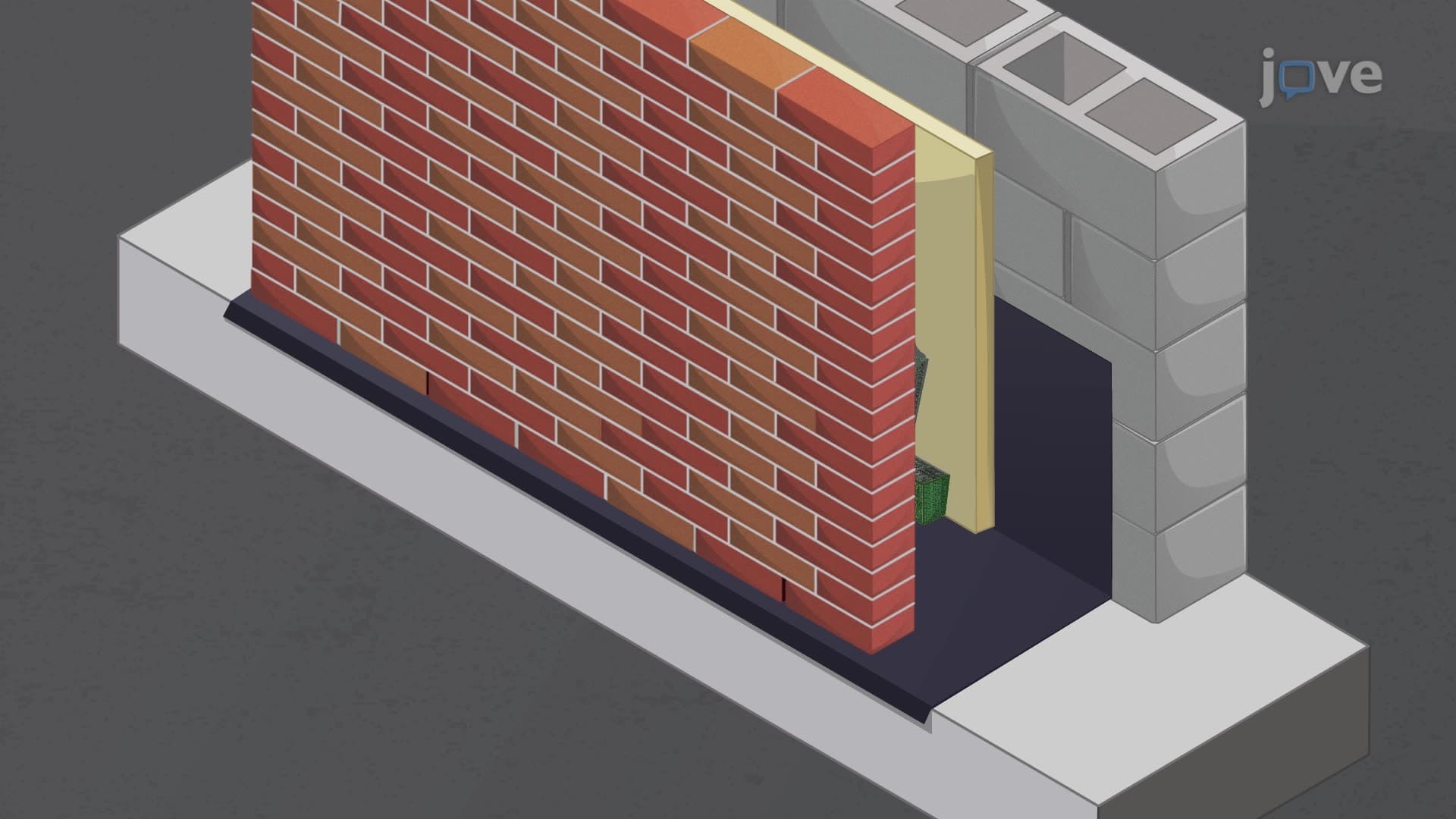
The thermal insulation basics encompass three primary installation approaches, each offering distinct advantages. External insulation systems, commonly seen in energy-efficient buildings across the Northeast, involve attaching rigid foam panels like polystyrene to exterior walls, then covering them with protective finishes such as polymeric stucco reinforced with fiberglass mesh. This approach eliminates thermal bridging and protects the structural wall from temperature fluctuations.
Internal insulation methods prove particularly effective in retrofit applications, especially in older buildings throughout the Midwest. These systems utilize reflective barriers or batt insulation attached to interior surfaces using furring strips, creating concealed spaces for utilities behind gypsum wallboard. This approach allows for easier installation without disturbing existing exterior finishes.
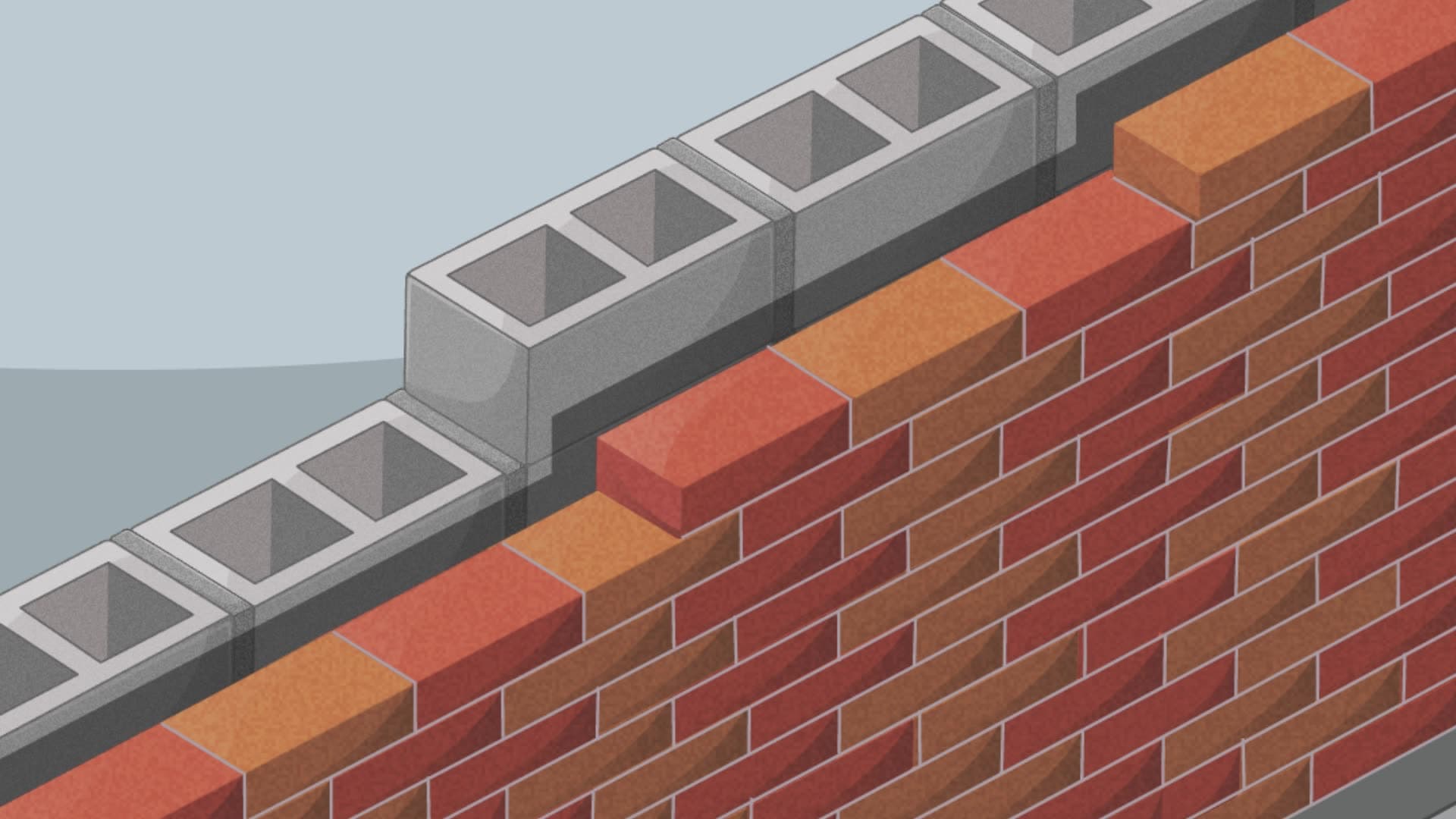
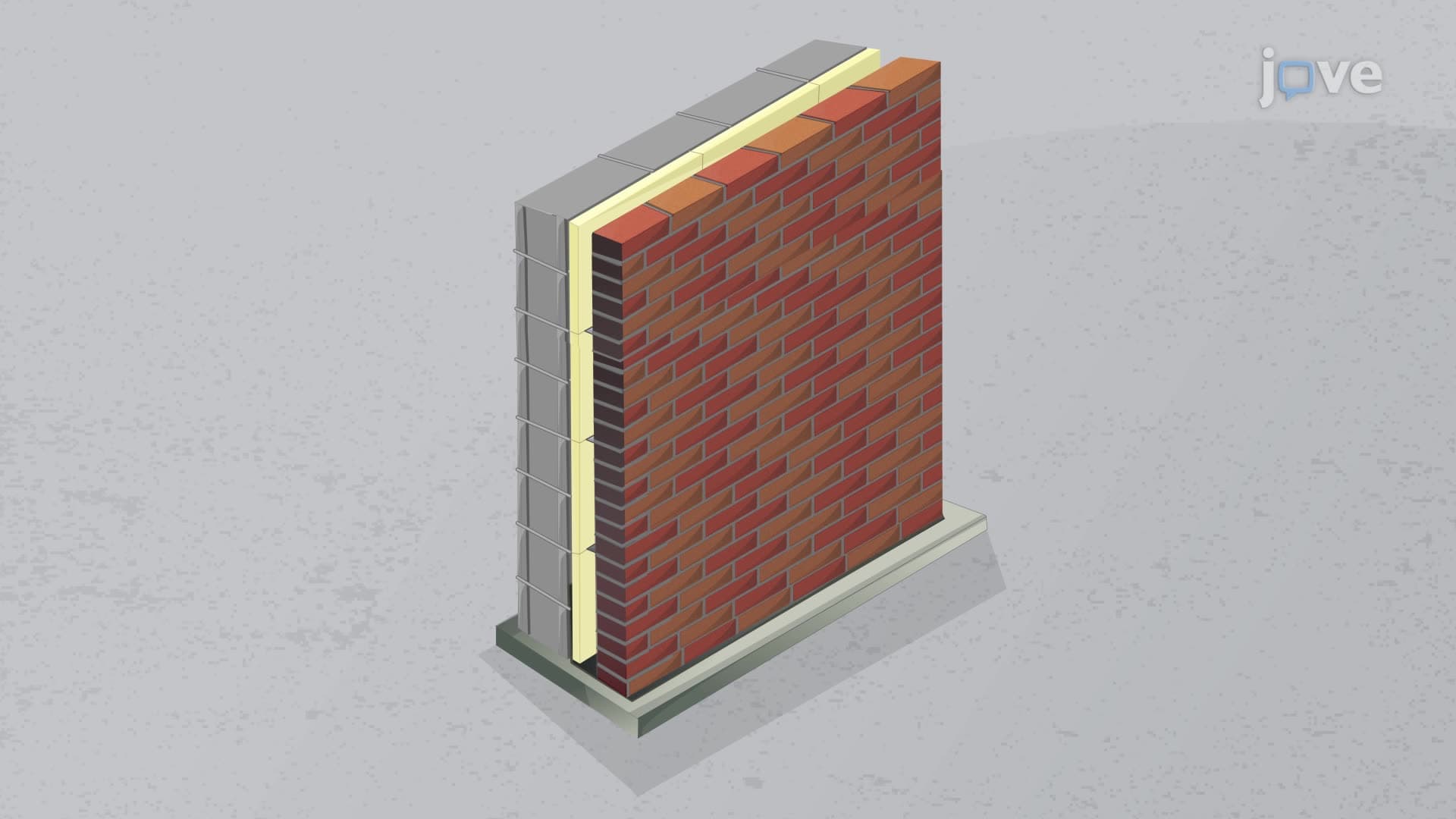
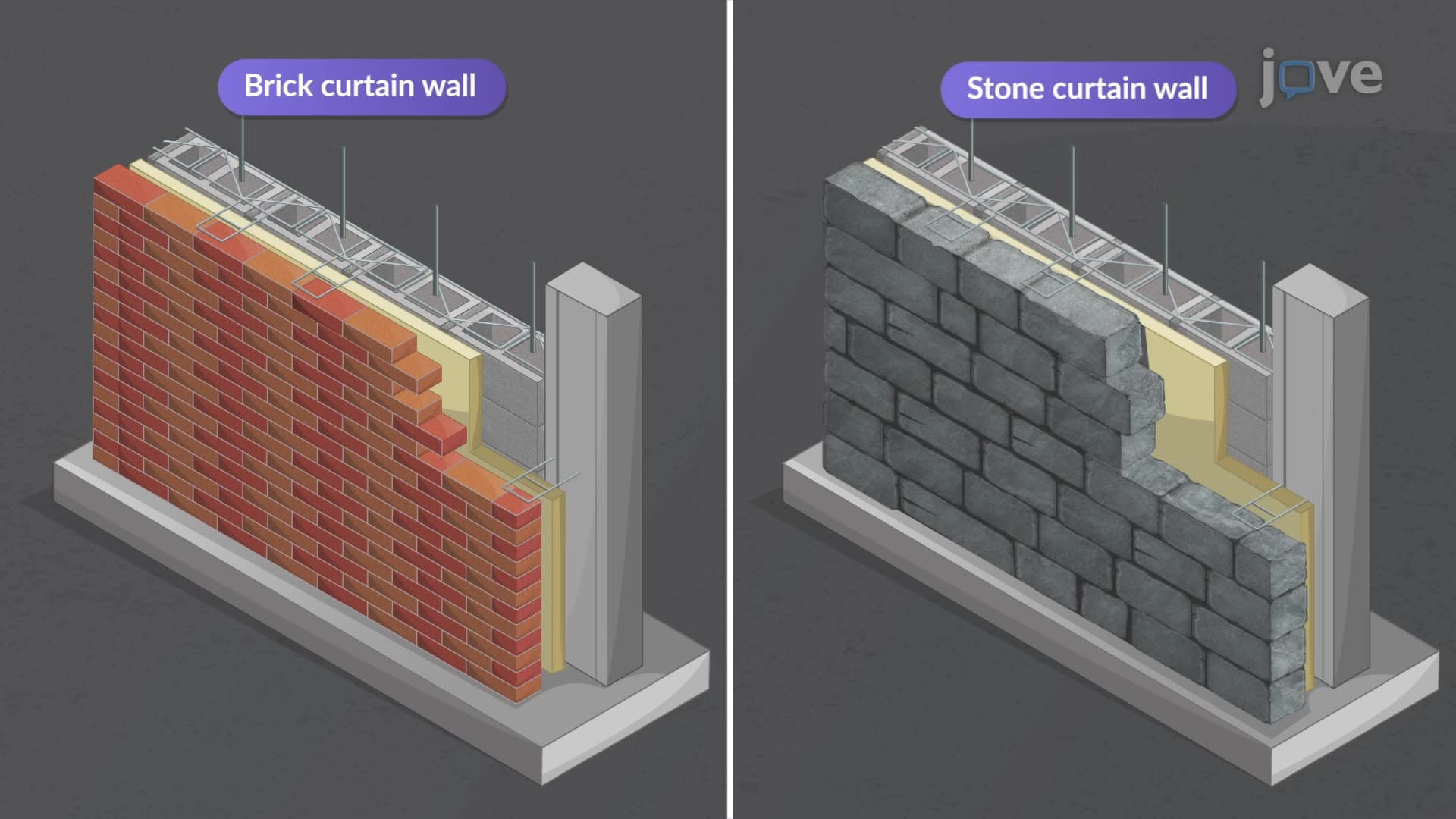
Cavity insulation, the third method, involves filling the space between masonry wythes with materials like expanded perlite or rigid foam slabs. This technique maximizes thermal performance while maintaining the structural integrity of double-wythe masonry construction common in traditional American architecture.
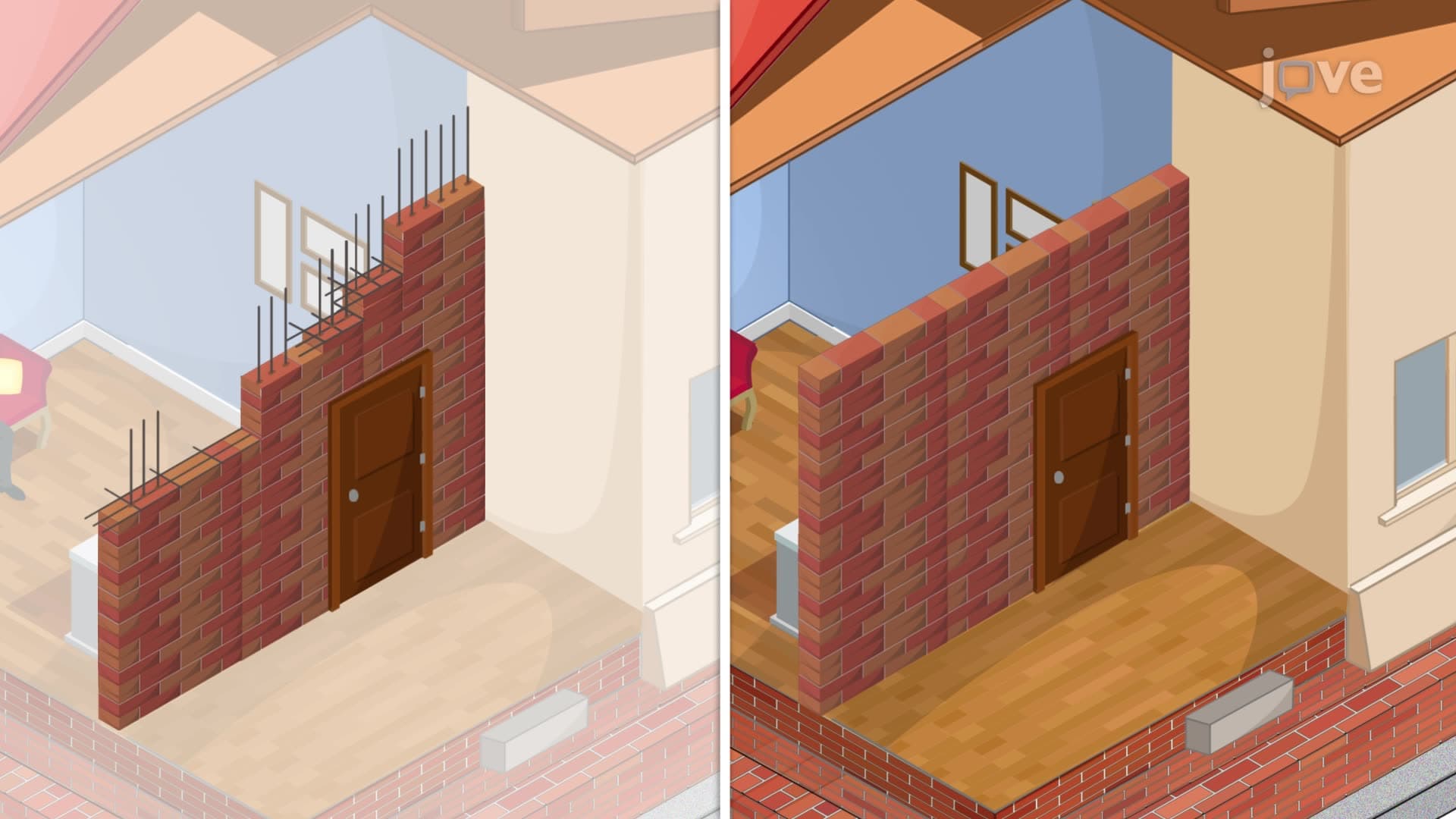
A comprehensive thermal insulation overview must address thermal bridging-the phenomenon where conductive materials like steel rebar create pathways for heat transfer through insulation systems. In heavily reinforced concrete structures typical of high-rise construction in cities like New York or Los Angeles, these thermal bridges can significantly reduce overall insulation effectiveness, requiring careful design consideration and specialized solutions.
Students preparing for AP Physics or college-level thermodynamics courses should understand that thermal insulation effectiveness depends on material properties, installation quality, and system continuity. The R-value, measured in imperial units (ft²·°F·hr/BTU), quantifies thermal resistance and helps compare different insulation materials and systems.
Understanding thermal insulation extends beyond theoretical concepts to practical decision-making processes. Building function significantly influences insulation selection-a Florida warehouse requires different thermal strategies than a Minnesota office building. Cost-benefit analyses must consider initial installation costs, long-term energy savings, maintenance requirements, and local climate conditions. Building codes, particularly the International Energy Conservation Code (IECC) adopted across most US states, establish minimum thermal performance requirements that vary by climate zone, ensuring both safety and energy efficiency in modern construction.
Related Micro-courses