Loading video…


 14 Concepts
 7.5K views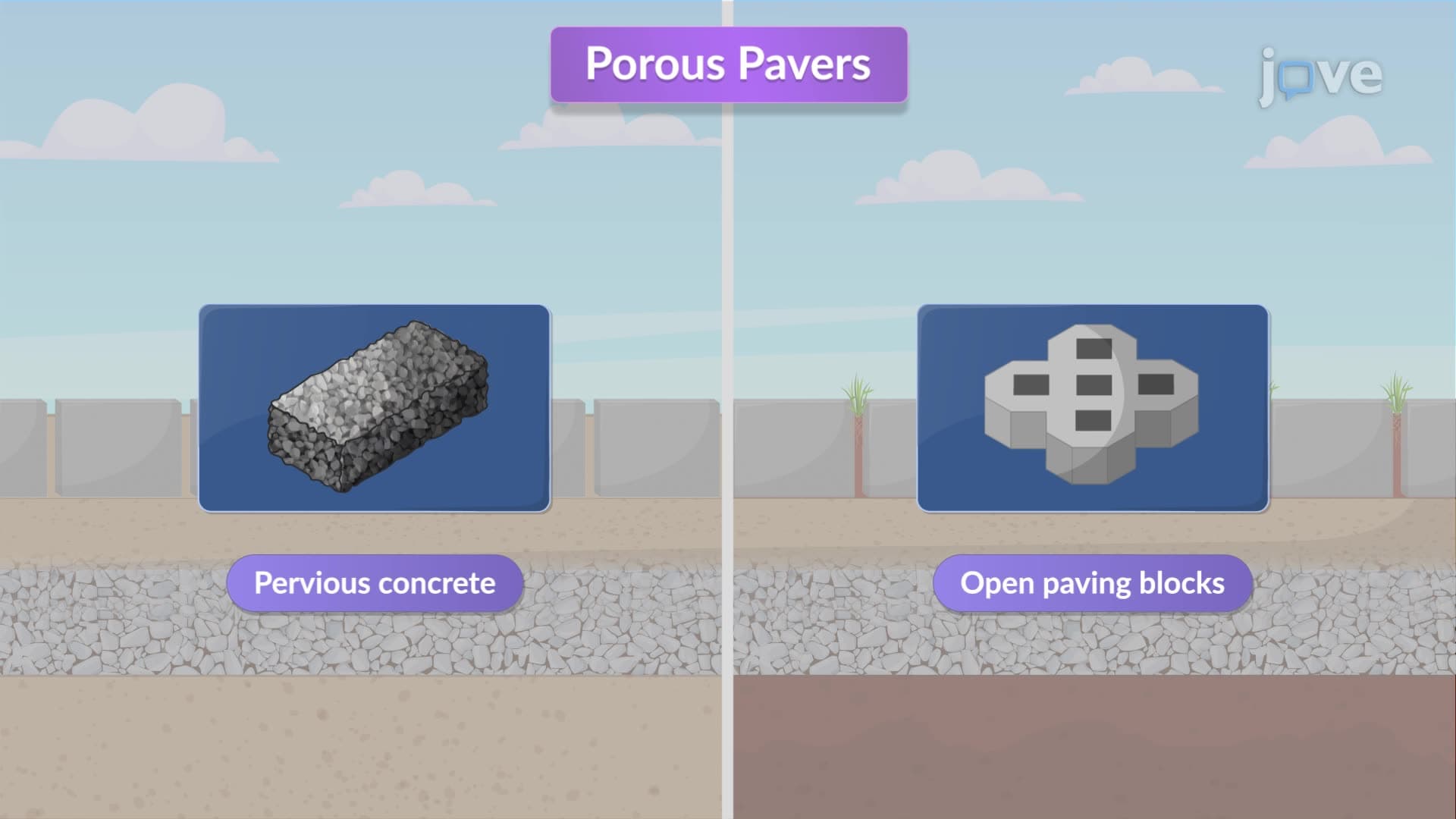

Video Summary: What Is Masonry Paving
Ever wonder why the brick walkways at Boston's Freedom Trail have lasted centuries while asphalt roads need frequent repairs? Masonry paving creates durable surfaces using bricks, stones, and concrete units that can withstand heavy foot traffic and harsh weather conditions. From the iconic brick pathways at Harvard University to residential driveways across suburban neighborhoods, what is masonry paving becomes clear when you see these long-lasting, attractive surfaces that combine functionality with aesthetic appeal. Watch the full video on JoVE Coach to master this concept with expert-led visuals and step-by-step explanations.
What is masonry paving represents a time-tested construction method that creates durable, attractive surfaces using individual masonry units. Unlike poured concrete or asphalt, masonry paving systems consist of discrete elements-bricks, natural stones, or precast concrete units-that work together to form cohesive pavement surfaces. This modular approach offers significant advantages in terms of repairability, aesthetic flexibility, and long-term performance.
The concept frequently appears in AP Environmental Science courses when discussing sustainable construction practices, and civil engineering programs extensively cover these systems in materials and construction classes. Students preparing for the Fundamentals of Engineering (FE) exam should understand how load distribution and material properties influence pavement design decisions.
Masonry paving operates on a three-tier structural system that distributes loads effectively while providing stability. The top layer consists of the visible paving units-whether brick pavers at Disney World's Main Street USA or granite cobblestones in Philadelphia's Old City district. These units must possess adequate compressive strength and abrasion resistance to handle their intended loads.
The middle settling bed, typically 1-2 inches thick, serves as the leveling and bedding layer. Sand remains the most common material due to its self-leveling properties and ability to conform to minor surface irregularities. Pea gravel or finely crushed stone alternatives provide enhanced drainage in wet climates, particularly important in regions like the Pacific Northwest.
The foundation base layer varies dramatically based on expected loading conditions. Heavy vehicular applications, such as the brick streets in downtown Savannah, Georgia, require reinforced concrete bases capable of distributing truck loads without settlement. These rigid systems prevent differential movement that could cause paver displacement or cracking.
Pedestrian applications typically employ semi-flexible bases using asphalt or bituminous concrete, providing adequate support while allowing slight flexibility. Campus walkways at universities like Yale often use this approach, balancing cost-effectiveness with performance. Purely flexible bases of compacted gravel or sand work well for residential patios and light-duty applications.
Modern masonry paving increasingly incorporates permeability for stormwater management, addressing EPA requirements for urban runoff control. Permeable systems allow rainwater to infiltrate through the pavement surface rather than contributing to surface runoff and potential flooding. This technology proves particularly valuable in cities like Portland, Oregon, where green infrastructure initiatives promote sustainable stormwater management.
Implementation methods include intentional spacing between paving units filled with sand or vegetation, or specialized porous pavers like pervious concrete units. These systems require careful subsurface design to ensure proper drainage and prevent groundwater contamination-concepts covered extensively in environmental engineering coursework and Professional Engineer licensing examinations.
Related Micro-courses