Loading subject page…

- Civil Engineering
- Masonry
- Movement Joints in Buildings
Micro-course: Masonry
7,488 views
Learn key concepts and earn your certificate.






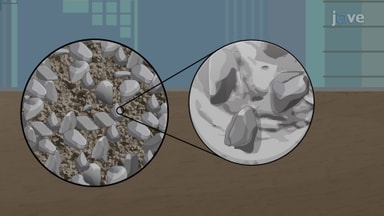
Movement Joints in Buildings

00:00
01:27
Video Summary: What Is Movement Joints in Buildings
Did you know that the Willis Tower in Chicago can sway up to 3 feet in strong winds? Movement joints in buildings are engineered gaps and flexible connections that allow structures to safely accommodate natural movements from temperature changes, moisture, and ground shifting. These critical architectural elements prevent catastrophic cracking and structural failure in everything from residential homes to skyscrapers across the United States. What is Movement Joints in Buildings encompasses various joint types that work together to maintain building integrity while allowing controlled movement. Watch the full video on JoVE Coach to master this concept with expert-led visuals and step-by-step explanations.
- Understand What is Movement Joints in Buildings and their fundamental role in preventing structural damage from natural building movements
- Identify the four main categories of movement joints: working joints, structure enclosure joints, surface divider joints, and building separation joints
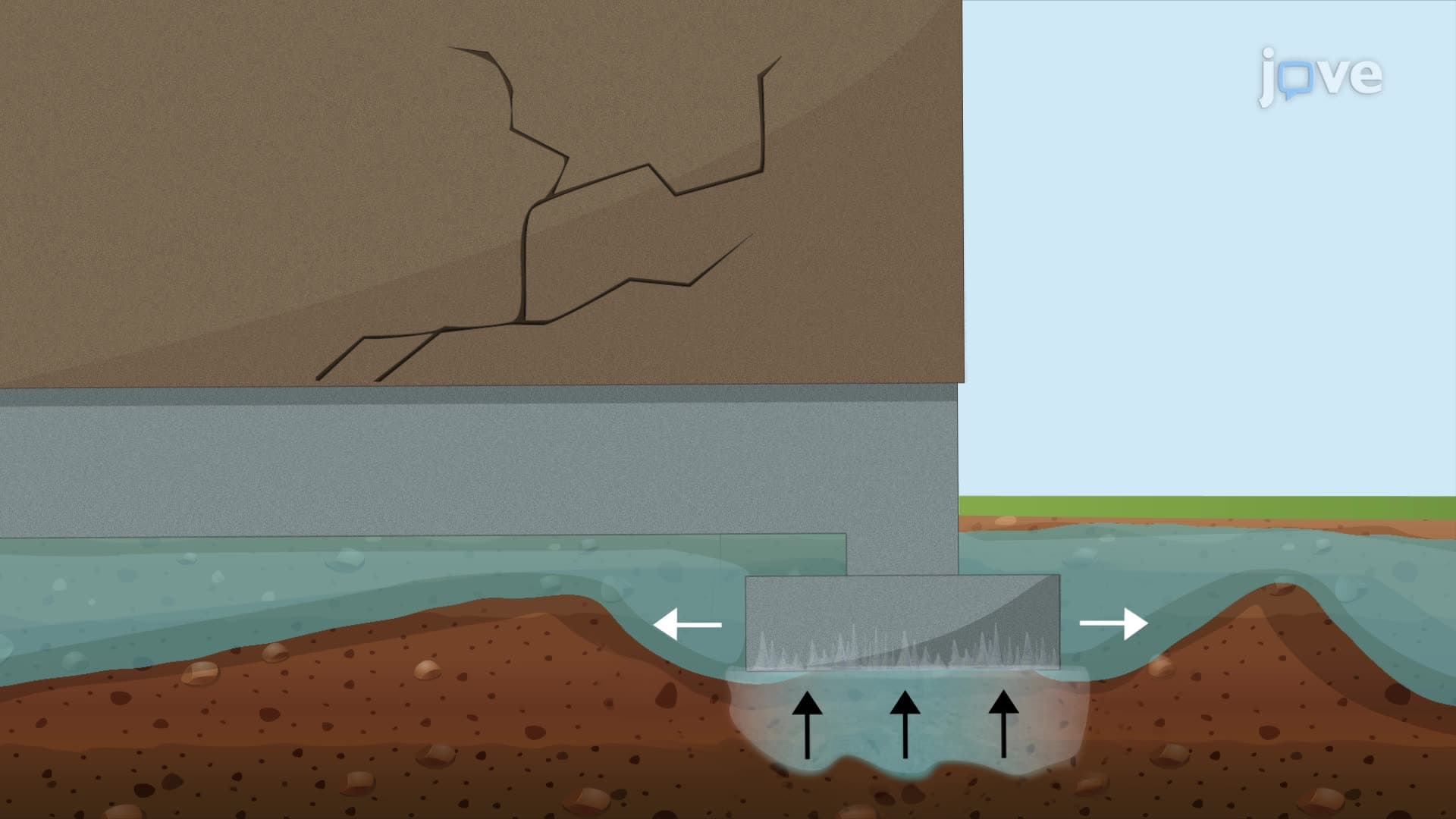
- Analyze how environmental factors like temperature fluctuations, moisture changes, and soil conditions create the need for movement accommodation in structures
- Compare different joint types including isolation joints for new additions, expansion joints for thermal movement, and control joints for shrinkage control
- Evaluate real-world applications of movement joints in common building systems like shingled roofs, cavity walls, and large commercial structures
- Apply movement joint principles to solve structural engineering problems and building design challenges
- Recognize how movement joints prevent costly repairs and maintain building safety over decades of environmental exposure
- Explore the relationship between building materials, climate conditions, and appropriate joint selection for different construction scenarios
Understanding What is Movement Joints in Buildings
Movement joints in buildings represent one of the most crucial yet often overlooked aspects of structural engineering and architecture. These engineered systems allow buildings to respond safely to the constant forces of nature while maintaining their structural integrity and occupant safety.
Types and Functions of Building Movement Joints
Working joints serve as the first line of defense against minor structural movements. In residential construction across states like Texas and Florida, where extreme temperature variations are common, shingled roofing systems rely heavily on working joints. These overlapping configurations allow individual shingles to expand and contract without compromising the overall roof system. The overlapping pattern distributes stress across multiple connection points, preventing concentrated failure zones that could lead to water infiltration or structural damage.
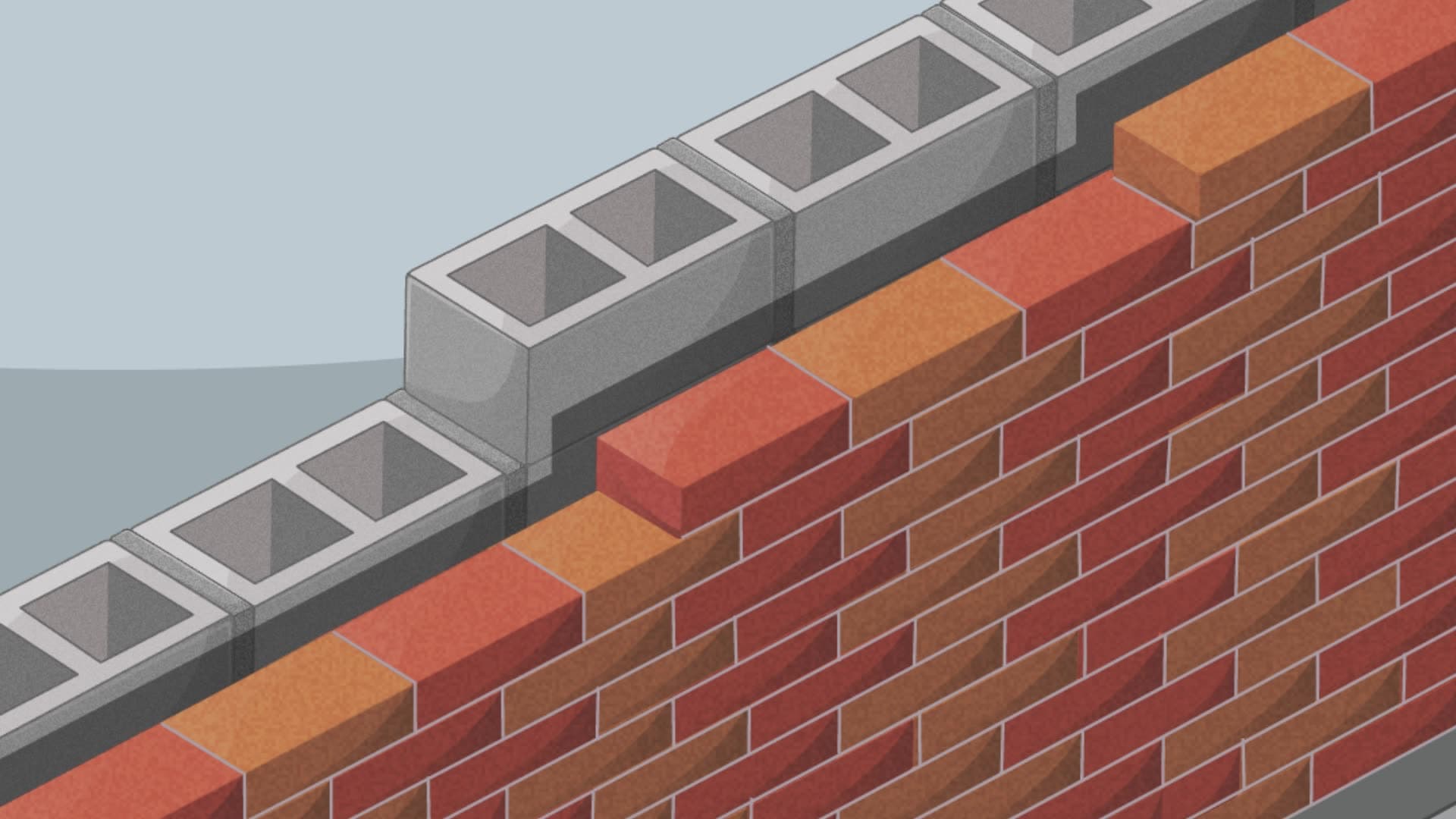
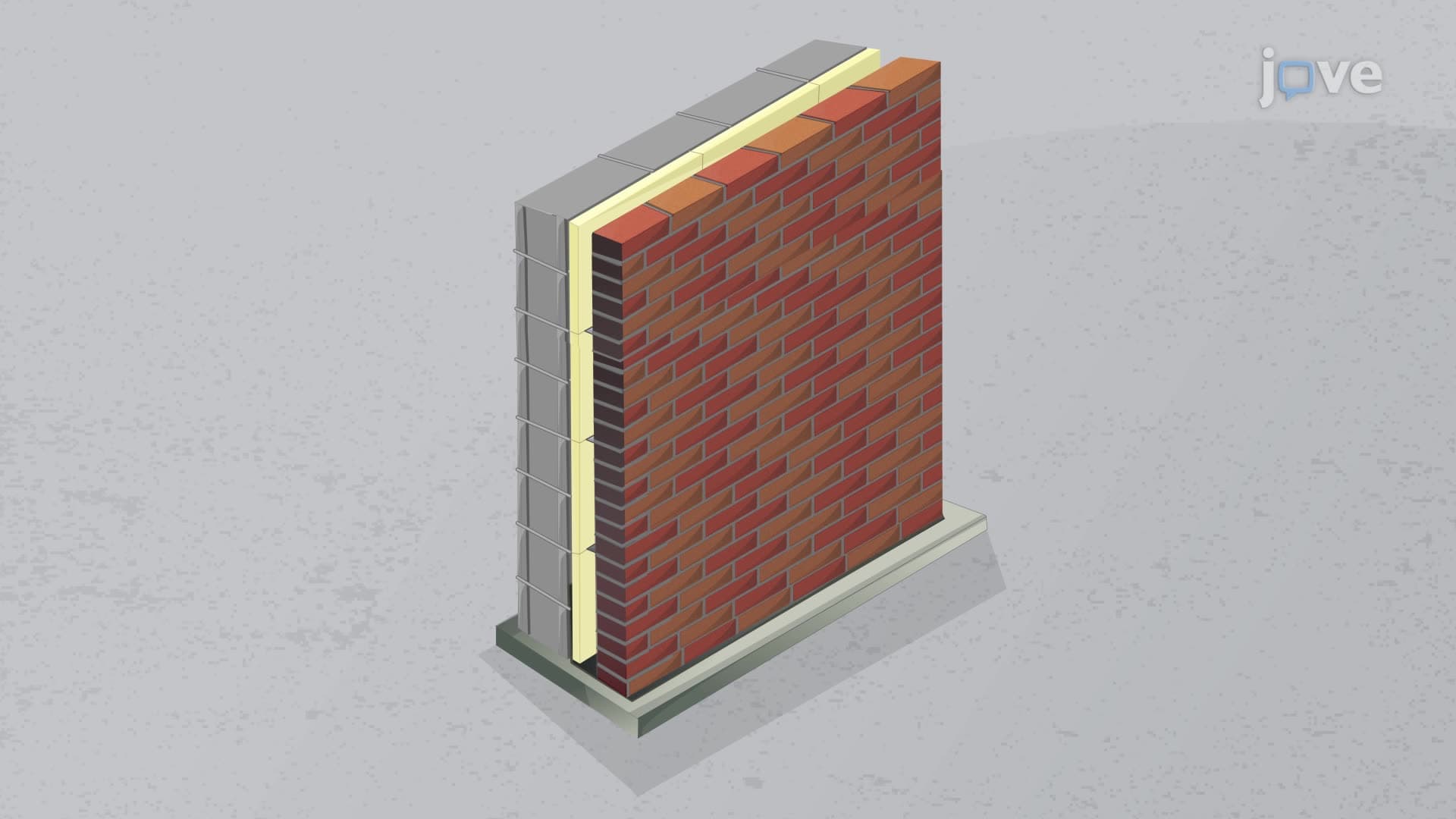
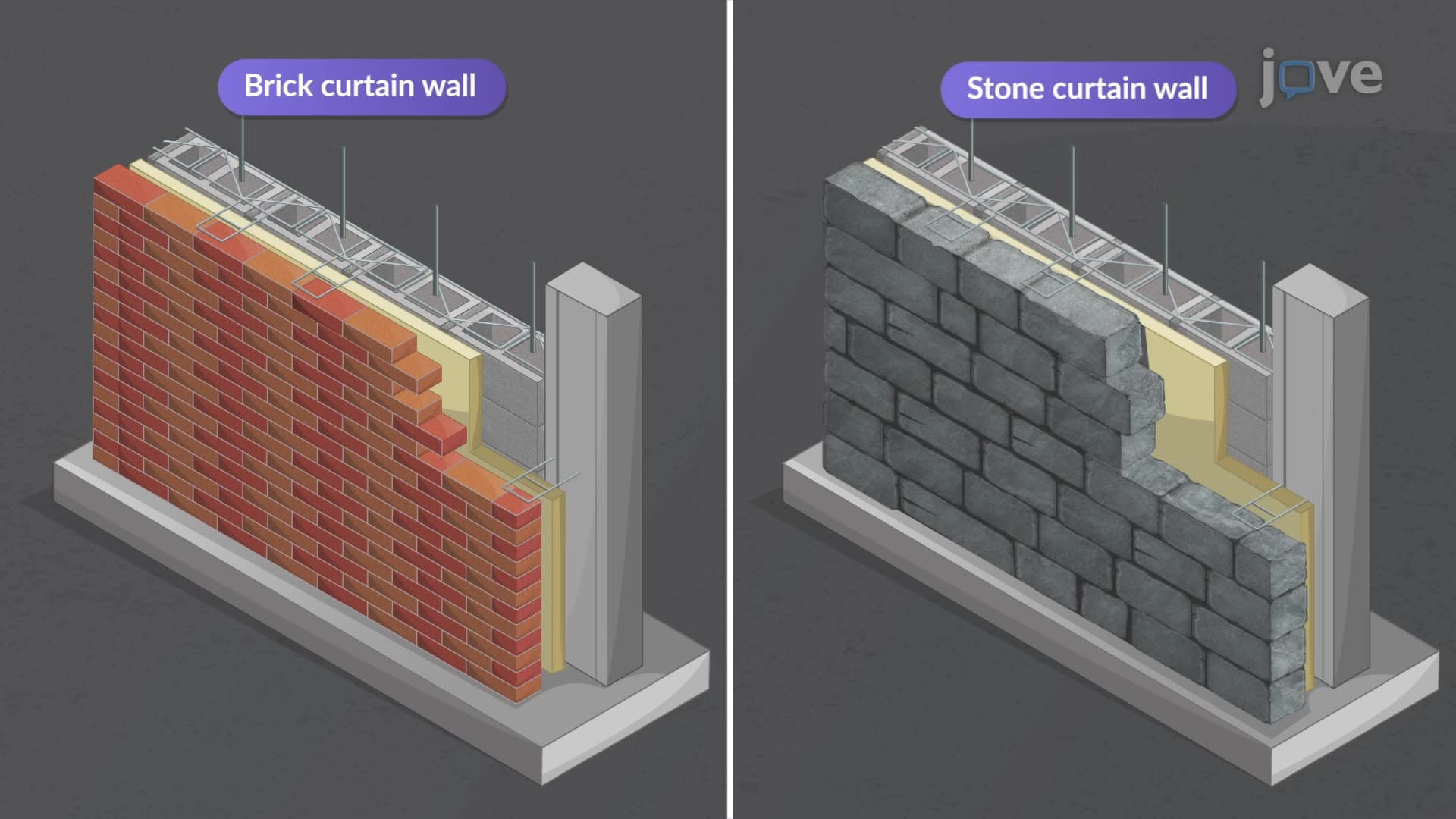
Structure enclosure joints address the critical interface between different building systems. The soft joint beneath shelf angles in cavity wall construction exemplifies this category. In cities like New York and Boston, where brick veneer construction is prevalent, these joints accommodate differential movement between the structural frame and the exterior masonry. Without proper structure enclosure joints, the rigid connection between dissimilar materials would create stress concentrations leading to cracking and potential safety hazards.
Surface Divider Joints in Practice
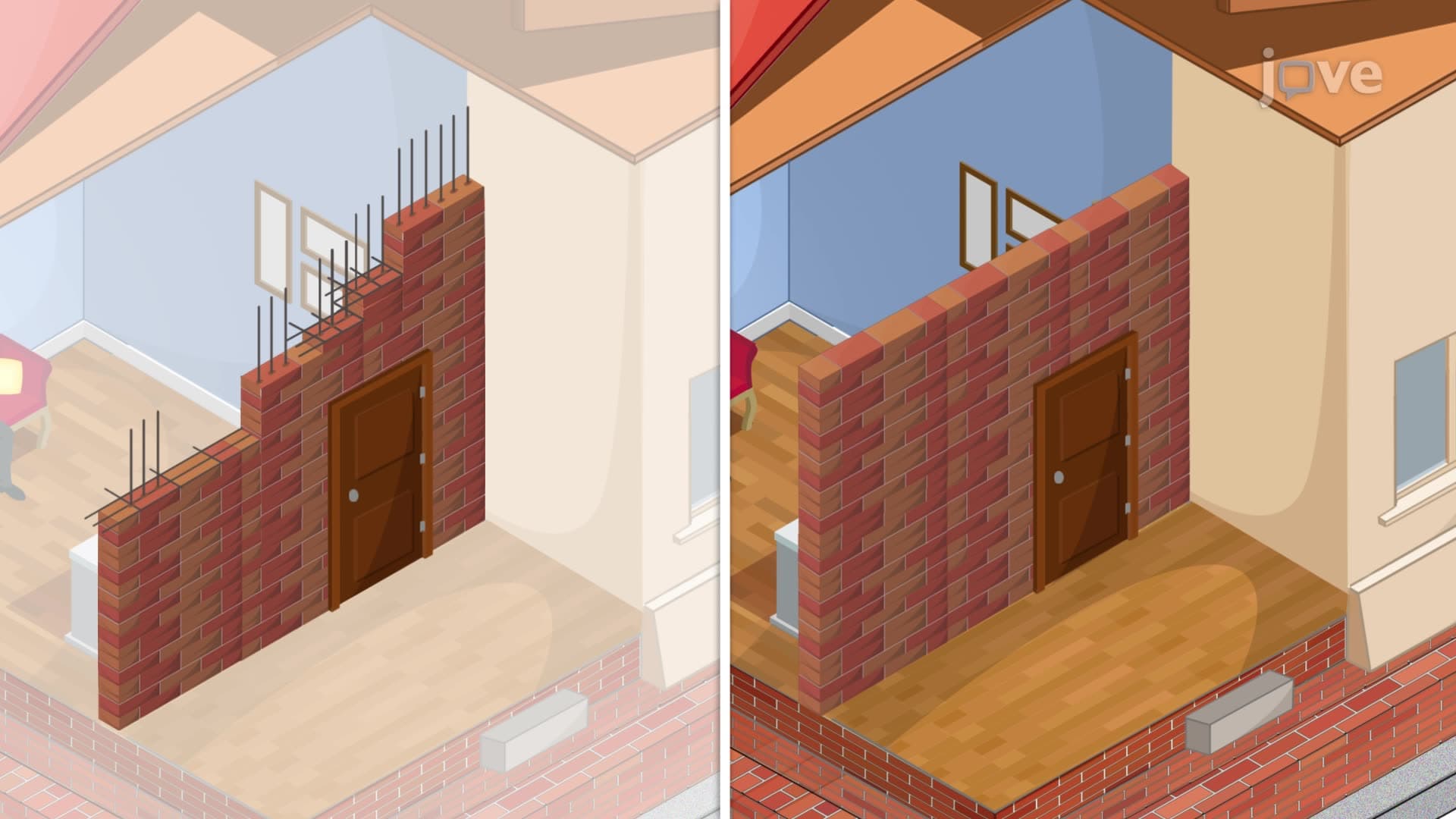
Surface divider joints encompass three distinct subcategories, each serving specific engineering purposes. Isolation joints prove essential when adding new sections to existing buildings, a common scenario in expanding universities and corporate campuses. The University of California system has extensively used isolation joints when constructing new dormitories adjacent to historic buildings, allowing modern structures to settle independently without affecting landmark buildings.
Expansion joints appear prominently in large-format construction like airport terminals and shopping centers. Denver International Airport incorporates numerous expansion joints throughout its massive terminal structures to accommodate the significant thermal movements caused by Colorado's extreme temperature swings. These open slots, typically filled with flexible sealants, prevent the concrete and steel framework from developing internal stresses that could compromise structural integrity.
Control joints represent perhaps the most mathematically precise movement joint category. Engineers calculate optimal spacing based on concrete shrinkage coefficients, ambient humidity levels, and curing conditions. In states with low humidity like Arizona and Nevada, control joints are spaced more closely to accommodate greater shrinkage rates in concrete construction.
Building Separation Joints for Complex Structures
Large institutional buildings often require building separation joints to divide complex structures into manageable segments. The Pentagon in Virginia utilizes building separation joints to allow its massive ring structure to move independently in different sections, preventing accumulated stresses from compromising the entire building. These joints extend completely through the structure, from foundation to roof, creating distinct building segments that can respond independently to environmental loads.
This concept frequently appears in AP Physics courses when studying materials science and in college-level structural engineering courses. Students preparing for the Fundamentals of Engineering (FE) exam encounter movement joint calculations in the structural engineering section, particularly regarding thermal expansion coefficients and allowable stress calculations.
Frequently Asked Questions
Movement joints in buildings are engineered gaps, flexible connections, and planned discontinuities that allow structures to accommodate natural movements from temperature changes, moisture variations, settling, and other environmental factors without developing harmful stresses or cracks. They're essential safety features that prevent structural damage and maintain building integrity over time.
AP Physics students encounter movement joints through thermal expansion problems, where they calculate joint spacing using linear expansion coefficients and temperature differentials. These concepts also appear in materials science questions about stress, strain, and preventing structural failure in engineering applications.
College exams typically focus on joint selection criteria, spacing calculations for different materials, and design problems involving thermal movement accommodation. Students often solve problems calculating expansion joint widths for steel and concrete structures under specific temperature ranges and determining control joint spacing in large concrete slabs.
You'll find movement joints everywhere: the gaps between concrete sidewalk sections, the soft caulk lines in brick buildings, expansion joints in bridge decks, and the overlapping shingles on residential roofs. Large structures like shopping malls, airports, and parking garages showcase prominent expansion joints that accommodate significant thermal movement.
Basic algebra and geometry are sufficient for most movement joint concepts. You'll work with linear expansion formulas, simple ratios, and unit conversions, making this topic accessible to high school students in geometry or introductory physics courses.
Focus on memorizing the four main joint categories and their specific functions, practice thermal expansion calculations using different materials' coefficients, and review real-world examples of each joint type. Create comparison charts showing when to use isolation versus expansion versus control joints.
Advanced coursework explores seismic isolation systems, dynamic building response analysis, and complex multi-material joint design. Graduate students study finite element modeling of joint behavior and advanced materials like shape-memory alloys in adaptive joint systems.
Regions with extreme temperature variations like Alaska, Minnesota, and the Southwest require more sophisticated joint systems due to greater thermal movement. Areas with expansive clay soils like Texas need specialized foundation movement accommodation, while seismically active regions like California integrate movement joints with earthquake-resistant design principles.
Related Micro-courses