- Civil Engineering
- Flow in Pipes
Micro-courses:30

Flow in Pipes
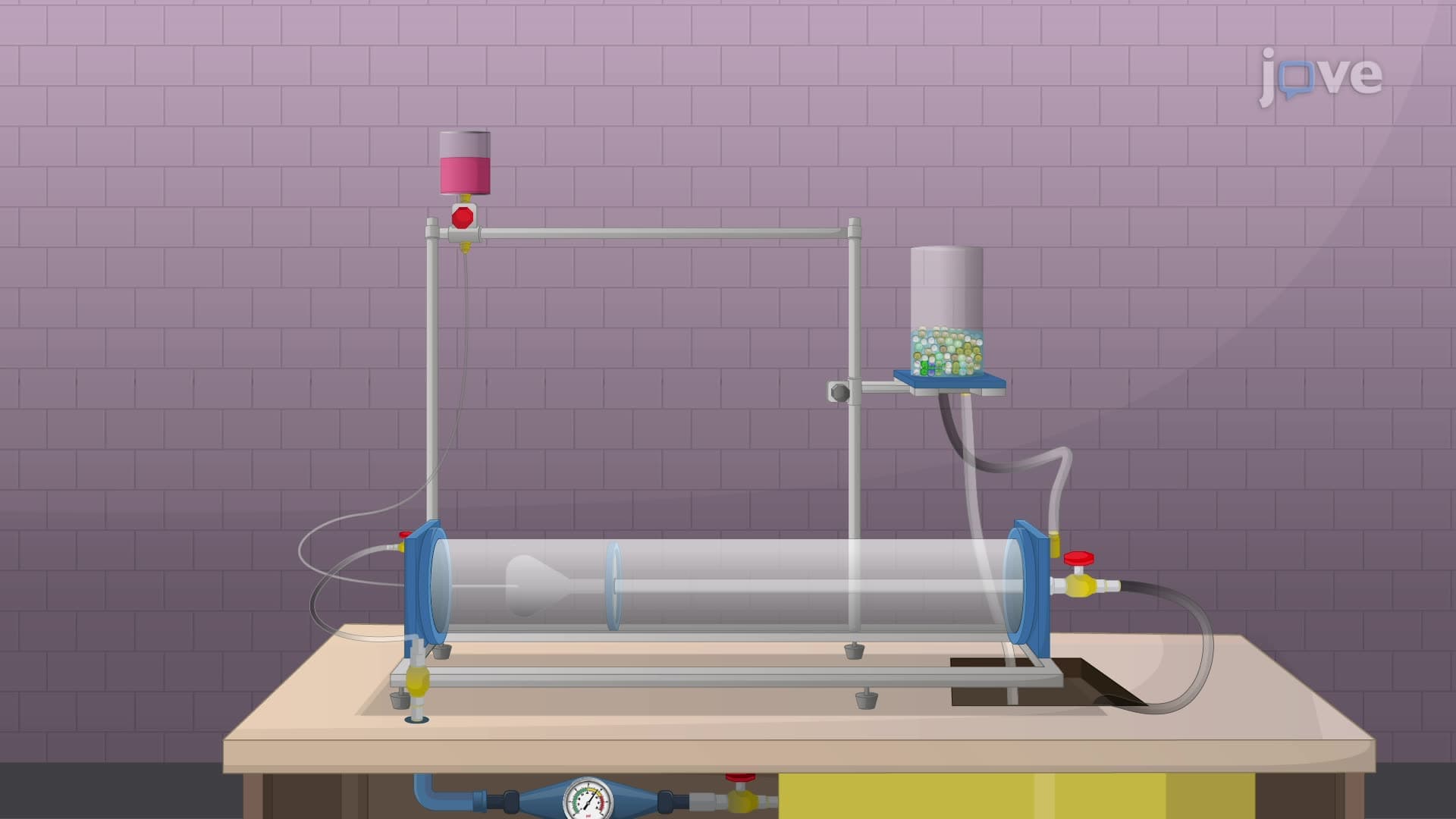
1. General Characteristics of Pipe Flow I
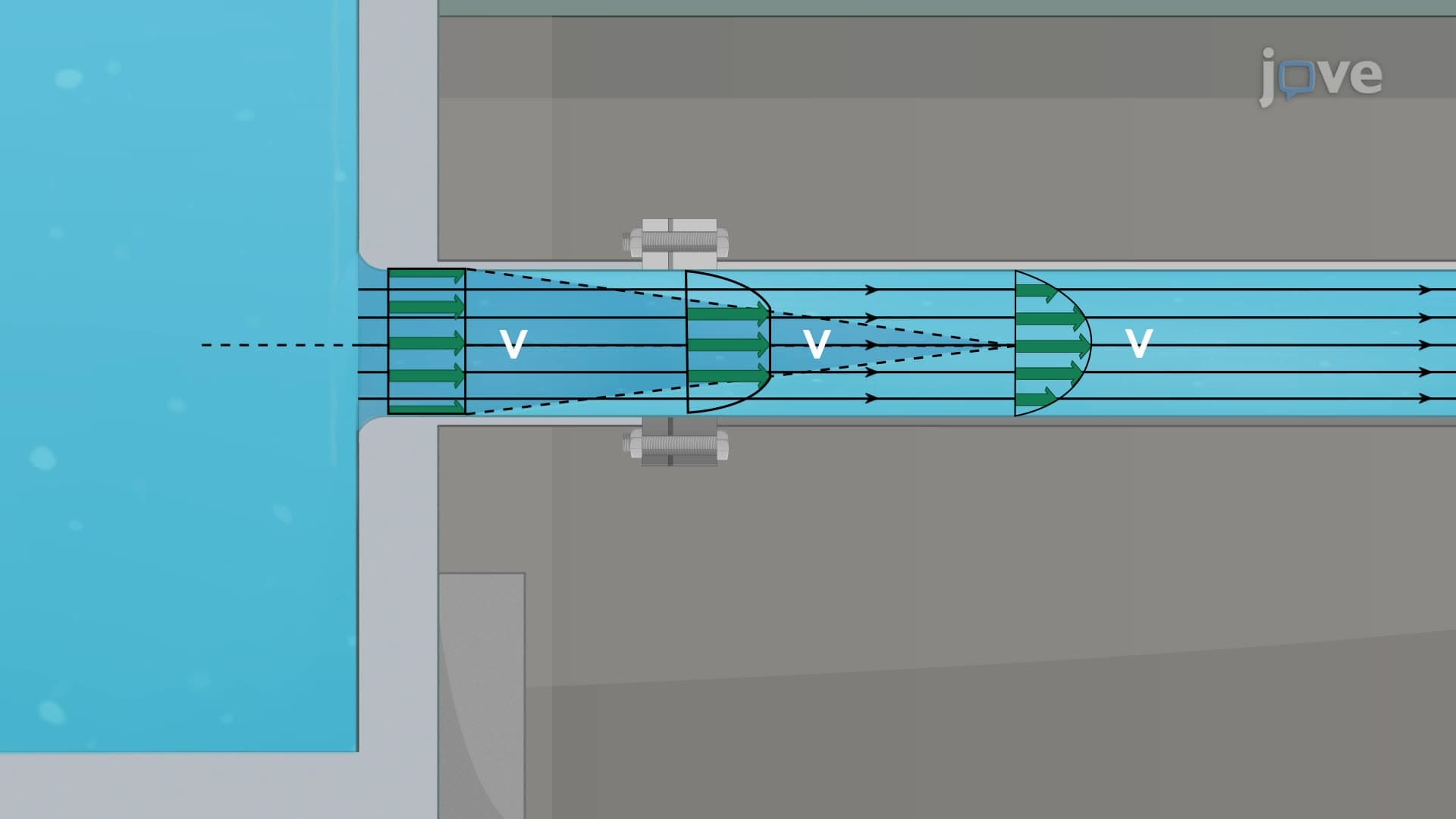
2. General Characteristics of Pipe Flow II
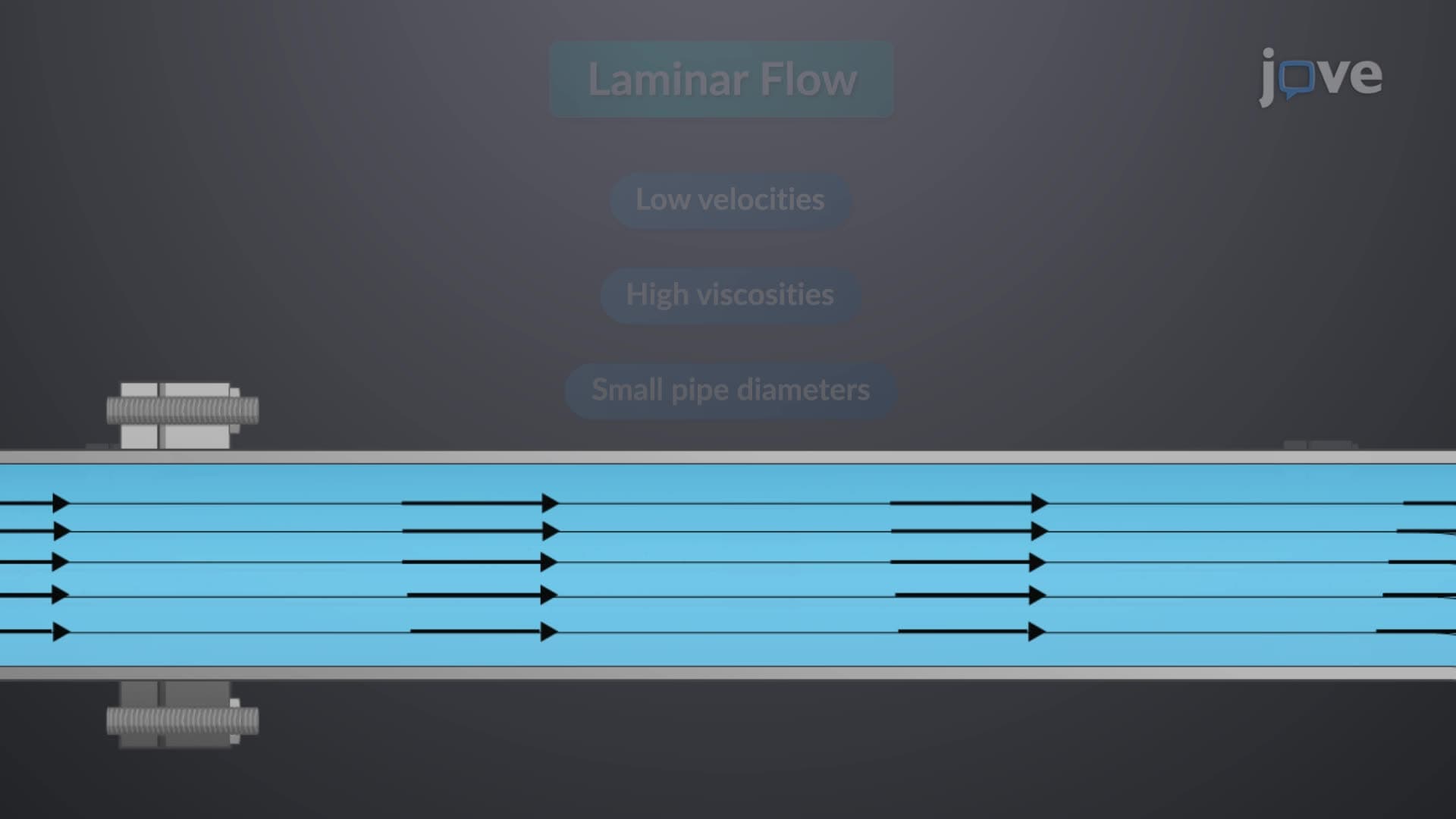
3. Laminar Flow

4. Laminar Flow: Problem Solving
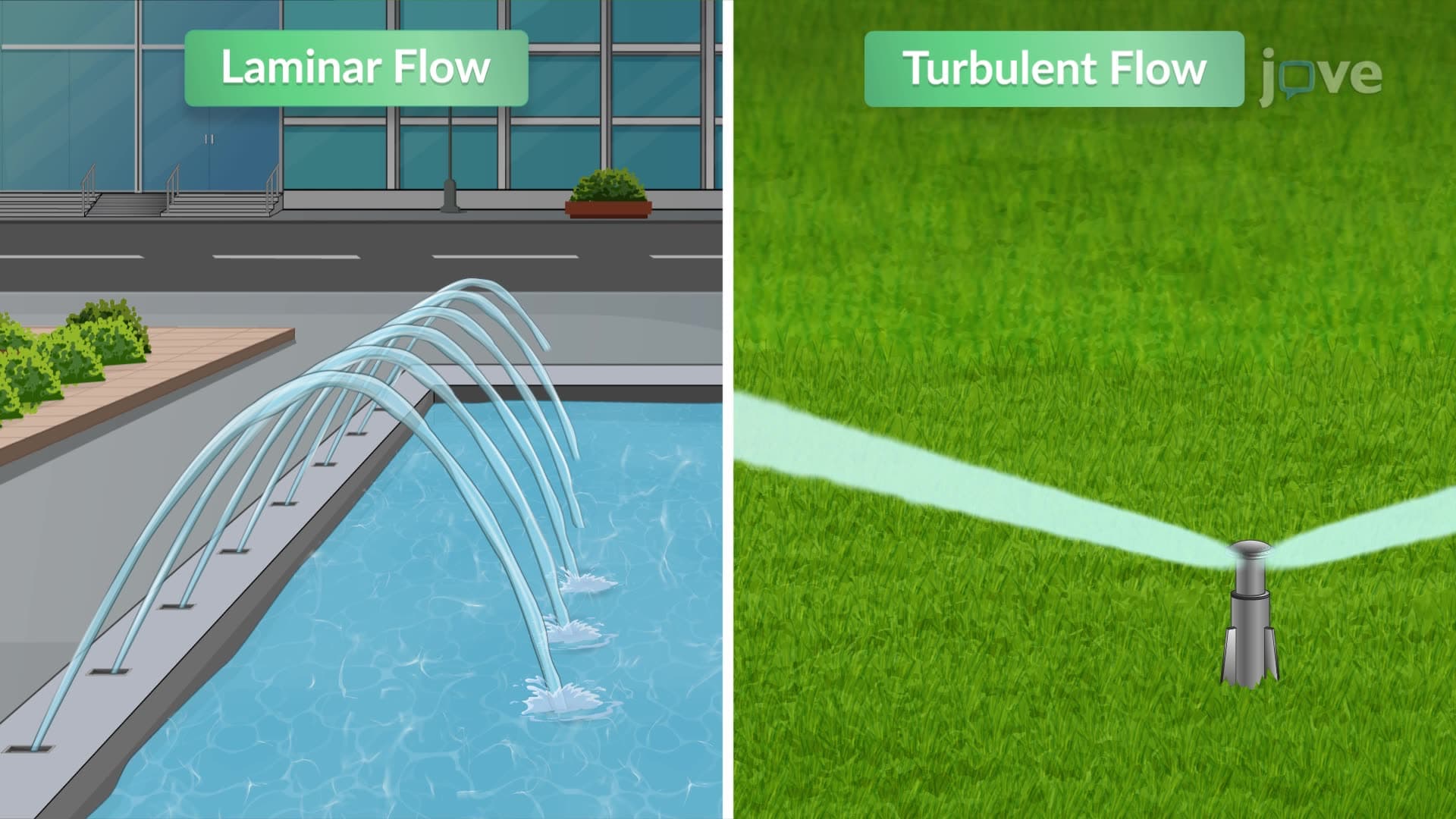
5. Turbulent Flow

6. Turbulent Flow: Problem Solving
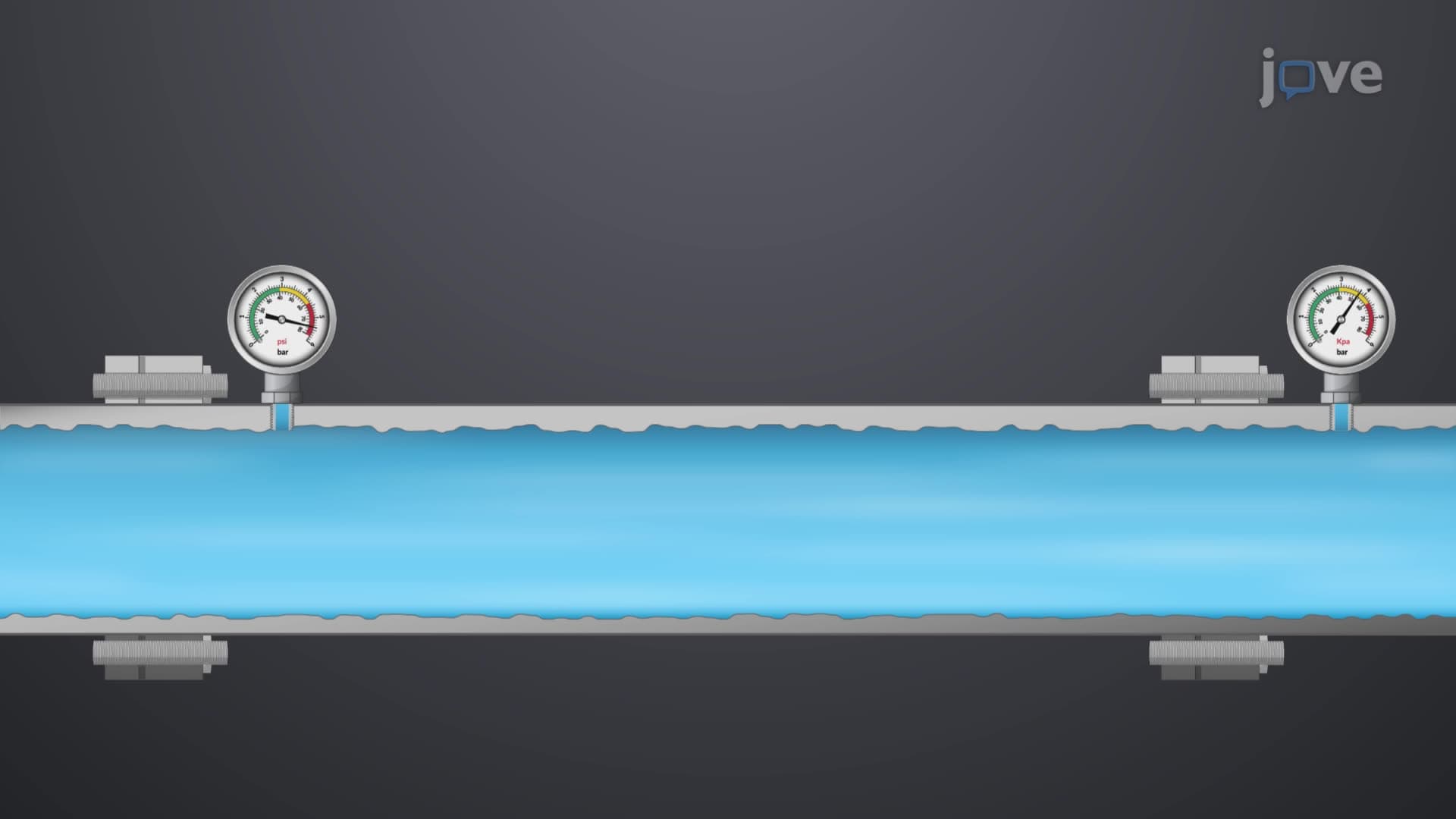
7. Major Losses in Pipes
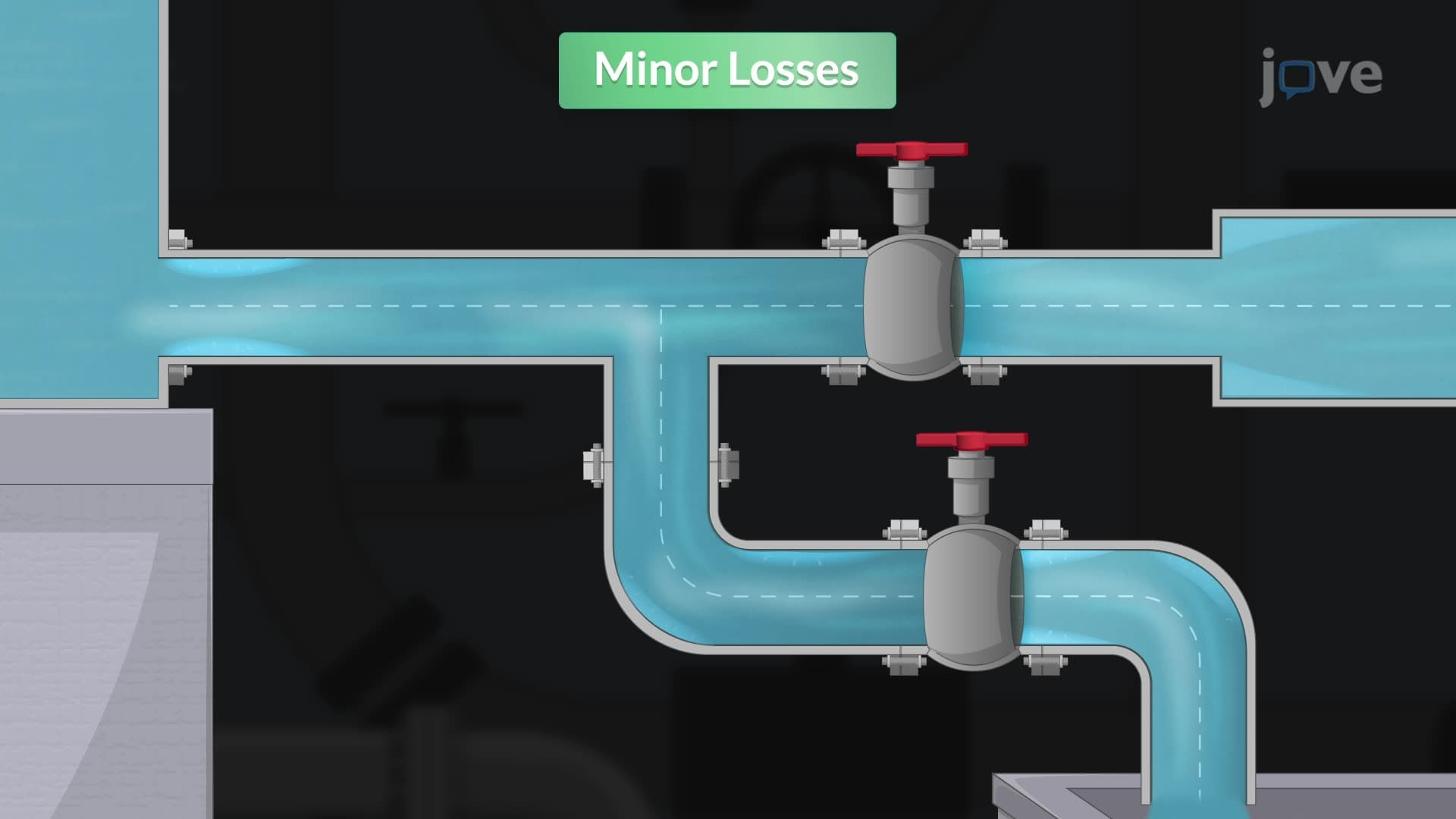
8. Minor Losses in Pipes

9. Single Pipe Systems
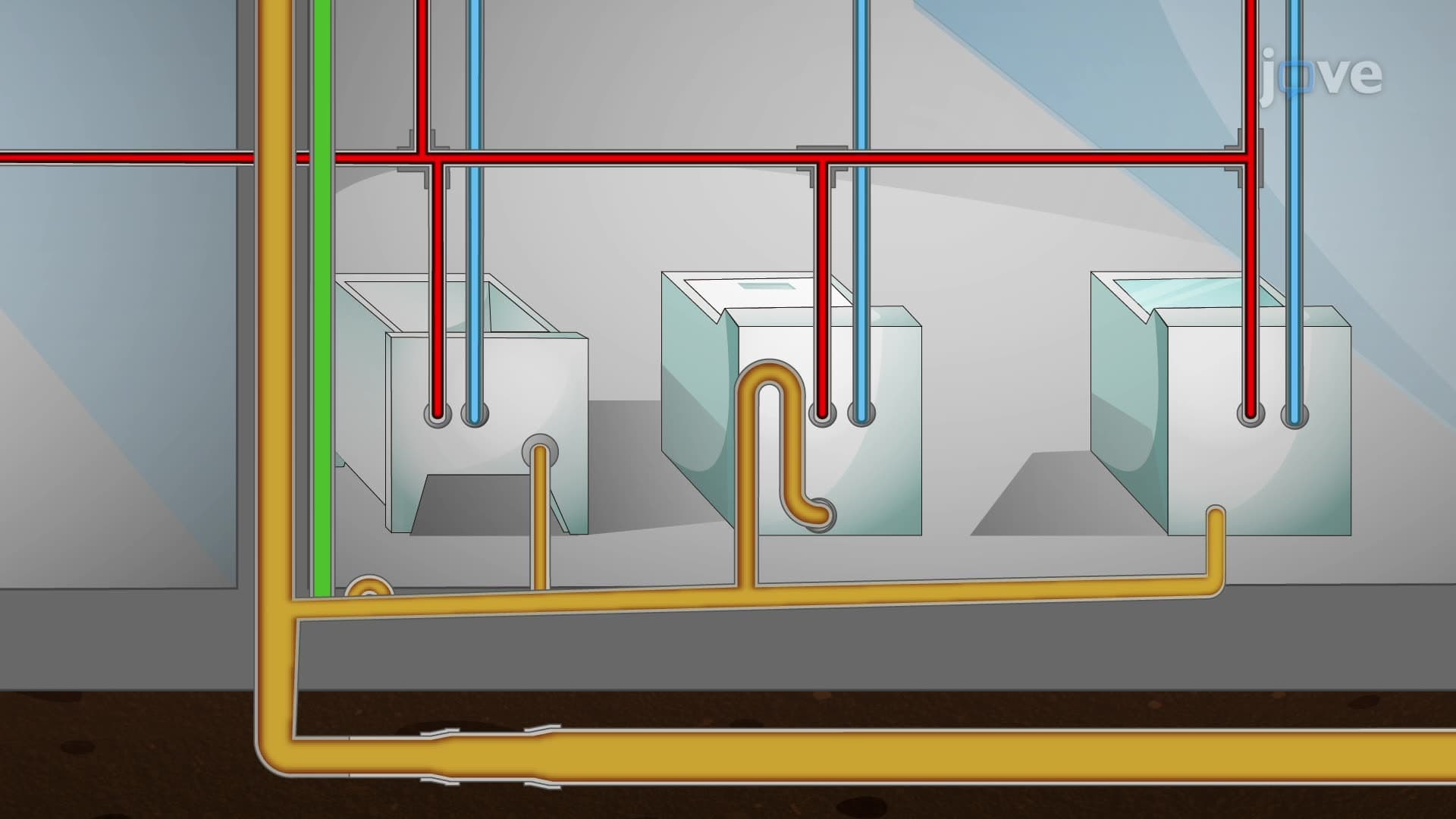
10. Multiple Pipe Systems
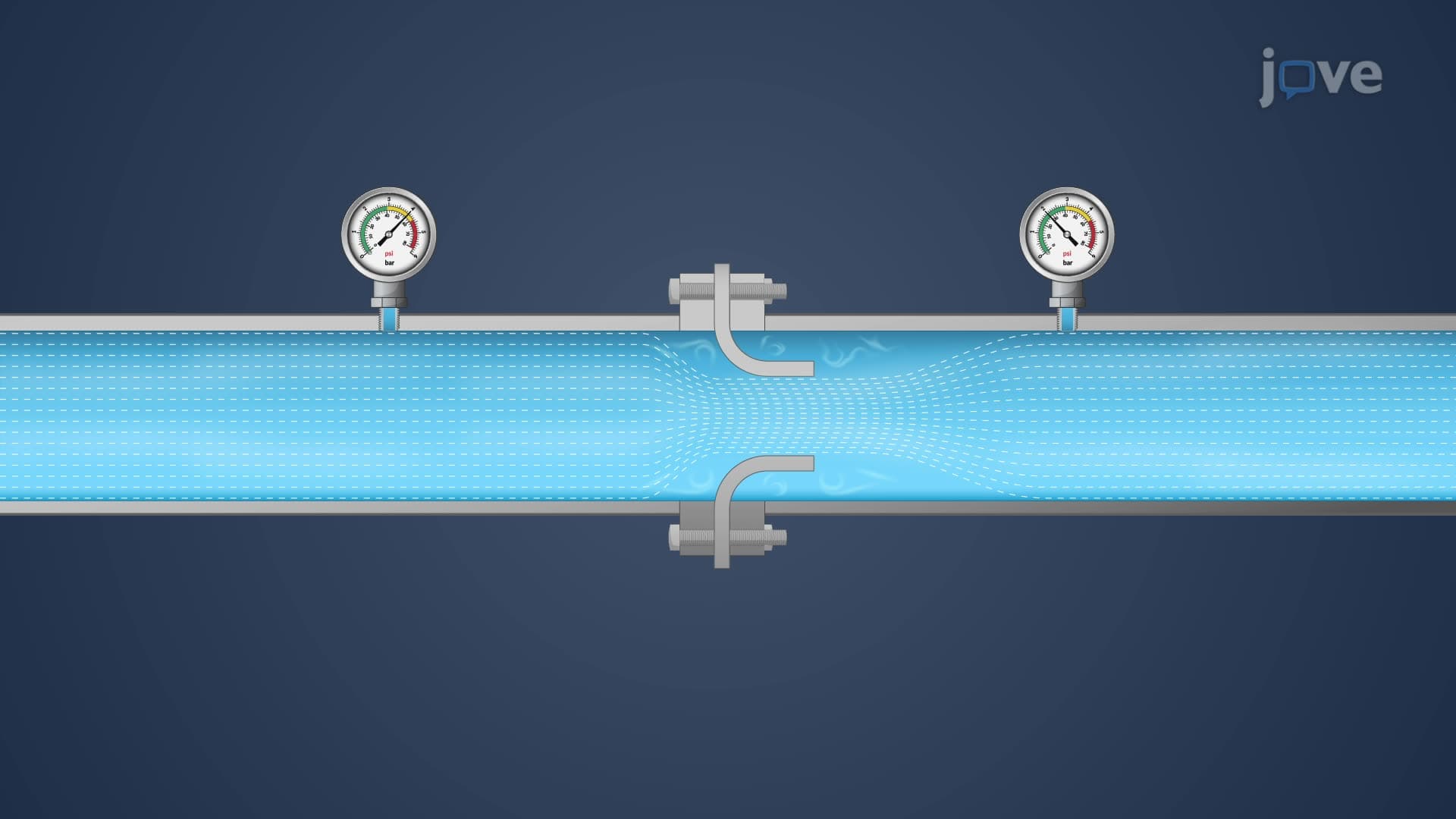
11. Pipe Flowrate Measurement

12. Pipe Flowrate Measurement: Problem Solving
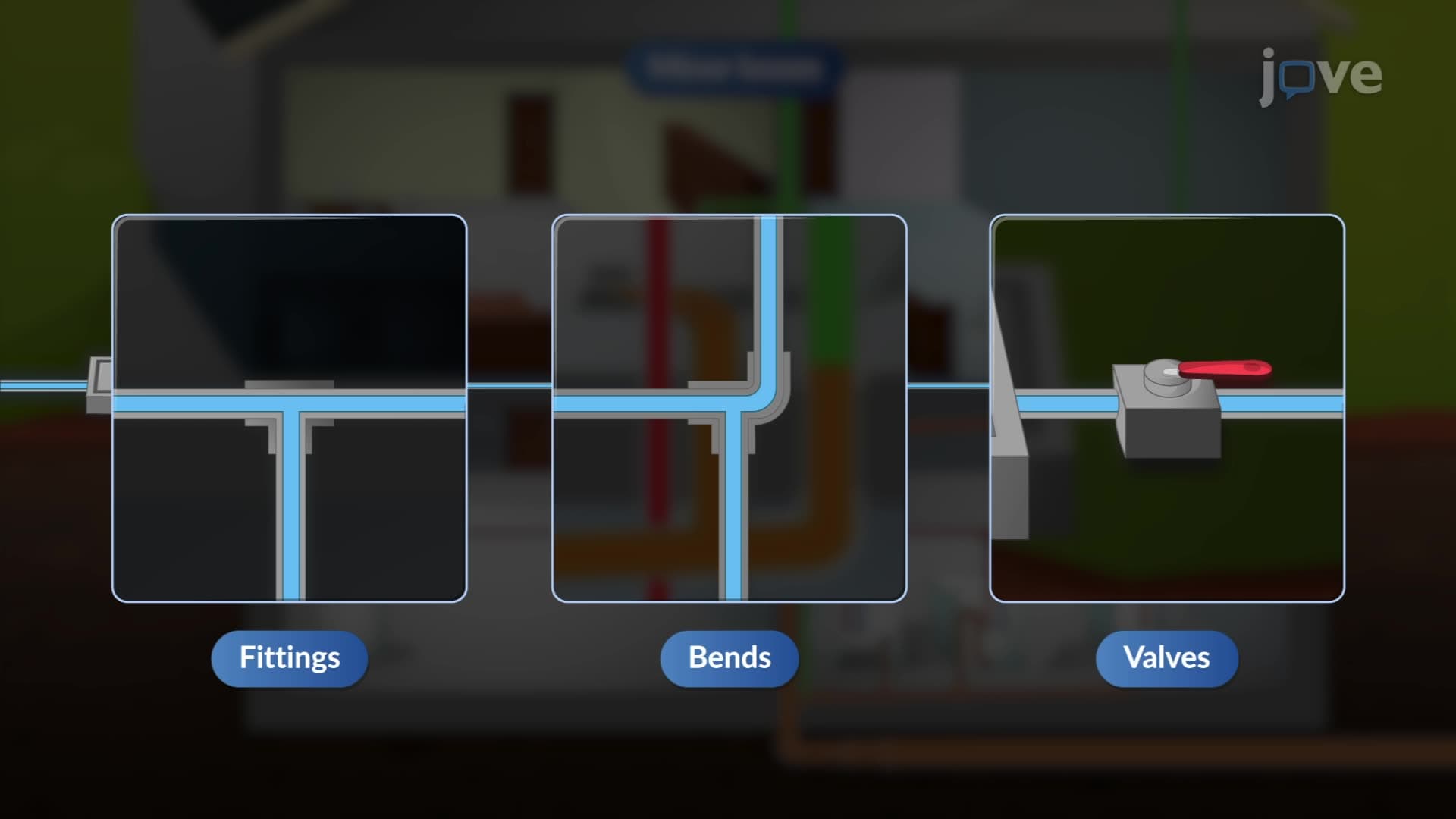
13. Design Example: Designing a Residential Plumbing System
Flow in pipes is fundamental to understanding how fluids move through enclosed systems under pressure-driven conditions. This comprehensive course covers laminar and turbulent flow regimes, energy losses, and practical pipe system design. Students explore Reynolds number calculations, the Darcy-Weisbach equation, and real-world applications from municipal water systems to residential plumbing networks across the United States.
- Understand the fundamental difference between laminar and turbulent flow using Reynolds number analysis
- Learn to classify flow regimes and predict flow behavior in various pipe configurations
- Identify major and minor losses in pipe systems using friction factors and loss coefficients
- Explore the Moody chart for determining friction factors in turbulent flow conditions
- Analyze single pipe systems and complex multiple pipe networks including series and parallel arrangements
- Apply the Darcy-Weisbach equation to calculate head losses in practical engineering problems
- Understand flow measurement techniques using orifice meters, nozzles, and Venturi meters
- Analyze real-world pipe system designs for residential and municipal applications
1. Reynolds Number and Flow Classification The Reynolds number determines whether flow in pipes will be laminar (smooth, orderly) or turbulent (chaotic, mixing). For circular pipes, flows are typically laminar below Re = 2,100 and turbulent above Re = 4,000. This dimensionless parameter depends on fluid velocity, density, viscosity, and pipe diameter. Understanding flow classification is crucial for predicting pressure drops in systems like the water distribution network serving New York City, where different flow regimes occur simultaneously across the massive pipe network spanning over 6,000 miles.
2. Laminar Flow Characteristics and Applications Laminar flow features smooth, parallel fluid layers with minimal mixing between them. The velocity profile develops into a parabolic shape over the entrance length, governed by the Hagen-Poiseuille equation. This flow type minimizes energy losses and is essential in applications requiring precise control, such as pharmaceutical manufacturing facilities in Research Triangle Park, North Carolina, where contamination prevention is critical. Laminar conditions also occur in small-diameter pipes carrying viscous fluids like heating oil in residential systems throughout colder US states.
3. Turbulent Flow and Energy Dissipation Turbulent flow exhibits chaotic pressure and velocity fluctuations with enhanced mixing characteristics. The flow structure includes three distinct zones: the viscous sublayer near pipe walls, the buffer layer with logarithmic velocity distribution, and the outer turbulent region dominated by random eddies. This flow type is common in municipal water systems serving cities like Los Angeles, where high velocities in large-diameter pipes ensure efficient transport but require careful energy management to minimize pumping costs across the extensive distribution network.
4. Major Losses and the Darcy-Weisbach Equation Major losses represent energy dissipation due to friction along straight pipe sections, calculated using the Darcy-Weisbach equation: hf = f(L/D)(V²/2g). The friction factor f depends on Reynolds number and relative pipe roughness, determined from the Moody chart. These calculations are essential for designing systems like the Colorado River Aqueduct, where water travels over 240 miles through large pipes to supply Southern California. Engineers must accurately predict these losses to size pumping stations and maintain adequate pressure throughout the system.
5. Minor Losses from Fittings and Components Minor losses occur at pipe fittings, valves, bends, and area changes, causing flow disruption and energy dissipation. These losses are quantified using loss coefficients (K) in the equation hL = K(V²/2g), or expressed as equivalent lengths of straight pipe. In residential plumbing systems across American suburbs, minor losses from elbows, tees, and fixtures can significantly impact overall system performance, especially in multi-story buildings where multiple fittings create cumulative pressure drops affecting upper-floor water delivery.
6. Multiple Pipe System Analysis Complex pipe networks include series, parallel, loop, and branching configurations common in municipal infrastructure. Series systems maintain constant flow rate with additive head losses, while parallel systems split flow with equal head losses across all branches. Loop systems require continuity and energy balance at junction points. These principles govern the design of water distribution systems serving major metropolitan areas like Chicago, where interconnected pipe networks ensure reliable supply even when individual sections require maintenance or experience failures.
7. Flow Measurement and Instrumentation Flow measurement devices including orifice plates, nozzles, and Venturi meters operate on Bernoulli's principle, creating pressure differentials proportional to flow rates. Each device has specific discharge coefficients accounting for real-world effects like flow contraction and viscous losses. These instruments are essential in industrial applications throughout the US chemical industry, particularly in refineries along the Gulf Coast, where accurate flow measurement ensures process control, environmental compliance, and safety in handling various fluid streams with different properties and hazard classifications.
Frequently Asked Questions
Laminar flow occurs in small pipes with slow-moving fluids, like water flowing through a garden hose at low pressure, creating smooth, predictable flow patterns. Turbulent flow happens in larger pipes or at higher velocities, such as water rushing through main distribution pipes in city water systems, creating chaotic mixing that enhances heat transfer but increases energy losses requiring more powerful pumps.
For AP Physics, focus on three problem types: Type I uses known flow rate to find pressure drop (use Darcy-Weisbach equation), Type II uses known pressure to find flow rate (requires iteration or charts), and Type III uses known pressure and flow to find pipe diameter. Always start by calculating the Reynolds number to determine if flow is laminar or turbulent, then select appropriate friction correlations.
The MCAT emphasizes Reynolds number calculations, Bernoulli's equation applications, and basic pressure drop concepts. Focus on understanding laminar versus turbulent flow characteristics, how viscosity affects flow behavior, and the relationship between pipe diameter and pressure requirements. Questions often relate to blood flow in arteries or medical device applications rather than industrial pipe systems.
Minor losses can become major contributors to total system losses, especially in complex piping with many fittings. In residential plumbing, minor losses from elbows, tees, and valves often exceed friction losses in short pipe runs. For example, a typical household water system might have 60% of its total head loss from fittings rather than straight pipe friction, making accurate minor loss calculations essential for proper pump sizing.
The Moody chart graphically represents the complex relationship between friction factor, Reynolds number, and relative roughness that cannot be expressed in a simple explicit equation. While explicit approximations like the Haaland equation exist, the Moody chart remains the standard because it clearly shows the transitions between flow regimes and the effects of pipe roughness, helping engineers visualize system behavior and make informed design decisions.
Real systems involve varying fluid properties with temperature, pipe aging that increases roughness over time, non-uniform flow distributions at junctions, and transient conditions during startup or shutdown. Municipal water systems also deal with demand variations throughout the day, requiring pressure regulation and storage tanks. Additionally, factors like pipe elevation changes, pump characteristics, and system controls create dynamic interactions not captured in simplified steady-state calculations.
Start by identifying the network topology (series, parallel, or loops) and applying conservation principles: mass conservation at junctions (flow in equals flow out) and energy conservation around loops (head gains equal head losses). For parallel systems, remember that head losses are equal across all branches. Use systematic approaches like the Hardy Cross method for loop systems, and always check that your solution satisfies both continuity and energy equations simultaneously.
This microcourse includes 13 concept videos that walk you through the building blocks of Civil Engineering. Each video is short, about 1 minute, so you can cover a full topic during a coffee break or between classes. The full sequence starts with General Characteristics of Pipe Flow I and ends with Design Example: Designing a Residential Plumbing System.
The playlist moves from big-picture ideas to the precise vocabulary used in Civil Engineering. Early videos introduce General Characteristics of Pipe Flow I, General Characteristics of Pipe Flow II, and Laminar Flow. The middle of the series focuses on Turbulent Flow, Turbulent Flow: Problem Solving, and Major Losses in Pipes. The final stretch covers Minor Losses in Pipes, Single Pipe Systems, Multiple Pipe Systems, Pipe Flowrate Measurement, Pipe Flowrate Measurement: Problem Solving, and Design Example: Designing a Residential Plumbing System.
The natural next step is Flow over Immersed Bodies. From there, you can move to Open Channel Flow, Introduction to Surveying, and Leveling. Once you finish those, the full Civil Engineering curriculum of 30 microcourses on JoVE Coach opens up, taking you from foundational concepts to advanced systems.
Related Subjects
 Electrical Engineering 33 micro-courses›Mechanical Engineering 28 micro-courses›