Loading subject page…

- Civil Engineering
- Flow in Pipes
- Multiple Pipe Systems
Micro-course: Flow in Pipes
11,970 views
Learn key concepts and earn your certificate.




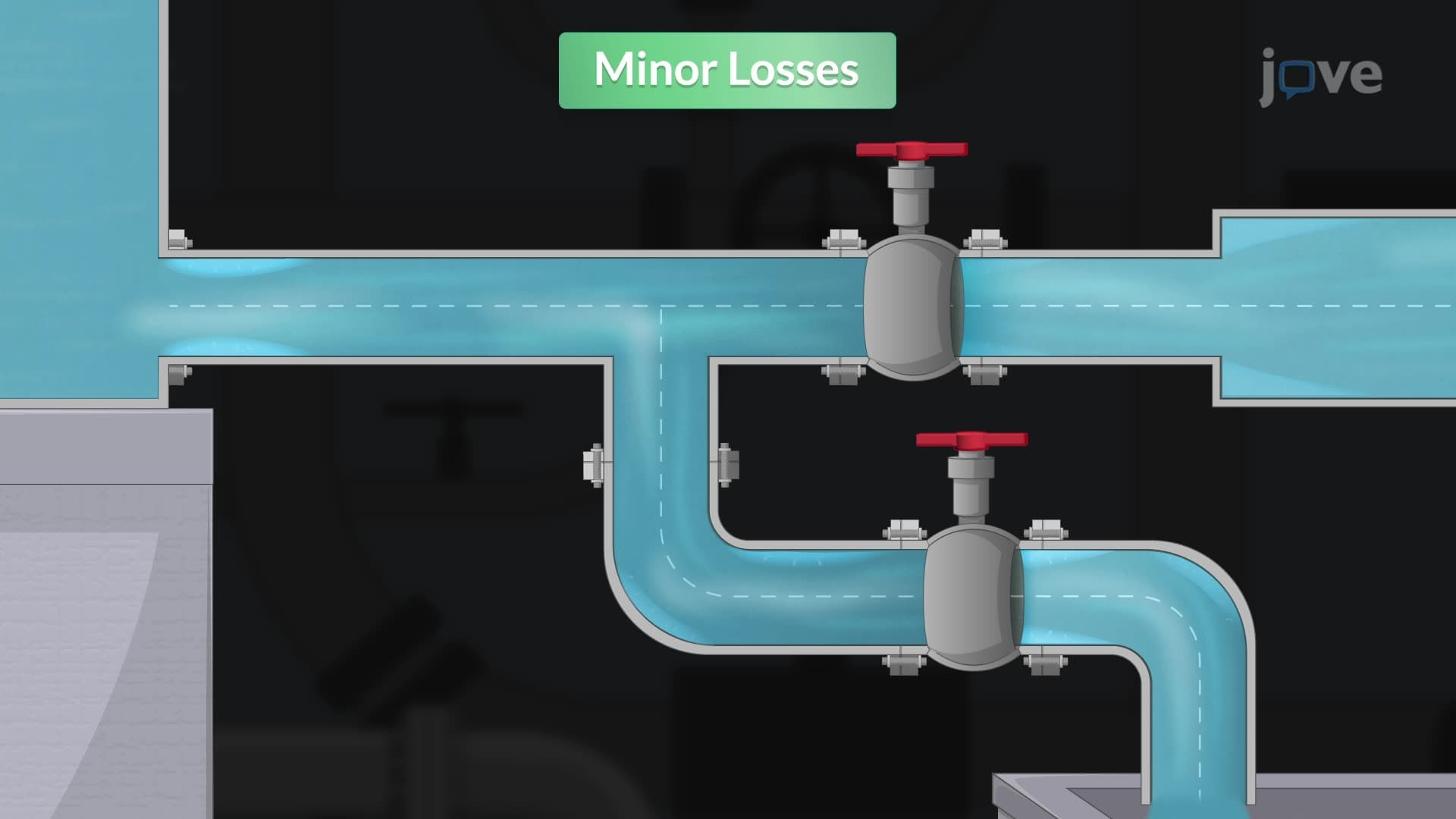

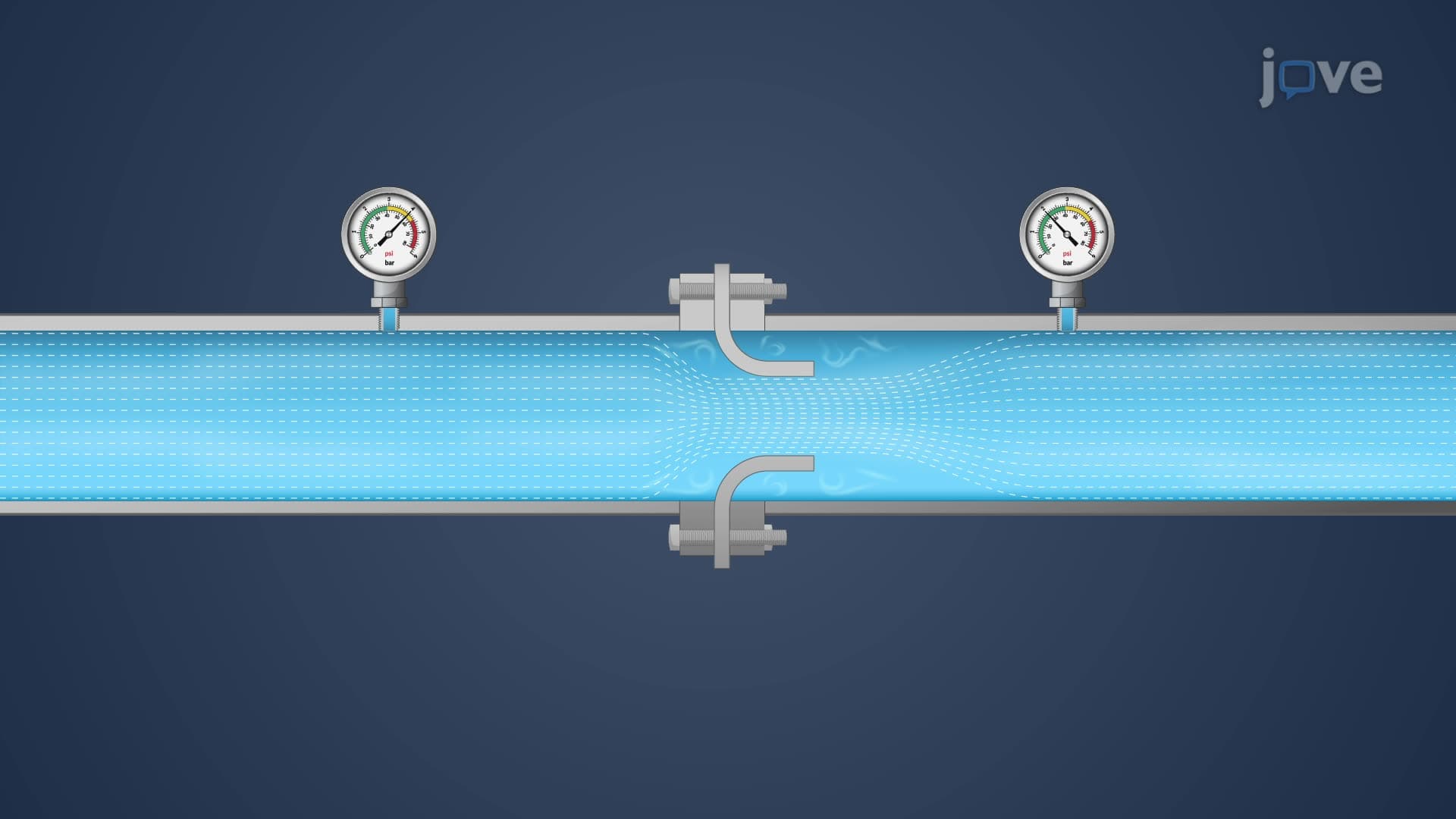

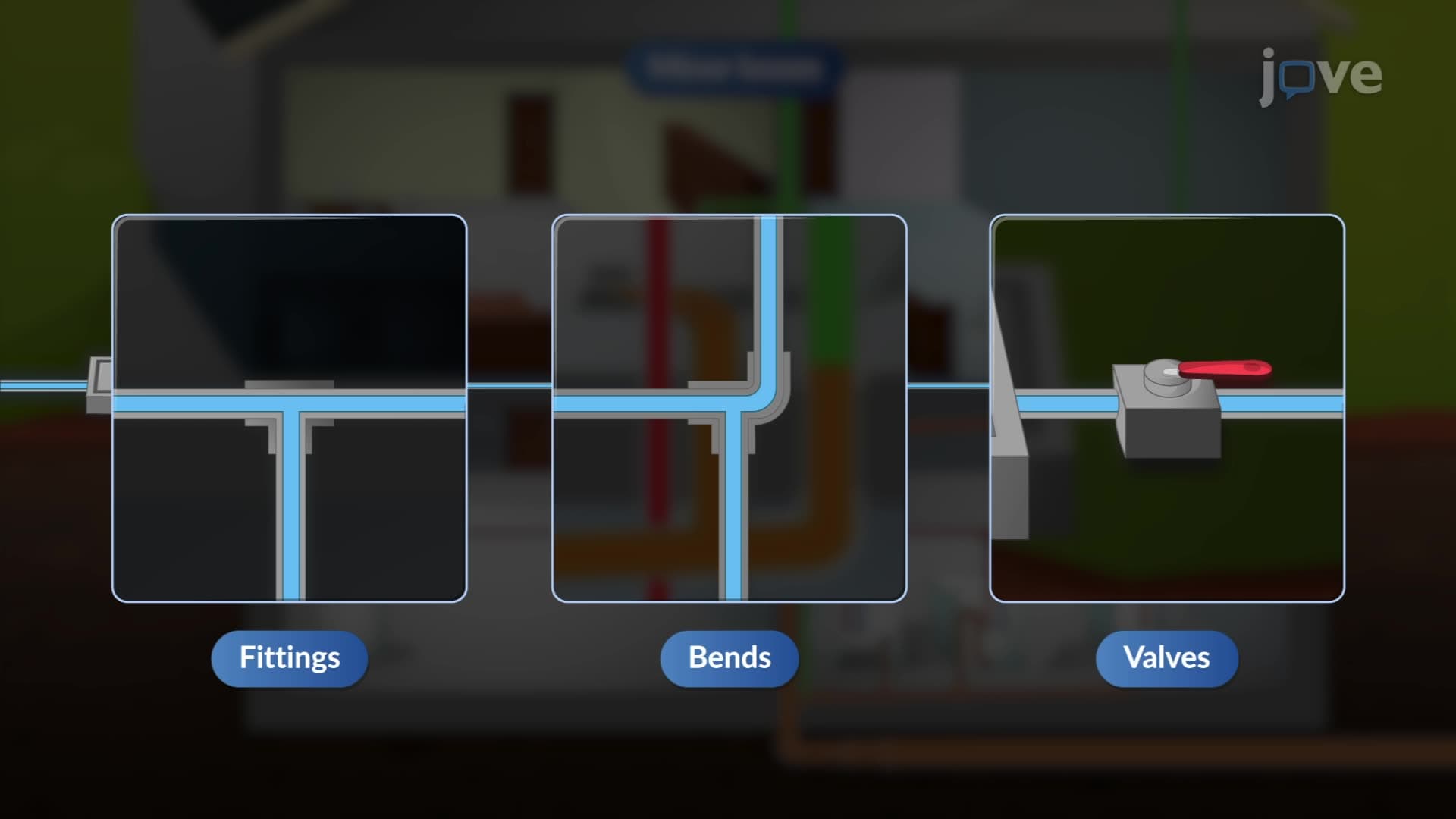
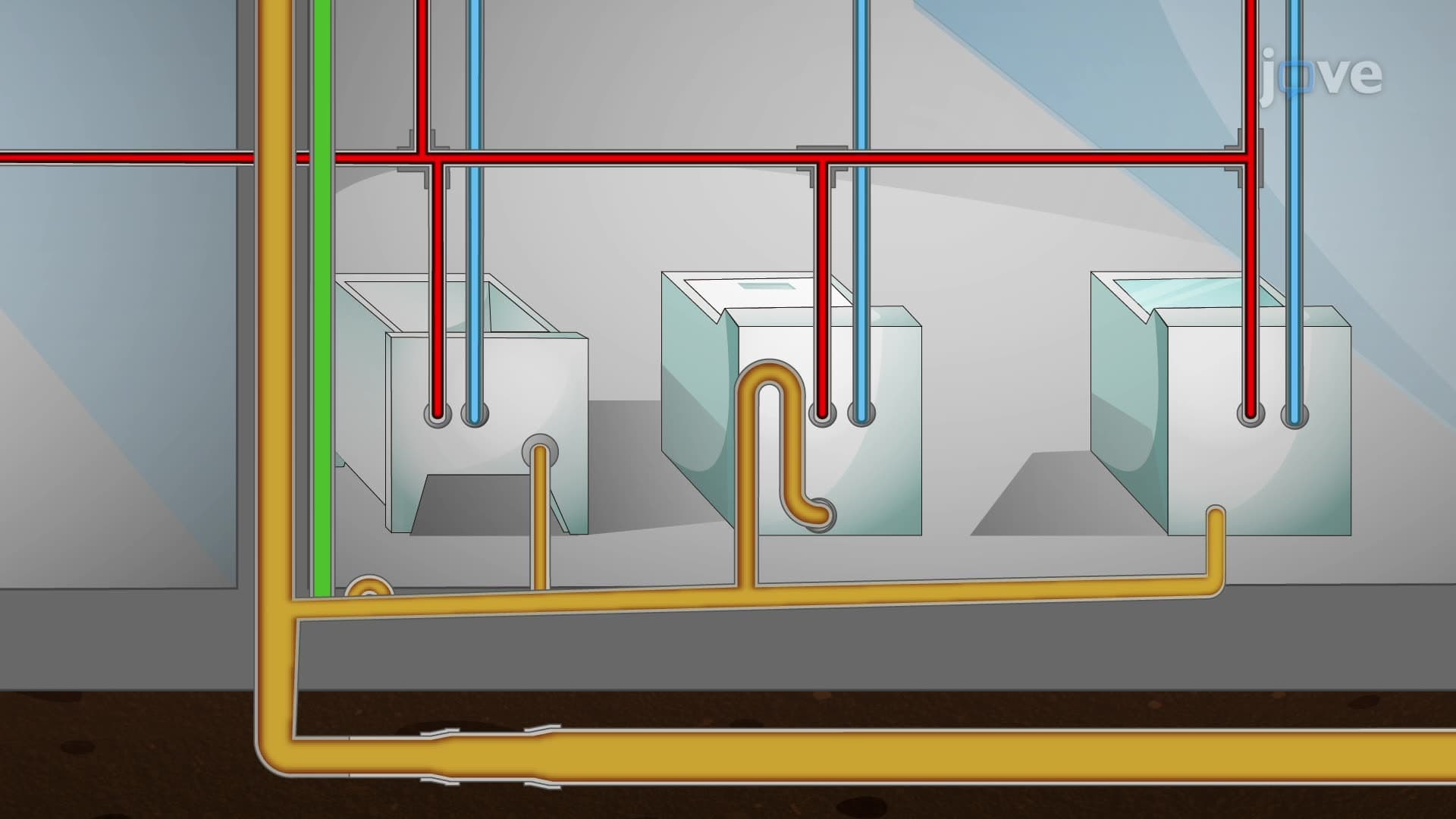
Multiple Pipe Systems
00:00
01:21
- Understand what are multiple pipe systems and how they regulate fluid flow through interconnected networks in various configurations
- Identify the four main types of pipe arrangements: series, parallel, loop, and network systems
- Analyze flow rate relationships and pressure drops across different pipe system configurations
- Compare head loss calculations between series systems (additive) and parallel systems (constant pressure drop)
- Evaluate flow distribution principles where parallel paths divide flow while loop systems balance flow rates
- Apply pipe flowrate measurement concepts to real-world municipal water supply and industrial cooling applications
- Recognize how network systems enable flexible flow directions through multiple inlets and outlets
- Explore practical applications in deepwater pipeline systems and complex industrial fluid transport networks
Understanding Multiple Pipe Systems Fundamentals
Multiple pipe systems form the backbone of modern fluid transport infrastructure, requiring precise pipe flowrate measurement to ensure optimal performance. These systems go far beyond simple single-pipe configurations, creating complex networks that demand sophisticated analysis techniques. Understanding what is pipe flowrate measurement in detail becomes essential when dealing with interconnected pipes that must maintain specific flow rates, pressures, and head losses across multiple pathways.
Series Configuration Analysis
In series pipe systems, fluid flows sequentially through connected pipe segments, maintaining constant flow rate throughout the entire system. This pipe flowrate measurement overview reveals that while flow rate remains uniform, the total head loss accumulates as the sum of individual segment losses. For example, the Trans-Alaska Pipeline System demonstrates series configuration principles, where oil flows through sequential pump stations, and engineers must calculate cumulative pressure losses across the entire 800-mile journey. Students preparing for AP Physics or college fluid mechanics courses should master the principle that Q1 = Q2 = Q3 in series systems, while head losses add: hL(total) = hL1 + hL2 + hL3.
Parallel and Loop System Dynamics
Parallel configurations showcase different pipe flowrate measurement basics, where total flow divides among multiple paths while maintaining constant pressure drop across each branch. The Los Angeles water distribution system exemplifies this concept, using parallel mains to ensure redundancy and flow capacity. Here, Q(total) = Q1 + Q2 + Q3, but head loss remains identical across all parallel paths. Loop systems, commonly found in urban water networks like Chicago's distribution grid, require flow balance where incoming flow equals outgoing flow at each junction node. This pipe flowrate measurement concept becomes crucial for MCAT physics sections and engineering fundamental exams.
Network System Applications
Complex network systems represent the most sophisticated multiple pipe arrangements, featuring multiple inlets, outlets, and interconnected pathways. The New York City water tunnel system demonstrates network complexity, where engineers use advanced pipe flowrate measurement study guide principles to manage flow from multiple reservoirs through an intricate underground network. These systems require Hardy Cross method analysis or modern computational fluid dynamics to solve flow distribution problems, making them relevant for advanced college coursework and professional engineering certification exams.
Frequently Asked Questions
Multiple pipe systems consist of interconnected pipes that work together to transport fluids through complex networks, unlike single pipes that handle flow in isolation. These systems can be arranged in series (sequential flow), parallel (divided flow paths), loop (balanced circular flow), or network configurations (multiple inlets/outlets). They're essential for municipal water supply, industrial cooling systems, and pipeline networks where single pipes cannot meet capacity or reliability requirements.
The MCAT frequently tests pipe flowrate measurement through fluid mechanics problems involving continuity equation, Bernoulli's principle, and Poiseuille's law applications. Students encounter questions about flow rate calculations in series and parallel configurations, pressure drop analysis, and head loss determinations. Understanding Q = A × v (flow rate equals area times velocity) and how it applies across different pipe system configurations helps solve MCAT physics passages effectively.
AP Physics C: Mechanics covers fundamental pipe flowrate measurement including continuity equation applications and Bernoulli's equation usage in pipe systems. Students should master flow rate conservation (Q1 = Q2 in series), pressure relationships in parallel systems, and energy loss calculations. The exam often features problems involving water flow through building plumbing systems or industrial pipe networks requiring multiple pipe system analysis.
US municipal water systems like New York City's network use complex multiple pipe configurations to deliver water from reservoirs to consumers through series, parallel, and loop arrangements. The Colonial Pipeline system demonstrates network configuration principles for fuel transport across multiple states. Industrial facilities like power plants use parallel cooling water systems, while oil refineries employ complex network configurations for process fluid distribution.
Basic pipe flowrate measurement concepts require only algebra and geometry, making them accessible to high school students in physics or chemistry courses. While advanced network analysis uses calculus-based methods like Hardy Cross iteration, fundamental principles involving flow rate calculations, pressure drops, and head loss determinations rely on straightforward mathematical relationships that students can master with algebra skills.
Focus on mastering the four basic configurations (series, parallel, loop, network) through systematic problem-solving practice. Create flow diagrams for each system type, memorize key relationships (flow rate conservation, head loss addition, pressure drop principles), and work through progressively complex problems. Practice with real-world examples like municipal water systems or industrial cooling networks to reinforce conceptual understanding.
Multiple pipe systems serve as foundation knowledge for advanced topics including computational fluid dynamics, water hammer analysis, network optimization, and smart grid water management systems. Students can progress to studying pump system integration, valve control systems, and automated flow regulation technologies used in modern infrastructure projects.
Understanding flow rate calculations, pressure relationships, and system configurations aids in designing laboratory setups involving fluid handling, reaction vessel connections, and cooling water systems. These principles apply to distillation column design, reactor cooling systems, and analytical instrument flow control, making pipe flowrate measurement study guide knowledge valuable for chemistry majors.
Related Micro-courses



Related Subjects

Electrical Engineering33 micro-courses
›