Loading video…


 13 Concepts
 12K views

Video Summary: Pipe Flowrate Measurement Problem Solving Explained
Did you know that a single miscalculated flow rate in agricultural spraying systems can waste thousands of gallons of pesticide annually? This design example designing a residential and industrial pipe flow problem demonstrates how engineers calculate precise flow rates in pressurized spray systems. From California vineyard irrigation to Texas crop protection systems, understanding Pipe Flowrate Measurement Problem Solving Explained principles ensures efficient chemical application and environmental compliance. Watch the full video on JoVE Coach to master this concept with expert-led visuals and step-by-step explanations.
Pipe flowrate measurement represents a cornerstone of fluid mechanics engineering, combining theoretical principles with practical applications across industries from agriculture to municipal water systems. This design example designing a residential tutorial showcases how engineers approach complex flow problems systematically, breaking down multi-component systems into manageable calculations.
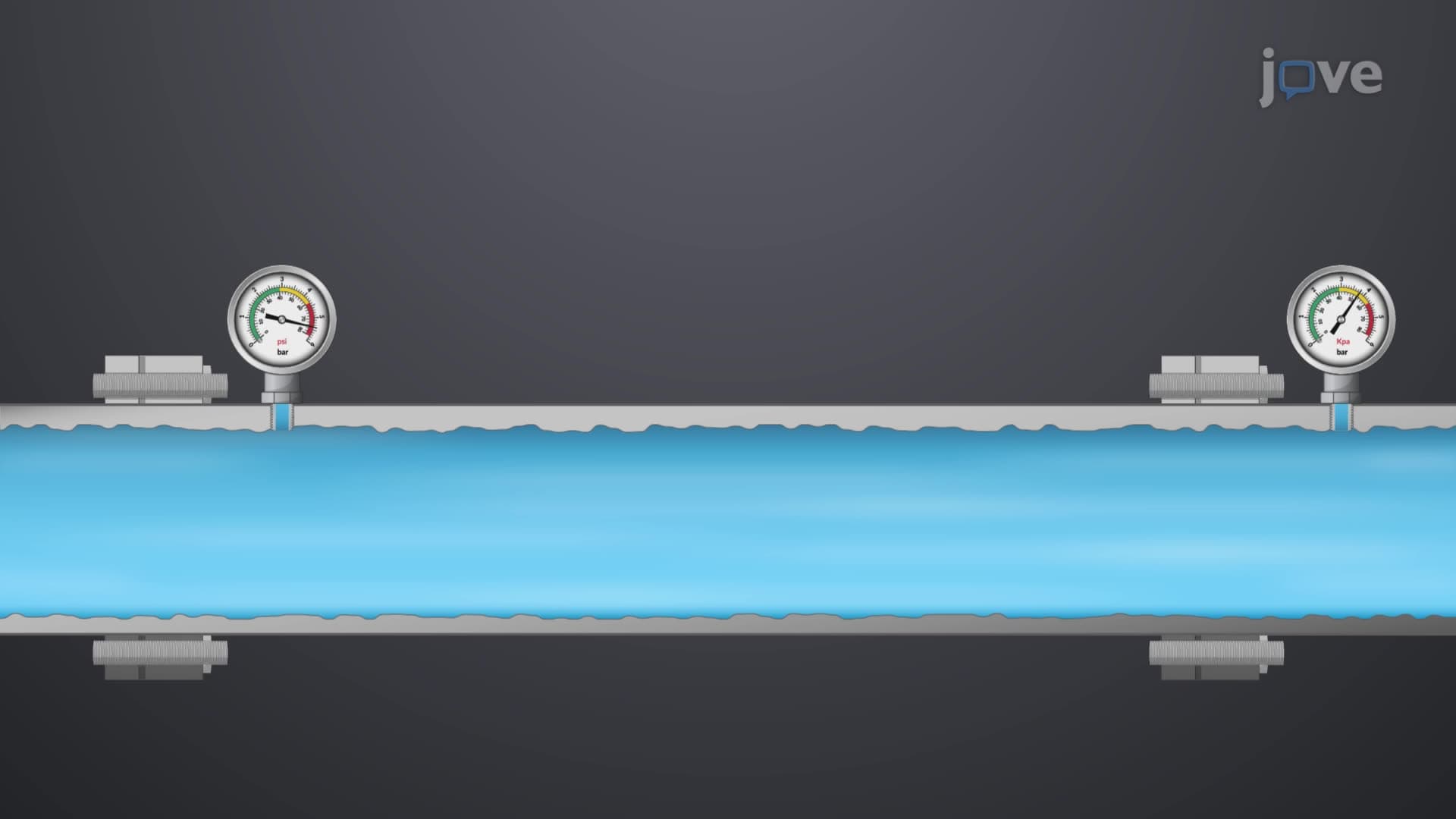
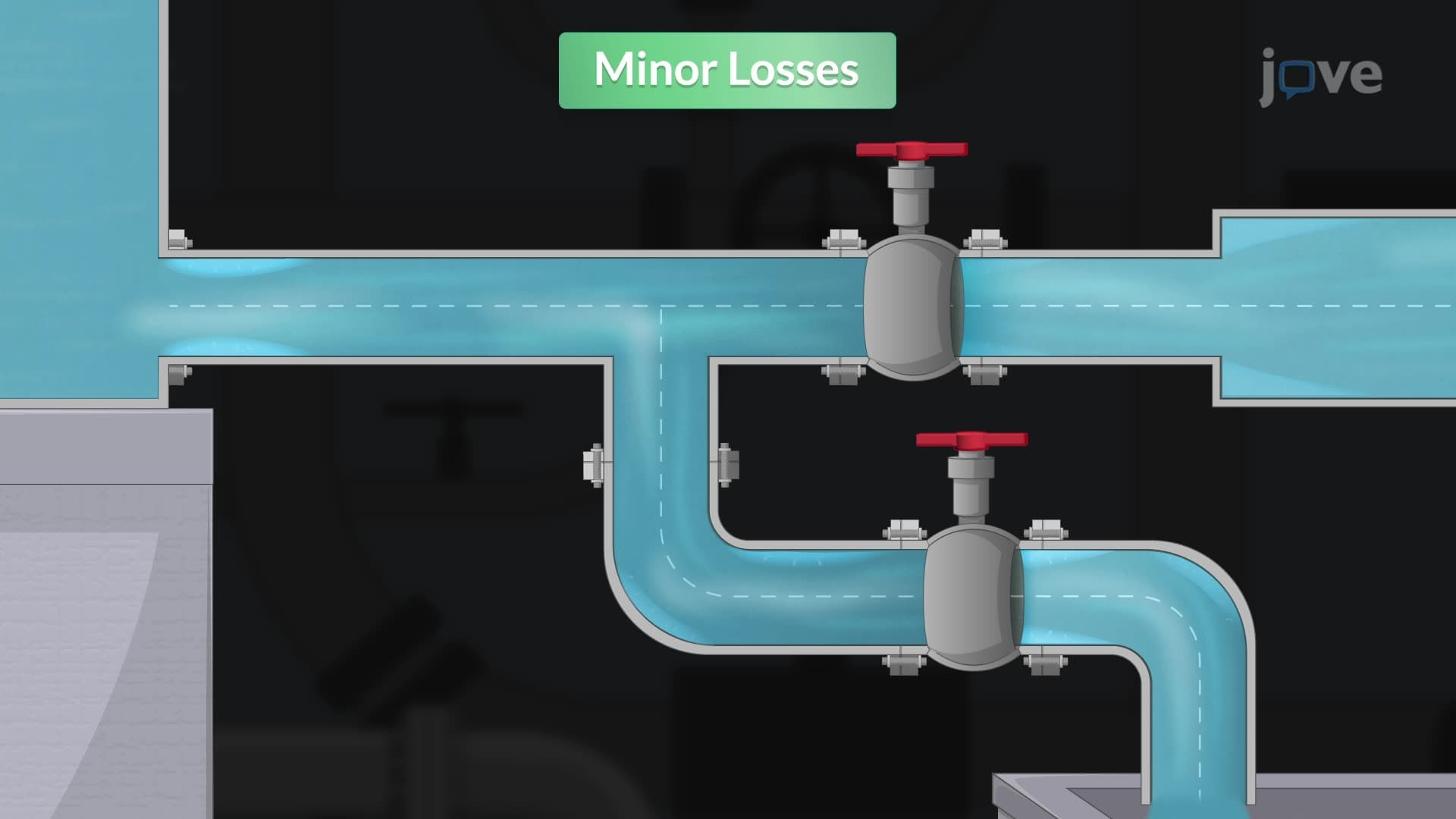
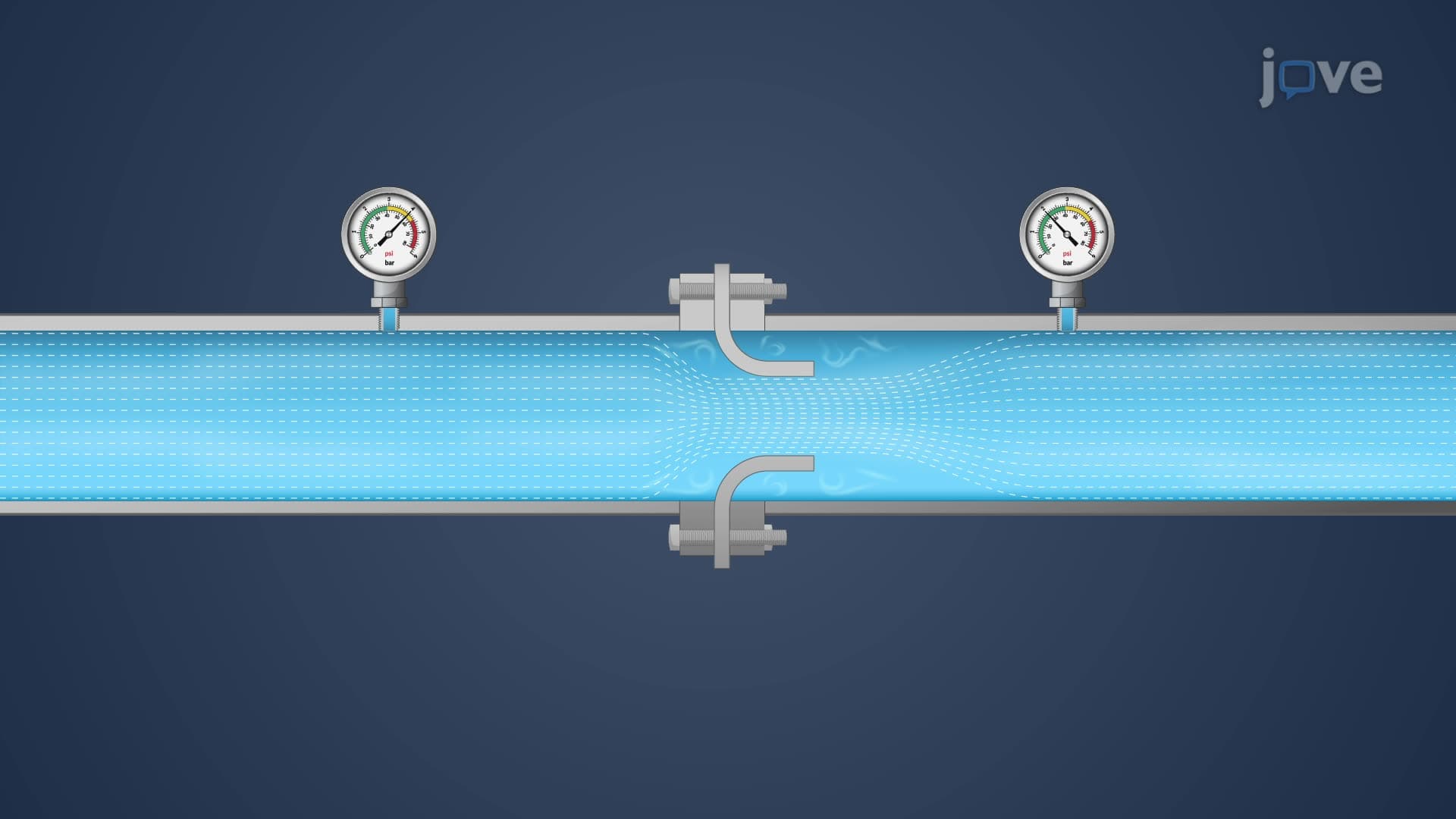
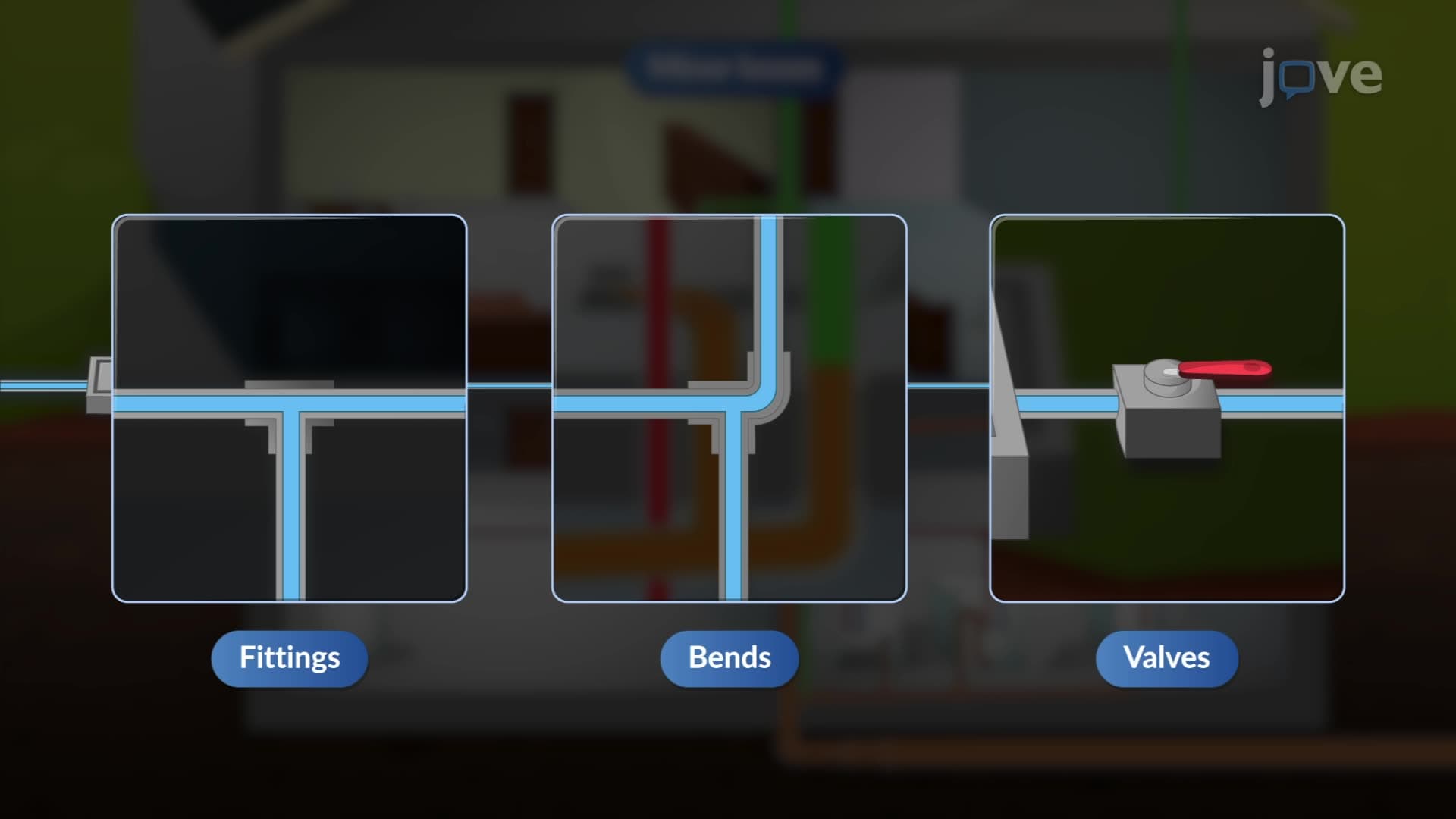
When analyzing how design example designing a residential works in pipe flow contexts, engineers rely on the conservation of energy principle embodied in Bernoulli's equation. However, real-world systems require modifications to account for energy losses through friction and minor losses at fittings, bends, and area changes. The modified Bernoulli equation becomes:
P1/ρg + V1²/2g + z1 = P2/ρg + V2²/2g + z2 + hf + hm
Where hf represents friction losses and hm accounts for minor losses. In agricultural spray systems like those used in Iowa corn fields or Florida citrus groves, these calculations ensure optimal pesticide distribution while minimizing waste.
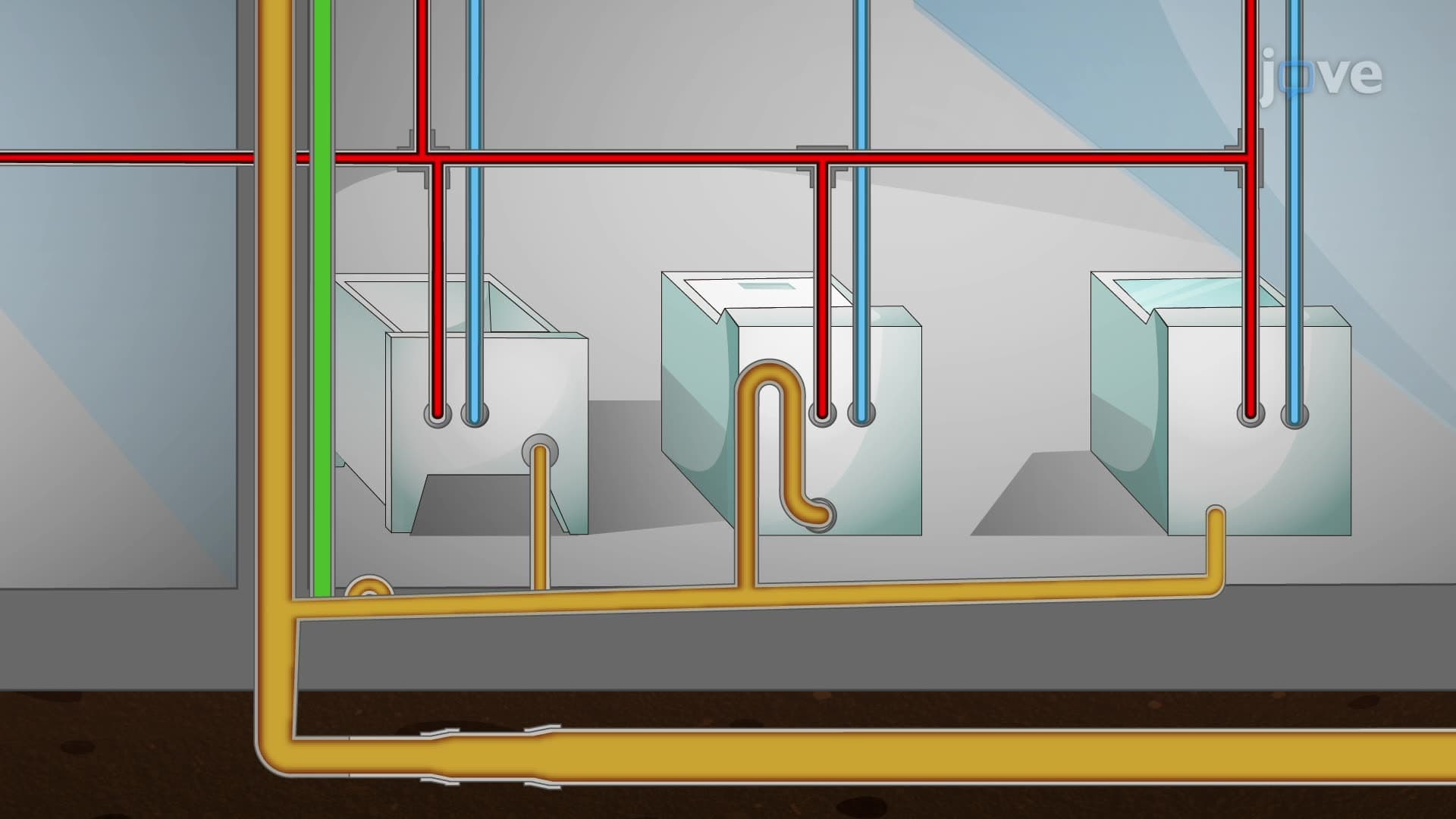
This design example designing a residential concept extends beyond agricultural applications. Municipal water distribution systems in cities like Phoenix or Denver use identical principles to maintain adequate pressure and flow rates throughout their networks. The relationship between pipe diameter, pressure, and flow rate directly impacts system efficiency and operating costs.
For college students preparing for the Fundamentals of Engineering (FE) exam or AP Physics courses, understanding these relationships proves crucial. The continuity equation (A1V1 = A2V2) combined with energy conservation principles appears frequently on standardized tests and professional licensing examinations.
The design example designing a residential study guide approach demonstrated here follows industry-standard methodology: identify known parameters, establish boundary conditions, apply governing equations, and verify results against physical constraints. This systematic approach proves invaluable for students tackling fluid mechanics problems in courses like ME 301 (Fluid Mechanics) at universities such as Purdue or Georgia Tech.
Understanding design example designing a residential overview principles also connects to broader engineering concepts including pump sizing, pipeline economics, and system optimization-topics that appear in both academic coursework and professional practice examinations like the Professional Engineering (PE) exam.
Related Micro-courses