Loading video…

 13 Concepts
 12K views

Video Summary: What Is Turbulent Flow Problem Solving
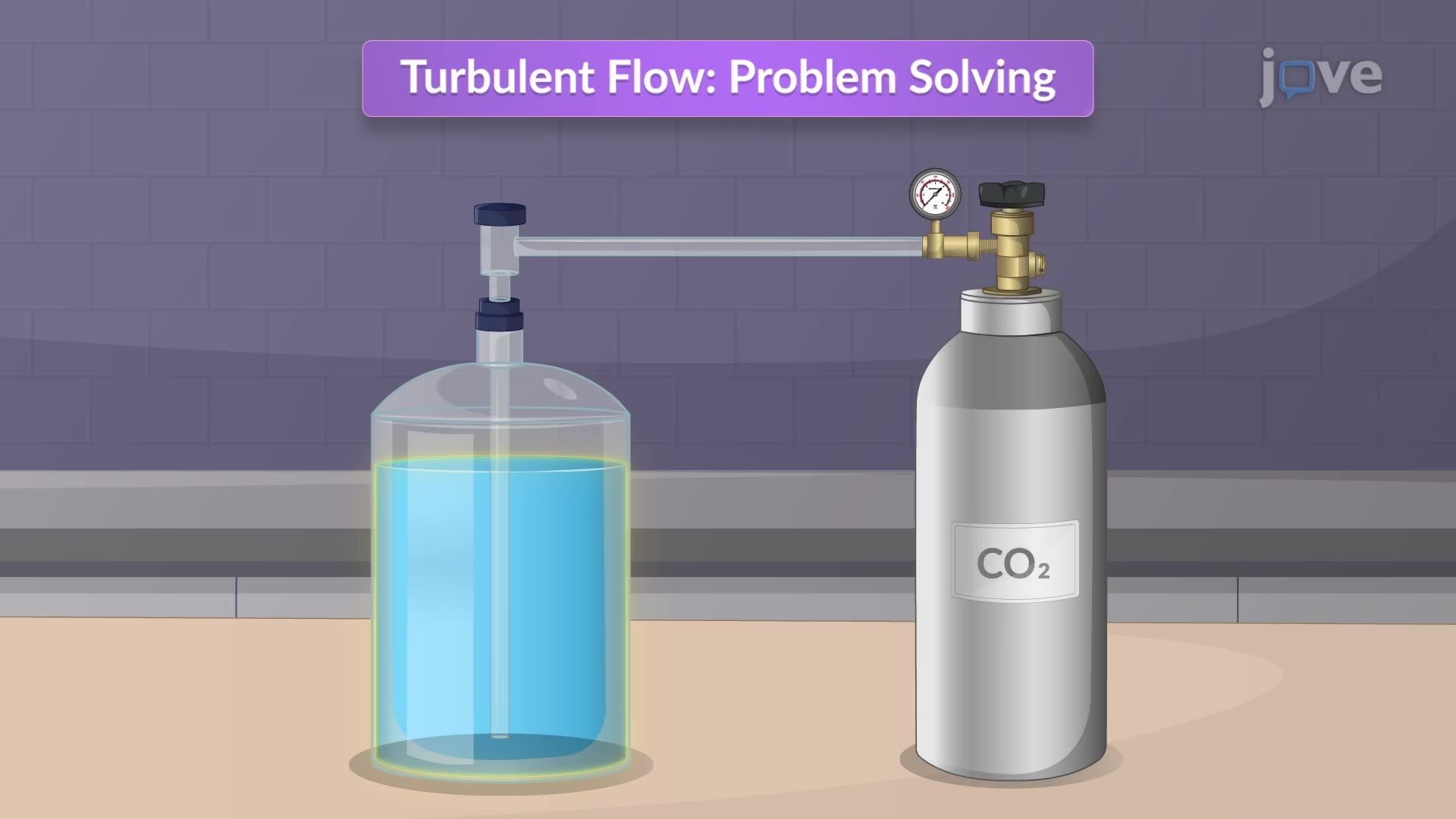
When Coca-Cola engineers design carbonation systems, they must calculate major losses in pipes to ensure proper CO2 delivery under turbulent flow conditions. This turbulent flow problem solving involves determining optimal pipe diameters using Reynolds numbers above 4,000, where fluid friction becomes the dominant resistance factor. Watch the full video on JoVE Coach to master this concept with expert-led visuals and step-by-step explanations.
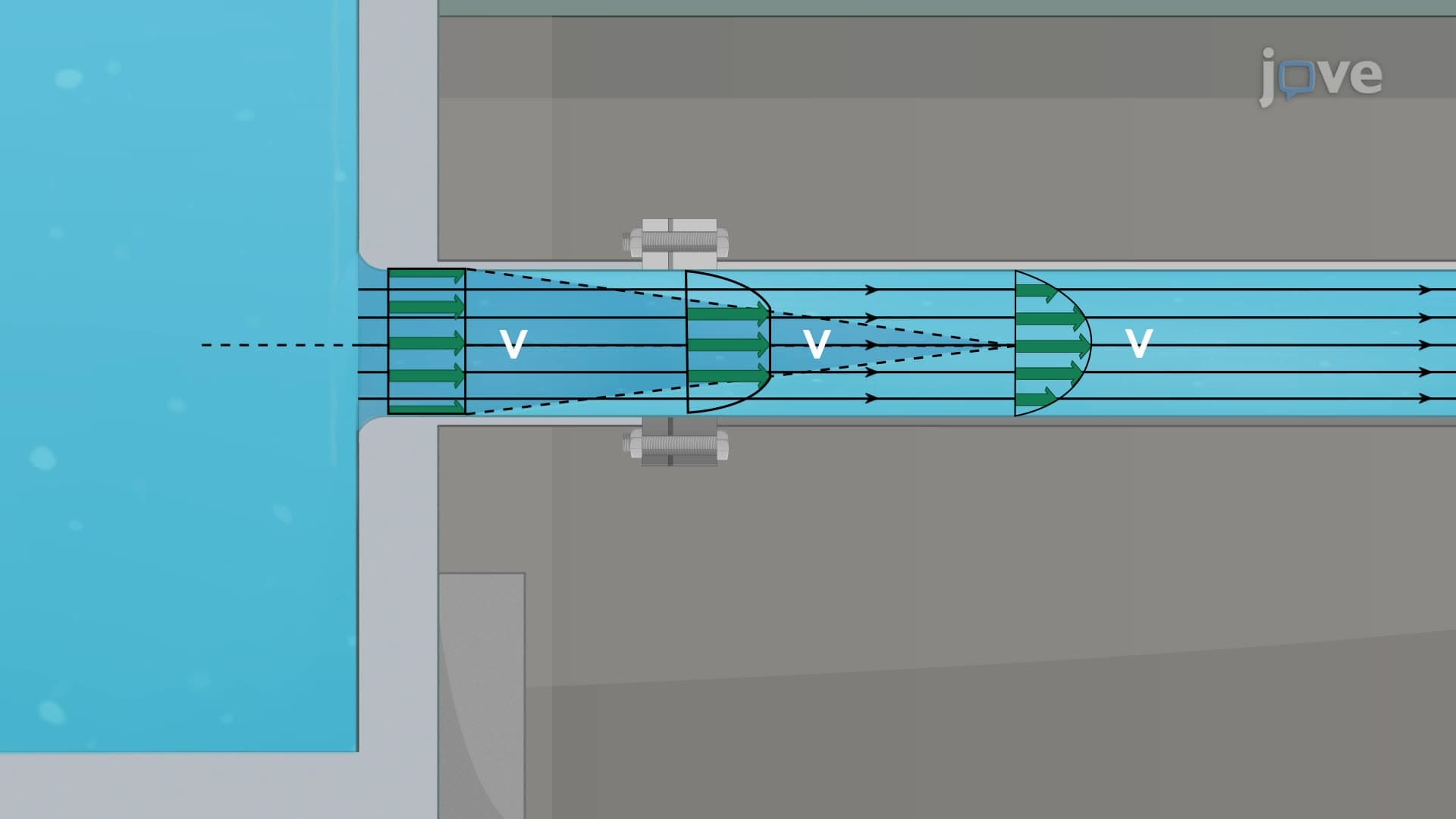
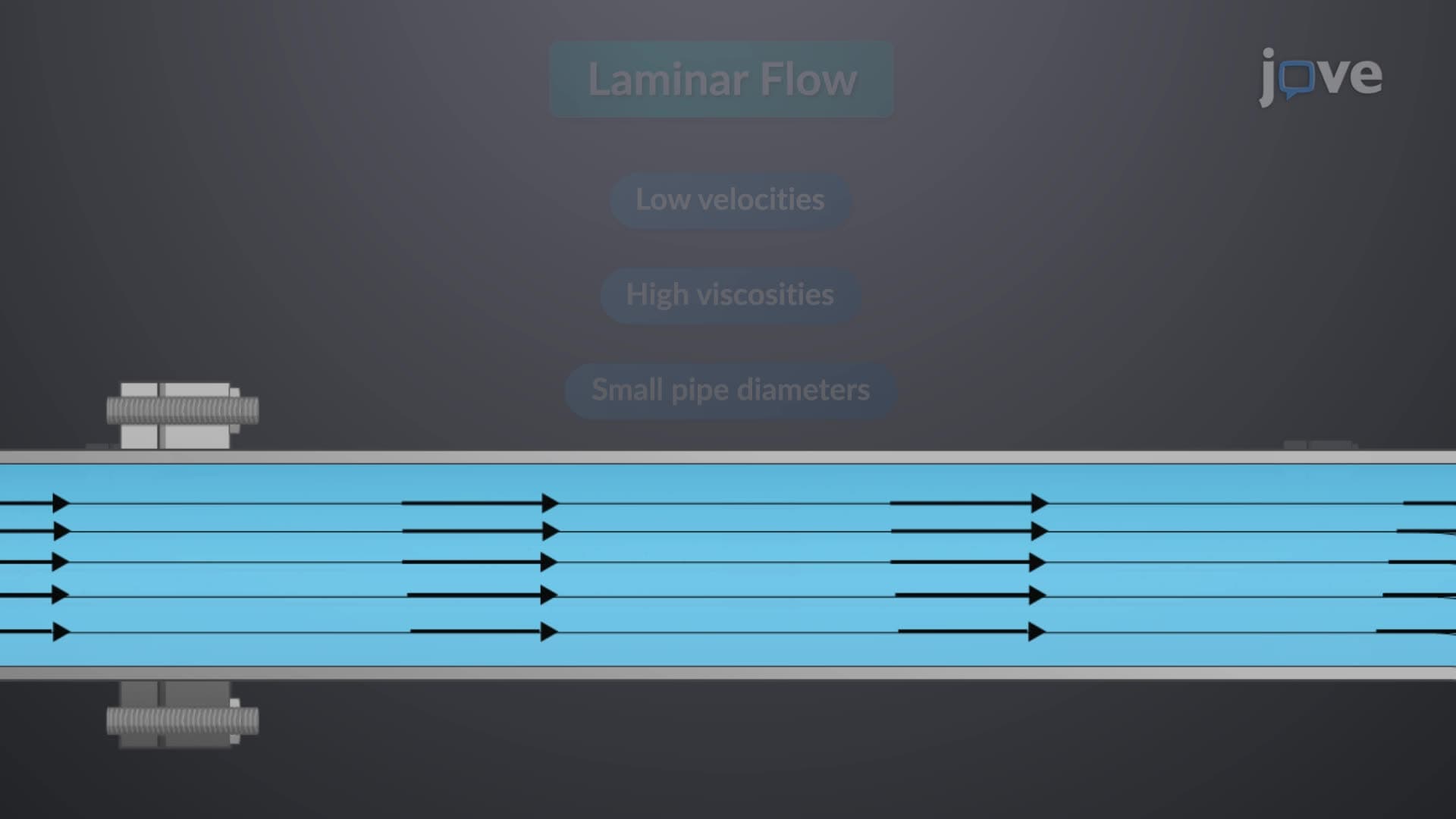
Turbulent flow problem solving represents a critical engineering skill that combines fluid mechanics principles with practical design applications. When engineers tackle major losses in pipes, they must navigate the complex relationship between fluid properties, pipe geometry, and flow conditions. Unlike laminar flow, where viscous forces dominate, turbulent flow involves chaotic mixing patterns that significantly increase energy losses through friction.
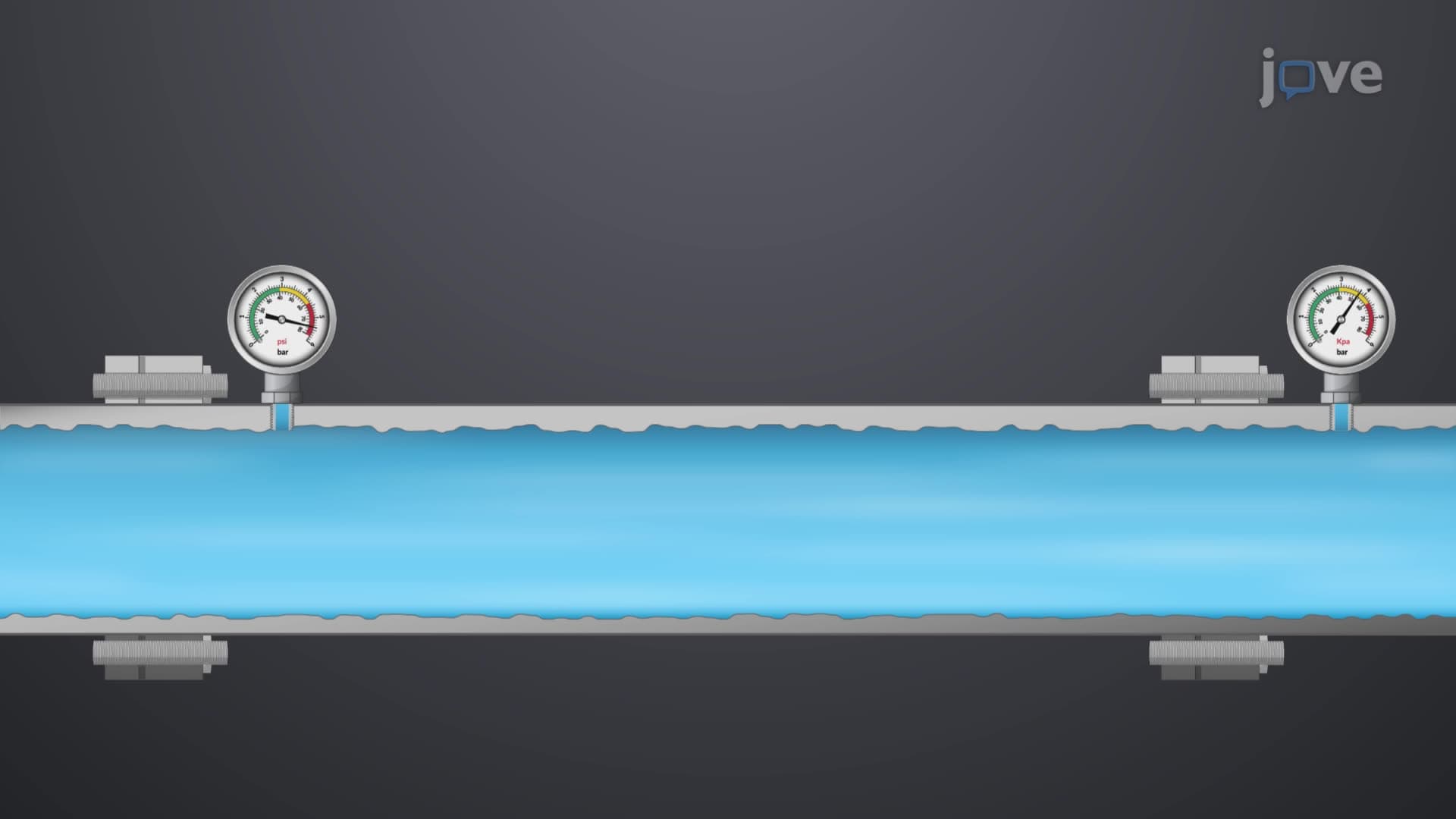
The major losses in pipes definition encompasses the primary energy dissipation mechanism in turbulent pipe flow, calculated using the Darcy-Weisbach equation: hL = f × (L/D) × (V²/2g). This formula accounts for the friction factor (f), pipe length-to-diameter ratio (L/D), and velocity head (V²/2g). Understanding this relationship proves essential for AP Physics students and college engineering majors studying fluid mechanics.
The Reynolds number serves as the determining factor between laminar and turbulent flow regimes. When Re > 4,000, turbulent conditions prevail, dramatically altering loss calculations. For the carbonation example, engineers must consider how major losses in pipes increase exponentially with velocity under turbulent conditions. This concept frequently appears on MCAT physics sections and college fluid mechanics exams.
American beverage companies like PepsiCo and Anheuser-Busch rely on these calculations for facility design. When what is major losses in pipes in detail becomes the focus, engineers examine how surface roughness, pipe material, and fluid properties interact to determine the friction factor. Smooth pipes exhibit lower friction factors than rough pipes, directly impacting pumping costs and system efficiency.
Temperature selection significantly influences carbon dioxide solubility and dynamic viscosity. At 20°C (68°F), CO2 exhibits optimal dissolution characteristics while maintaining manageable viscosity for pumping applications. The major losses in pipes concept becomes more complex when considering temperature variations, as viscosity changes affect both Reynolds numbers and friction factors.
Pressure considerations add another layer of complexity to turbulent flow problem solving. Operating at 550 kPa (approximately 80 psi) ensures adequate carbonation while requiring careful pipe sizing to maintain desired flow rates. This pressure level commonly appears in SAT Subject Test physics problems and college thermodynamics courses, making it essential knowledge for students pursuing STEM careers.
Related Micro-courses