Loading video…


 13 Concepts
 12K views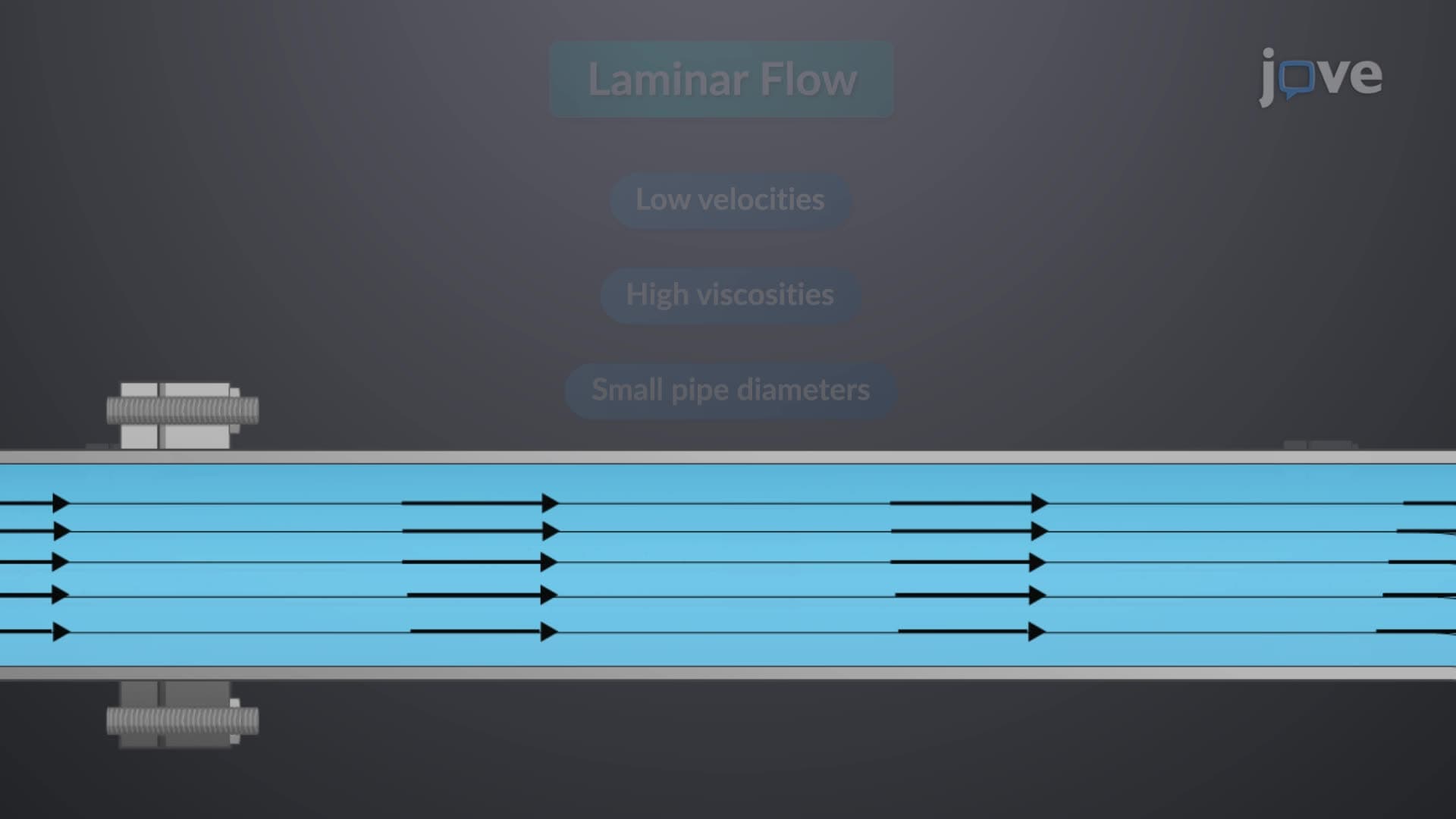

Video Summary: What Is Laminar Flow
Ever wonder why honey pours so smoothly while water splashes everywhere? Mastering laminar flow problem solving reveals the fascinating physics behind fluid motion, where particles move in orderly, parallel layers without chaotic mixing. This fundamental concept determines everything from blood flow in arteries to oil transport through Alaska's Trans-Alaska Pipeline System. Understanding what is laminar flow unlocks the secrets of Reynolds numbers, velocity profiles, and energy-efficient fluid systems that engineers rely on daily. Watch the full video on JoVE Coach to master this concept with expert-led visuals and step-by-step explanations.
Laminar flow represents one of nature's most elegant phenomena-fluid particles moving in perfect harmony like cars in organized highway lanes. This laminar flow problem solving concept forms the cornerstone of fluid mechanics education, appearing in AP Physics, college engineering courses, and professional engineering exams across the United States.
The Reynolds number (Re = ρVD/μ) serves as the universal predictor of flow behavior, combining fluid density (ρ), velocity (V), characteristic length (D), and dynamic viscosity (μ). This dimensionless parameter determines whether you're dealing with smooth laminar flow (Re < 2,100) or chaotic turbulent flow (Re > 4,000). The transitional zone between these values represents a gray area where flow can switch unpredictably-critical knowledge for MCAT fluid mechanics sections.
Students often struggle with Reynolds number calculations, but remembering this practical rule helps: thick fluids (high viscosity) in narrow pipes at low speeds favor laminar flow. Think of maple syrup flowing through a straw versus water rushing through a fire hose.
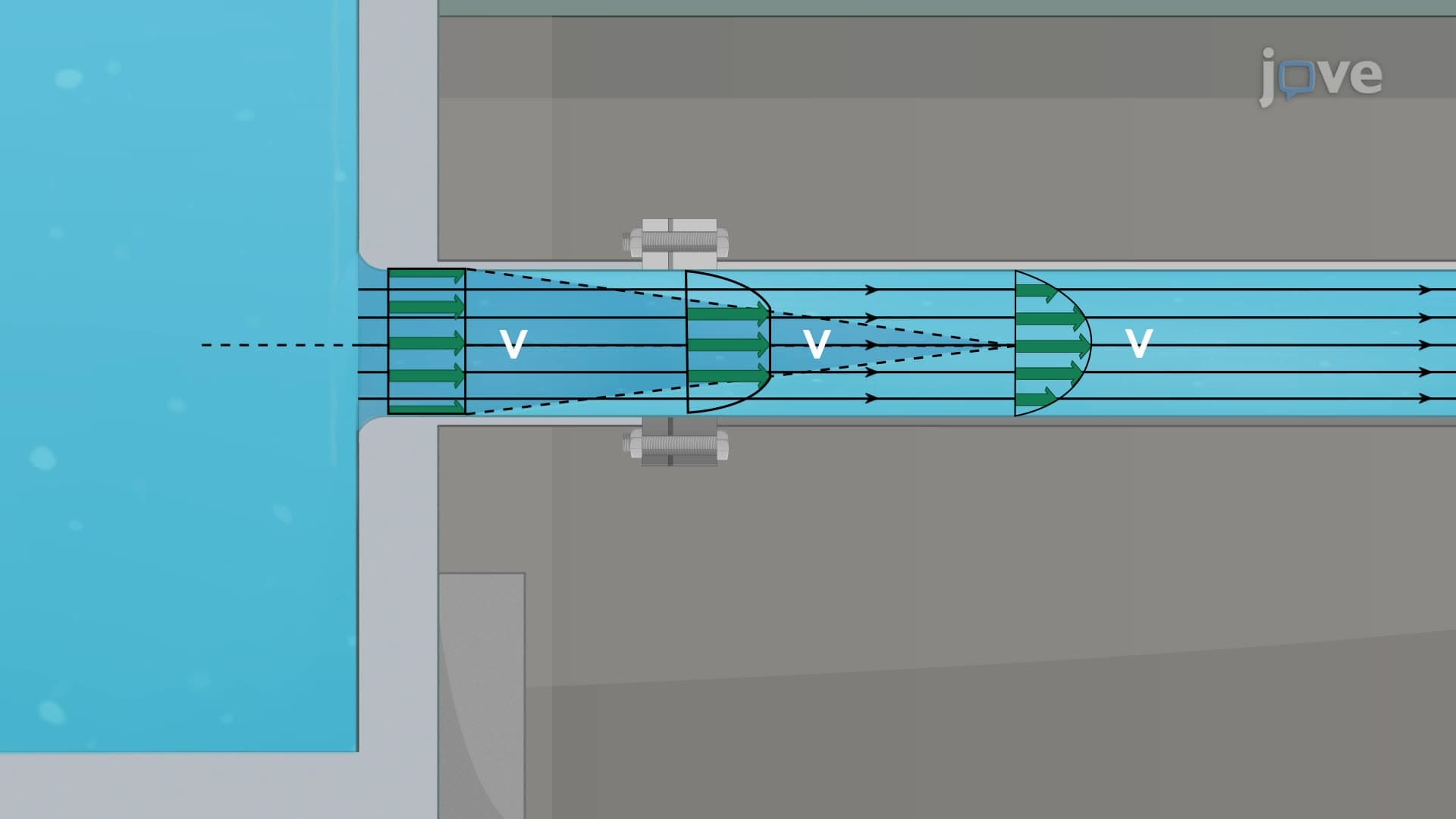
When fluid enters a pipe, it doesn't immediately develop its characteristic parabolic velocity profile. The entrance length-the distance required for full development-depends directly on Reynolds number and pipe geometry. For laminar flow, this length equals approximately 0.05 × Re × D, where D represents pipe diameter.
This concept proves crucial in designing systems like the cooling circuits in nuclear power plants across the United States, where engineers must account for developing flow regions to ensure proper heat transfer and pressure calculations.
Laminar flow problem solving extends far beyond textbook exercises. Biomedical engineers designing artificial heart valves rely on laminar flow principles to minimize blood damage. Environmental engineers use these concepts when designing the massive settling tanks at New York City's wastewater treatment facilities, where laminar conditions promote efficient particle separation.
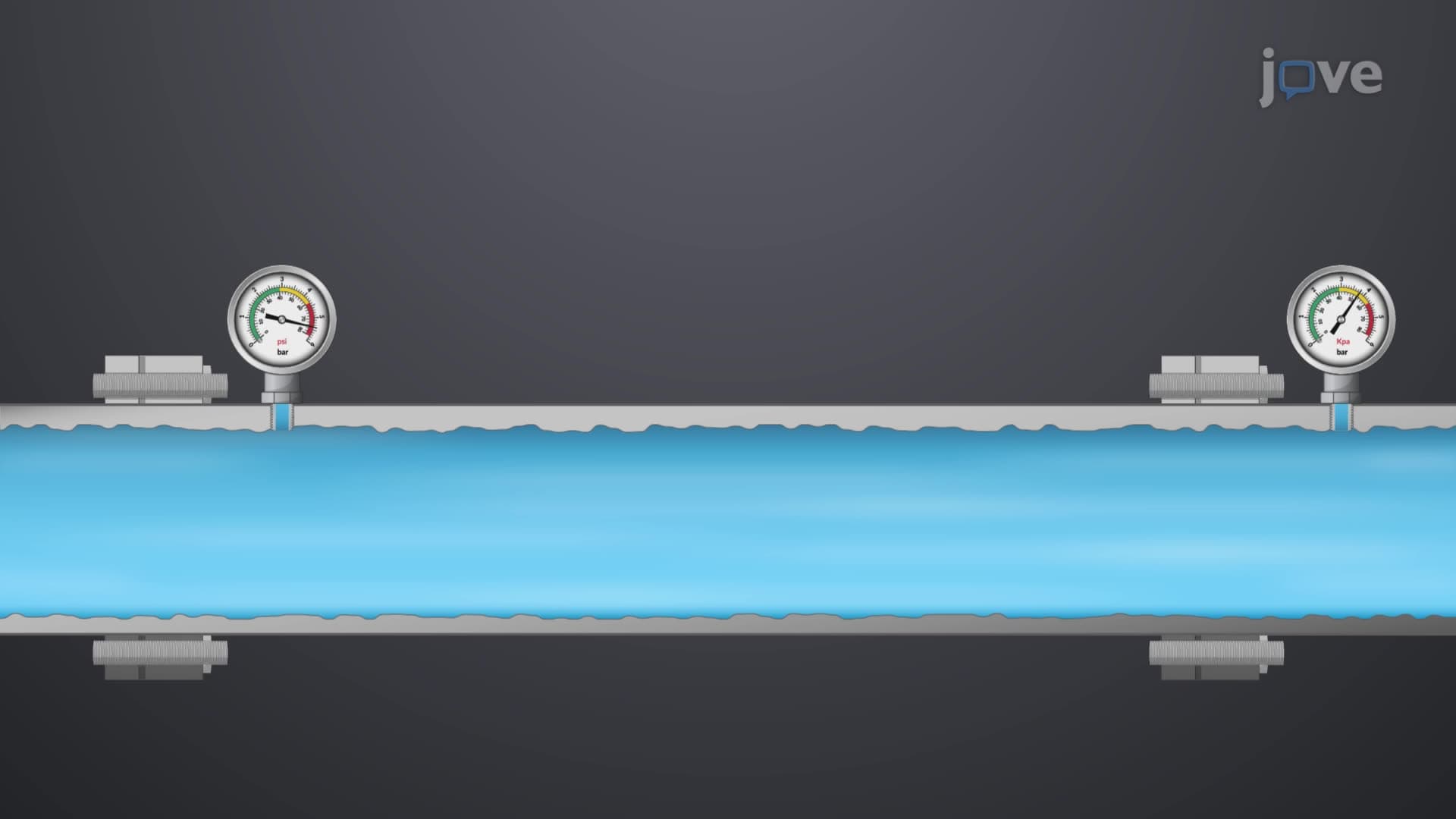
The Hagen-Poiseuille equation (ΔP = 32μLV/D²) governs pressure drops in these systems, directly impacting pumping costs and energy efficiency-topics frequently tested in FE (Fundamentals of Engineering) exams nationwide.
Related Micro-courses