Loading video…


 13 Concepts
 12K views

Video Summary: What are Single Pipe Systems
Ever wondered how water flows through the pipes in your home or how engineers calculate the pressure needed for a city's water distribution? Multiple pipe systems form the backbone of fluid flow networks, from residential plumbing in Chicago high-rises to municipal water systems serving millions of Americans. These interconnected networks require precise calculations to ensure optimal performance across different pipe configurations. Understanding What are Single Pipe Systems provides the foundation for analyzing these complex fluid distribution networks. Watch the full video on JoVE Coach to master this concept with expert-led visuals and step-by-step explanations.
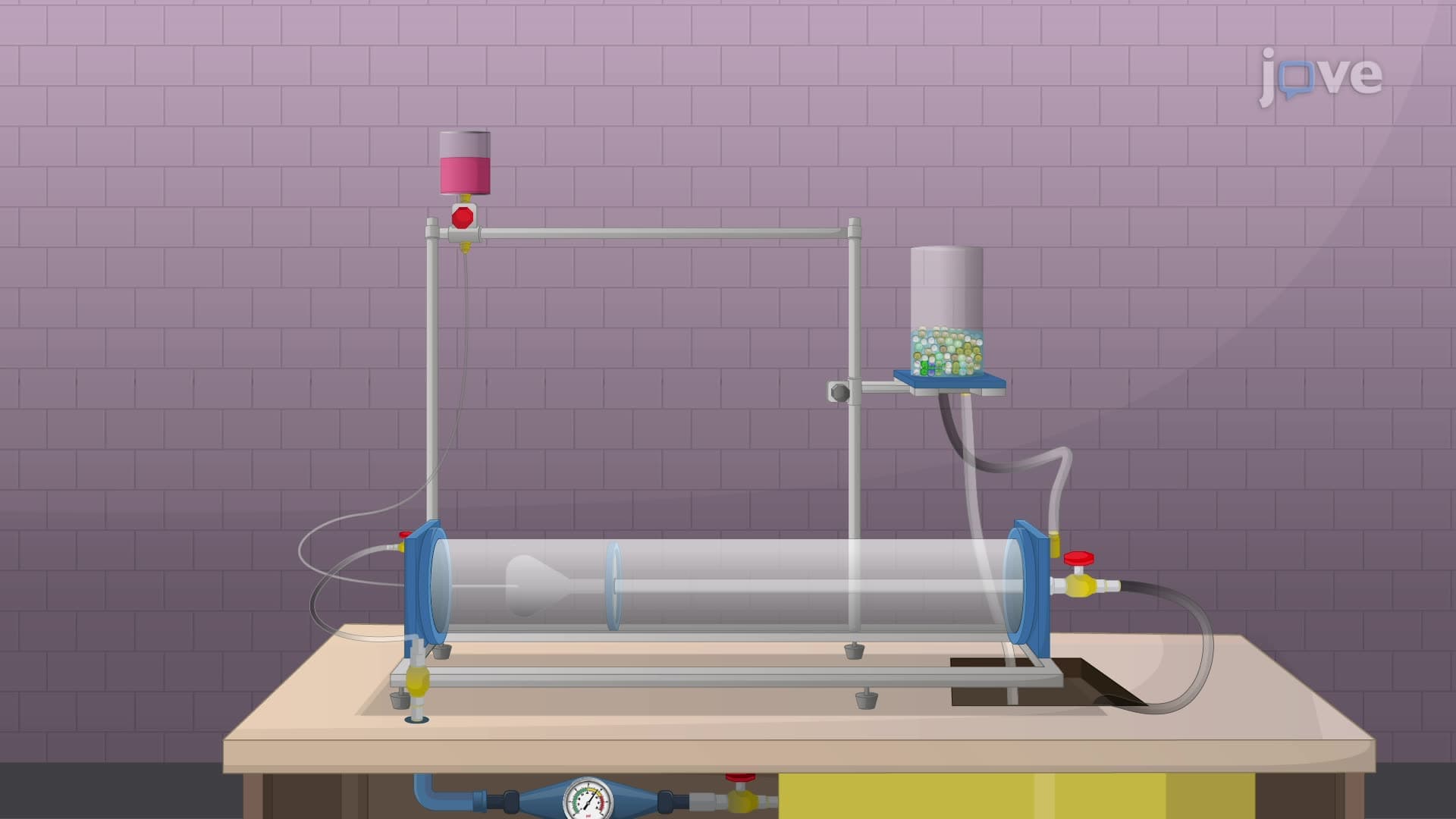
What are single pipe systems represents the fundamental building block for understanding complex fluid distribution networks. A single pipe system involves fluid flow through one continuous pipe with known entry and exit conditions. These systems serve as the foundation for analyzing more complex multiple pipe systems that characterize real-world applications like municipal water distribution, HVAC networks, and industrial process piping.
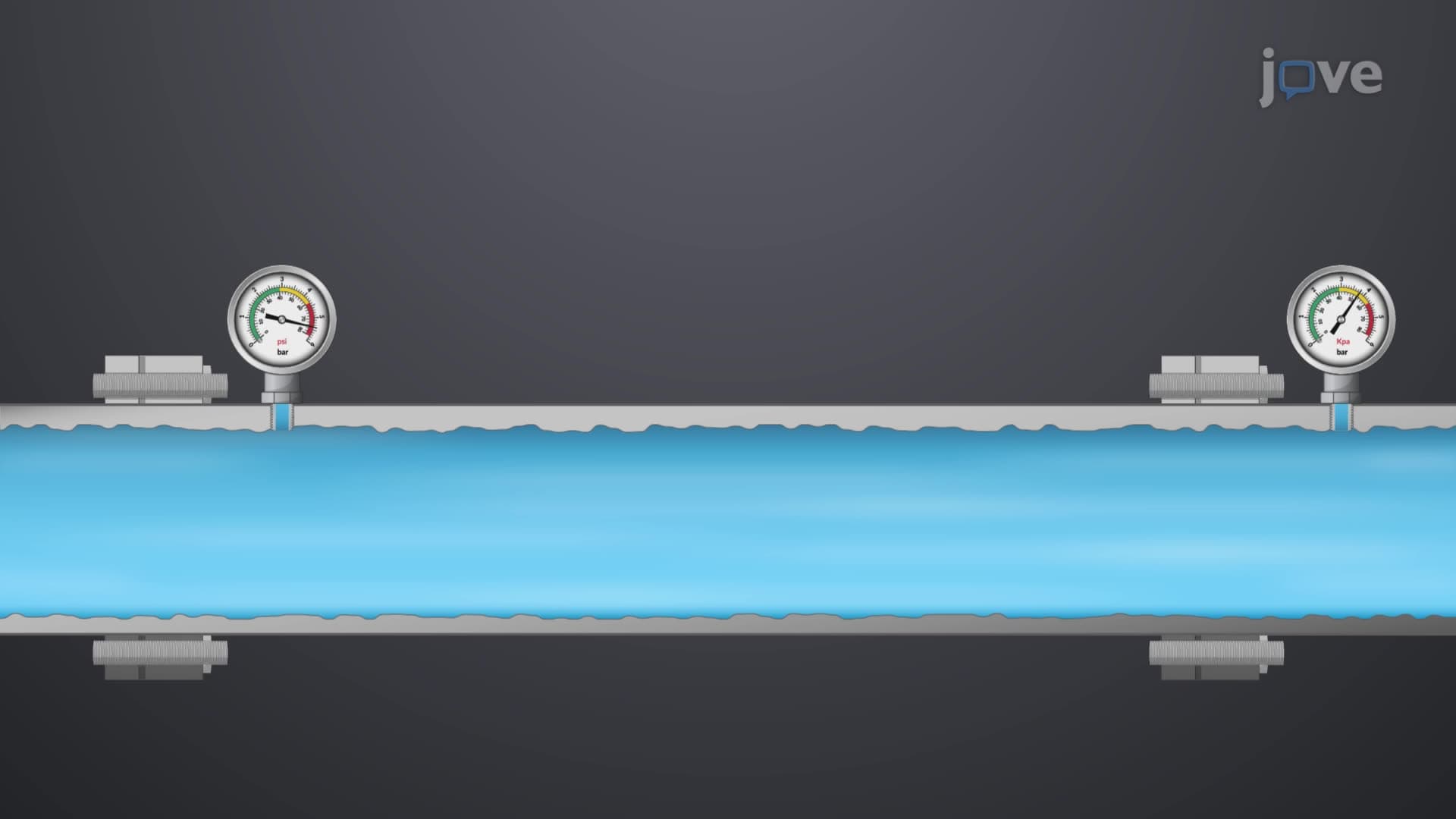
Engineers classify pipe flow calculations into three distinct problem types, each addressing different design scenarios. Type I problems involve calculating pressure drop when flow rate and system geometry are known. For example, determining the pump pressure required for a Minneapolis office building's heating system circulating glycol solution at 2.5 gallons per minute through 200 feet of 2-inch copper pipe.
Type II problems focus on determining flow rate when applied pressure and system parameters are established. Consider a residential sprinkler system in Phoenix operating at 40 psi-engineers must calculate the resulting flow rate through various pipe sizes to ensure adequate coverage. This problem type frequently appears on AP Physics and college fluid mechanics exams.
Type III problems involve sizing pipes when both pressure drop and desired flow rate are specified. Municipal engineers in Denver might need to determine the optimal pipe diameter for a water main carrying 500 gallons per minute while maintaining pressure within acceptable limits.
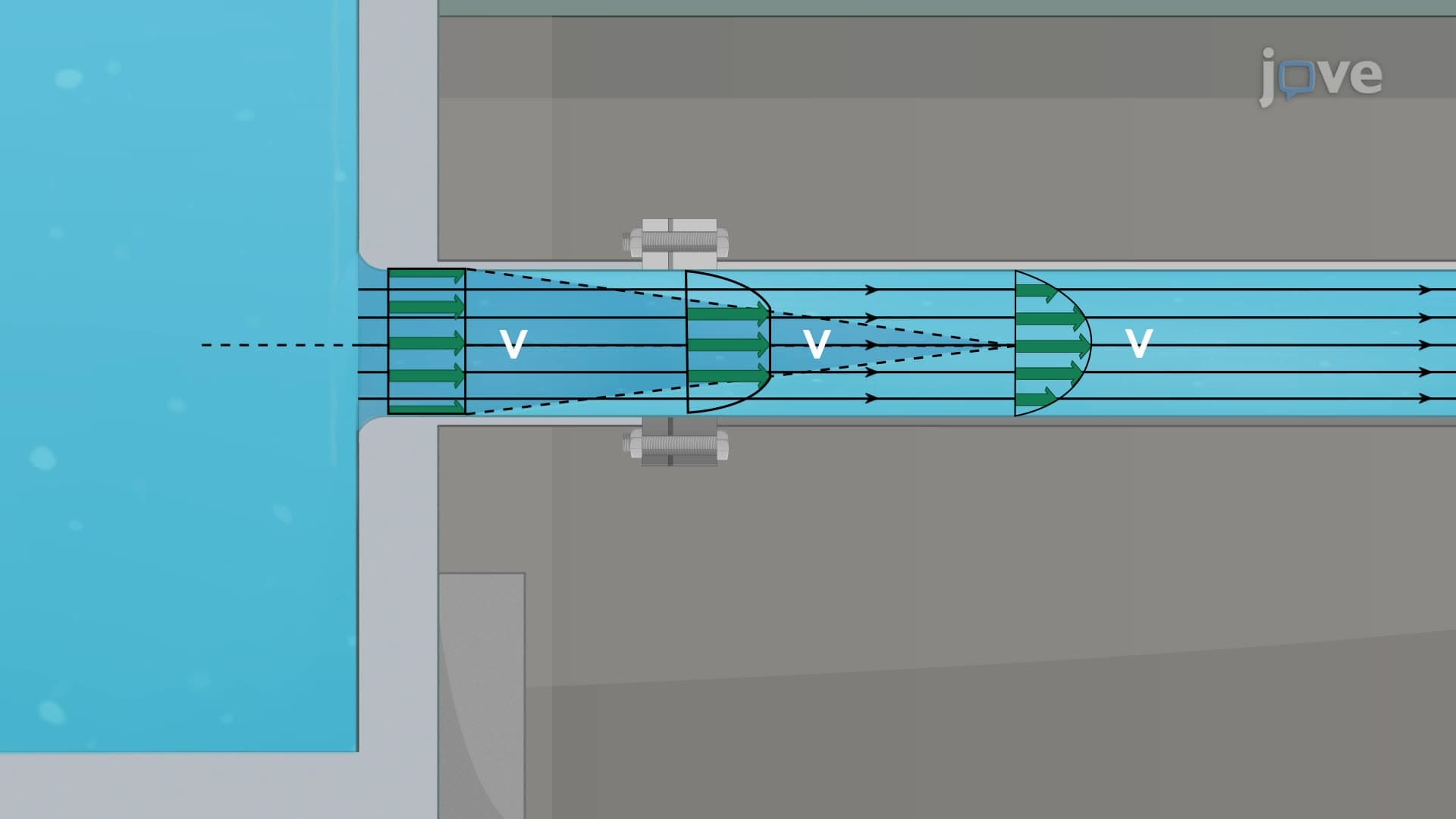
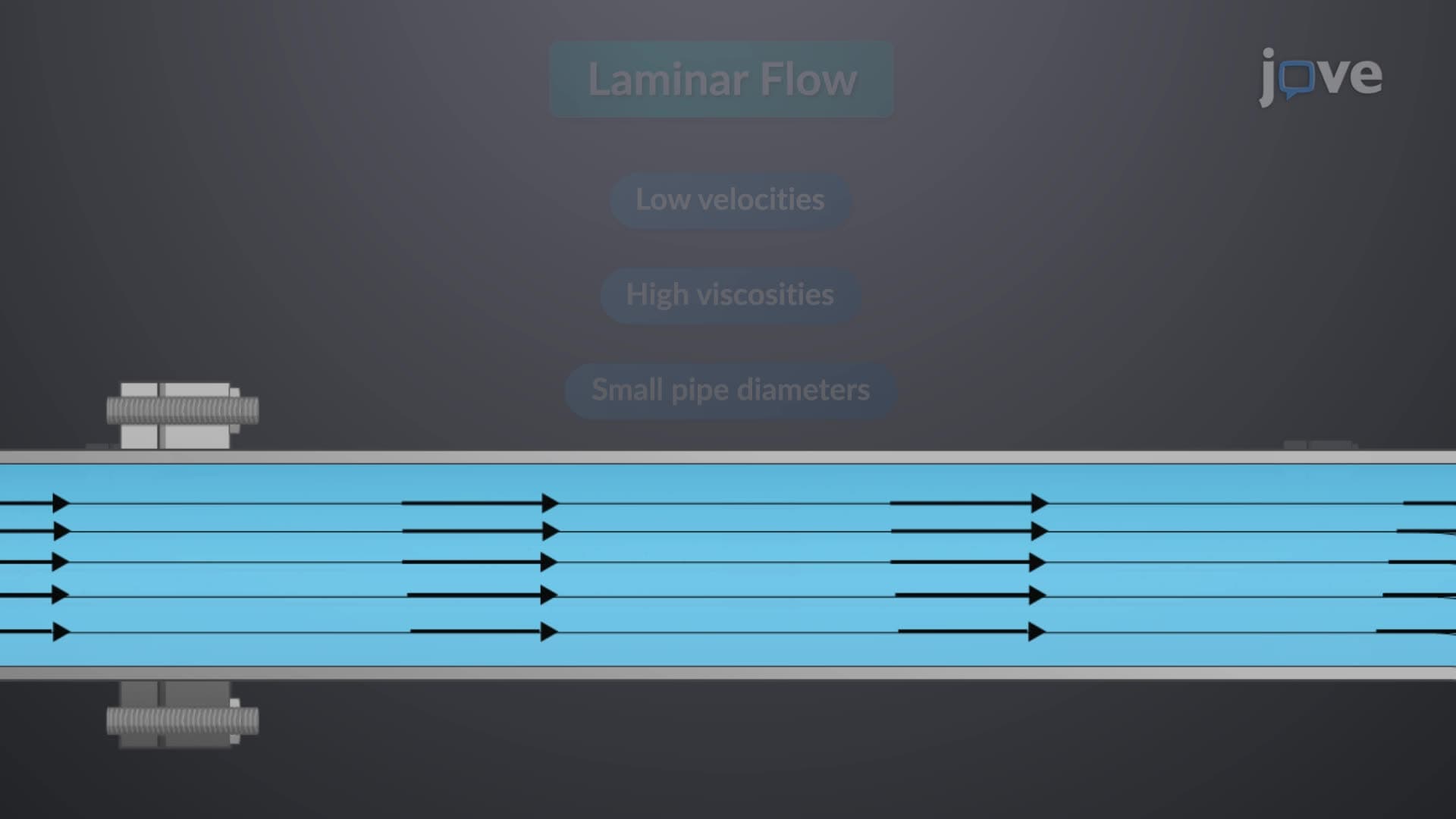
Understanding types of multiple pipe systems begins with mastering single pipe calculations. HVAC engineers designing systems for schools, hospitals, and commercial buildings must consider factors like pipe roughness (measured by the Moody diagram), fluid viscosity changes with temperature, and elevation differences. The Reynolds number (Re = ρVD/μ) determines whether flow is laminar or turbulent, directly affecting friction calculations.
These concepts appear frequently on standardized tests including the MCAT (fluid dynamics section), AP Physics C, and college engineering coursework. Students preparing for the Fundamentals of Engineering (FE) exam will encounter multiple variations of these problem types. The multiple pipe systems overview provided by single pipe analysis establishes the mathematical framework for more complex network calculations using methods like Hardy Cross iteration or the linear theory method.
Related Micro-courses