Loading video…


 13 Concepts
 12K views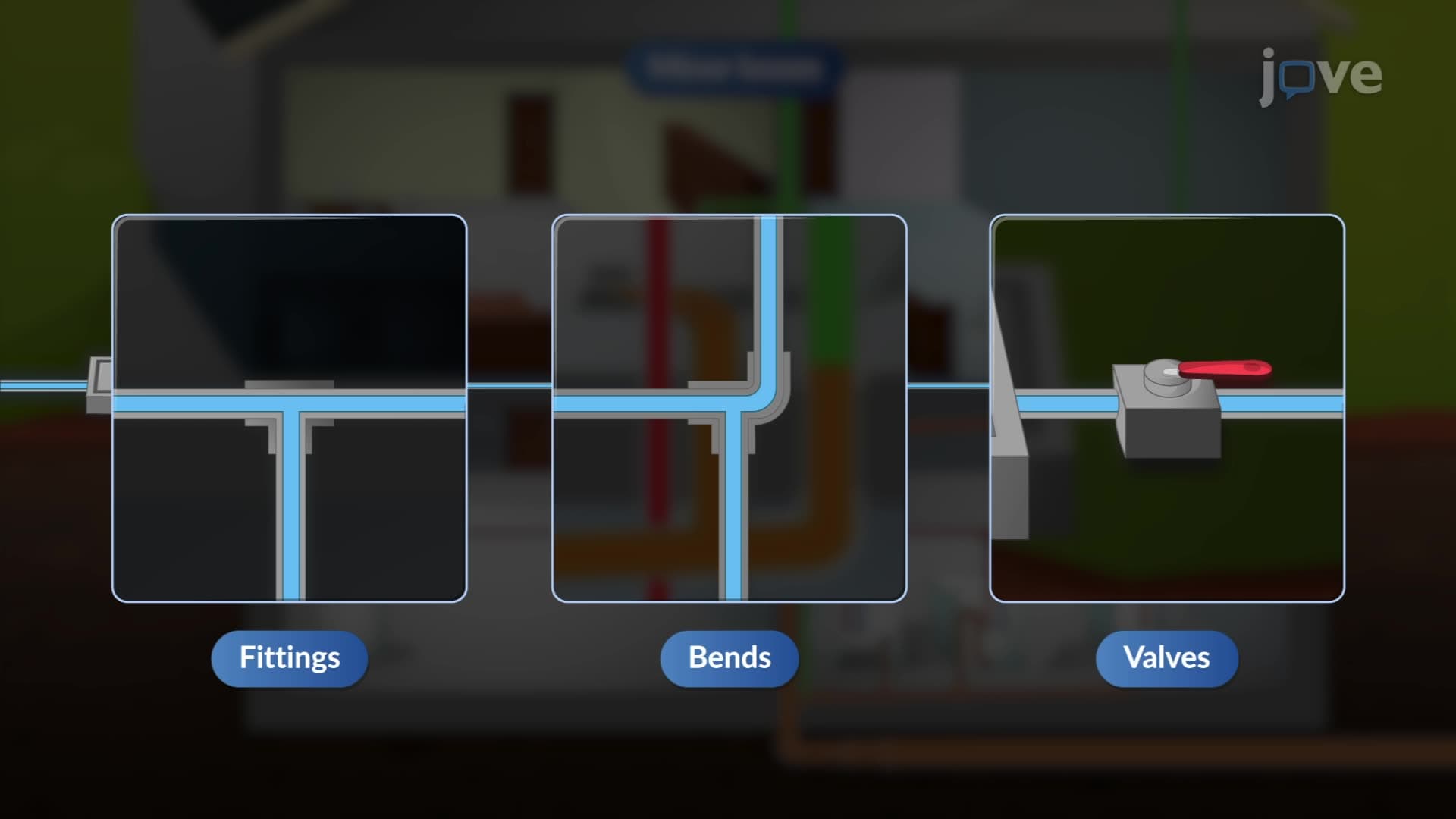

Video Summary: Design Example Designing a Residential Explained
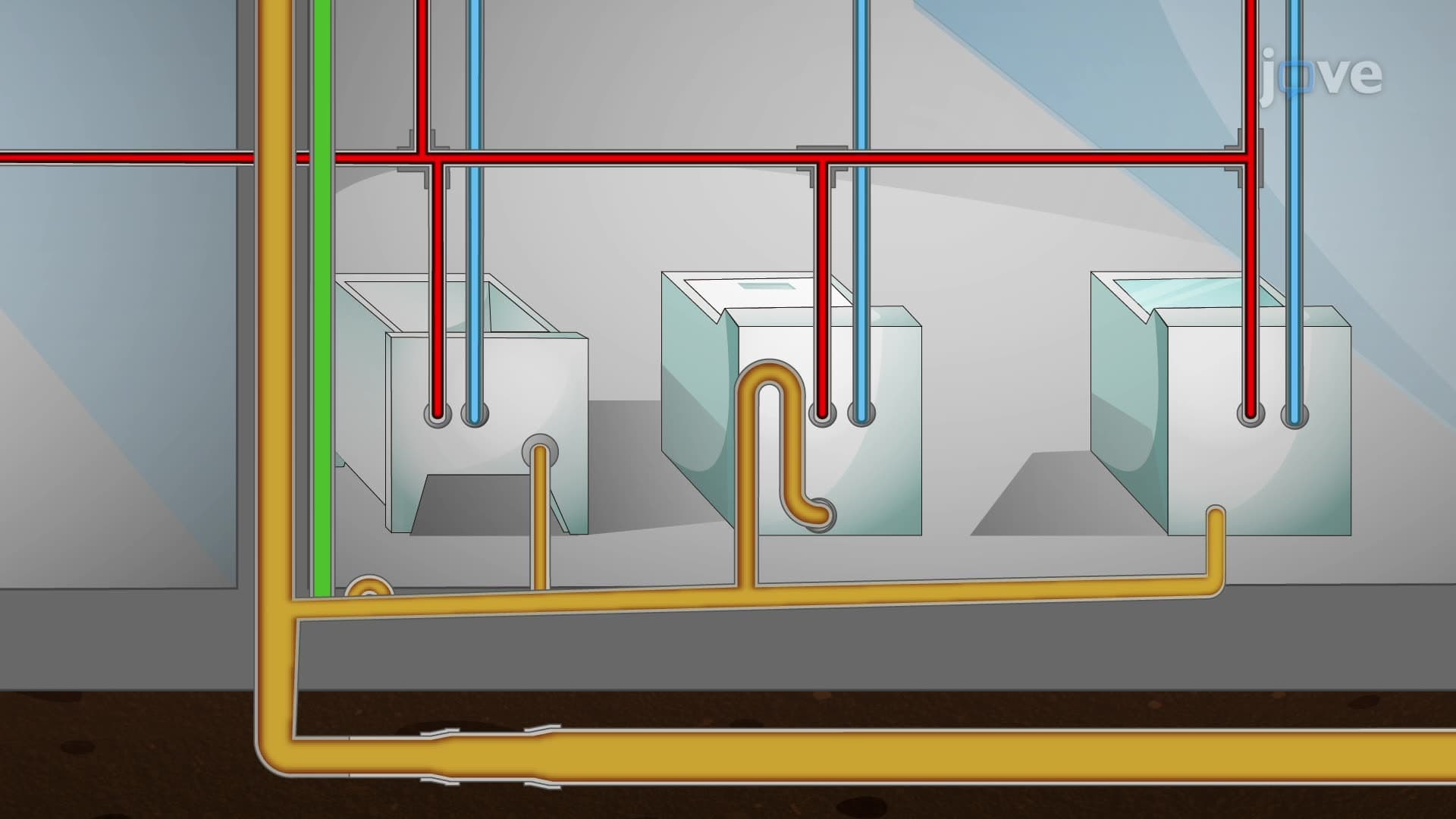
Did you know that a single faucet in your home must overcome multiple resistance forces before delivering water? General external flow characteristics determine how water moves through residential plumbing systems, from calculating Reynolds numbers to predict flow patterns to measuring head losses through pipes and fittings. For instance, engineers designing plumbing for a typical American suburban home must account for both major friction losses in long pipe runs and minor losses at each elbow and valve connection. This Design Example Designing A Residential Explained demonstrates these critical engineering principles in action. Watch the full video on JoVE Coach to master this concept with expert-led visuals and step-by-step explanations.
General external flow characteristics form the foundation of residential plumbing design, governing how water moves through pipes, fittings, and fixtures in American homes. Unlike internal flow within closed systems, external flow characteristics examine fluid behavior as it interacts with system boundaries and encounters various resistances. In residential applications, engineers must master these principles to ensure adequate water pressure reaches every fixture while maintaining system efficiency.
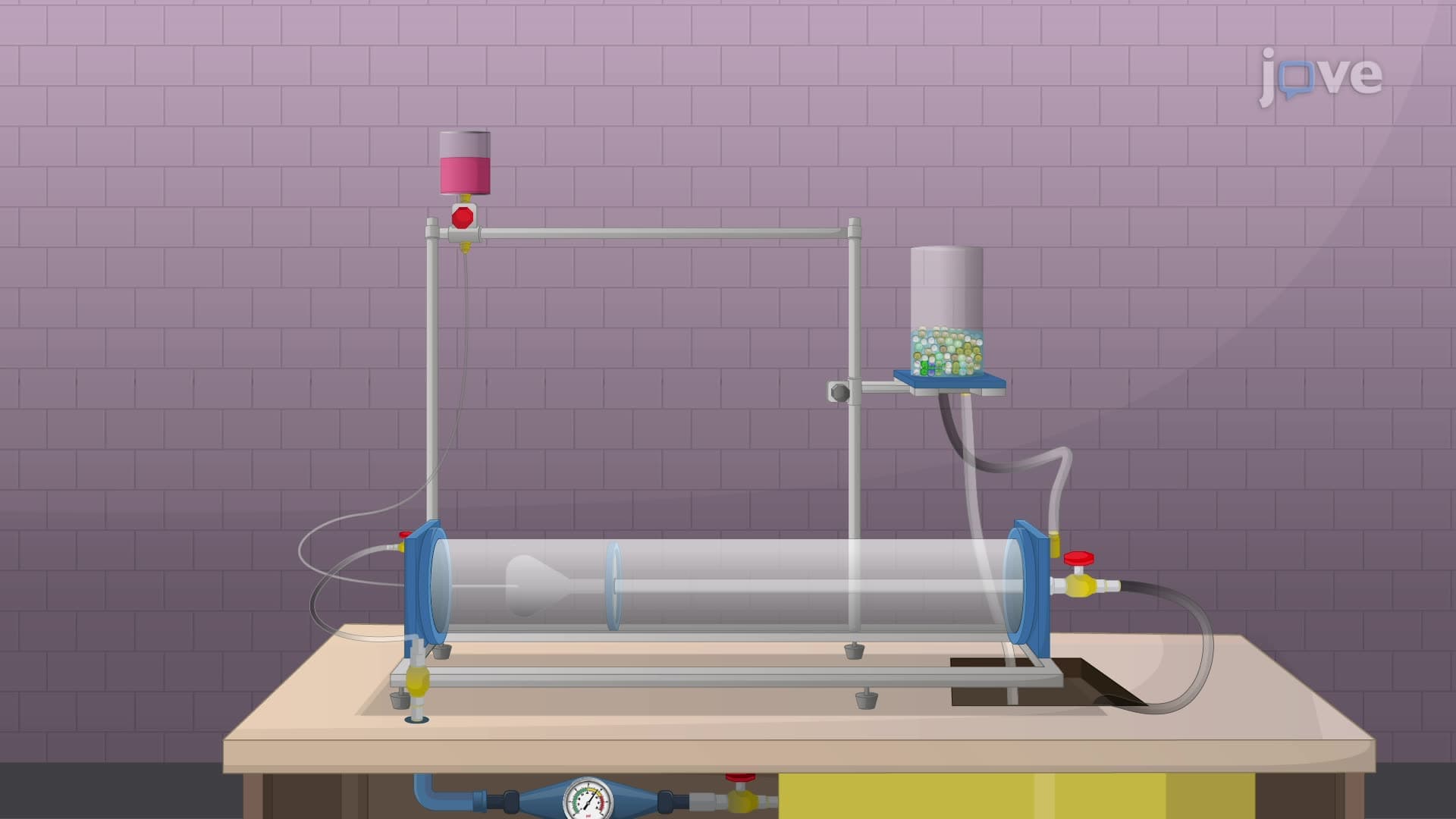
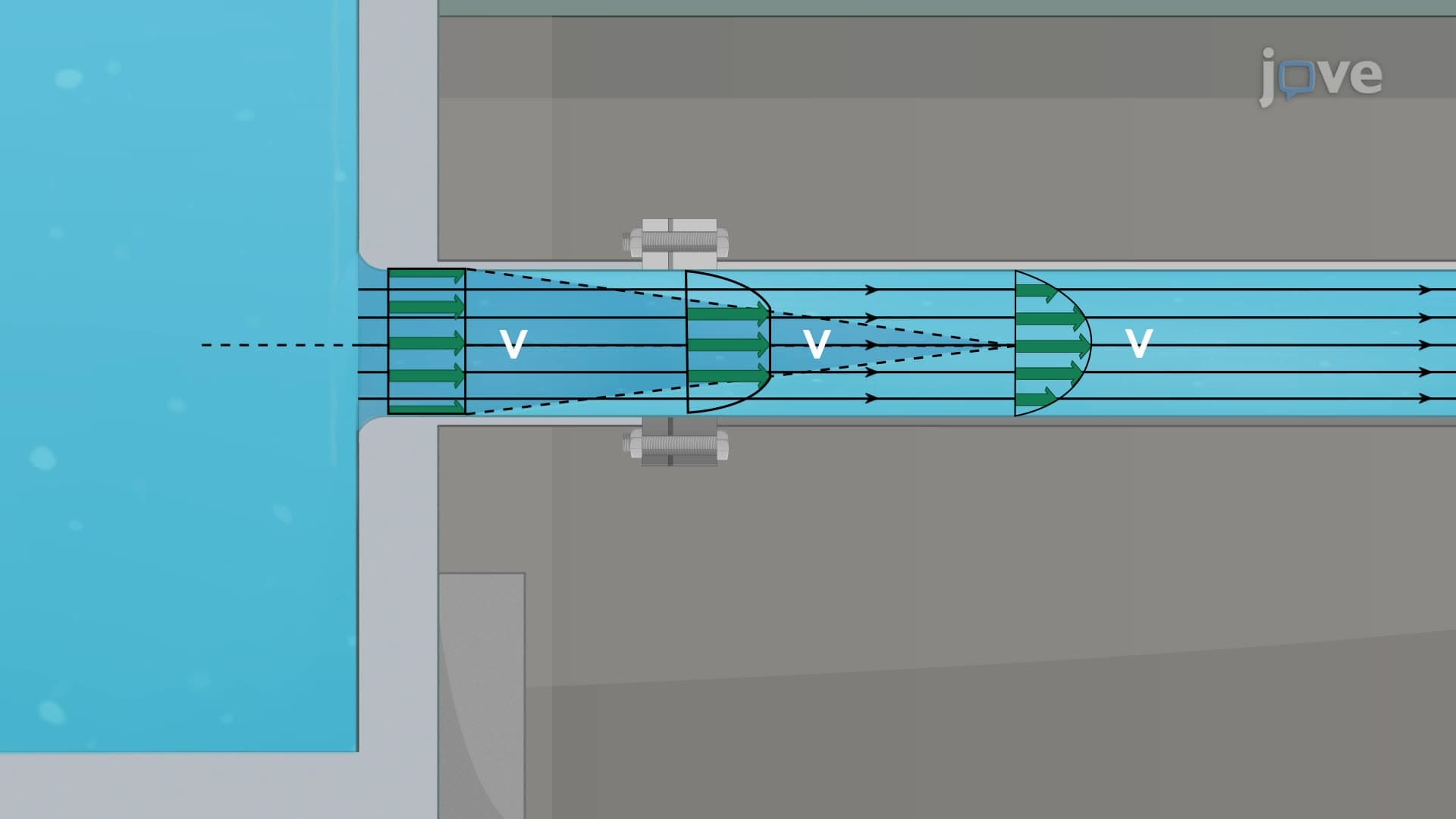
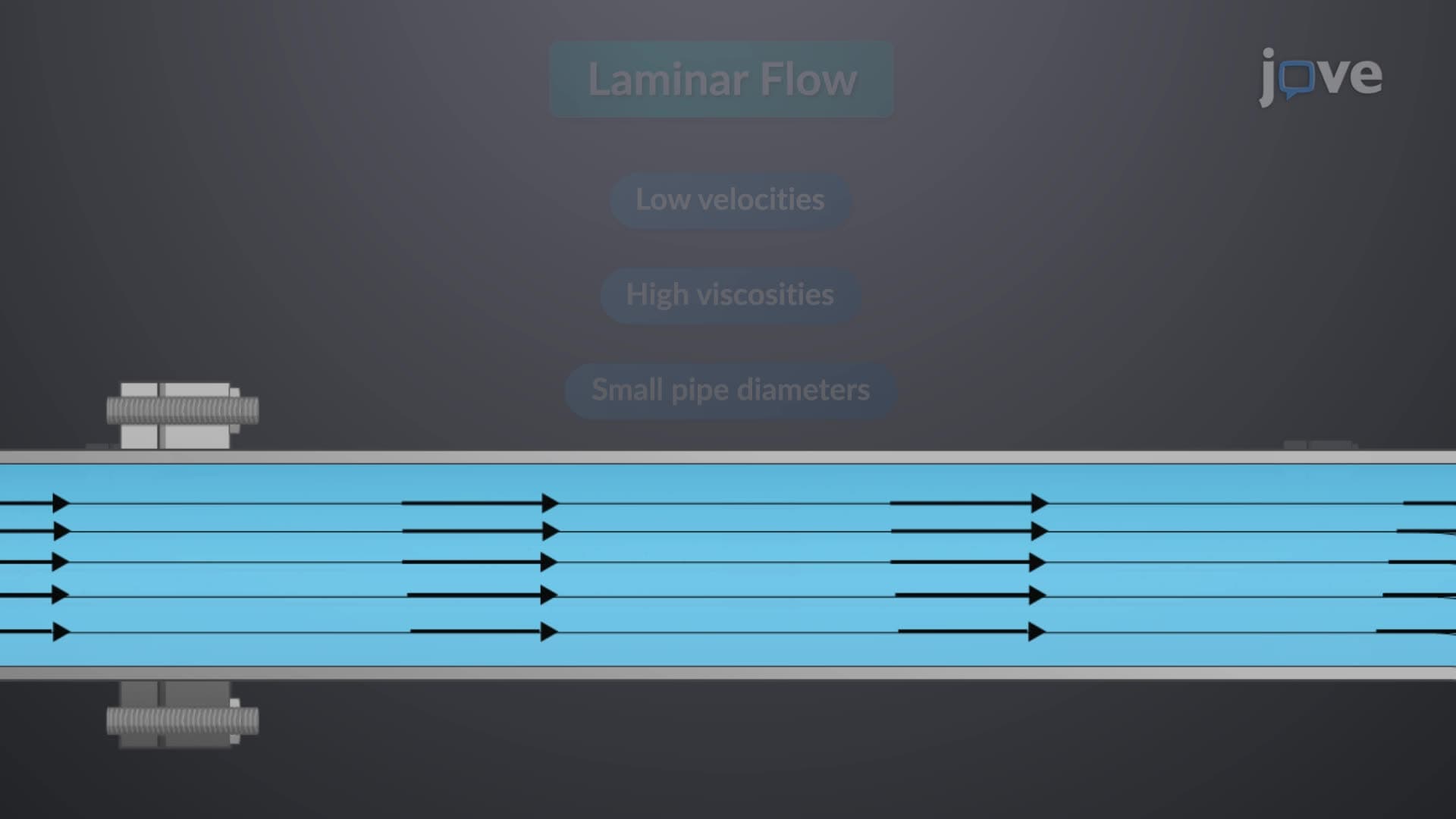
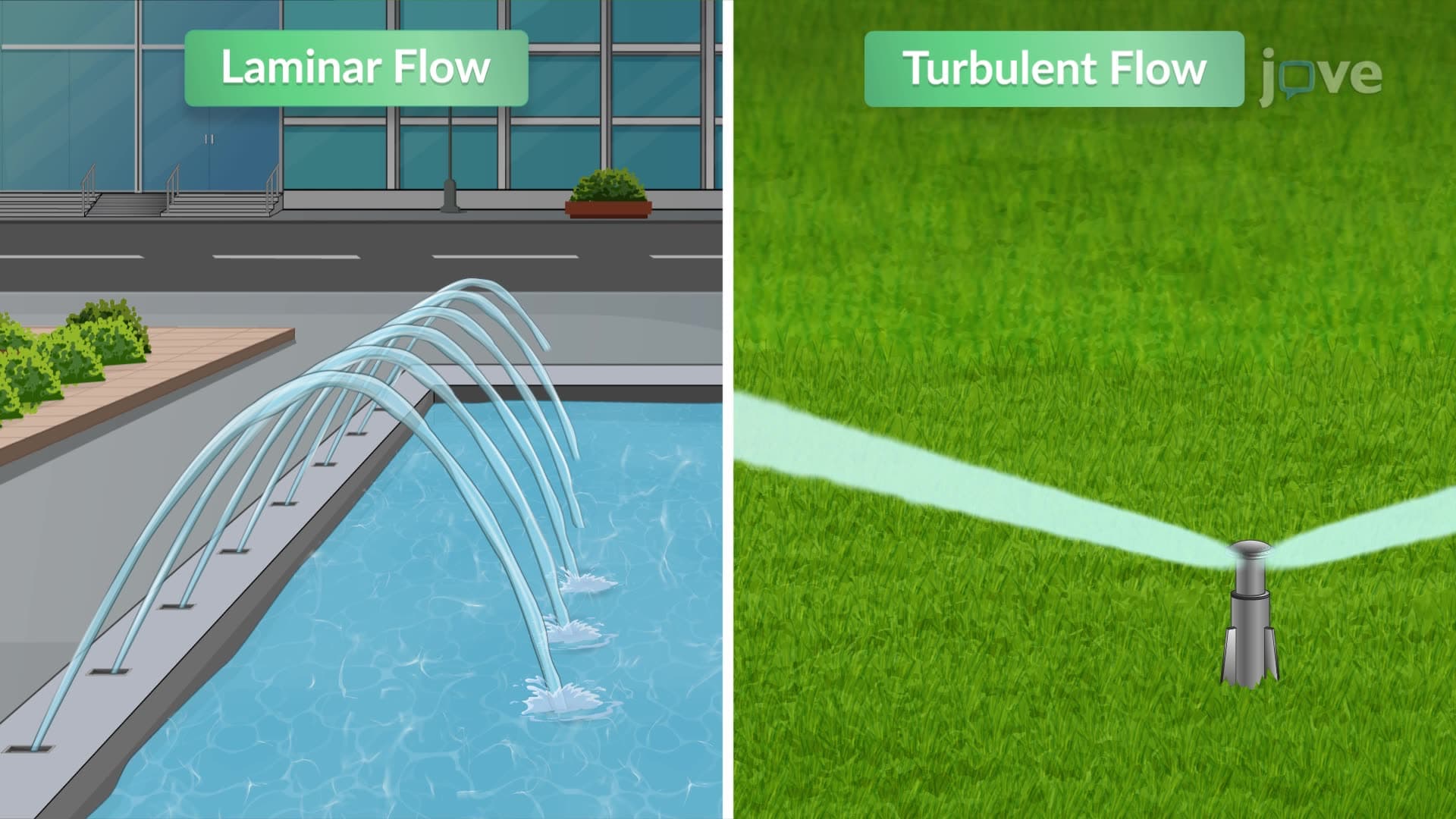
The Reynolds number serves as the primary tool for characterizing general external flow characteristics in residential plumbing. This dimensionless parameter, calculated as Re = ρVD/μ (where ρ is density, V is velocity, D is diameter, and μ is viscosity), determines whether flow will be laminar (Re < 2300) or turbulent (Re > 4000). Most residential plumbing systems operate in the turbulent regime, which creates higher friction losses but provides better mixing and heat transfer. Students preparing for AP Physics or college-level fluid mechanics courses should recognize that turbulent flow dominates in typical home plumbing due to relatively high velocities and pipe diameters.
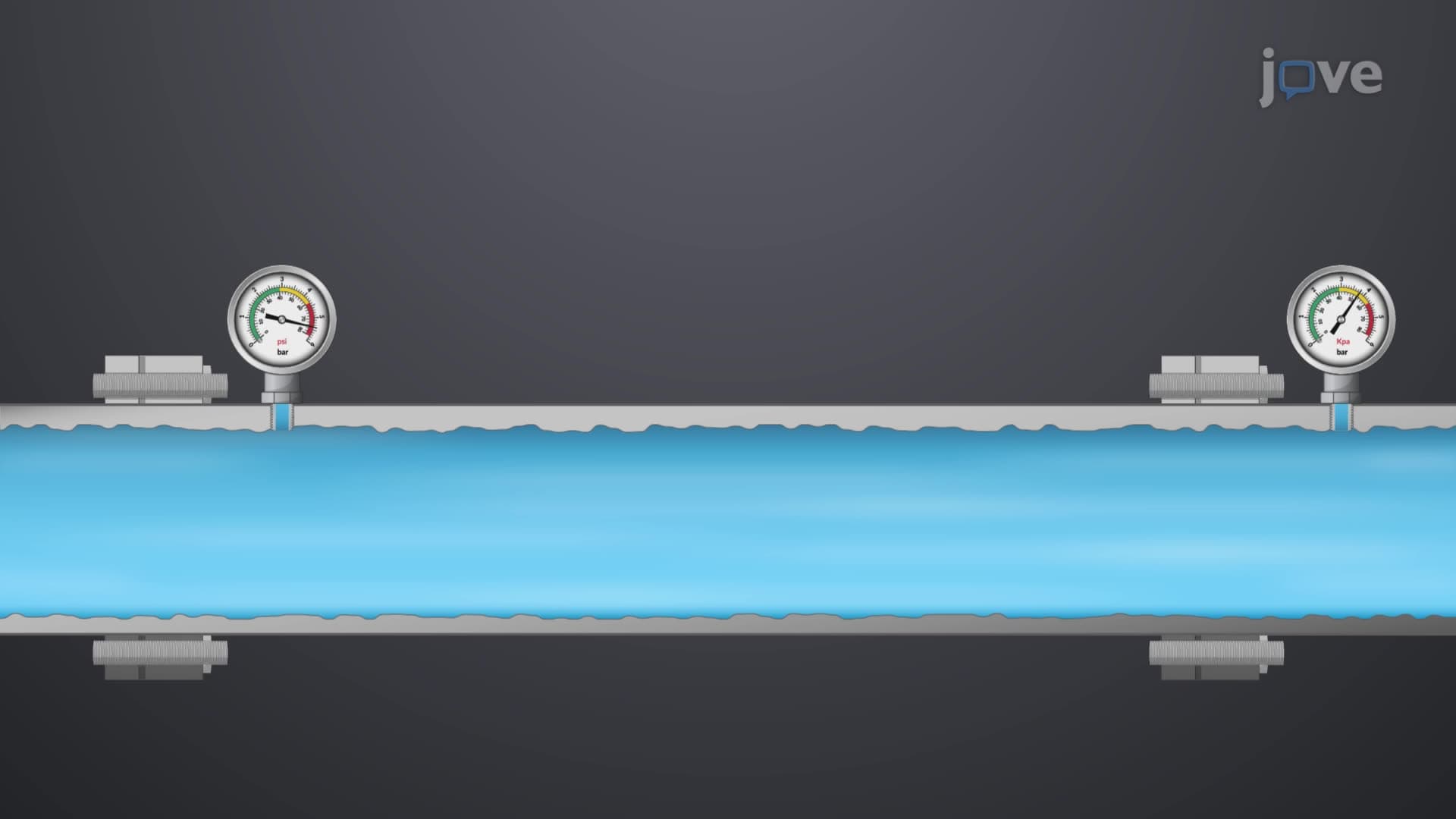
General external flow characteristics encompass both major losses from pipe friction and minor losses from system components. Major losses, calculated using the Darcy-Weisbach equation (hL = f × L/D × V²/2g), represent energy dissipation along straight pipe sections. The friction factor (f) depends on Reynolds number and relative pipe roughness, values found using Moody charts that graph these relationships. For example, a 100-foot run of 1-inch copper pipe in a typical ranch home might contribute 5-8 feet of head loss depending on flow rate.
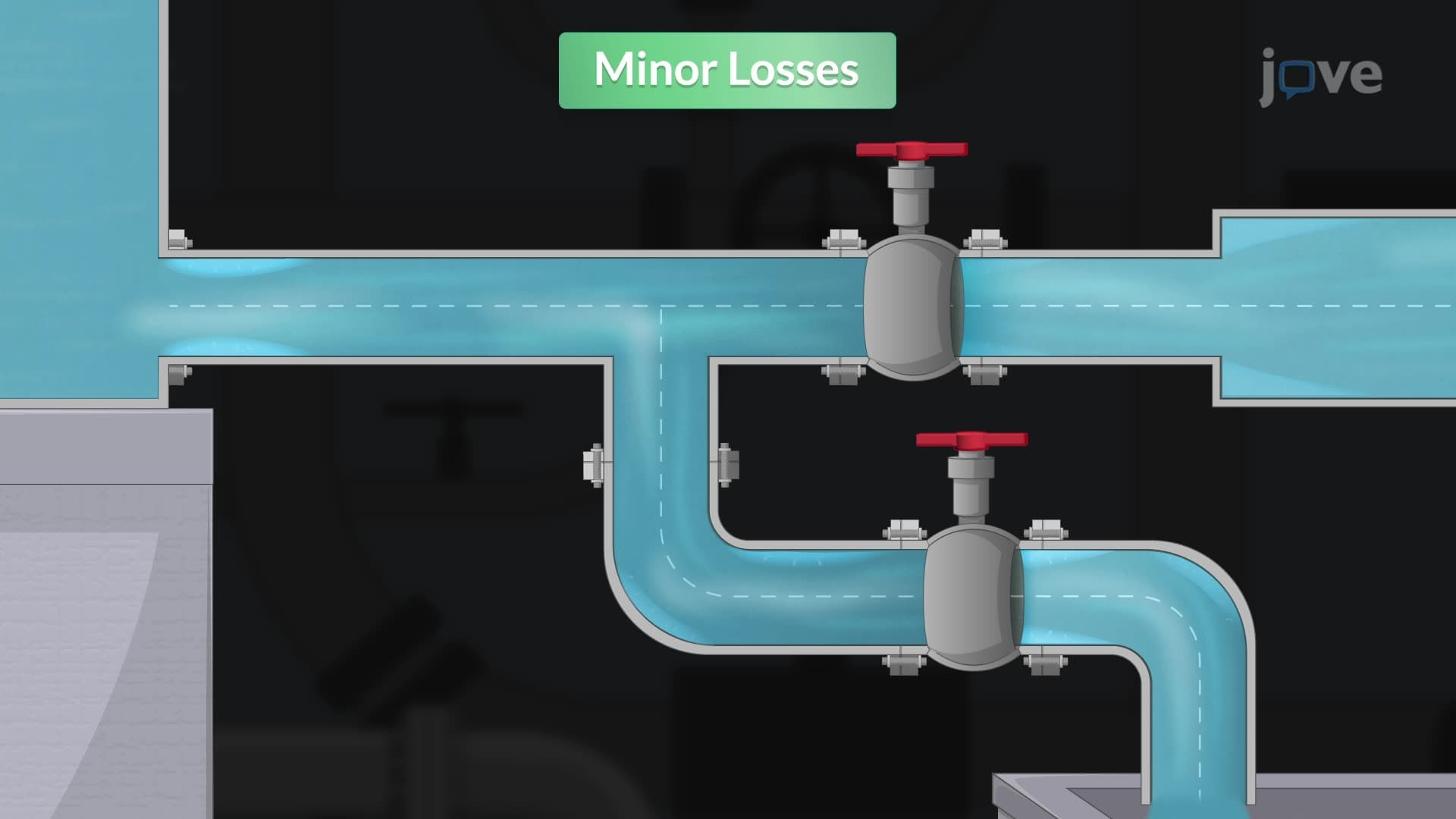
Minor losses occur at fittings, valves, and direction changes, calculated as hL = K × V²/2g, where K represents a loss coefficient specific to each component. A standard 90-degree elbow might have K = 0.9, while a gate valve could range from K = 0.2 (fully open) to infinity (closed). Engineers designing residential systems must sum all major and minor losses to ensure total head loss doesn't exceed pump capacity or municipal water pressure.
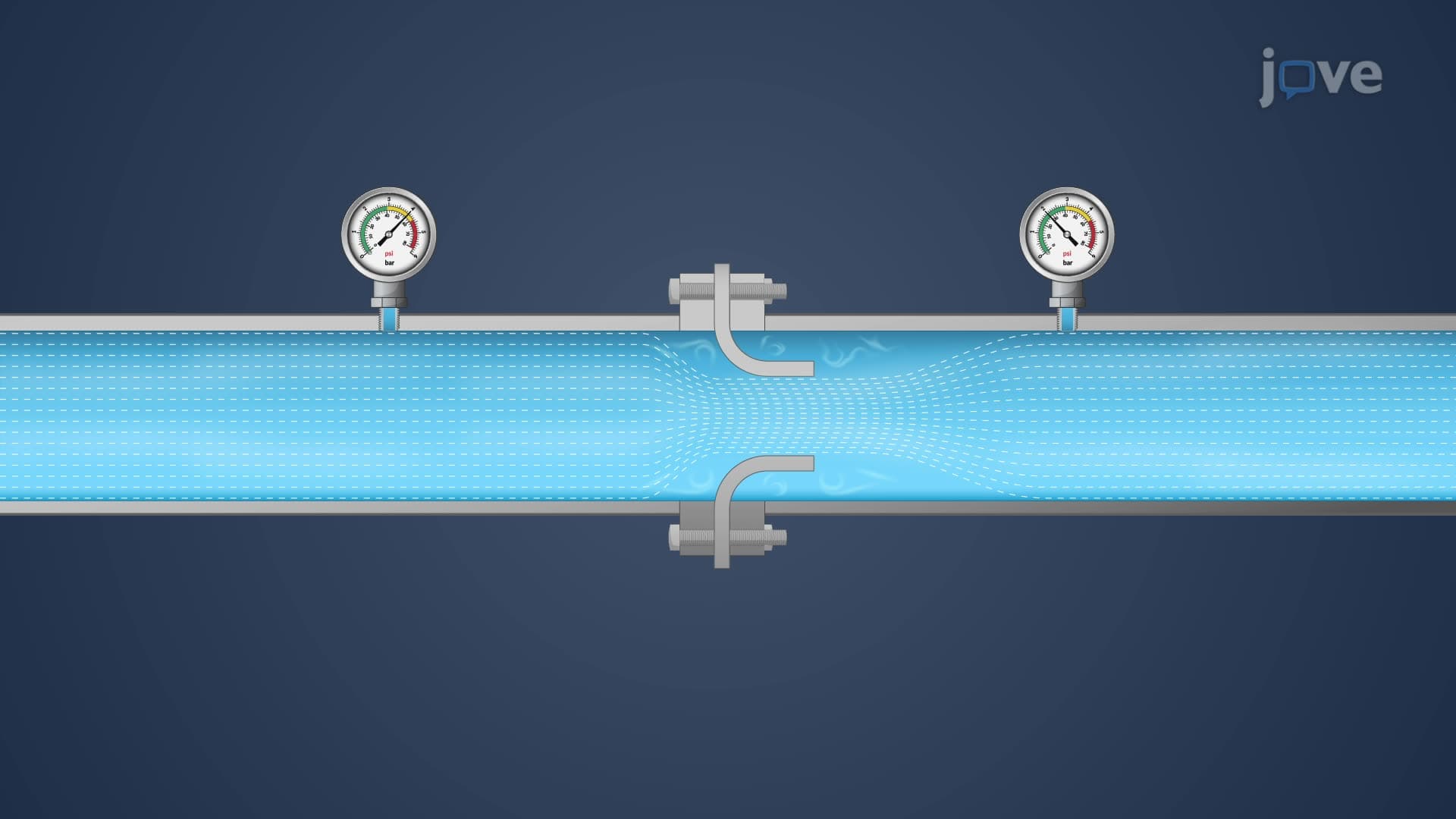
Accurate flow measurement validates general external flow characteristics predictions in completed systems. Venturi meters create a controlled pressure drop through a converging-diverging section, allowing flow calculation from pressure differential measurements. Orifice plates offer a simpler, less expensive alternative but create permanent pressure losses. Both devices find applications in residential water meter installations and system commissioning, helping engineers verify that actual performance matches design calculations essential for NCLEX or HESI A2 preparation in healthcare facility design.
Related Micro-courses