Loading subject page…

- Civil Engineering
- Flow in Pipes
- General Characteristics of Pipe Flow II
Micro-course: Flow in Pipes
11,970 views
Learn key concepts and earn your certificate.
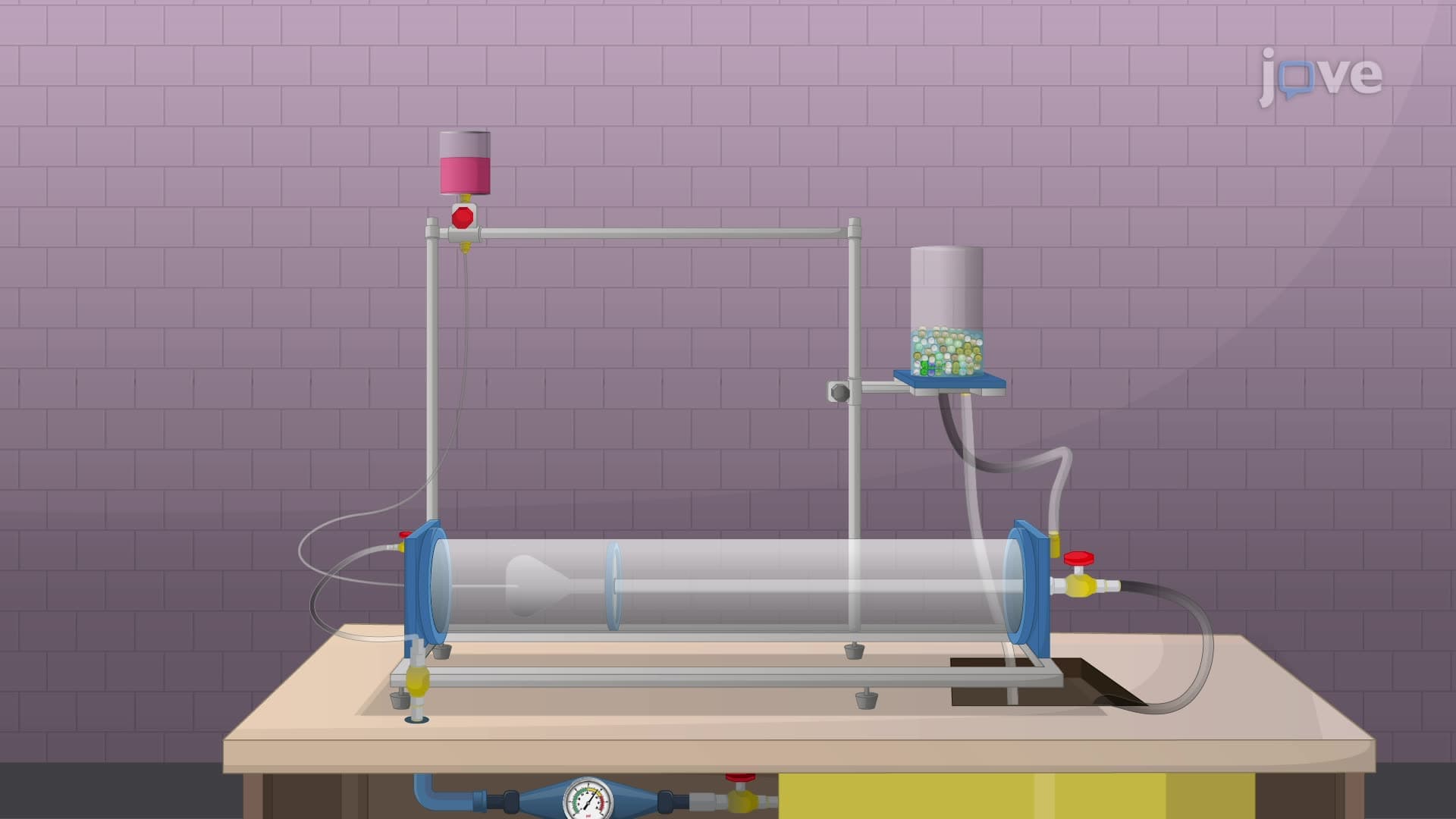






General Characteristics of Pipe Flow II

00:00
01:24
Video Summary: General Characteristics of Pipe Flow Ii Explained
Ever wonder why water pressure drops when you turn on multiple faucets in your home? Laminar flow behavior explains this phenomenon as fluid particles move in orderly layers through pipes. Understanding how boundary layers develop and velocity profiles change is crucial for engineers designing everything from residential plumbing systems in Chicago to industrial pipelines in Texas refineries. The General Characteristics of Pipe Flow II Explained reveals how entrance regions affect pressure gradients and shear stress patterns. Watch the full video on JoVE Coach to master this concept with expert-led visuals and step-by-step explanations.
- Understand the General Characteristics of Pipe Flow II Explained, including entrance region development and fully developed flow states
- Identify the differences between laminar and turbulent flow entrance lengths and their dependence on Reynolds number
- Analyze how boundary layer growth affects velocity profile development from pipe entrance to fully developed flow
- Compare shear stress mechanisms in laminar flow (molecular interactions) versus turbulent flow (momentum transfer)
- Evaluate pressure gradient requirements in entrance regions versus fully developed flow sections
- Apply entrance length calculations to determine when steady flow conditions are achieved
- Recognize how flow type affects pressure distribution and overall pipe flow behavior
- Explore the relationship between viscosity, pressure differences, and flow maintenance in horizontal pipes
Understanding General Characteristics of Pipe Flow II Explained
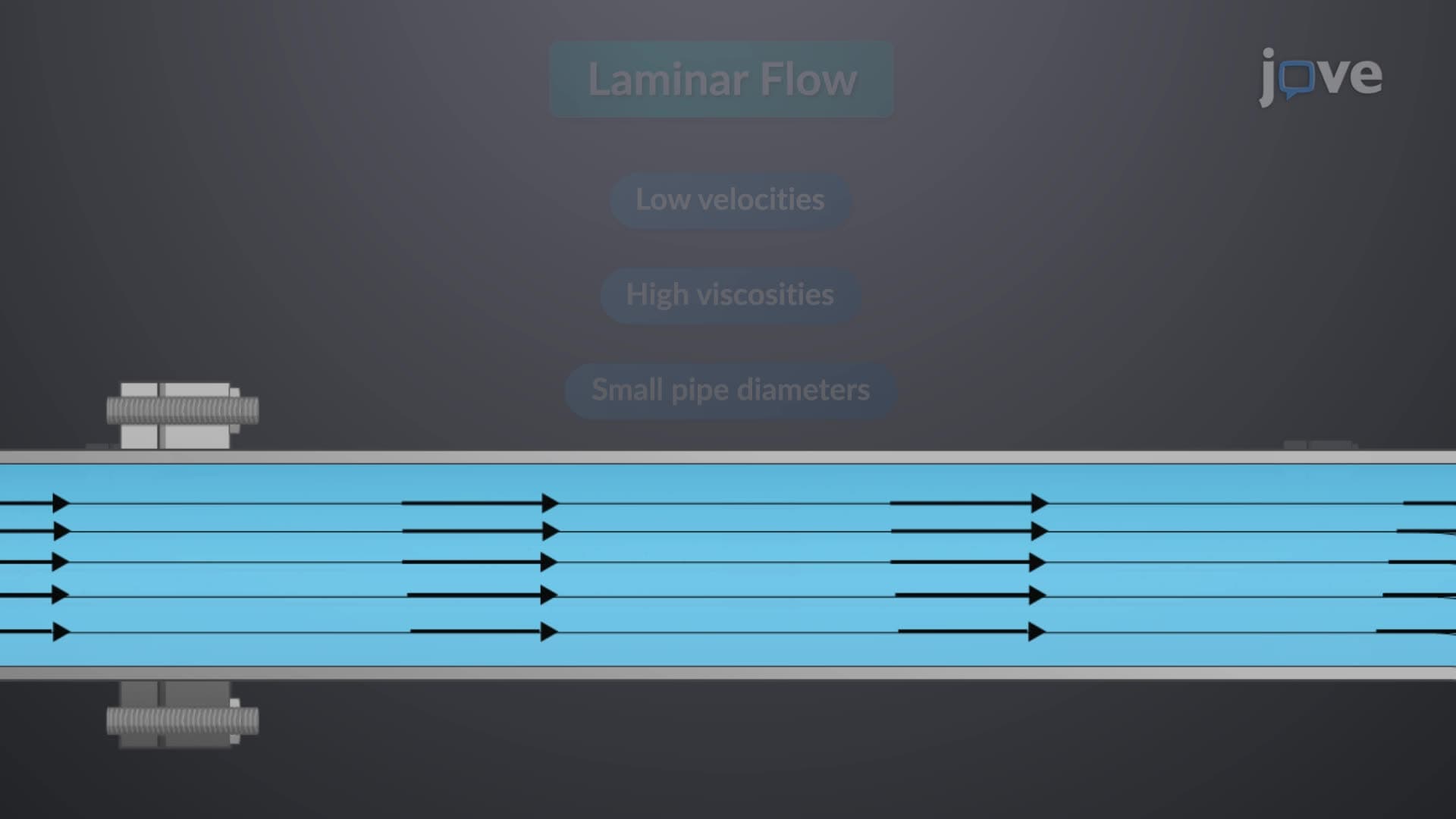
Laminar flow definition centers on the orderly, layered movement of fluid particles through a pipe system. When engineers at companies like ExxonMobil design petroleum transport pipelines, they must understand how fluid behavior changes from the pipe entrance to fully developed regions. This laminar flow concept becomes critical for optimizing energy efficiency and predicting pressure losses.
Entrance Region Development and Boundary Layer Growth
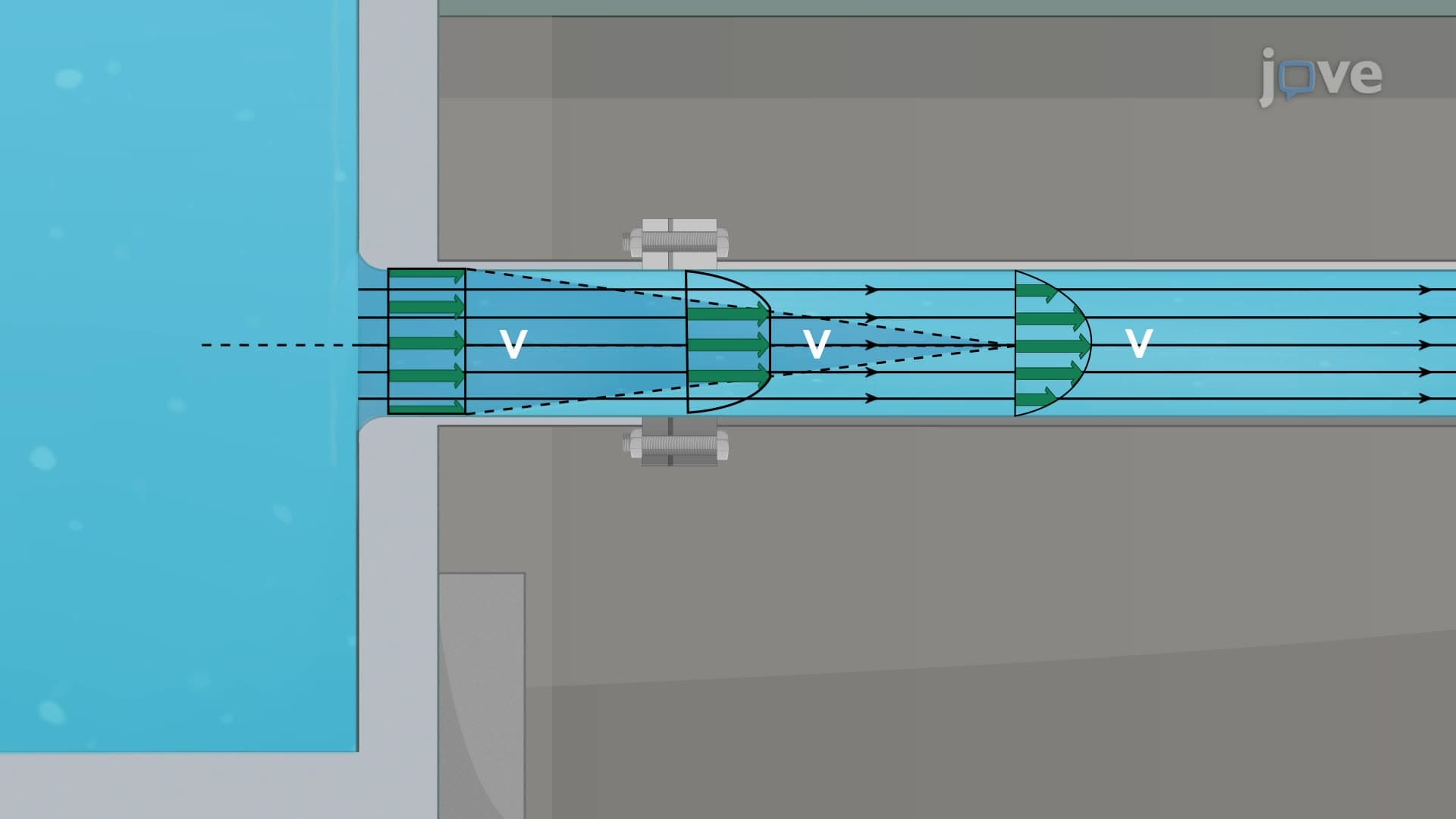
The entrance region represents the transition zone where laminar flow adjusts from its initial uniform velocity to a fully developed parabolic profile. Picture water entering a garden hose-initially, all fluid moves at roughly the same speed, but friction with the pipe walls creates a boundary layer that grows inward. This laminar flow overview explains why entrance lengths vary: laminar conditions require approximately 0.06 × Reynolds number × diameter lengths, while turbulent flow needs 10-60 diameters.
Students preparing for AP Physics or college fluid mechanics courses should understand that entrance length calculations appear frequently on exams. For a typical residential water pipe (1-inch diameter) with laminar flow at Re = 1000, the entrance length equals about 5 feet-explaining why pressure stabilizes after initial flow establishment.
Pressure Gradients and Flow Development
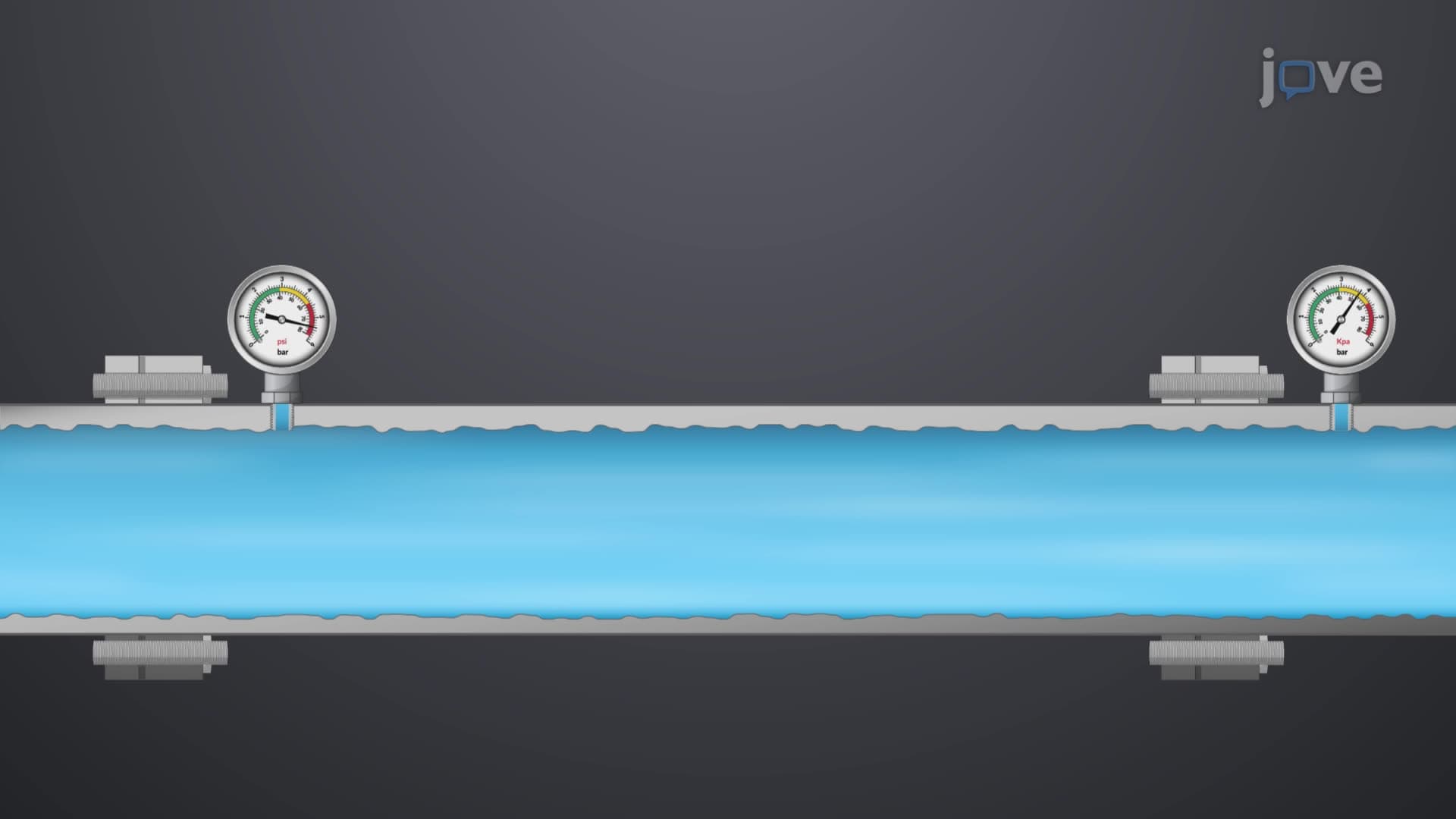
What is laminar flow in detail involves understanding pressure behavior throughout pipe systems. In the entrance region, significant pressure drops occur due to flow acceleration and boundary layer development. However, once fully developed conditions establish, pressure gradients become linear and predictable. This laminar flow basics principle helps engineers at Boeing calculate fuel system pressure requirements or assists municipal water departments in designing distribution networks.
MCAT test-takers should remember that pressure differences drive flow in horizontal pipes, counteracting viscous forces that would otherwise bring fluid to rest. This balance maintains steady flow rates essential for biological systems like blood circulation through arteries.
Shear Stress Mechanisms and Flow Characteristics
The understanding laminar flow requires distinguishing between molecular-level and bulk-fluid momentum transfer. In laminar conditions, shear stress results from viscous interactions between adjacent fluid layers-imagine honey flowing where each layer slides smoothly past its neighbors. This laminar flow study guide concept contrasts with turbulent flow, where random particle mixing creates additional momentum transfer and higher shear stresses.
For college students tackling fluid mechanics midterms, remember that shear stress profiles affect heat transfer, mixing efficiency, and energy losses throughout piping systems used in industries from pharmaceutical manufacturing to food processing.
Frequently Asked Questions
The key characteristics include entrance region development, boundary layer growth, and the transition to fully developed flow with steady velocity profiles. These concepts explain how pressure gradients change from entrance regions to fully developed sections, affecting overall system performance in engineering applications.
MCAT questions often test laminar flow through biological systems like blood vessels and respiratory airways. Understanding entrance lengths, pressure gradients, and shear stress helps answer cardiovascular physiology problems. Focus on how viscosity and vessel diameter affect flow patterns in circulatory system scenarios.
AP Physics C emphasizes Reynolds number calculations, pressure-flow relationships, and energy conservation in pipe systems. Students should practice entrance length problems, Poiseuille's law applications, and comparing laminar versus turbulent flow characteristics. Expect questions involving real-world examples like water distribution systems.
College exams typically include quantitative problems calculating entrance lengths, pressure drops, and velocity profile development. Students must apply dimensional analysis, solve differential equations for boundary layer growth, and analyze experimental data from pipe flow laboratories.
Municipal water systems in cities like Denver and Atlanta utilize laminar flow principles for efficient distribution. HVAC systems in office buildings, oil refineries in Louisiana, and pharmaceutical manufacturing facilities all depend on understanding entrance regions and fully developed flow for optimal design and energy efficiency.
Basic calculus helps with understanding velocity gradients and pressure distributions, but the fundamental concepts rely more on physical intuition and algebraic relationships. High school students can grasp entrance region behavior and flow development through conceptual understanding rather than complex mathematical derivations.
Create visual diagrams showing boundary layer growth, practice Reynolds number calculations with real pipe dimensions, and work through entrance length problems using different fluid properties. Focus on connecting mathematical relationships to physical phenomena you can visualize, like water flowing through household plumbing systems.
Explore non-Newtonian fluid behavior, compressible flow effects, and heat transfer in developing flows. Advanced courses cover turbulent flow modeling, computational fluid dynamics applications, and multi-phase flow systems relevant to chemical engineering and aerospace industries.
Related Micro-courses