Loading subject page…
- Civil Engineering
- Flow Over Immersed Bodies
Civil Engineering
All Micro-courses:30

1.
Masonry Materials
21 Concepts
2.
Masonry
14 Concepts
3.
Wood
11 Concepts
4.
Introduction to Concrete
11 Concepts
5.
Aggregates and Water
16 Concepts
6.
Fresh Concrete
8 Concepts
7.
Strength of Concrete
18 Concepts
8.
Mixing, Placing and Curing Concrete
12 Concepts
9.
Admixtures
6 Concepts
10.
Elasticity, Creep, and Shrinkage in Concrete
12 Concepts
11.
Permeability of Concrete
6 Concepts
12.
Freezing and Thawing in Concrete
5 Concepts
13.
Design Examples
6 Concepts
14.
Fluid Properties
9 Concepts
15.
Fluid Statics
8 Concepts
16.
Fluid Dynamics
8 Concepts
17.
Fluid Kinematics
7 Concepts
18.
Finite Control Volume Analysis
9 Concepts
19.
Differential Analysis of Fluid Flow
10 Concepts
20.
Dimensional Analysis, Similitude, and Modeling
8 Concepts
21.
Flow in Pipes
13 Concepts
22.
Flow over Immersed Bodies
5 Concepts
23.
Open Channel Flow
11 Concepts
24.
Introduction to Surveying
10 Concepts
25.
Leveling
7 Concepts
26.
Angles and Directions
6 Concepts
27.
Traverse and Topographic Surveying
9 Concepts
28.
Horizontal and Vertical Curves
10 Concepts
29.
Global Positioning System (GPS)
6 Concepts
30.
Geographic Information Systems (GIS)
9 Concepts
Flow over Immersed Bodies
 5 Concepts
 1.4K Views
 Popular topics
Concepts: 5

01:26
344 views
01:18
308 views
01:23
241 views
01:23
295 views

01:17
221 views
Flow over immersed bodies is fundamental to understanding how fluids interact with objects like aircraft wings, building facades, and vehicle designs. This comprehensive micro-course explores drag and lift forces, boundary layer development, and aerodynamic principles essential for engineering applications. Through practical examples including wind-exposed disc calculations, students master the physics governing flow patterns around structures from bridge cables to skyscrapers, preparing them for advanced fluid mechanics studies with JoVE Coach.
- Understand how Reynolds number determines flow behavior around streamlined and blunt objects
- Identify boundary layer characteristics from laminar to turbulent transitions
- Analyze drag components including friction drag and pressure drag effects
- Explore lift generation mechanisms through pressure differences and circulation theory
- Apply the Magnus effect to explain lift in rotating objects
- Calculate drag forces using dimensionless drag coefficients
- Evaluate safety factors for wind-exposed structural elements
- Learn flow separation patterns and their impact on aerodynamic performance
1. External Flow Classification and Reynolds Number Effects Understanding how objects interact with moving fluids begins with classifying body shapes as streamlined or blunt. The Golden Gate Bridge's suspension cables exemplify streamlined design, allowing smooth airflow that minimizes structural stress during high winds. Conversely, the flat faces of skyscrapers like Chicago's Willis Tower create blunt body interactions, generating turbulence and requiring robust structural design. The Reynolds number serves as the critical parameter determining whether viscous forces or inertial forces dominate flow behavior, directly influencing drag characteristics and structural loading requirements.
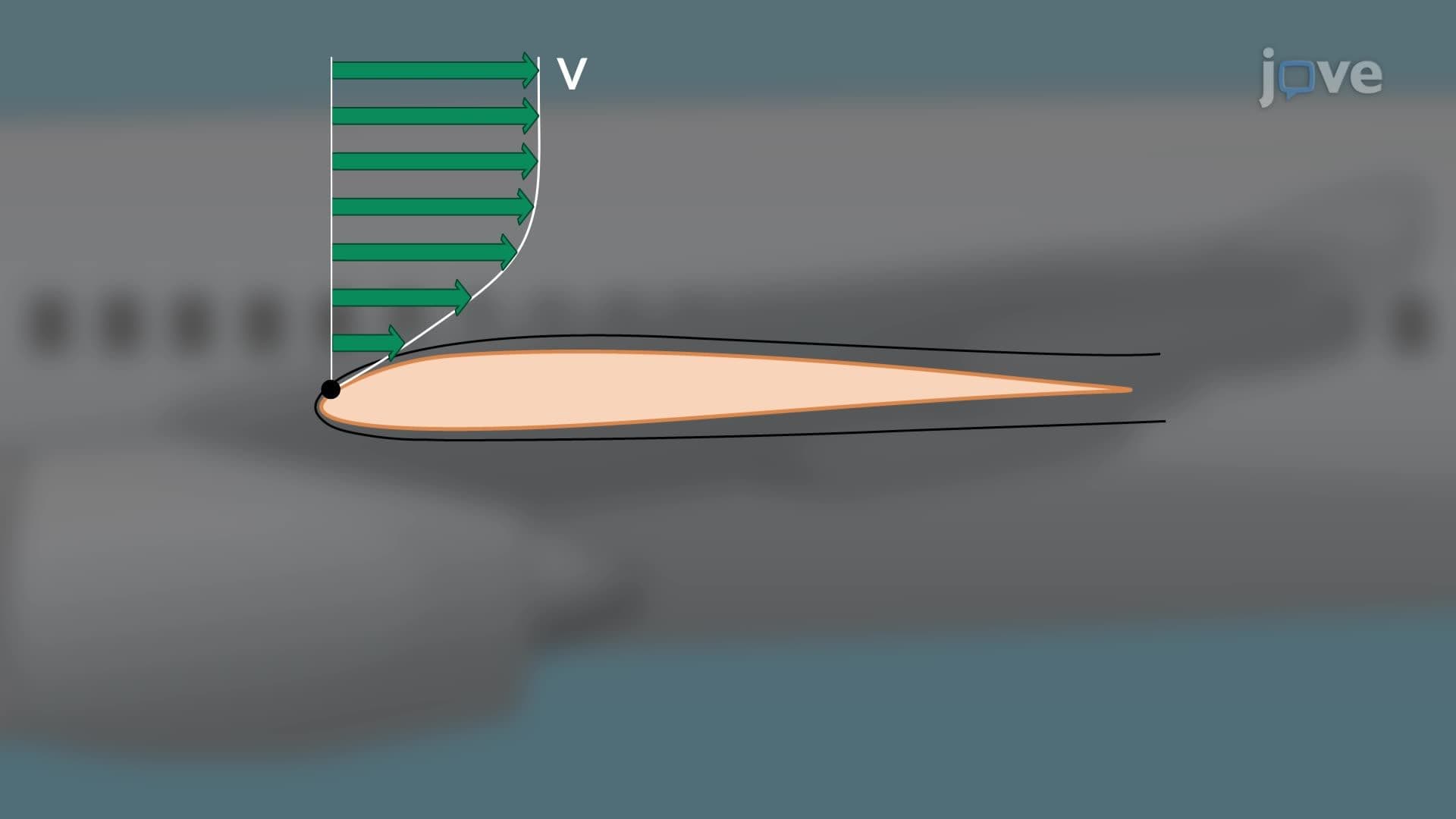
2. Boundary Layer Development and Transition Phenomena Boundary layers form wherever fluids contact solid surfaces, creating velocity gradients from zero at the wall to free-stream conditions. Initially laminar near the leading edge of structures like aircraft wings, these layers transition to turbulent flow as Reynolds numbers increase. The Boeing 737's wing design capitalizes on controlled boundary layer behavior to optimize lift generation. Understanding laminar-to-turbulent transitions helps engineers predict skin friction, heat transfer rates, and flow separation points critical for designing everything from wind turbine blades to automotive body panels.
3. Drag Force Components and Coefficient Analysis Drag forces comprise friction drag from surface shear stress and pressure drag from flow separation. NASCAR vehicles demonstrate this principle through aerodynamic modifications that reduce pressure drag while managing friction effects. The dimensionless drag coefficient enables engineers to scale wind tunnel results to full-size applications, whether designing Formula 1 cars or optimizing building ventilation systems. Surface roughness significantly affects friction drag in turbulent flows, explaining why golf ball dimples actually reduce overall drag compared to smooth spheres.
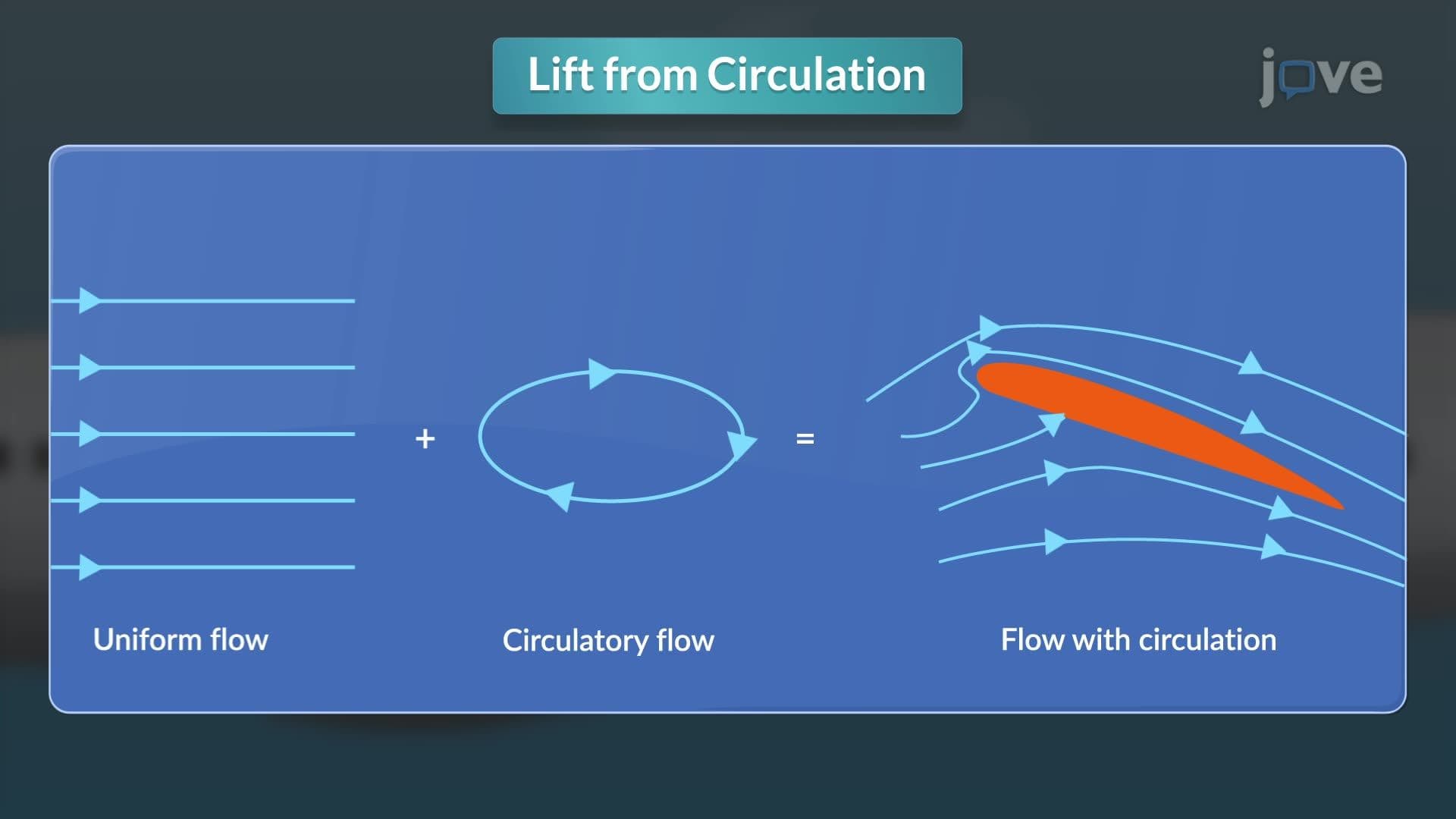
4. Lift Generation Mechanisms and Circulation Theory Lift forces arise from pressure differences across surfaces, fundamental to aircraft flight and sports ball trajectories. Commercial aircraft like the Boeing 787 generate lift through carefully designed airfoil shapes that create lower pressure above wings and higher pressure below. The Magnus effect explains why spinning baseballs curve, demonstrating how rotation creates asymmetric pressure distributions. Circulation theory provides mathematical frameworks for predicting lift coefficients, enabling precise wing design calculations essential for ensuring aircraft performance and safety margins.
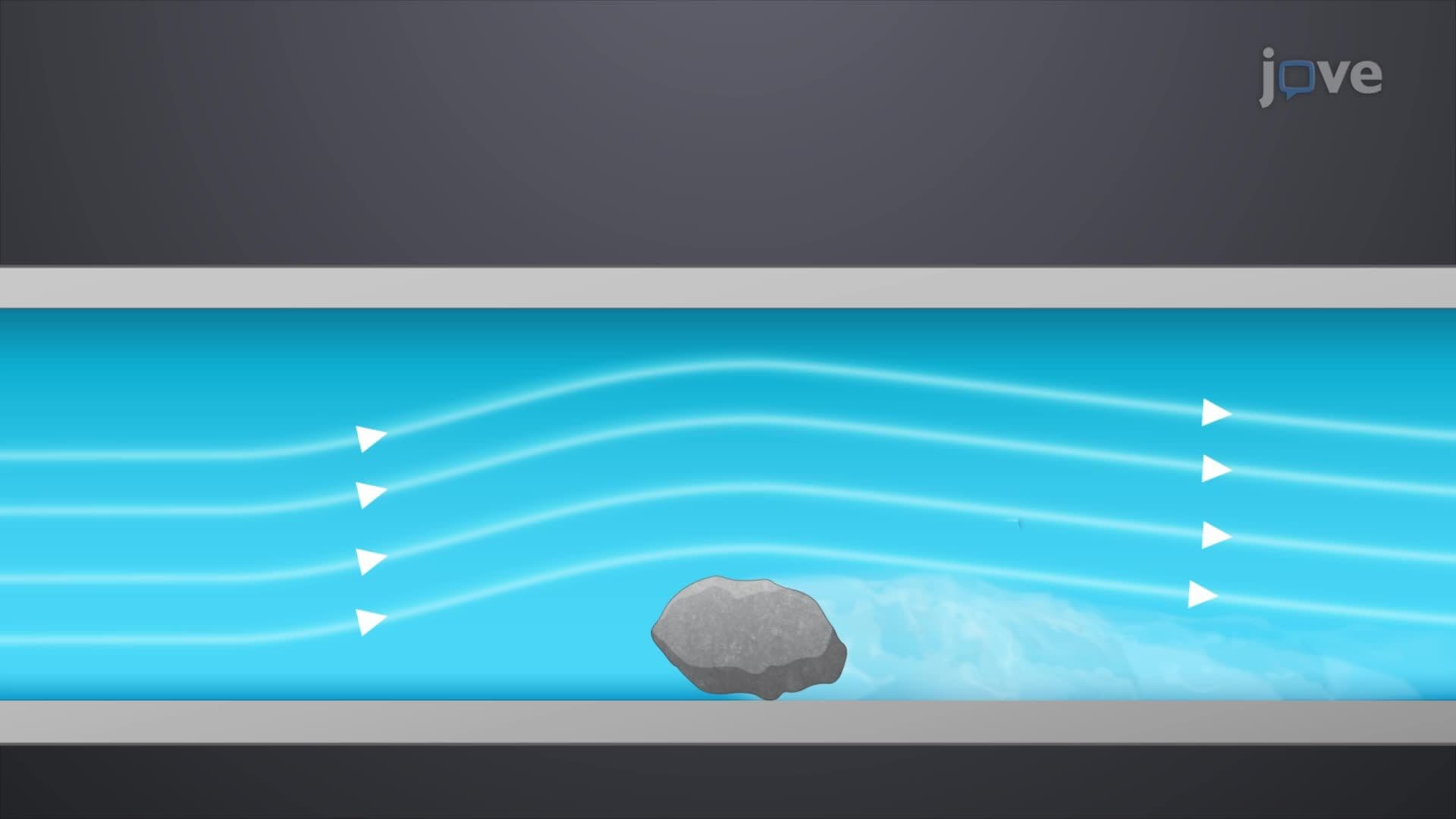
5. Flow Separation and Stall Characteristics Flow separation occurs when boundary layers detach from surfaces, creating wake regions that dramatically increase pressure drag and reduce lift. This phenomenon critically affects aircraft performance during stall conditions, where excessive angles of attack cause airflow separation over wing surfaces. Wind turbine blade design must carefully manage separation to maintain efficiency across varying wind conditions. Understanding separation patterns helps engineers optimize shapes for applications ranging from sports car spoilers to building architectural features exposed to crosswinds.
6. Practical Design Applications and Safety Calculations Real-world applications require integrating drag and lift principles into structural design calculations. The case study of a wind-exposed decorative disc demonstrates how engineers ensure safety margins by calculating drag forces and comparing them to structural capacity limits. Similar analyses apply to highway signs, stadium roofs, and bridge components where wind loading determines design requirements. These calculations incorporate safety factors and worst-case wind scenarios to prevent structural failures, exemplifying how fluid mechanics principles directly impact public safety and engineering practice.