Loading subject page…

- Civil Engineering
- Flow in Pipes
- General Characteristics of Pipe Flow I
Micro-course: Flow in Pipes
11,970 views
Learn key concepts and earn your certificate.






General Characteristics of Pipe Flow I

00:00
01:22
Video Summary: General Characteristics of Pipe Flow I Explained
Ever wondered why your home's water pressure drops when multiple faucets run simultaneously? Understanding general characteristics of pipe flow ii reveals the fascinating physics behind fluid movement in enclosed systems. From the municipal water lines serving New York City to hydraulic systems in Boeing aircraft manufacturing, pipe flow governs countless engineering applications. General Characteristics of Pipe Flow I Explained covers the fundamental principles that distinguish enclosed conduit flow from open-channel systems. Watch the full video on JoVE Coach to master this concept with expert-led visuals and step-by-step explanations.
- Understand the fundamental principles behind General Characteristics of Pipe Flow I Explained, including pressure-driven vs. gravity-driven flow mechanisms
- Identify the key differences between pipe flow and open-channel flow in engineering applications
- Analyze how pipe geometry and material properties influence fluid behavior and pressure resistance
- Compare laminar, transitional, and turbulent flow regimes using Reynolds' experimental findings
- Evaluate the role of Reynolds number in predicting flow characteristics and system performance
- Apply dimensional analysis concepts to calculate Reynolds numbers for various pipe flow scenarios
- Recognize real-world applications of pipe flow principles in municipal water systems and industrial processes
- Explore the relationship between fluid properties, pipe diameter, and flow velocity in engineering design
Understanding General Characteristics of Pipe Flow I Explained
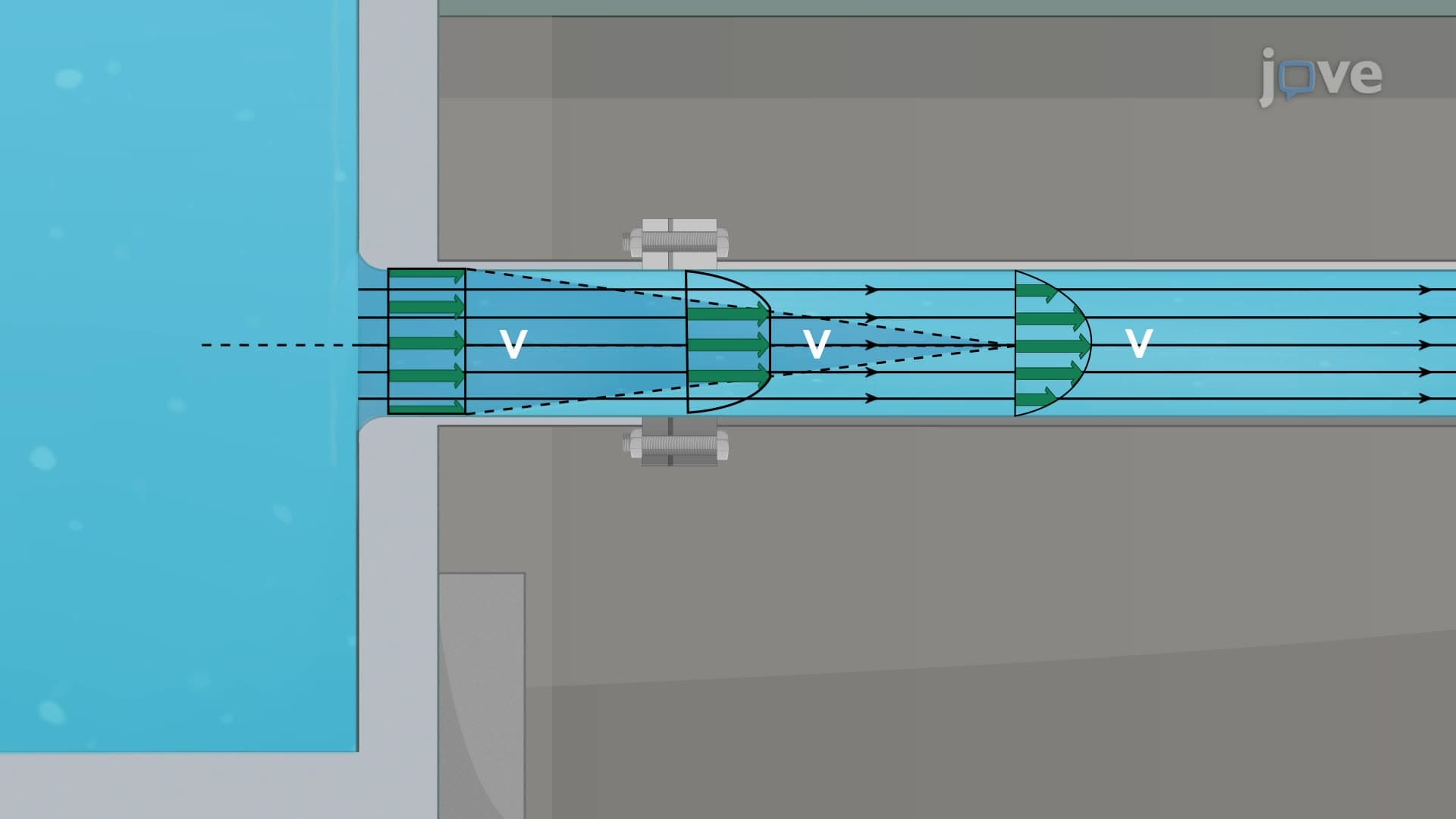
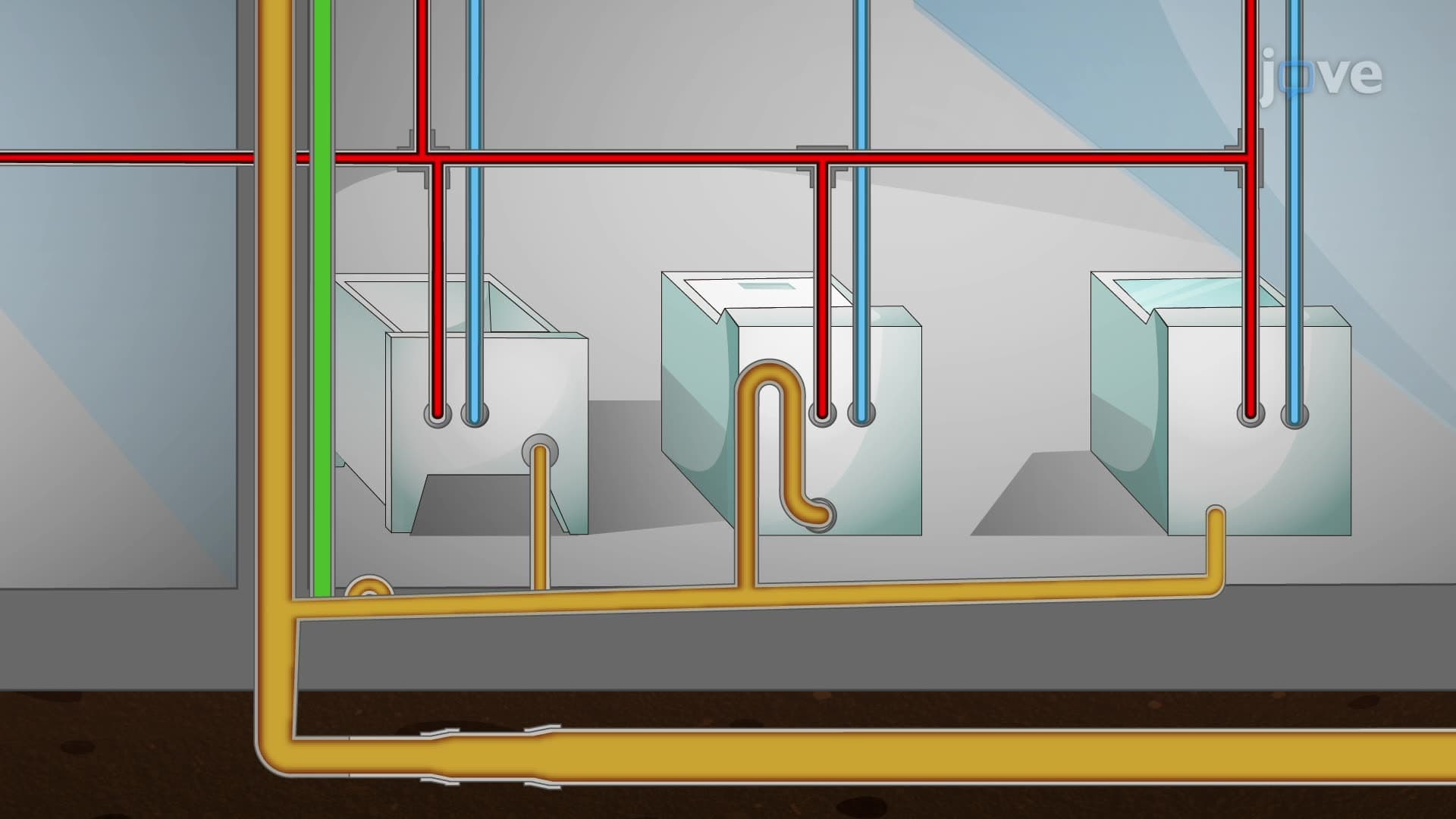
Pipe flow represents one of the most critical concepts in fluid mechanics, governing everything from residential plumbing to massive industrial systems. Unlike open-channel flow, which relies on gravitational forces, pipe flow operates through pressure differentials that push fluids through enclosed conduits. This fundamental distinction shapes how engineers design water treatment facilities in California, oil pipelines across Texas, and HVAC systems in Manhattan skyscrapers.
Pressure-Driven Flow Mechanics and System Design
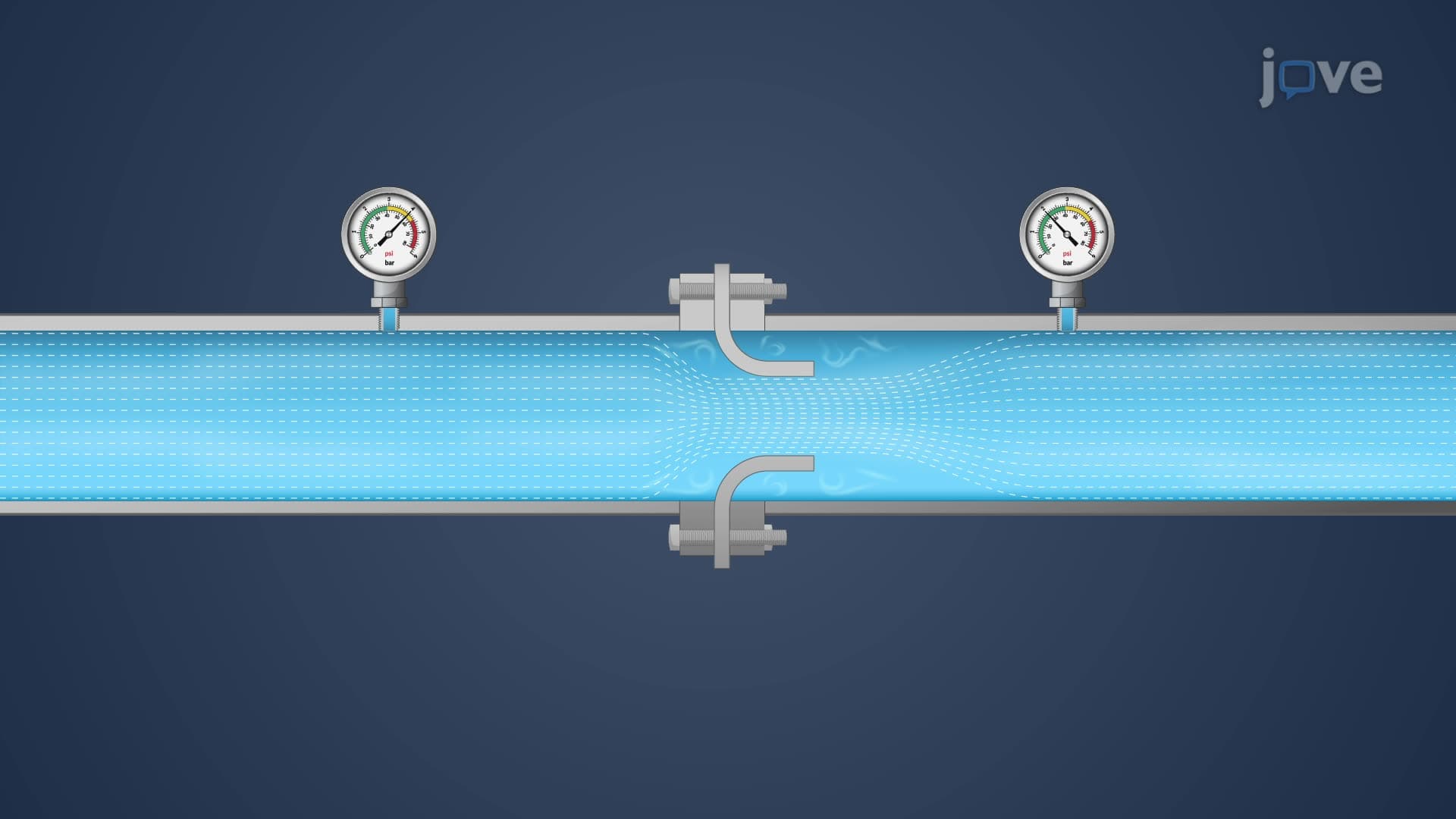
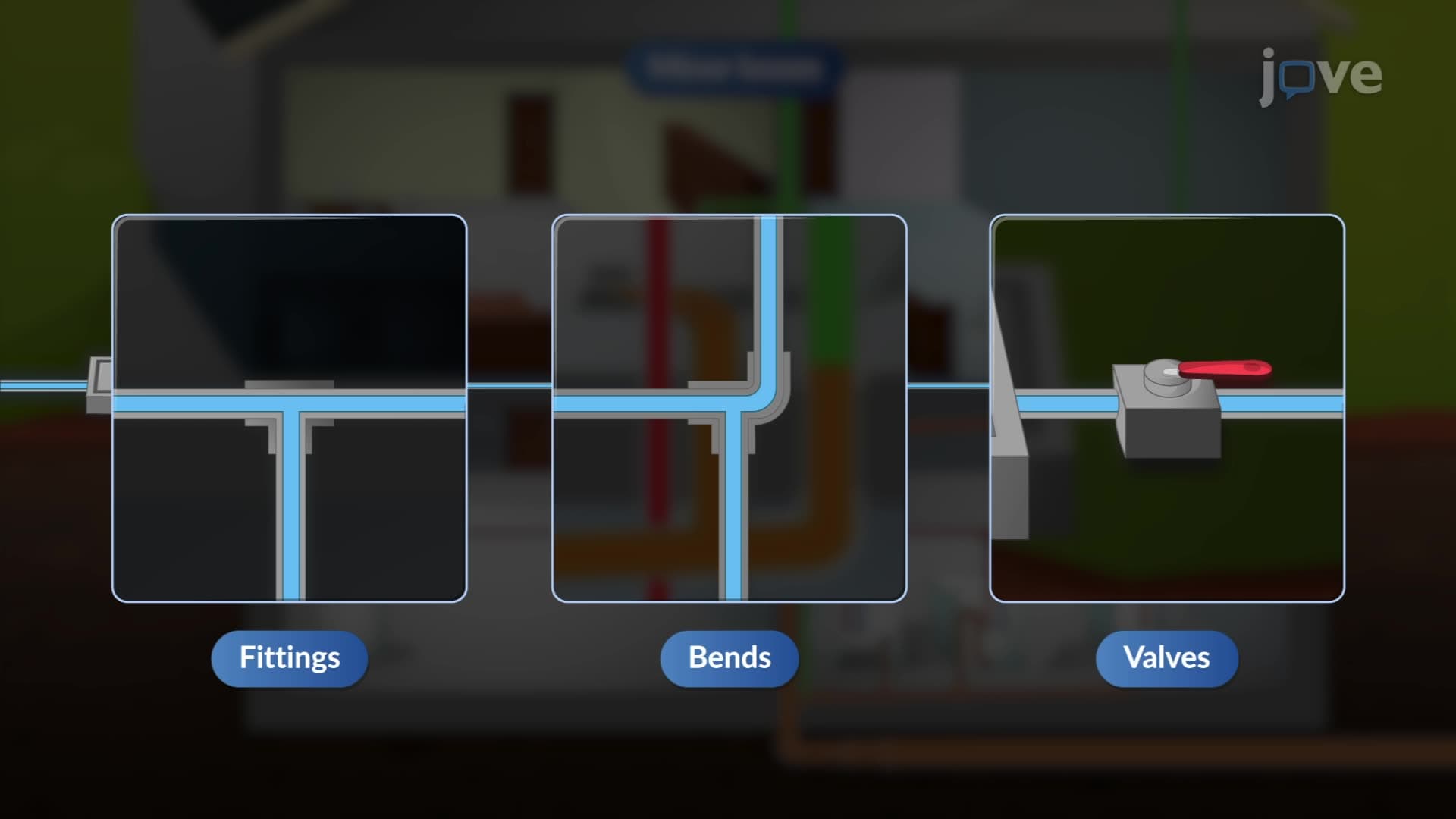
The pressure-driven nature of pipe flow enables engineers to move fluids uphill, around obstacles, and through complex three-dimensional pathways. Municipal water systems exemplify this principle-pumping stations create sufficient pressure to deliver water from treatment plants to high-rise buildings throughout cities like Chicago and Atlanta. Cylindrical pipes excel in these applications because their geometry distributes internal pressure uniformly, preventing deformation under high-pressure conditions. Rectangular ducts, commonly found in HVAC systems, handle lower pressures but offer advantages in space-constrained installations.
Reynolds Number and Flow Regime Classification
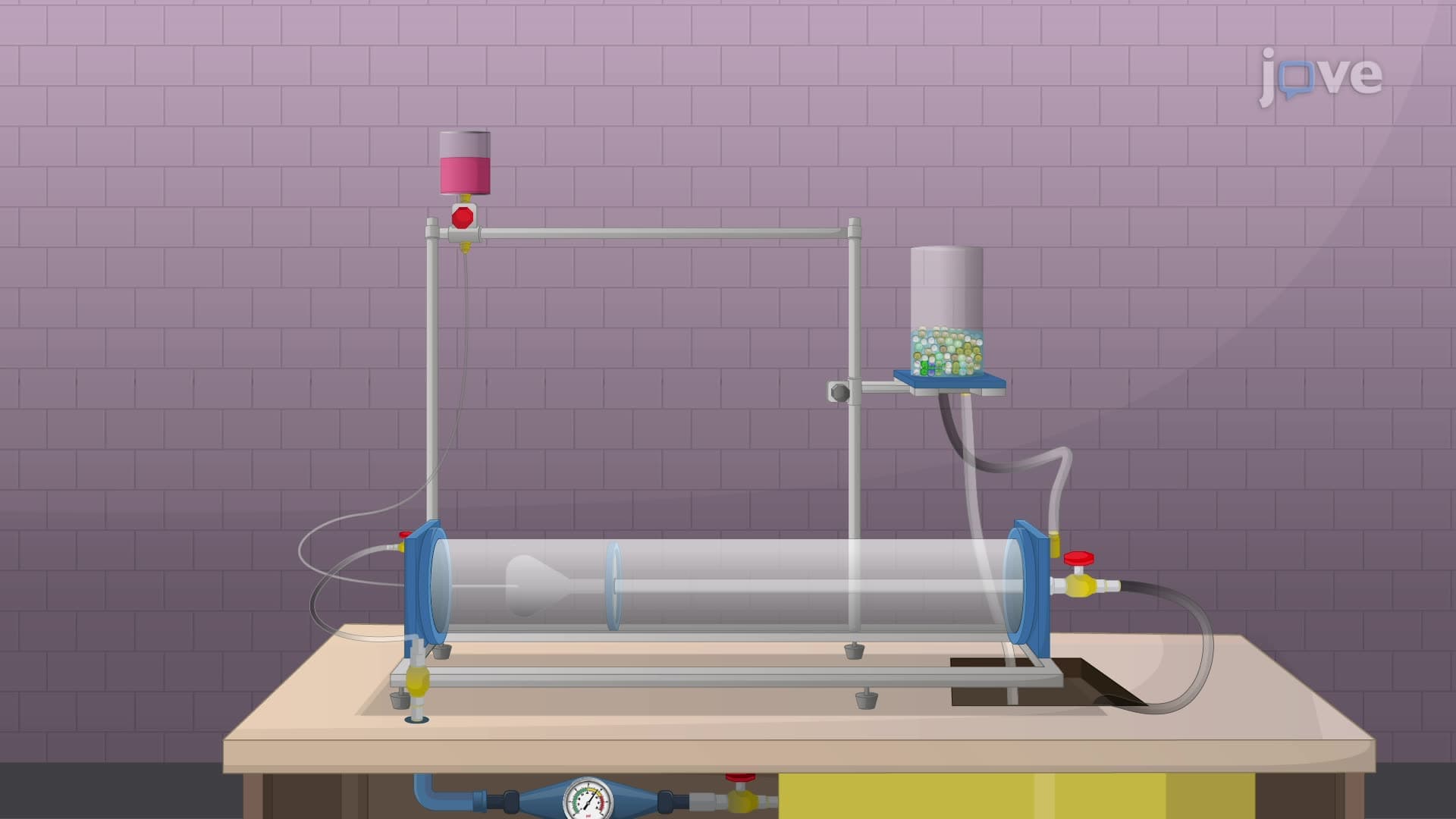
Osborne Reynolds' groundbreaking dye injection experiments established the scientific foundation for understanding flow behavior patterns. His work revealed three distinct regimes that remain central to modern fluid mechanics education and appear frequently on AP Physics exams and college engineering assessments. The Reynolds number (Re = ρVD/μ) serves as the primary dimensionless parameter for predicting flow characteristics, where fluid density (ρ), velocity (V), pipe diameter (D), and dynamic viscosity (μ) determine the outcome.
Practical Applications in Engineering Design
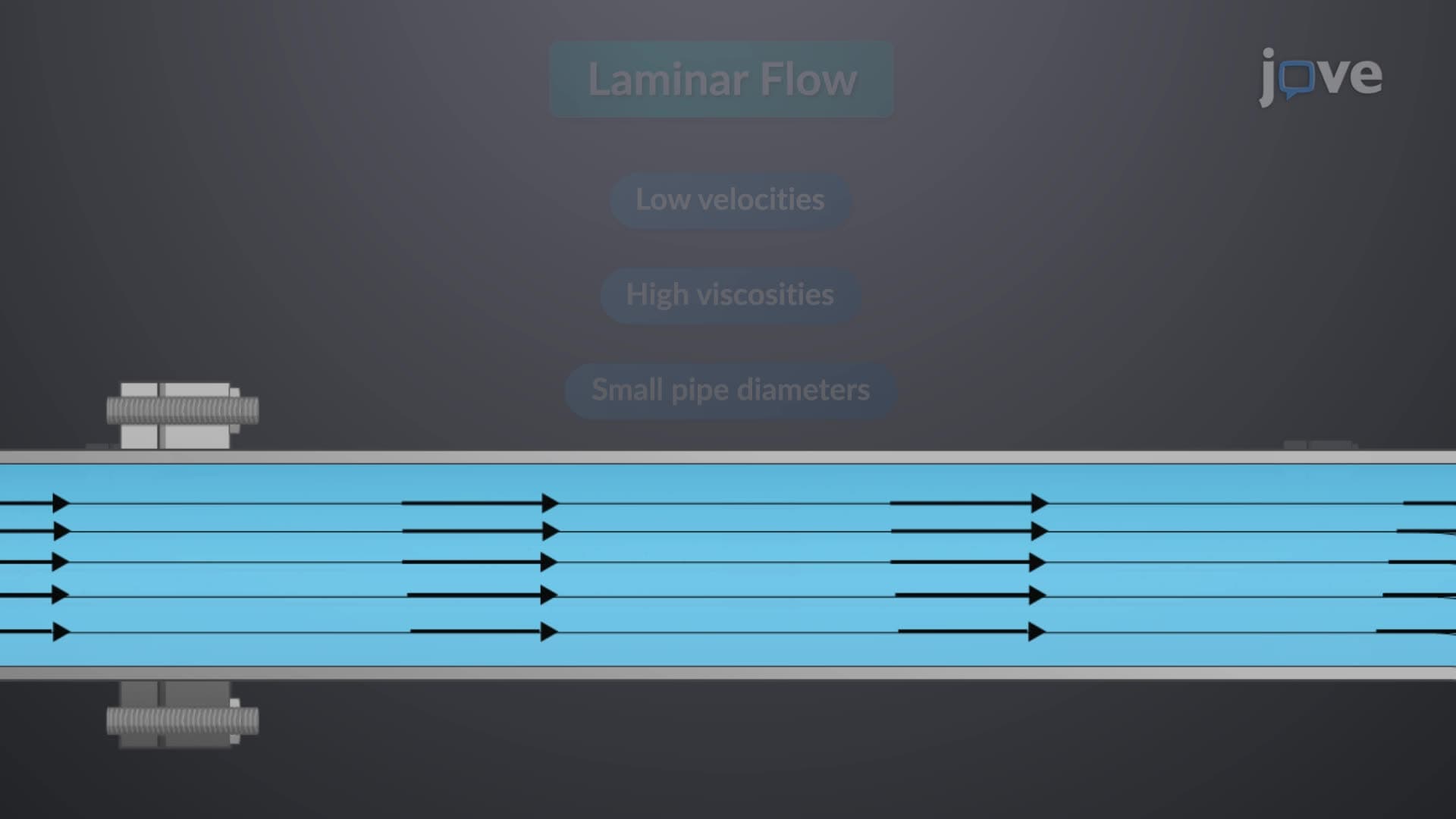
Understanding flow regimes proves essential for optimizing system performance and energy efficiency. Laminar flow (Re < 2100) occurs in applications like precision manufacturing cooling systems, where smooth, predictable flow patterns prevent contamination. Turbulent flow (Re > 4000) characterizes most municipal water distribution systems, where enhanced mixing and heat transfer justify higher pumping costs. The transitional regime (2100 < Re < 4000) requires careful consideration in pharmaceutical manufacturing and laboratory equipment design, where flow stability directly impacts product quality and experimental reproducibility.
Frequently Asked Questions
Pipe flow occurs in completely enclosed conduits where fluid movement is driven by pressure differentials rather than gravity. Key characteristics include full pipe filling, pressure-driven motion, and the ability to transport fluids in any direction regardless of gravitational orientation. This enables complex routing through buildings, industrial facilities, and underground distribution networks.
Exam questions typically focus on Reynolds number calculations, flow regime identification, and pressure drop analysis. Students encounter problems involving municipal water systems, industrial piping networks, and HVAC applications. Mastering dimensional analysis and understanding the physical significance of laminar versus turbulent flow proves essential for scoring well.
The MCAT includes fluid mechanics in its physics section, while engineering students encounter these concepts on the Fundamentals of Engineering (FE) exam. Many college physics and engineering courses test pipe flow principles through midterm and final examinations, particularly in mechanical and civil engineering programs.
Civil engineers design municipal water distribution systems for cities like Seattle and Phoenix, while mechanical engineers optimize HVAC systems in commercial buildings. Petroleum engineers apply these principles to oil pipeline design across states like North Dakota and Louisiana, ensuring efficient transport from refineries to distribution centers.
Students need solid algebra skills and basic calculus understanding, particularly for derivative concepts in velocity gradients. Physics prerequisites include fluid statics, pressure concepts, and dimensional analysis. Most high school students with AP Physics or college-level physics background can successfully master these concepts.
Focus on memorizing the Reynolds number formula and critical values (2100 for laminar-transitional, 4000 for transitional-turbulent boundaries). Practice dimensional analysis problems extensively, and work through real-world examples involving municipal water systems and industrial applications to build intuitive understanding.
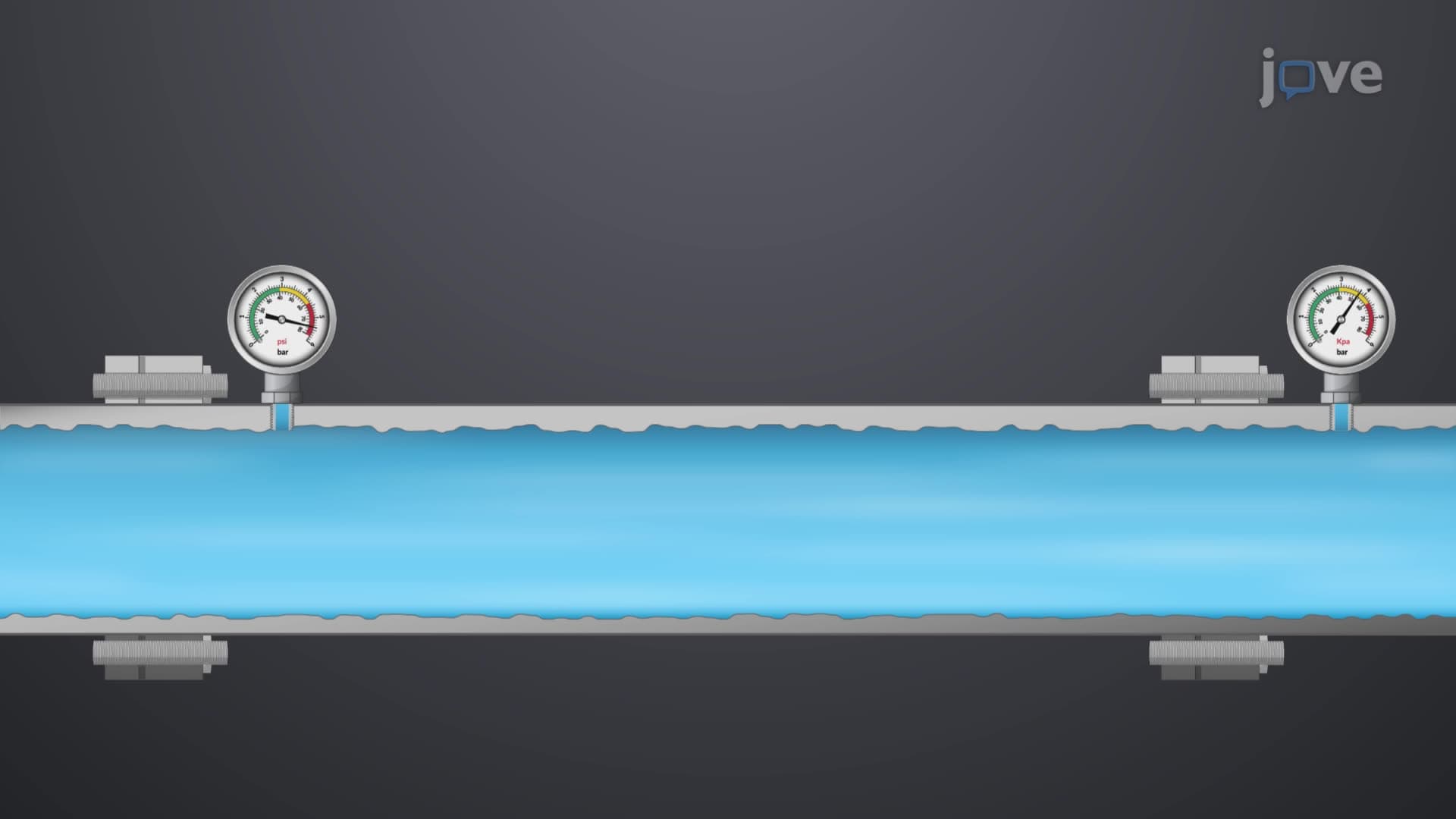
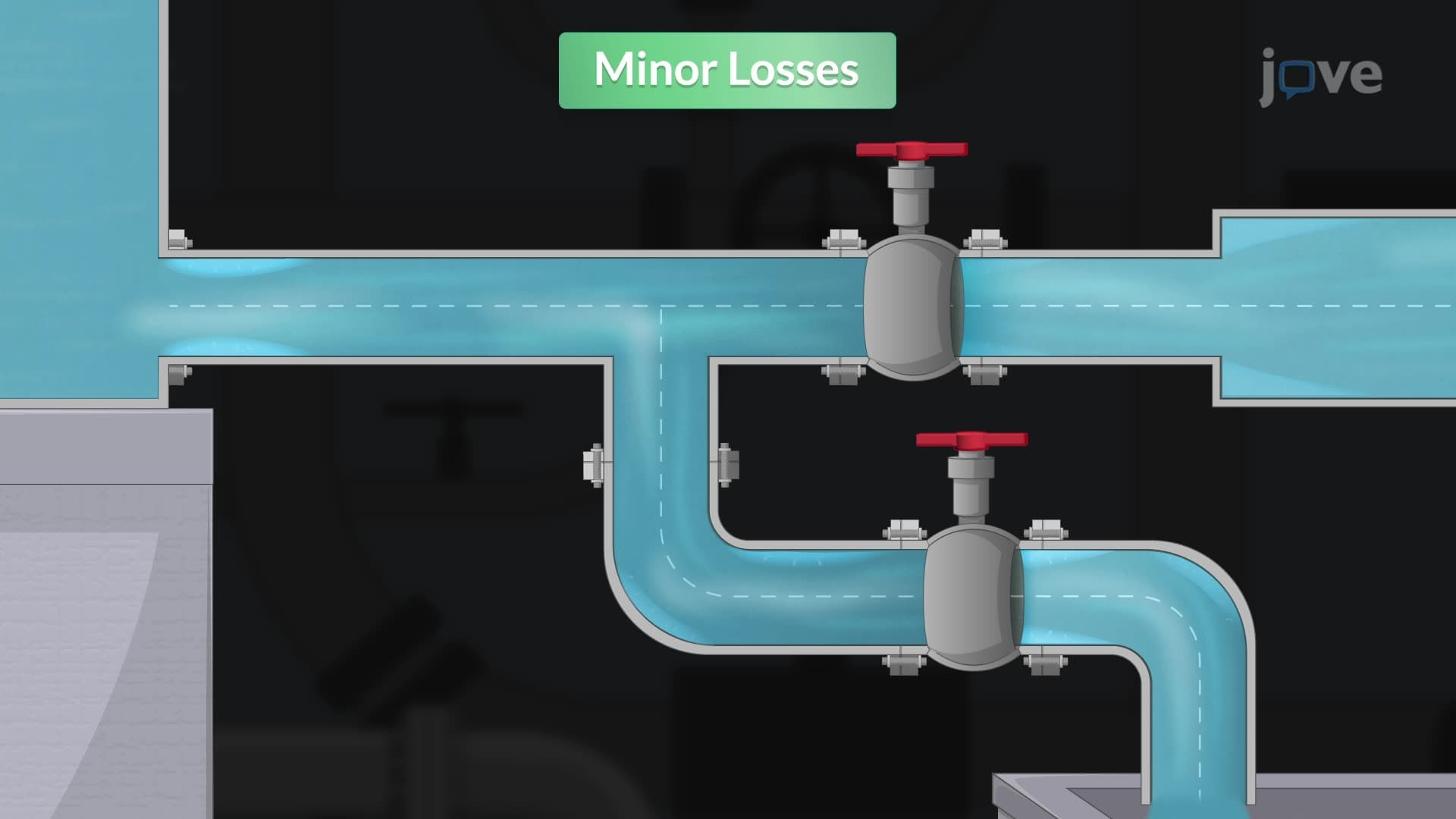
Students should progress to pipe friction analysis, including the Darcy-Weisbach equation and Moody diagrams for calculating pressure losses. Advanced topics include pump selection, pipe network analysis, and computational fluid dynamics applications in modern engineering design software.
This concept serves as an excellent introduction to fluid mechanics because it builds on familiar experiences like home plumbing and water pressure. The mathematical complexity remains manageable for most students, making it more accessible than advanced topics like boundary layer theory or compressible flow analysis.
Related Micro-courses