- Civil Engineering
- Leveling
Micro-courses:30

Leveling

1. Introduction and Methods of Leveling
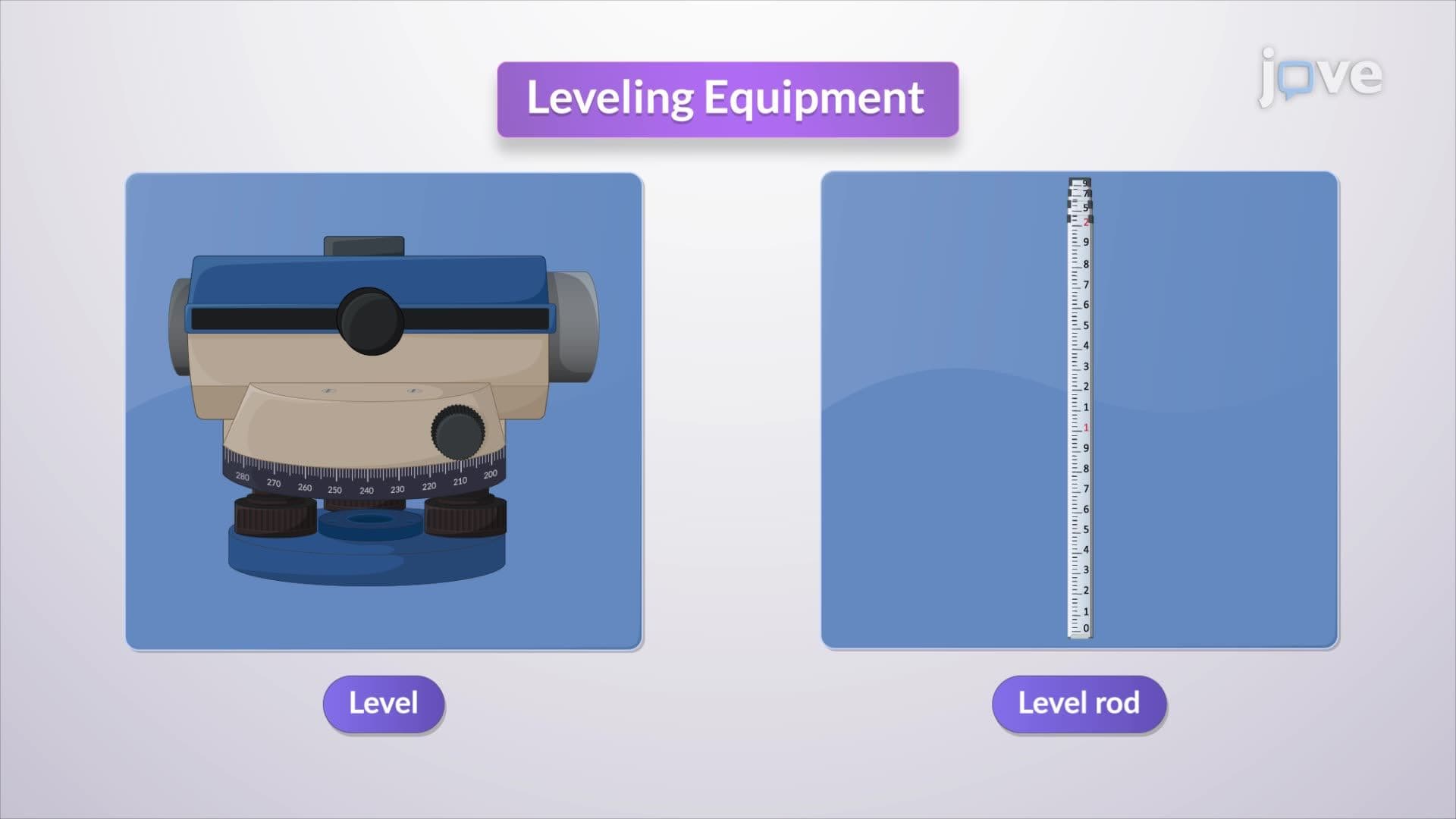
2. Leveling Equipment

3. Differential Leveling
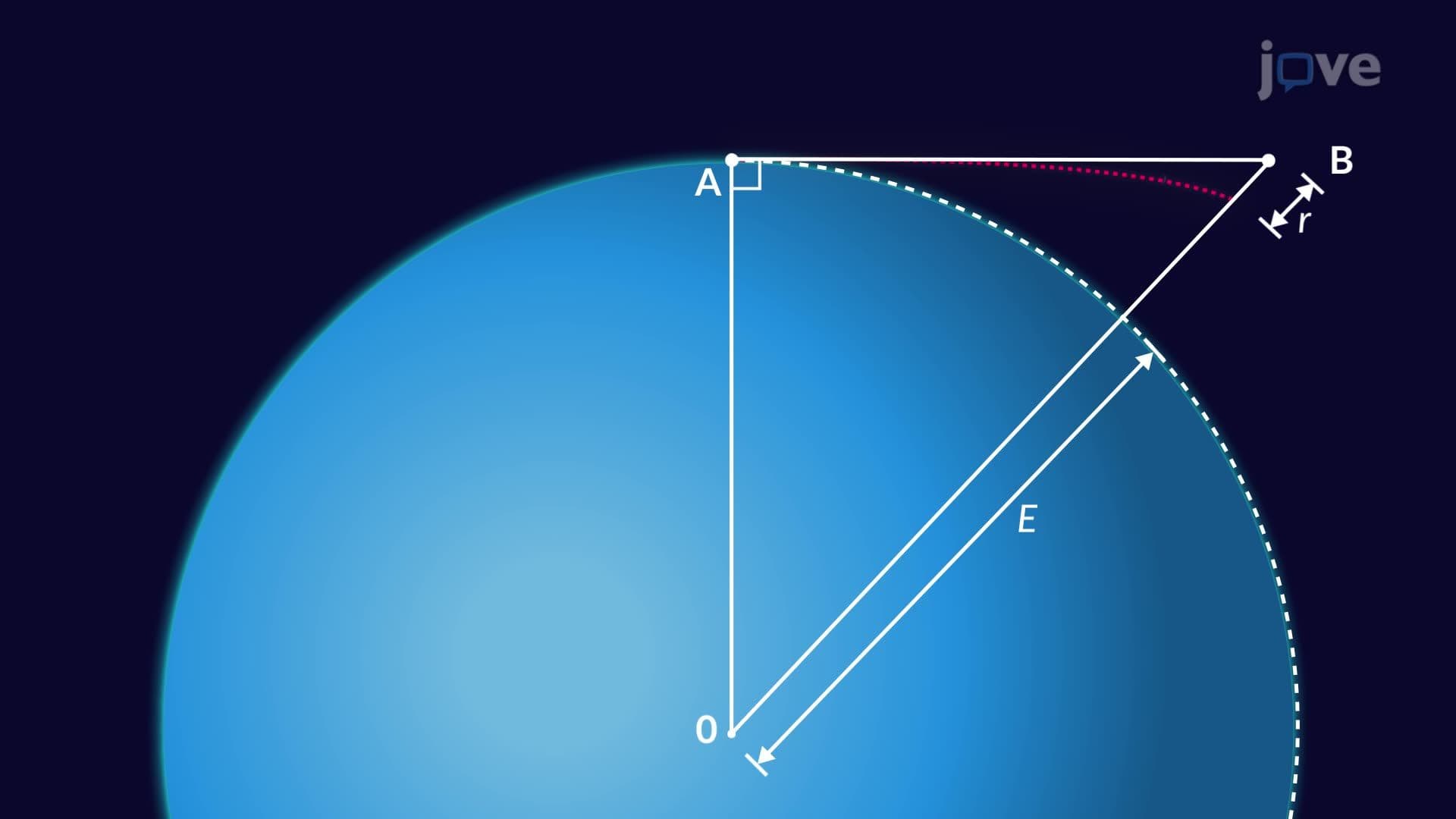
4. Influence of Earth's Curvature and Atmospheric Refraction on Leveling
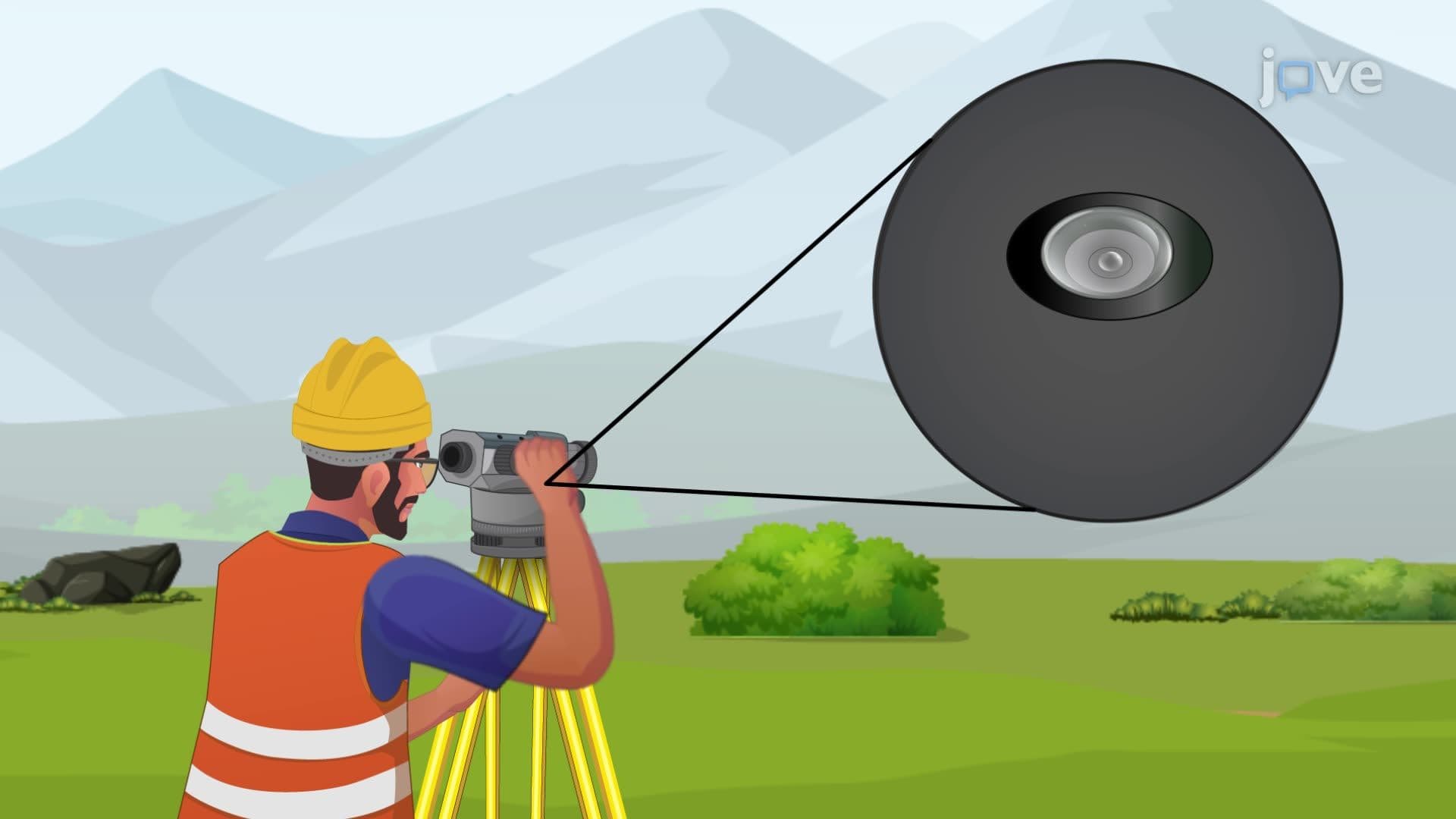
5. Common Leveling Mistakes and Errors
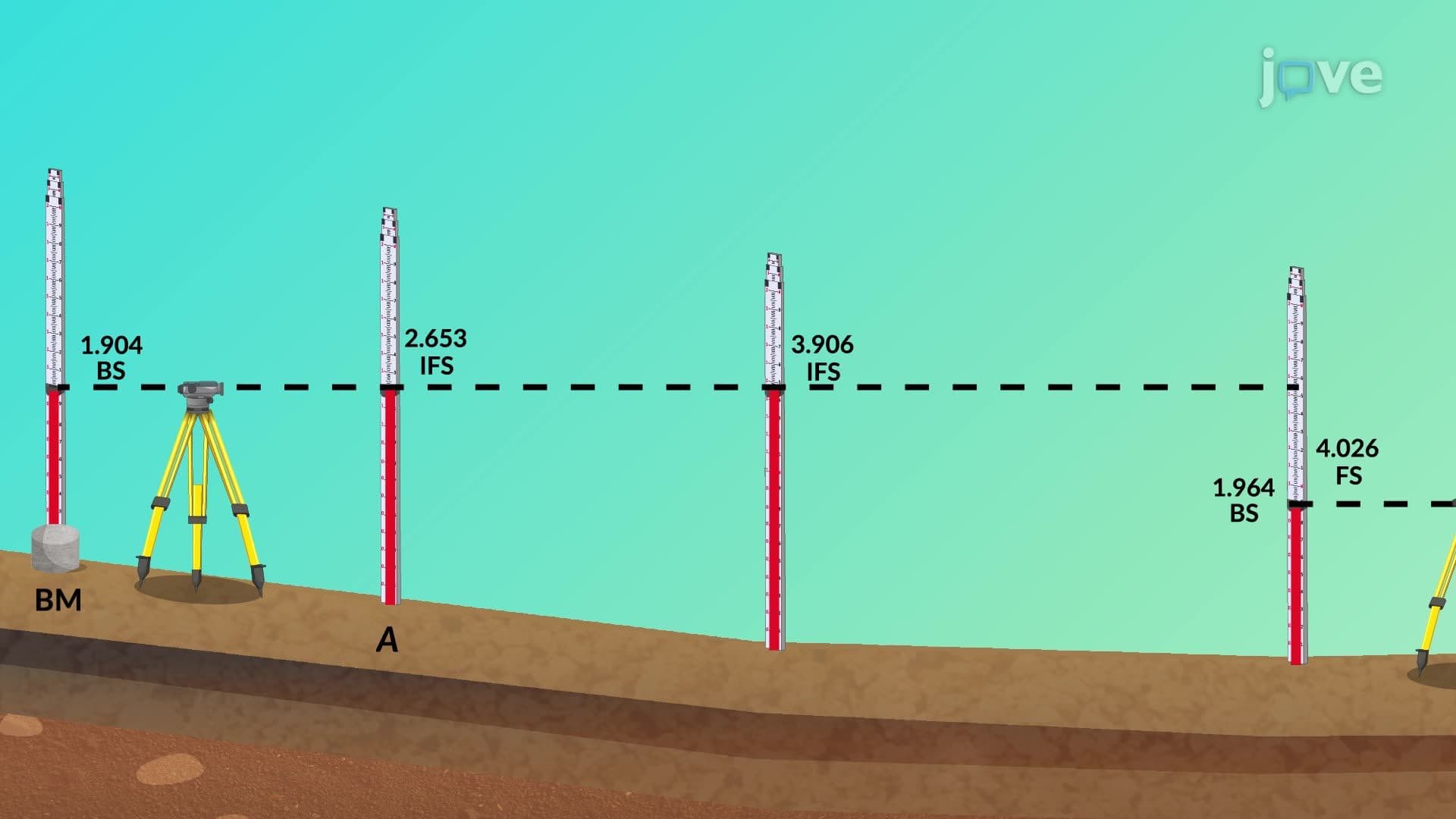
6. Profile Leveling and Cross Sections
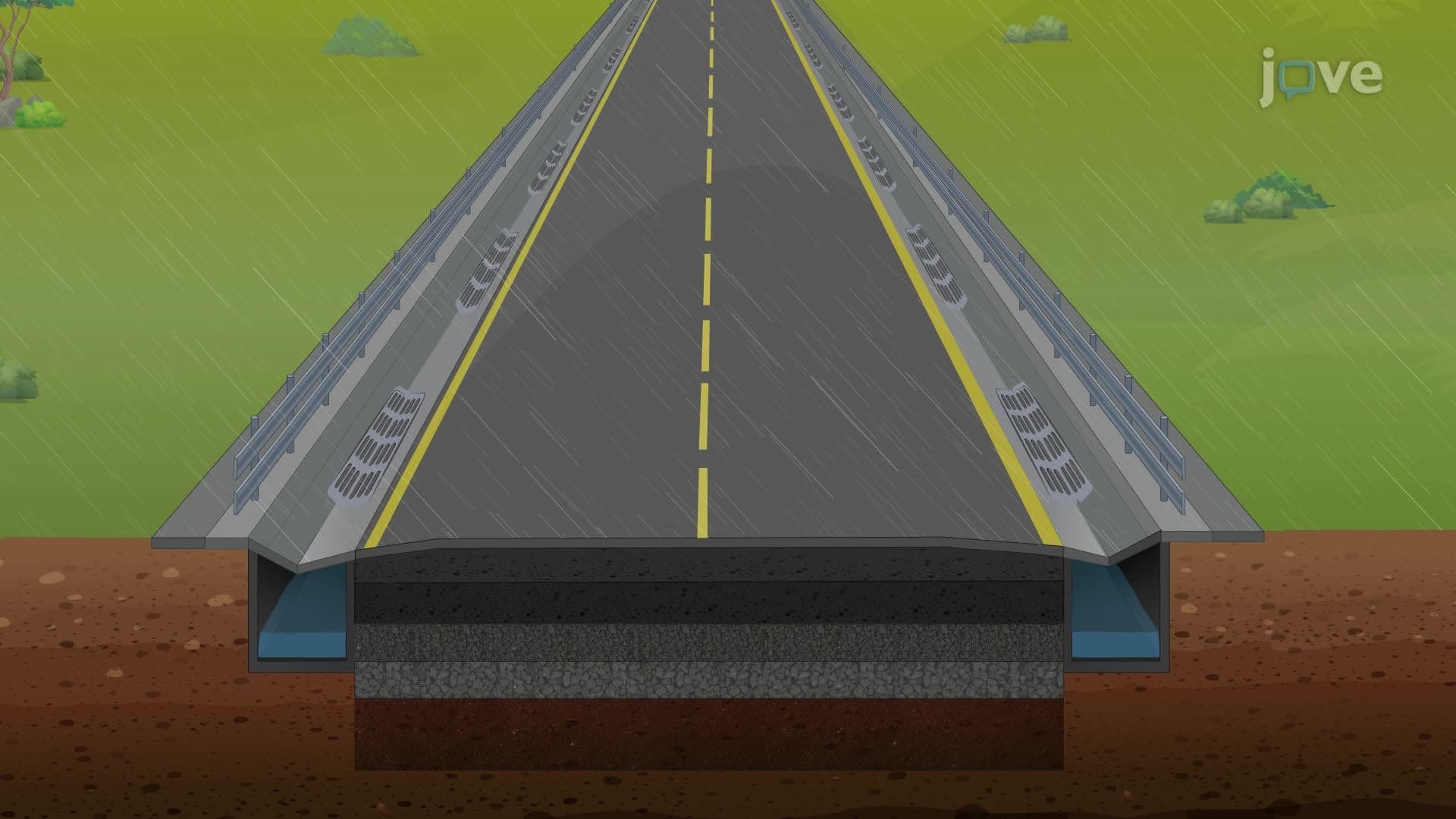
7. Design Example: Maintaining Level of an Embankment
Leveling is a fundamental surveying technique used to determine elevation differences between points on Earth's surface relative to mean sea level. This comprehensive course covers differential leveling elevation measurements, benchmark establishment, and the principles and methods of surveying leveling. Students will master spirit level operations, profile leveling, and real-world applications essential for civil engineering projects across the United States, with JoVE Coach providing expert guidance throughout.
- Understand the three primary leveling methods: trigonometric, barometric, and spirit leveling
- Learn to operate automatic levels, electronic digital levels, and graduated level rods
- Identify proper differential leveling procedures using benchmark elevation references
- Explore the effects of Earth's curvature and atmospheric refraction on leveling accuracy
- Analyze common leveling mistakes and implement error prevention strategies
- Apply profile leveling and cross-sectioning techniques for terrain mapping
- Understand survey datum establishment and maintenance in construction projects
- Master embankment design calculations using leveling principles
1. Fundamental Leveling Methods and Applications Leveling determines elevation differences using three primary approaches. Trigonometric leveling calculates elevations using horizontal distances and vertical angles, commonly applied in mountainous terrain across states like Colorado and Montana. Barometric leveling utilizes air pressure differences measured by multiple altimeters, useful for preliminary surveys in remote areas. Spirit leveling, the most precise method, uses horizontal sight lines and vertical measurements. These techniques are essential for infrastructure projects including the Interstate Highway System, where precise elevation control ensures proper drainage and structural integrity across diverse American landscapes.
2. Professional Leveling Equipment and Technology Modern leveling relies on sophisticated instruments including automatic levels and electronic digital levels. Automatic levels use suspended compensators for precise horizontal positioning, eliminating manual adjustment errors common in traditional spirit levels. Electronic digital levels read bar-coded level rods automatically, reducing human error and increasing efficiency. Level rods, constructed from fiberglass or aluminum, feature graduated markings in feet and decimal subdivisions standard in U.S. surveying practice. These tools are crucial for projects like the California High-Speed Rail, where millimeter-level accuracy ensures safe operation at high speeds.
3. Differential Leveling Procedures and Benchmark Systems Differential leveling establishes elevation differences through systematic backsight and foresight measurements. Surveyors begin at established benchmarks—permanent reference points with known elevations maintained by the National Geodetic Survey. The process involves calculating instrument height from backsight readings, then determining point elevations through foresight measurements. This method creates elevation networks supporting major construction projects like the New York City subway system, where precise vertical control ensures proper tunnel gradients and station accessibility compliance with Americans with Disabilities Act requirements.
4. Earth Curvature and Atmospheric Effects Earth's spherical shape introduces systematic errors in leveling measurements, with curvature causing 0.0785-meter deviation per kilometer of sight distance. Atmospheric refraction compounds this effect by bending sight lines downward approximately 0.011 meters per kilometer. Combined effects total roughly 0.0675 meters per kilometer, varying with distance squared. These corrections are critical for long-distance surveys like those supporting the Trans-Alaska Pipeline, where elevation accuracy affects flow rates and pump station placement across 800 miles of challenging terrain.
5. Error Prevention and Quality Control Leveling accuracy depends on proper instrument setup, rod handling, and measurement procedures. Common mistakes include obstructed sight lines, incorrect turning point identification, and rod reading errors. Prevention strategies include equal backsight and foresight distances, vertical rod positioning using circular bubble levels, and systematic field note verification. Quality control measures ensure projects like the Hoover Dam construction maintain structural integrity through precise elevation control. Modern GPS integration provides additional checks, though traditional leveling remains the standard for high-precision vertical measurements in American construction practice.
6. Profile Leveling and Cross-Section Analysis Profile leveling maps elevation changes along predetermined routes, essential for highway and railroad design meeting Federal Highway Administration standards. Surveyors establish continuous elevation profiles by taking intermediate foresights at regular stations, capturing critical terrain features like drainage patterns and slope changes. Cross-sectioning perpendicular to centerlines reveals ground conditions affecting earthwork quantities and construction costs. These techniques guided the Interstate Highway System development, ensuring optimal grades for vehicle safety while minimizing environmental impact across varied American topography from Florida swamplands to Rocky Mountain passes.
Frequently Asked Questions
Spirit leveling uses horizontal sight lines through telescope levels to measure vertical differences directly, providing the highest accuracy for short to medium distances. Trigonometric leveling calculates elevations using measured horizontal distances and vertical angles, making it suitable for mountainous terrain or when direct measurements aren't feasible. Spirit leveling is preferred for construction projects requiring millimeter precision, while trigonometric methods work well for preliminary surveys across challenging terrain.
U.S. benchmarks reference the North American Vertical Datum of 1988 (NAVD 88), which approximates mean sea level based on tide gauge measurements from 1960-1978. The National Geodetic Survey maintains thousands of benchmarks with precisely known elevations tied to this datum. These permanent markers provide reference points for all surveying projects, ensuring consistent elevation measurements across different projects and geographic regions throughout the country.
Yes, leveling principles frequently appear in AP Physics mechanics problems involving projectile motion, trigonometry applications, and measurement precision. Engineering entrance exams often include surveying problems testing trigonometric calculations, error analysis, and practical measurement scenarios. The mathematical concepts underlying leveling—including trigonometric functions, error propagation, and geometric relationships—align closely with standardized test requirements for STEM-focused students.
Atmospheric refraction varies with temperature gradients, humidity, and air pressure, causing sight lines to bend differently across climate zones. Desert regions experience greater refraction effects during hot days, while humid coastal areas show more consistent patterns. Professional surveyors account for these variations using correction tables and limiting sight distances during extreme conditions. Understanding these effects is crucial for major infrastructure projects spanning multiple climate zones.
Equal distances minimize systematic errors from Earth's curvature and atmospheric refraction, which affect both readings equally and cancel out in elevation calculations. This technique, called "balanced sights," maintains accuracy without complex corrections for distances up to several hundred feet. The method is standard practice in American surveying and ensures reliable results for construction projects requiring precise vertical control.
Leveling concepts are generally more accessible than complex surveying methods like traverse calculations or coordinate geometry. The mathematical requirements involve basic arithmetic and simple trigonometry, making it suitable for high school students with algebra backgrounds. Hands-on practice with instruments helps reinforce theoretical concepts, and the immediate visual results make learning engaging and practical.
Focus on systematic problem-solving approaches: identify known values, set up height of instrument calculations, and work through backsight/foresight sequences step-by-step. Practice with real survey note formats used in American surveying to become familiar with standard conventions. Understanding error sources and correction methods demonstrates deeper comprehension that exam creators value. Regular practice with calculator techniques for trigonometric functions builds computational confidence.
Leveling expertise opens doors to civil engineering, land surveying, construction management, and infrastructure development careers. Transportation departments, utility companies, and consulting firms regularly employ professionals with surveying skills. The construction boom in renewable energy projects, smart city development, and infrastructure modernization creates growing demand for workers understanding precise measurement techniques essential to American development projects.
This microcourse includes 7 concept videos that walk you through the building blocks of Civil Engineering. Each video is short, about 1 minute, so you can cover a full topic during a coffee break or between classes. The full sequence starts with Introduction and Methods of Leveling and ends with Design Example: Maintaining Level of an Embankment.
The playlist moves from big-picture ideas to the precise vocabulary used in Civil Engineering. Early videos introduce Introduction and Methods of Leveling, Leveling Equipment, and Differential Leveling. The middle of the series focuses on Common Leveling Mistakes and Errors, Profile Leveling and Cross Sections, and Design Example: Maintaining Level of an Embankment. The final stretch covers Design Example: Maintaining Level of an Embankment.
The natural next step is Angles and Directions. From there, you can move to Traverse and Topographic Surveying, Horizontal and Vertical Curves, and Global Positioning System (GPS). Once you finish those, the full Civil Engineering curriculum of 30 microcourses on JoVE Coach opens up, taking you from foundational concepts to advanced systems.
Related Subjects
 Electrical Engineering 33 micro-courses›Mechanical Engineering 28 micro-courses›