- Civil Engineering
- Admixtures
Micro-courses:30

Admixtures
1. Accelerators
2. Retarders
3. Plasticizers
4. Superplasticizers
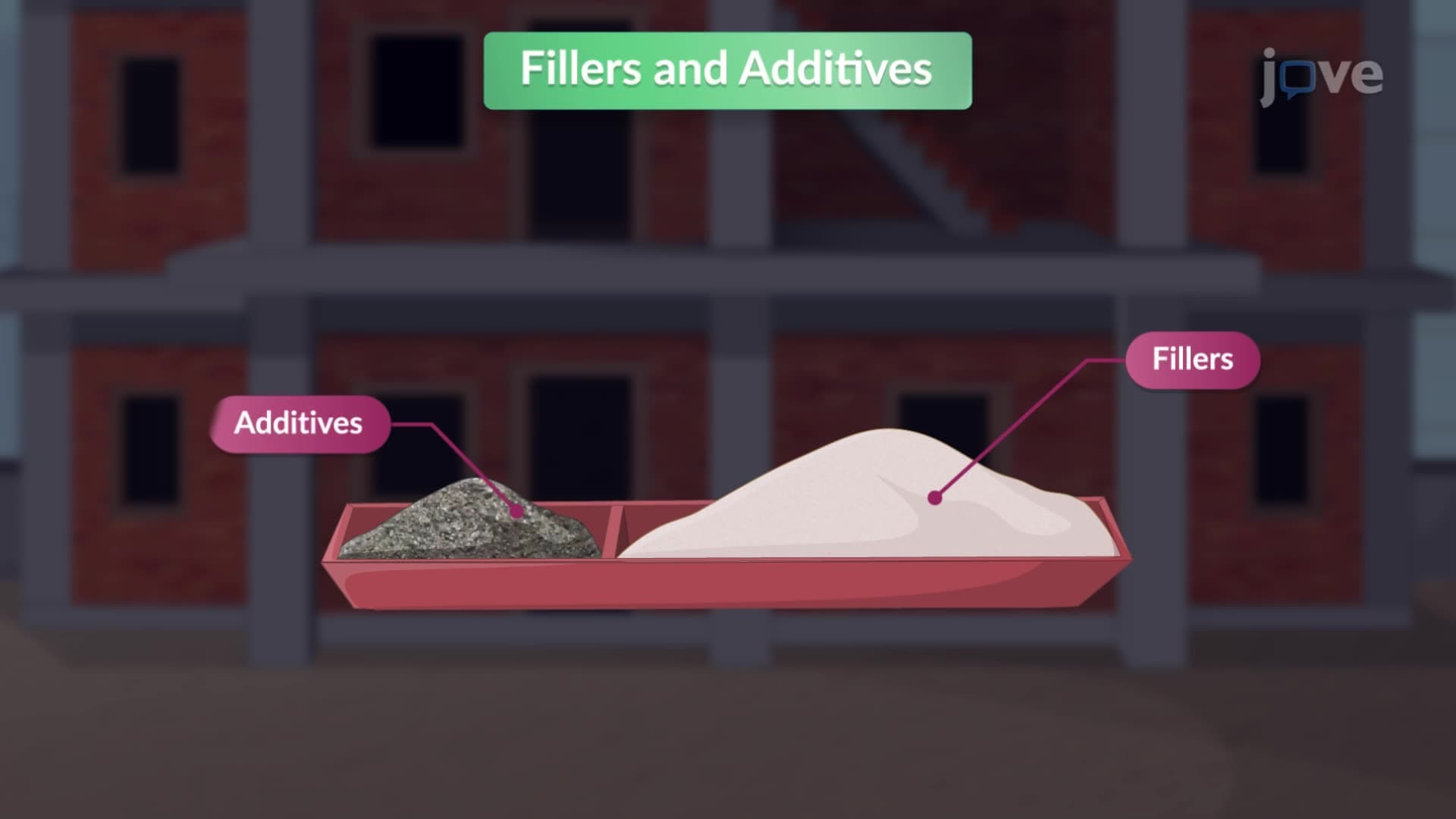
5. Additives and Fillers in Concrete
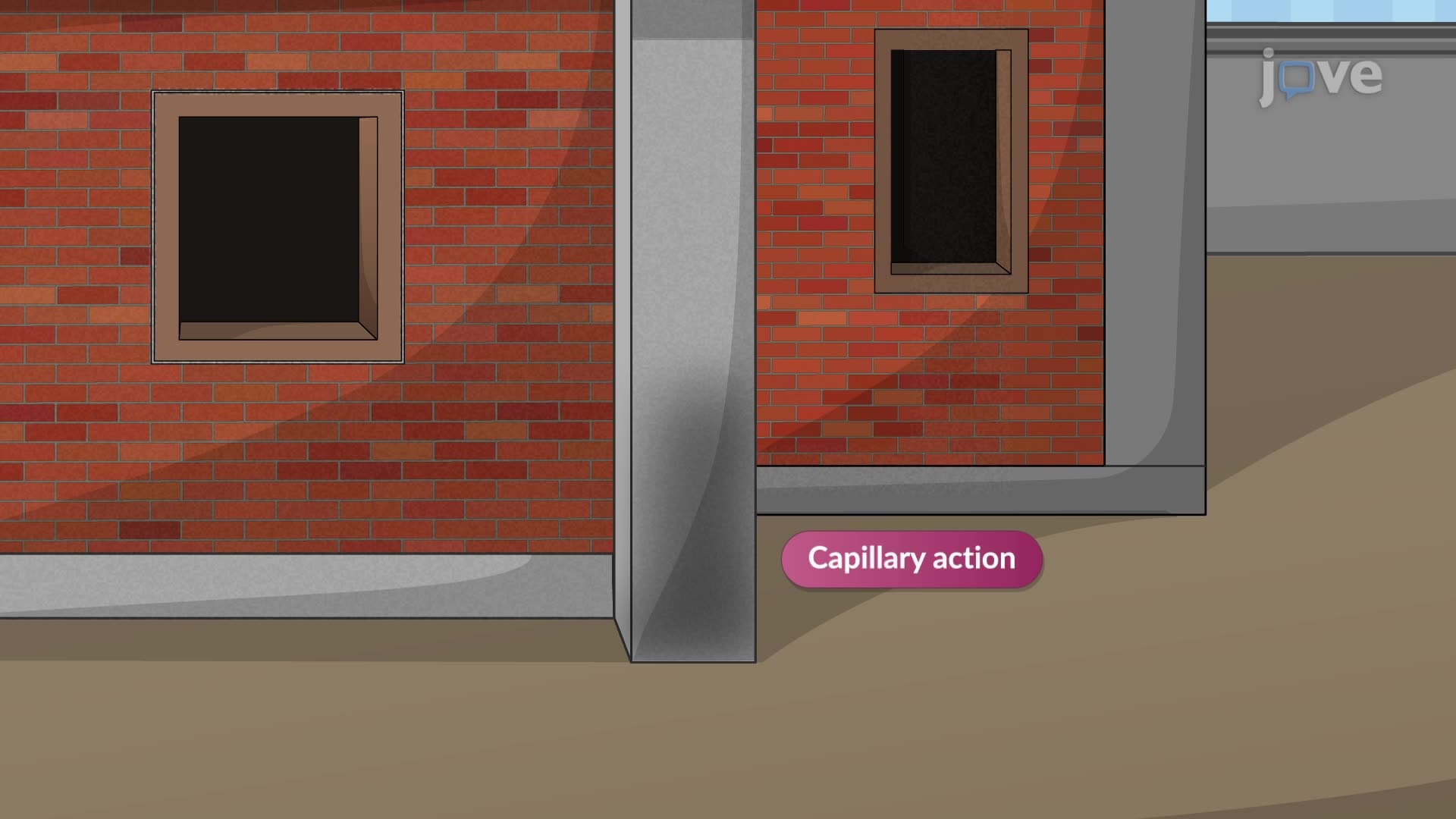
6. Waterproofing and Anti-Bacterial Admixtures in Concrete
Admixtures are specialized substances added to concrete during mixing to enhance specific properties and performance characteristics. These chemical and mineral admixtures play crucial roles in modern construction projects across the United States, from accelerating curing in cold weather applications to improving workability in high-rise buildings. Understanding concrete admixture types and their functions is essential for civil engineering students and construction professionals working on diverse infrastructure projects nationwide. JoVE Coach provides comprehensive coverage of these vital concrete additives.
- Understand the fundamental principles of admixtures and their role in concrete modification
- Identify accelerator and retarder admixtures and their applications in varying weather conditions
- Learn how plasticizers and superplasticizers enhance concrete workability and strength
- Explore the mechanisms behind chemical and mineral admixtures in cement hydration
- Analyze the effects of air entraining and waterproofing admixtures on concrete durability
- Apply knowledge of proper dosing and mixing techniques for different concrete additive types
- Understand specialized admixtures including antibacterial agents and gas-forming additives
- Evaluate the advantages and limitations of various admixture combinations in construction projects
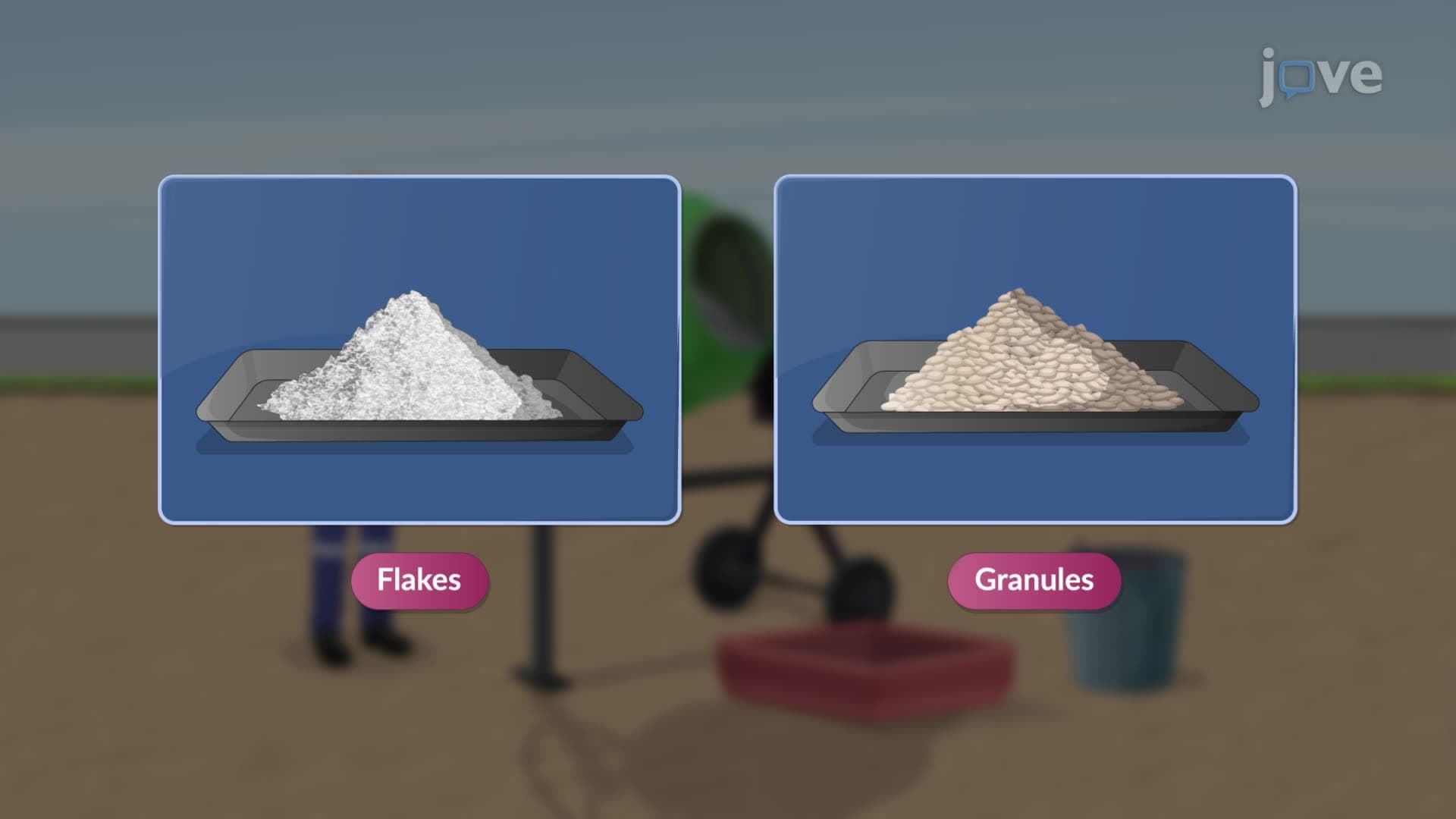
1. Accelerators and Cold Weather Concreting: Accelerator admixtures speed up concrete hardening without necessarily affecting setting time. Calcium chloride, the most common accelerator, enhances dissolution of slow-reacting cement components like silicates during early hydration. Adding 1% calcium chloride by cement weight provides the same acceleration as an 11°F temperature increase, making it invaluable for winter construction projects in northern US states. These admixtures are essential for rapid repair work and achieving high early strength, though they may reduce sulfate resistance and increase shrinkage risks in certain applications.
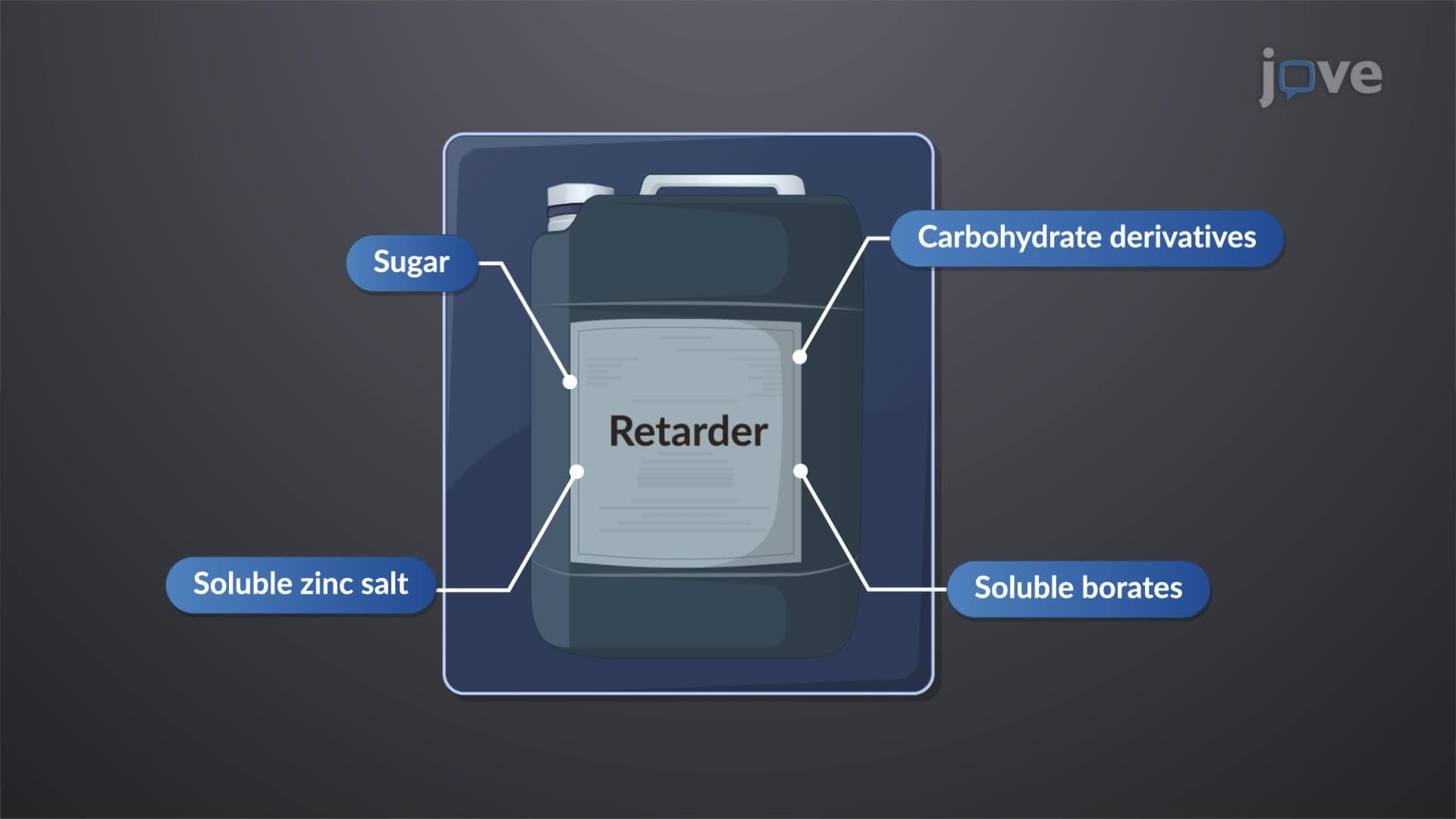
2. Retarders for Hot Weather Applications: Retarding admixtures extend concrete setting time, preventing cold joint formation between successive pours in hot climates common across southern US states. Sugar, carbohydrate derivatives, and soluble zinc salts effectively delay hydration by altering crystal growth patterns in concrete. Adding 0.05% sugar by cement weight extends setting time approximately four hours, allowing better cohesion between concrete layers. This property proves particularly valuable for achieving exposed aggregate architectural finishes and maintaining workability during extended placement periods in large construction projects.
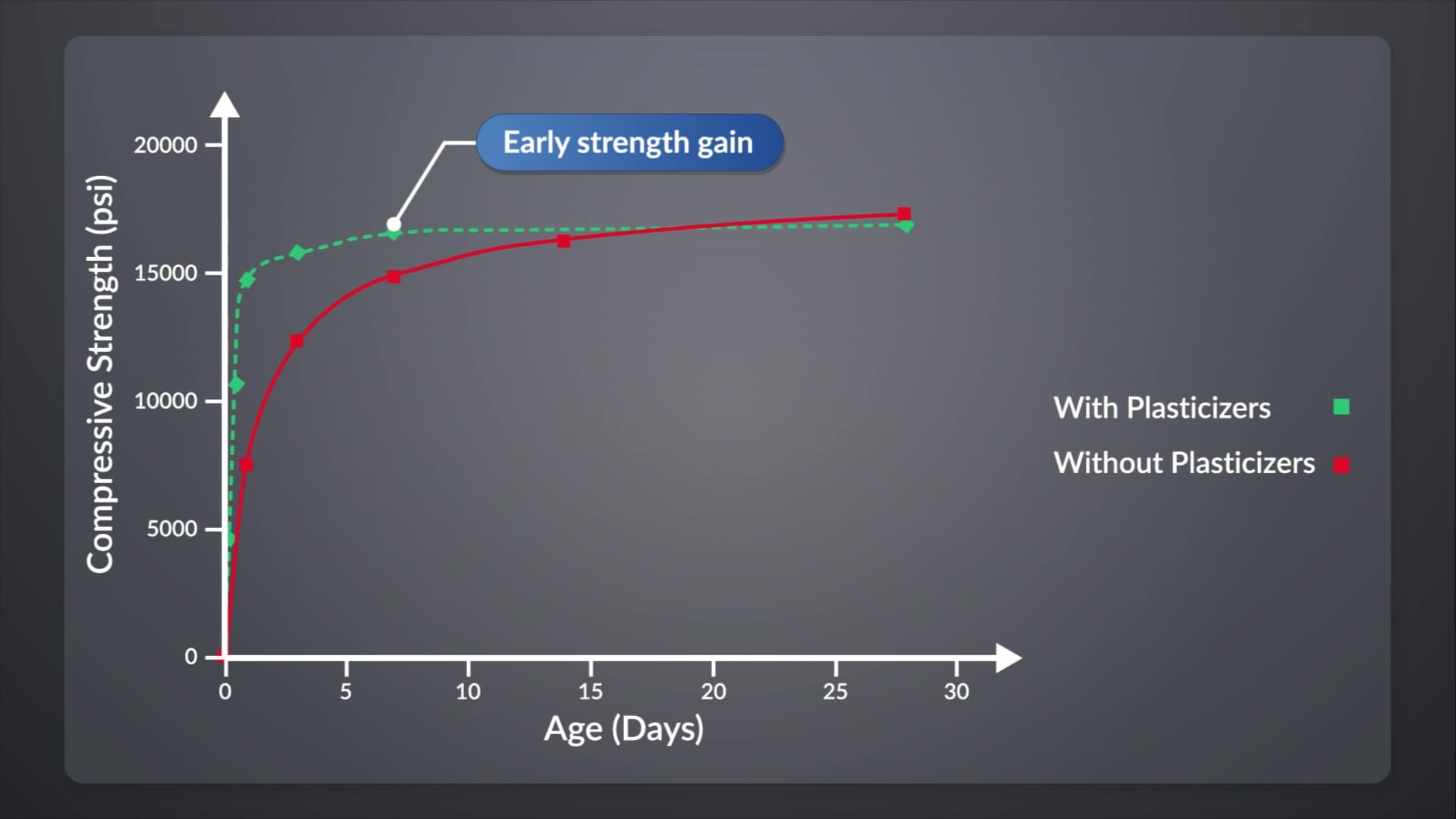
3. Plasticizers and Water Reduction: Plasticizers function as water-reducing admixtures, decreasing water content by 5-15% while maintaining workability. Lignosulfonic acids and hydroxylated carboxylic acids serve as surface-active agents that impart negative charges to cement particles, creating repulsion and improved dispersion. This enhanced particle separation liberates trapped water, making it available for improved workability while increasing the surface area available for hydration. The result is improved early-age strength development, particularly effective with low tricalcium aluminate or low alkali cements commonly used in US construction.
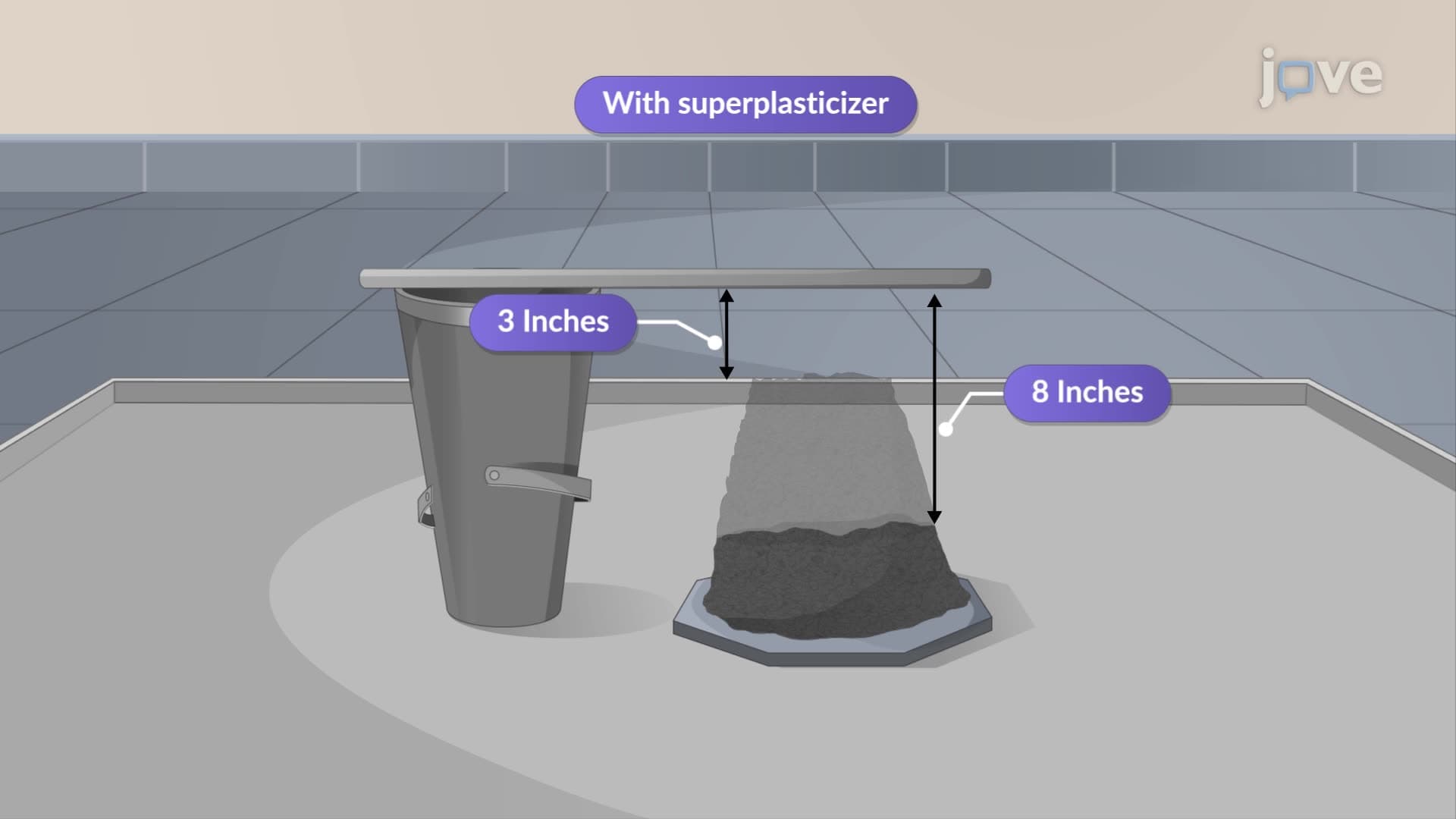
4. Superplasticizers for High-Performance Concrete: Superplasticizer admixtures enable production of flowing concrete with exceptional workability, essential for dense reinforcement configurations in modern high-rise construction. Sulfonated melamine formaldehyde and naphthalene formaldehyde condensates, dosed at 0.2-0.6 gallons per cubic yard, can increase slump from 3 to 8 inches while reducing water content by 25-35%. This dramatic water reduction enables concrete strengths exceeding 15,000 psi in 28 days, critical for advanced structural applications in seismic zones and high-load bearing elements throughout US infrastructure projects.
5. Mineral Admixtures and Fillers: Pozzolans and blast-furnace slag serve as cementitious additives that improve concrete density while reducing bleeding and thermal cracking. These materials provide nucleation sites for calcium carbonate formation, particularly evident with fly ash and titanium dioxide particles. The resulting calcium carbonate integrates with calcium silicate hydrate phases, enhancing the microstructure of hardened cement paste. Additionally, gas-forming admixtures like powdered zinc or aluminum react with calcium hydroxide to produce hydrogen gas, creating lightweight aerated concrete suitable for specialized construction applications requiring reduced structural weight.
6. Waterproofing and Protective Admixtures: Waterproofing admixtures combat water absorption through capillary action in concrete pores, with effectiveness varying based on water pressure conditions from rainfall to hydrostatic pressure in water-retention structures. Stearic acid and specialized fats integrated during mixing provide different protection levels compared to surface-applied water repellents. Antibacterial admixtures containing polyhalogenated phenols or copper compounds protect against microbial attack that can cause steel corrosion and surface staining. Proper dosing between 0.1-3% by cement weight maintains concrete strength while providing biological protection essential for food processing facilities and healthcare infrastructure.
Frequently Asked Questions
Plasticizers reduce water content by 5-15% and provide moderate workability improvement, suitable for standard construction projects. Superplasticizers achieve 25-35% water reduction with dramatic workability enhancement, enabling high-strength concrete up to 15,000 psi and flowing concrete for complex reinforcement configurations in advanced structural applications.
Accelerators like calcium chloride enhance cement hydration at low temperatures, with 1% addition providing equivalent acceleration to an 11°F temperature increase. This enables construction to continue in temperatures as low as 35-40°F, critical for maintaining construction schedules during winter months in northern states.
Focus on understanding accelerators, retarders, plasticizers, and their chemical mechanisms. Know calcium chloride's role in cold weather concreting, sugar's retarding effects, and how surface-active agents in plasticizers create particle dispersion. These concepts frequently appear in materials science sections of engineering fundamentals exams.
Exceeding 3% antibacterial admixture content significantly reduces concrete strength. Improper calcium chloride distribution causes non-uniform hardening, while excessive superplasticizer dosing can cause segregation and bleeding. Always follow manufacturer specifications and conduct trial batches before full-scale application.
Retarders extend the plastic state of initially poured concrete, allowing sufficient time for the next batch to bond properly. This prevents formation of weak planes between successive pours, which is particularly important in hot climates across southern US states where rapid setting can compromise structural integrity.
Pozzolans like fly ash utilize industrial byproducts, reducing environmental impact while improving concrete properties. They provide nucleation sites for enhanced hydration, reduce bleeding, and decrease thermal cracking. This dual benefit of waste utilization and performance enhancement aligns with sustainable construction goals promoted in modern US building codes.
Create visual diagrams showing how different admixtures affect cement particle behavior - accelerators enhancing dissolution, plasticizers creating particle repulsion, and retarders altering crystal growth. Practice calculating dosing percentages and memorize key temperature relationships like calcium chloride's 11°F equivalent effect for exam success.
Integral waterproofing admixtures like stearic acid provide protection throughout the concrete mass, offering superior performance under varying water pressure conditions from capillary action to hydrostatic pressure. Surface repellents only protect the exterior and may wear away over time, making integral admixtures preferable for water-retention structures and below-grade construction.
This microcourse includes 6 concept videos that walk you through the building blocks of Civil Engineering. Each video is short, about 1 minute, so you can cover a full topic during a coffee break or between classes. The full sequence starts with Accelerators and ends with Waterproofing and Anti-Bacterial Admixtures in Concrete.
The playlist moves from big-picture ideas to the precise vocabulary used in Civil Engineering. Early videos introduce Accelerators, Retarders, and Plasticizers. The middle of the series focuses on Additives and Fillers in Concrete and Waterproofing and Anti-Bacterial Admixtures in Concrete. The final stretch covers Waterproofing and Anti-Bacterial Admixtures in Concrete.
The natural next step is Elasticity, Creep, and Shrinkage in Concrete. From there, you can move to Permeability of Concrete, Freezing and Thawing in Concrete, and Design Examples. Once you finish those, the full Civil Engineering curriculum of 30 microcourses on JoVE Coach opens up, taking you from foundational concepts to advanced systems.
Related Subjects
 Electrical Engineering 33 micro-courses›Mechanical Engineering 28 micro-courses›