Loading subject page…

11,970 views

Video Summary: What Is Major Losses in Pipes
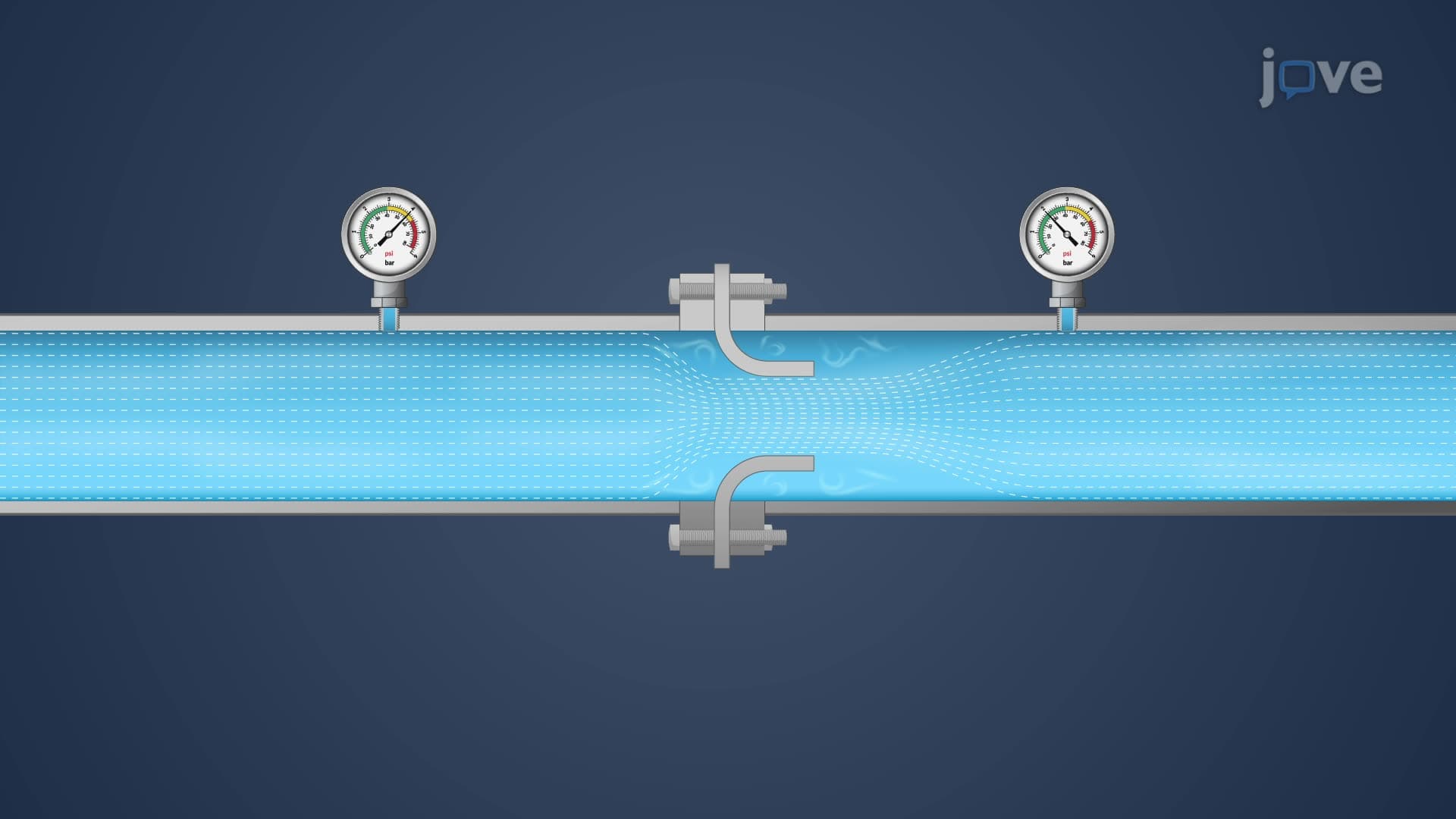
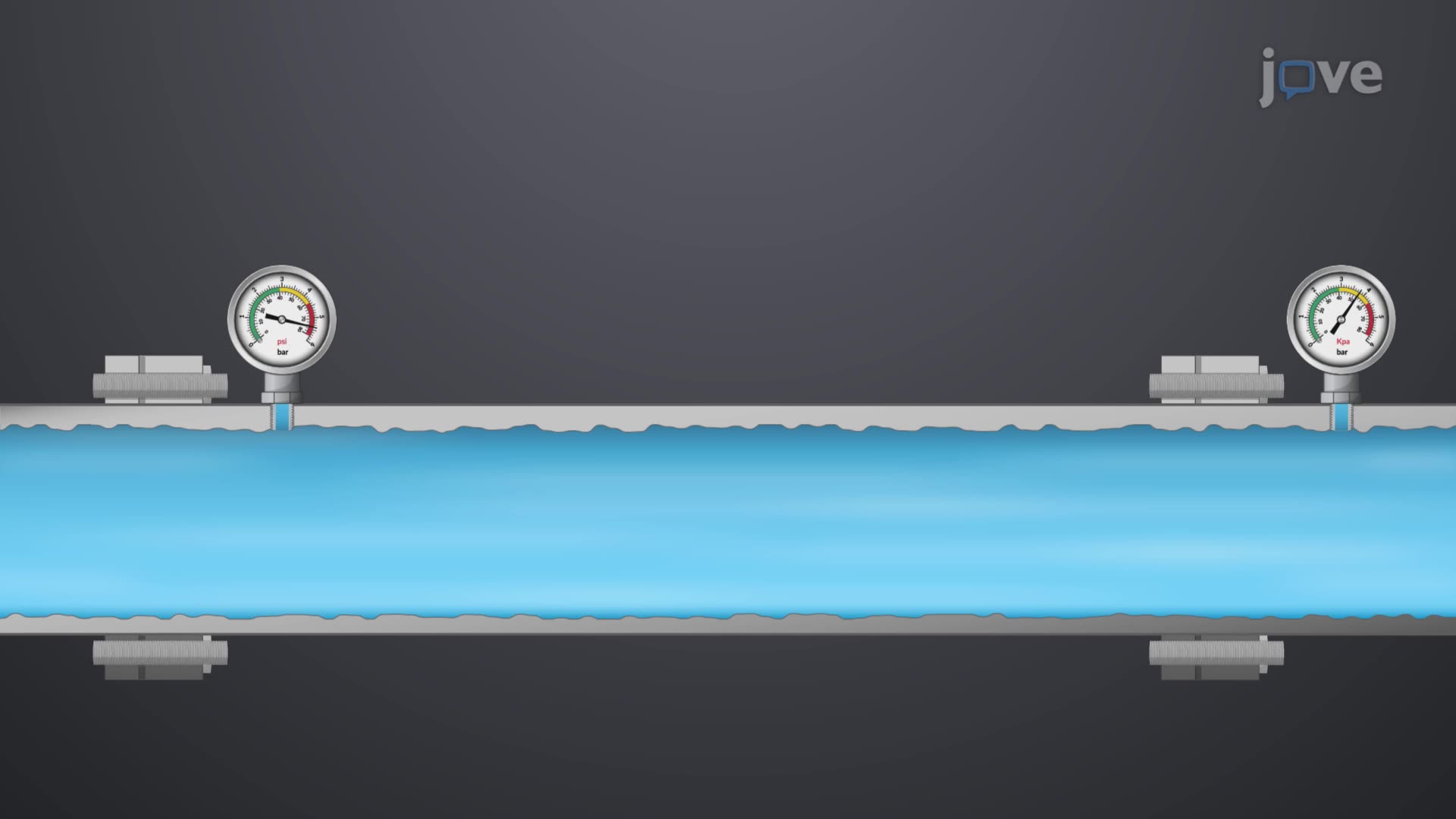
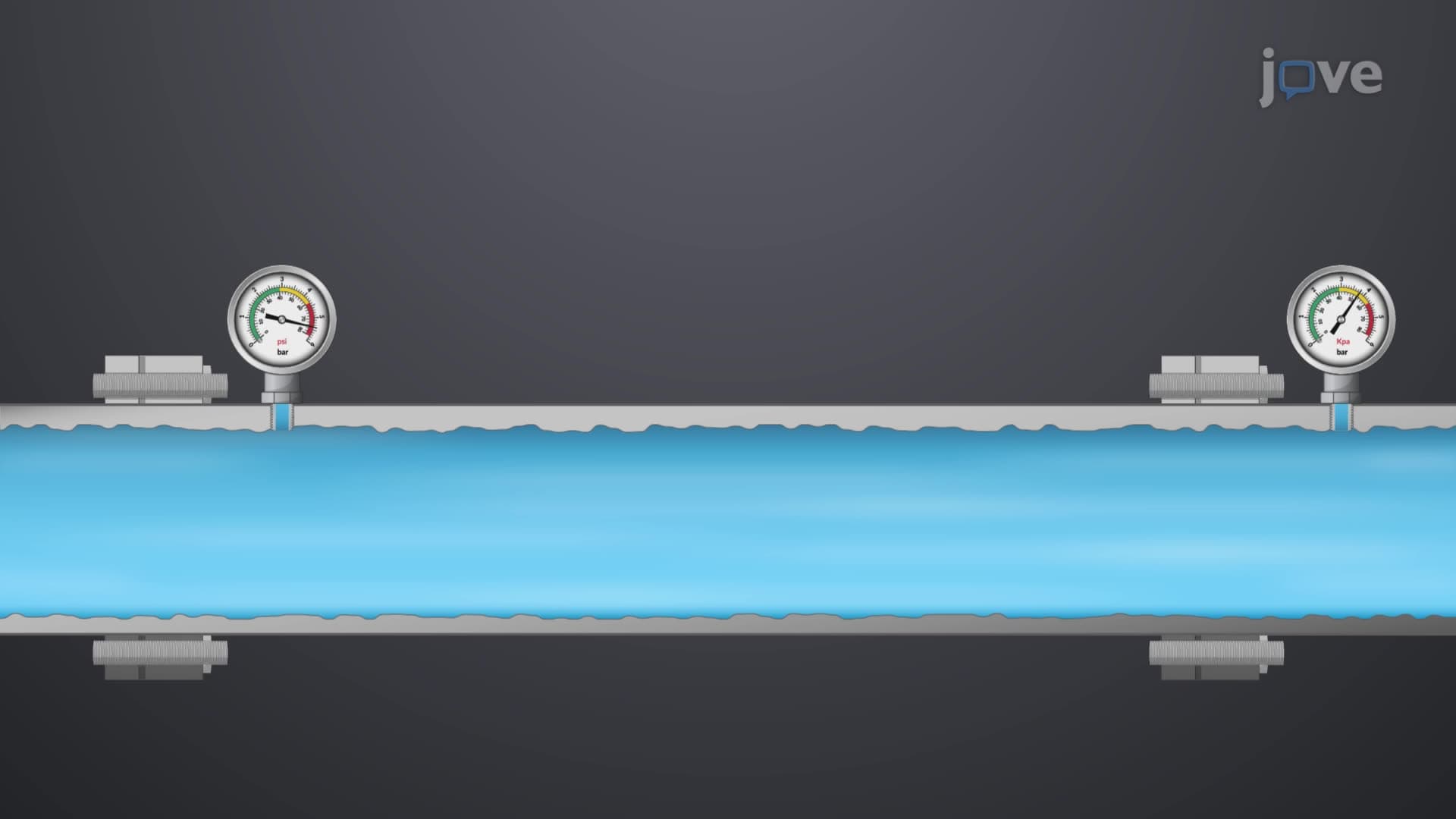
Why does your home's water pressure drop when multiple faucets run simultaneously? Major losses in pipes occur when fluids encounter frictional resistance while flowing through pipelines, creating energy dissipation and pressure drops. From the Keystone Pipeline's crude oil transport to municipal water systems serving cities like Denver, understanding what is major losses in pipes helps engineers optimize fluid delivery across America's vast infrastructure networks. Watch the full video on JoVE Coach to master this concept with expert-led visuals and step-by-step explanations.
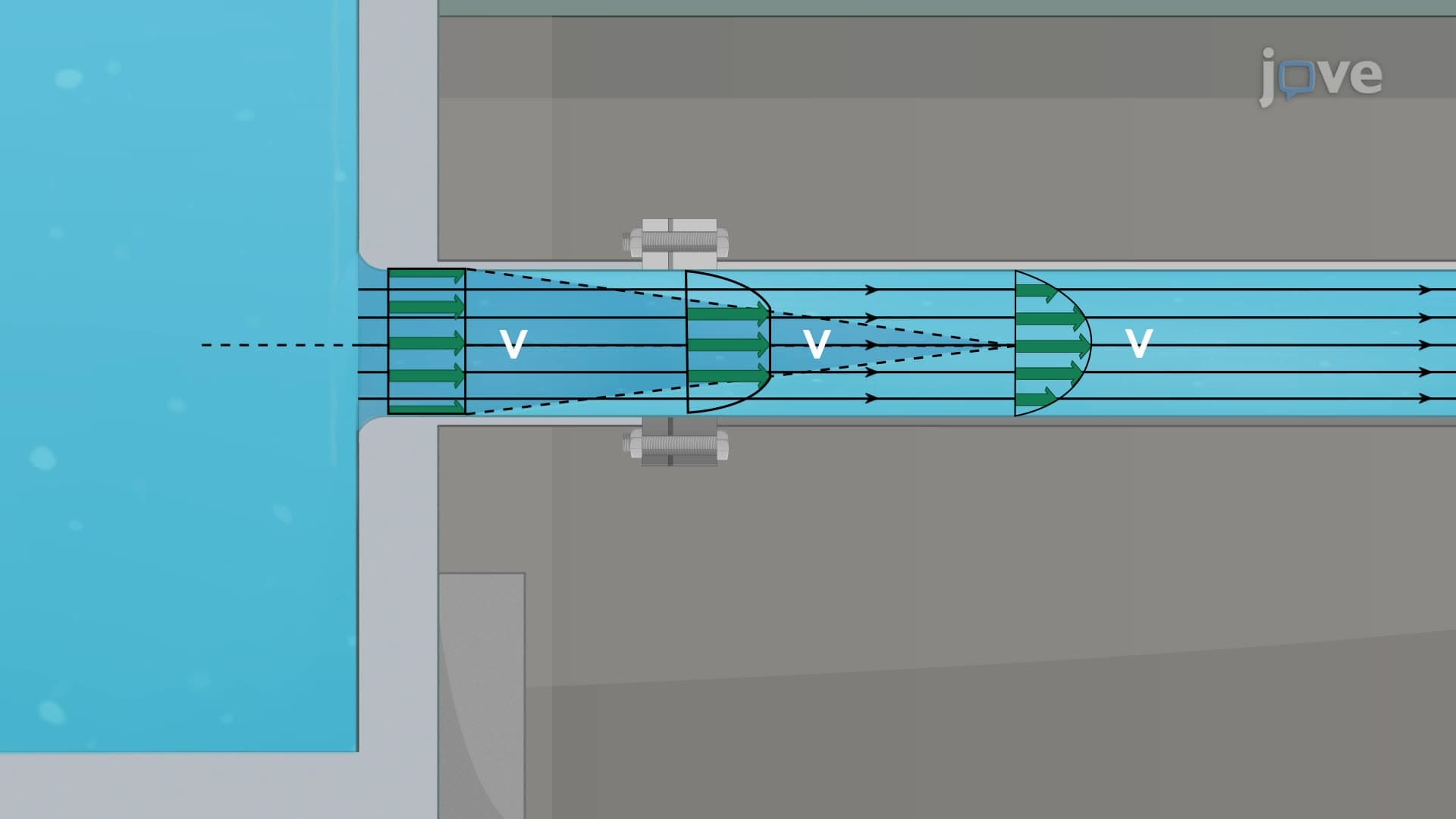
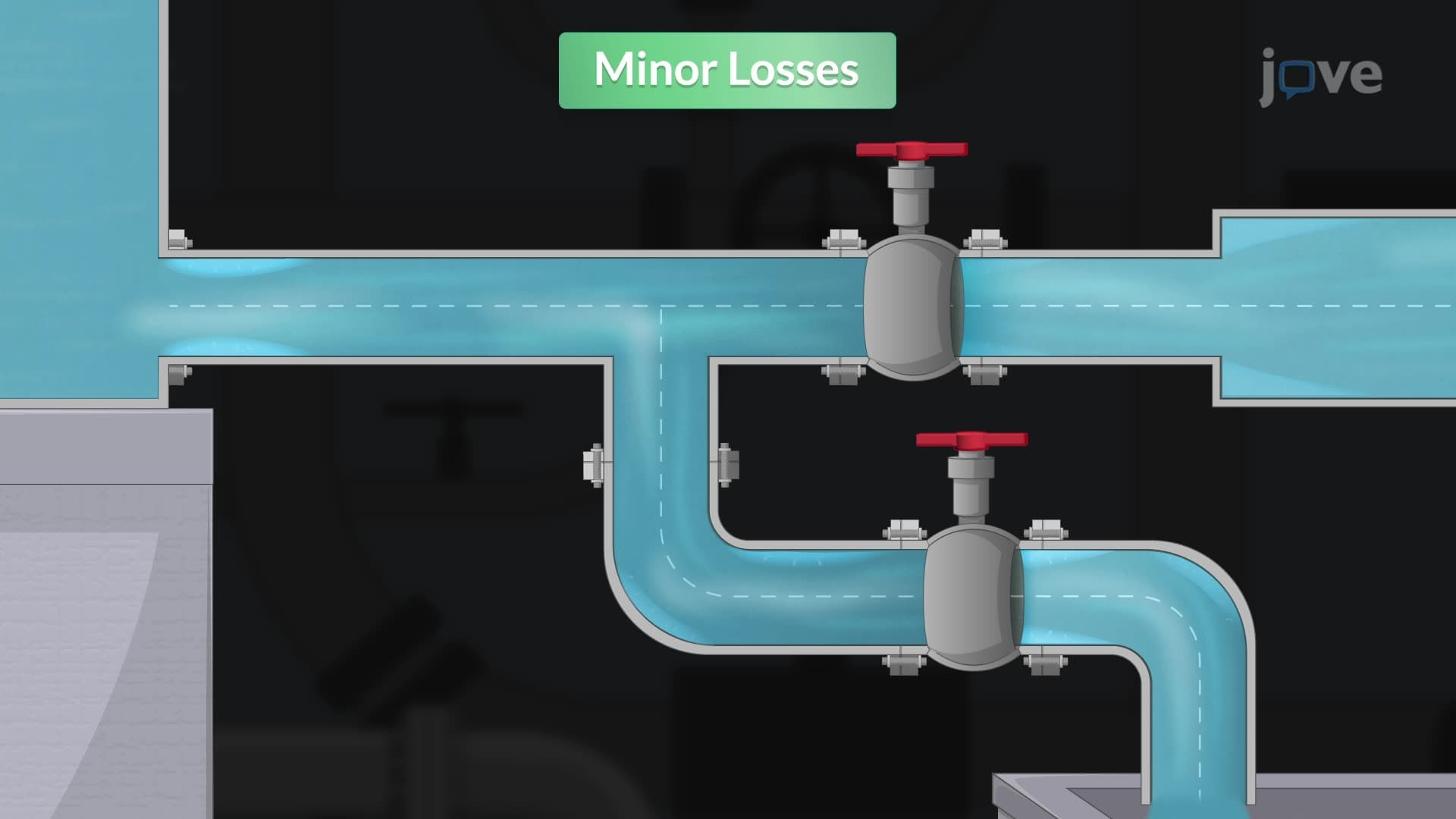
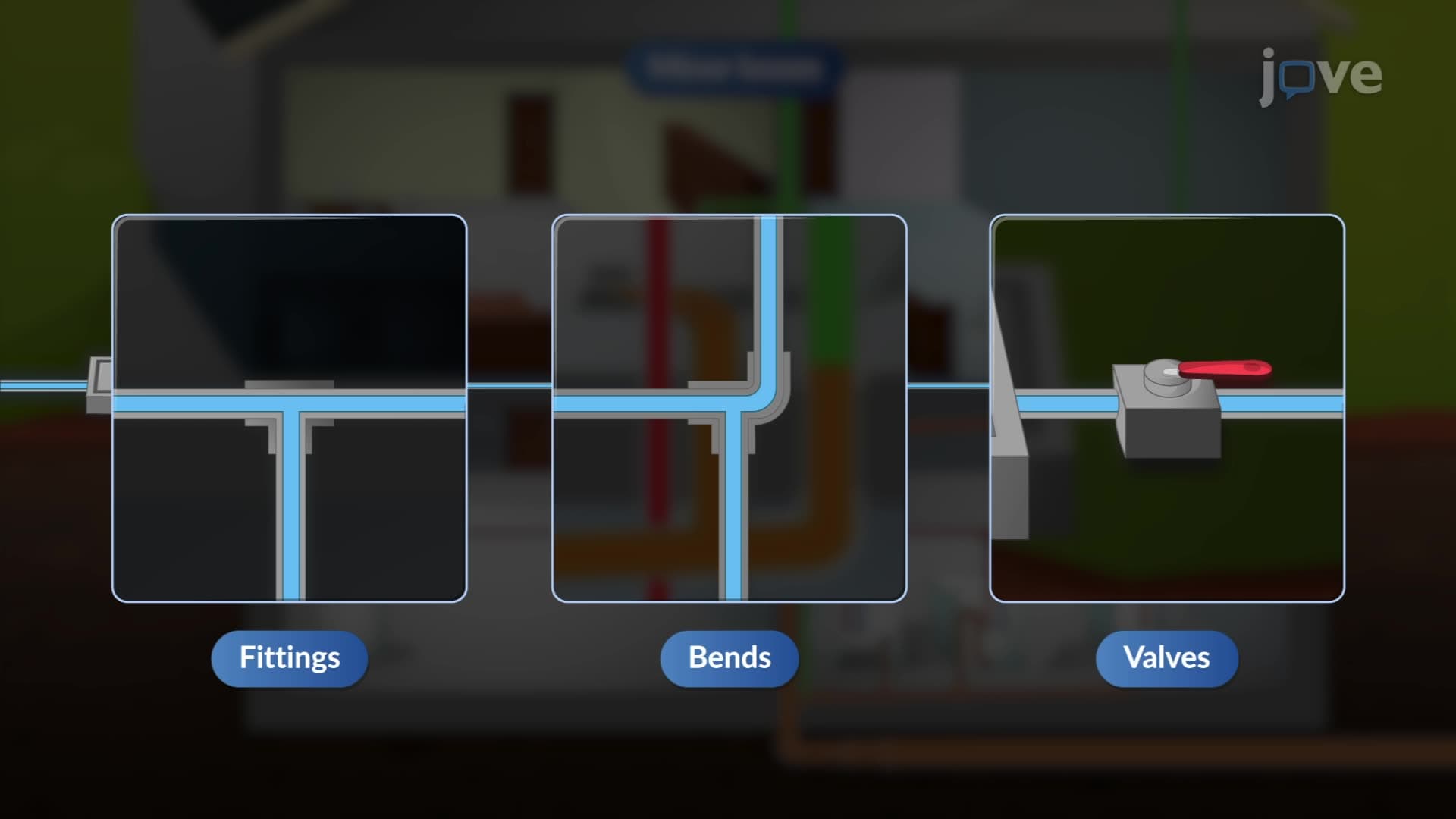
Major losses in pipes represent the dominant energy dissipation mechanism in fluid transport systems, fundamentally different from localized minor losses at fittings and valves. When crude oil flows 1,200 miles through the Trans-Alaska Pipeline or when water travels through New York City's massive tunnel system, friction between the moving fluid and pipe walls creates continuous energy losses proportional to pipe length.
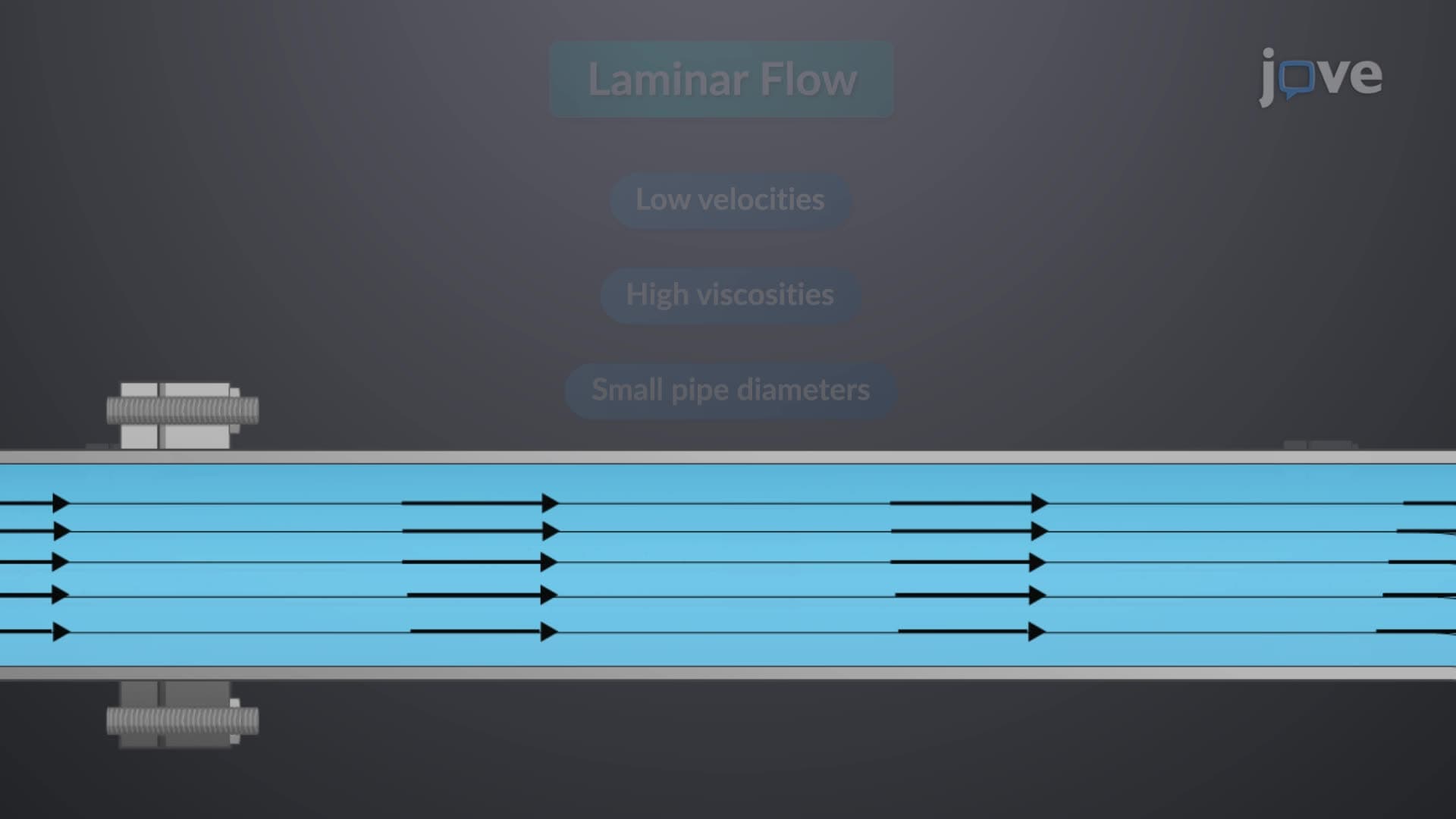
The nature of major losses depends critically on flow regime. In laminar flow (Reynolds number < 2,300), fluid particles move in orderly layers with viscous forces dominating resistance. The friction factor follows a simple relationship: f = 64/Re, making calculations straightforward for applications like blood flow in medical devices or honey processing in food manufacturing.
Turbulent flow (Reynolds number > 4,000) creates chaotic motion with swirling eddies that dramatically increase energy dissipation. Here, both viscosity and wall roughness influence pressure drop, requiring more complex analysis. Most industrial applications-from natural gas pipelines serving Texas refineries to cooling water systems in nuclear plants-operate in turbulent regimes.
The Darcy-Weisbach equation serves as the fundamental relationship for calculating major losses: hf = f × (L/D) × (V²/2g), where friction factor (f) becomes the critical parameter requiring careful determination. Engineers rely on the Moody chart, which graphically relates friction factor to Reynolds number and relative roughness (ε/D) for different flow conditions.
For precise calculations, the Colebrook equation provides iterative solutions, while the Haaland equation offers explicit approximations suitable for computer calculations. These tools prove essential for MCAT physics problems, AP Physics courses, and engineering design projects throughout American universities.
Even hydraulically smooth pipes experience friction due to the no-slip condition-fluid velocity equals zero at the wall surface. Over time, corrosion and fouling increase surface roughness, amplifying pressure losses and reducing system efficiency. This phenomenon affects everything from Chicago's aging water infrastructure to modern pharmaceutical manufacturing facilities requiring precise flow control.
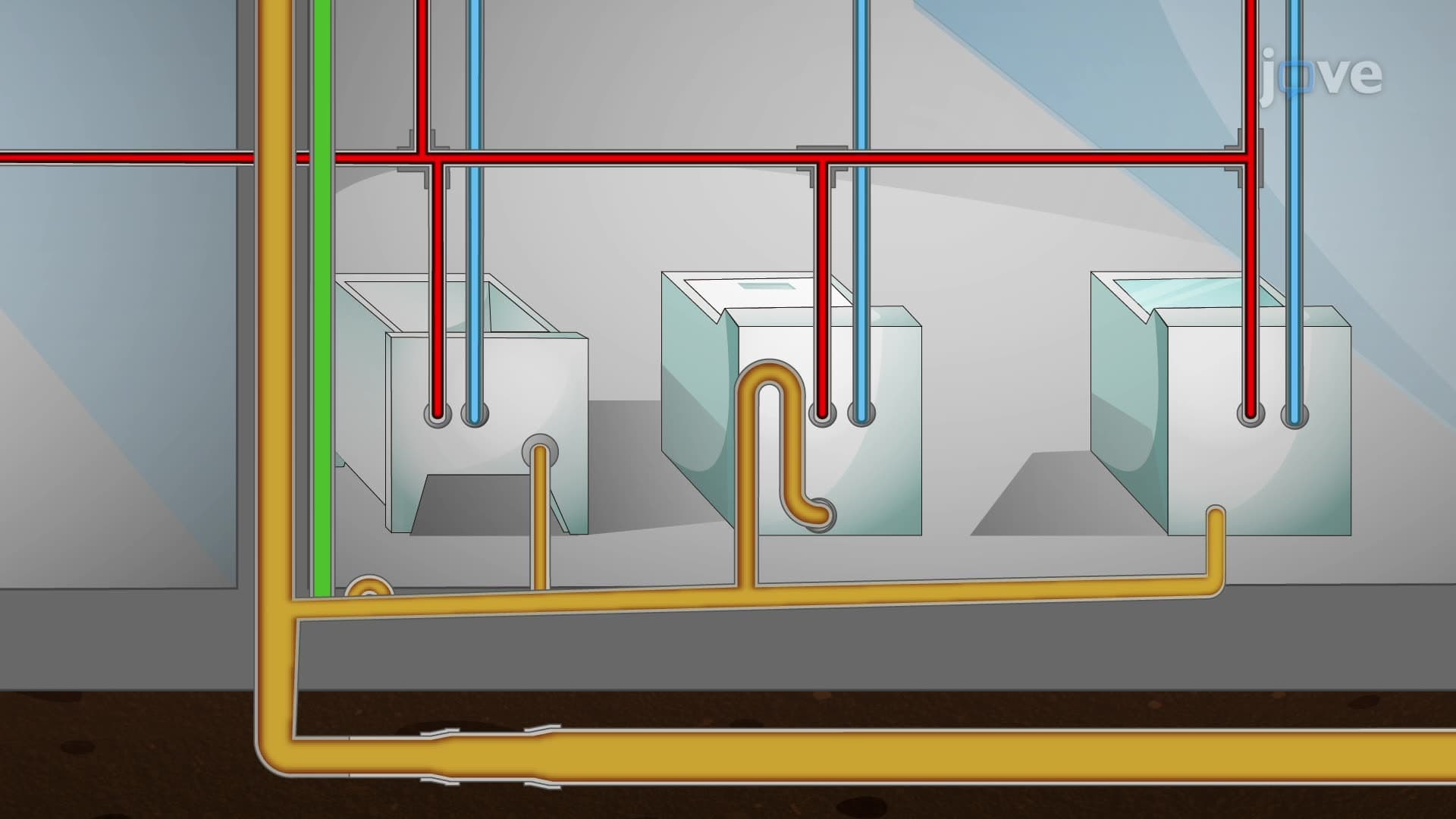
Understanding major losses enables engineers to size pumps appropriately, predict operating costs, and design efficient distribution networks that serve millions of Americans daily.
Related Micro-courses