Loading subject page…

- Civil Engineering
- Masonry
- Posttensioned Masonry Walls
Micro-course: Masonry
7,488 views
Learn key concepts and earn your certificate.
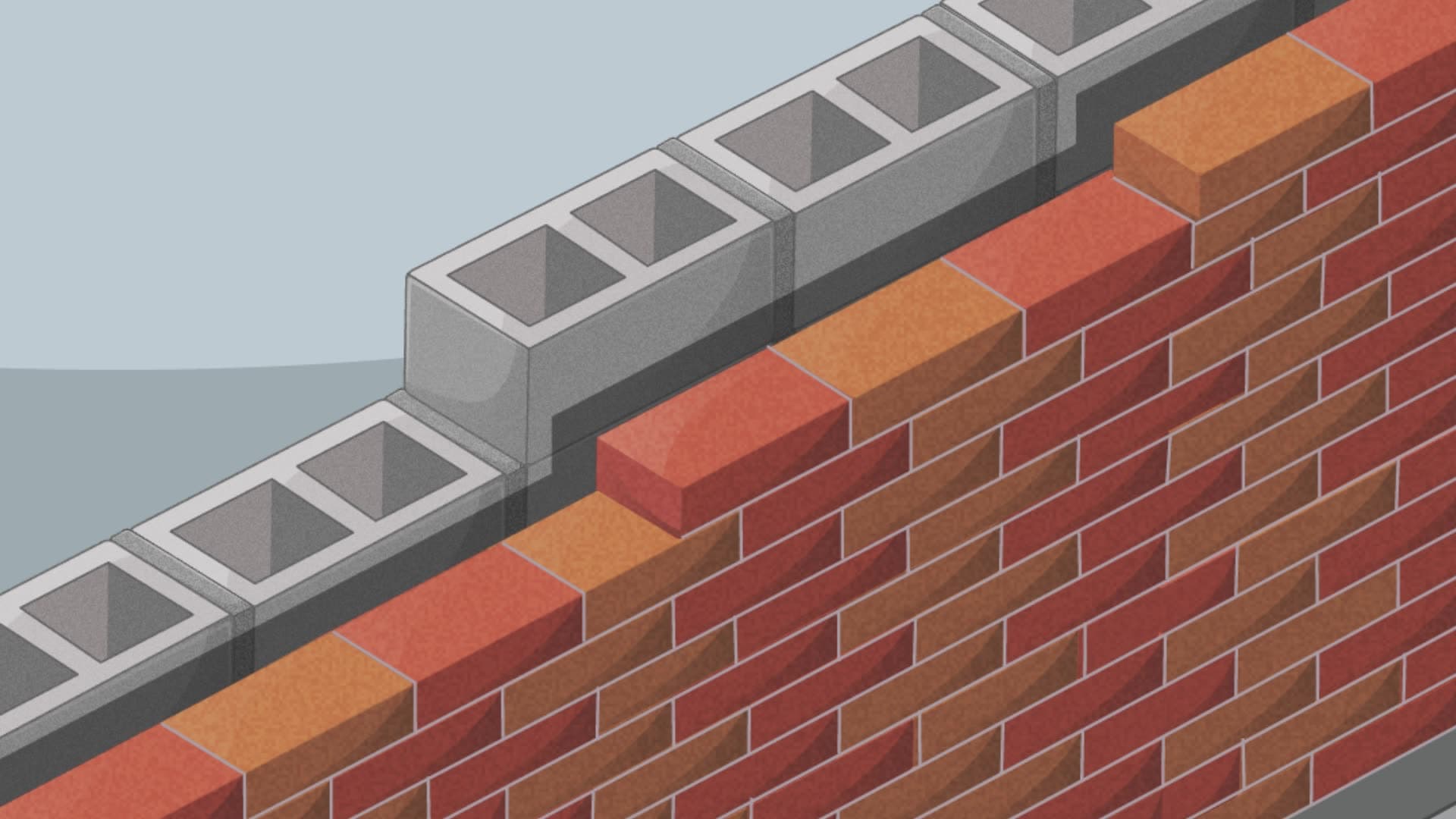

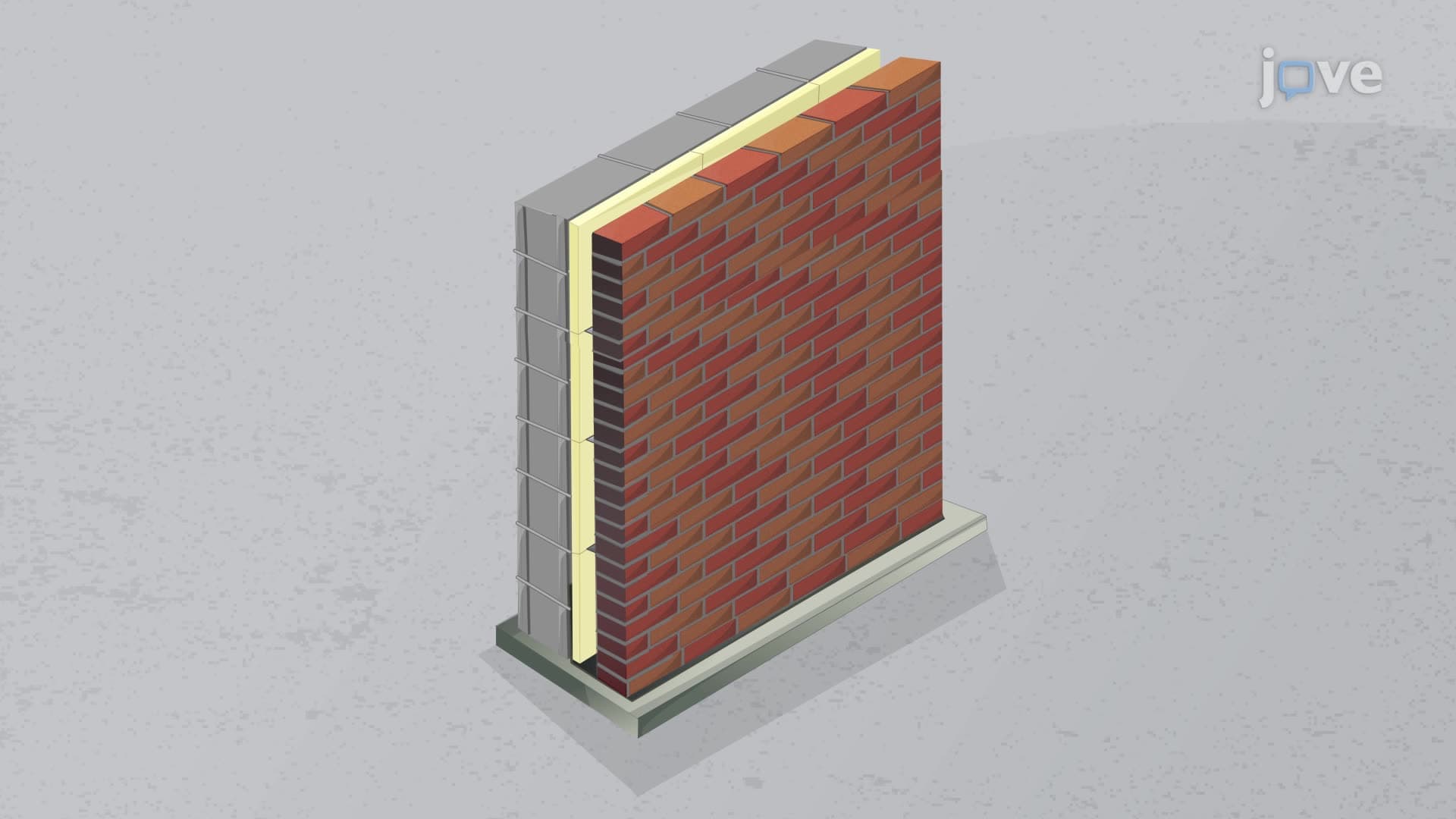
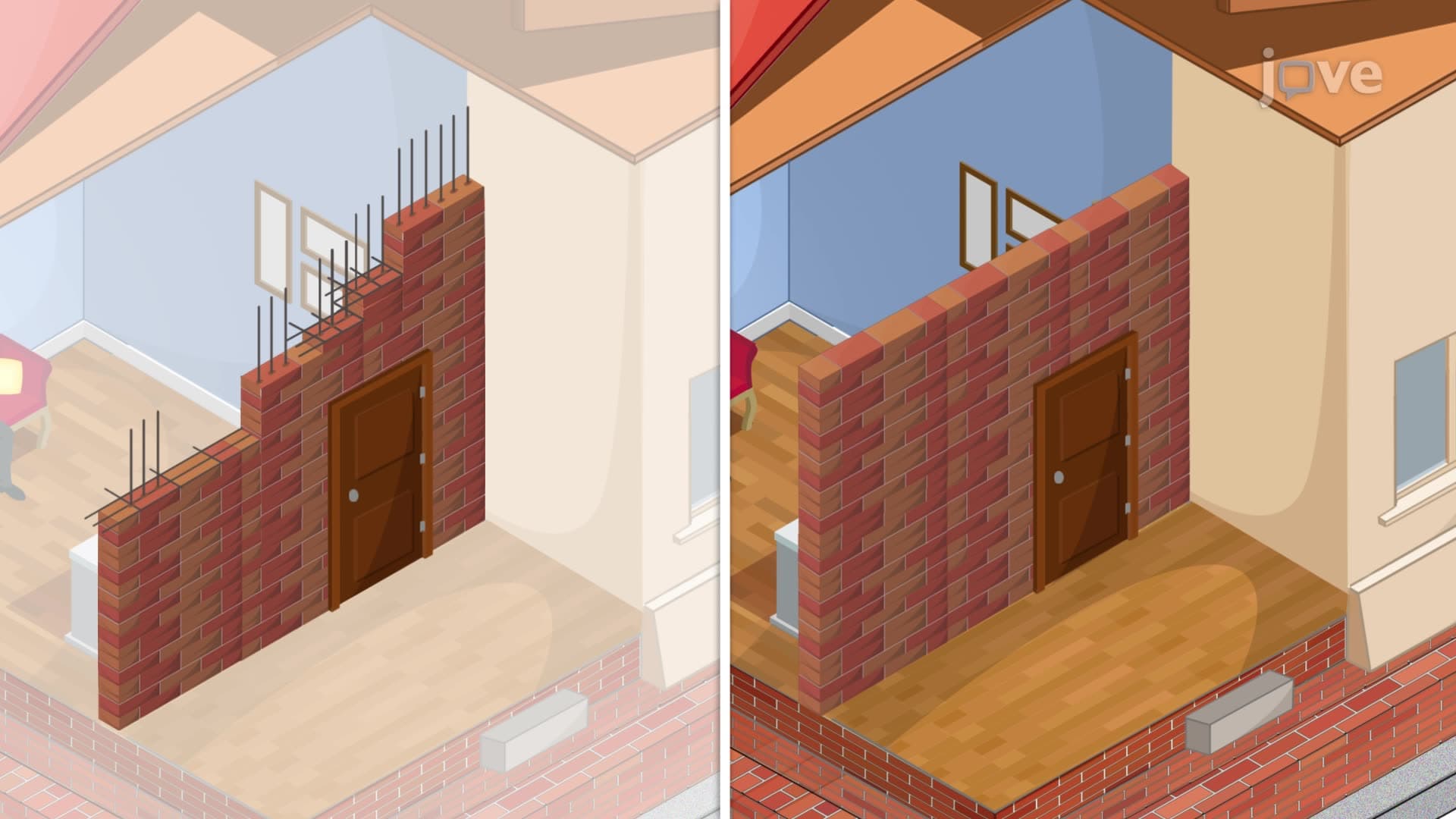
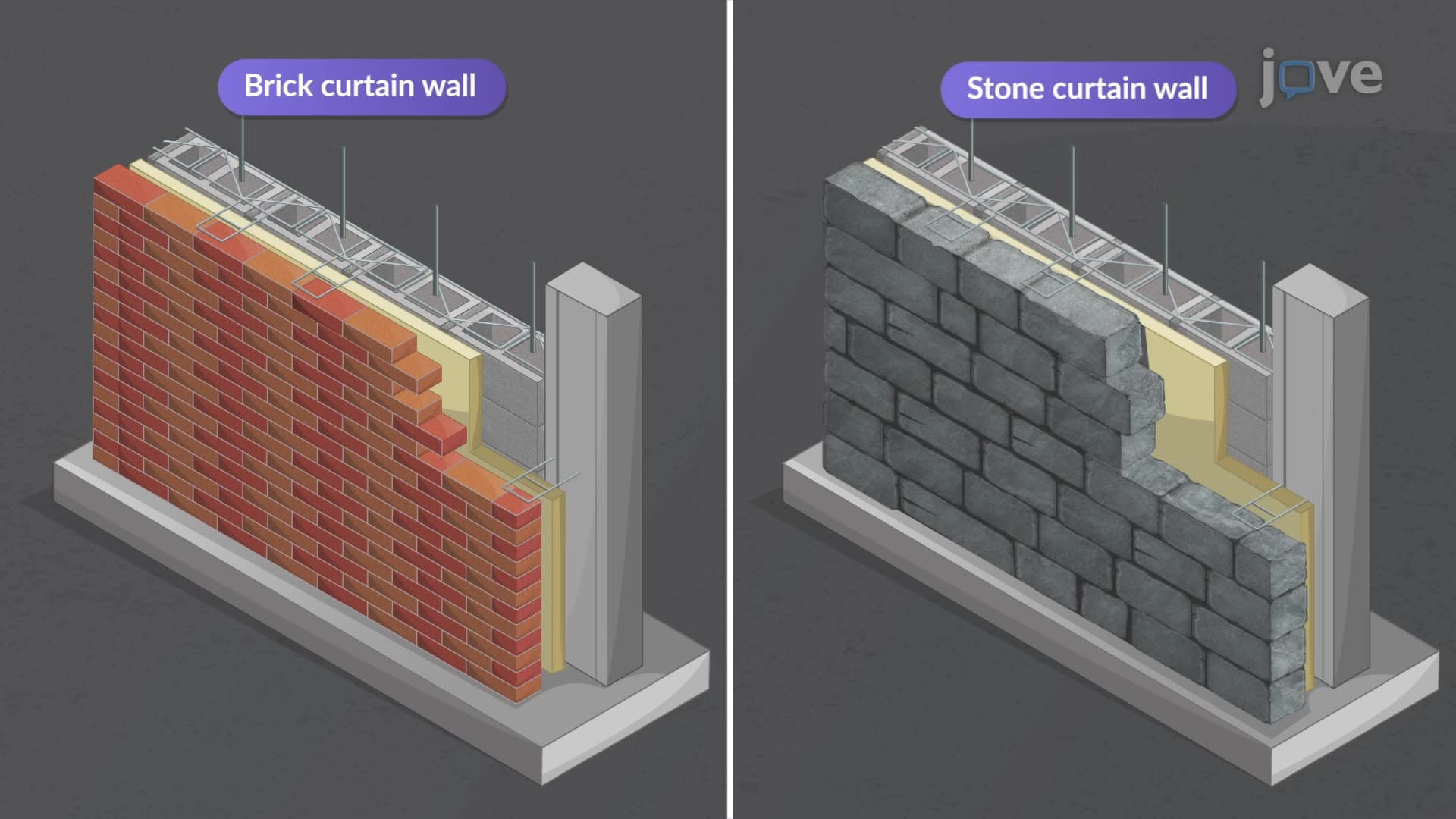
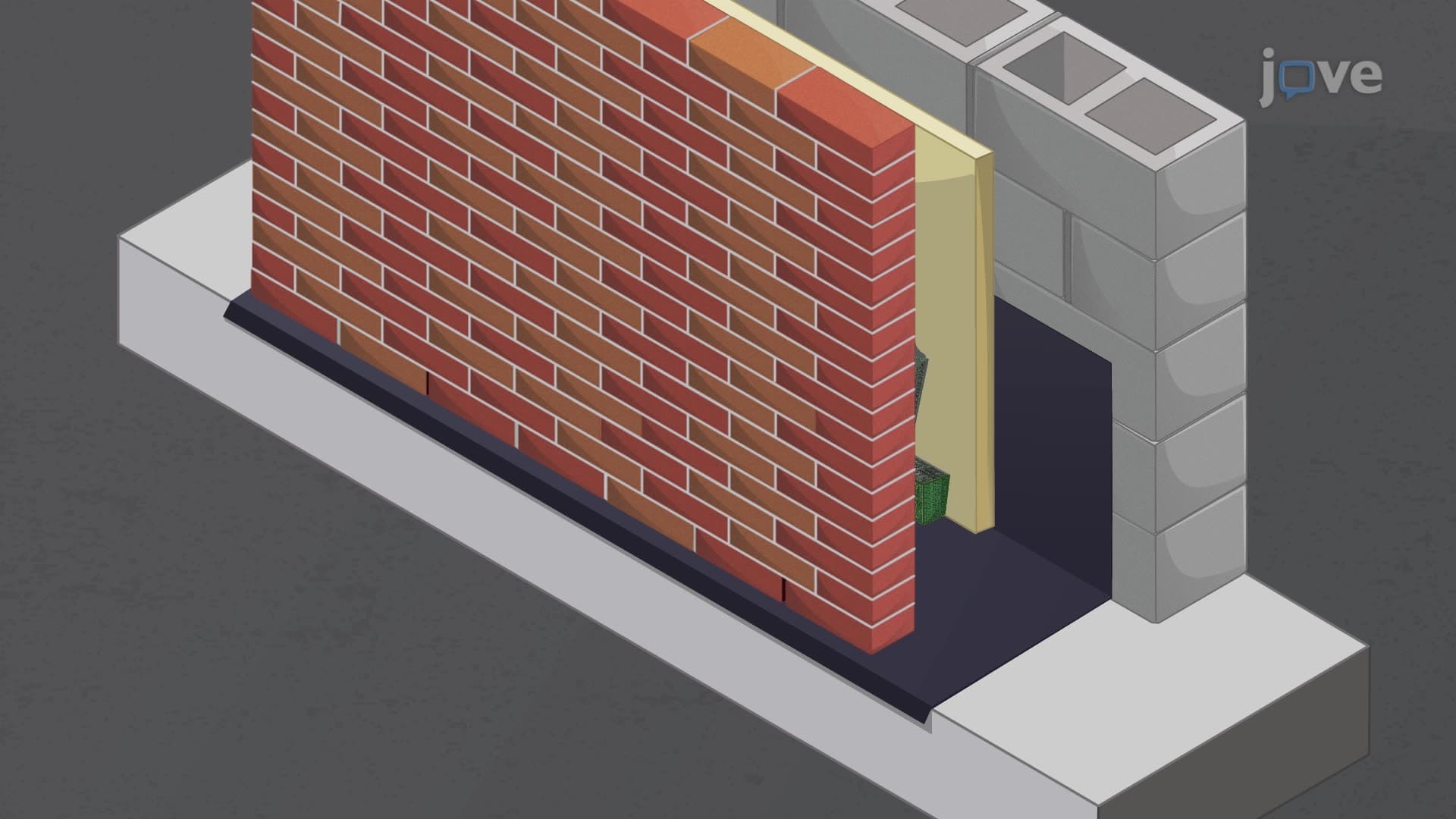
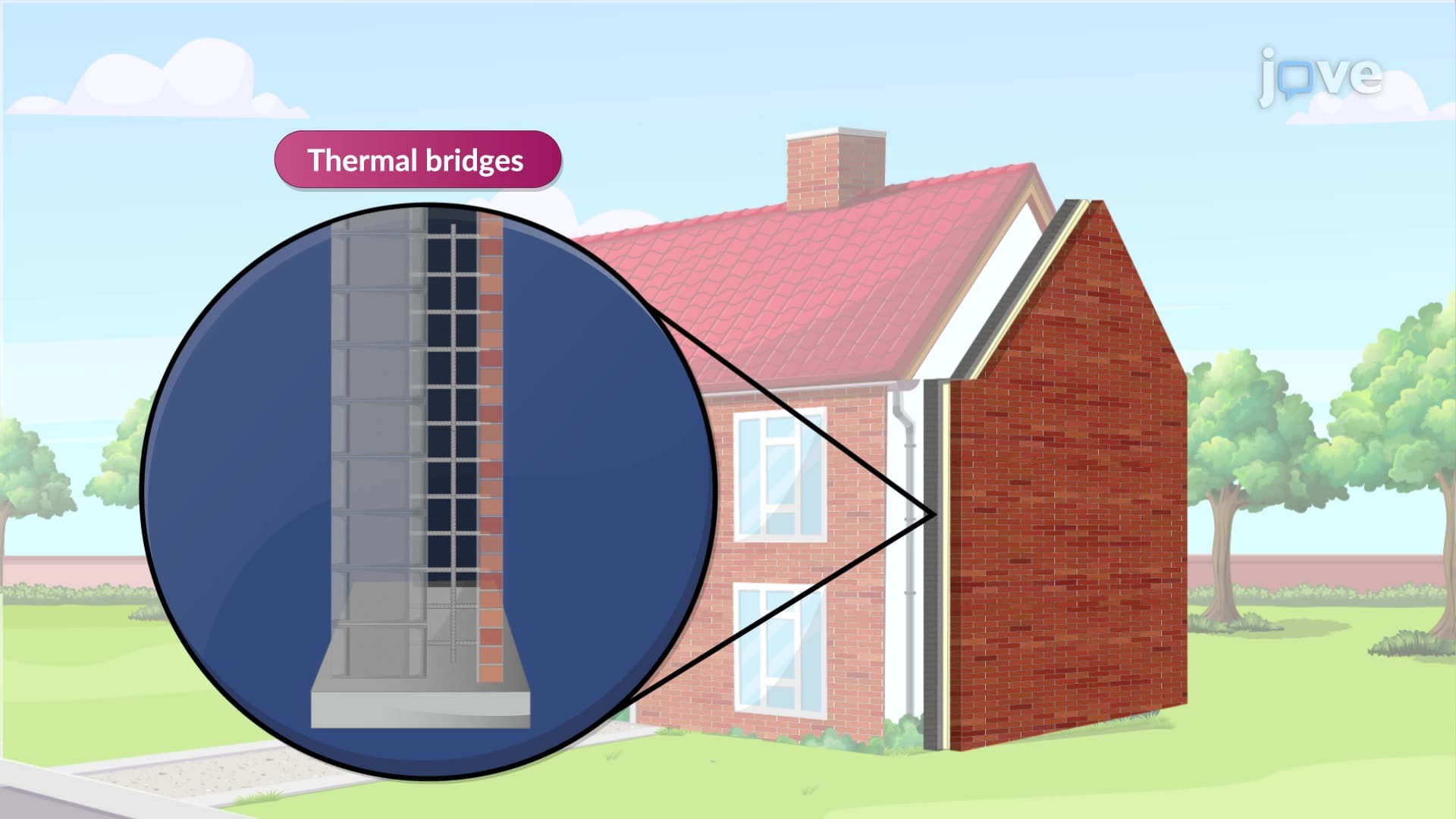

Posttensioned Masonry Walls

00:00
01:15
Video Summary: What are Posttensioned Masonry Walls
Did you know that California's earthquake-resistant buildings often rely on walls that are literally held together under extreme tension? Posttensioned masonry walls use high-strength steel rods or cables stretched tight through masonry cores to create compressive forces that make walls stronger and thinner than traditional designs. The Golden Gate Bridge's towers demonstrate similar prestressing principles in their concrete construction. What are posttensioned masonry walls and how do they revolutionize modern construction safety? Watch the full video on JoVE Coach to master this concept with expert-led visuals and step-by-step explanations.
- Understand what are posttensioned masonry walls and their fundamental construction methodology using tensioned steel elements
- Identify the two primary tensioning systems: threaded high-strength steel rods and flexible steel tendons
- Analyze how compressive prestress enhances wall strength against wind and seismic forces in structural applications
- Compare the advantages of posttensioned masonry walls versus conventional reinforced masonry in terms of thickness and space efficiency
- Evaluate the role of hydraulic jacking systems and anchoring mechanisms in creating effective prestress
- Apply knowledge of stress distribution principles to understand how vertical compression resists lateral tensile forces
- Recognize the construction sequence from foundation anchoring through final tensioning and securing procedures
- Explore real-world applications in earthquake-prone regions and high-wind environments across the United States
Understanding Posttensioned Masonry Walls Fundamentals
Posttensioned masonry walls represent an advanced structural engineering technique that transforms traditional masonry construction through applied compressive forces. Unlike conventional masonry that relies primarily on the material's inherent compressive strength, posttensioned systems actively enhance structural performance by introducing controlled stress states before external loads are applied.
The fundamental principle centers on prestressing-creating beneficial stress conditions that counteract anticipated service loads. When wind pushes against a building or seismic forces shake the structure, these external loads typically create tensile stresses that masonry handles poorly. However, posttensioned masonry walls preemptively compress the masonry units, requiring external forces to first overcome this compression before creating problematic tension.
Construction Methods and Tensioning Systems
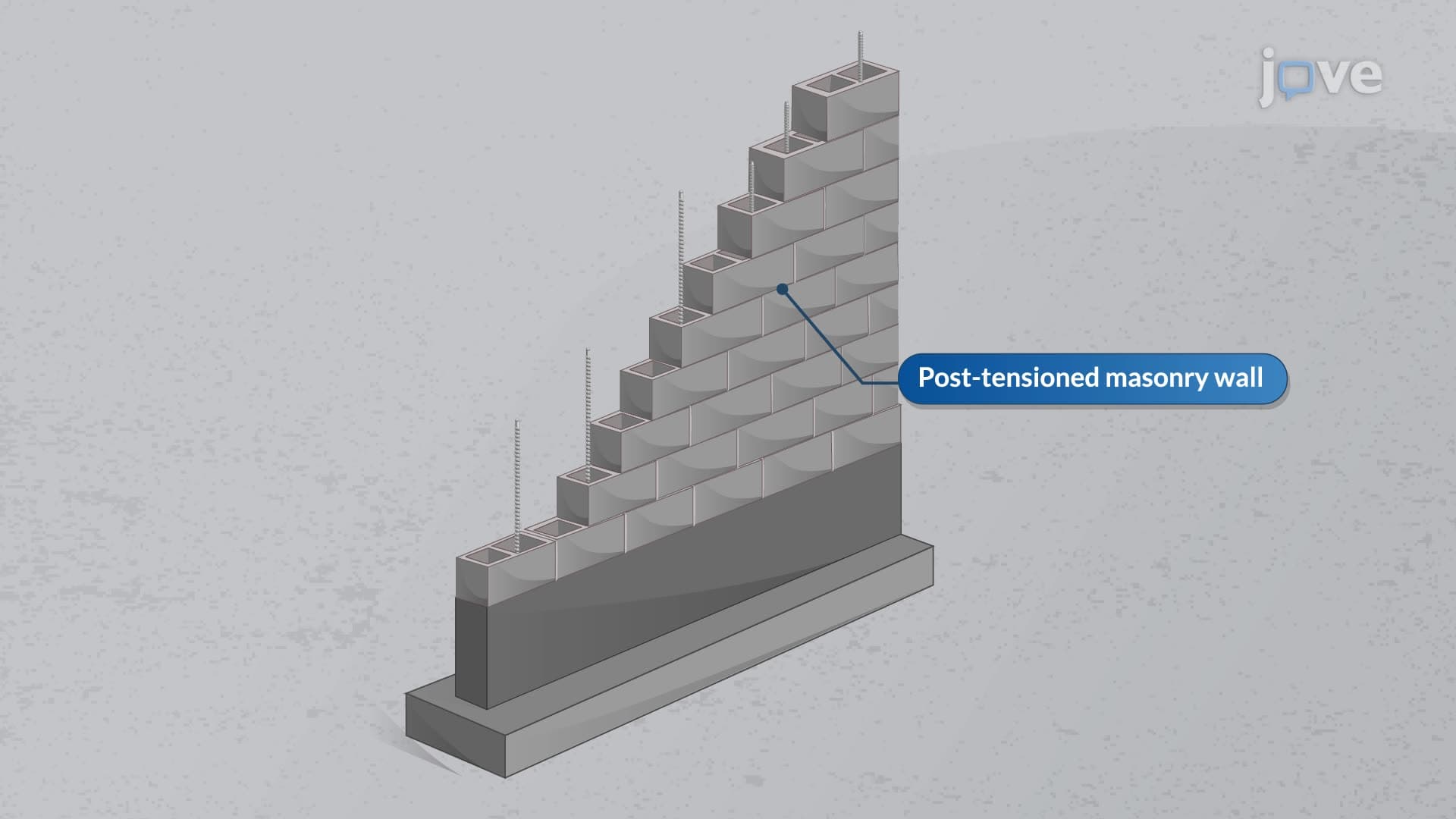
Two primary approaches dominate posttensioned masonry construction in the United States. The threaded rod system employs high-strength steel rods extending vertically through masonry cores, anchored at the foundation and tensioned at the top using nuts against steel bearing plates. This method offers precise control and easy inspection but requires careful coordination during construction.
Alternatively, flexible tendon systems use multi-strand steel cables that can accommodate slight construction irregularities. These tendons utilize specialized hydraulic jacks for tensioning and steel chucks for permanent anchoring. The California State University system has successfully implemented both approaches in their seismic retrofit programs, demonstrating practical applications in educational infrastructure.
Structural Advantages and Performance Benefits
The compressive prestress achieved in posttensioned masonry walls typically exceeds forces from dead loads and anticipated live loads by significant margins. This prestress enhancement allows engineers to design thinner wall sections while maintaining or improving structural capacity. In commercial construction, this translates to increased usable floor area-a critical economic advantage in expensive urban markets like New York City or San Francisco.
Seismic performance represents another crucial advantage. During the 1994 Northridge earthquake, buildings incorporating prestressed masonry elements generally outperformed conventional masonry structures. The prestress helps maintain structural integrity by keeping masonry units compressed even as ground motion attempts to separate joints.
Applications in Modern Engineering Practice
Students preparing for the AP Physics C exam will recognize posttensioned masonry as a practical application of stress and strain principles. The Fundamentals of Engineering (FE) exam frequently includes questions about prestressed systems, making this knowledge valuable for aspiring professional engineers.
Contemporary applications span from residential construction in hurricane-prone Florida to commercial high-rises in seismically active California. The technique proves particularly valuable in renovation projects where existing foundations must support increased loads without extensive reconstruction.
Frequently Asked Questions
Posttensioned masonry walls use steel rods or cables stretched tight through the masonry to create compressive forces before the wall experiences any external loads. Unlike regular masonry that only relies on the weight and mortar bonds, these walls actively compress the masonry units together, making them stronger and able to resist wind and earthquake forces more effectively.
Yes, these concepts frequently appear on AP Physics C exams under stress and strain topics, and are common in college-level statics and materials science courses. The FE exam for future professional engineers regularly includes prestressed system questions. Focus on understanding how compressive prestress counteracts tensile forces from external loads.
During earthquakes, ground motion tries to shake buildings apart by creating tensile forces that pull masonry joints open. The prestress from posttensioned systems keeps the masonry compressed together even during shaking, preventing joints from opening and maintaining structural integrity. Many California schools and hospitals use this technology for seismic safety.
Basic algebra and understanding of force concepts from high school physics are sufficient for introductory study. You'll work with simple stress equations (stress = force/area) and load calculations. The mathematical complexity increases in advanced structural engineering courses, but fundamental concepts remain accessible to high school students.
Focus on three key areas: construction methods (rod vs. tendon systems), stress distribution principles (how prestress works), and practical advantages (thinner walls, seismic resistance). Draw free-body diagrams showing force directions and practice calculating stress values. Review earthquake case studies from US buildings for real-world context.
Many California State University campuses feature posttensioned masonry in their earthquake retrofits, particularly at Cal State Northridge after the 1994 earthquake. Florida's hurricane-resistant construction often incorporates these systems in coastal commercial buildings. Some New York City residential towers use posttensioned masonry for space efficiency in expensive urban areas.
Master both threaded rod systems (tensioned with nuts at the top) and flexible tendon systems (tensioned with hydraulic jacks and anchored with chucks). Understand single-wythe walls with internal tendons and multi-wythe walls with tendons between layers. These represent the primary configurations used in US construction practice.
Explore prestressed concrete systems, which use similar principles but in concrete construction-common in bridge and highway infrastructure. Study reinforced masonry design to understand conventional approaches, then advance to seismic design principles and wind load calculations that drive the need for posttensioned systems in modern construction.
Related Micro-courses