Loading subject page…

- Civil Engineering
- Masonry
- Types of Building Separation Joints
Micro-course: Masonry
7,488 views
Learn key concepts and earn your certificate.

Types of Building Separation Joints


00:00
01:23
Video Summary: What are Types of Building Separation
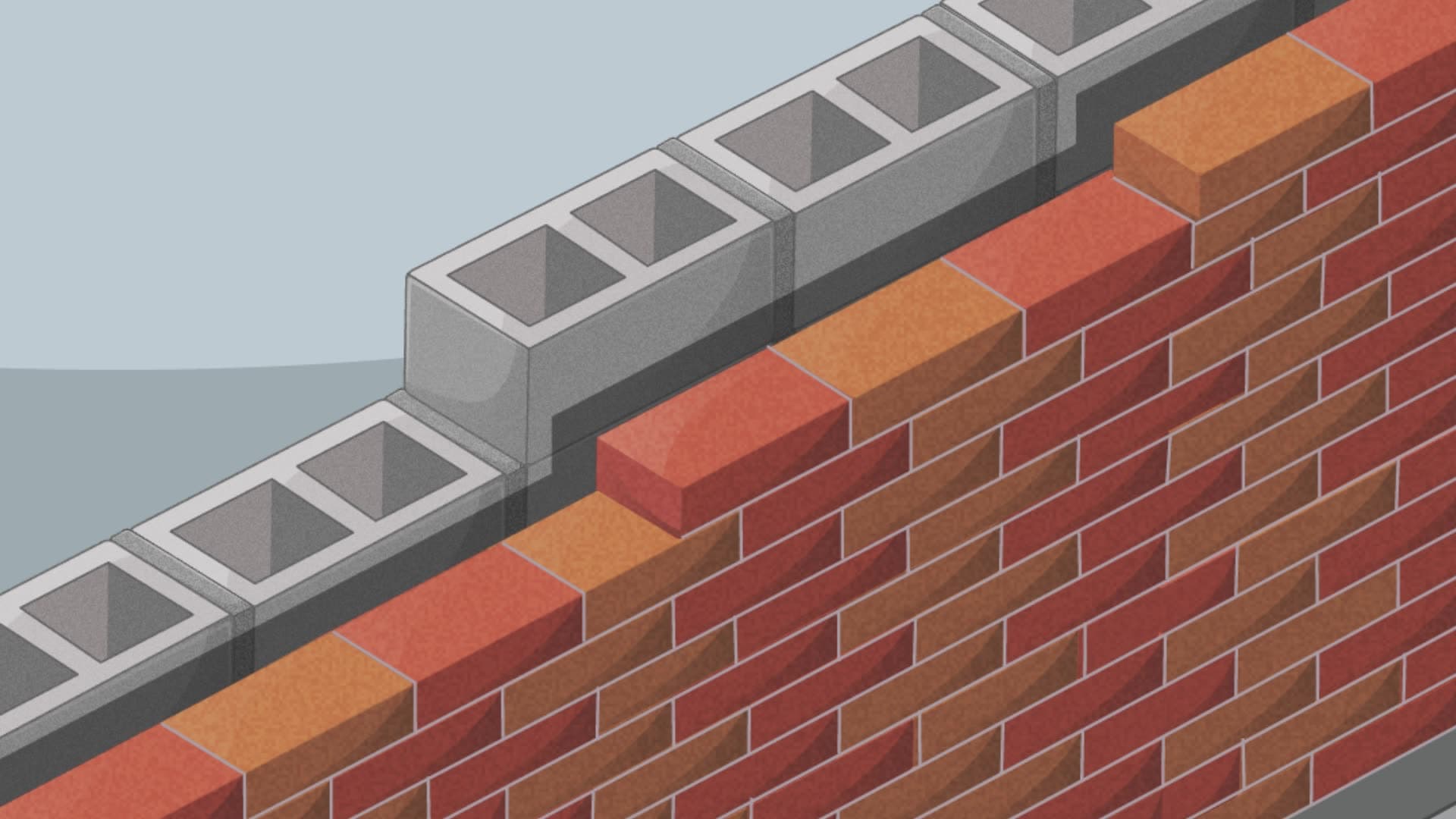
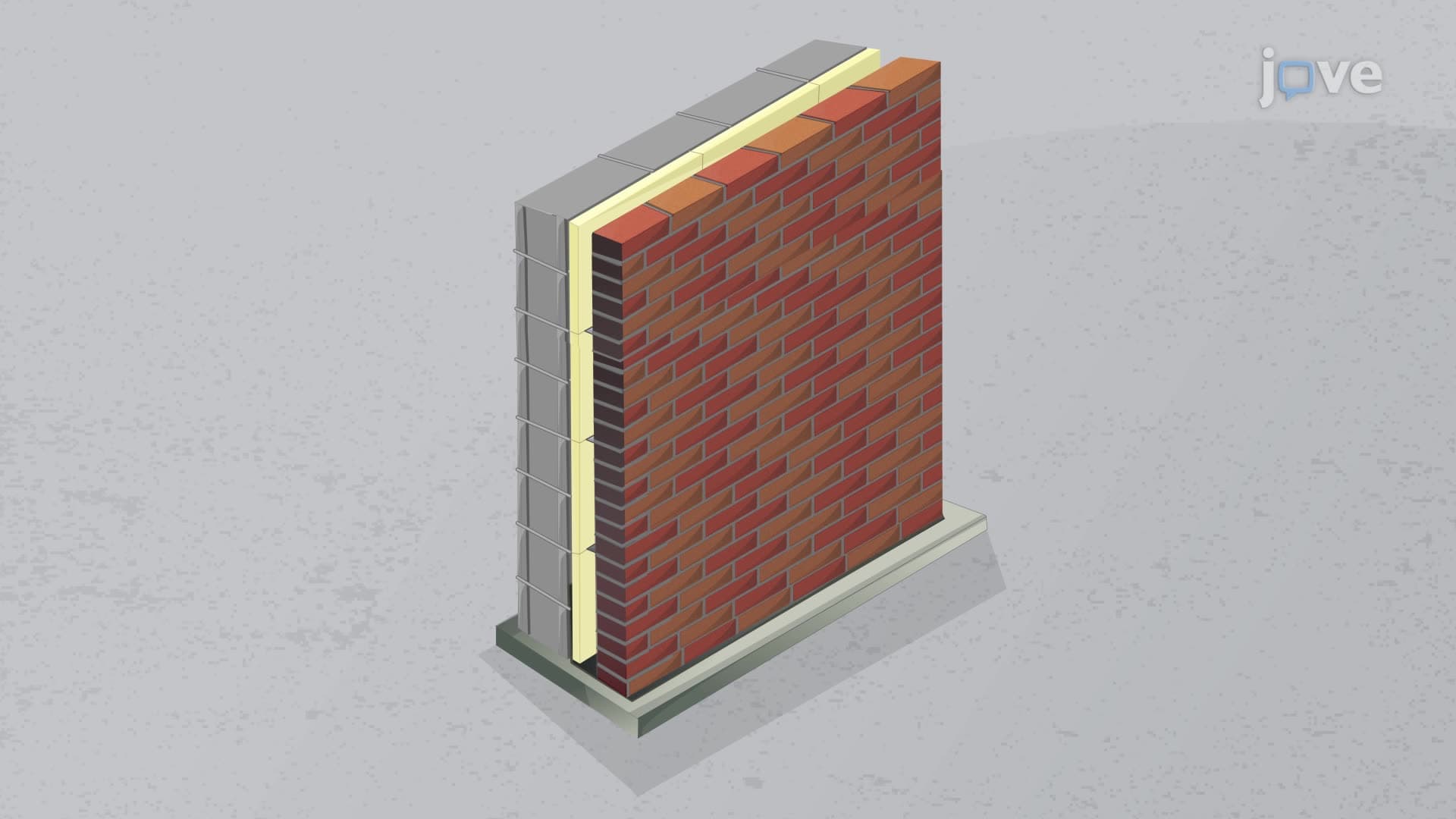
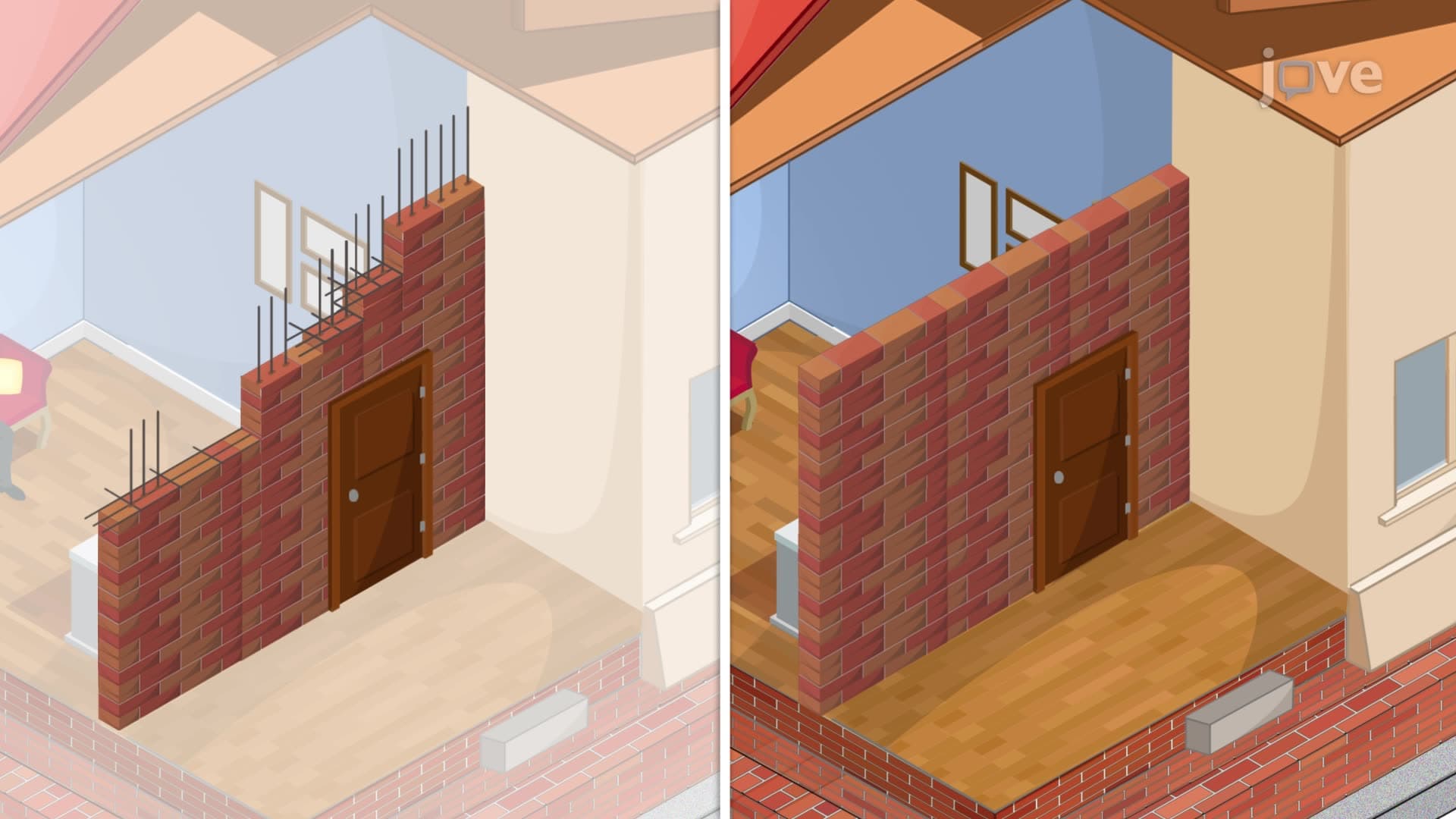
When you walk through Seattle's Pike Place Market or New York's Empire State Building, you might notice small gaps between different sections-these are types of building separation joints that prevent catastrophic structural failure. These critical engineering features include volume change joints, settlement joints, and seismic separation joints, each designed to protect buildings from different forces like thermal expansion, foundation settling, and earthquake motion. Understanding what are types of building separation is essential for anyone studying structural engineering or architecture. Watch the full video on JoVE Coach to master this concept with expert-led visuals and step-by-step explanations.
- Understand what are types of building separation and their critical role in preventing structural damage in complex buildings
- Identify the three main categories: volume change joints, settlement joints, and seismic separation joints
- Analyze how volume change joints accommodate thermal expansion and contraction at 150-200 foot intervals
- Compare settlement joints used between structures with different foundation types and anticipated settling rates
- Evaluate seismic separation joint applications in earthquake-prone regions like California and Alaska
- Apply building separation principles to real-world scenarios involving high-rise towers and adjoining structures
- Recognize how independent structural systems on either side of separation joints move as distinct units
- Explore the relationship between building geometry, structural loads, and separation joint placement strategies
Understanding What are Types of Building Separation
Types of building separation represent one of the most crucial concepts in structural engineering, determining whether massive buildings survive natural disasters or succumb to preventable failures. These engineered gaps and flexible connections allow different building sections to move independently, preventing the transfer of harmful forces that could cause cracking, settling, or collapse.
Volume Change Joints: Managing Thermal Movement
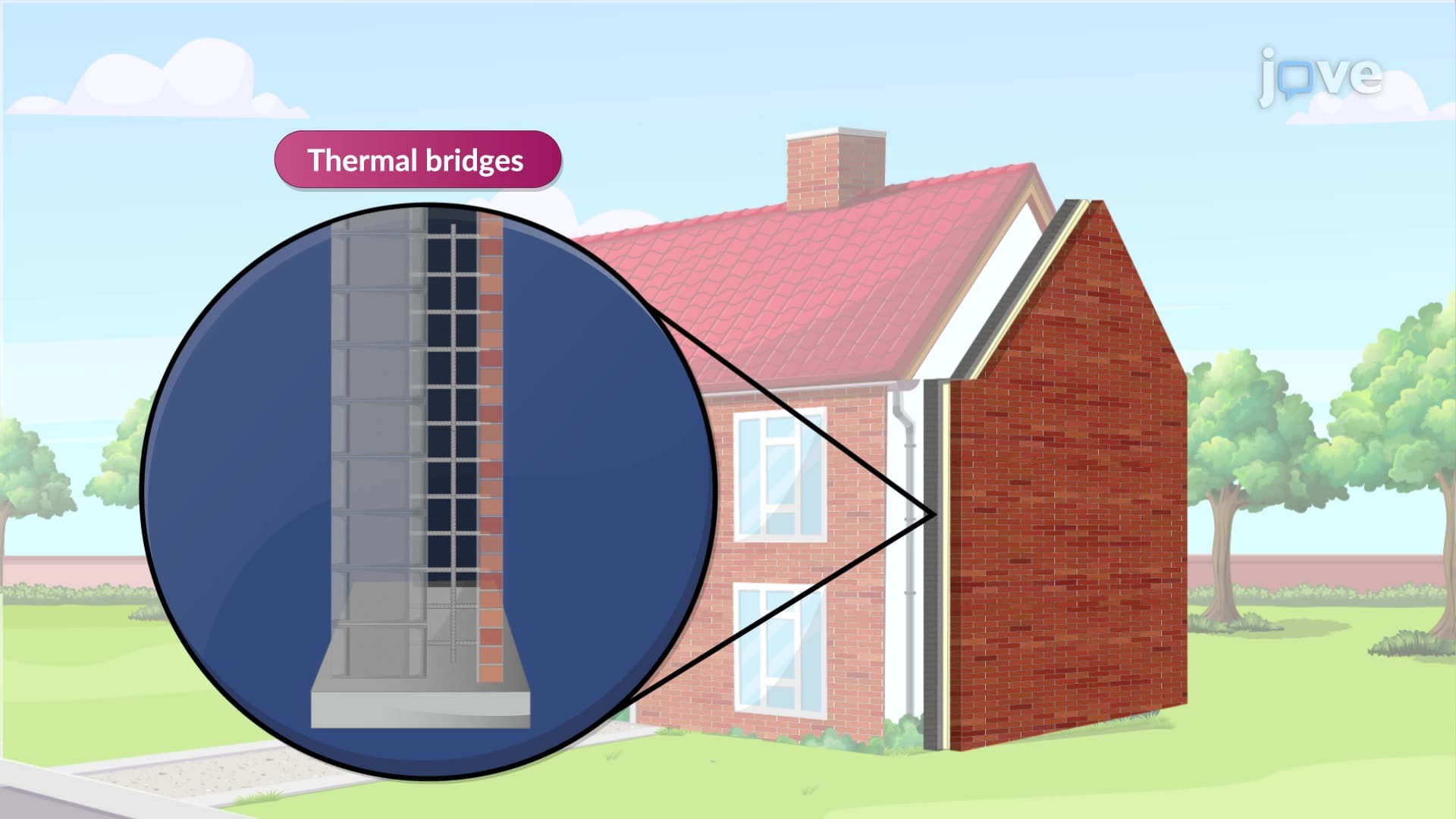
Volume change joints address the daily reality that buildings expand and contract with temperature changes. Concrete can expand up to 6 inches per 1,000 feet during hot summer days in Arizona or Texas. Engineers typically place these joints every 150-200 feet in horizontal directions and at vertical discontinuities like where a 20-story tower meets a 3-story parking garage. The Willis Tower in Chicago uses sophisticated volume change joints to accommodate the building's thermal movement across its 1,450-foot height.
Settlement Joints: Preventing Differential Foundation Movement
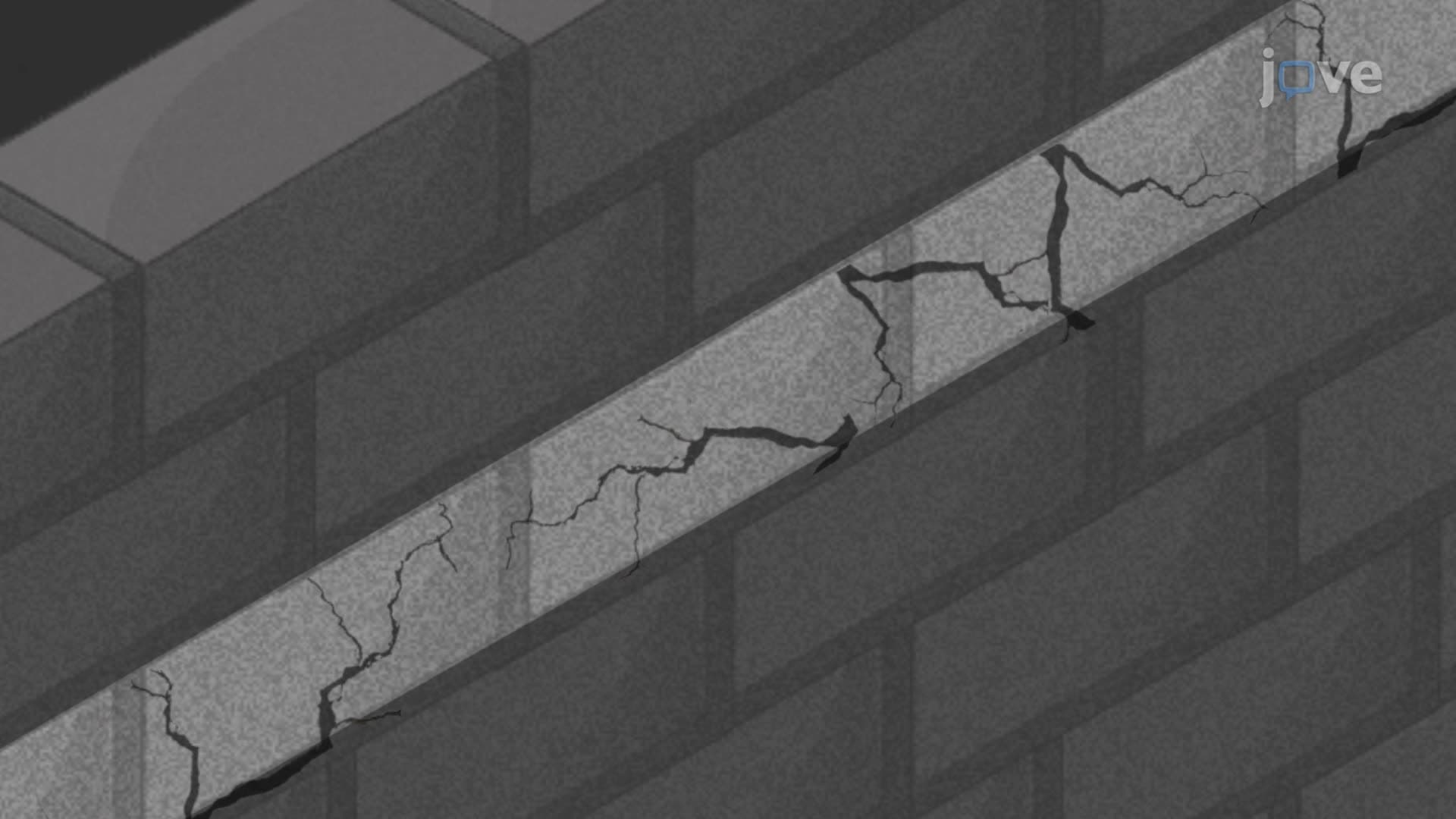
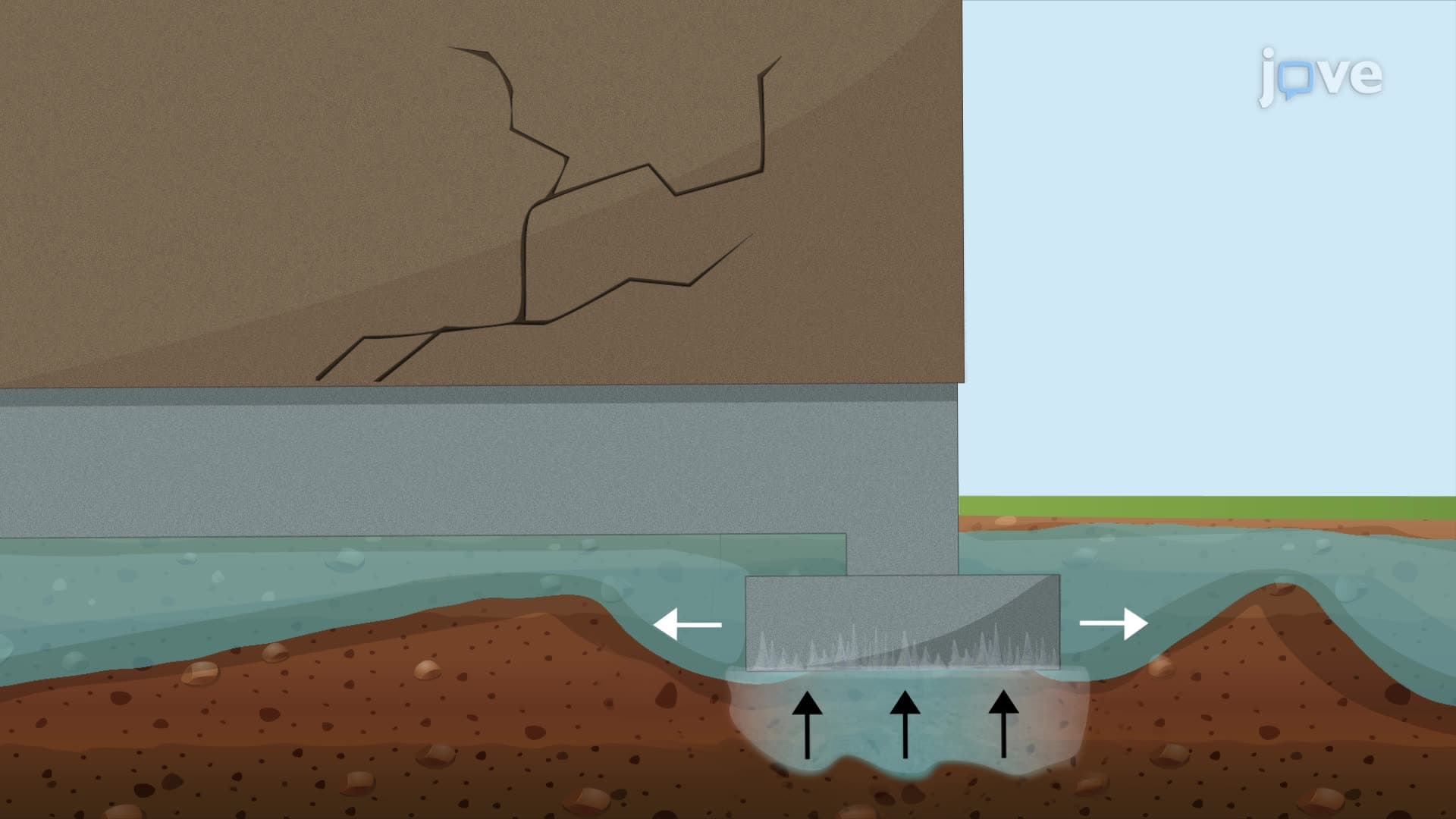
Settlement joints become essential when different building sections have varying foundation systems or soil conditions. Consider a hospital complex where a lightweight medical office building sits adjacent to a heavy MRI facility with deep pile foundations. The different settling rates could create destructive stresses without proper separation. These joints allow each section to settle independently, preventing the catastrophic cracking seen in buildings that lack proper separation.
Seismic Separation Joints: Earthquake Protection Systems
In seismically active regions like California, Washington, and Alaska, seismic separation joints literally save lives. These joints allow building segments to sway independently during earthquakes, preventing the "pounding" effect where adjacent structures crash into each other. The San Francisco International Airport Terminal uses seismic joints throughout its structure, enabling different wings to move separately during ground motion while maintaining passenger safety.
For students preparing for AP Physics, college structural engineering courses, or professional licensing exams, understanding these separation types proves essential. The MCAT may test thermal expansion concepts, while engineering licensing exams frequently include questions about seismic design principles and building codes.
Frequently Asked Questions
Types of building separation are engineered gaps and flexible connections that allow different building sections to move independently. They're necessary because buildings naturally expand, contract, settle, and sway due to temperature changes, foundation movement, and seismic activity-without separation joints, these movements create destructive stresses that can crack walls, damage foundations, or cause structural collapse.
The MCAT tests thermal expansion principles underlying volume change joints, often through physics problems involving coefficient of thermal expansion calculations. AP Physics C may include questions about forces in structures and how separation joints prevent stress concentration. College engineering courses extensively cover building separation as part of structural design curricula.
One World Trade Center incorporates all three types: volume change joints to handle thermal expansion across its 1,776-foot height, settlement joints between the tower and surrounding structures with different foundations, and sophisticated seismic separation systems despite New York's moderate seismic activity. The building's design emphasizes safety through structural independence of critical systems.
Basic algebra and geometry are sufficient for understanding building separation principles. You'll work with linear expansion formulas, simple force calculations, and geometric relationships. The concepts build naturally from everyday observations about how materials expand when heated and contract when cooled, making them accessible to high school students.
Focus on real-world examples and practice identifying which separation type addresses specific problems. Create diagrams showing how each joint type works, memorize the 150-200 foot spacing rule for volume change joints, and understand the fundamental principle that separation prevents force transfer between building sections.
The International Building Code (IBC) and American Society of Civil Engineers (ASCE) standards establish separation requirements. Local codes in seismic regions like California have additional requirements through the California Building Code, while regions with extreme temperature variations may have enhanced thermal separation standards.
Explore structural load paths, foundation design principles, and dynamic analysis of buildings under seismic loading. Study connection design, structural redundancy concepts, and building code requirements for different occupancy types. These topics build naturally from separation joint principles and appear frequently on professional engineering examinations.
Related Micro-courses