Loading subject page…

2,689 views

Video Summary: What Is Wood Fasteners
Did you know that the average American home contains over 30,000 individual fasteners holding its wooden frame together? Wood fasteners are essential mechanical devices that connect and secure wooden components in construction projects, from building the iconic timber-framed barns of Vermont to modern residential housing developments across the United States. These specialized connectors-including nails, screws, bolts, and advanced metal devices-ensure structural integrity by transferring loads between wood members through direct bearing contact. What is Wood Fasteners becomes clear when you see how these simple yet critical components enable safe, durable construction in everything from backyard decks to commercial buildings. Watch the full video on JoVE Coach to master this concept with expert-led visuals and step-by-step explanations.
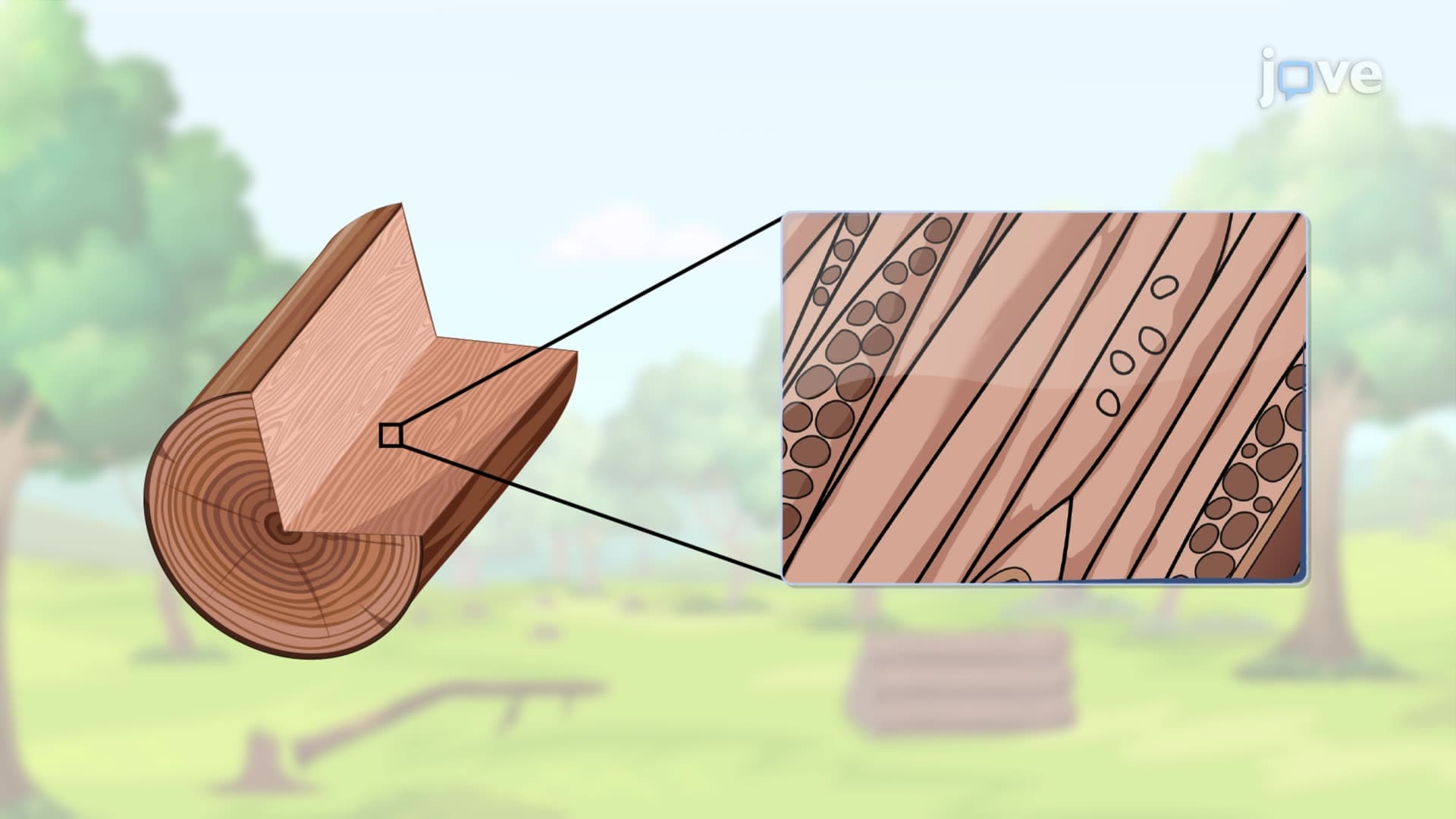
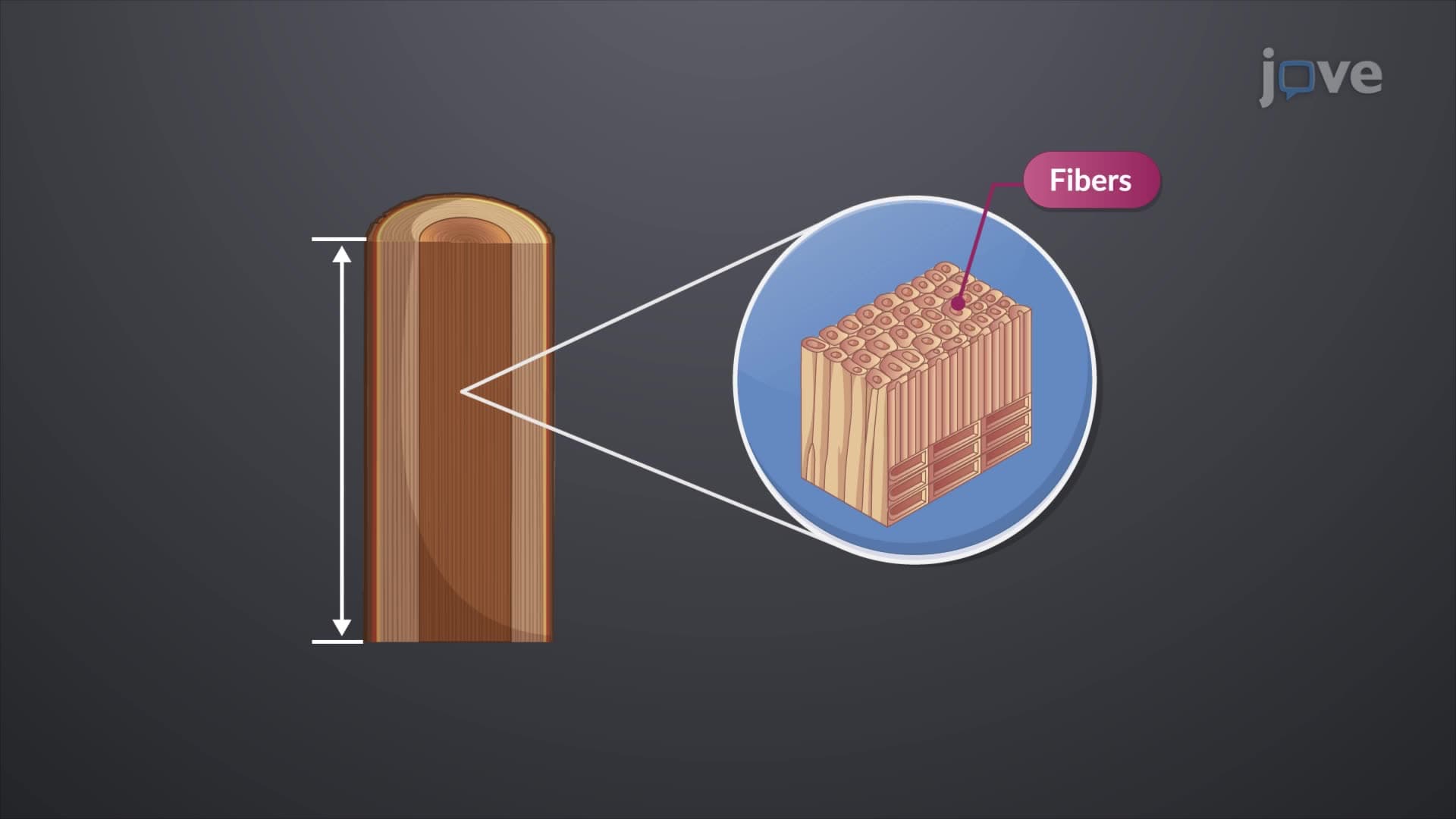
Wood fasteners represent a critical category of mechanical connectors designed specifically for joining wooden components in construction and manufacturing applications. These devices function primarily through direct bearing contact between the fastener and wood fibers, creating load transfer pathways that maintain structural integrity under various loading conditions. In the United States construction industry, proper fastener selection and installation directly impacts building code compliance and structural performance, making this knowledge essential for students pursuing careers in civil engineering, architecture, or construction management.
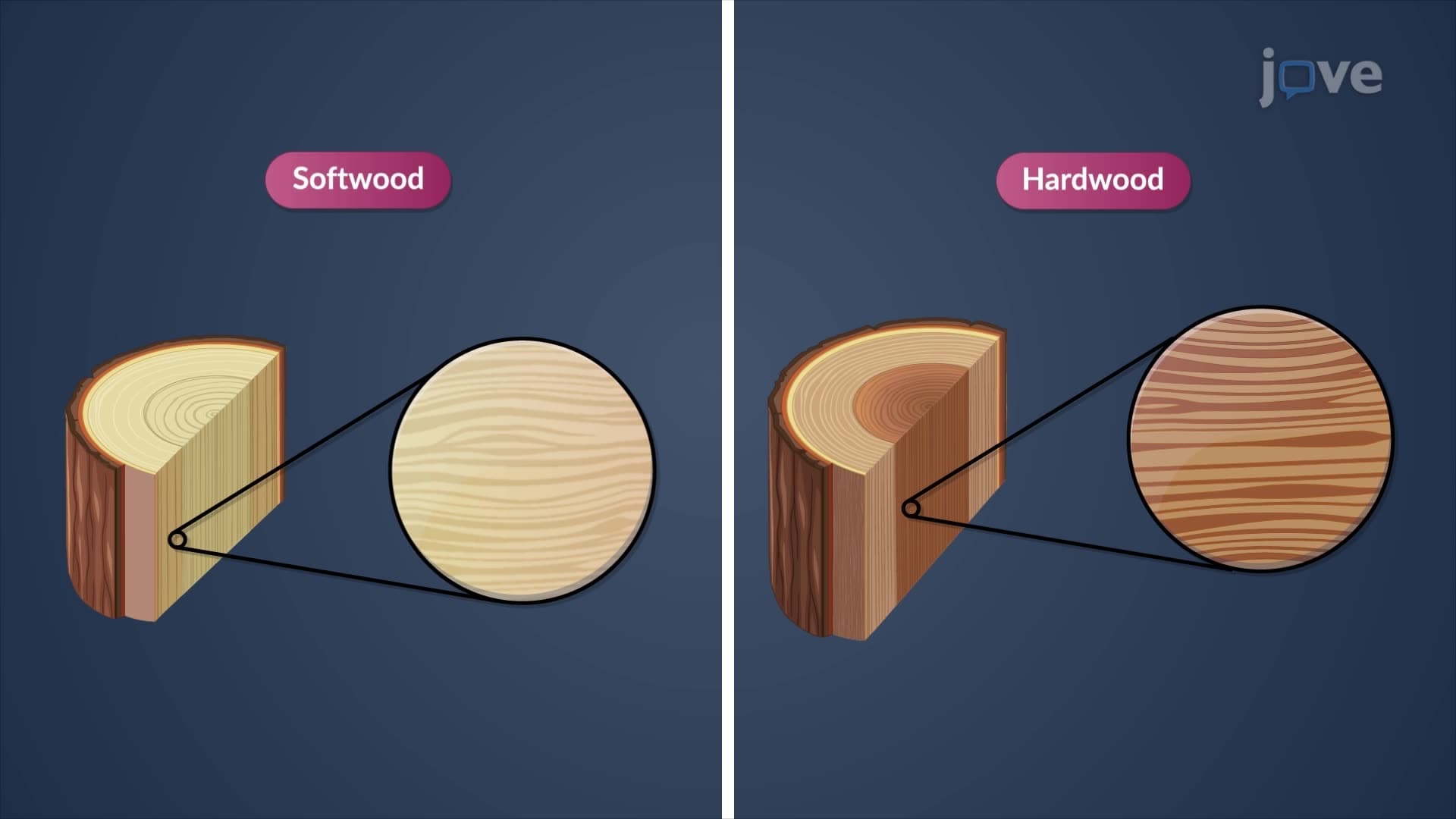
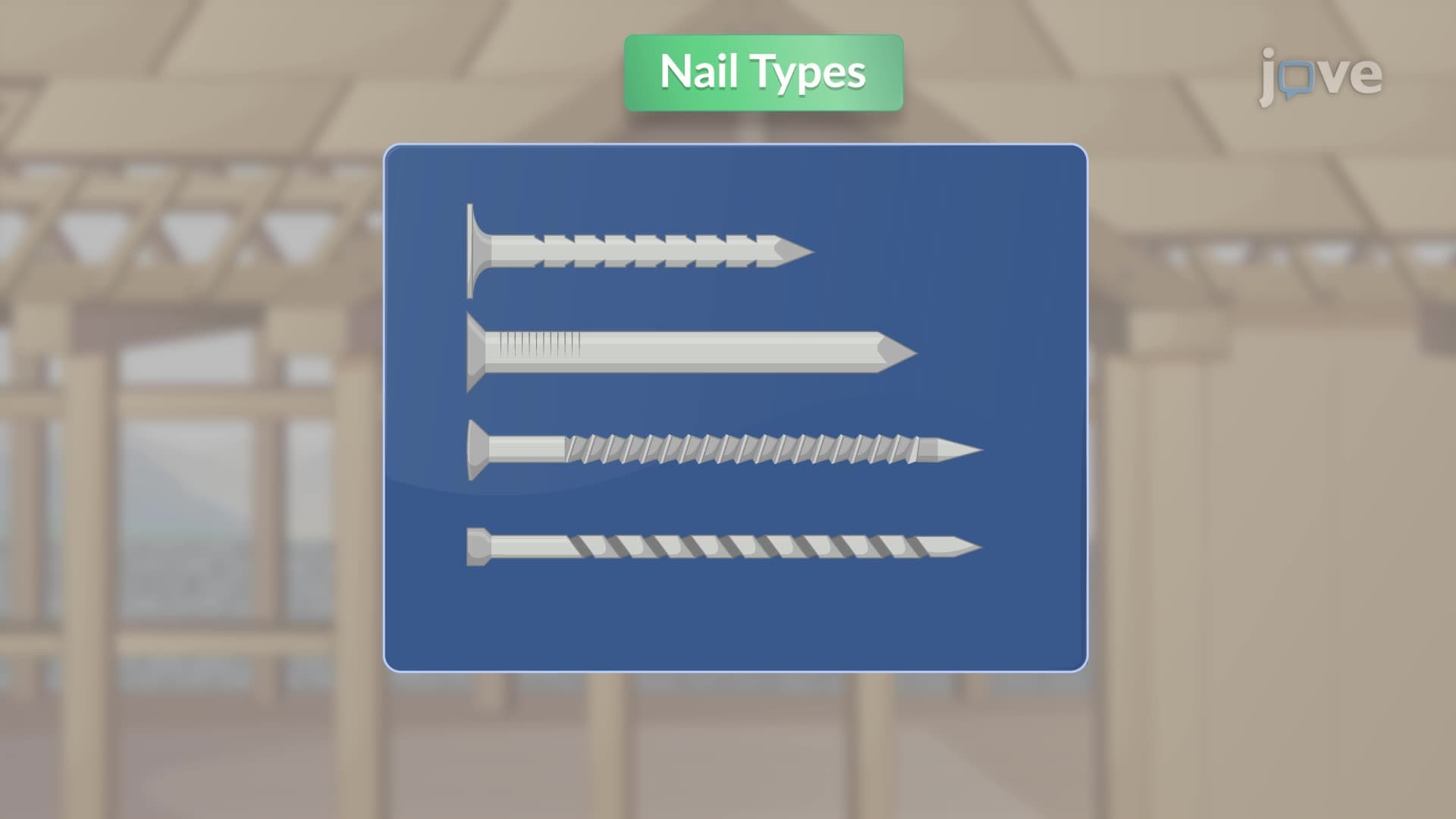
Nails constitute the most common type of wood fastener, consisting of sharp-pointed metal pins driven into wood using hammers or pneumatic guns. The American construction industry utilizes dozens of nail varieties, each engineered for specific applications. Common nails feature large heads for general framing, while finish nails have small heads that can be countersunk for aesthetic applications. Box nails offer thinner shanks to reduce wood splitting, particularly important when working with hardwood species common in furniture manufacturing.
Installation techniques significantly affect nail performance. Face nailing drives fasteners perpendicular to the wood surface, providing maximum holding power for structural connections. End nailing inserts fasteners into the end grain, though this method offers reduced holding capacity due to wood fiber orientation. Toe nailing drives nails at angles, creating mechanical interlocking that proves essential for floor joist connections in residential construction. Students preparing for AP Physics or engineering coursework should understand how these geometric relationships affect load transfer and connection strength.
Screws incorporate spiral threads that create mechanical advantage during installation, generating significantly higher holding power than nails. Wood screws feature coarse threads optimized for fiber engagement, while self-drilling screws eliminate pre-drilling requirements in softer wood species. The threading mechanism pulls the screw firmly into the wood, creating both mechanical interlocking and increased surface contact area for superior load resistance.
Bolt connections represent the highest-strength wood fastening method, requiring pre-drilled holes and nut-and-washer assemblies. Steel washers distribute bolt loads over larger wood areas, preventing localized fiber crushing that could compromise connection integrity. This principle becomes particularly important in engineered lumber applications, where connection strength calculations appear frequently on structural engineering licensing examinations and college-level mechanics courses.
Modern timber construction employs specialized connectors including split-ring connectors, toothed plates, and engineered metal framing devices. Split-ring connectors fit into circular grooves cut into wood members, creating high-capacity connections suitable for heavy timber construction like the timber-framed buildings found throughout New England. Toothed plate connectors use multiple small teeth to engage wood fibers across large surface areas, making them ideal for truss manufacturing in residential construction. These advanced systems enable architects and engineers to design increasingly sophisticated wood structures while maintaining the sustainable benefits that make timber construction attractive in modern green building practices.
Related Micro-courses