Loading subject page…

- Civil Engineering
- Wood
- Wood Surfacing
Micro-course: Wood
2,689 views
Learn key concepts and earn your certificate.

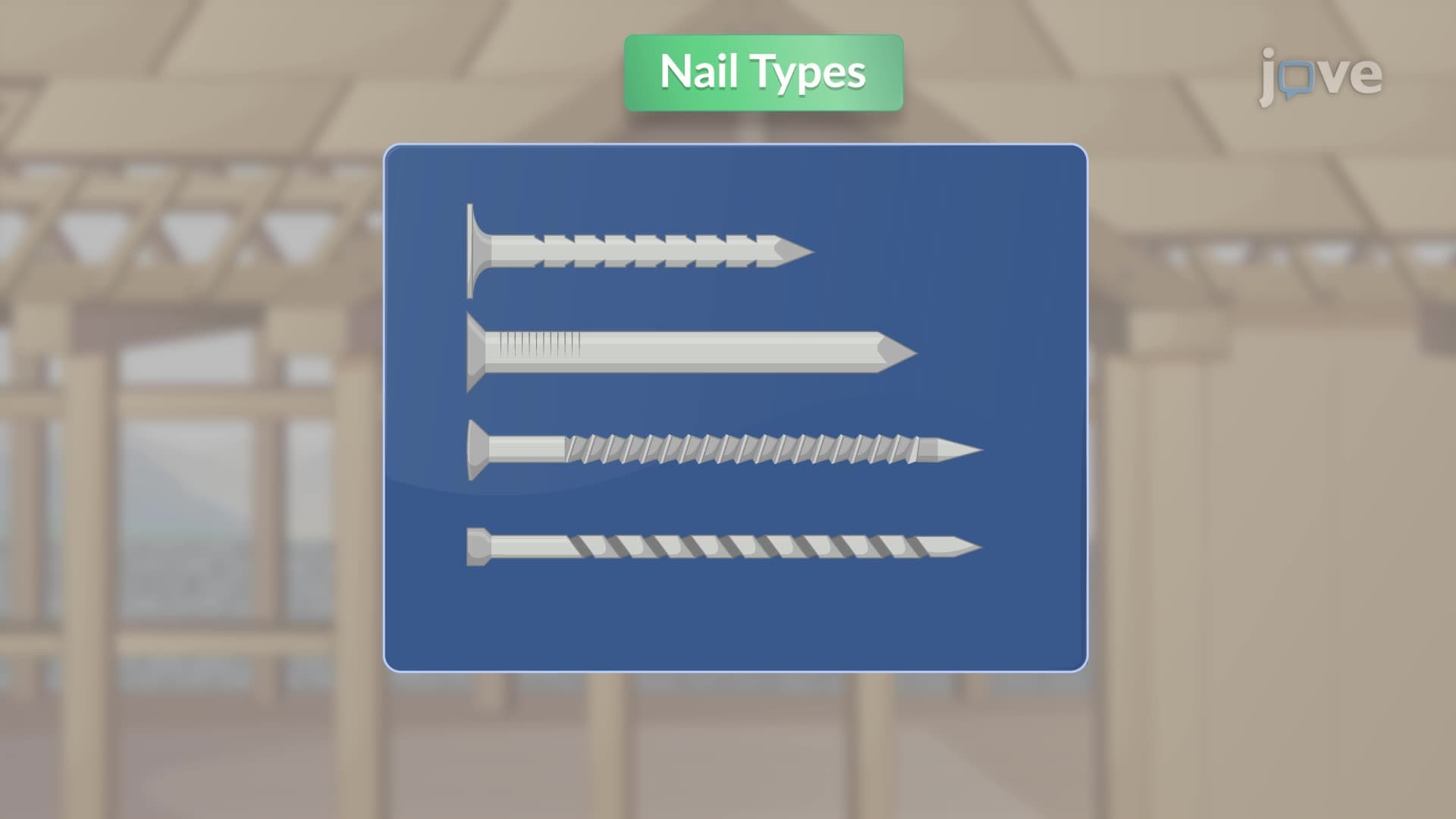
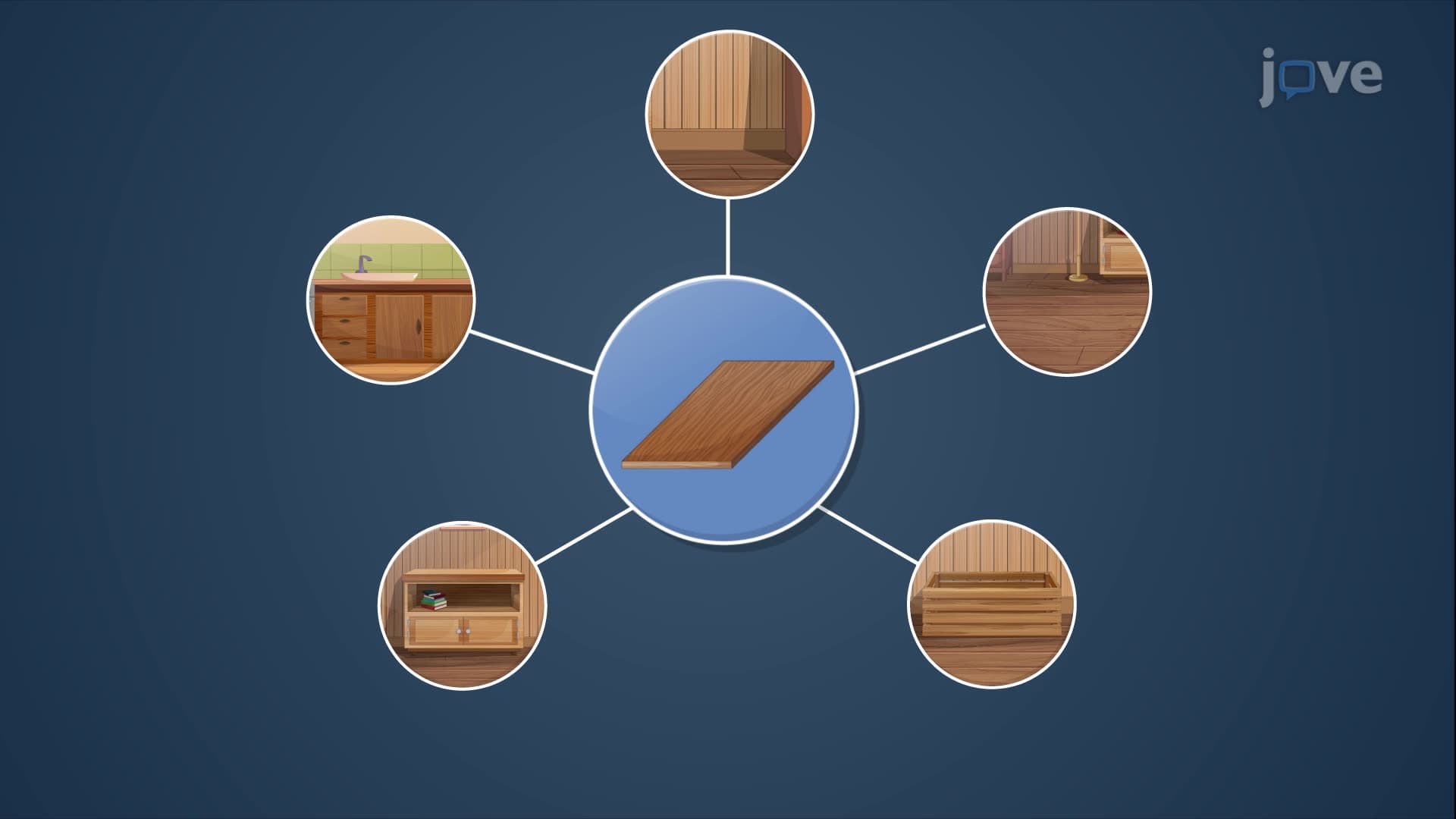
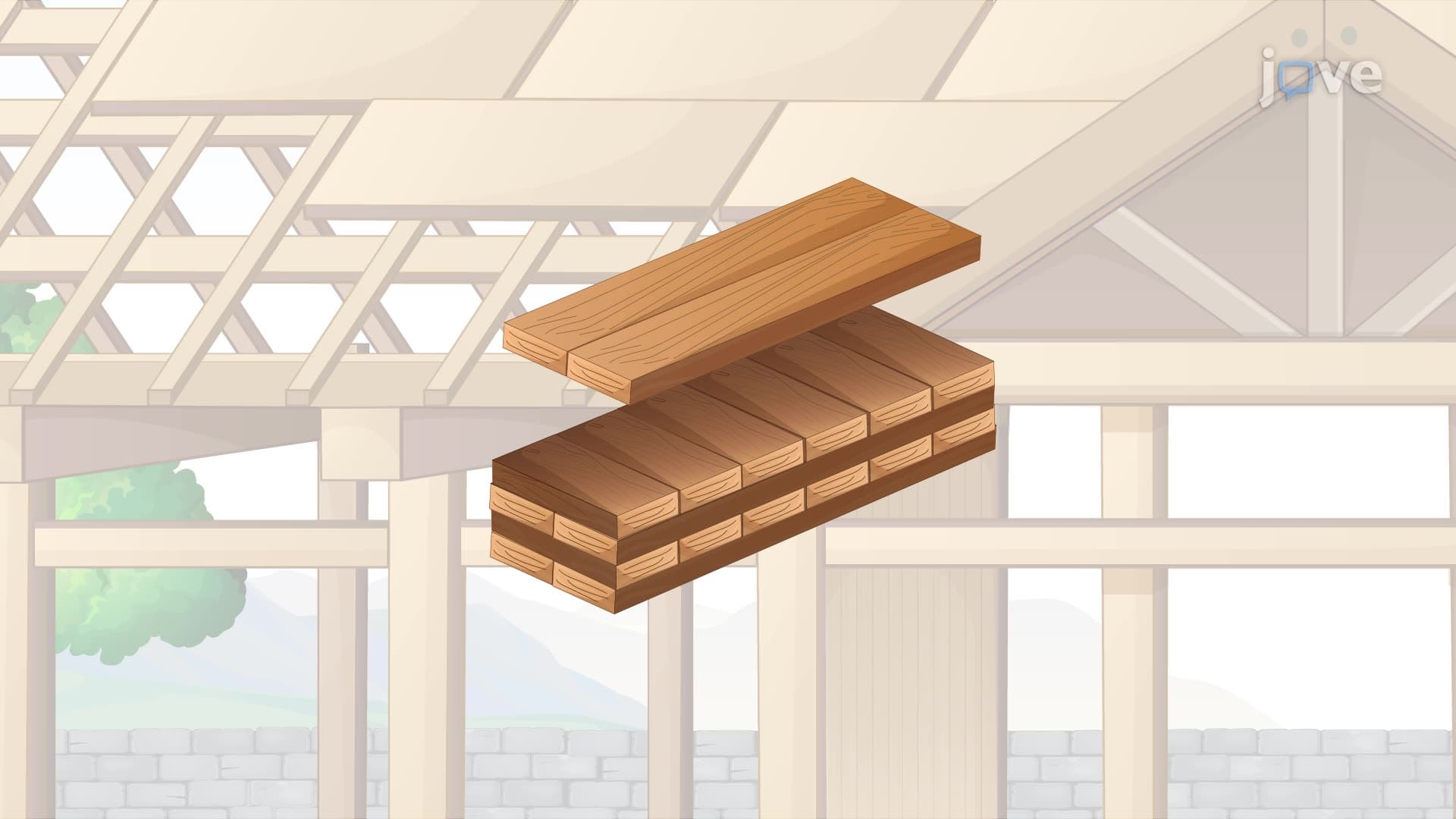
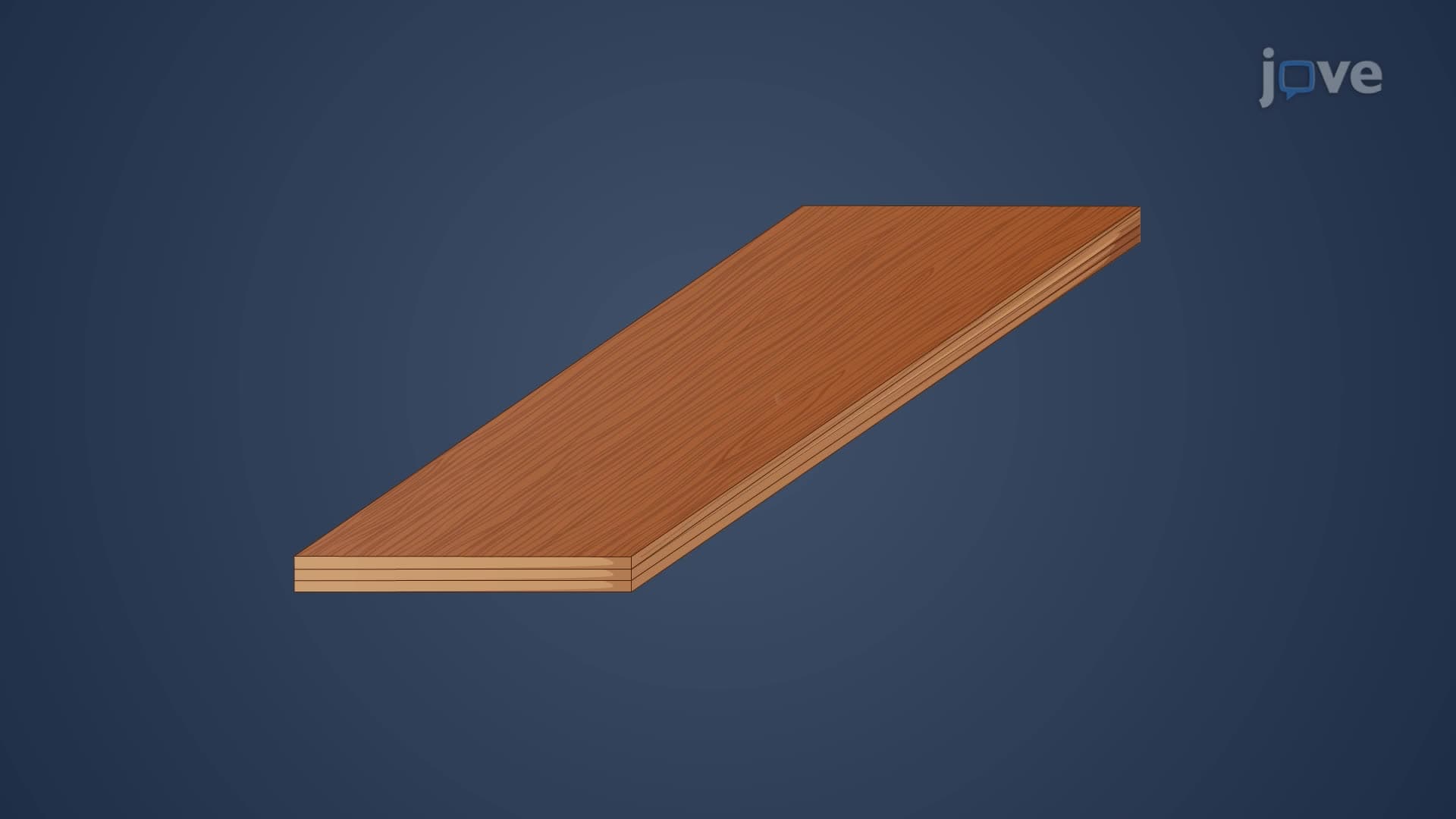
Wood Surfacing

00:00
01:14
Video Summary: What Is Wood Surfacing
Ever wonder why furniture at stores like Home Depot feels perfectly smooth while raw lumber feels rough and splintery? Wood surfacing transforms rough-cut timber into the smooth, precise materials used in everything from kitchen cabinets to high school shop class projects. This fundamental woodworking process ensures safety, accuracy, and professional results in carpentry and manufacturing across the United States. Watch the full video on JoVE Coach to master this concept with expert-led visuals and step-by-step explanations.
- Understand what is wood surfacing and its primary purposes in woodworking and manufacturing
- Identify the key equipment used in wood surfacing processes, including planers and sanders
- Analyze the relationship between wood seasoning, shrinkage, and dimensional compensation in surfacing
- Compare different surfacing methods for hardwoods versus softwoods in commercial applications
- Evaluate quality standards for surfaced lumber, including flatness, straightness, and edge consistency
- Apply proper sanding techniques using progressive grit sequences for optimal surface finishes
- Recognize how wood distortions from seasoning can be corrected through surfacing operations
- Explore safety improvements achieved through proper wood surfacing in construction and crafting
Understanding Wood Surfacing Fundamentals
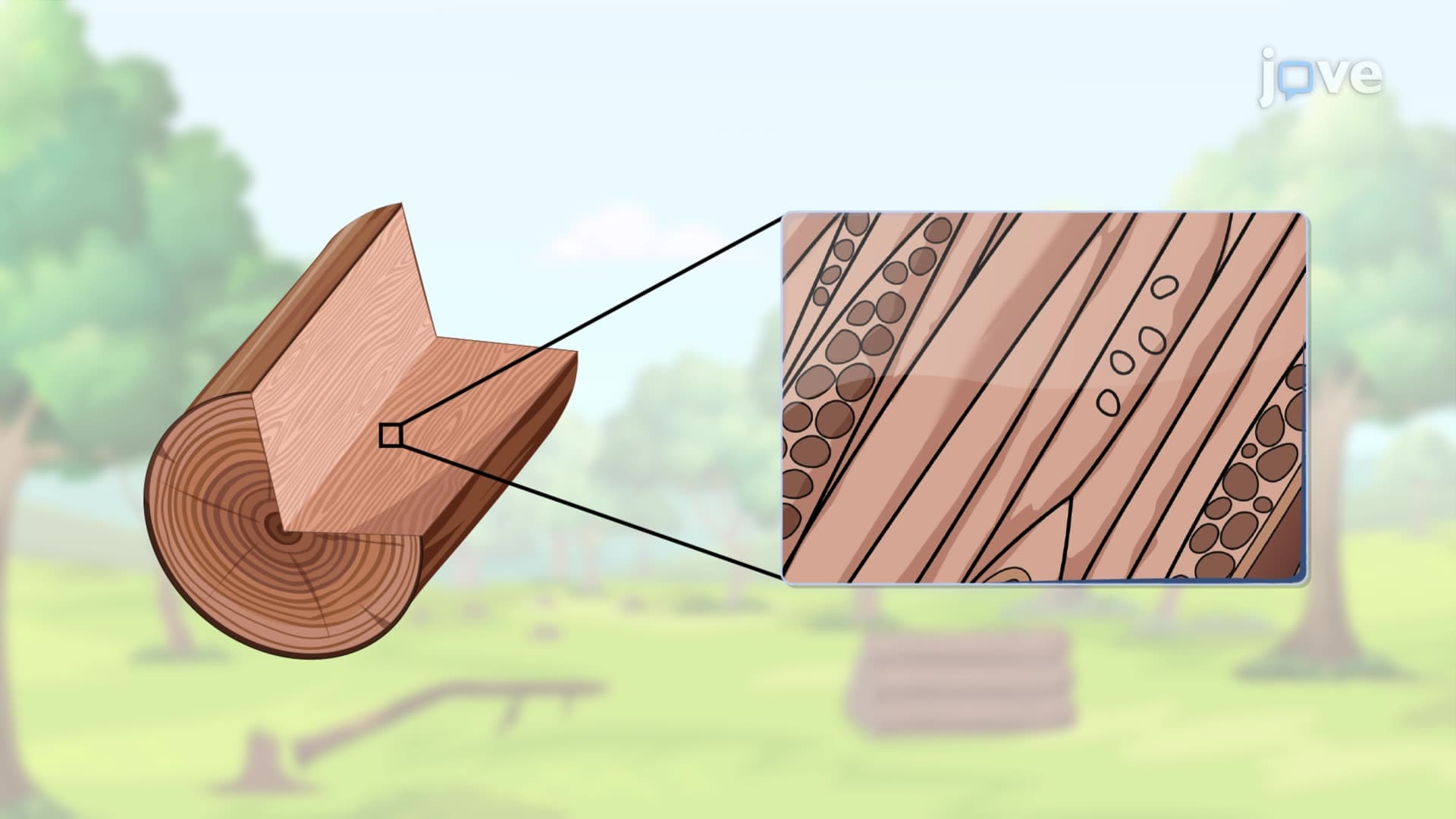
Wood surfacing represents a critical manufacturing process that transforms rough lumber into smooth, dimensionally accurate building materials. Unlike the raw timber harvested from forests, surfaced wood meets precise specifications required for construction, furniture making, and industrial applications. This process addresses three fundamental challenges: achieving smooth finishes, ensuring accurate dimensions, and improving handling safety.
The wood surfacing definition encompasses both mechanical and chemical processes that modify wood's surface characteristics. In the United States, lumber mills process billions of board feet annually using industrial surfacing equipment, supplying everything from residential construction to aerospace applications where wooden components require exact tolerances.
The Science Behind Wood Surfacing Operations
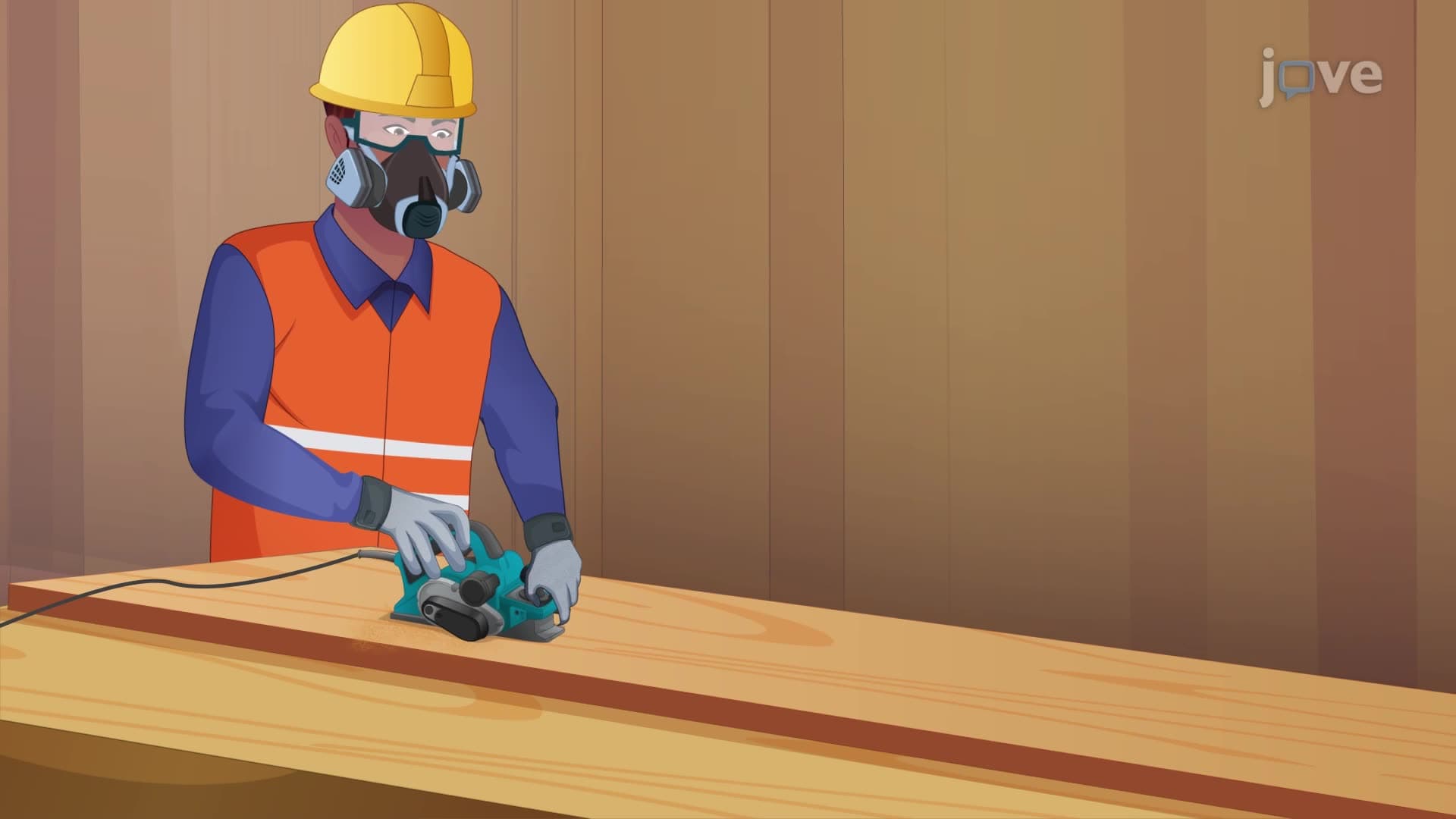
Commercial wood surfacing relies primarily on planers-sophisticated machines equipped with rotating blade systems that shave thin layers from lumber surfaces. These industrial planers, manufactured by companies like Weinig and Wadkin, can process boards up to 12 inches wide at speeds exceeding 100 feet per minute. The rotating blades create microscopic cuts that eliminate surface irregularities while slightly rounding edges to prevent splintering during handling.
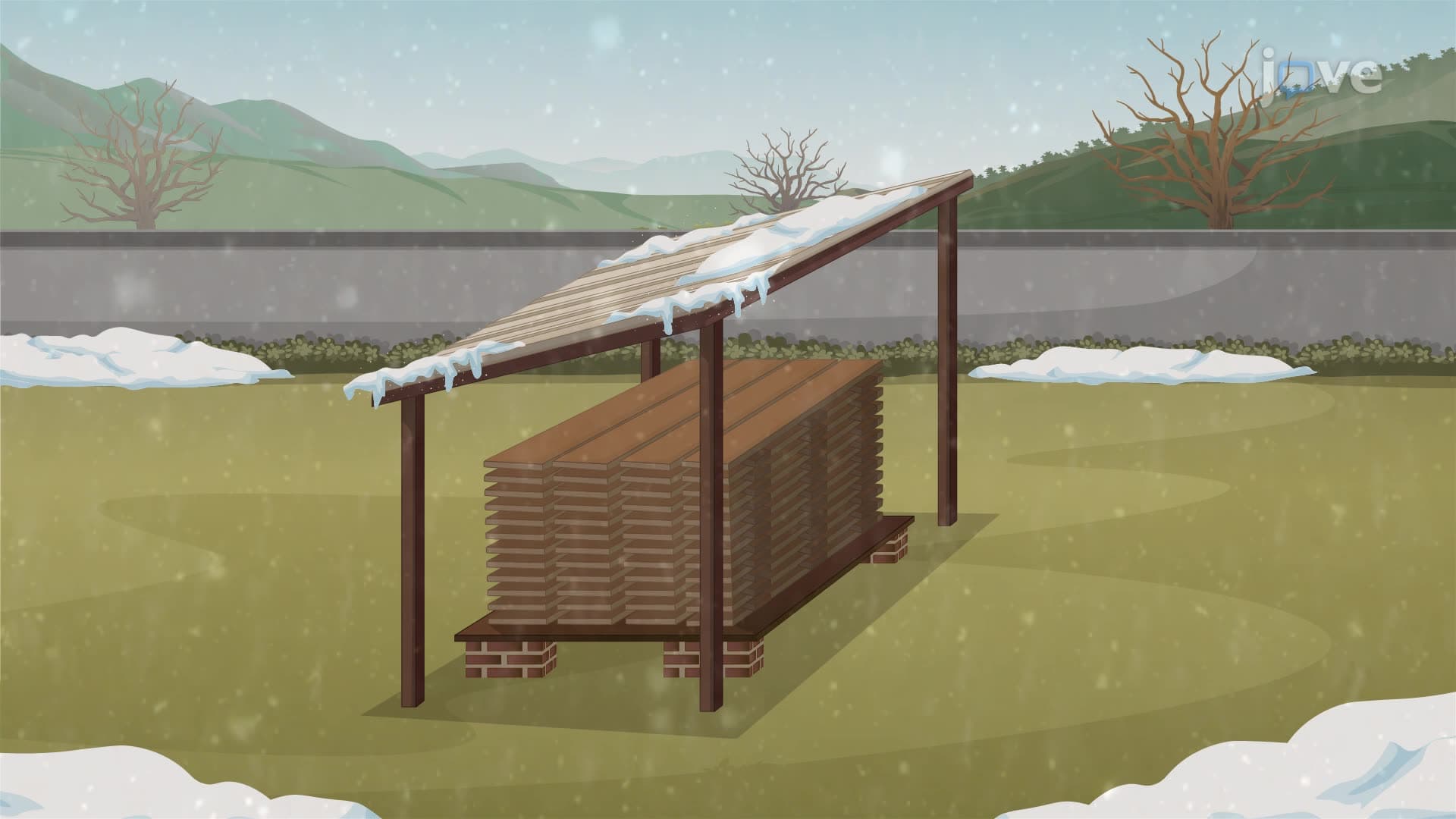
Understanding wood surfacing requires recognizing its relationship to wood seasoning. As lumber dries from green (freshly cut) to kiln-dried moisture content below 19%, significant shrinkage occurs. Seasoned lumber often warps, cups, or twists due to uneven moisture loss. Initial lumber dimensions account for this shrinkage-a 2x4 actually measures 1.5" x 3.5" after surfacing because material was removed to achieve flatness and eliminate seasoning distortions.
Surfacing Standards and Quality Control
Professional lumber grading follows strict standards established by organizations like the American Lumber Standard Committee. What is wood surfacing in detail includes understanding these quality benchmarks: surfaces must exhibit consistent flatness within 1/16 inch over 8 feet, edges must appear straight, and cross-sections should maintain uniform dimensions.
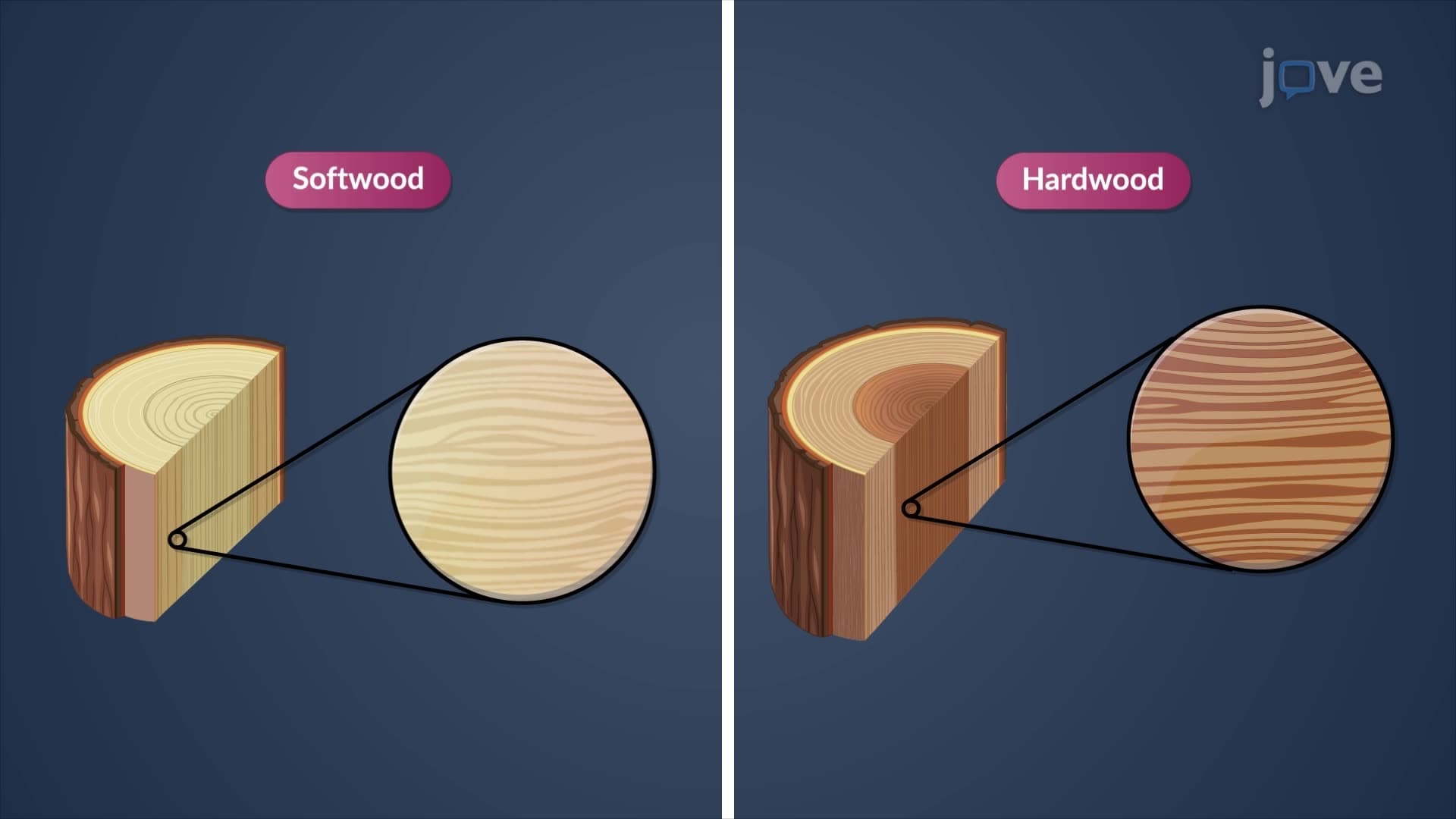
Hardwoods typically receive S2S (surfaced two sides) treatment, leaving edges rough for custom finishing by craftspeople. Softwoods commonly receive S4S (surfaced four sides) processing for immediate construction use. This distinction reflects different market applications-hardwoods often become furniture requiring custom edge work, while softwoods serve structural purposes demanding standardized dimensions.
Advanced Surfacing Techniques and Applications
Beyond mechanical planing, wood surfacing basics include abrasive processes like drum sanding and wide-belt sanding. Progressive grit sequences-starting with 80-grit and advancing through 120, 150, and 220-grit papers-create increasingly smooth surfaces. Professional woodworkers always sand parallel to grain direction to prevent cross-grain scratches that become visible under finishes.
These concepts frequently appear in Advanced Placement (AP) Physics examinations when discussing friction coefficients, material science courses covering surface energy, and vocational education programs training future carpenters and millworkers across American high schools and community colleges.
Frequently Asked Questions
Wood surfacing is the process of smoothing and dimensioning rough lumber using planers and sanders to create safe, accurate building materials. Raw lumber from sawmills has rough surfaces, irregular dimensions, and potential splinters that make it unsuitable for construction or furniture making. Surfacing eliminates these problems while ensuring consistent measurements required for professional projects.
Wood surfacing demonstrates key physics principles including friction reduction, surface energy modification, and dimensional stability under thermal expansion. Students might encounter questions about how surface roughness affects friction coefficients or how thermal cycling during seasoning creates internal stresses corrected through surfacing. Understanding these relationships helps with both conceptual questions and laboratory analysis problems.
Focus on understanding planer operation, safety procedures, and sanding progression from coarse to fine grits. Most exams cover the difference between S2S and S4S lumber, why hardwoods and softwoods receive different treatments, and proper grain direction for sanding. Practice identifying surfacing defects like snipe, tear-out, and burn marks that indicate improper technique or dull cutting tools.
Major construction companies like Toll Brothers and KB Home rely on surfaced lumber for framing, flooring, and finish carpentry in residential developments nationwide. Cabinet manufacturers such as KraftMaid use precisely surfaced hardwoods for consistent door and drawer construction. Even aircraft manufacturers like Boeing utilize surfaced wood components in cargo aircraft interiors where weight and dimensional accuracy are critical.
Wood surfacing requires only basic arithmetic and measurement skills typically mastered by 9th grade. You'll work with fractions, decimal measurements, and percentage calculations for moisture content and shrinkage rates. The most complex math involves calculating material removal rates and determining final dimensions after accounting for seasoning shrinkage-concepts well within high school algebra capabilities.
While wood surfacing rarely appears directly on healthcare exams, the underlying principles of surface preparation, contamination control, and dimensional accuracy parallel medical device sterilization and equipment maintenance procedures. Focus on understanding quality control standards, safety protocols, and systematic processes that transfer to healthcare environments requiring precise, contamination-free surfaces.
Progress to studying wood joinery techniques like mortise-and-tenon, dovetail joints, and laminated construction methods. Explore finishing systems including stains, sealers, and topcoats that protect surfaced wood. Advanced students might investigate CNC machining, which combines surfacing with precise cutting operations, or veneer processing that creates ultra-thin surfaced sheets for furniture and architectural applications.
Related Micro-courses