Loading video…


 11 Concepts
 2.7K views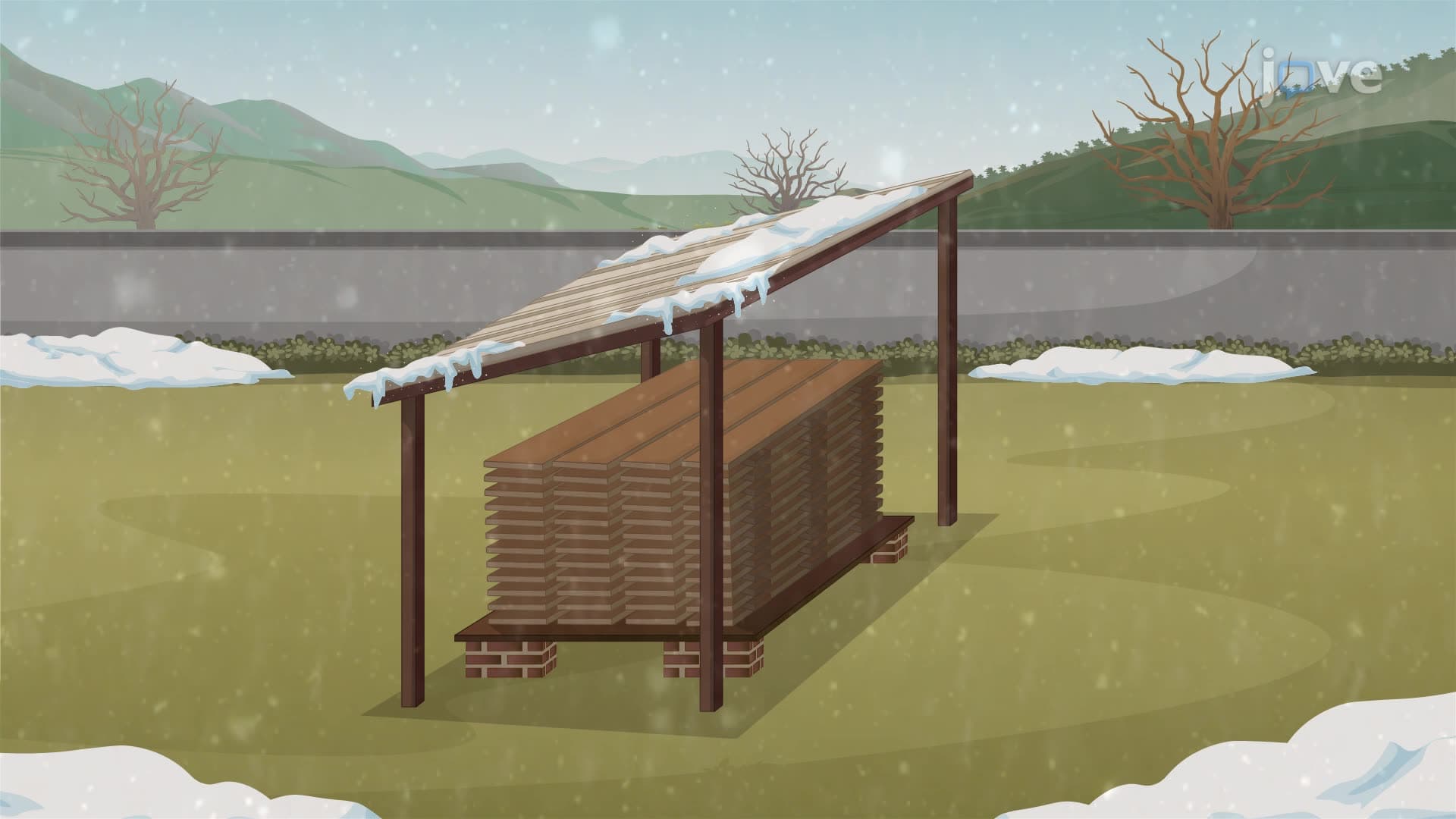

Video Summary: What Is Seasoning of Wood
Ever wondered why hardwood floors sometimes develop gaps during winter heating season? Seasoning of wood is the controlled process of reducing moisture content in lumber to prevent warping, cracking, and dimensional changes after construction. In US residential construction, improperly seasoned framing lumber can cause foundation settling and costly structural repairs. What is seasoning of wood becomes crucial when builders select materials for projects ranging from deck construction to furniture making. Watch the full video on JoVE Coach to master this concept with expert-led visuals and step-by-step explanations.
What is seasoning of wood represents a critical manufacturing process that transforms raw lumber into stable building material. Seasoning removes excess moisture from freshly cut timber, reducing water content from green wood levels (often 50-200%) to optimal ranges for construction use. This process prevents the costly problems that plague US construction projects when builders use inadequately dried lumber.
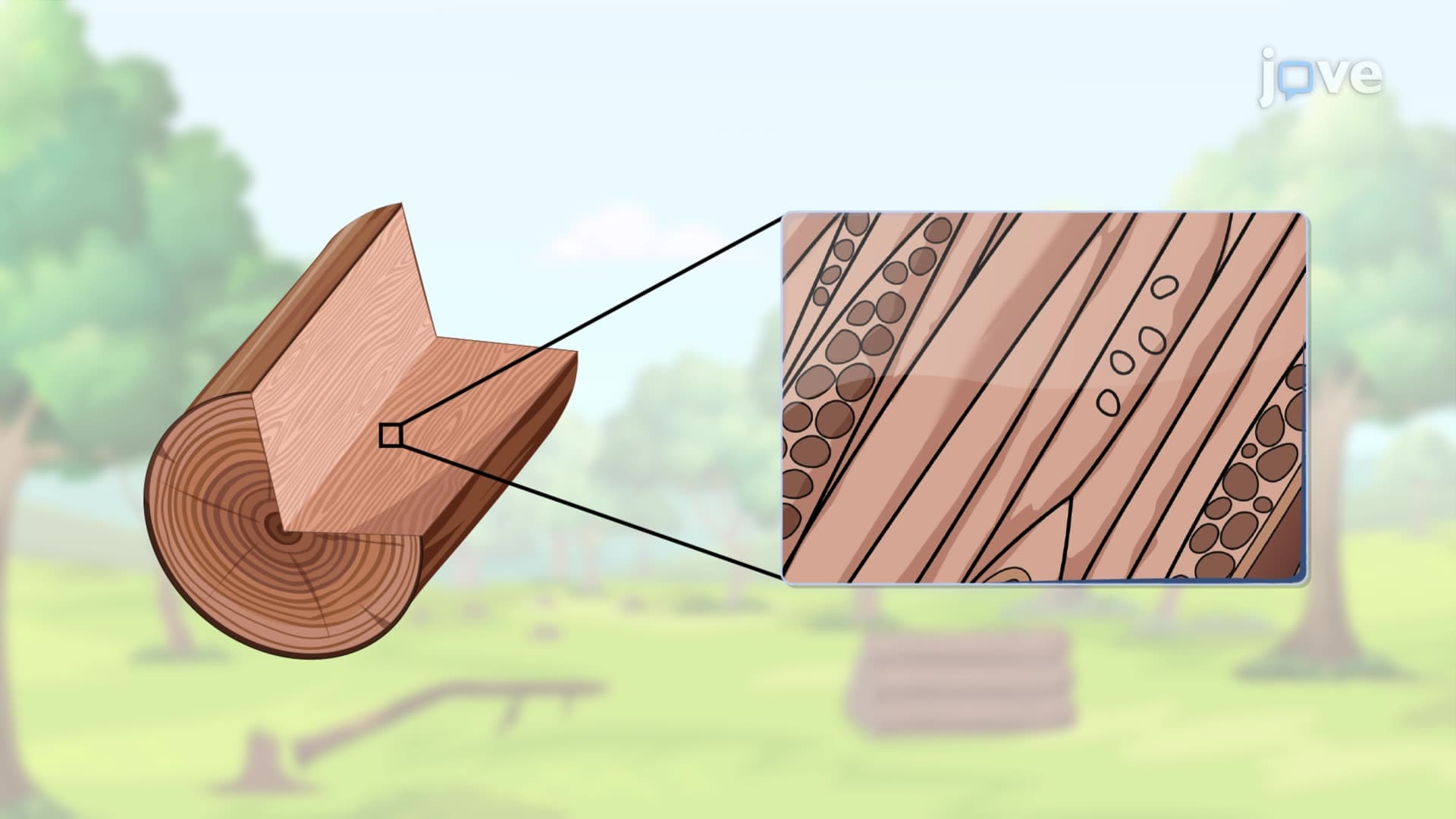
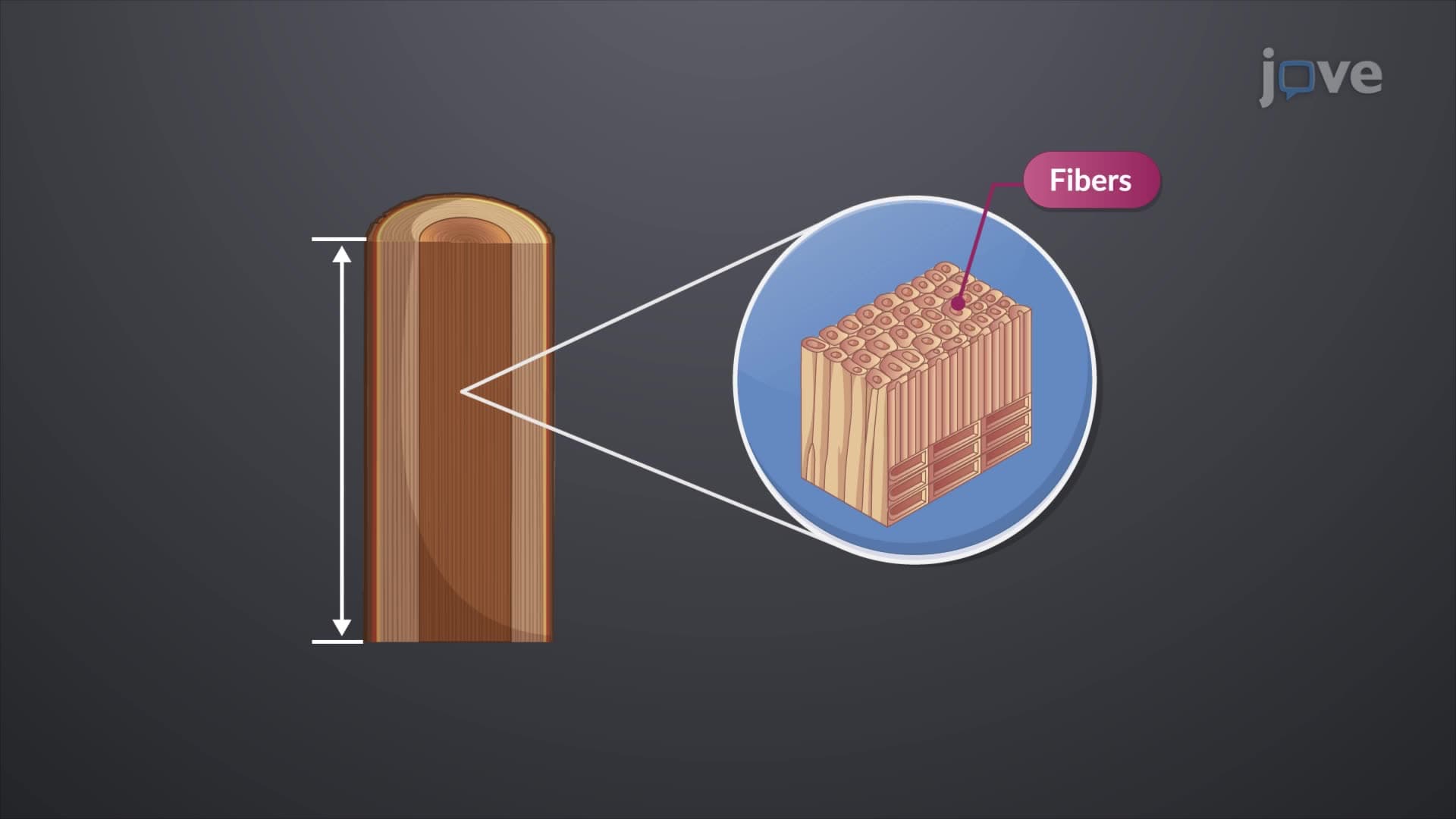
The science behind seasoning centers on wood's hygroscopic nature-its tendency to absorb and release moisture based on surrounding humidity. Fresh-cut lumber contains both free water (in cell cavities) and bound water (in cell walls). During seasoning, free water evaporates first, followed by bound water removal that causes dimensional changes. Understanding this two-phase process helps explain why proper seasoning timing matters for structural integrity.
Equilibrium moisture content (EMC) represents the moisture level where wood neither gains nor loses water from surrounding air. In the US, EMC varies significantly by region-from 6% in Arizona's desert climate to 12% in Louisiana's humid conditions. This regional variation explains why lumber seasoned in Oregon requires different moisture targets than wood destined for Texas construction projects.
Professional builders recognize that wood continues adjusting to local conditions even after installation. The US Forest Products Laboratory recommends targeting EMC values 2-3% below the expected in-service moisture content to account for seasonal fluctuations. This principle applies whether students encounter seasoning concepts in AP Environmental Science coursework or college materials engineering programs.
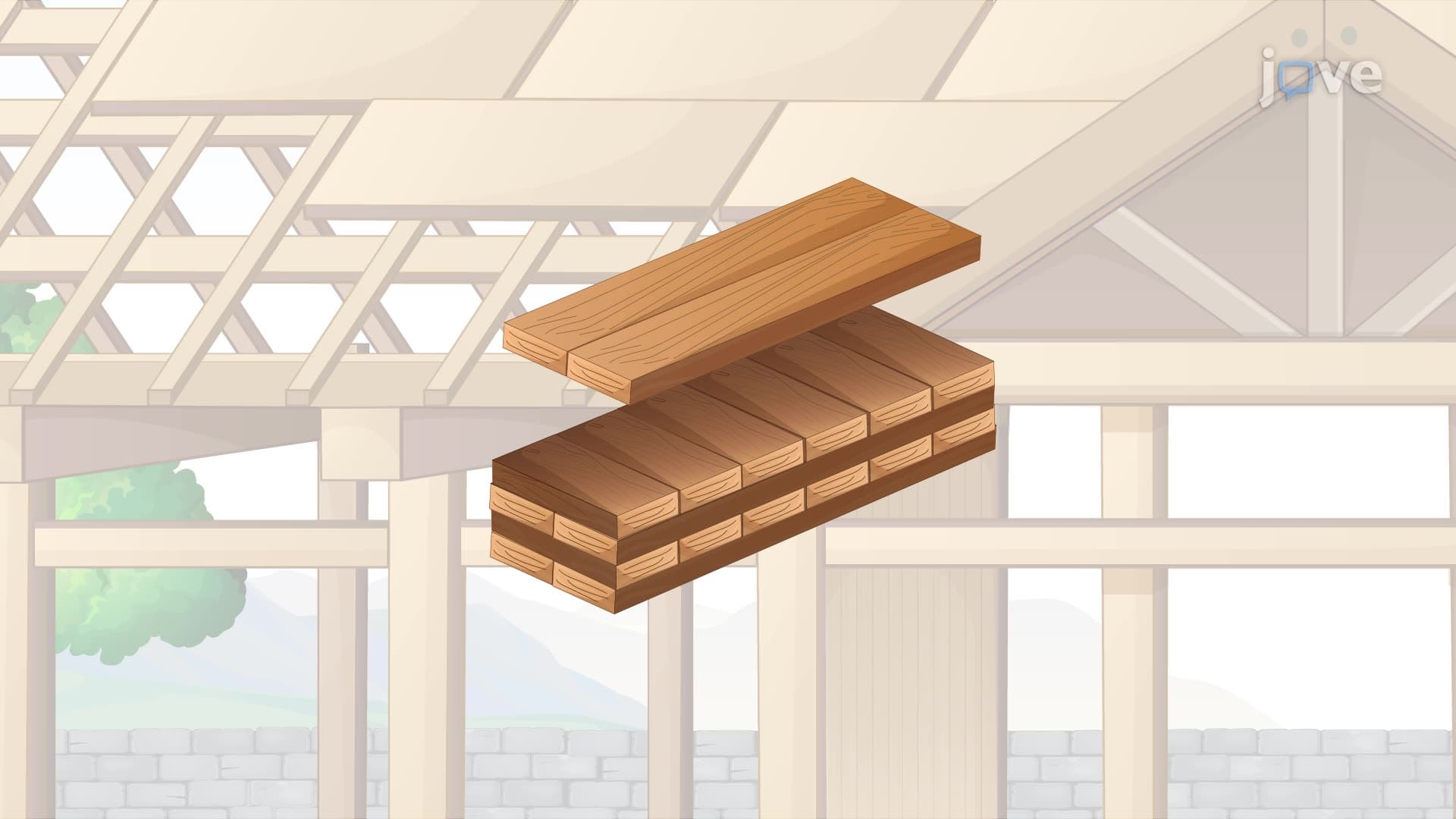
Air drying represents the traditional seasoning approach, requiring 6-12 months for lumber thickness reduction from green to usable moisture levels. Modern US lumber operations typically stack boards with stickers (thin spacer strips) allowing airflow between layers. Proper orientation prevents warping while waterproof coverings protect against precipitation-critical factors for operations in Pacific Northwest timber regions.
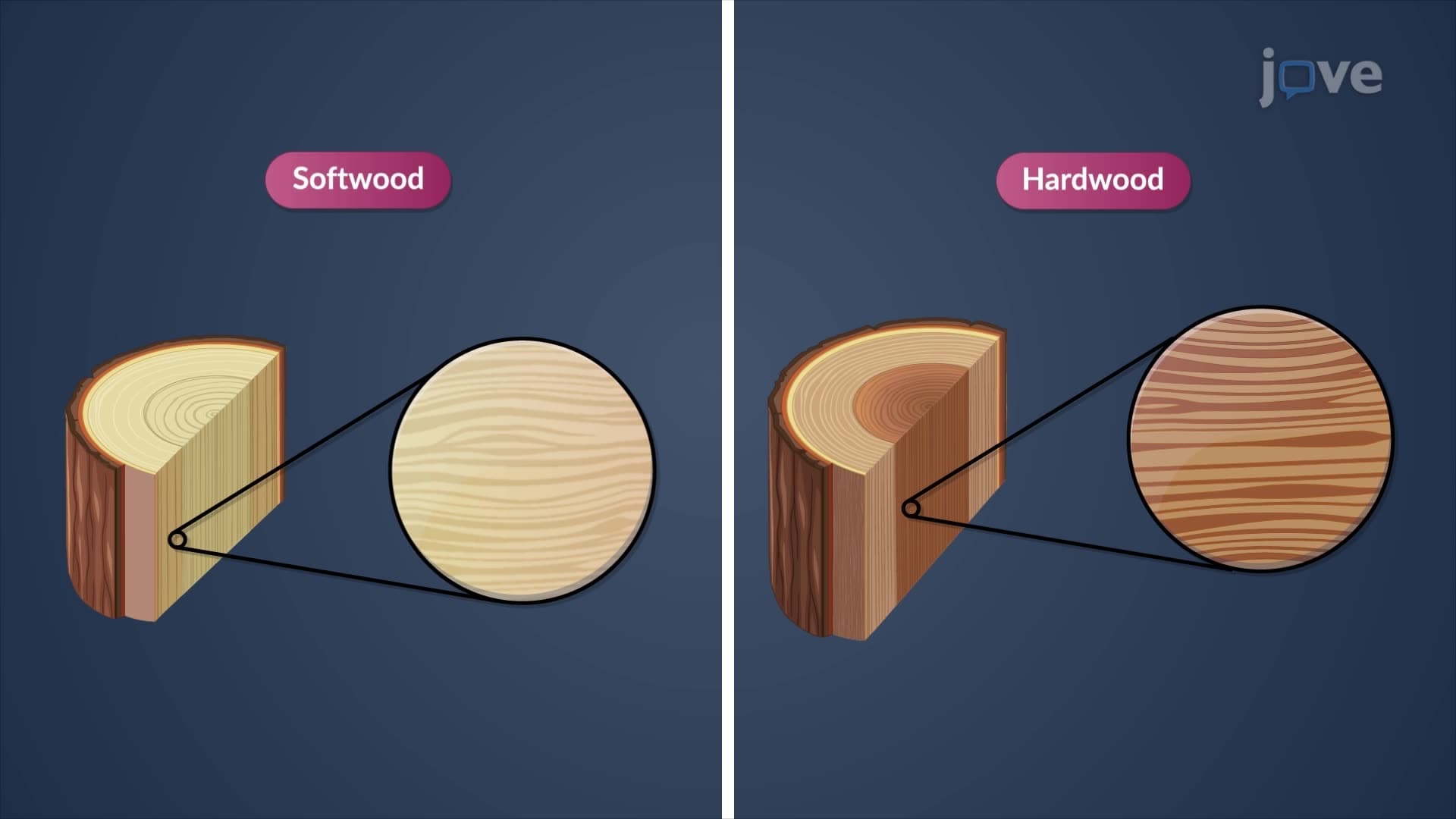
Kiln drying accelerates the process to days or weeks using controlled temperature and humidity. US manufacturing facilities employ different kiln schedules based on species and intended use. Southern pine framing lumber follows aggressive schedules reaching 19% moisture content, while hardwoods for furniture require gentler treatment to prevent checking and honeycombing defects.
Professional applications demonstrate seasoning importance across multiple industries. US residential construction relies on properly seasoned dimensional lumber meeting International Building Code requirements. Furniture manufacturers require even lower moisture contents (6-8%) for stability in heated indoor environments. These applications frequently appear in college materials science examinations and professional licensing tests for architects and engineers.
Related Micro-courses