Loading subject page…

- Civil Engineering
- Dimensional Analysis, Similitude, and Modeling
- The Buckingham Pi Theorem
Micro-course: Dimensional Analysis, Similitude, and Modeling
4,384 views
Learn key concepts and earn your certificate.





The Buckingham Pi Theorem


00:00
01:09
Video Summary: What Is the Buckingham Pi Theorem
Ever wondered how engineers at Boeing predict airflow over a new aircraft wing without building hundreds of expensive prototypes? The determination of pi terms through the Buckingham Pi Theorem makes this possible by converting complex physical relationships into elegant dimensionless equations. This powerful mathematical tool transforms variables like pipe diameter, fluid velocity, and viscosity in water treatment plants across Texas into universal relationships that work regardless of scale. The Buckingham Pi Theorem serves as a cornerstone of dimensional analysis in engineering and physics. Watch the full video on JoVE Coach to master this concept with expert-led visuals and step-by-step explanations.
- Understand what the Buckingham Pi Theorem is and how it systematically reduces complex physical problems into dimensionless relationships
- Identify the fundamental variables and reference dimensions (mass M, length L, time T) needed for dimensional analysis in engineering problems
- Apply the theorem's core principle that n variables with k fundamental dimensions yield (n-k) independent dimensionless pi terms
- Analyze real-world fluid mechanics problems by determining pi terms like the Reynolds number to characterize flow behavior
- Recognize how dimensionless groups enable universal scaling laws that work across different system sizes and conditions
- Evaluate when laminar versus turbulent flow occurs using dimensionless parameters derived from the theorem
- Compare physical systems of vastly different scales using the same dimensionless relationships
- Explore practical applications in aerospace, chemical, and civil engineering where dimensional analysis drives design decisions
Understanding the Buckingham Pi Theorem Foundation
The Buckingham Pi Theorem stands as one of the most elegant mathematical tools in engineering and physics, providing a systematic method for the determination of pi terms that describe physical relationships. Named after physicist Edgar Buckingham, this theorem states that if a physical relationship involves n variables and k fundamental dimensions, then it can be expressed using exactly (n-k) independent dimensionless groups, called pi terms.
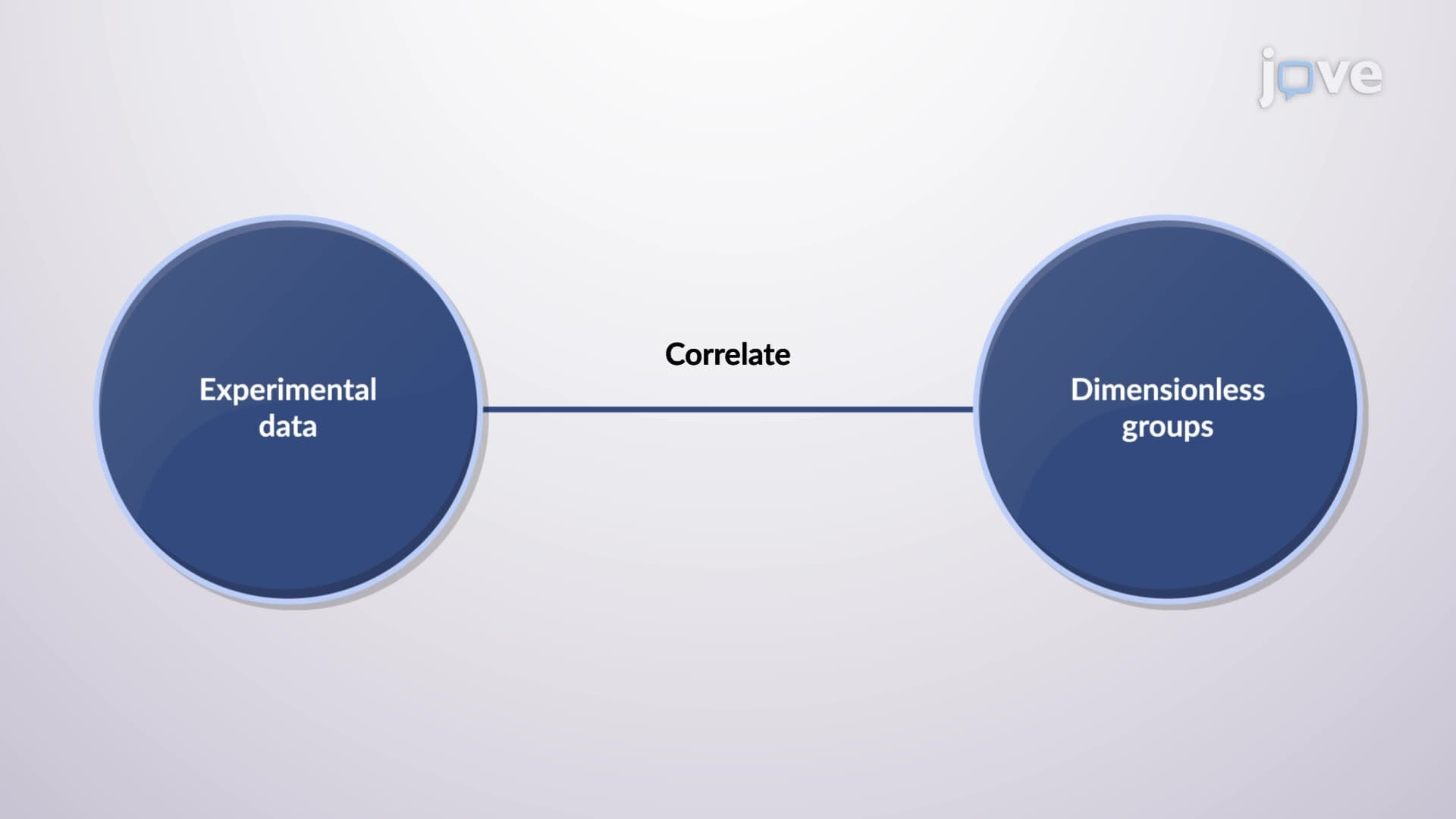
The determination of pi terms definition encompasses the process of identifying which physical variables matter in a system, determining their fundamental dimensions, and combining them mathematically to create dimensionless relationships. This approach proves invaluable because dimensionless equations remain valid regardless of the units used or the scale of the system being studied.
Systematic Approach to Pi Term Development
When learning what is determination of pi terms in detail, students discover a methodical process. First, identify all relevant physical variables in the problem. For pipe flow analysis-common in SAT Subject Test Physics and AP Physics problems-these typically include pipe diameter (D), fluid velocity (V), fluid density (ρ), and dynamic viscosity (μ). Next, determine the fundamental dimensions: mass [M], length [L], and time [T].
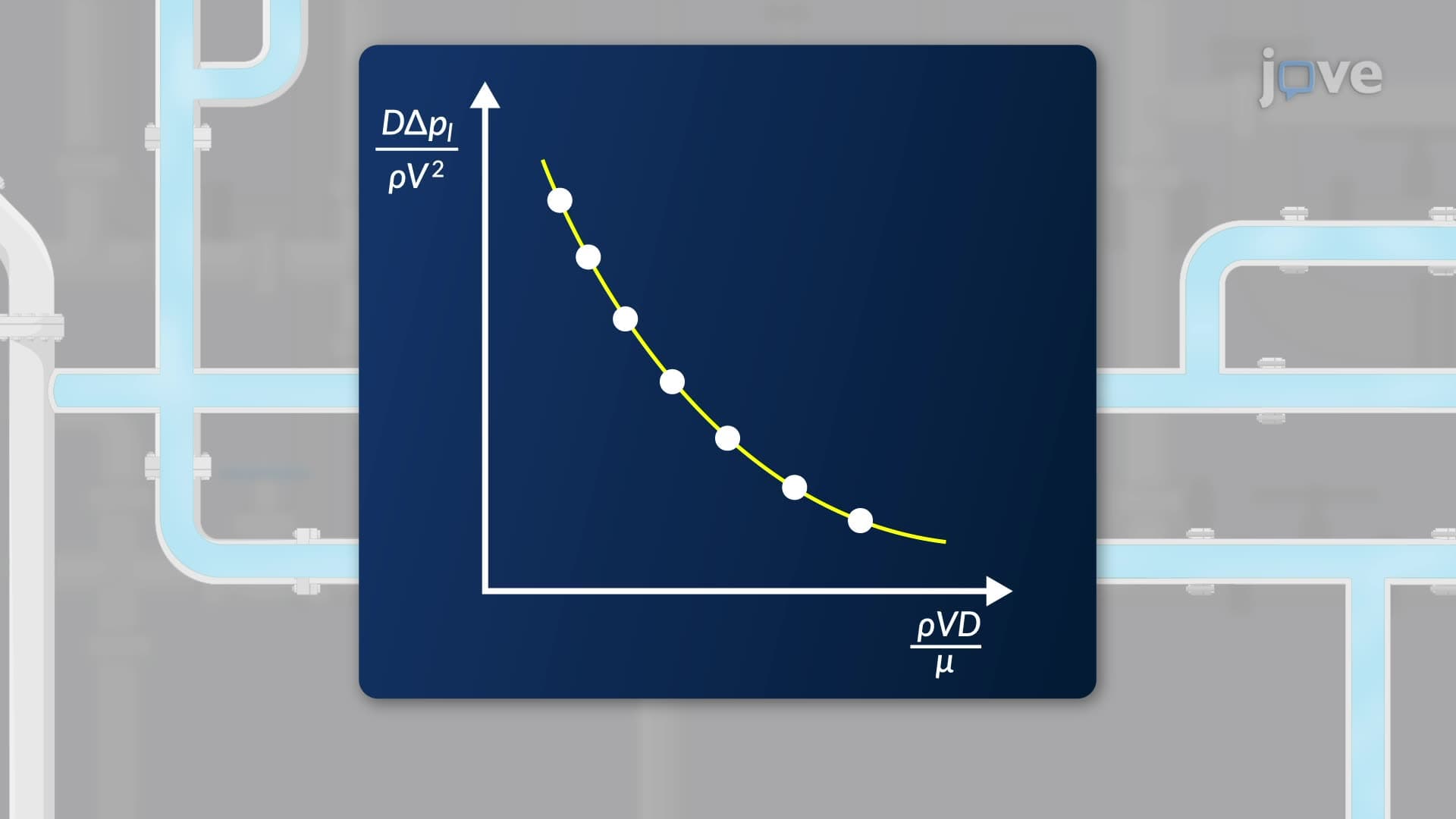
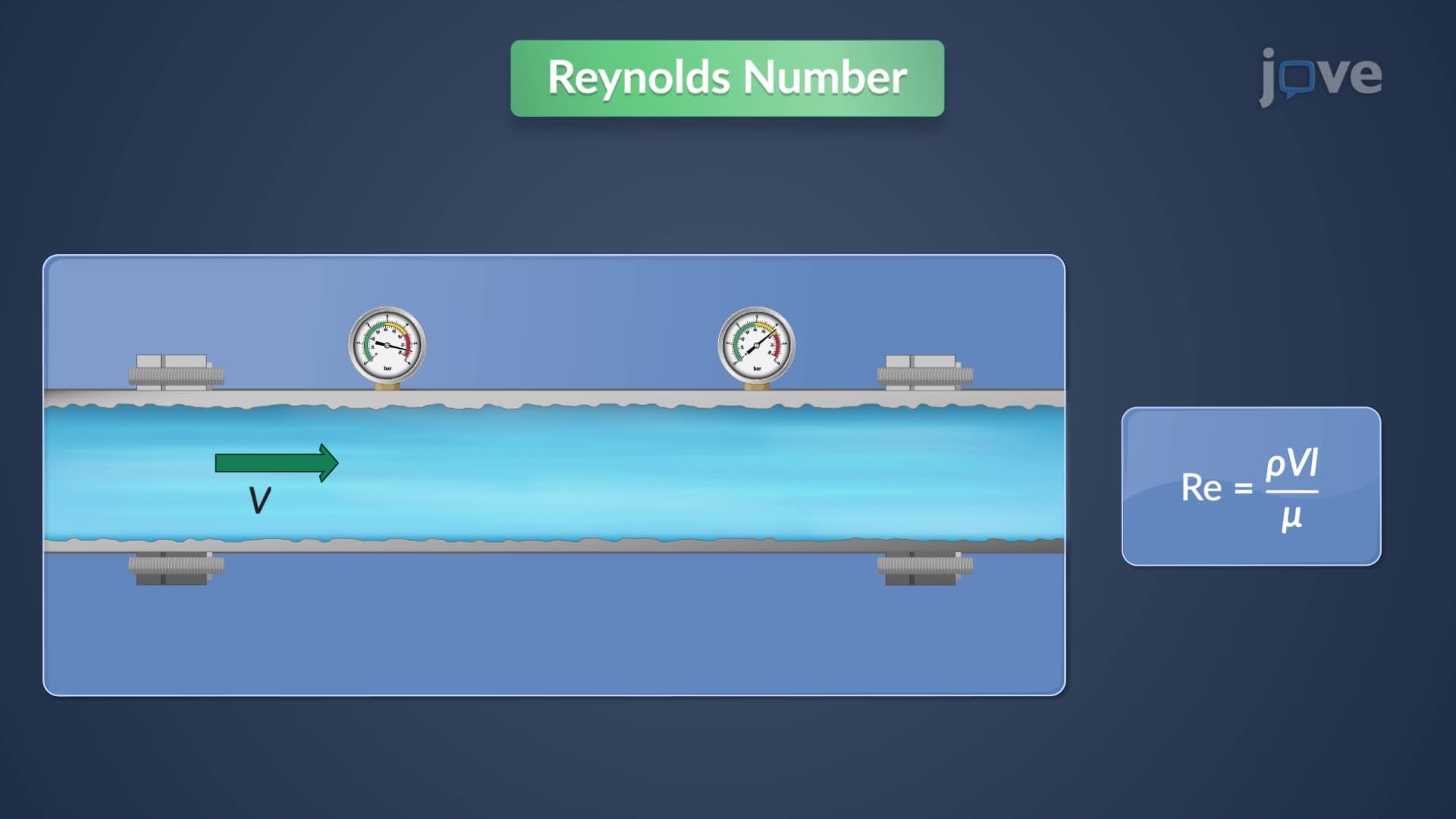
The determination of pi terms overview reveals that with four variables and three fundamental dimensions, we obtain 4-3=1 dimensionless pi term. This single term becomes the famous Reynolds number: Re = ρVD/μ, which characterizes whether flow will be laminar (smooth) or turbulent (chaotic). Nuclear power plants across the United States rely on this dimensionless analysis to predict coolant behavior in reactor cores.
Real-World Applications and Academic Relevance
The determination of pi basics extends far beyond theoretical exercises. NASA engineers use dimensional analysis when designing spacecraft heat shields, ensuring that small-scale laboratory tests accurately predict full-scale performance during atmospheric reentry. Similarly, petroleum engineers in Texas refineries apply these principles to optimize pipeline systems, using dimensionless groups to scale up laboratory results to industrial operations.
For students preparing for the MCAT or engineering college entrance exams, understanding the determination of pi terms concept proves crucial. The theorem frequently appears in fluid mechanics, heat transfer, and mass transfer problems. The determination of pi terms study guide approach emphasizes recognizing when dimensional analysis simplifies complex engineering problems into manageable, universal relationships.
The beauty of understanding determination of pi terms lies in its universality-the same Reynolds number that predicts flow in a laboratory microchannel also governs flow through the massive cooling systems at Hoover Dam, demonstrating how mathematical elegance translates directly into engineering power.
Frequently Asked Questions
The Buckingham Pi Theorem is a fundamental principle that converts physical relationships into dimensionless equations using pi terms. It's crucial because it allows engineers to create universal scaling laws that work regardless of system size or units. For example, the same dimensionless equations used to design model aircraft in wind tunnels apply to full-scale jets at Boeing, saving millions in development costs while ensuring accurate predictions.
AP Physics C: Mechanics often includes dimensional analysis problems requiring pi term identification. Students must recognize fundamental dimensions [M], [L], [T] and apply the n-k rule to find dimensionless groups. MCAT Physical Sciences sections frequently test this concept through fluid mechanics scenarios. College physics midterms commonly ask students to derive the Reynolds number or other dimensionless parameters from given variables.
Start by listing all relevant physical variables and their dimensions. Identify fundamental dimensions (usually M, L, T). Apply the formula: number of pi terms = total variables minus fundamental dimensions. Select repeating variables that collectively contain all fundamental dimensions. Form pi terms by combining the remaining variables with appropriate powers of repeating variables to eliminate dimensions.
Petroleum engineers use the Reynolds number to predict flow patterns in oil pipelines stretching across Alaska. They apply the Friction Factor relationships derived from dimensional analysis to calculate pressure drops and pump requirements. These dimensionless correlations, developed from small laboratory tests, accurately scale up to massive trans-continental pipeline systems, ensuring efficient and safe oil transport nationwide.
No advanced calculus is required-the Buckingham Pi Theorem relies primarily on algebra and dimensional analysis. High school students with solid algebra skills and basic physics knowledge can master this concept. The mathematical operations involve organizing variables into groups and using exponent rules to eliminate dimensions. Most AP Physics students successfully learn pi term determination with consistent practice.
Practice with diverse problem types covering fluid mechanics, heat transfer, and structural analysis. Create a systematic checklist: identify variables, list dimensions, count fundamental dimensions, apply n-k rule, select repeating variables, and form pi terms. Focus on recognizing common dimensionless groups like Reynolds number, Froude number, and Nusselt number. Time yourself solving problems to build exam confidence and speed.
Dimensional analysis becomes the foundation for transport phenomena, fluid mechanics, and heat transfer courses in chemical and mechanical engineering programs. Students who master pi term determination excel in courses like ChE 301 (Fluid Flow) at UT Austin or ME 363 (Fluid Mechanics) at MIT. This concept bridges theoretical physics with practical engineering design, making it essential for senior capstone projects and graduate research.
Advanced dimensional analysis leads to similarity theory, scaling laws in turbulence, and non-dimensional governing equations in computational fluid dynamics. Graduate students explore Lie group analysis and more sophisticated dimensional analysis techniques. These concepts prove essential for research in aerospace engineering, environmental fluid mechanics, and biomedical engineering applications.
Related Micro-courses