Loading subject page…


4,386 views

Video Summary: What Is Determination of Pi Terms
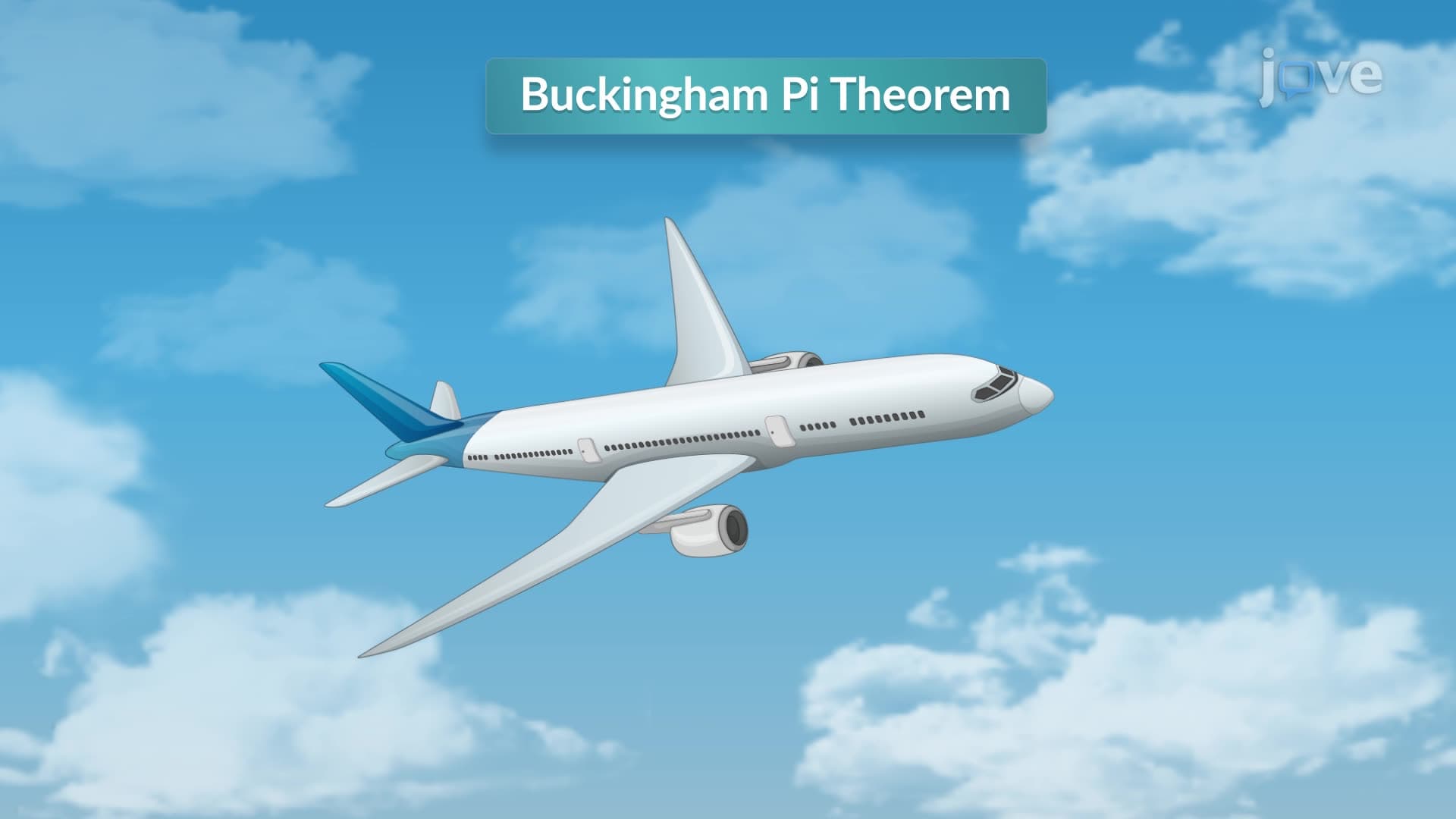
Ever wonder how engineers predict airplane performance without building thousands of prototypes? Dimensionless groups make this possible by transforming complex physical problems into simplified, universal relationships. The determination of Pi terms using Buckingham Pi theorem converts variables like lift force, air density, and wing velocity into powerful dimensionless expressions that work for any aircraft size-from NASA's space shuttles to commercial Boeing jets. Watch the full video on JoVE Coach to master this concept with expert-led visuals and step-by-step explanations.
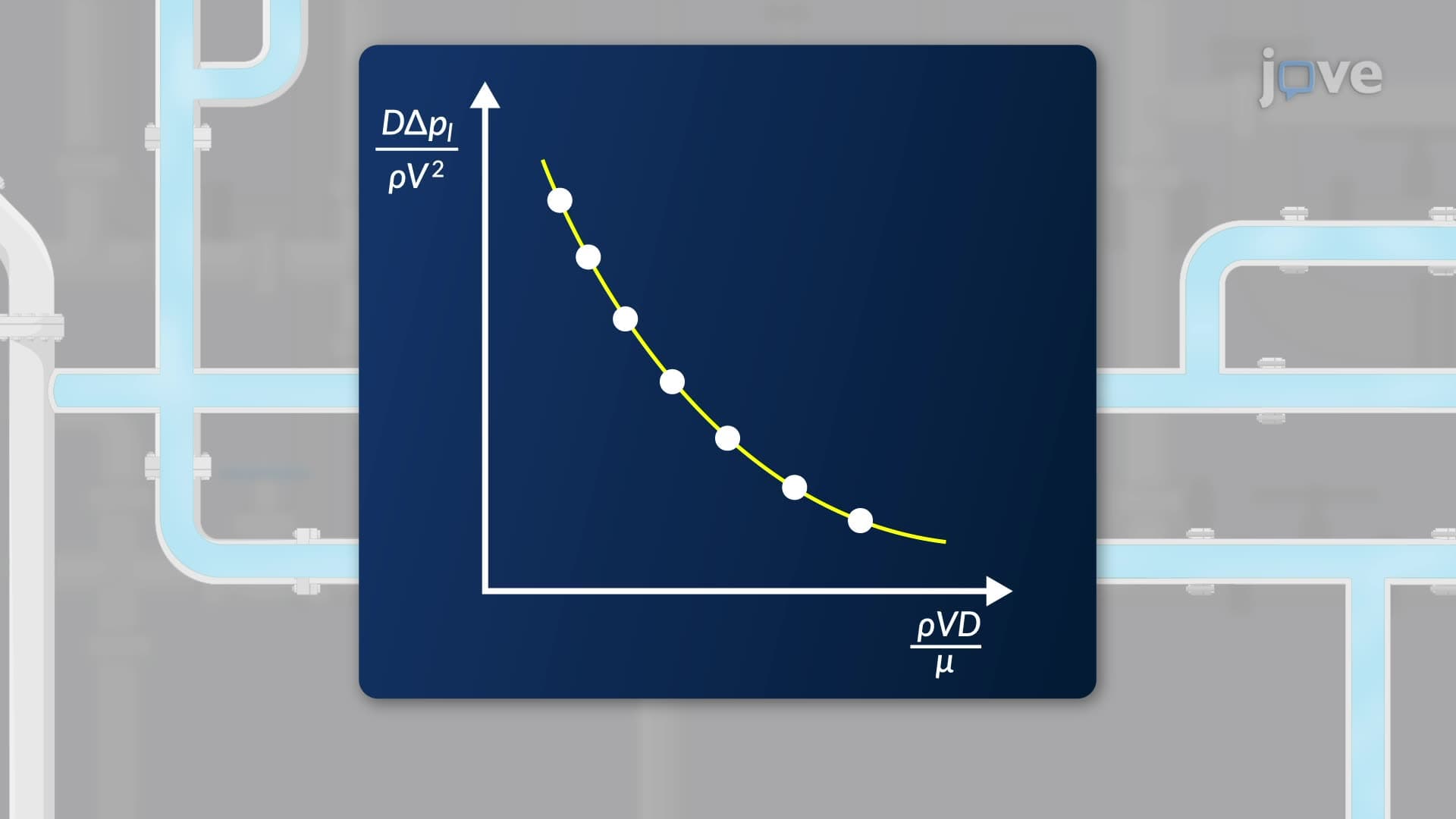
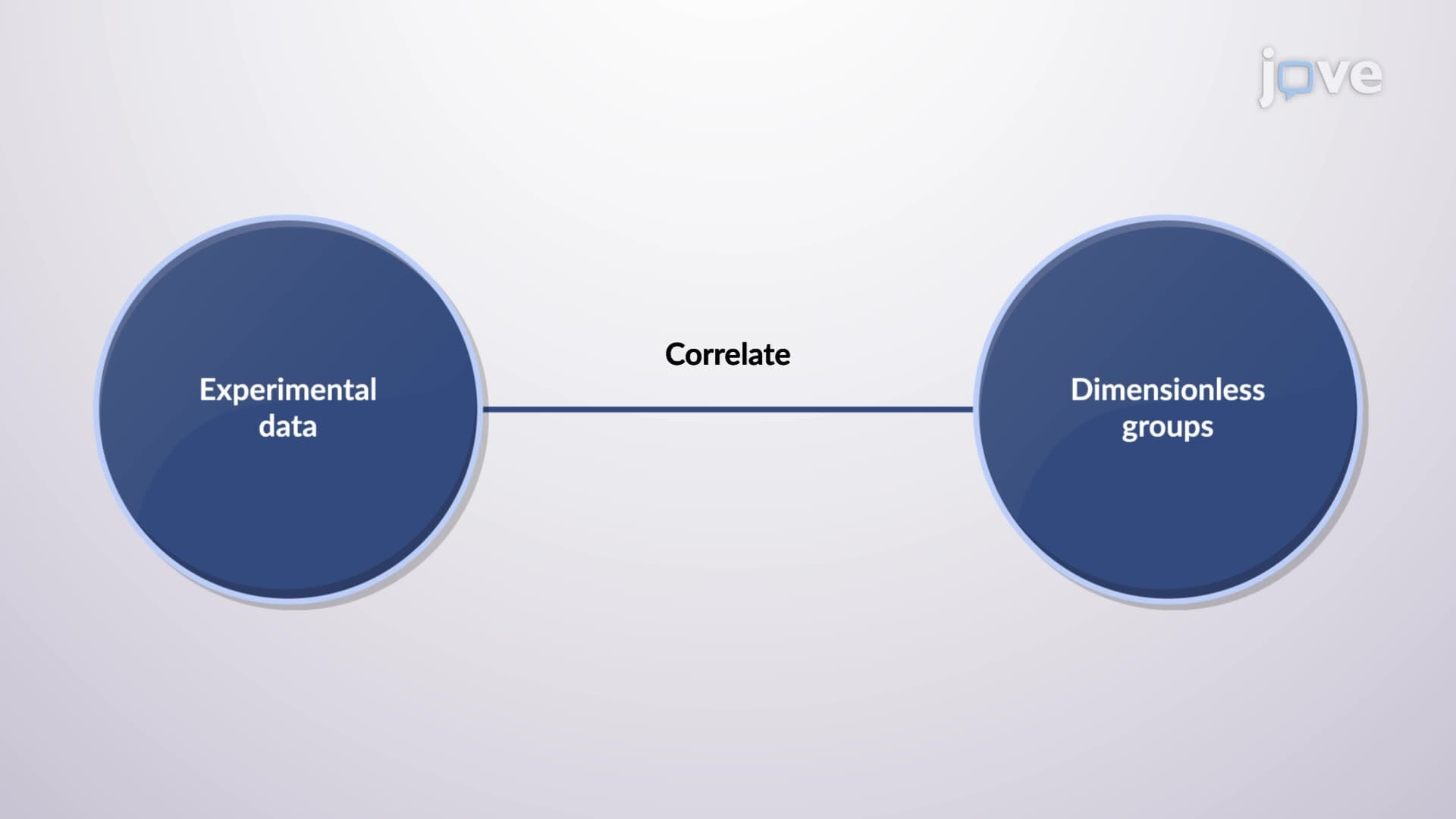
The determination of Pi terms represents one of the most powerful analytical tools in engineering and physics, allowing complex multi-variable problems to be reduced to simpler dimensionless relationships. This systematic approach, formalized through Buckingham Pi theorem, transforms intimidating equations with numerous variables into elegant, universal expressions that remain valid regardless of system size or specific conditions.
The process begins with identifying all relevant variables in your system and expressing each in terms of fundamental dimensions-typically mass (M), length (L), and time (T). For the airplane wing example, we analyze five variables: lift force [MLT⁻²], air density [ML⁻³], wing area [L²], aircraft velocity [LT⁻¹], and air viscosity [ML⁻¹T⁻¹]. The number of resulting Pi terms equals total variables minus fundamental dimensions, giving us 5 - 3 = 2 dimensionless groups.
This mathematical relationship appears frequently on AP Physics exams and college-level fluid mechanics courses, where students must demonstrate understanding of dimensional analysis. The key insight is that physical laws must be dimensionally consistent, meaning valid relationships between variables remain unchanged when expressed in different unit systems.
Success in determining Pi terms hinges on choosing appropriate repeating variables-those that appear in every Pi term and collectively span all fundamental dimensions. In our wing analysis, air density, velocity, and wing area serve as repeating variables because together they contain all three fundamental dimensions (M, L, T) and are dimensionally independent.
This selection process requires engineering judgment and practice. Students preparing for the MCAT or engineering coursework should focus on identifying variables that are both measurable and representative of the physical phenomenon. Poor choices lead to mathematically valid but physically meaningless dimensionless groups.
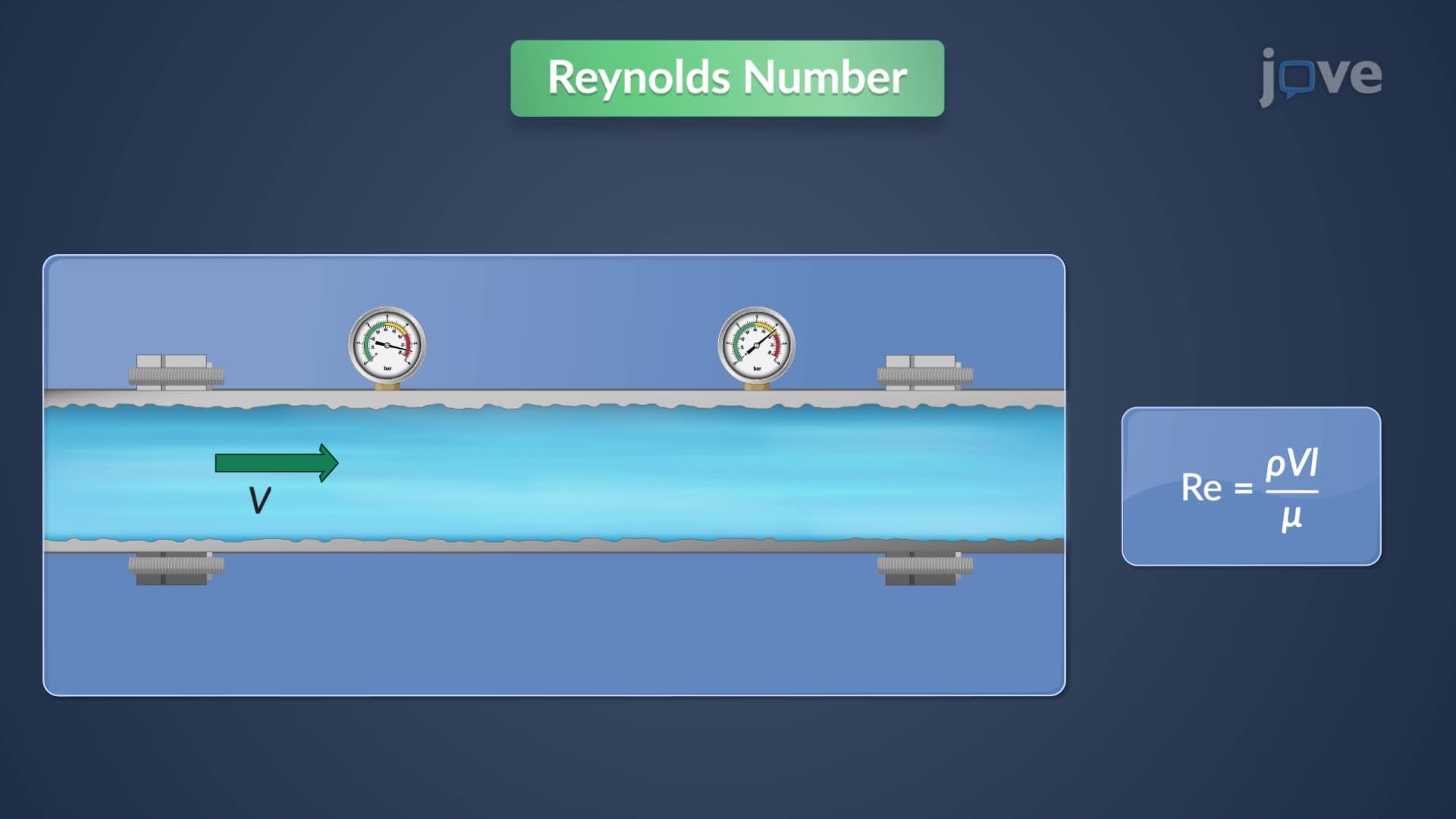
The resulting Pi terms reveal powerful scaling relationships used throughout aerospace engineering. The first Pi term typically represents a dimensionless force coefficient (like lift coefficient), while the second might represent a flow characteristic (like Reynolds number). These dimensionless groups enable engineers at companies like Boeing or Lockheed Martin to predict full-scale aircraft performance using small wind tunnel models.
Understanding these applications proves crucial for students entering STEM fields, as dimensional analysis appears in everything from biomedical engineering (drug dosage scaling) to environmental engineering (pollutant dispersion modeling).
Related Micro-courses