Loading subject page…

- Civil Engineering
- Fresh Concrete
- Bleeding in Fresh Concrete
Micro-course: Fresh Concrete
2,681 views
Learn key concepts and earn your certificate.
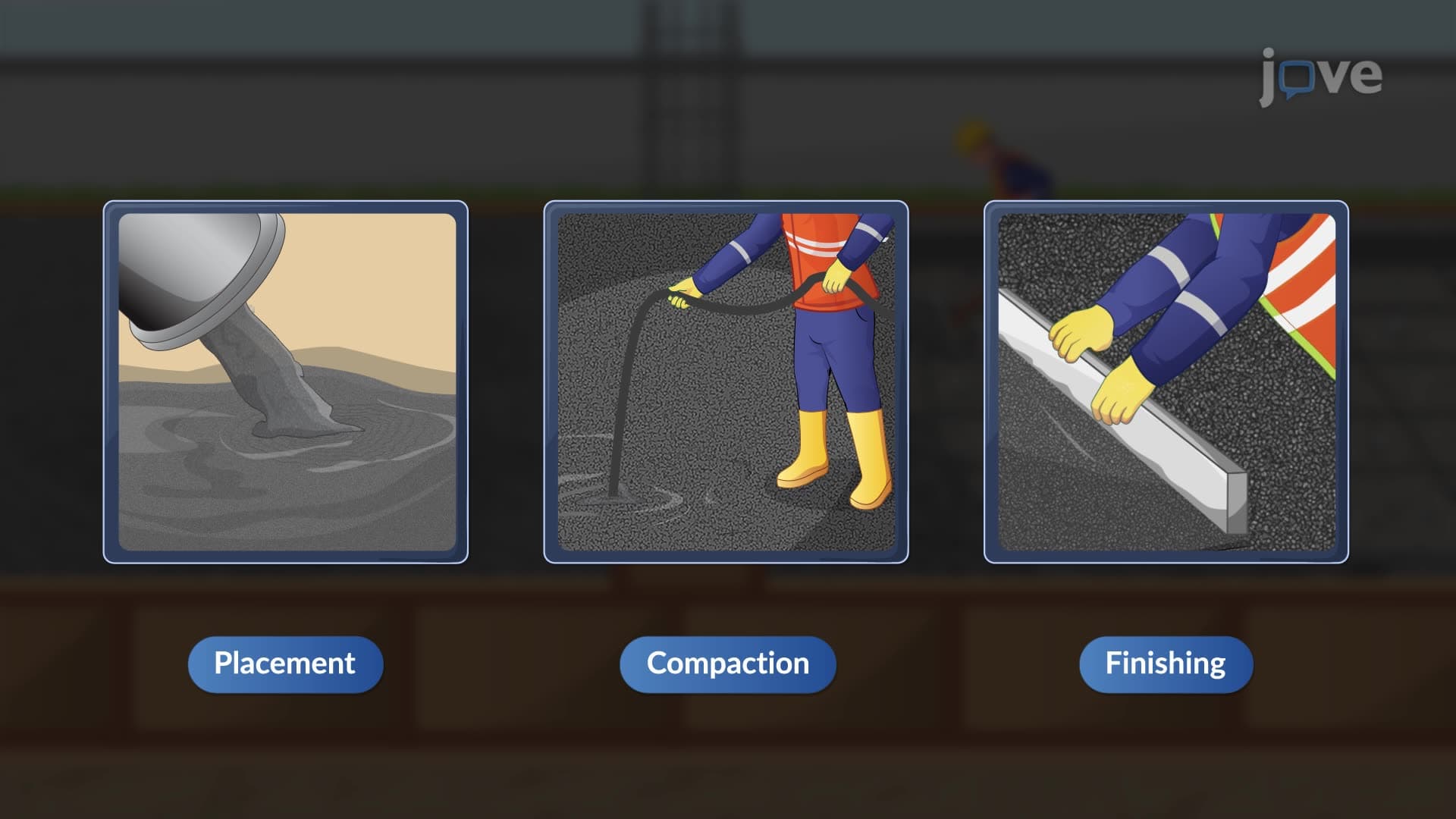

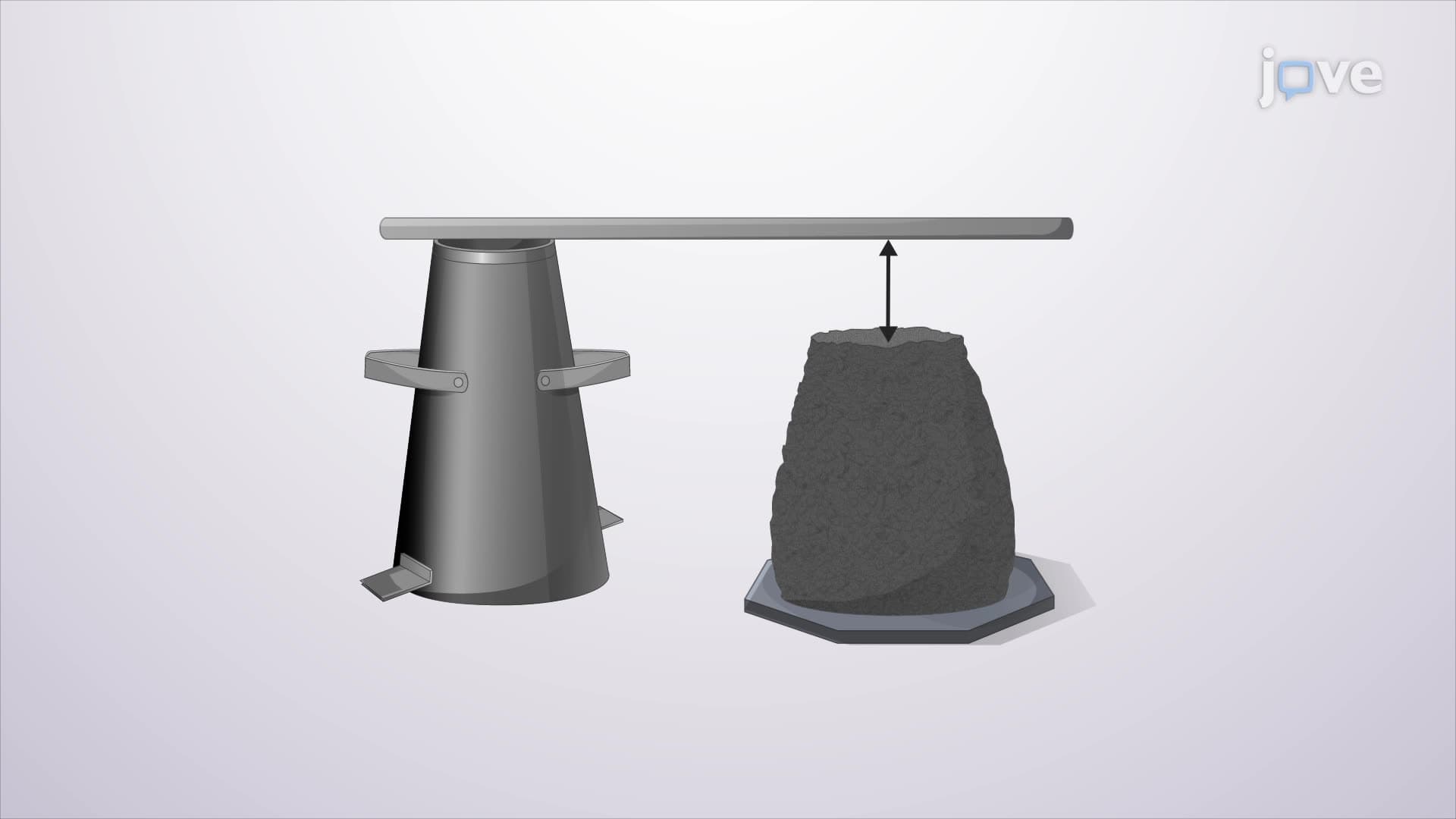
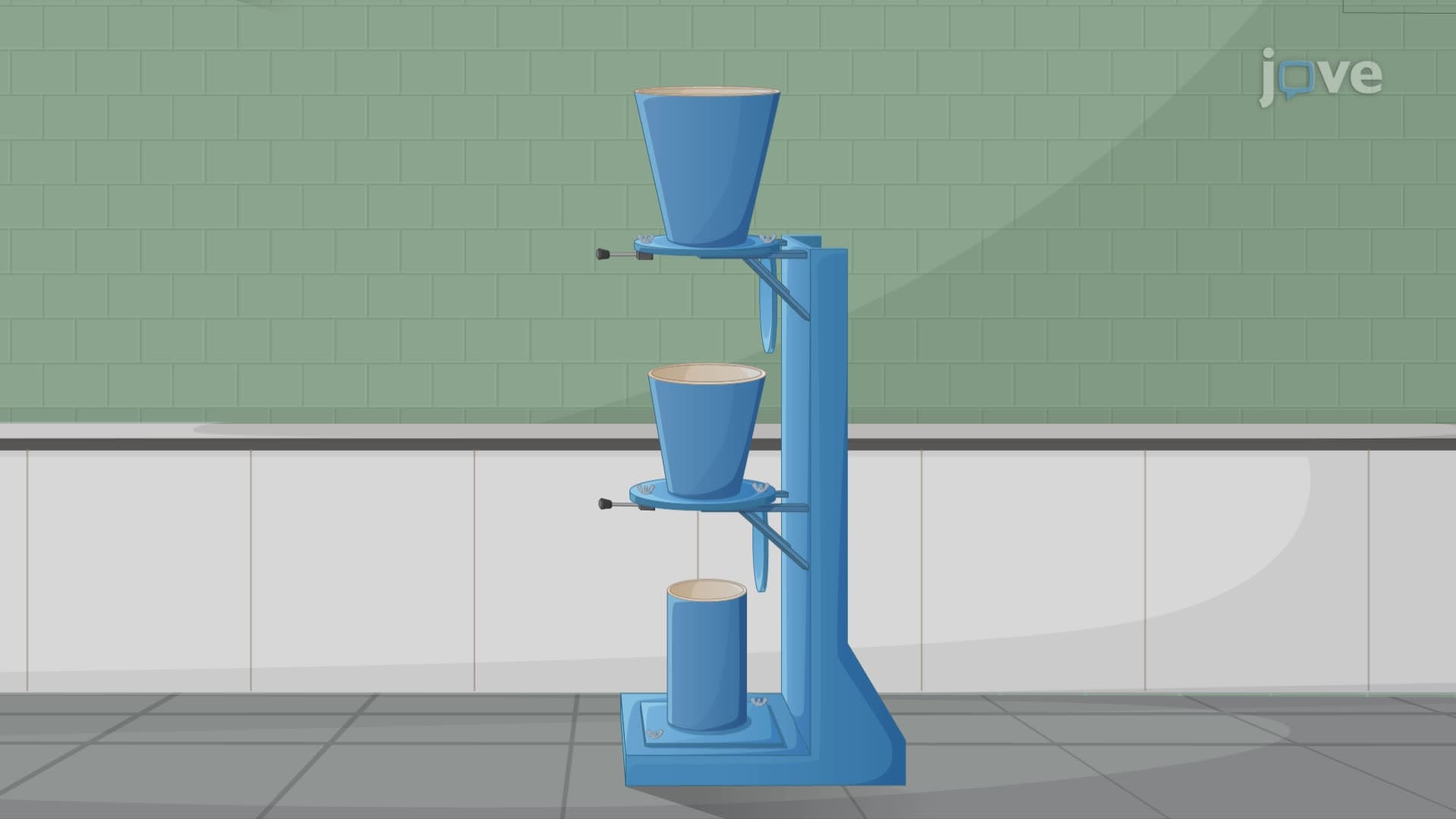

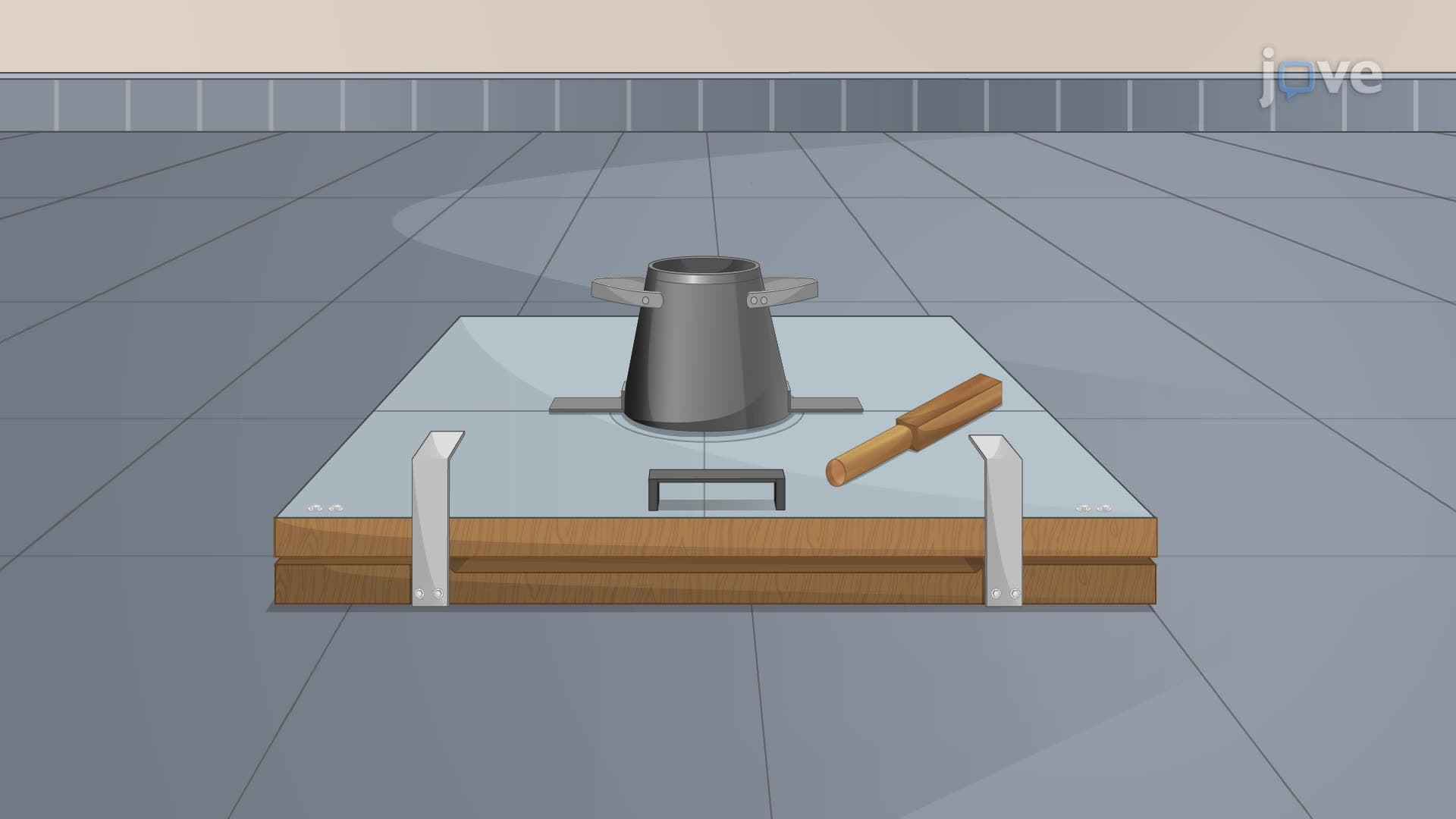
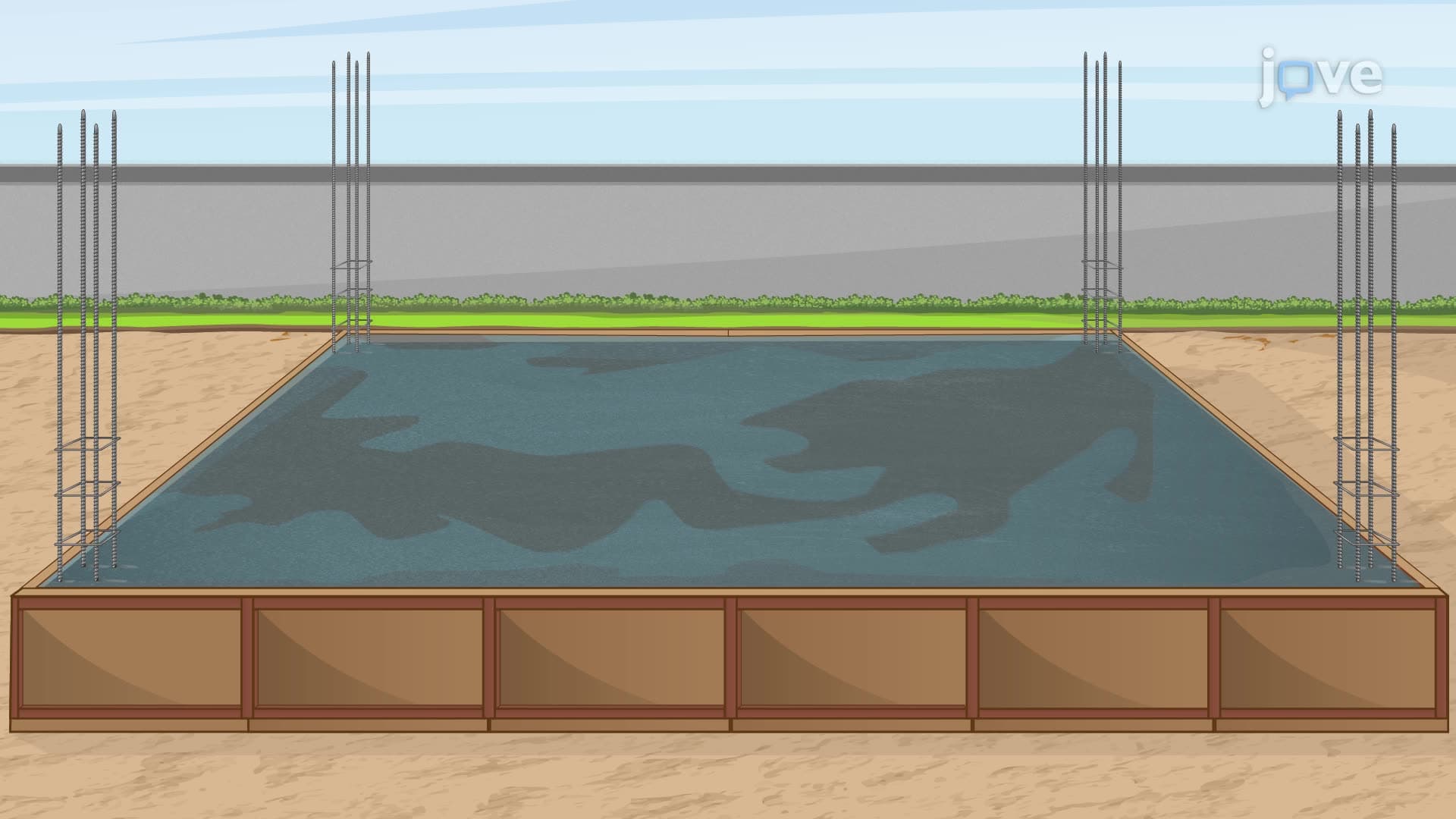
Bleeding in Fresh Concrete

00:00
01:22
Video Summary: What Is Bleeding in Fresh Concrete
Ever wonder why fresh concrete sometimes develops a watery sheen on its surface during construction projects like highway paving? Bleeding in fresh concrete occurs when water from the concrete mix migrates upward, creating potential structural weaknesses. This phenomenon affects major US infrastructure projects, from California's Golden Gate Bridge maintenance to New York subway tunnel repairs, where engineers must carefully control concrete composition to prevent bleeding-related failures. What is bleeding in fresh concrete becomes critical knowledge for understanding construction durability and safety standards. Watch the full video on JoVE Coach to master this concept with expert-led visuals and step-by-step explanations.
- Understand what is bleeding in fresh concrete and identify the fundamental mechanisms that cause water separation during the setting process
- Analyze how settling solids in concrete mixtures fail to retain water, leading to upward migration and surface accumulation
- Recognize the formation of laitance layers and their impact on concrete strength, adhesion, and long-term structural integrity
- Evaluate quantitative methods for measuring bleeding extent through settlement calculations and height reduction measurements
- Apply knowledge of aggregate particle interactions and void formation to predict horizontal permeability issues in concrete structures
- Compare various mitigation strategies including cement fineness adjustments, chemical additives, and air entrainment techniques
- Identify critical timing factors for concrete finishing processes and surface preparation methods to prevent bleeding-related defects
- Explore real-world applications in construction quality control and how bleeding prevention relates to building code compliance
Understanding What is Bleeding in Fresh Concrete
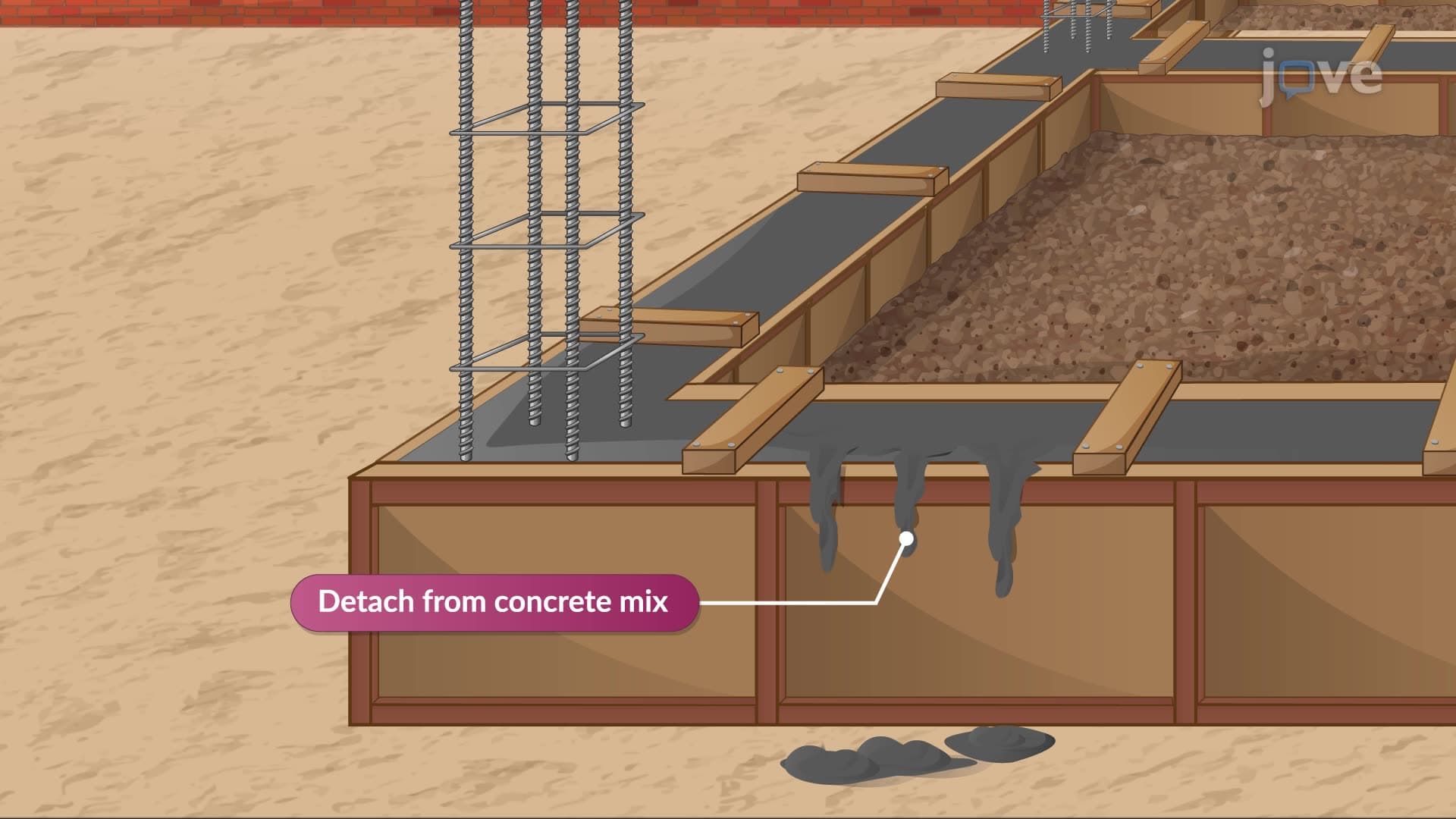
Bleeding in fresh concrete represents a fundamental segregation process that occurs during the plastic state of concrete before initial setting. This phenomenon involves the upward migration of mixing water due to gravitational forces acting on the heavier solid particles (cement, sand, and aggregate) as they settle downward. The bleeding in fresh concrete definition encompasses both the visible water accumulation on the surface and the internal void formation that compromises structural integrity.
The Science Behind Bleeding Mechanisms
The bleeding in fresh concrete concept stems from particle size distribution and density differences within the concrete matrix. When concrete is placed, cement particles, fine aggregates, and coarse aggregates begin settling under gravity while water, being less dense, rises toward the surface. This process becomes problematic when the solid particles cannot retain all the mixing water during settlement, creating a bleeding in fresh concrete overview that includes both surface and subsurface effects.
The extent of bleeding can be quantified using standardized test methods, such as ASTM C232, which measures the accumulated water on the concrete surface over time. Engineers calculate bleeding rate as the ratio of bleeding water volume to the original concrete volume, typically expressed as a percentage. Understanding these measurements proves essential for students preparing for materials engineering courses and professional licensing exams like the Fundamentals of Engineering (FE) exam.
Structural Consequences and Quality Control
Understanding bleeding in fresh concrete becomes crucial when examining its effects on final concrete properties. When rising water becomes trapped beneath large aggregate particles or reinforcement bars, it creates voids that can align to form preferential flow paths, increasing horizontal permeability. This phenomenon particularly affects large-scale infrastructure projects across the United States, from interstate highway construction to high-rise building foundations.
The formation of laitance represents one of the most serious consequences of excessive bleeding. This weak, porous layer consists of fine cement particles carried upward by rising water, creating a dusty surface texture that compromises adhesion between concrete lifts. Major construction projects, such as the recent renovations at Los Angeles International Airport, require strict bleeding control to ensure proper bonding between successive concrete pours.
Prevention and Mitigation Strategies
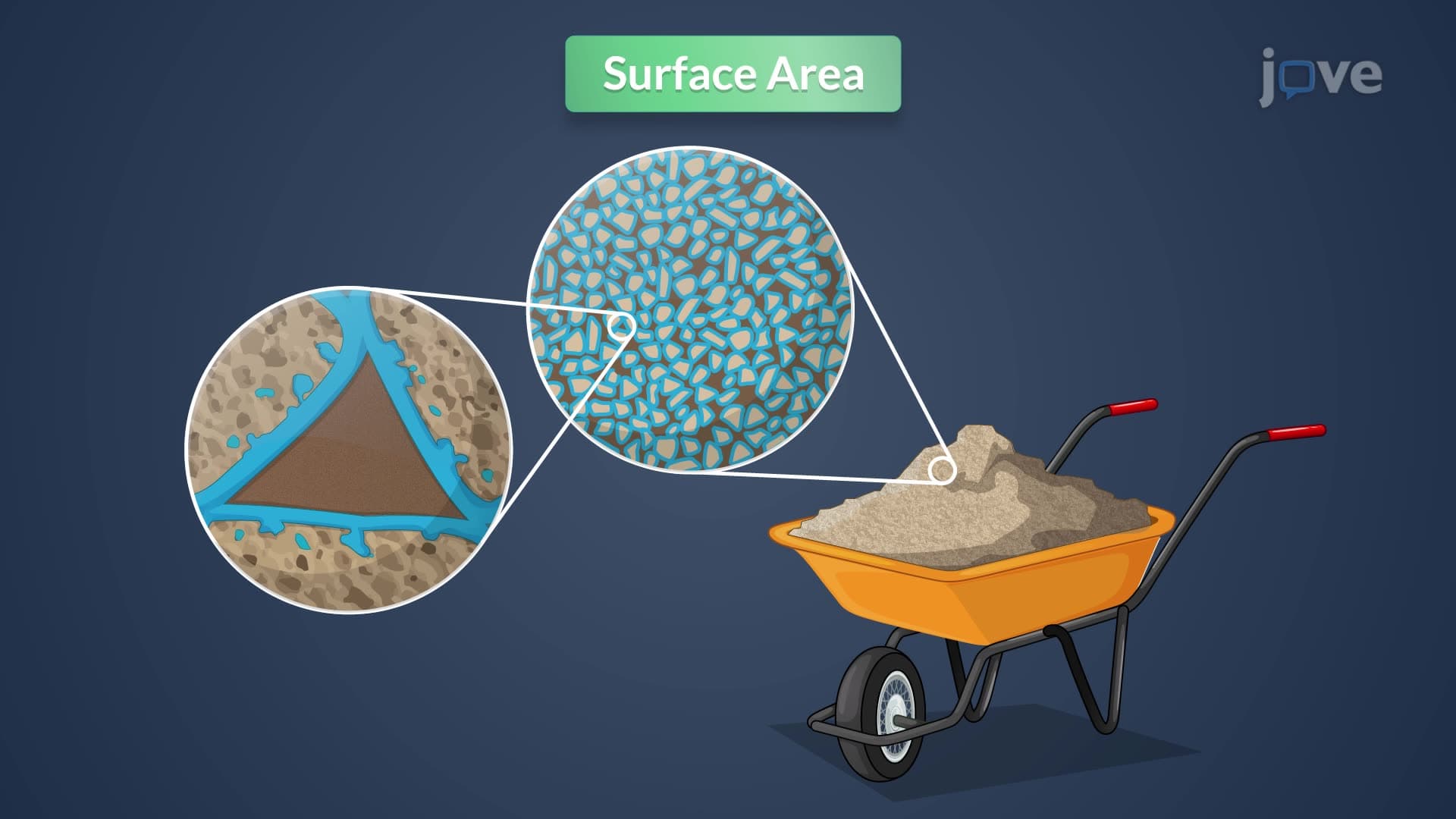
Modern concrete technology offers several approaches to control bleeding, each with specific applications in US construction practice. Using finer cement particles reduces bleeding by increasing the surface area available for water retention. Chemical additives like calcium chloride accelerate setting time, though engineers must balance this benefit against potential corrosion risks in reinforced concrete structures.
Air entrainment has emerged as particularly effective for bleeding control, introducing microscopic air bubbles that interrupt water migration paths while improving freeze-thaw resistance-critical for structures in northern US climates. This technique enables faster finishing schedules, allowing contractors to begin surface operations immediately after placement rather than waiting for bleeding to subside.
Frequently Asked Questions
Bleeding in fresh concrete is the upward migration of water from the concrete mix due to gravity causing heavier solid particles to settle downward. This natural segregation process occurs because the cement, sand, and aggregate particles cannot retain all the mixing water as they compact under their own weight. The phenomenon typically appears as water accumulation on the concrete surface and can create internal voids that weaken the final structure.
Exam questions often focus on bleeding's environmental and structural impacts, requiring students to analyze causes, calculate bleeding rates using given data, and recommend mitigation strategies. Typical problems involve comparing different concrete mixes, explaining quality control procedures, or evaluating the relationship between bleeding and concrete durability. Students should understand both the scientific principles and practical applications for construction scenarios.
The Fundamentals of Engineering exam may include problems calculating bleeding rate as a percentage of total concrete volume or determining settlement ratios. Students should know the formula: Bleeding Rate = (Volume of bleeding water / Original concrete volume) × 100%. Practice problems often involve unit conversions and interpreting ASTM test results for different concrete mixtures under various environmental conditions.
Excessive bleeding in highway construction can create weak surface layers that deteriorate quickly under traffic loads, leading to costly repairs and safety hazards. Bridge deck construction requires careful bleeding control to ensure proper reinforcement bonding and prevent horizontal permeability that allows water infiltration. Major projects like the San Francisco-Oakland Bay Bridge replacement incorporated advanced bleeding mitigation techniques to achieve 100-year service life requirements.
Basic understanding of density, gravity, and particle behavior is sufficient for most high school and early college courses. While advanced cement chemistry helps explain detailed mechanisms, students can master bleeding concepts by focusing on physical processes like settling, water migration, and void formation. The key is understanding cause-and-effect relationships rather than complex chemical reactions, making this topic accessible to students with general science backgrounds.
Create visual diagrams showing water movement and particle settlement, then practice calculating bleeding rates using sample problems from textbooks or past exams. Focus on connecting theoretical concepts to real construction examples, such as analyzing case studies of successful and failed projects. Use flashcards for key terms and mitigation techniques, and work through problem sets that combine bleeding calculations with other concrete properties like strength and durability.
Students should investigate concrete admixtures and their effects on workability, study advanced testing methods like rheological measurements, and explore high-performance concrete systems used in specialized applications. Understanding bleeding provides foundation knowledge for topics like self-consolidating concrete, fiber-reinforced systems, and sustainable concrete technologies increasingly important in modern construction practice.
While concrete bleeding doesn't directly appear on nursing exams, the underlying scientific principles of fluid migration, density differences, and material separation apply to medical concepts like IV fluid management, wound drainage, and understanding how different medications separate in solution. The problem-solving approach used in engineering applications transfers to clinical decision-making scenarios.
Related Micro-courses