Loading subject page…


2,681 views

Video Summary: What Is Segregation in Fresh Concrete
Ever wonder why some concrete sidewalks crack within months while others last decades? The answer often lies in segregation in fresh concrete, a critical phenomenon that determines structural integrity. When concrete is improperly handled during construction projects like highway overpasses or building foundations across the United States, heavier particles settle while lighter materials rise, creating weak spots that compromise long-term durability. Watch the full video on JoVE Coach to master this concept with expert-led visuals and step-by-step explanations.
Segregation in fresh concrete definition refers to the unwanted separation of concrete components during mixing, transportation, or placement, resulting in non-uniform distribution of materials. This phenomenon poses significant challenges in construction projects across the United States, from residential foundations to major infrastructure like the Golden Gate Bridge maintenance projects.
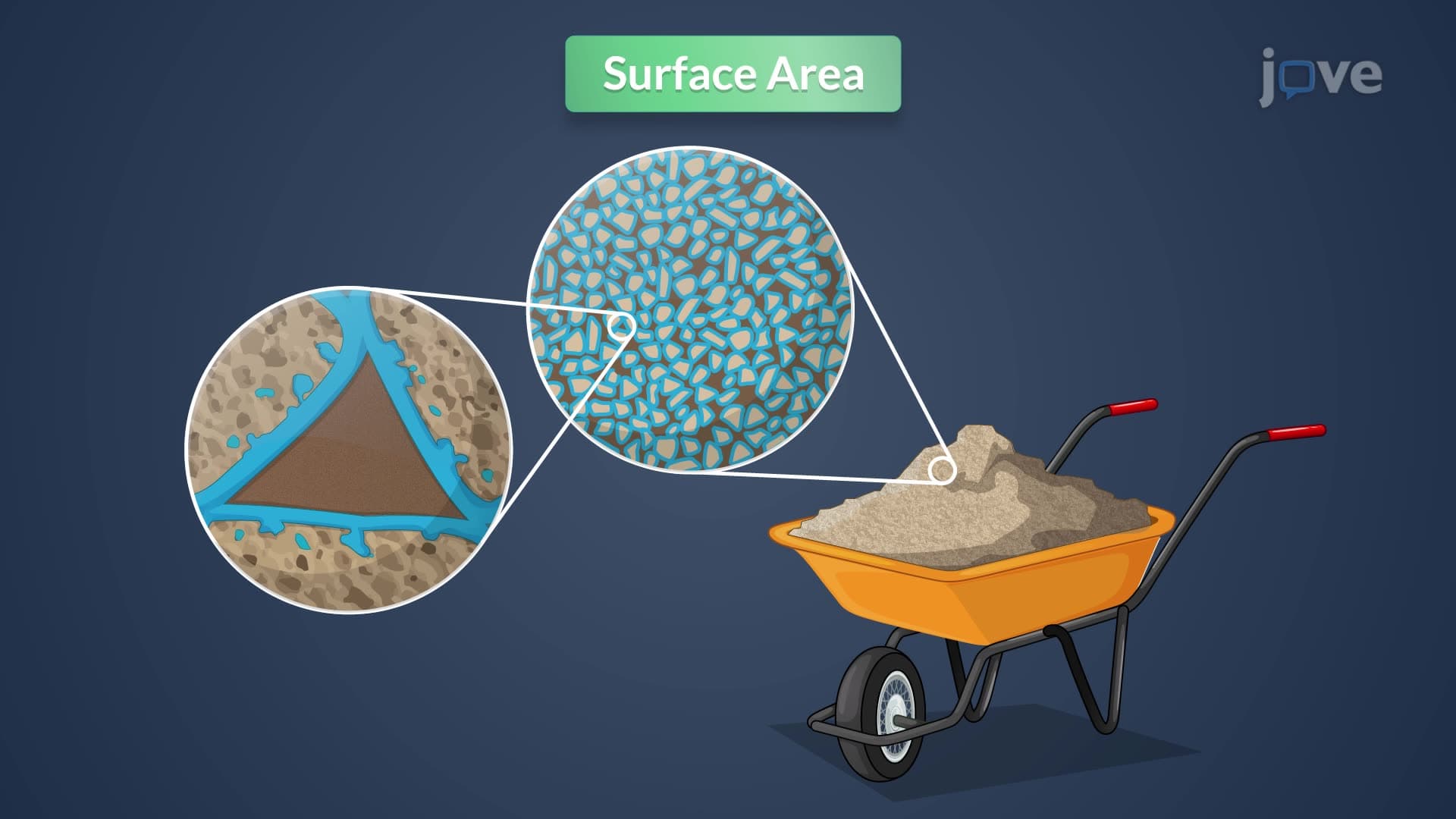
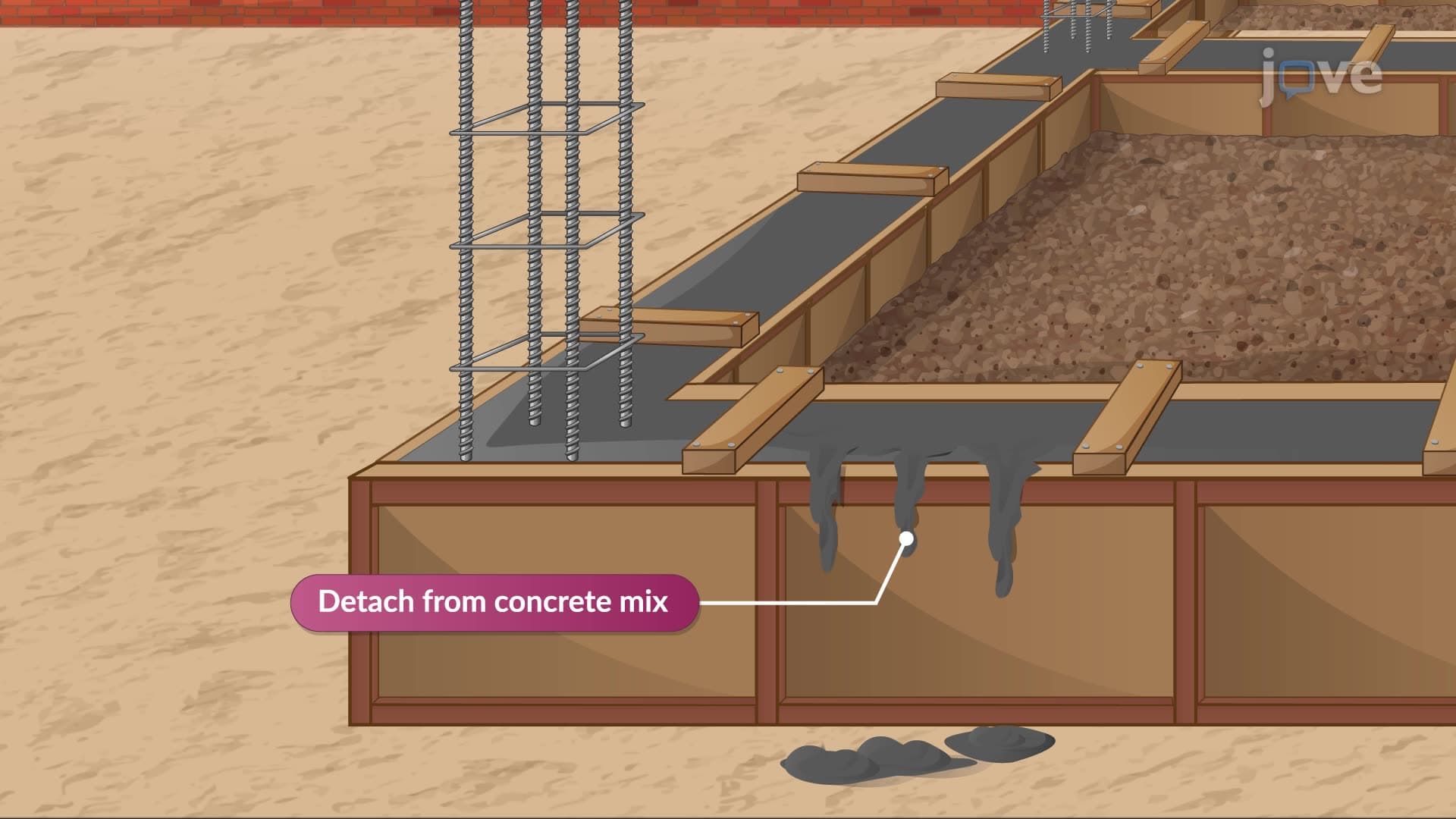
The segregation in fresh concrete concept encompasses two distinct mechanisms. Particle segregation occurs when gravitational forces cause heavier coarse aggregates to settle downward while lighter cement particles and fine aggregates migrate upward. This creates layers with varying densities and strengths within the concrete mass. Bleeding segregation involves the separation of cement paste (grout) from the aggregate matrix, leading to water-rich surfaces and weakened bonding.
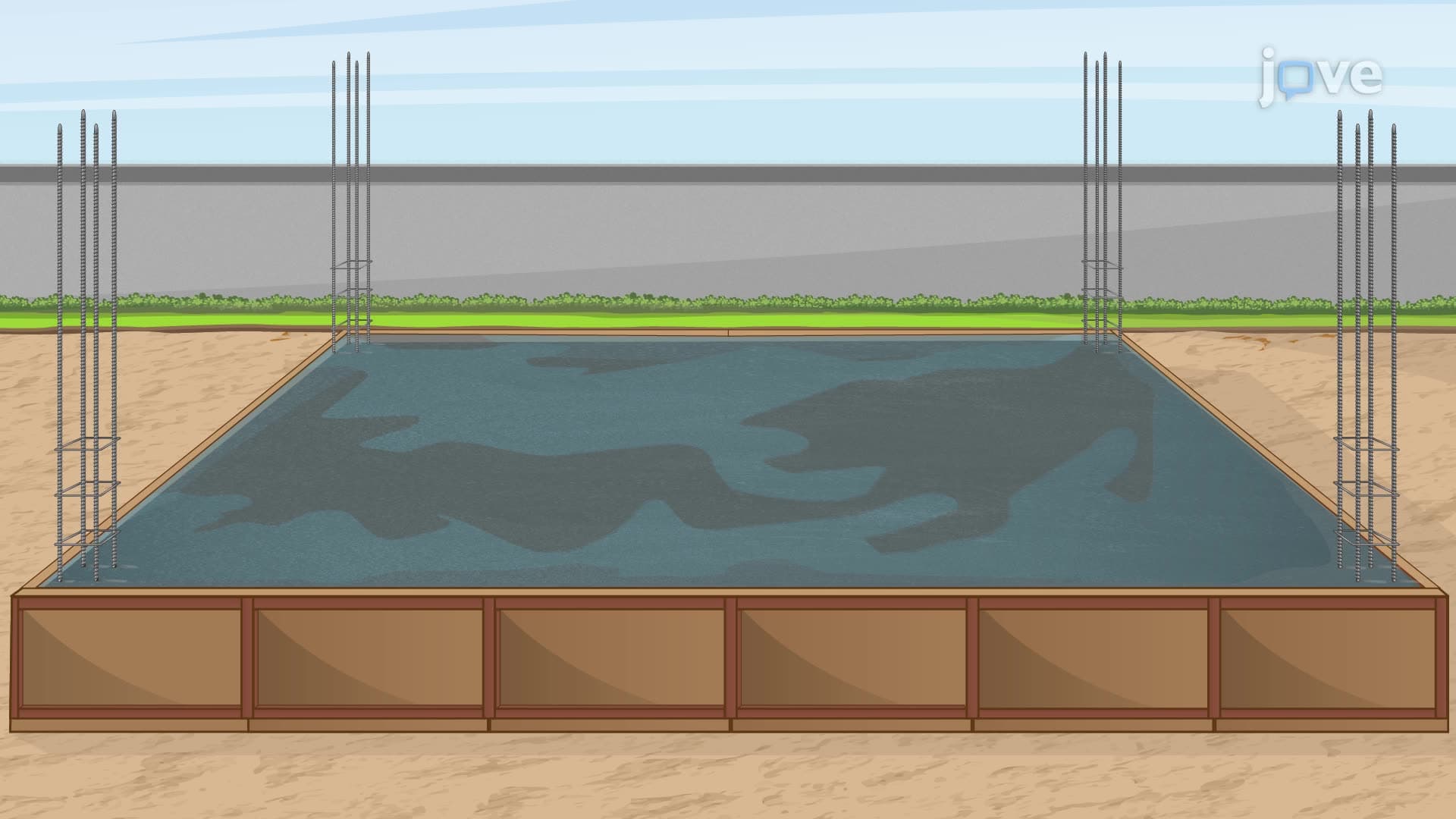
Understanding segregation in fresh concrete requires recognizing triggering factors. Excessive vibration duration, commonly seen in construction sites when workers attempt to spread concrete over large areas, disrupts particle distribution. Dropping concrete from heights exceeding 4-5 feet during placement of multi-story buildings creates impact forces that separate components. Narrow chutes with directional changes, frequently used in residential pour operations, also contribute to segregation.
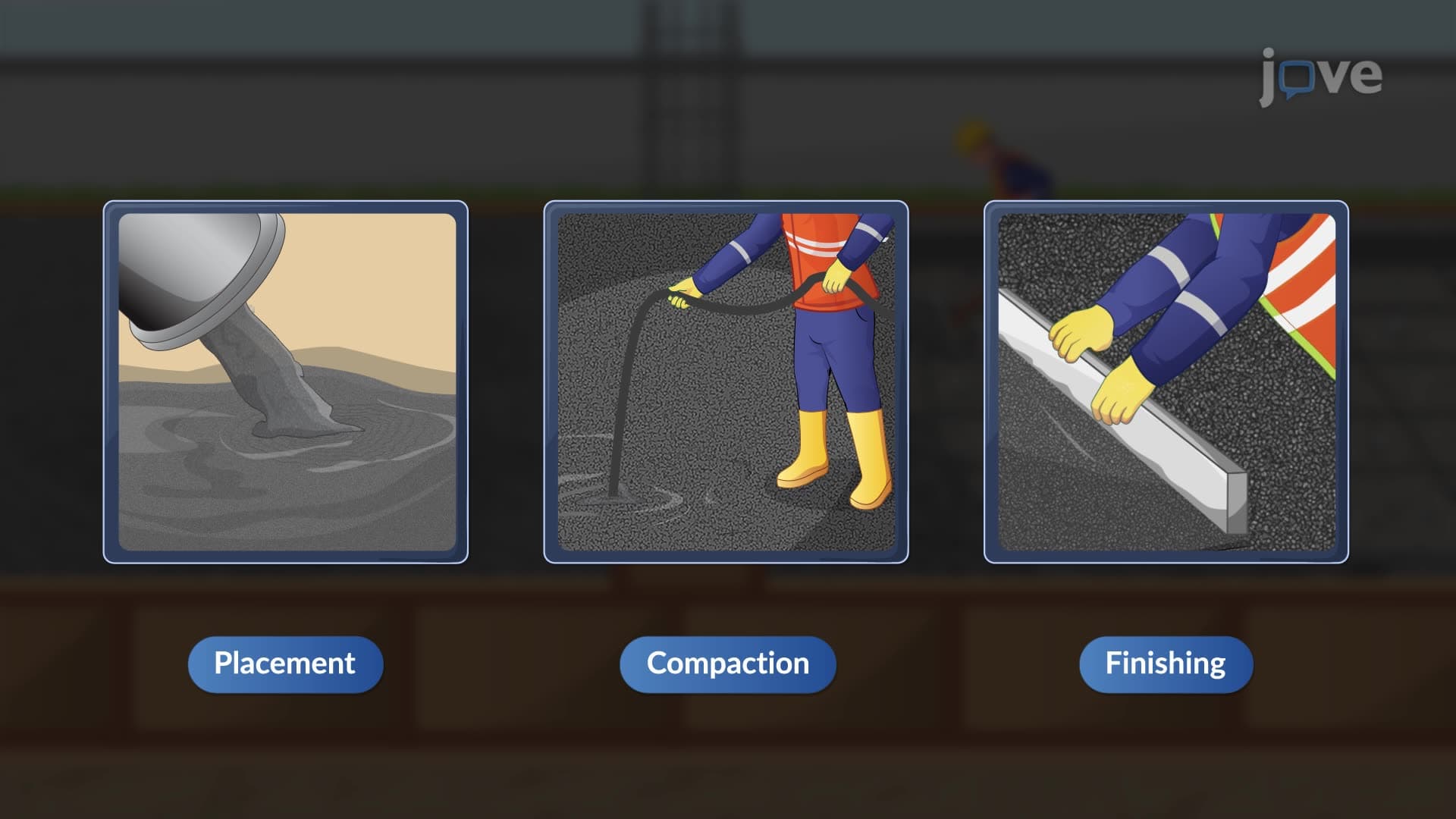
Prevention strategies focus on proper handling techniques. The segregation in fresh concrete study guide principles emphasize preparing concrete as close to final placement locations as possible. US construction standards recommend limiting free-fall heights, using controlled placement methods like concrete pumps for high-rise buildings, and maintaining appropriate vibration durations-typically 5-15 seconds per location rather than extended periods.
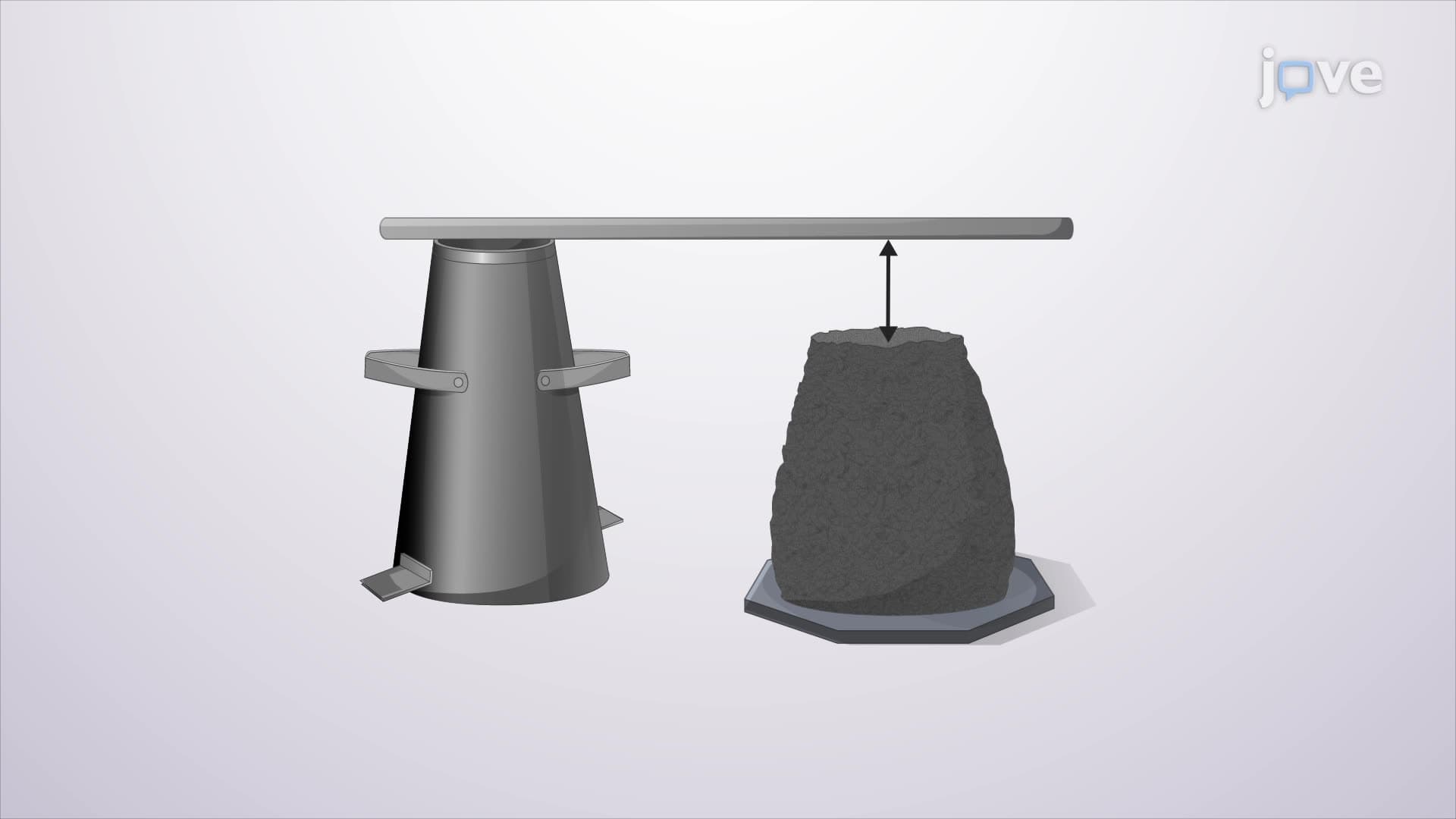
Segregation in fresh concrete overview includes practical assessment methods crucial for AP Chemistry students and civil engineering undergraduates. The cube vibration test involves vibrating a concrete sample for 10 minutes, then examining aggregate distribution patterns after mold removal. This technique helps identify segregation tendencies before full-scale construction begins.
For students preparing for standardized tests like the AP Chemistry exam or college-level materials science courses, understanding segregation connects to broader concepts of particle behavior, fluid mechanics, and quality control in manufacturing processes. The principles apply directly to internship opportunities at construction companies like Bechtel or infrastructure projects managed by the US Army Corps of Engineers.
Related Micro-courses