Loading subject page…


2,681 views

Video Summary: What Is Workability of Concrete
Ever wondered why concrete in New York's One World Trade Center flows perfectly during construction while your backyard DIY project turns into a chunky mess? Workability of concrete determines how easily fresh concrete can be mixed, transported, and placed without losing its structural integrity. This critical property affects everything from sidewalk installations to skyscraper foundations across America. What is workability of concrete becomes essential knowledge for understanding construction quality and preventing costly structural failures. Watch the full video on JoVE Coach to master this concept with expert-led visuals and step-by-step explanations.
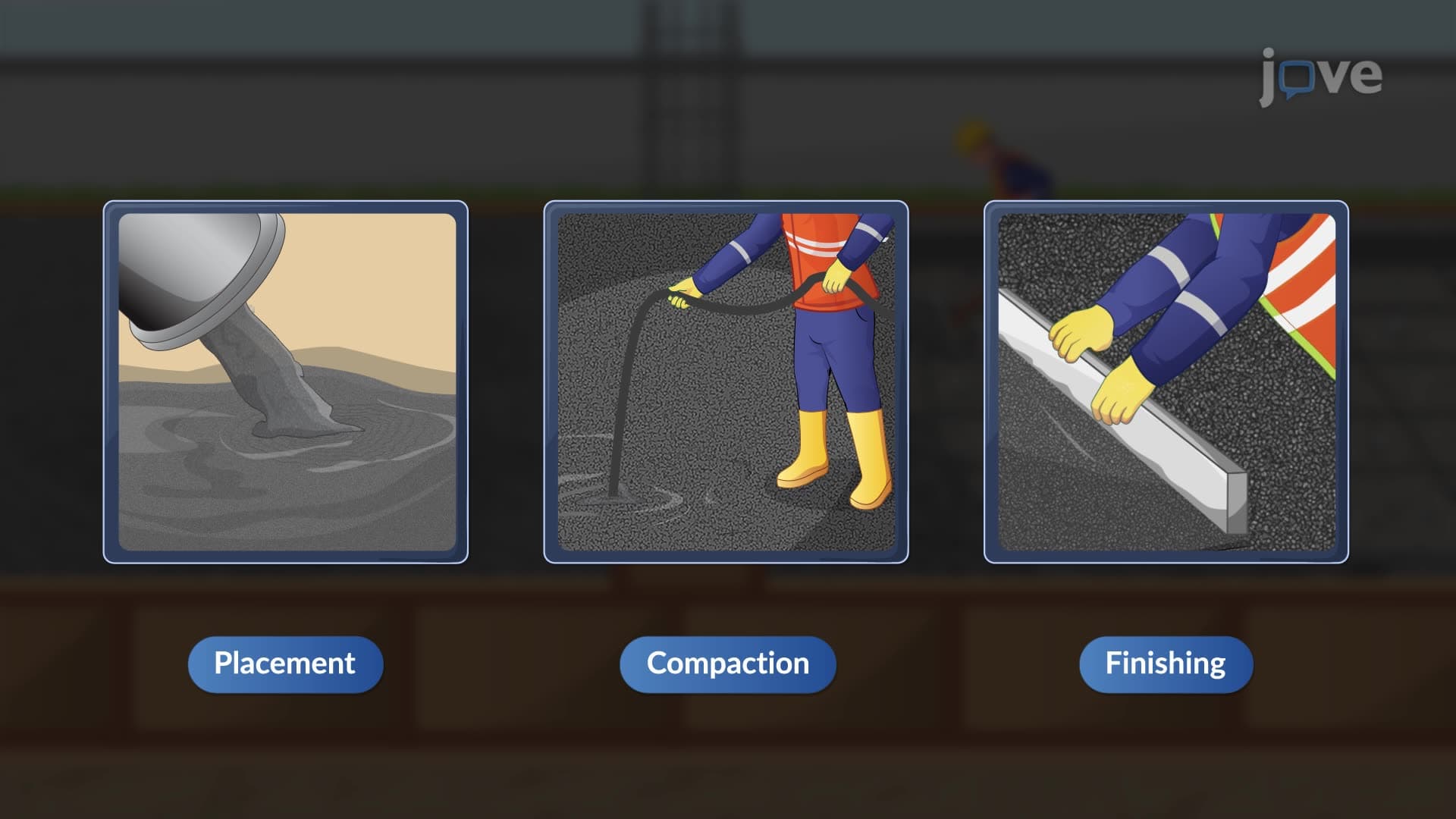
Workability of concrete represents one of the most critical properties that construction engineers and technicians must master. This concept defines the ease with which fresh concrete can be mixed, transported, placed, compacted, and finished without segregation or bleeding. Unlike simple fluidity, workability encompasses the internal energy required to overcome resistance between concrete ingredients and external forces from molds, reinforcement, and handling equipment.
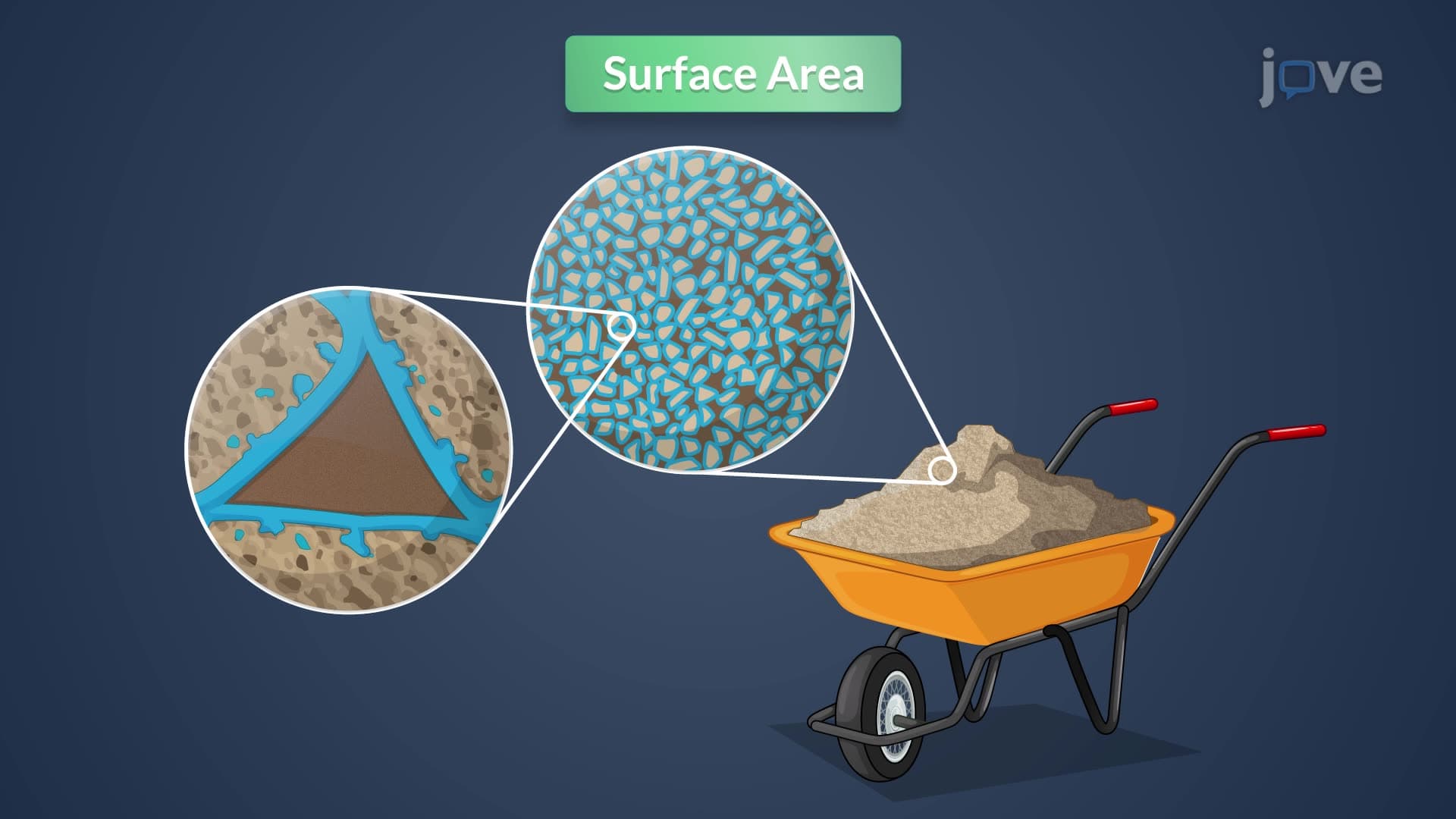
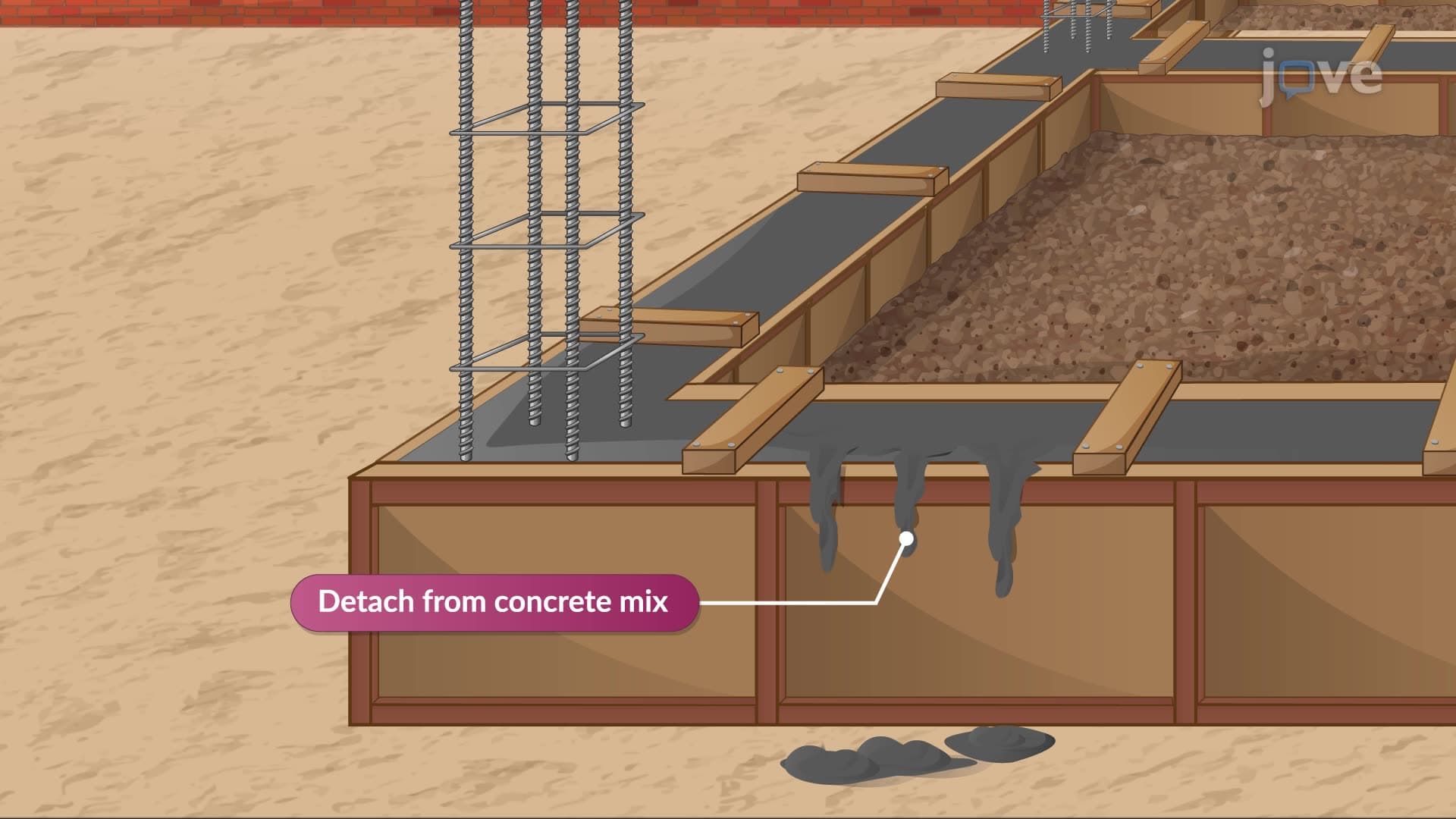
When concrete ingredients interact, they create internal friction that can significantly impact construction quality. This resistance occurs at multiple levels: between cement particles, aggregate pieces, and water molecules. Additionally, external resistance develops when concrete contacts formwork, reinforcing steel, or construction tools. The workability of concrete definition extends beyond mere consistency to include how effectively these resistances can be overcome during construction processes.
American construction projects demonstrate this principle daily. Consider the concrete placement in Boston's Big Dig tunnel project, where highly workable concrete was essential for navigating complex reinforcement patterns and achieving complete compaction in confined spaces. Poor workability would have created voids, compromising the tunnel's structural integrity and waterproofing.
Thorough compaction directly correlates with concrete strength and durability. Research shows that even 5% void content can reduce compressive strength by 30% - a critical consideration for structures ranging from residential foundations to commercial high-rises. Workable concrete facilitates complete compaction, expelling air voids that would otherwise create weak points susceptible to freeze-thaw damage, chemical attack, or mechanical failure.
This relationship becomes particularly important in earthquake-prone regions like California, where building codes require specific concrete performance standards. The workability of concrete overview must include understanding how proper workability contributes to seismic resistance and long-term structural safety.
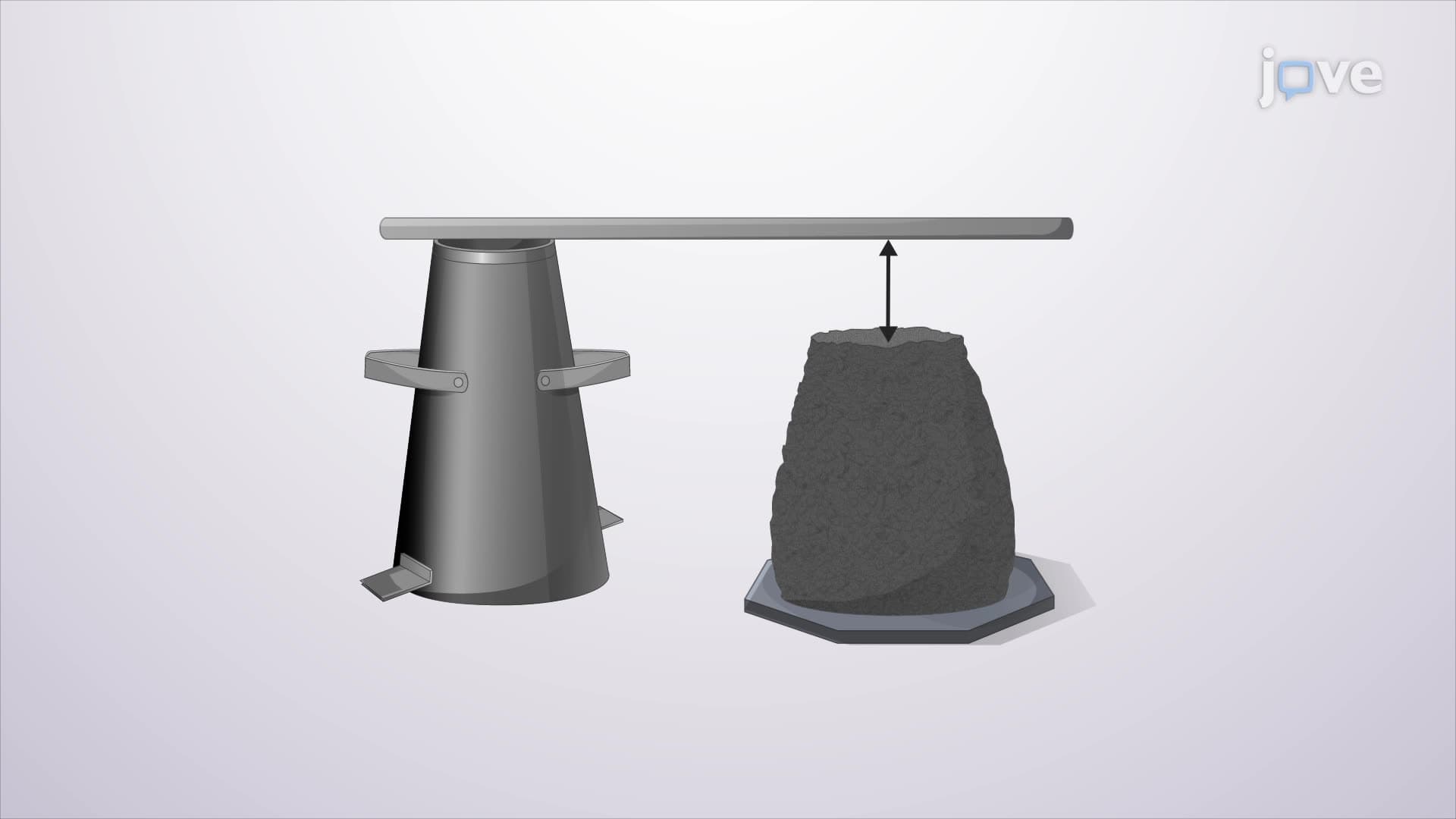
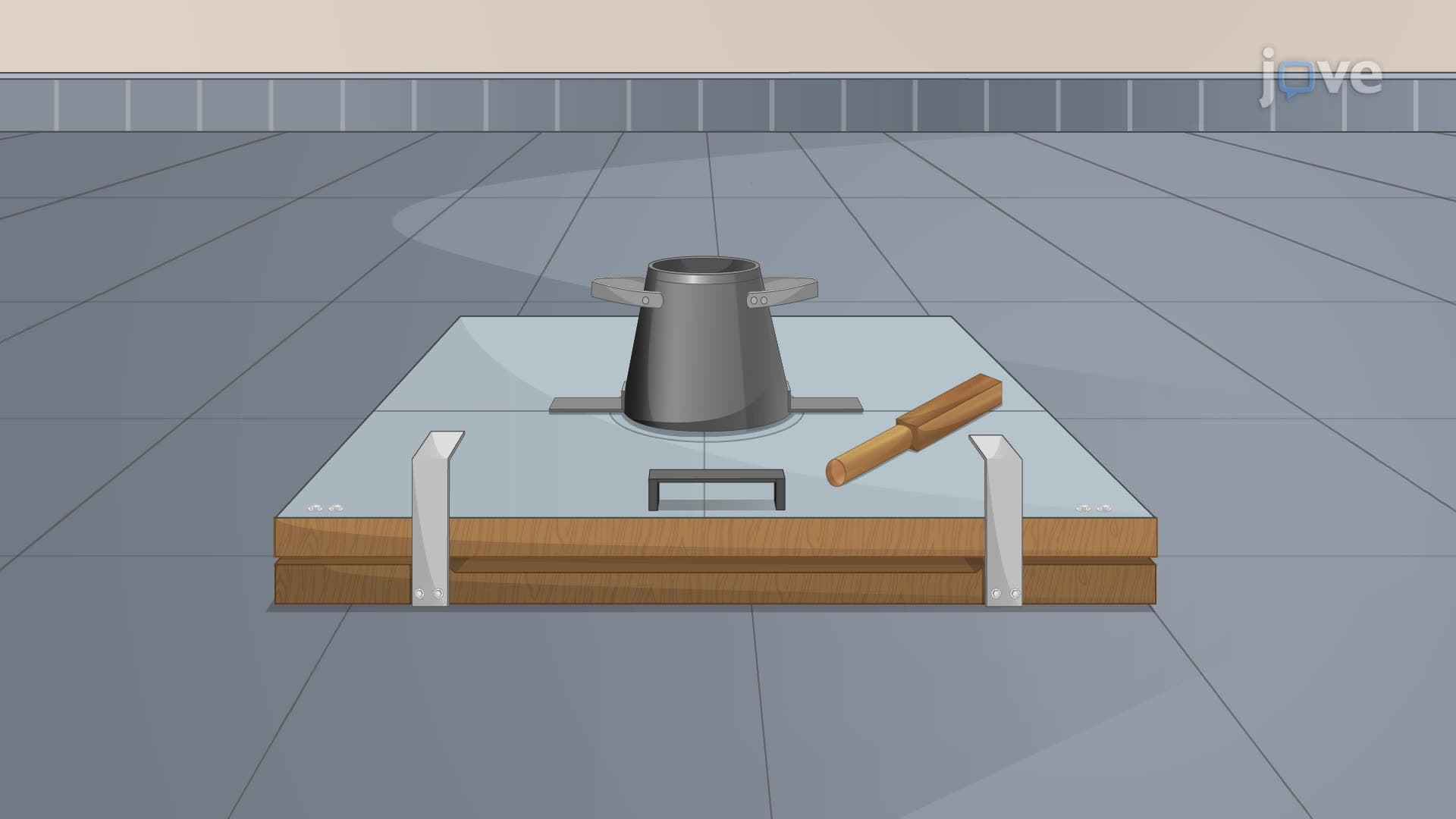
Construction professionals regularly assess workability through standardized tests like the slump test, which measures concrete consistency under controlled conditions. However, workability extends beyond laboratory measurements to real-world applications. Contractors must consider factors like ambient temperature, humidity, transportation time, and placement methods when evaluating concrete workability for specific projects.
Students preparing for AP Physics or college-level materials science courses should understand that workability represents a complex interaction of material properties, environmental conditions, and construction requirements. This knowledge proves essential for careers in civil engineering, construction management, or materials testing, where workability assessment directly impacts project success and public safety.
Related Micro-courses