Loading subject page…

- Civil Engineering
- Wood
- Structural Properties and Dimensions of Lumber
Micro-course: Wood
2,689 views
Learn key concepts and earn your certificate.




Structural Properties and Dimensions of Lumber

00:00
01:21
Video Summary: Structural Properties and Dimensions of Lumber Explained
Did you know that a single 2x4 stud in your bedroom wall can support over 1,000 pounds when properly installed? The structural properties and dimensions of lumber determine whether a building frame in Seattle can withstand earthquakes or if a deck in Florida can handle hurricane winds. Wood's unique fiber alignment creates dramatically different strength characteristics - up to 20 times stronger along the grain than across it. Watch the full video on JoVE Coach to master this concept with expert-led visuals and step-by-step explanations.
- Understand the structural properties and dimensions of lumber and how wood fiber orientation affects strength characteristics in construction applications
- Identify the three main lumber categories (boards, dimension lumber, timbers) and their specific dimensional requirements for building projects
- Analyze how wood's anisotropic properties create different tensile and compressive strengths parallel versus perpendicular to grain direction
- Compare hardwood and softwood fiber lengths and explain how these microscopic differences impact structural performance
- Evaluate lumber strength through standard laboratory testing methods including bending, shearing, tension, and compression tests
- Apply lumber classification knowledge to select appropriate materials for framing, decking, and structural applications
- Recognize nominal versus actual lumber dimensions and understand industry sizing conventions
- Explore how lumber properties influence building codes and structural engineering calculations in residential and commercial construction
Understanding Structural Properties and Dimensions of Lumber in Construction
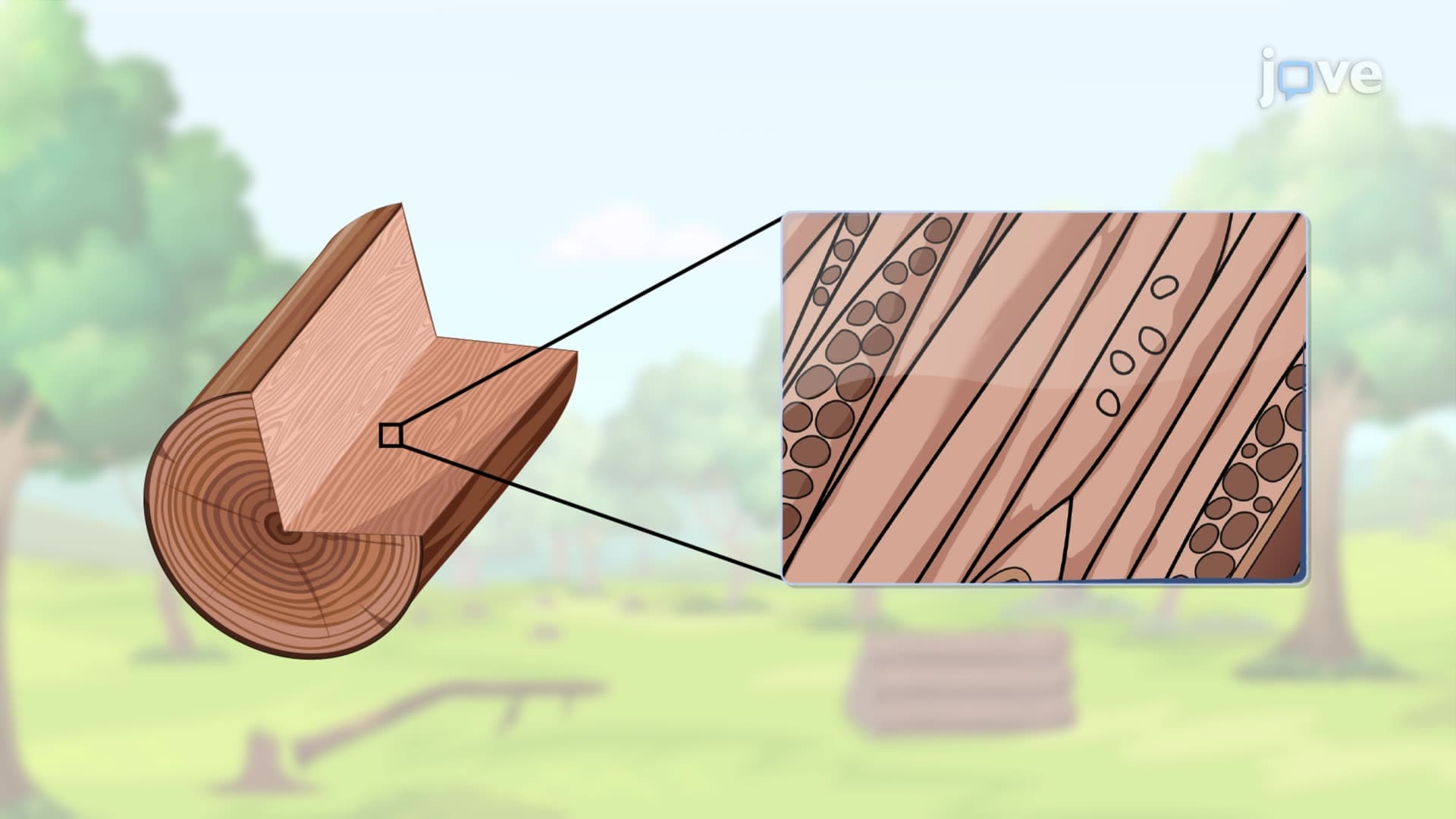
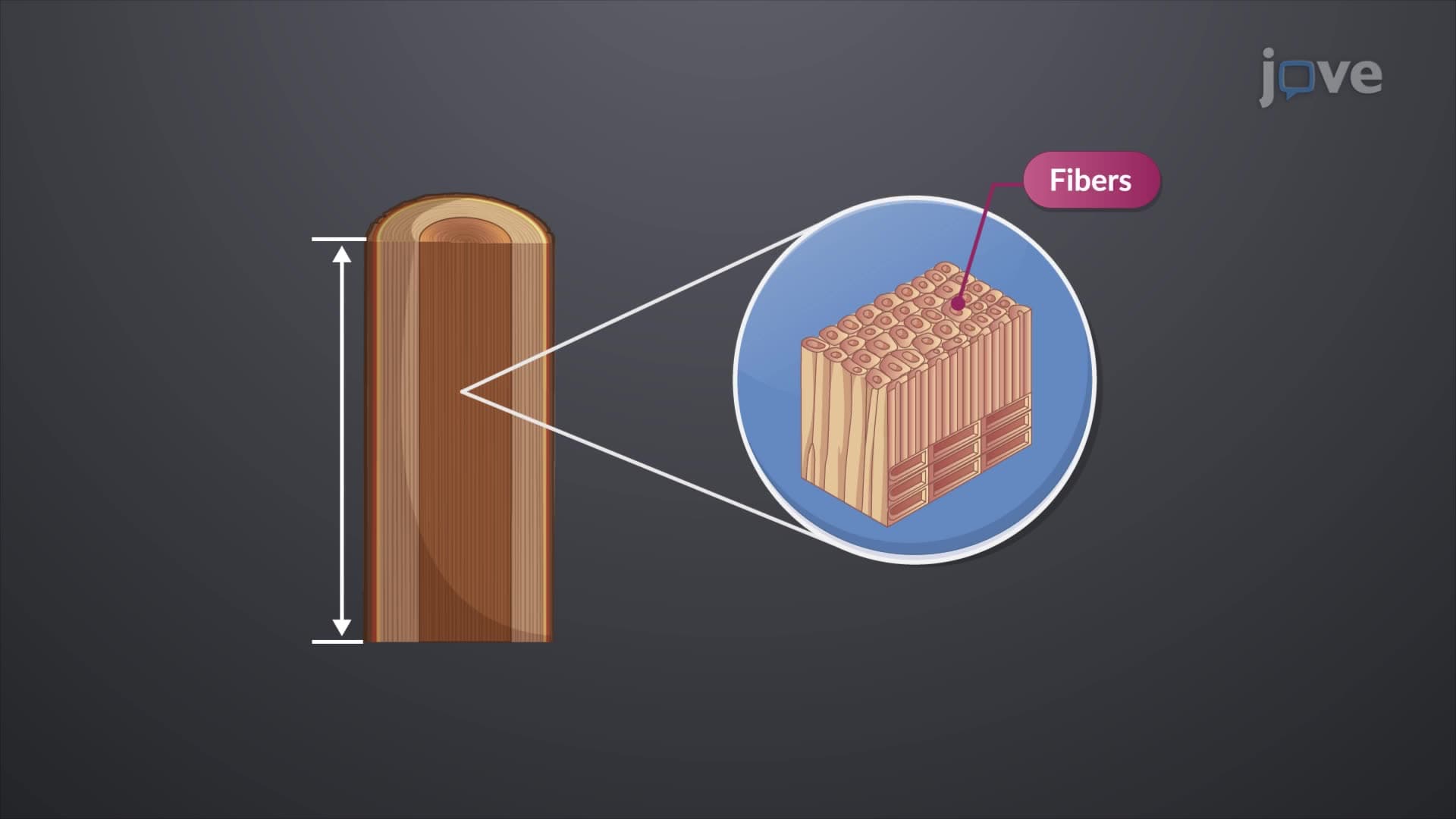
Lumber serves as the backbone of American residential construction, from California tract homes to New England colonials. Understanding lumber's structural properties begins with recognizing wood as an anisotropic material - meaning its properties vary significantly based on direction. This fundamental characteristic stems from how trees grow, with cellulose fibers aligned longitudinally along the trunk's length.
Wood Fiber Orientation and Strength Characteristics
The cellular structure of wood creates remarkable directional strength differences. Tensile strength parallel to the grain can reach 20 times higher than perpendicular strength - a critical factor when engineers design floor joists or roof rafters. For example, a Douglas fir 2x10 joist spanning 16 feet can safely support distributed loads because the fibers run along its length, but the same board would fail quickly if loaded perpendicular to its grain direction.
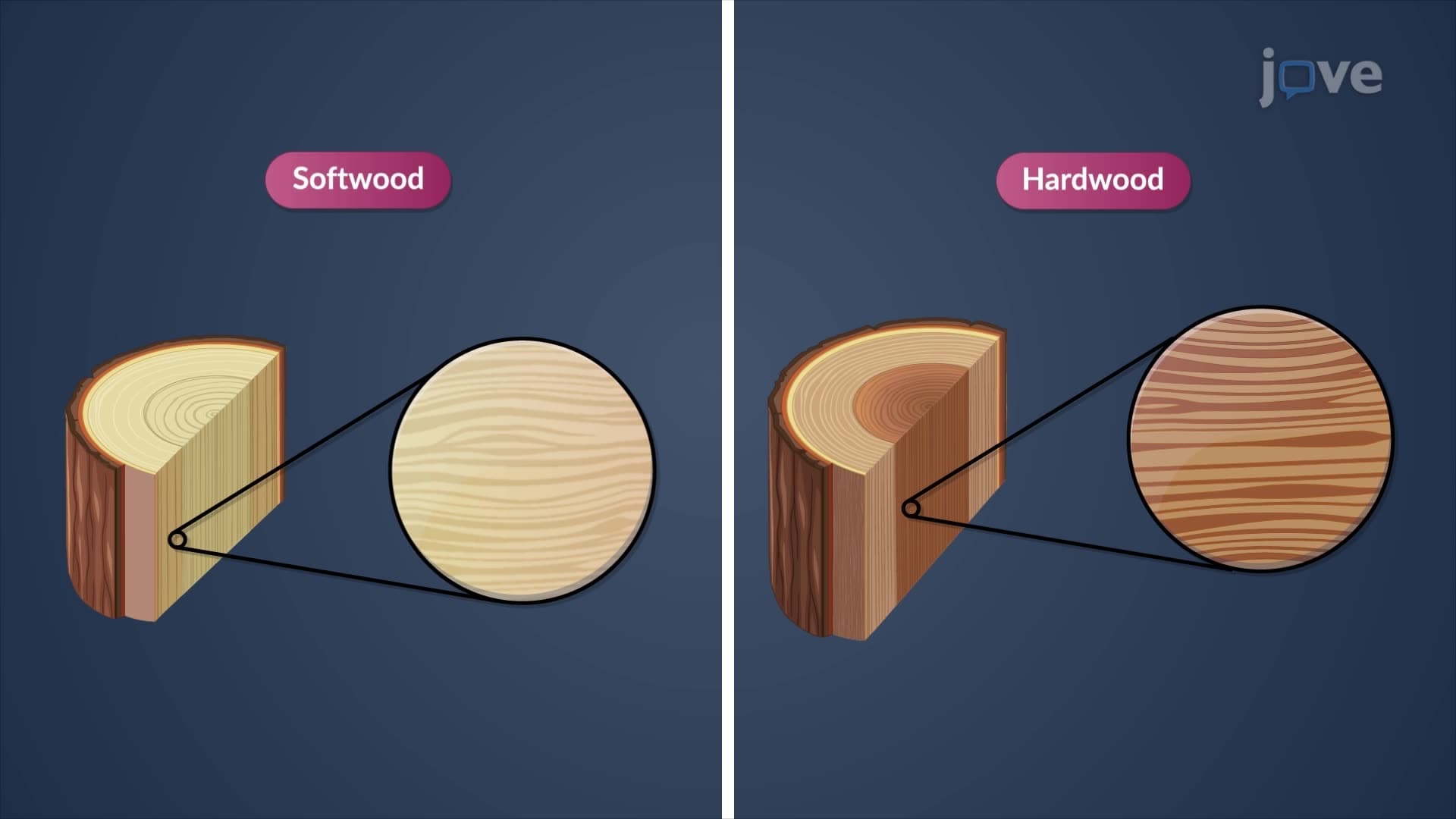
Wood also demonstrates higher compressive strength than tensile strength, making it ideal for columns and posts where compression loads dominate. This property explains why wooden structures like timber frame barns have endured for centuries across the American Midwest. The microscopic differences between hardwoods and softwoods further influence structural applications - hardwood fibers averaging 1/25 inch versus softwood fibers ranging from 1/8 to 1/3 inch create distinct strength and workability characteristics.
Standard Lumber Classifications and Dimensional Standards
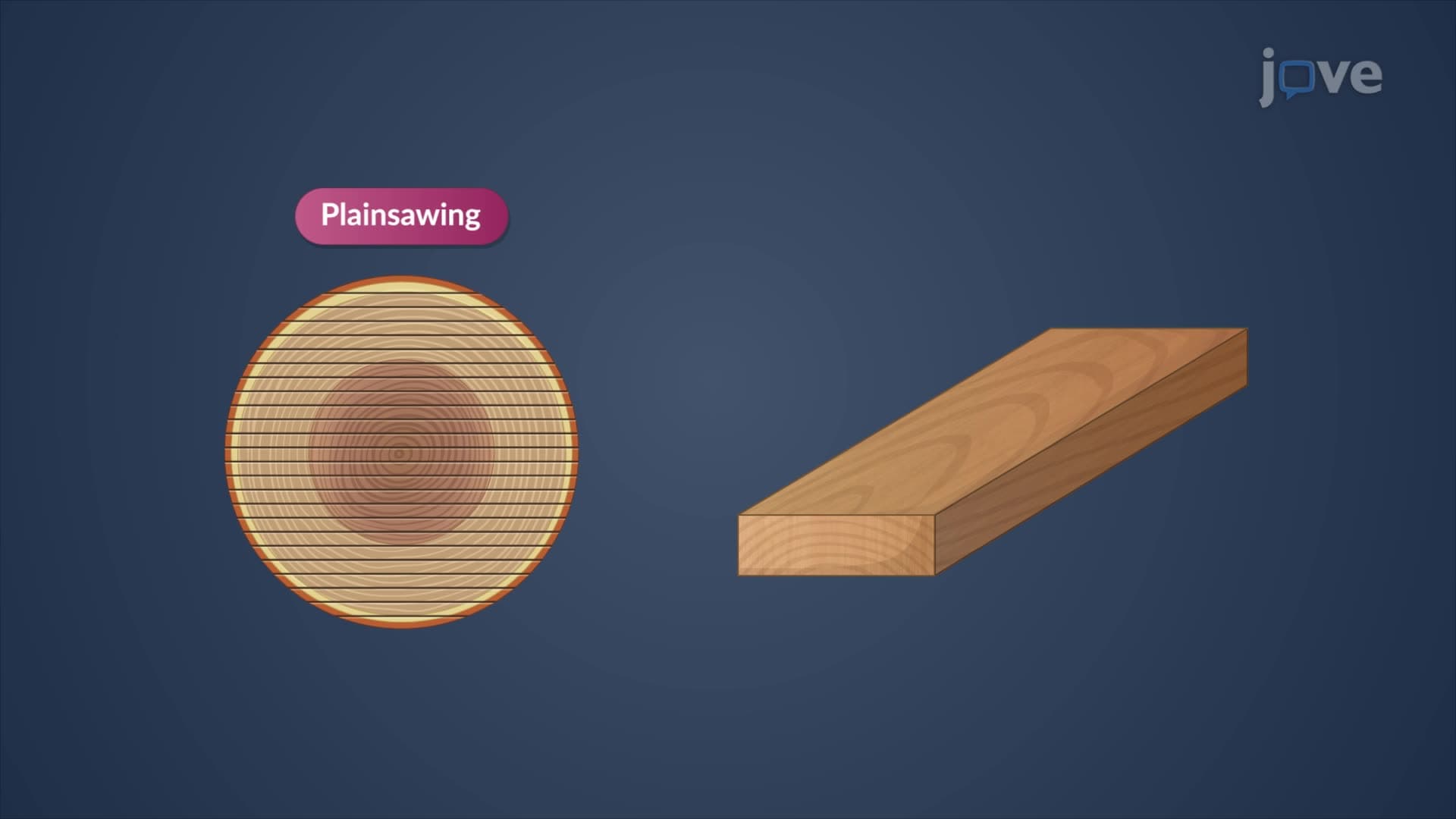
American lumber classification follows three primary categories based on cross-sectional dimensions. Boards represent the smallest category, with nominal dimensions less than 2 inches in the smallest direction. Common board sizes like 1x6 pine (actual dimensions 3/4" x 5-1/2") appear in applications from sheathing to trim work. The "five-quarters" designation (1-1/4" actual thickness) bridges the gap between standard boards and dimension lumber.
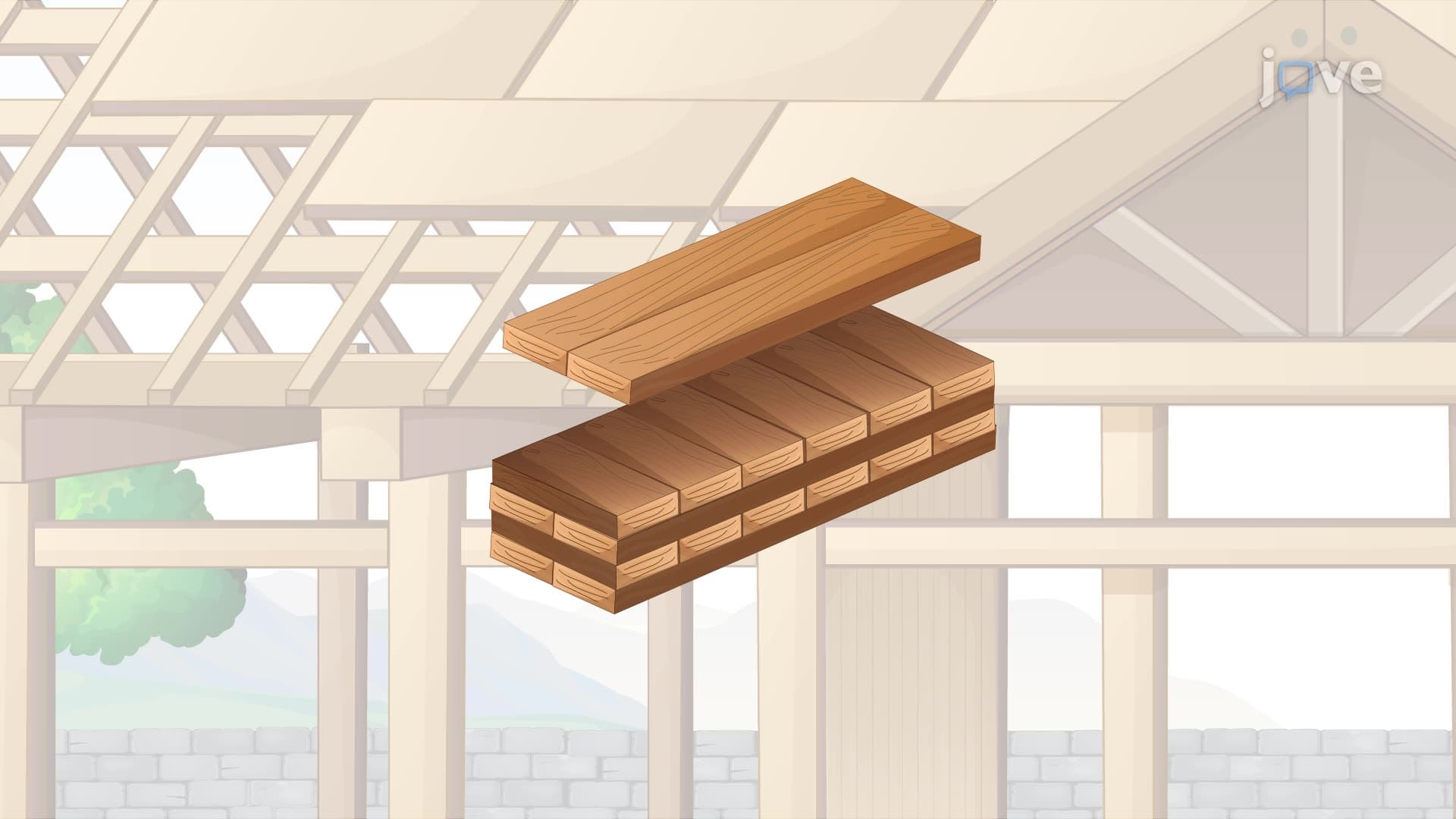
Dimension lumber encompasses the workhorse materials of construction, ranging from 2 to 4 inches in nominal smallest dimension. The ubiquitous 2x4 stud (actual 1-1/2" x 3-1/2") forms the framework of most American homes, while larger dimension lumber like 2x10s and 2x12s serve as floor joists and headers. Standard lengths increment by 2-foot intervals from 8 to 24 feet, allowing builders to minimize waste while meeting spanning requirements.
Timbers begin at 5-inch nominal dimensions and serve heavy structural applications. Post-and-beam construction utilizes timbers like 6x6 posts and 8x10 beams, creating the dramatic exposed frameworks seen in mountain lodges and commercial buildings. These larger members often require specialized grading and engineering analysis for critical load-bearing applications.
Laboratory Testing and Practical Applications
Lumber strength properties undergo rigorous laboratory testing following ASTM standards. Bending tests determine modulus of rupture and elasticity - values that structural engineers use when calculating beam deflections and load capacities. These laboratory results directly influence building codes like the International Residential Code, which specifies maximum spans for different lumber grades and species.
Students preparing for AP Physics or college-level statics courses encounter these principles when analyzing beam deflections or calculating safety factors. The concept also appears in materials science curricula where students learn about composite materials and anisotropic behavior. Understanding lumber properties proves essential for students pursuing careers in civil engineering, architecture, or construction management.
Frequently Asked Questions
Structural properties describe how lumber responds to forces like bending, compression, and tension, while dimensions classify lumber by size categories. These characteristics determine what lumber can safely support in buildings - from floor joists to wall studs. Understanding both ensures proper material selection for safe, code-compliant construction projects.
These concepts typically appear in mechanics problems involving beam analysis, material properties, and anisotropic behavior. Students might calculate maximum loads, compare directional strengths, or analyze structural failures. The material science aspects also connect to polymer chemistry and biological structures sections.
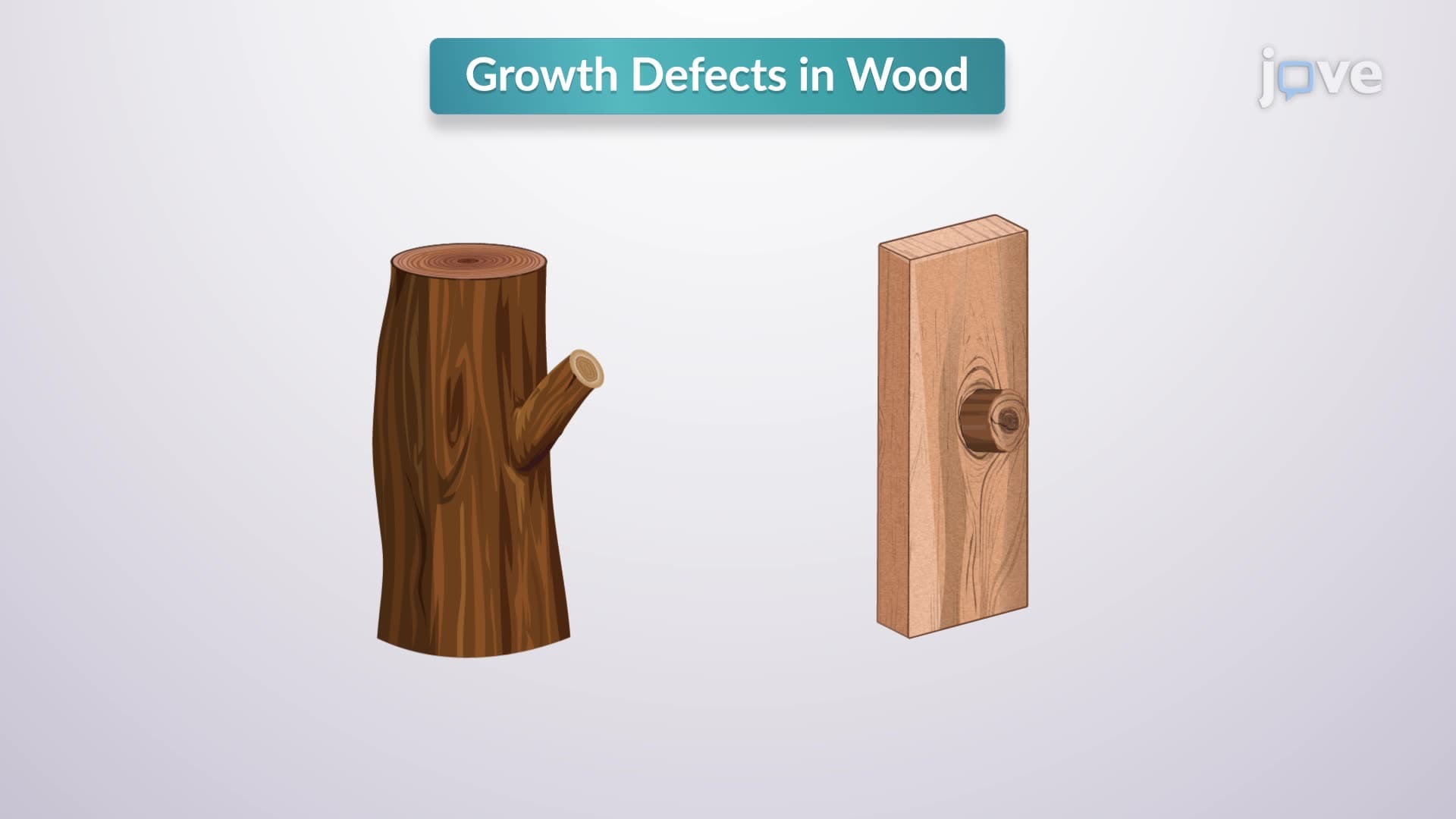
A construction 2x4 measures 1.5" x 3.5" (dried/planed dimensions) while laboratory specimens use exact nominal dimensions for standardized testing. Real construction lumber also contains natural defects like knots that reduce strength compared to clear test specimens. Building codes account for these differences through safety factors.
Basic algebra and geometry suffice for most lumber concepts. You'll work with ratios (like 20:1 strength differences), unit conversions, and simple load calculations. More advanced applications require calculus for beam deflection analysis, but introductory courses focus on conceptual understanding and basic computations.
Create comparison charts showing hardwood versus softwood properties, practice lumber classification with actual dimensions, and work through sample load calculations. Connect microscopic fiber structure to macroscopic strength properties. Use real construction examples to reinforce abstract concepts and make the material more memorable.
Structural engineers use these principles daily when designing buildings, bridges, and other wooden structures. Knowledge of lumber properties influences material selection, cost optimization, and safety factor calculations. Even architects need this background to create feasible designs that contractors can actually build within budget and code requirements.
Wood's cellular structure consists of long, hollow tubes (fibers) running vertically in the tree. Loading parallel to these fibers utilizes their full strength, like pulling on a rope. Loading perpendicular breaks across the fiber walls, which are much weaker. This explains why splitting wood along the grain requires much less force than cutting across it.
Related Micro-courses