Loading…
Loading video…

5,215 views
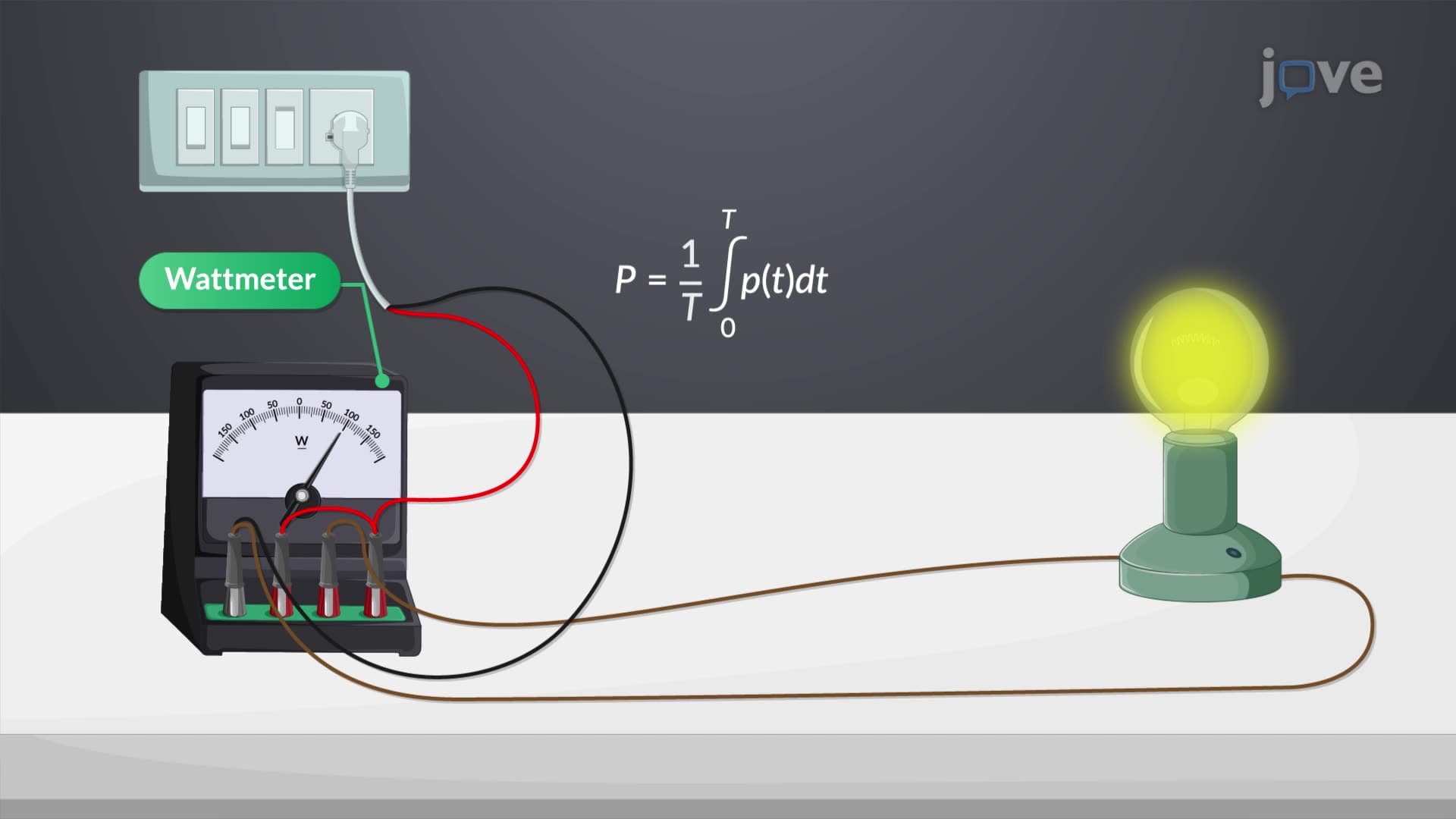
Did you know that your smartphone charger draws different amounts of power throughout its charging cycle, yet utilities bill you based on average power consumption? The effective value periodic waveform helps engineers calculate this average power by analyzing how voltage and current interact over complete cycles. For instance, when Tesla designs their Supercharger stations, they must account for how AC power converts to DC power for electric vehicles, using average power calculations to ensure efficient energy transfer. Understanding what is average power becomes crucial for optimizing electrical systems nationwide. Watch the full video on JoVE Coach to master this concept with expert-led visuals and step-by-step explanations.
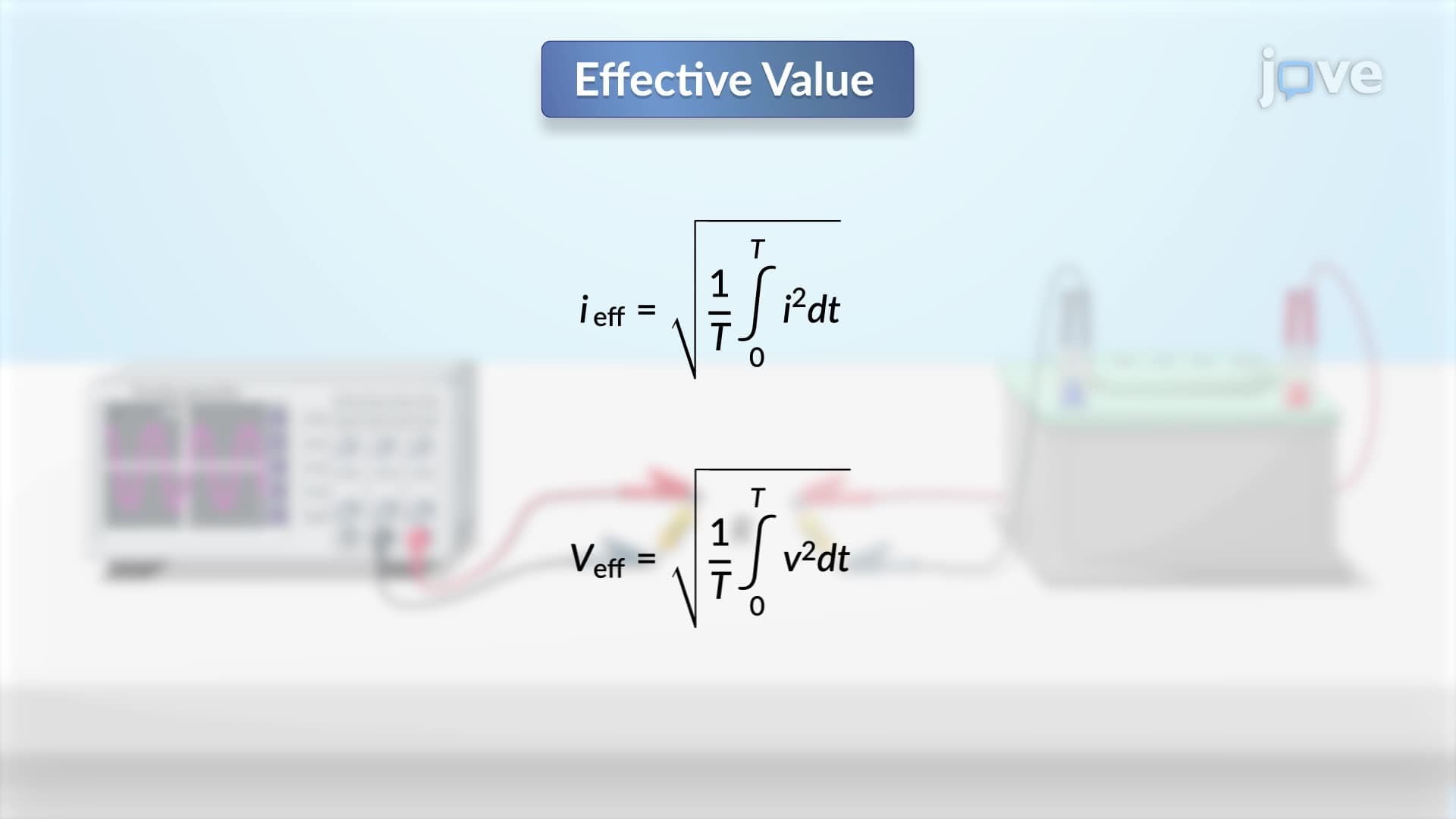
What is average power represents one of the most fundamental concepts in electrical engineering and physics. Unlike instantaneous power, which fluctuates constantly in AC circuits, average power provides a stable, measurable quantity that engineers use to design everything from household appliances to industrial power systems. The effective value periodic waveform serves as the foundation for these calculations, helping us understand how electrical energy transfers over complete cycles.
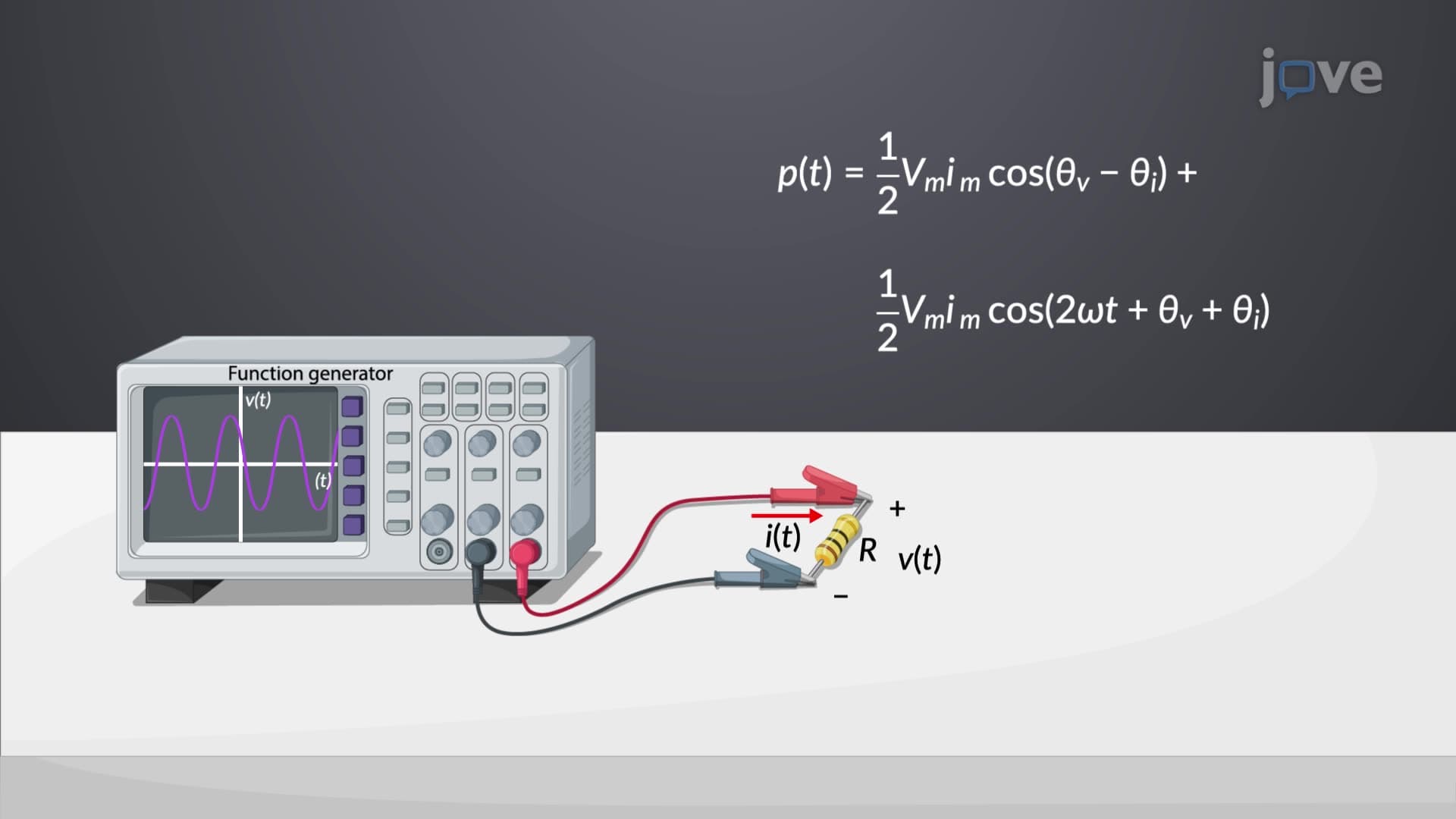
The effective value periodic waveform definition centers on integrating instantaneous power over a complete period and dividing by that period. This process eliminates the time-varying components, leaving only the steady-state power transfer. When we examine the mathematical expression, the cosine function's average value over a complete period equals zero, simplifying our calculations significantly. This mathematical elegance explains why power companies can provide consistent billing despite constantly changing electrical demands.
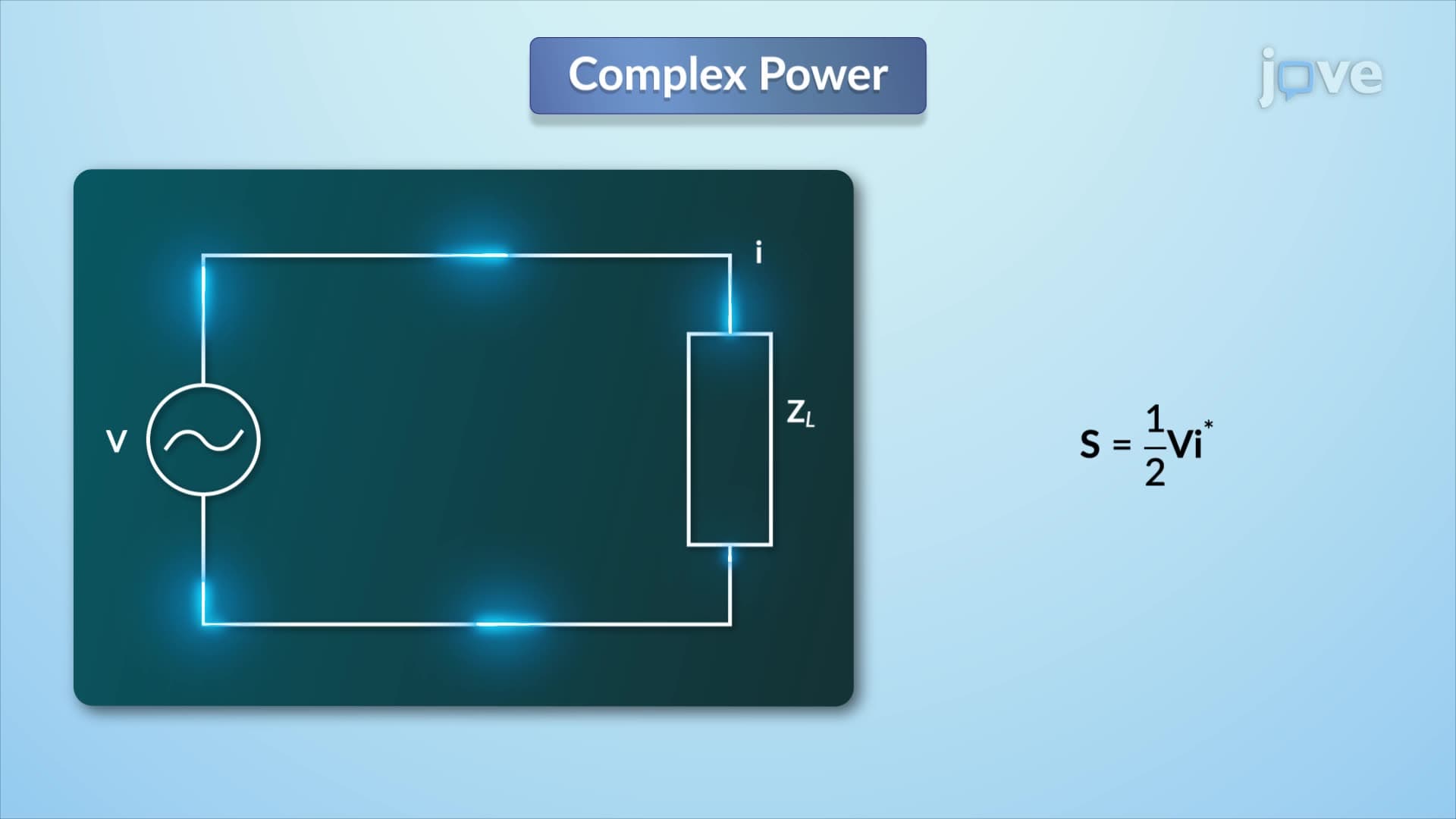
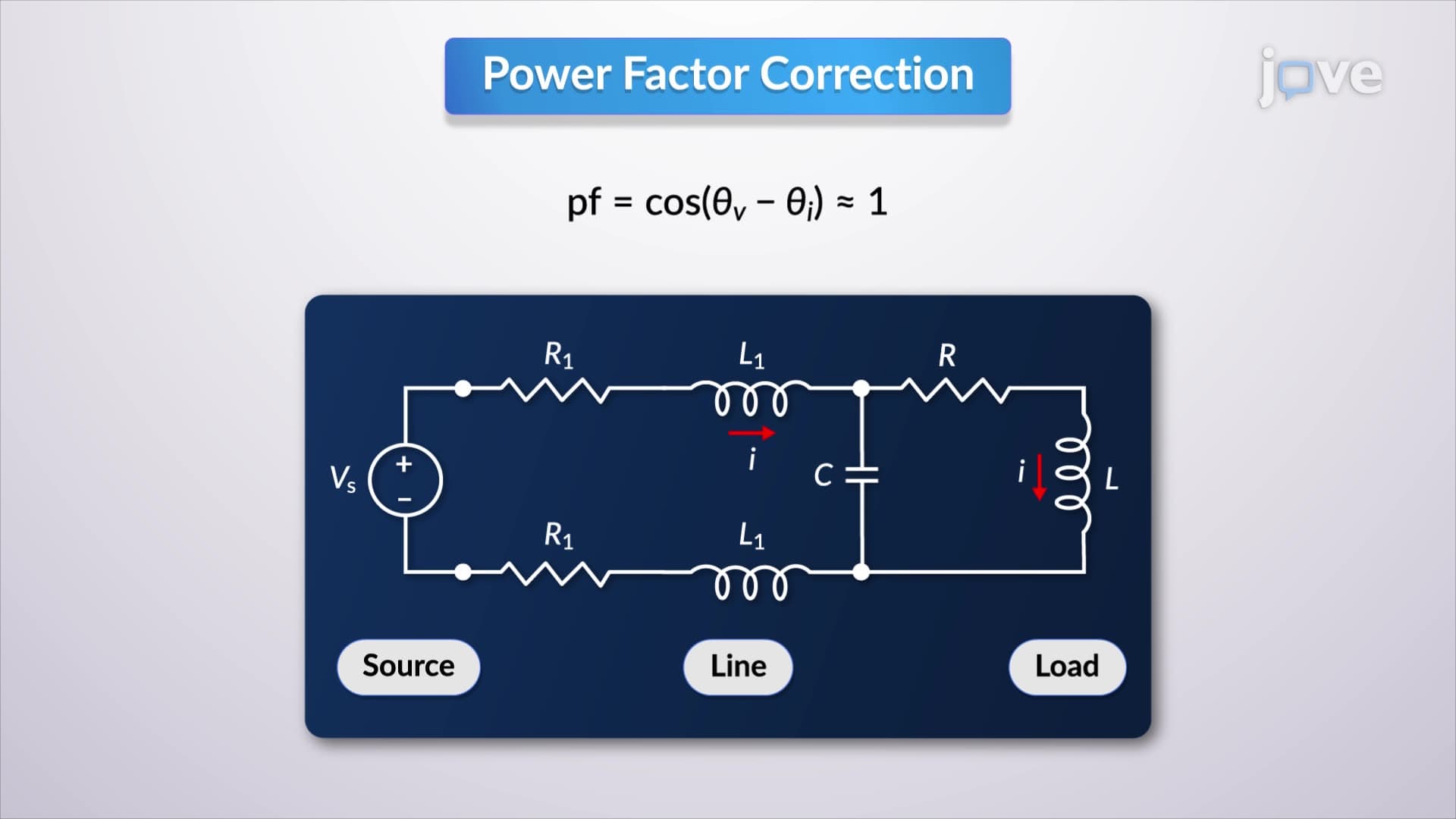
Students preparing for AP Physics or college-level electrical engineering courses should focus on understanding how voltage and current phasors interact. The real part of the complex power expression directly corresponds to average power, while the imaginary part represents reactive power. This distinction becomes crucial when analyzing power factor correction in industrial facilities across the United States.
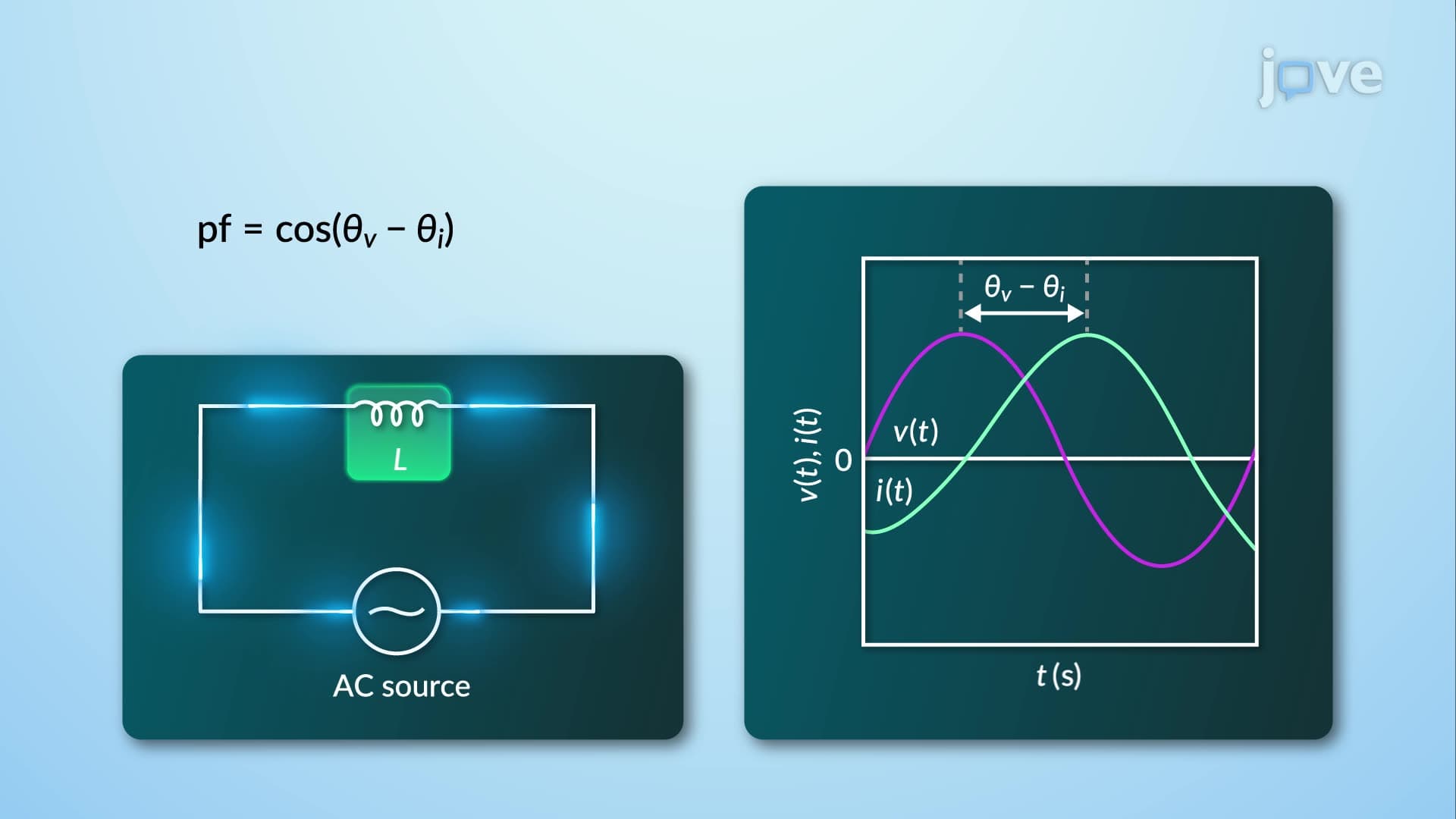
What is effective value periodic waveform in detail becomes clear when examining different circuit types. In purely resistive circuits found in electric heaters or incandescent bulbs, voltage and current remain in phase, producing maximum power transfer. However, in reactive circuits containing capacitors or inductors—common in AC motors powering manufacturing equipment—the 90-degree phase shift results in zero average power transfer.
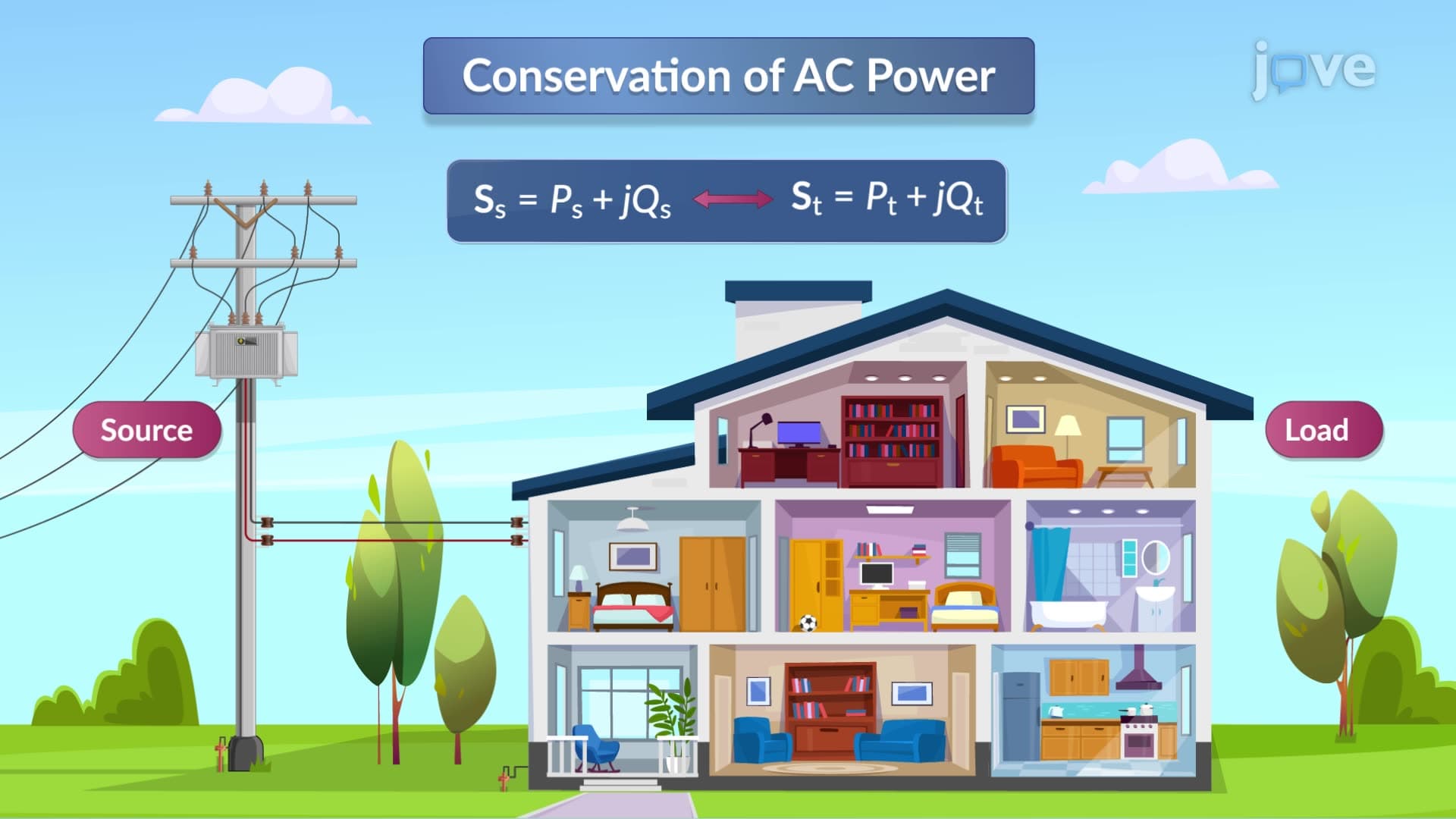
Consider how this applies to the US power grid: transmission lines exhibit both resistance and reactance. Power engineers must carefully balance these characteristics to minimize losses while maintaining voltage stability from California to New York. The effective value periodic waveform overview helps explain why utilities install capacitor banks and synchronous condensers throughout the grid system.
For students tackling MCAT physics sections or electrical engineering midterms, mastering average power calculations requires understanding both the conceptual framework and mathematical techniques. The effective value periodic waveform concept appears frequently in problems involving AC analysis, power factor calculations, and energy efficiency comparisons. Practice problems often involve calculating power consumption in household circuits, industrial motor applications, or renewable energy systems like solar inverters used across American residential installations.
Frequently Asked Questions
Average power represents the steady-state energy transfer rate in AC circuits, calculated using effective value periodic waveforms over complete cycles. Unlike instantaneous power that fluctuates continuously, average power provides a constant value that utilities use for billing and engineers use for system design. This concept forms the foundation for understanding power consumption in everything from your laptop charger to industrial manufacturing equipment.
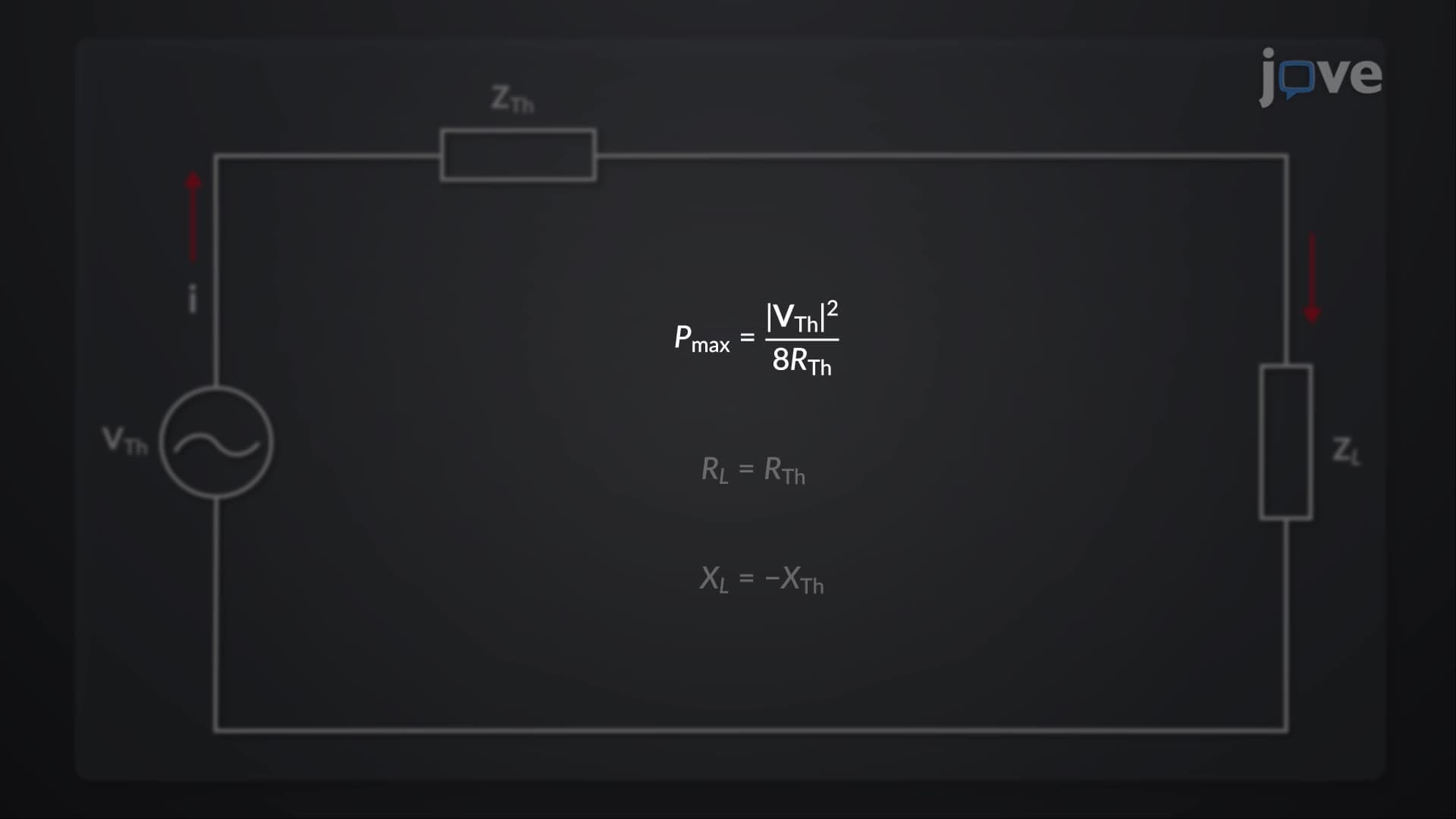
AP Physics C and college exams frequently test average power through AC circuit analysis, power factor problems, and energy efficiency calculations. Students encounter questions involving household appliances, industrial motors, and power grid scenarios. Common problem types include calculating power consumption in resistive versus reactive loads, determining optimal power transfer conditions, and analyzing three-phase power systems used throughout American industrial facilities.
The MCAT includes electrical circuits and energy concepts where average power calculations demonstrate understanding of AC systems and energy transfer. Medical equipment like MRI machines, defibrillators, and X-ray systems all rely on precise power control. Understanding these concepts shows analytical thinking skills essential for medical school success and future clinical applications.
Your home's electrical meter measures average power consumption to calculate monthly bills, while your smartphone's fast charger adjusts power delivery based on battery conditions. Electric vehicle charging stations across America use average power calculations to optimize energy transfer rates. Even renewable energy systems like rooftop solar panels rely on average power measurements to determine grid contribution and utility credits.
Average power concepts build naturally on basic algebra and trigonometry taught in high school mathematics courses. Students familiar with sine and cosine functions can grasp the underlying principles, especially when connected to familiar applications like household electronics. The mathematical complexity focuses on integration, but conceptual understanding develops through practical examples and step-by-step problem solving.
Focus on understanding the physical meaning behind mathematical expressions rather than memorizing formulas. Practice identifying resistive versus reactive circuit components, sketching phasor diagrams, and connecting phase relationships to power transfer. Work through problems involving real scenarios like motor starting currents, transformer efficiency, and power factor correction to build practical intuition alongside mathematical skills.
Complex power analysis, three-phase power systems, and power factor correction represent natural next steps in electrical engineering studies. Students interested in power systems engineering can explore renewable energy integration, grid stability, and smart grid technologies. These advanced topics build directly on average power foundations while addressing current challenges in America's evolving electrical infrastructure.
Electrical engineers rely on average power calculations to size circuit breakers, select wire gauges, and design cooling systems for industrial equipment throughout American manufacturing facilities. Power system engineers use these concepts to balance electricity generation and consumption across regional grids, ensuring reliable power delivery from renewable sources like wind farms in Texas and solar installations in California.
Related Micro-courses
Related Subjects
 Civil Engineering 30 micro-courses›Mechanical Engineering 28 micro-courses›