Loading…
Loading video…

5,215 views
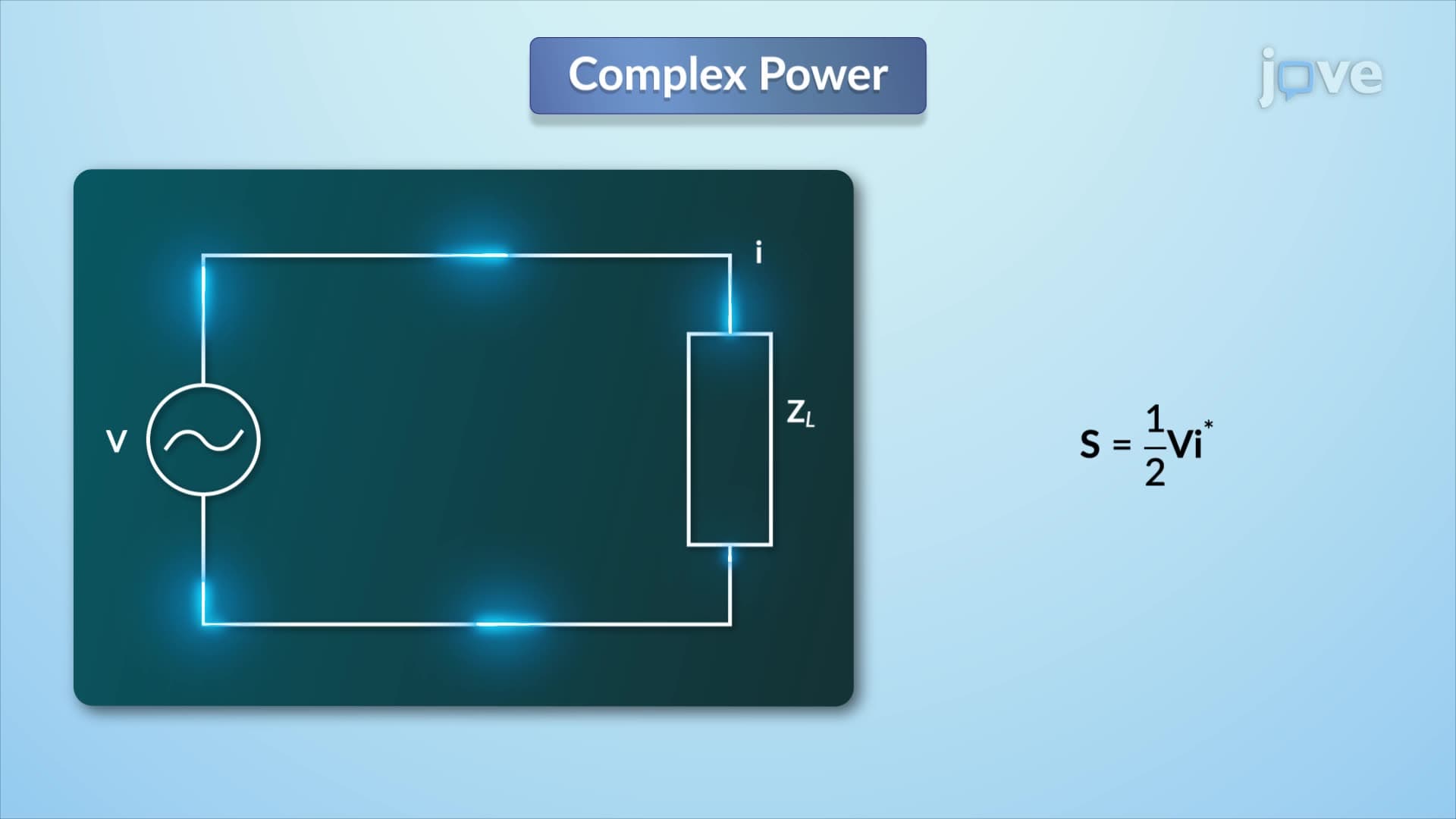
Ever wonder why your electric bill shows both kilowatts and kilovolt-amperes? The conservation of AC power explains this through complex power analysis, where electrical energy flows in multiple forms simultaneously. In US power grids, utilities must account for both real power (doing actual work) and reactive power (energy oscillating between sources and loads) to maintain stable electricity delivery to homes and businesses. Understanding what is complex power reveals how AC circuits manage energy more efficiently than simple DC calculations suggest. Watch the full video on JoVE Coach to master this concept with expert-led visuals and step-by-step explanations.
Complex power represents the complete energy story in alternating current systems, going far beyond simple voltage-times-current calculations. Unlike DC circuits where power flows in one direction, AC systems involve energy that oscillates between sources and loads, creating a more nuanced energy landscape that engineers must carefully manage.
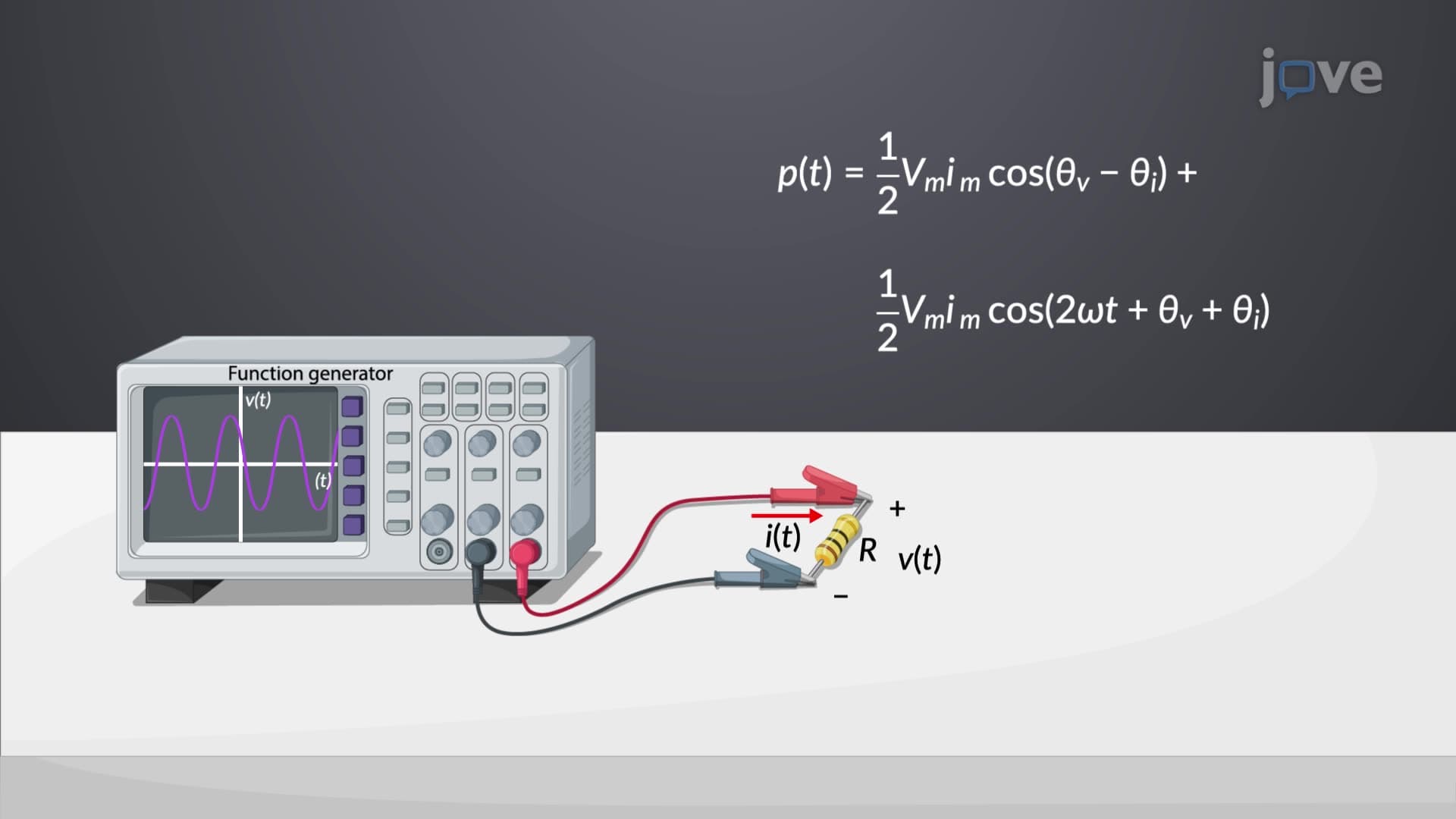
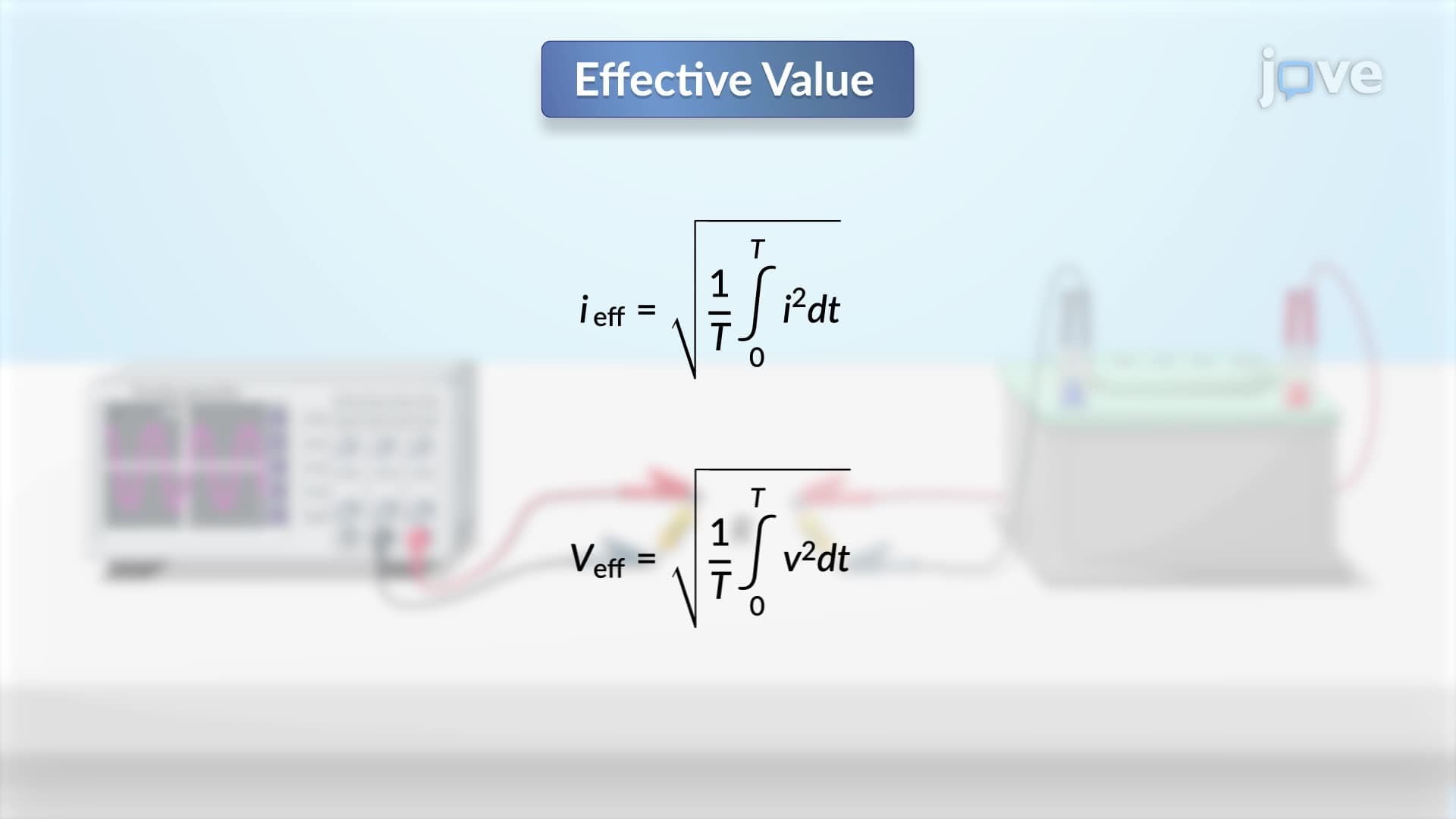
The mathematical foundation rests on phasor analysis, where voltage and current are represented as rotating vectors in the complex plane. Complex power equals half the product of voltage phasor and the complex conjugate of current phasor, expressed as S = (1/2)V × I*. This seemingly abstract formula captures real physical phenomena occurring millions of times per second in electrical systems.
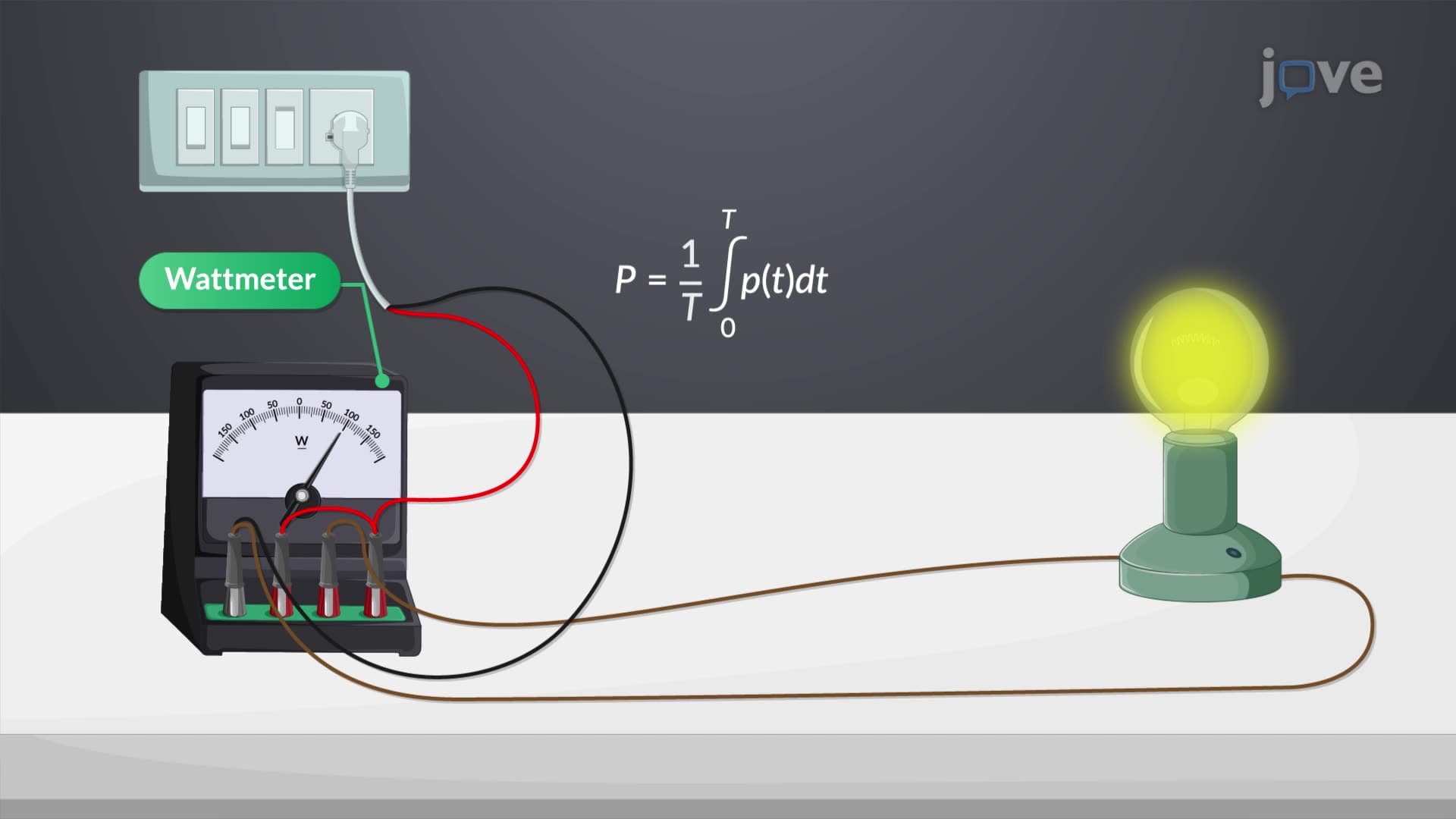
The conservation of AC power definition encompasses three distinct power types working simultaneously. Real power (P), measured in watts, performs actual work—lighting bulbs, running motors, heating elements. Reactive power (Q), measured in volt-amperes reactive (VARs), represents energy bouncing back and forth between magnetic and electric fields without performing net work. Apparent power (S), measured in volt-amperes (VA), combines both components as the total power supplied by the source.
These relationships form the famous power triangle, where S² = P² + Q². This geometric representation helps students visualize energy flow and calculate missing values. For example, if a US residential air conditioning unit draws 15 kW real power and 9 kVAR reactive power, the apparent power equals √(15² + 9²) = 17.5 kVA.
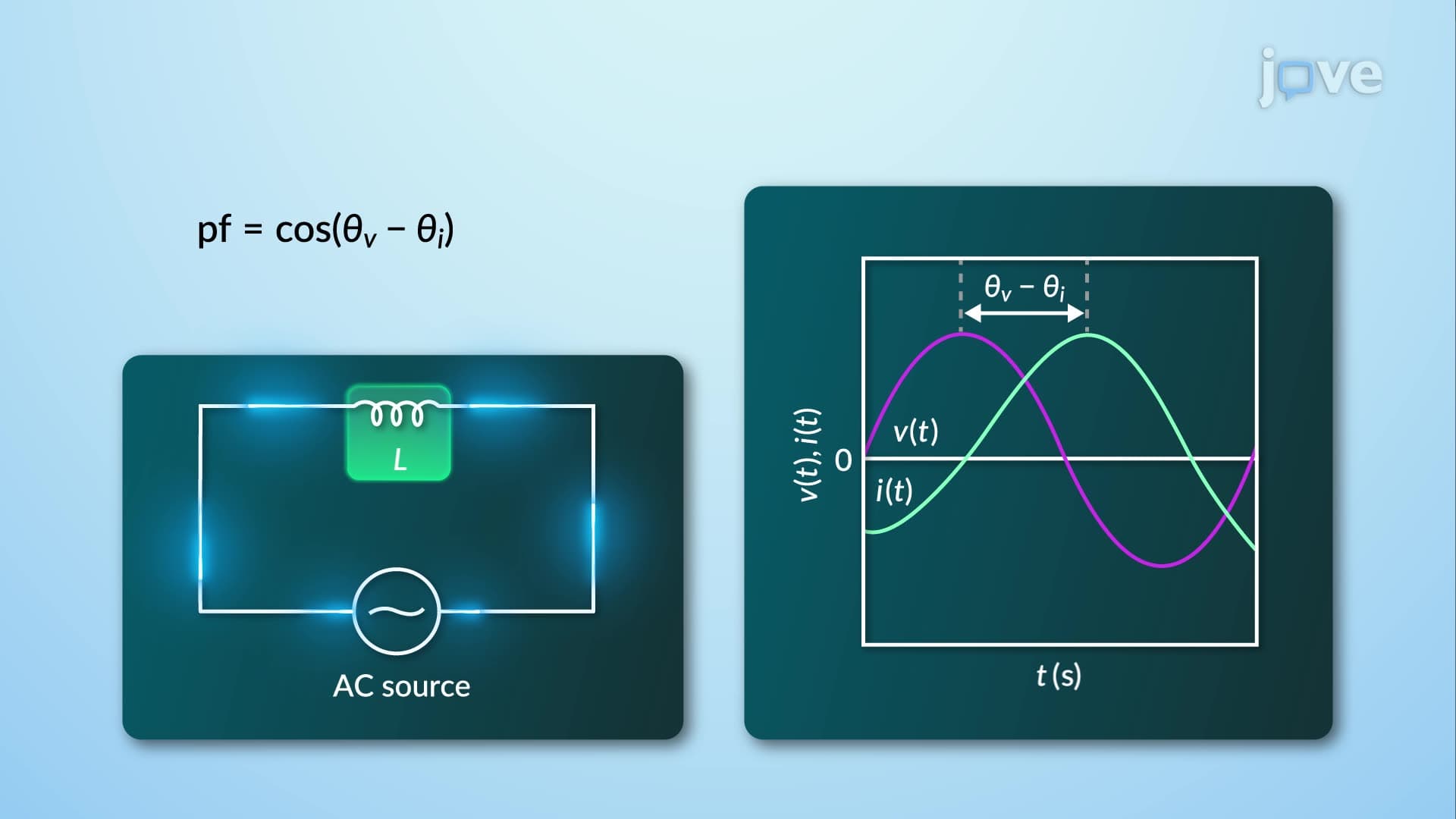
Understanding what is conservation of AC power in detail requires examining how different loads affect energy flow. Purely resistive loads (like incandescent bulbs) consume only real power, with voltage and current in phase. Capacitive loads (like certain motor controls) create negative reactive power, with current leading voltage. Inductive loads (like transformers and motors) generate positive reactive power, with current lagging voltage.
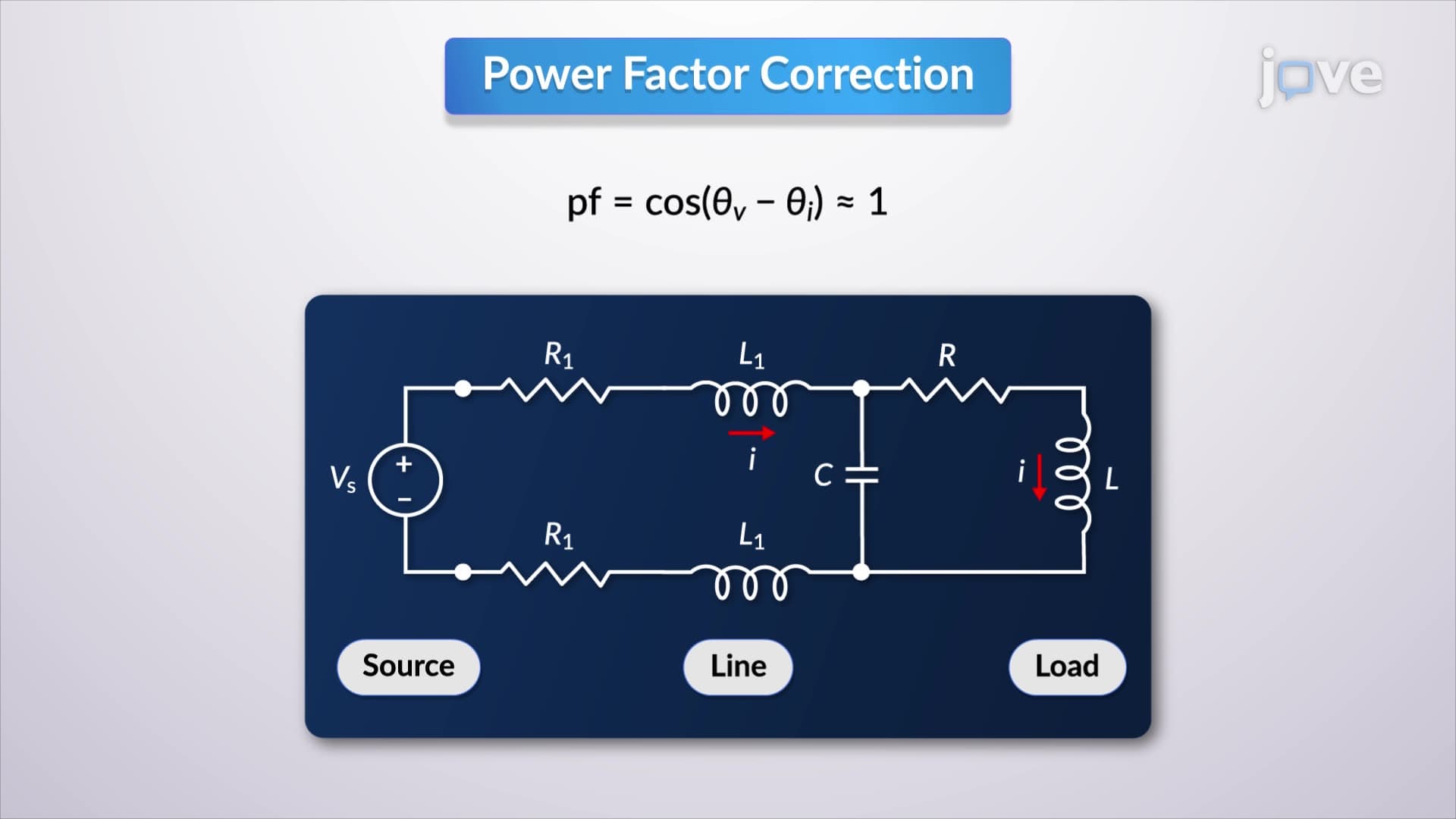
This behavior directly impacts US power grid operations. Utility companies must generate extra apparent power to compensate for reactive power, even though customers only pay for real power consumption. Poor power factor (low P/S ratio) forces utilities to install larger generators and transmission equipment, ultimately affecting electricity costs.
These concepts appear frequently on AP Physics exams, college electrical engineering midterms, and professional engineering certification tests. Students encounter complex power in AC circuit analysis problems, where they must calculate power consumption in residential and industrial applications. Understanding impedance relationships (Z = R + jX) allows direct calculation of power components using P = I²R and Q = I²X formulations.
Real-world applications span from smartphone chargers managing reactive power through switching circuits to massive industrial facilities optimizing power factor through capacitor banks. US manufacturing plants often install power factor correction equipment to reduce utility costs and improve electrical system efficiency, demonstrating the practical importance of complex power management in modern electrical infrastructure.
Frequently Asked Questions
Complex power is called "complex" because it uses complex number mathematics to represent both real and reactive power simultaneously in AC circuits. The term refers to the mathematical tool (complex numbers) rather than difficulty level. It provides a complete picture of energy flow that simple real numbers cannot capture, making power calculations more accurate and comprehensive.
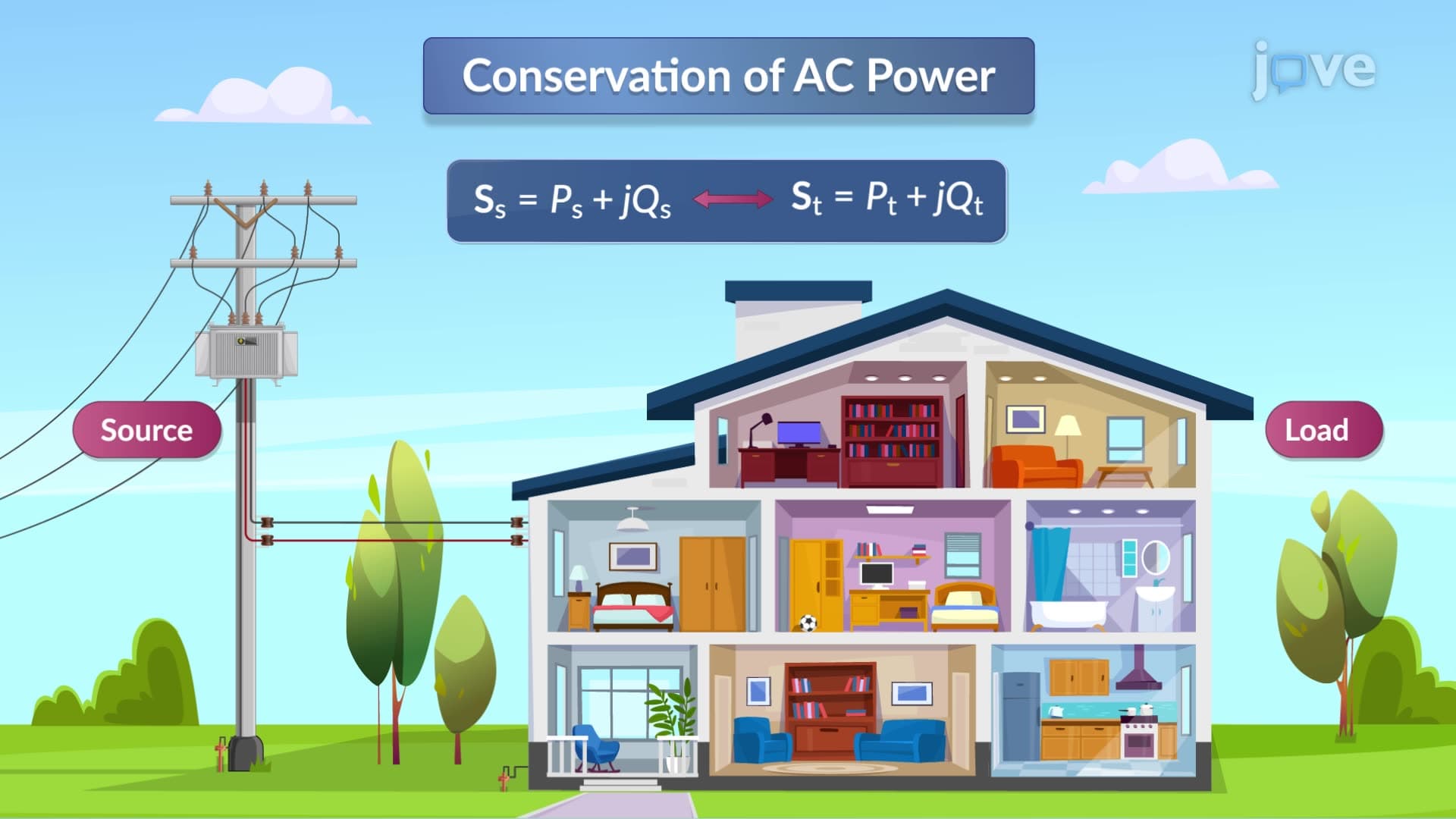
Conservation of AC power definition states that the total power supplied by AC sources equals the sum of all power consumed and stored in circuit elements. Unlike DC circuits, AC power conservation includes both energy that does work (real power) and energy that oscillates between source and load (reactive power). This principle ensures energy balance in alternating current systems.
AP Physics and college exams typically test complex power through circuit analysis problems requiring power triangle calculations and power factor determination. Students must calculate missing power components given impedance values, solve for current in AC circuits with mixed loads, and analyze efficiency in electrical systems. Many problems involve residential or industrial power consumption scenarios relevant to US electrical standards.
Complex power conservation appears in US homes through smart meters that measure both real and reactive power consumption, affecting electricity bills and grid efficiency. Air conditioners, refrigerators, and other motor-driven appliances create reactive power that utilities must manage. Power factor correction in commercial buildings and industrial facilities directly applies these principles to reduce energy costs.
Complex power concepts are definitely accessible to high school students with basic algebra and trigonometry skills. While the mathematics involves complex numbers, the physical concepts relate to familiar electrical devices and energy conservation principles. Starting with simple resistive circuits and gradually adding reactive components makes the topic manageable for motivated students.
Focus on mastering the power triangle relationships and practicing impedance calculations with different load combinations. Create summary sheets showing formulas for resistive, capacitive, and inductive power consumption. Work through plenty of practice problems involving US electrical standards (120V, 240V systems) and memorize key relationships like S² = P² + Q² and power factor equations.
Complex power mastery provides the foundation for advanced topics like three-phase power systems, electrical machine analysis, and power electronics design. It's essential for understanding motor control circuits, transformer analysis, and power grid stability studies. Students planning careers in electrical engineering, renewable energy, or power systems engineering will use these concepts throughout their professional lives.
After complex power, explore three-phase power systems, which extend single-phase concepts to industrial applications. Study power factor correction techniques, electrical machine fundamentals, and AC motor control principles. These topics build directly on complex power foundations and are crucial for understanding modern electrical power systems and renewable energy integration.
Related Micro-courses
Related Subjects
 Civil Engineering 30 micro-courses›Mechanical Engineering 28 micro-courses›