Loading…
Loading video…

1,704 views
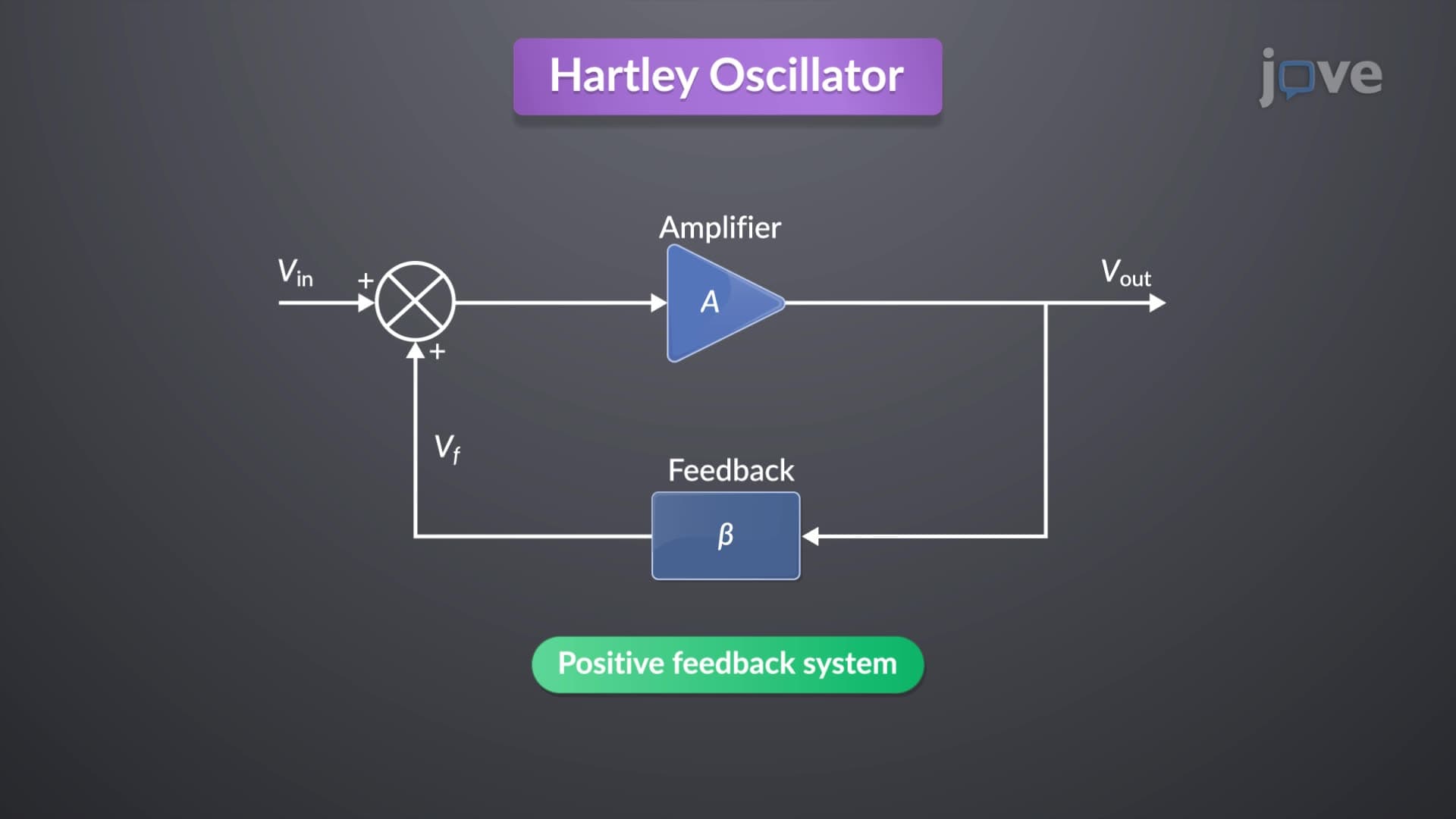
Controller configurations in positive feedback systems power everything from radio transmitters to audio amplifiers across the United States. Unlike traditional negative feedback, these systems amplify signals by feeding output back in-phase with the input. The root loci for positive feedback systems explained through Hartley oscillators demonstrate how engineers at companies like Texas Instruments design stable electronic circuits. Watch the full video on JoVE Coach to master this concept with expert-led visuals and step-by-step explanations.
Controller configurations in positive feedback systems operate fundamentally differently from their negative feedback counterparts. In positive feedback, the output signal returns to the input without phase inversion, creating reinforcement rather than correction. This principle underlies many critical applications, from radio frequency oscillators used in cell phone towers to audio feedback systems in concert halls across the United States.
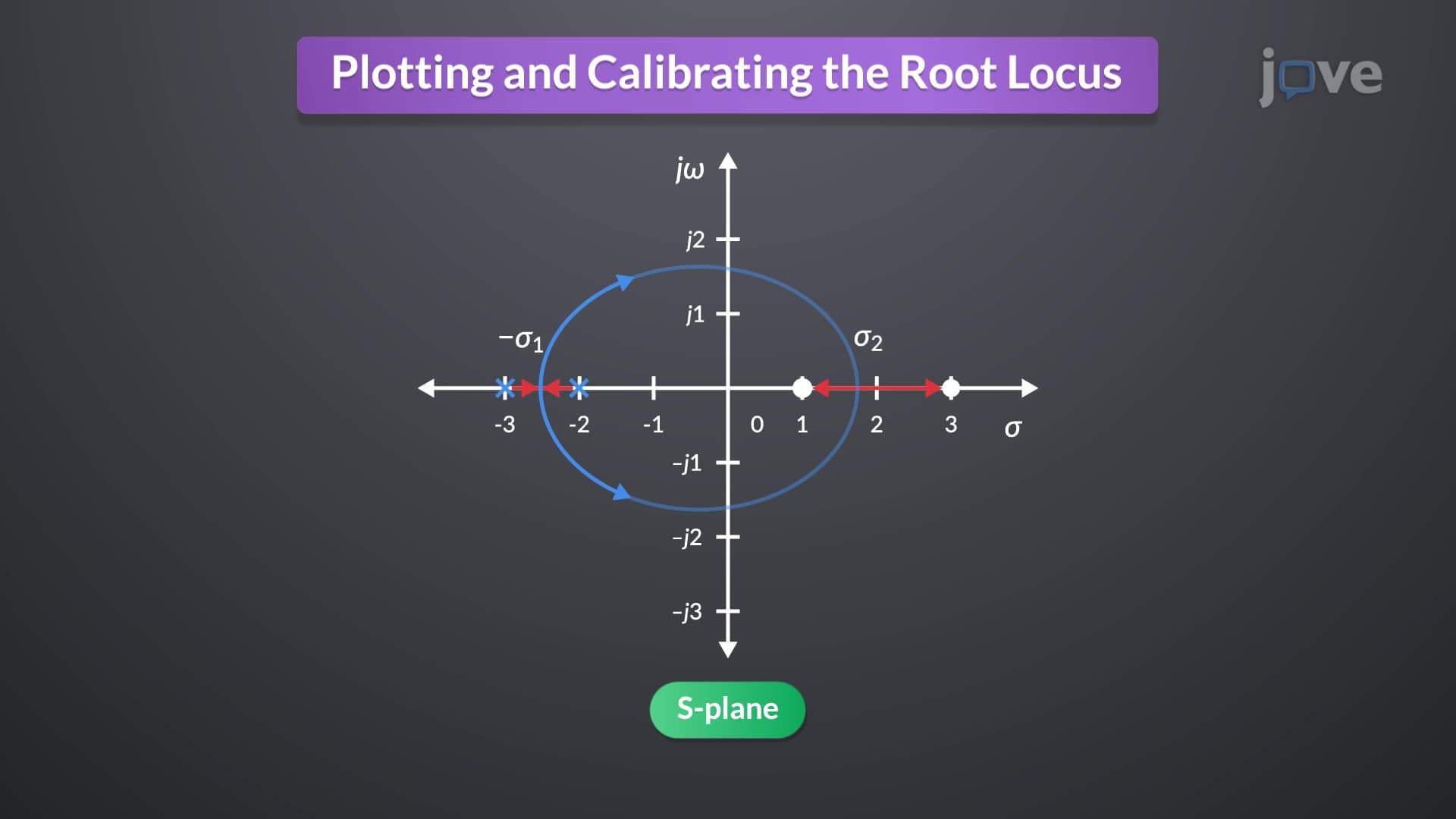
The controller configurations definition for positive feedback systems centers on the 360-degree angle condition rather than the 180-degree condition found in negative feedback. This means the root locus includes all points in the s-plane where the open-loop transfer function's angle equals 360 degrees (or 0 degrees, since they're equivalent). Students preparing for AP Physics or college-level control systems courses must understand this distinction, as it fundamentally changes how we analyze system stability.
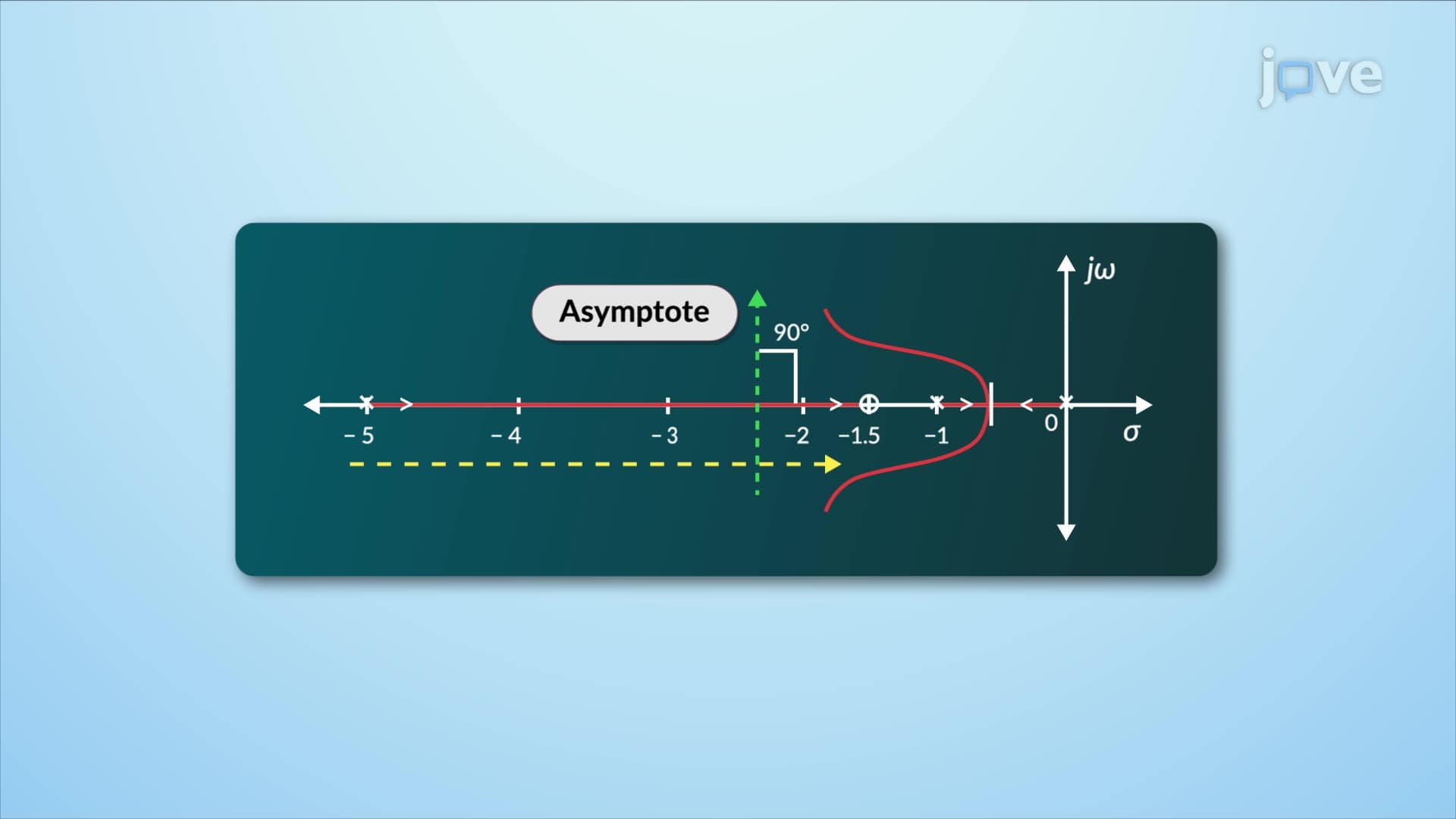
What is controller configurations in detail becomes clearer when examining real axis behavior. Unlike negative feedback systems where the root locus exists between an odd number of poles and zeros, positive feedback systems show root loci to the left of an even number of finite open-loop poles and zeros. This controller configurations overview reveals why certain segments of the real axis become part of the locus while others remain excluded.
The controller configurations basics apply directly to oscillator design in American electronics companies. Hartley oscillators, commonly used in radio transmitters from companies like Motorola and General Electric, rely on positive feedback to maintain continuous oscillation. Understanding controller configurations concepts helps engineering students at universities like MIT and Stanford design stable oscillator circuits for communication systems, from AM radio stations to satellite communications.
These controller configurations study guide principles also appear in audio systems where controlled positive feedback creates desired effects, though engineers must carefully manage the system to prevent unwanted instability that could damage equipment or create dangerous conditions.
Frequently Asked Questions
Root loci for positive feedback systems map all s-plane points where the open-loop transfer function angle equals 360 degrees, unlike negative feedback's 180-degree condition. They exist on real axis segments to the left of even numbers of poles/zeros. This fundamental difference changes stability analysis and design approaches for oscillators and amplifiers.
These concepts frequently appear in AP Physics C and college engineering exams as oscillator analysis problems or stability determination questions. Students must identify angle conditions, sketch root loci, and determine system stability. Practice problems often involve Hartley oscillators or audio feedback systems with specific component values.
The MCAT tests positive feedback in physiological systems like blood clotting cascades and childbirth contractions. While not identical to engineering controller configurations, the reinforcing mechanism concept appears in biochemistry and physiology sections. Understanding feedback amplification helps answer questions about hormone regulation and cellular signaling pathways.
Radio stations across the US use positive feedback oscillators to generate carrier waves for AM/FM broadcasting. Guitar amplifiers create controlled feedback effects in music studios from Nashville to Los Angeles. Cell phone towers employ oscillator circuits for signal generation, and audio equipment in concert venues uses feedback management systems.
Basic understanding requires only algebra and trigonometry, making it accessible to high school students in pre-calculus courses. Complex analysis helps with deeper s-plane work, but introductory concepts focus on angle conditions and real axis rules. Most high school physics students can grasp fundamental positive feedback principles through practical examples.
Practice sketching root loci by hand, focusing on angle calculations and real axis determination rules. Create comparison charts between positive and negative feedback systems. Work through oscillator circuit examples and memorize the even-number rule for real axis segments. Use graphical methods before relying on software tools.
Explore Nyquist stability criteria, Bode plot analysis for positive feedback, and advanced oscillator designs like Colpitts and Wien bridge configurations. Study nonlinear feedback systems and chaos theory applications. Consider specialized courses in RF circuit design or advanced control theory at the graduate level.
Related Micro-courses


Related Subjects
 Civil Engineering 30 micro-courses›Mechanical Engineering 28 micro-courses›