Loading…
Loading video…

1,704 views
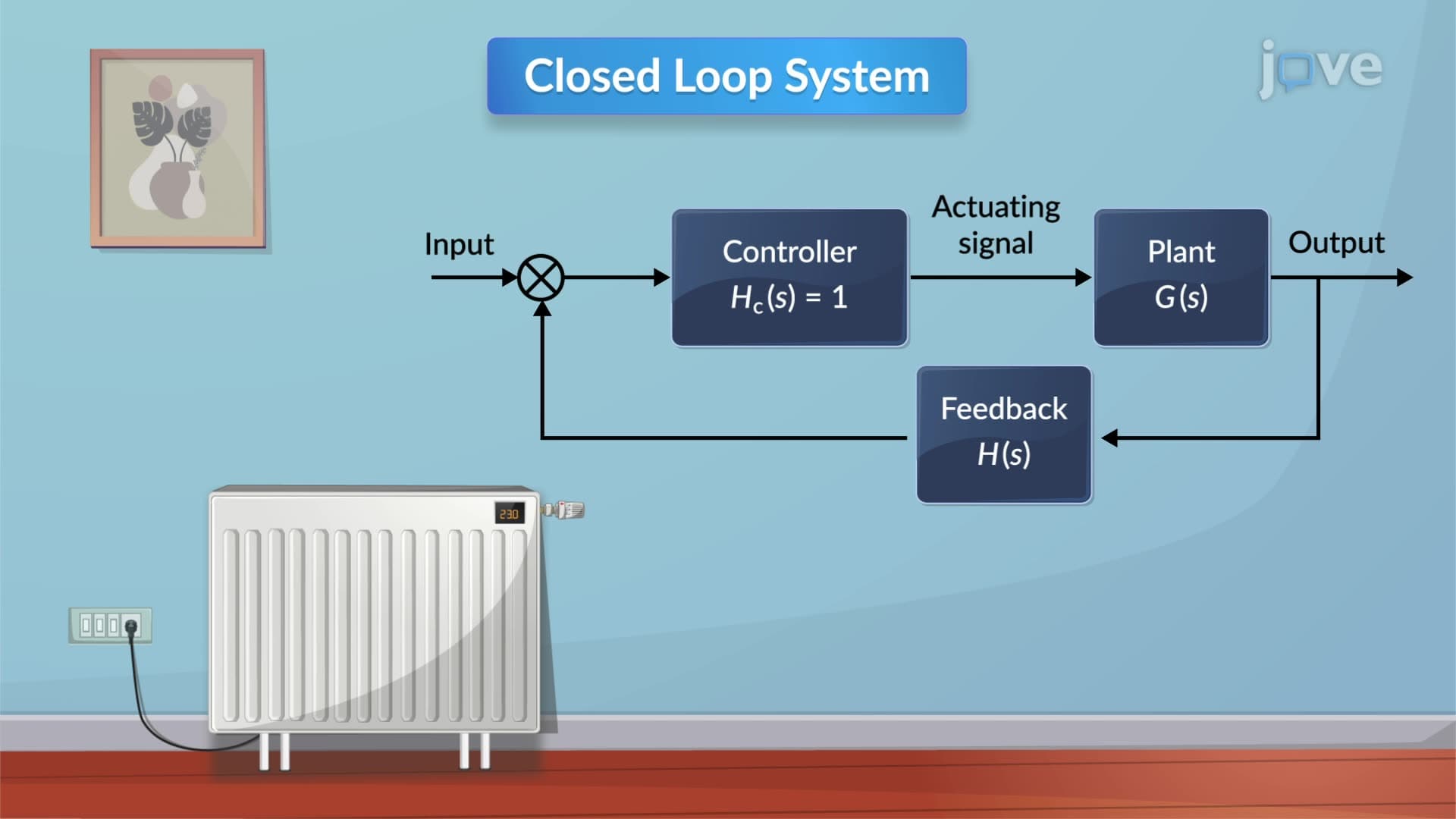
Did you know that NASA's Mars rovers rely on the same mathematical principles that keep your home thermostat working smoothly? Understanding the vector representation of complex numbers is crucial for analyzing control system stability, where poles in the complex plane determine whether systems like Boeing 737 autopilot maintain steady flight or experience dangerous oscillations. Control system problems arise when engineers must predict how feedback loops will behave under varying conditions, requiring sophisticated mathematical tools to visualize system behavior. Watch the full video on JoVE Coach to master this concept with expert-led visuals and step-by-step explanations.
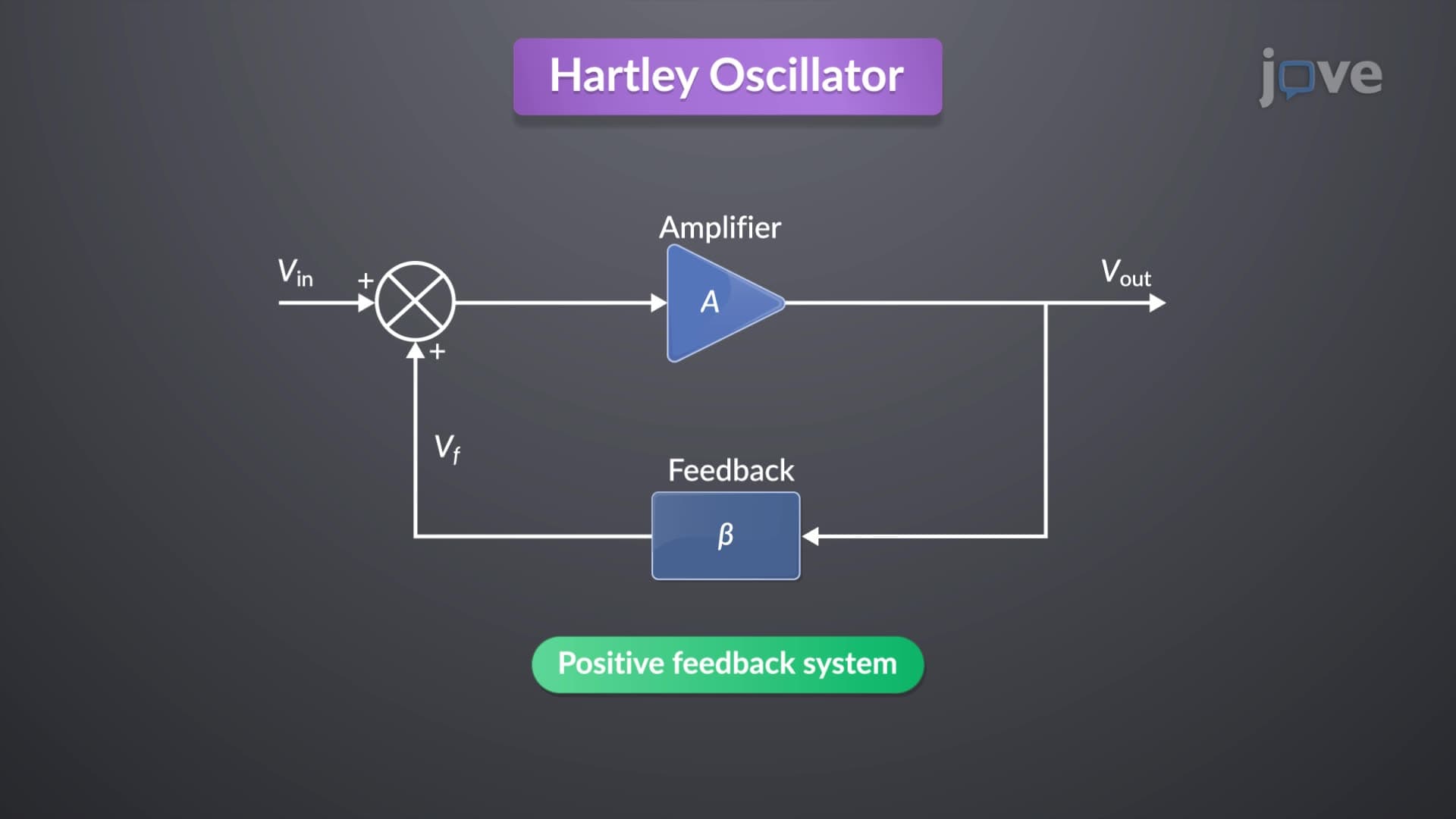
Control system problems represent one of the most challenging aspects of engineering mathematics, where engineers must predict and optimize the behavior of feedback-controlled systems. Unlike simple open-loop systems that operate without self-correction, closed-loop systems create mathematical complexities that require sophisticated analysis techniques. The fundamental challenge lies in determining system stability when feedback is introduced, transforming straightforward mathematical relationships into complex polynomial equations whose solutions dramatically affect real-world performance.
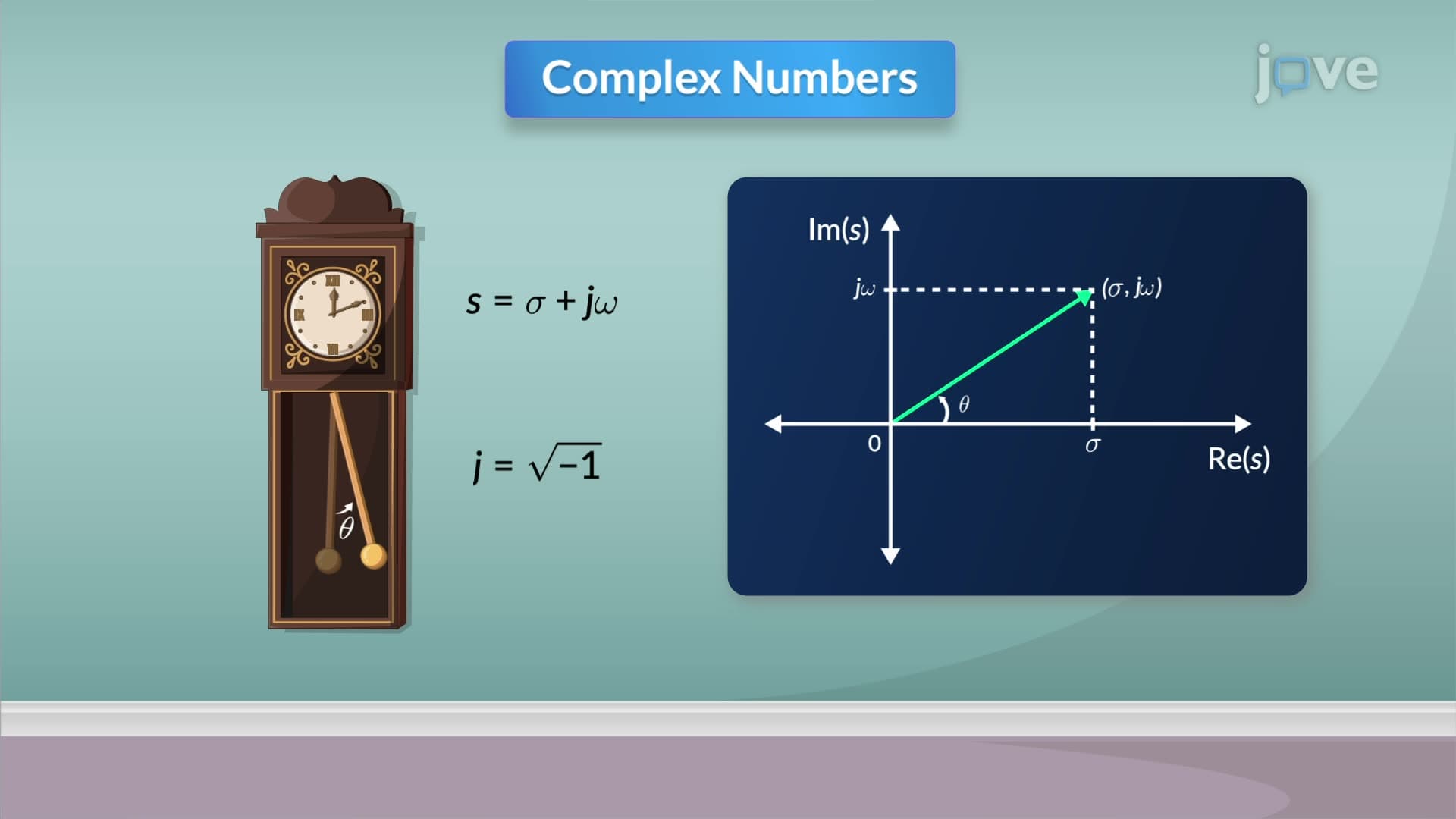
The vector representation of complex numbers becomes essential when analyzing control systems because system poles—the roots of characteristic equations—often exist as complex conjugate pairs. These poles determine critical system properties including settling time, overshoot, and stability margins. In the complex plane, pole locations directly correlate with time-domain behavior: poles in the left half-plane indicate stable systems, while right half-plane poles signal instability.
For students preparing for AP Calculus BC or college-level differential equations courses, understanding this vector representation of complex numbers concept provides crucial groundwork. The mathematical relationship between pole locations and system response appears frequently in engineering entrance exams and forms the foundation for advanced control theory coursework at institutions like MIT, Stanford, and Georgia Tech.
Consider the control systems managing Tesla's Autopilot or the flight control computers aboard SpaceX rockets. Engineers must ensure these systems remain stable across varying operating conditions—different speeds, altitudes, or load configurations. This requires analyzing how pole locations shift as system parameters change, a process complicated by the mathematical difficulty of factoring high-order polynomials.
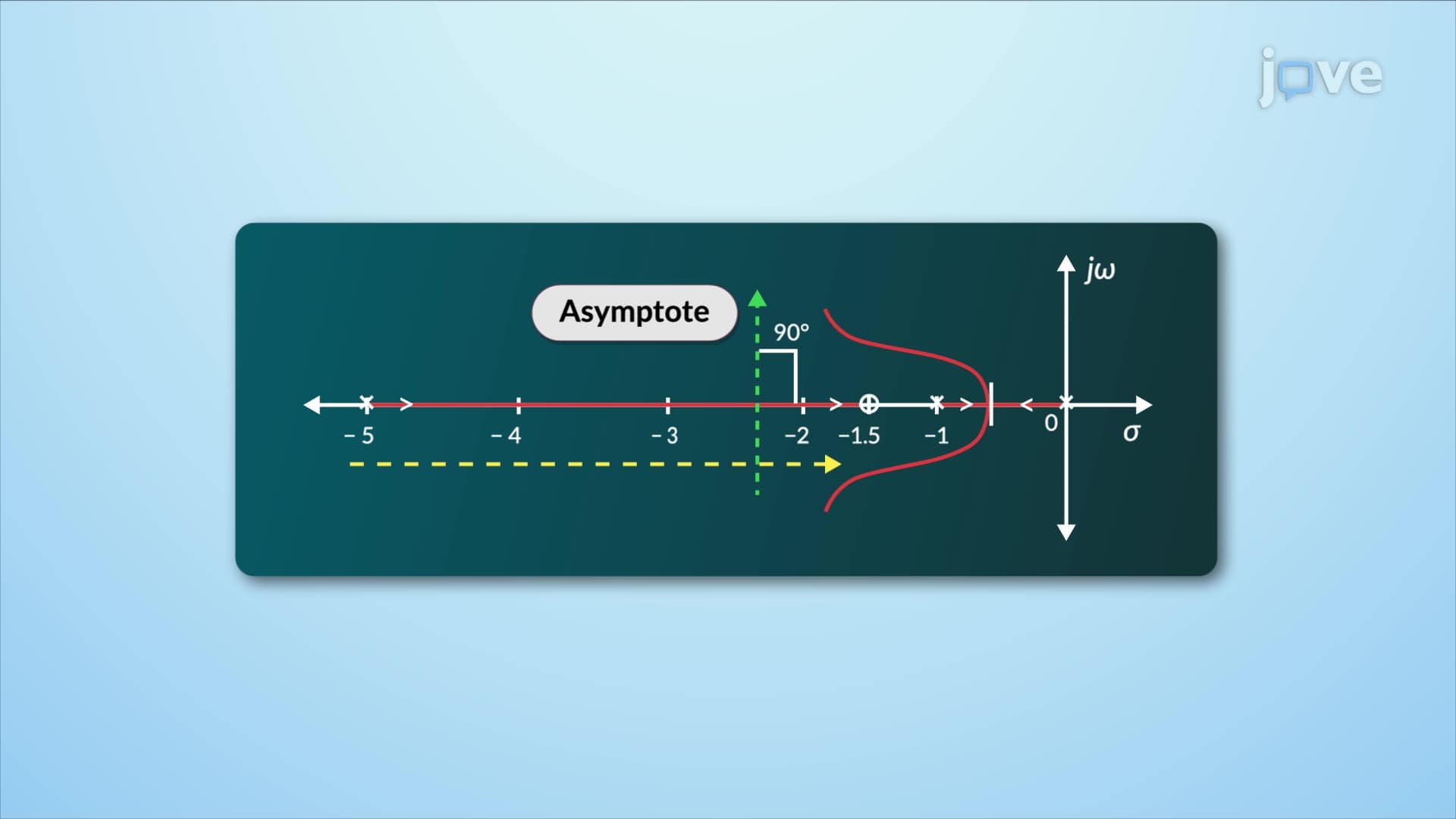
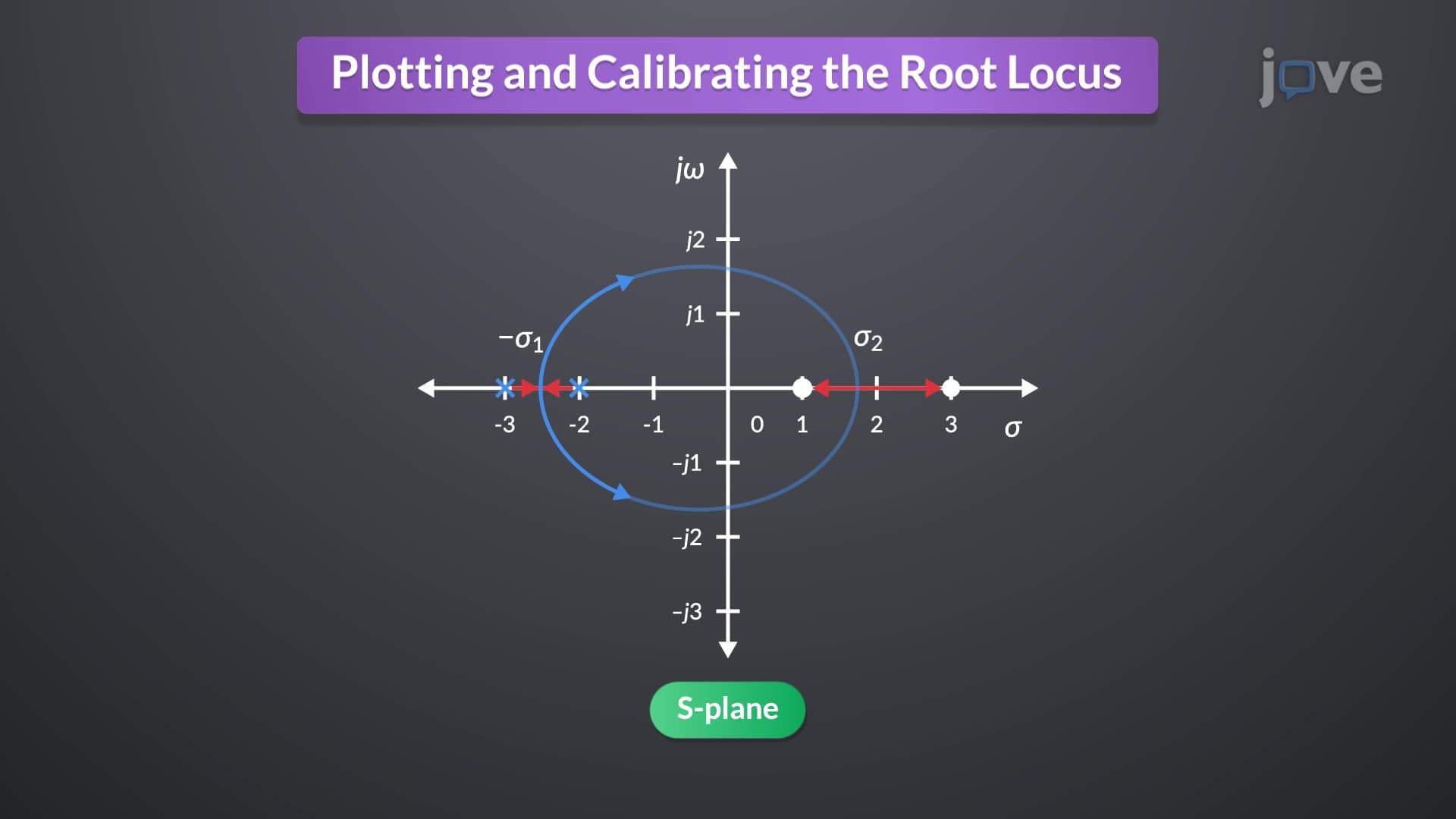
The vector representation of complex numbers tutorial approach helps students visualize these abstract concepts. When system gain increases, poles move along predictable paths in the complex plane, creating what engineers call "root locus plots." These graphical representations allow engineers to design controllers that maintain stability while achieving desired performance specifications.
Modern engineering practice relies heavily on computer-aided analysis tools, but understanding the underlying mathematics remains crucial for effective system design. Students studying for the Fundamentals of Engineering (FE) exam or preparing for graduate-level controls courses must master these concepts to succeed in competitive engineering programs.
The challenge of determining closed-loop pole locations illustrates why understanding vector representation of complex numbers proves so valuable—it transforms abstract mathematical operations into geometric visualizations that reveal system behavior patterns.
Frequently Asked Questions
Control system problems involve analyzing and designing feedback systems that maintain desired performance while ensuring stability. These problems require determining how system poles move in the complex plane when parameters change, affecting everything from aircraft autopilots to industrial process controllers. Engineers must solve complex polynomial equations to predict system behavior and prevent catastrophic failures.
AP Physics C and college exams typically test control concepts through stability analysis and transfer function problems. Students must identify pole locations, determine stability margins, and analyze system response characteristics. The FE exam includes control systems questions requiring mathematical analysis of feedback loops and system design principles.
While the MCAT focuses primarily on fundamental physics principles, understanding control systems enhances your analytical thinking and mathematical problem-solving skills. The complex number mathematics and systems thinking develop cognitive abilities valuable for tackling challenging MCAT physics problems involving oscillations and wave behavior.
Control system analysis is essential in aerospace (Boeing 787 flight controls), automotive (Ford F-150 stability systems), manufacturing (Intel semiconductor fabrication), and robotics (Boston Dynamics robots). Engineers use these principles to design everything from medical device controllers at Johnson & Johnson to power grid stability systems managed by companies like General Electric.
Basic understanding requires only algebra and trigonometry, making these concepts accessible to high school students. However, deeper analysis benefits from calculus knowledge, particularly differential equations and complex analysis. Starting with fundamental concepts builds confidence for more advanced coursework.
Focus on visualizing pole movements in the complex plane using graphical methods before attempting mathematical calculations. Practice with simple second-order systems first, then progress to higher-order examples. Work through problems systematically, always connecting mathematical results to physical system behavior and real-world applications.
Control theory integrates mathematics (complex analysis), physics (dynamic systems), and engineering design principles. The same mathematical tools appear in signal processing, mechanical vibrations, and electrical circuit analysis. Understanding control concepts provides a strong foundation for advanced studies in robotics, aerospace engineering, and biomedical device design.
Progress to state-space analysis, optimal control theory, and digital control systems. Modern control applications include machine learning integration, adaptive control, and robust control design. These advanced topics are crucial for careers in autonomous vehicles, smart manufacturing, and aerospace systems engineering.
Related Micro-courses


Related Subjects
 Civil Engineering 30 micro-courses›Mechanical Engineering 28 micro-courses›