Loading…
Loading video…

1,704 views
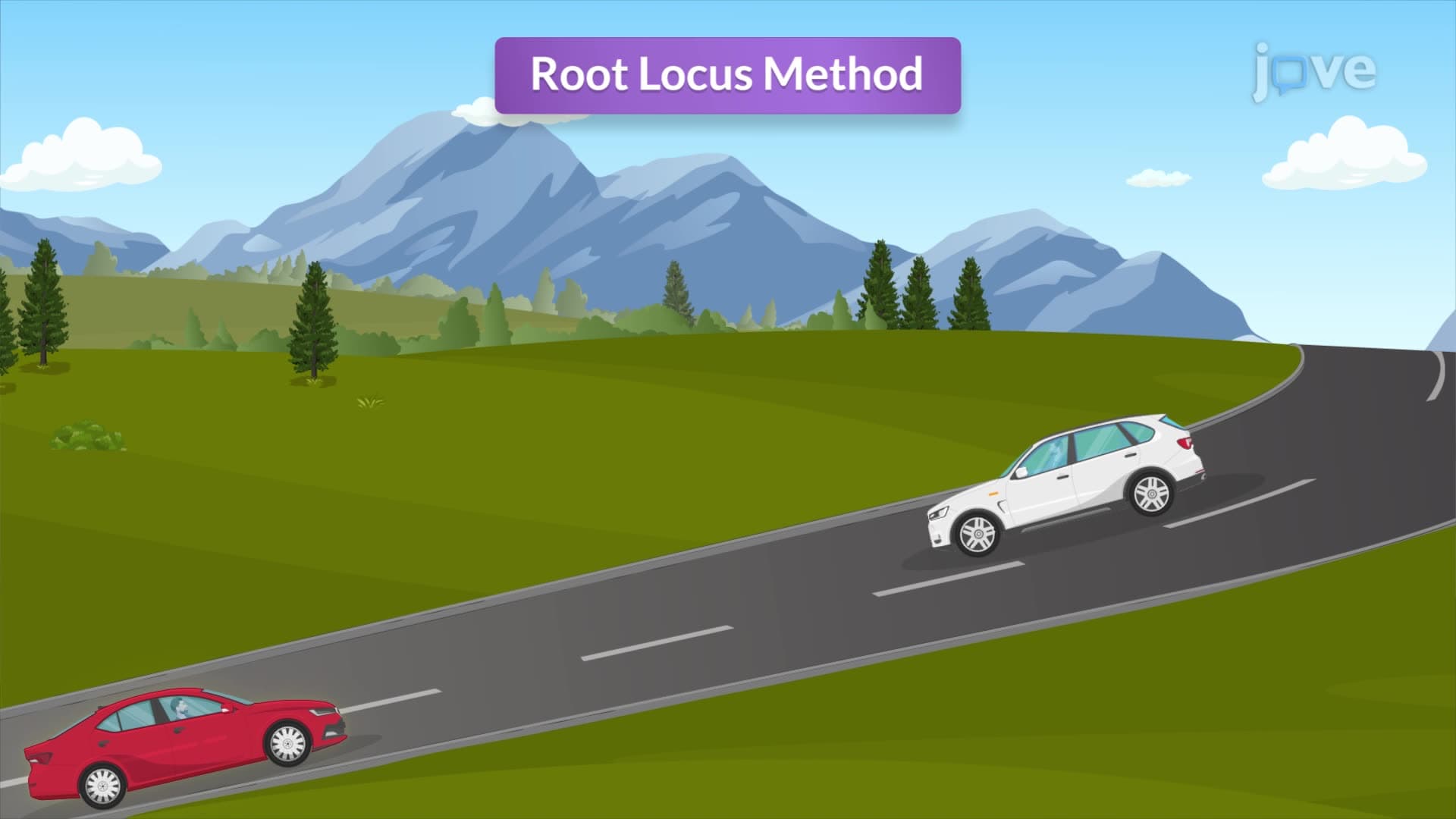
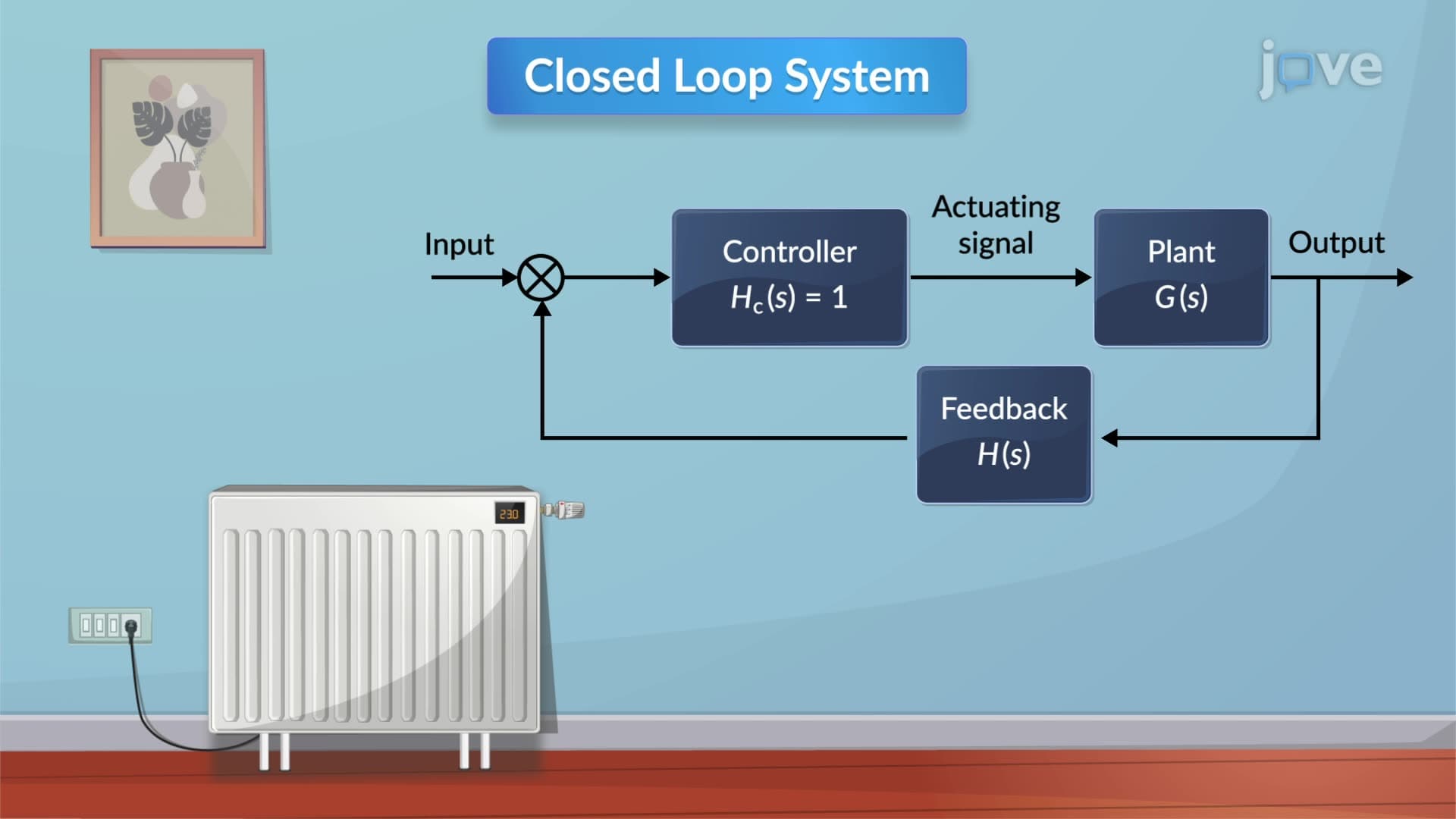
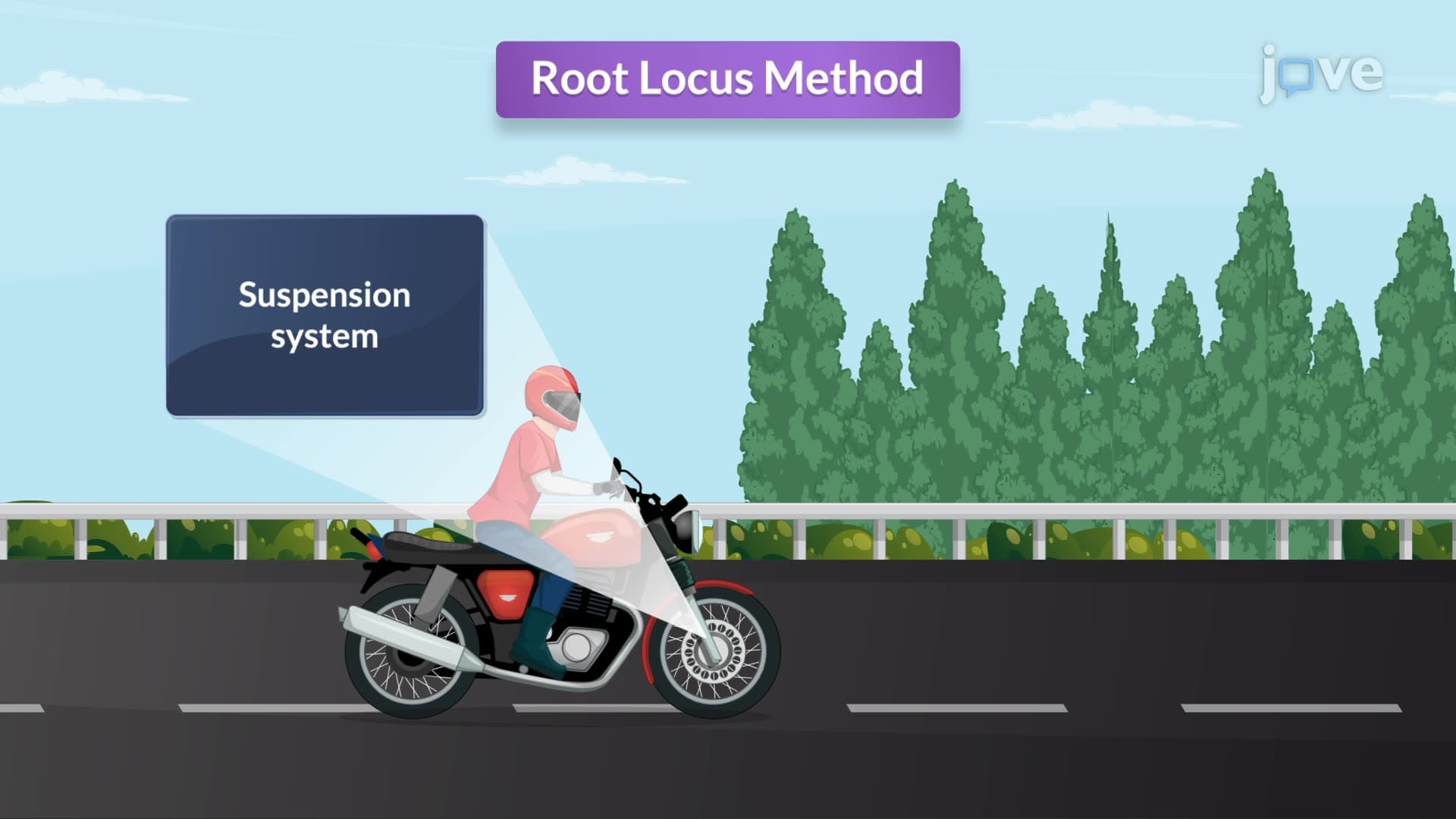
Ever wonder how Tesla's Autopilot maintains perfect highway speeds despite changing road conditions? The properties root locus reveal exactly how control systems adapt their behavior when parameters change. What is Root Locus Method demonstrates this through a cruise control example, showing how pole movements in the complex plane predict system stability and response characteristics as controller gains vary. Watch the full video on JoVE Coach to master this concept with expert-led visuals and step-by-step explanations.
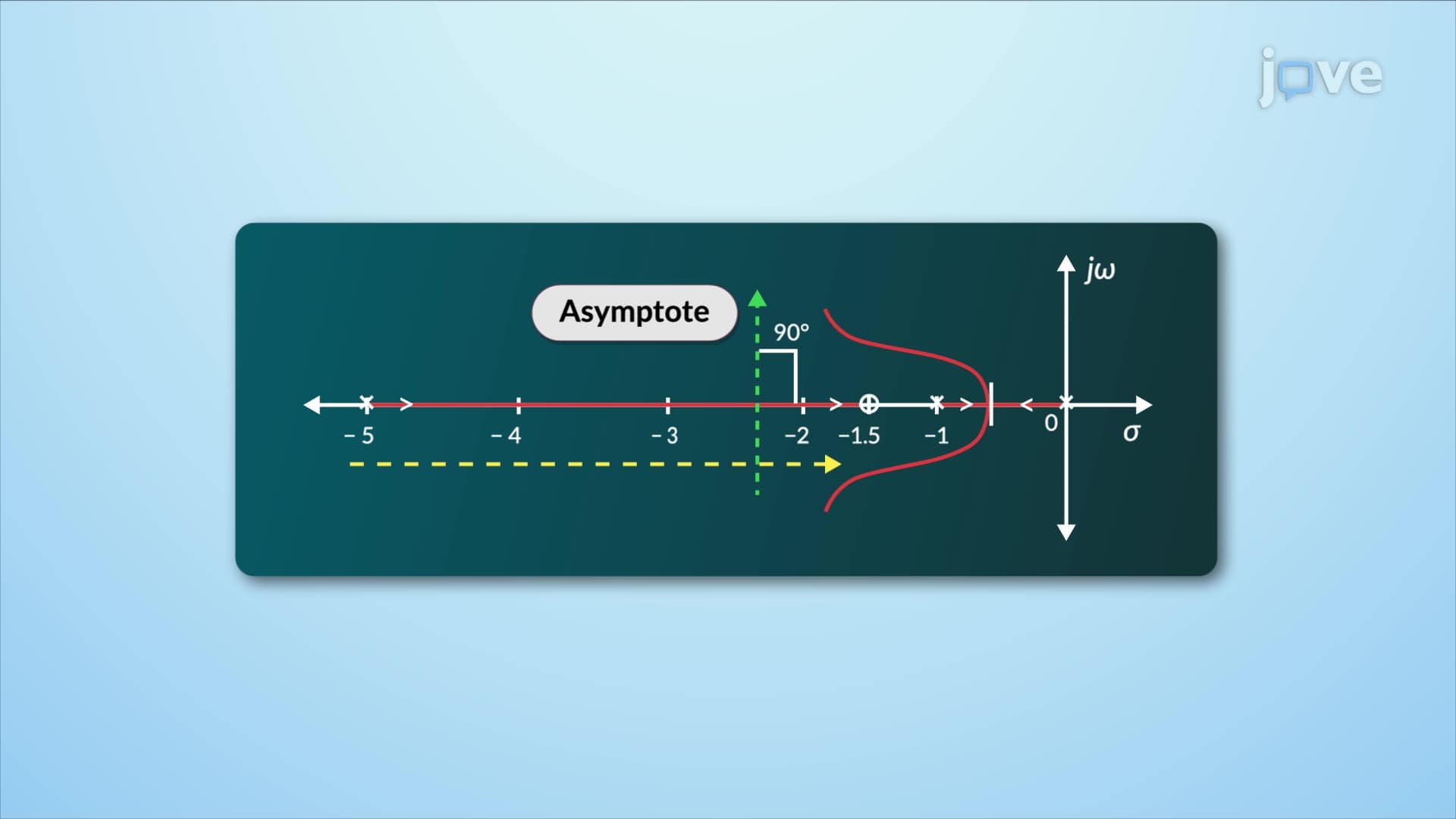
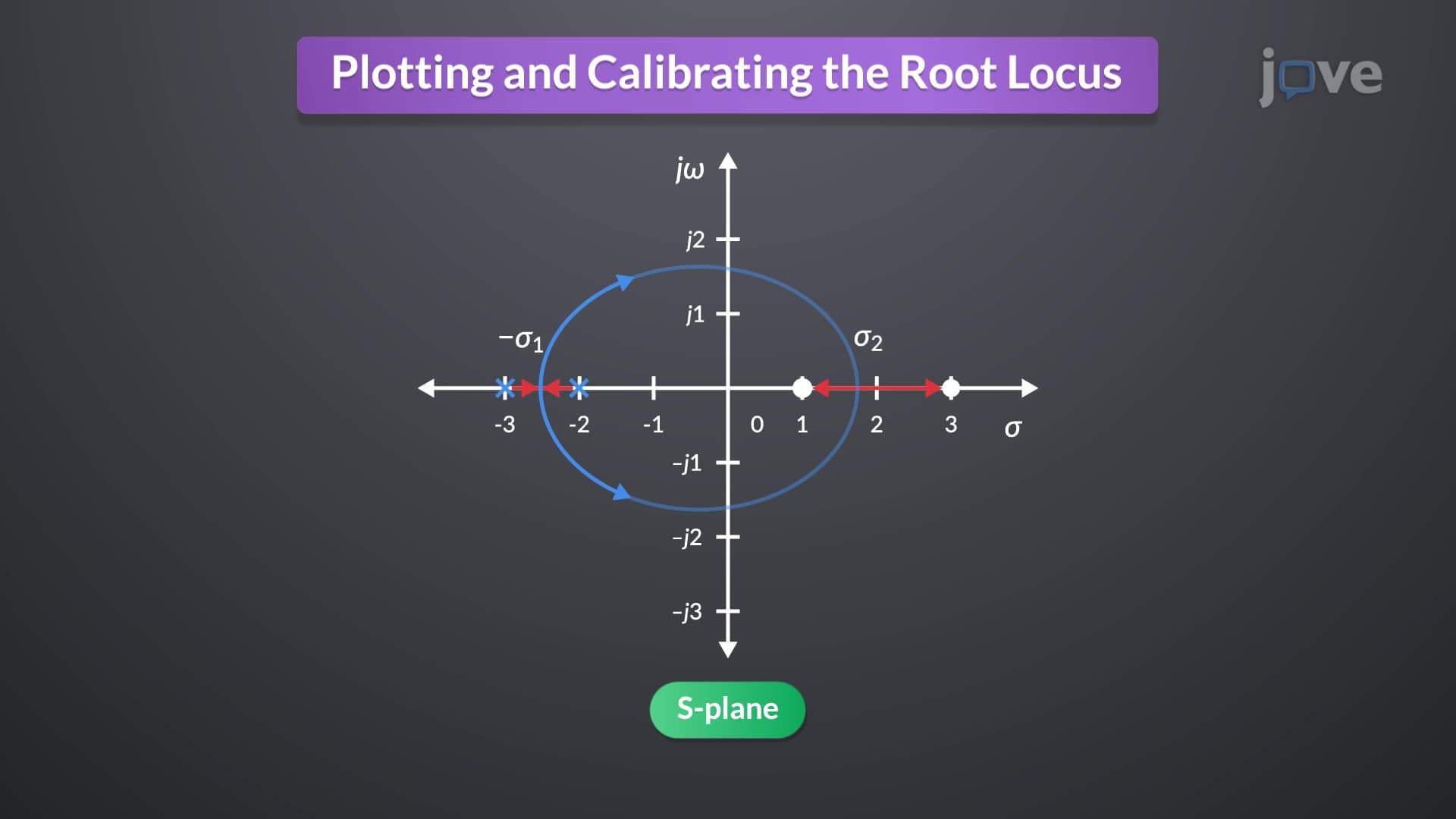
The properties root locus form the backbone of modern control system analysis, providing engineers with a powerful graphical tool to predict how closed-loop system behavior changes as design parameters vary. At its core, the root locus method plots the locations of closed-loop poles as a function of loop gain, revealing critical insights about system stability, transient response, and overall performance characteristics.
When examining types of properties root locus, we discover several key behavioral patterns. First, stability properties emerge as we observe whether pole trajectories remain in the left half-plane—a fundamental requirement for stable systems. NASA's Mars rover navigation systems exemplify this principle, where engineers use root locus analysis to ensure stable attitude control despite varying environmental conditions and mechanical wear.
Second, transient response properties manifest through pole location relative to the imaginary axis. Poles closer to the imaginary axis produce oscillatory behavior, while poles further left provide faster settling times. The Boeing 737's fly-by-wire system demonstrates this beautifully, where root locus analysis helped engineers balance passenger comfort (avoiding oscillations) with responsive handling characteristics.
A comprehensive properties root locus overview reveals how this method serves as both an analysis and design tool. Unlike frequency-domain methods that require separate calculations for each gain value, root locus provides a complete picture of system behavior across all possible gains simultaneously. This efficiency proves invaluable in automotive applications—Ford's adaptive cruise control systems rely on root locus principles to maintain smooth operation whether climbing Colorado mountain passes or cruising Texas highways.
For students preparing for AP Physics or college-level controls courses, understanding what are properties root locus overview concepts provides essential problem-solving skills. The method bridges theoretical pole-zero analysis with practical design decisions. MIT's mechanical engineering curriculum emphasizes root locus because it develops intuition about how parameter changes affect system behavior—a skill directly applicable to everything from smartphone gyroscopes to SpaceX rocket guidance systems.
The graphical nature of root locus makes complex mathematical relationships visible, helping students grasp why certain controller designs work while others fail. This visualization proves particularly valuable when tackling multi-loop control systems found in modern aircraft autopilots or industrial robotics applications.
Frequently Asked Questions
Root locus method is a graphical technique that shows how closed-loop pole locations change as system parameters (typically gain) vary. It's crucial because pole locations directly determine system stability, transient response speed, and oscillatory behavior. Engineers use this method to design controllers that meet specific performance requirements while maintaining stability.
Exam questions typically ask students to sketch root locus plots, determine stability ranges, or predict system behavior from given plots. Common problems involve identifying gain values that produce specific damping ratios or determining controller parameters for desired transient response. Students must understand the relationship between pole locations and time-domain behavior.
Root locus reveals stability boundaries, settling time characteristics, overshoot percentages, and oscillation frequency. For example, Tesla's battery management systems use these principles to maintain optimal charging rates while preventing thermal instability, demonstrating how pole placement directly impacts real-world performance and safety.
Absolutely! While the underlying mathematics involves complex analysis, the graphical interpretation is intuitive. Students can understand that poles moving left means faster response, poles near the imaginary axis means oscillation, and poles in the right half-plane means instability. This conceptual foundation prepares them for more rigorous mathematical treatment in college.
Focus on connecting pole locations to time-domain behavior through practice problems. Draw root locus sketches by hand to develop intuition, then verify using software tools. Create summary charts linking pole positions to damping ratios, settling times, and stability conditions. Practice with different system types beyond simple second-order examples.
Root locus analysis appears throughout aerospace (aircraft autopilots), automotive (stability control systems), manufacturing (robotic arm control), and consumer electronics (camera stabilization). Boeing uses it for flight control design, while medical device companies apply it to insulin pump controllers and surgical robot precision systems.
Progress to frequency-domain design methods like Bode plots and Nyquist criteria, then explore state-space techniques and optimal control theory. Many students find that combining root locus with MATLAB/Simulink simulation provides powerful insights into complex multi-input, multi-output systems used in modern engineering applications.
Root locus concepts appear in circuit analysis (filter design), mechanical systems (vibration control), and even economics (market stability models). The pole-zero analysis skills transfer directly to signal processing, communications systems, and any field involving dynamic system behavior and feedback control principles.
Related Micro-courses

Related Subjects
 Civil Engineering 30 micro-courses›Mechanical Engineering 28 micro-courses›