Loading…
Loading video…

1,943 views
Ever wonder why power lines don't short-circuit despite carrying thousands of volts? Shunt admittances determine how electrical energy flows between conductors and ground in transmission systems. When Pacific Gas & Electric transmits power across California, engineers calculate capacitance for both single-phase residential lines and three-phase industrial systems. Understanding Capacitance Single Phase And Three Explained reveals how conductors store electrical charge and maintain system stability through precise voltage relationships and geometric spacing calculations. Watch the full video on JoVE Coach to master this concept with expert-led visuals and step-by-step explanations.
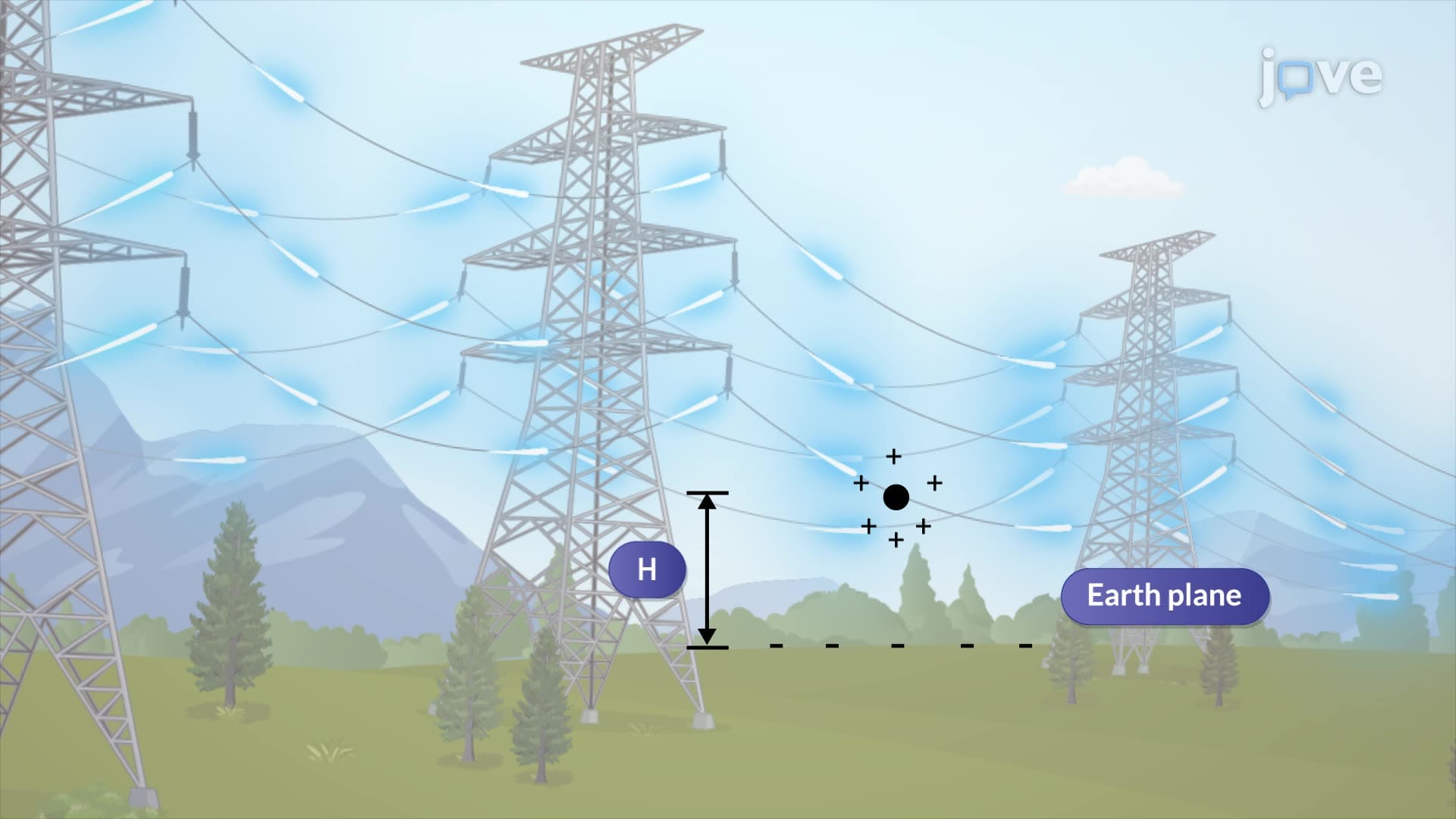
Shunt admittances represent the electrical pathway between conductors and ground in power transmission systems. These admittances primarily consist of capacitive components that store electrical energy in the electric field between conductors. Unlike series impedances that oppose current flow along the line, shunt admittances provide parallel paths for current between phases and ground.
Single-phase systems form the foundation for understanding more complex configurations. Consider a typical residential distribution line serving American homes—two parallel conductors separated by a fixed distance carry equal but opposite charges. The capacitance calculation depends on conductor radius and spacing geometry.
For a grounded center-tap transformer configuration common in US residential systems, each conductor develops a specific voltage relationship to ground. This arrangement appears in split-phase 240V/120V services where the neutral provides a reference point. The shunt admittances definition becomes clearer when examining how current flows between the hot conductors and the grounded neutral wire.
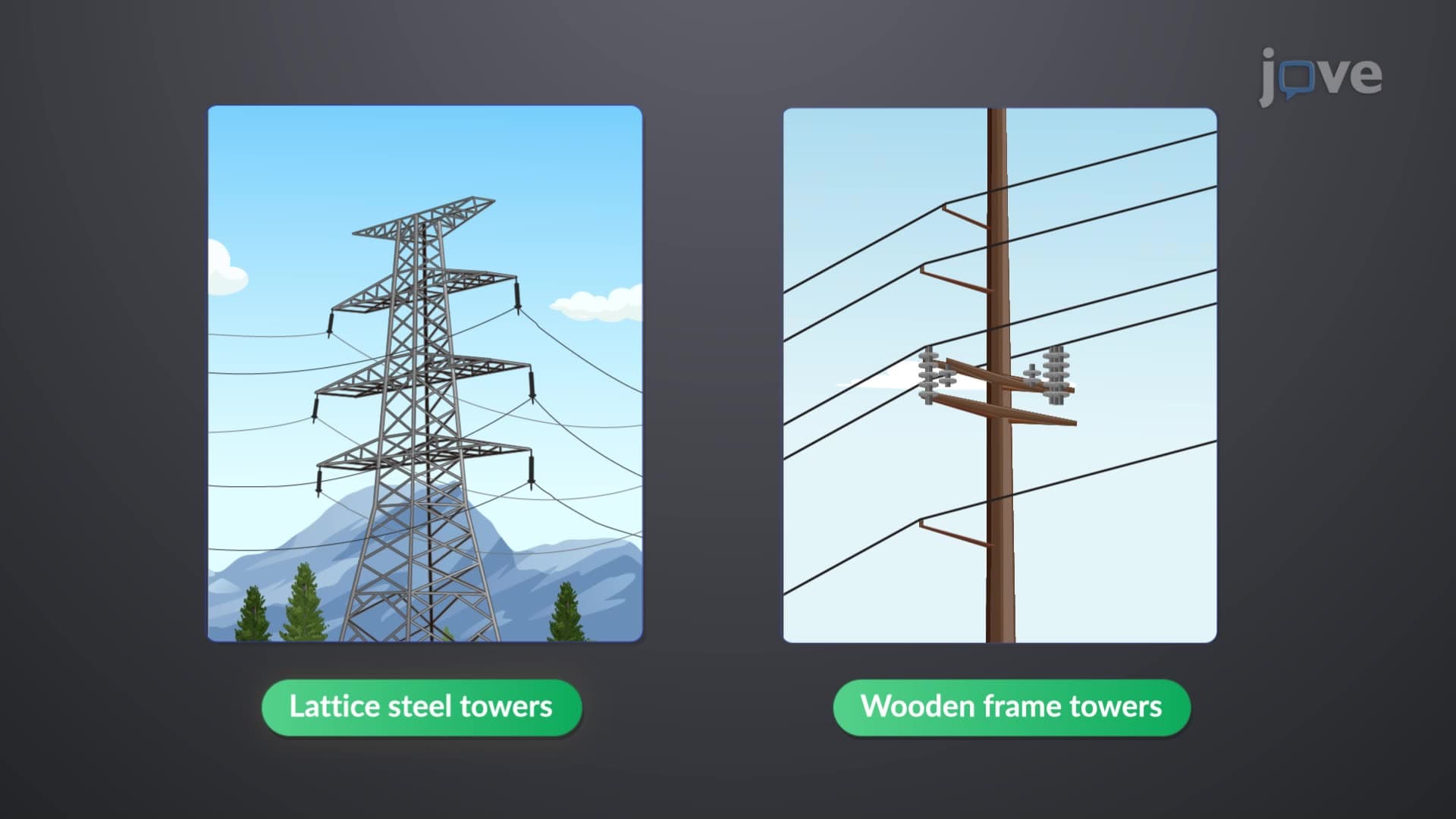
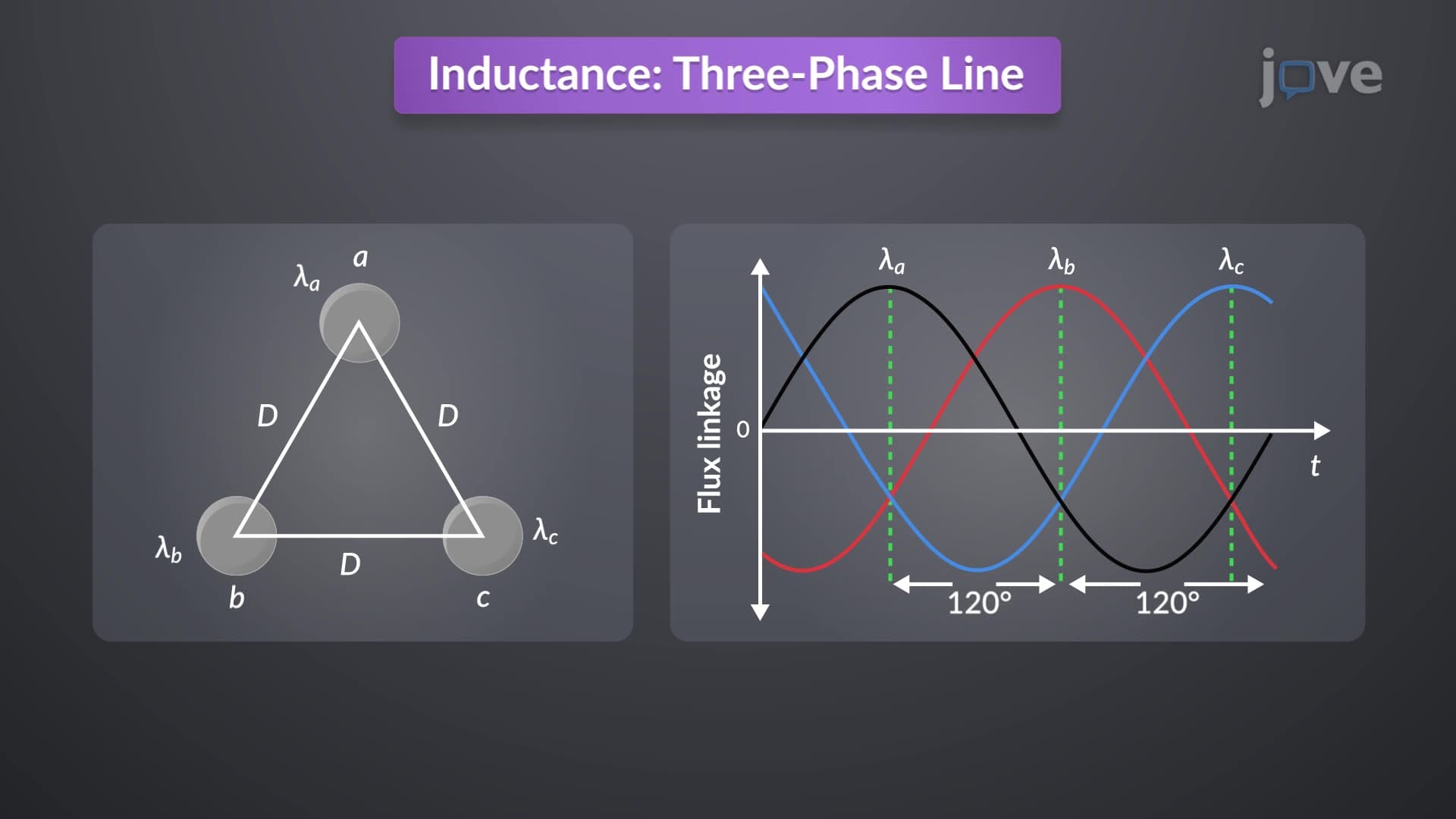
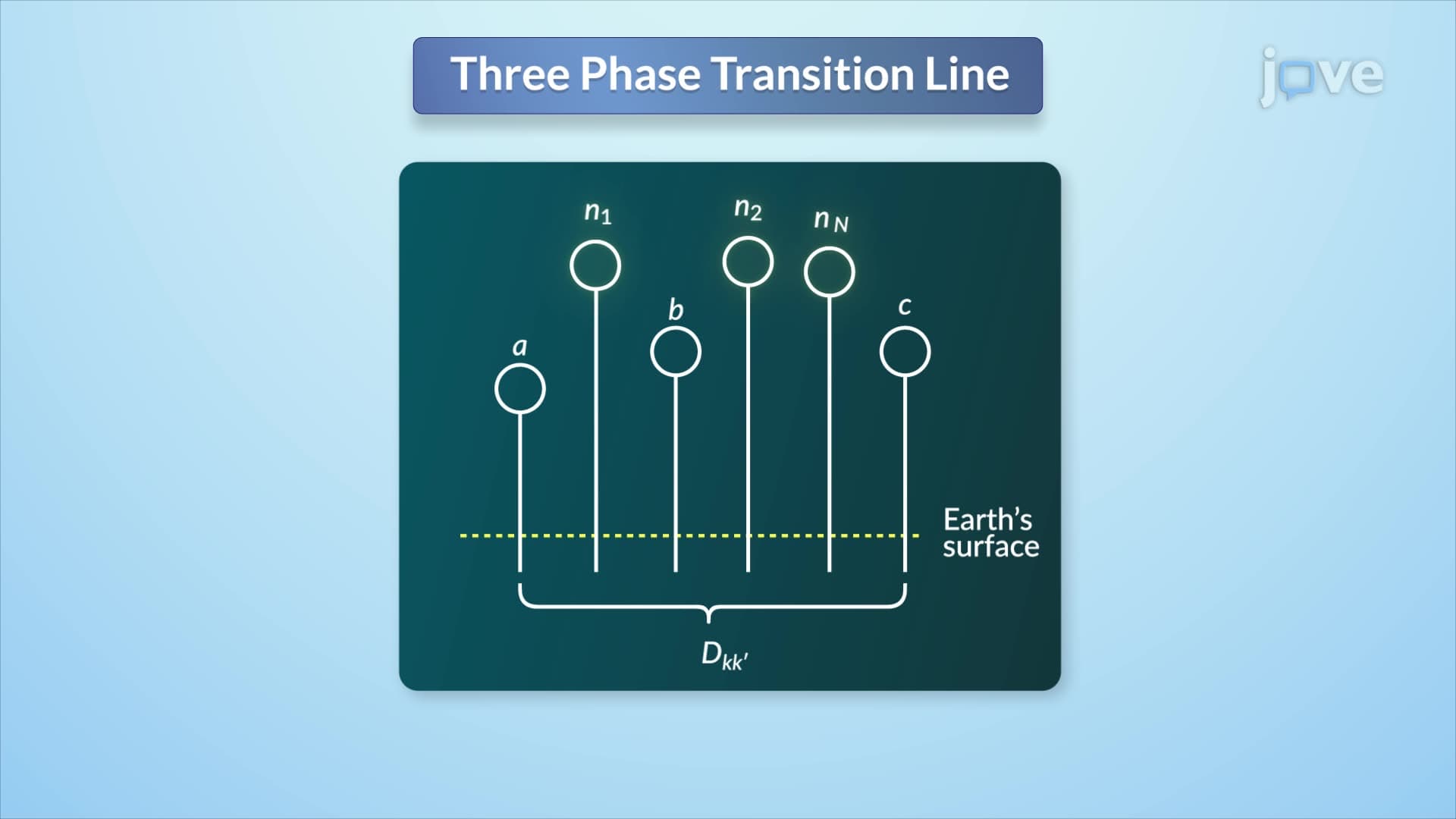
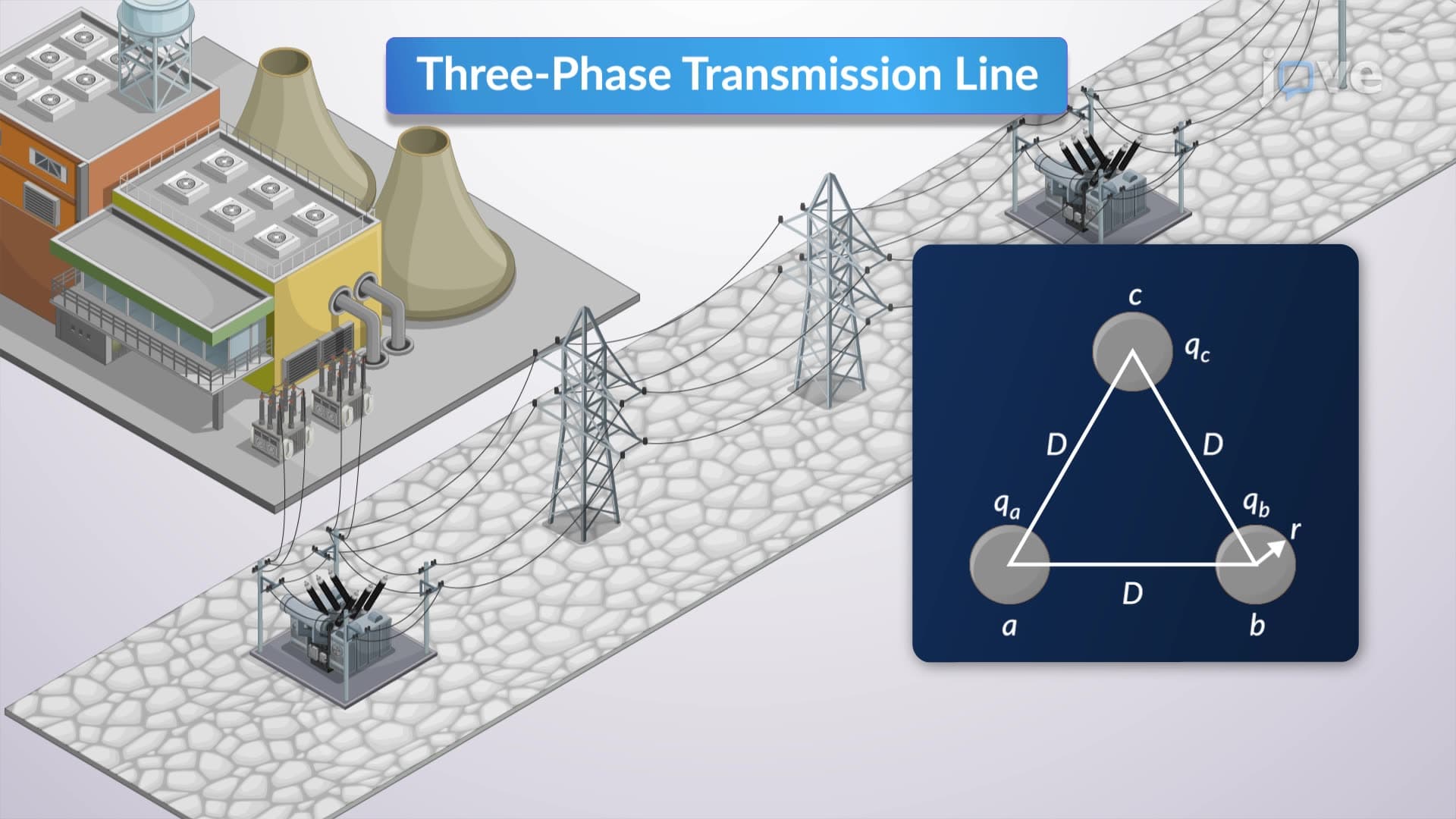
Three-phase transmission lines dominate industrial and utility applications across the United States. Major utilities like Con Edison in New York or Southern California Edison rely on balanced three-phase systems for efficient power delivery. The shunt admittances concept extends to three conductors arranged with equal spacing, creating symmetrical electric field patterns.
Positive-sequence analysis simplifies three-phase calculations by exploiting system symmetry. When engineers assume balanced conditions—where the sum of positive-sequence charges equals zero—they can analyze just one phase and apply results to all three. This mathematical approach proves essential for power system studies and fault analysis calculations.
Understanding what is shunt admittances in detail becomes crucial for electrical engineering students preparing for professional licensing exams. The PE exam frequently tests capacitance calculations, while college courses in power systems emphasize these concepts for grid stability analysis.
Real-world applications include corona discharge calculations on high-voltage lines, power factor correction in industrial facilities, and protection system coordination. When transmission lines operate above their surge impedance loading, shunt capacitance effects become dominant, affecting voltage regulation and system stability across the entire electrical grid.
Frequently Asked Questions
Capacitance measures how much electrical charge conductors can store between each other and ground. Single-phase systems use two conductors with opposite charges, while three-phase systems use three conductors with balanced charge relationships. This concept explains how power lines maintain voltage stability and prevent electrical failures.
AP Physics often tests capacitance calculations using parallel plate formulas, but transmission line problems extend these concepts to cylindrical conductors. Students should practice calculating capacitance per unit length using conductor radius and spacing measurements. These problems frequently appear in electricity and magnetism sections.
Three-phase systems require positive-sequence analysis and symmetry principles to handle three interconnected conductors simultaneously. Unlike single-phase systems with simple two-conductor relationships, three-phase calculations must account for mutual coupling between all three phases while maintaining balanced operating conditions.
Companies like Duke Energy and Xcel Energy use three-phase systems because they deliver more power with less conductor material while providing better voltage stability. Three-phase systems also create smoother power flow and reduce vibration in motors and generators compared to single-phase alternatives.
Basic algebra and trigonometry suffice for most shunt admittances calculations. While advanced power system analysis uses complex mathematics, introductory concepts focus on applying given formulas with conductor geometry measurements. High school students can master these fundamentals before tackling more sophisticated applications.
Practice solving numerical problems with different conductor configurations and spacing arrangements. Focus on understanding the relationship between geometry and capacitance values rather than memorizing formulas. Create study guides comparing single-phase and three-phase systems side-by-side.
Progress to inductance calculations, surge impedance loading, and power flow analysis. These advanced topics build directly on capacitance fundamentals while introducing dynamic system behavior and stability considerations essential for power engineering careers.
Excessive capacitance can cause voltage rise during light loading conditions, while insufficient capacitance leads to poor voltage regulation. Manufacturing plants like those operated by General Motors must balance capacitive and inductive loads to maintain stable voltage levels for sensitive equipment operation.
Related Micro-courses
Related Subjects
 Civil Engineering 30 micro-courses›Mechanical Engineering 28 micro-courses›