Loading…
Loading video…

1,943 views
Ever wonder why power lines buzz with electrical energy, or how the copper wires in your home's electrical system manage alternating current? Understanding inductance single phase and three systems starts with grasping what inductance solid cylindrical conductor principles reveal about magnetic fields in current-carrying wires. From the transmission lines powering New York City's grid to the wiring in Tesla's manufacturing plants, cylindrical conductors are everywhere in electrical engineering. Watch the full video on JoVE Coach to master this concept with expert-led visuals and step-by-step explanations.
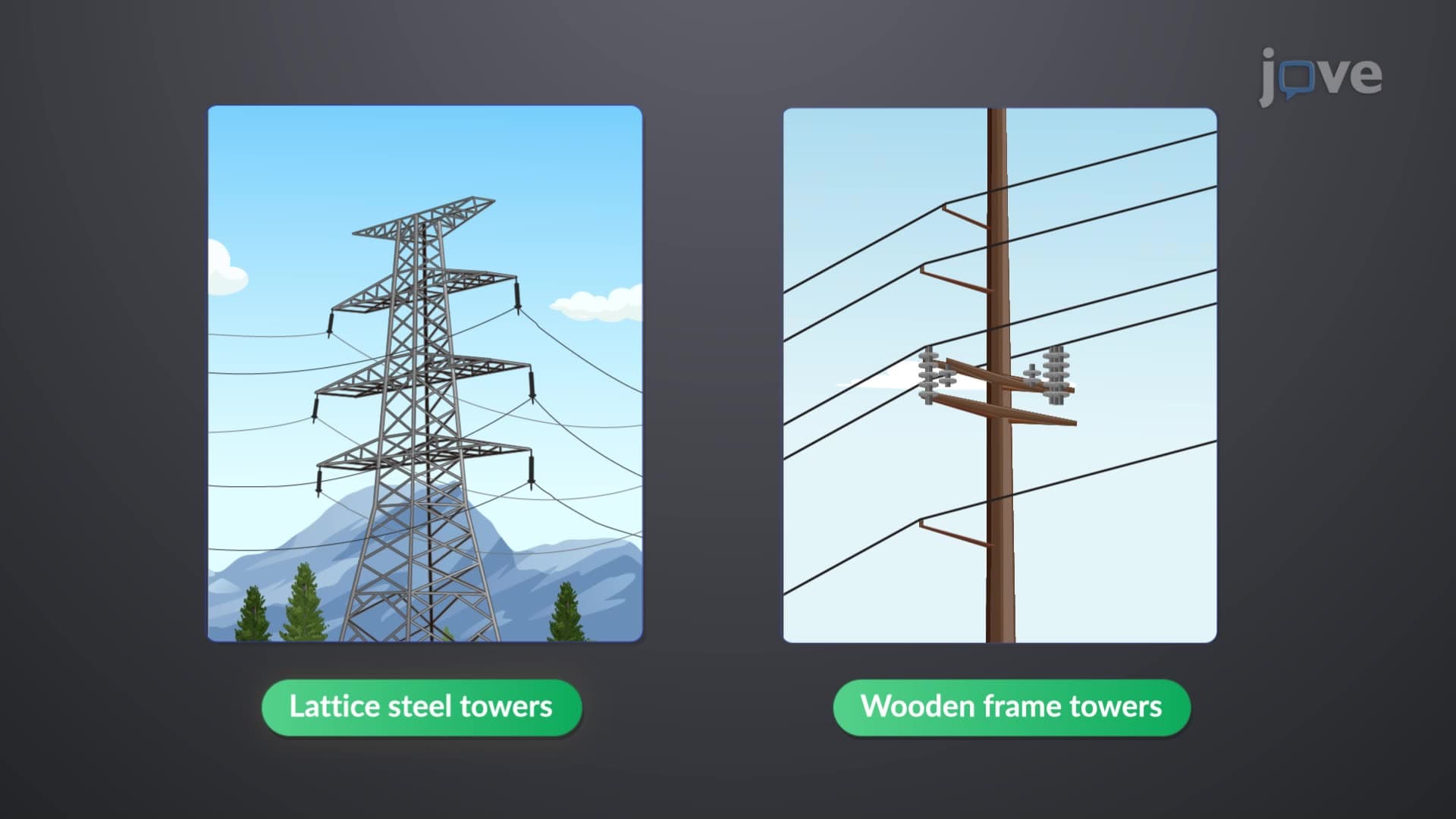
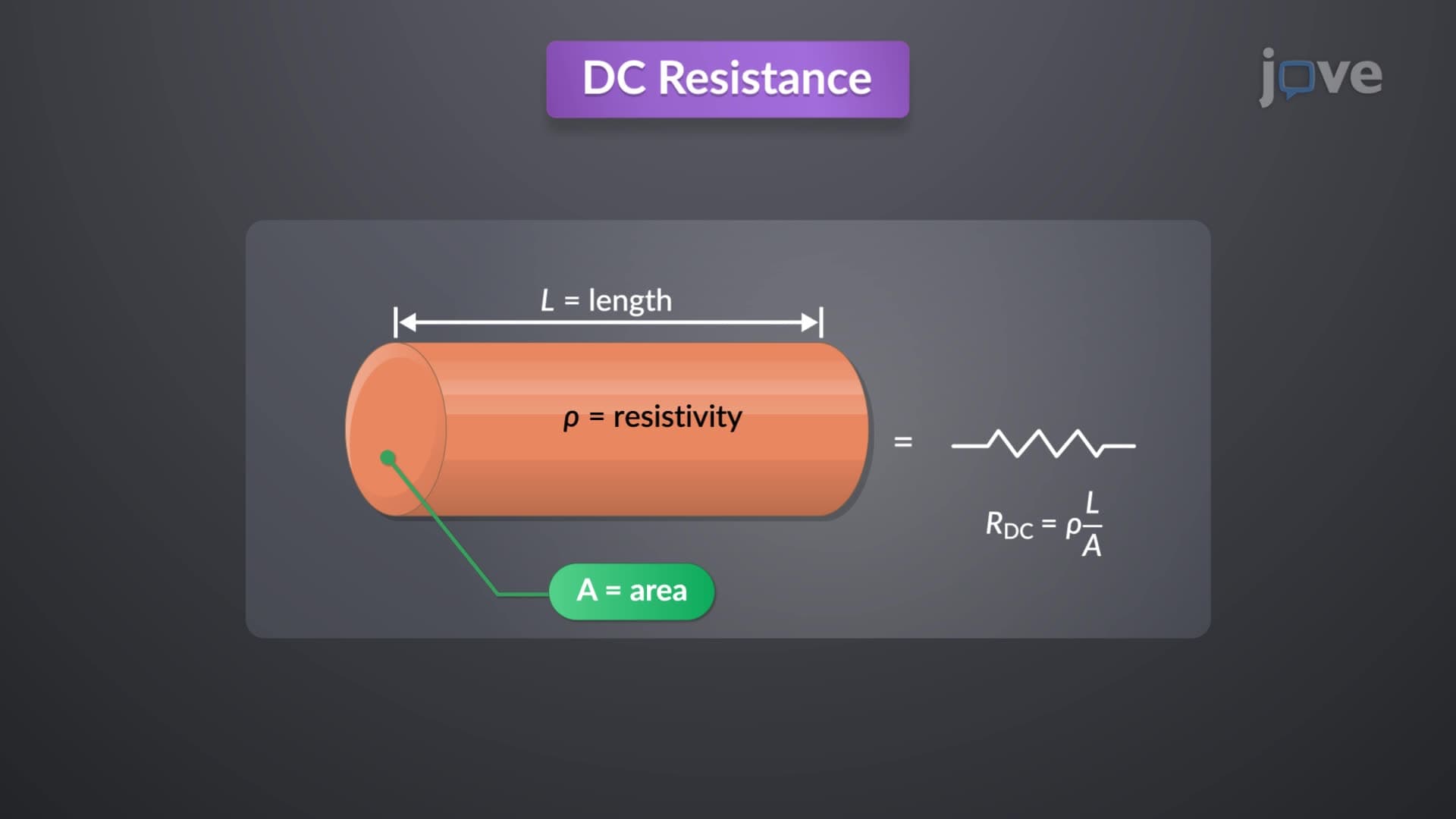
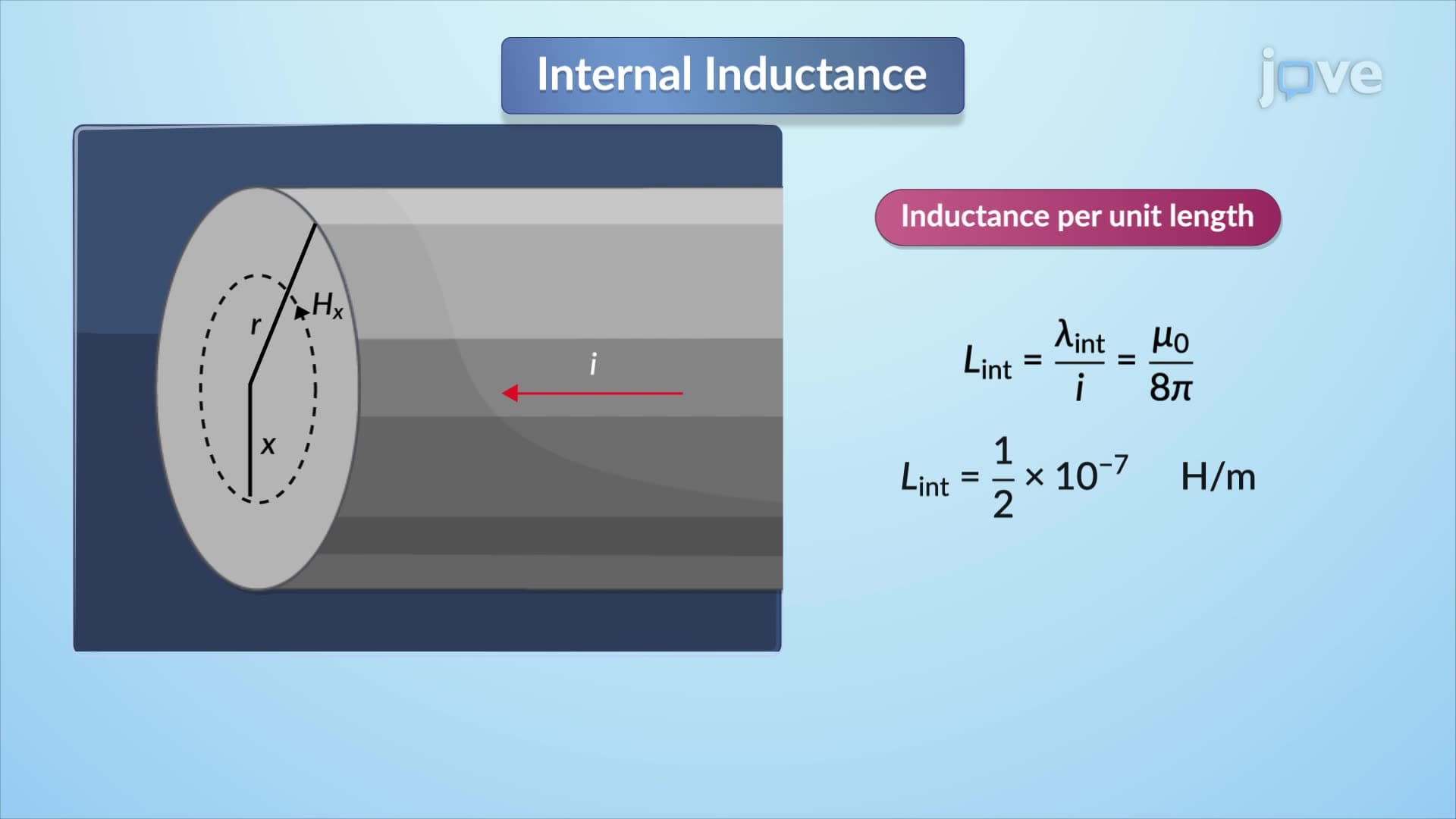
Inductance single phase and three phase systems rely heavily on understanding how cylindrical conductors behave electromagnetically. When electrical current flows through a solid cylindrical conductor—like the aluminum cables spanning between transmission towers across Texas—it creates magnetic fields that determine the conductor's inductance properties. This inductance affects everything from power transmission efficiency to the design of electrical motors in manufacturing plants.
The inductance single phase basics begin with recognizing that current flowing through a cylindrical conductor creates concentric magnetic field lines. Using Ampere's law, engineers calculate that the magnetic field inside the conductor varies linearly with distance from the center, assuming uniform current density. This internal magnetic field contributes to what's called internal inductance—typically around 0.05 microhenries per meter for typical power conductors.
For AP Physics students and college electrical engineering majors, this concept frequently appears in electromagnetic theory problems. The key insight is that only the current enclosed within a given radius contributes to the magnetic field at that point, making calculations manageable even for complex conductor geometries.
How inductance single phase and three works in real systems involves external inductance calculations. Outside the conductor, the magnetic field follows the familiar 1/r relationship from Ampere's law. This external inductance depends heavily on conductor spacing—which explains why transmission lines maintain specific geometric arrangements.
Consider the 765 kV transmission lines connecting power plants in the Midwest: engineers must calculate both internal and external inductance to ensure proper power transfer and system stability. The external inductance typically dominates, often being 10-20 times larger than internal inductance for overhead lines.
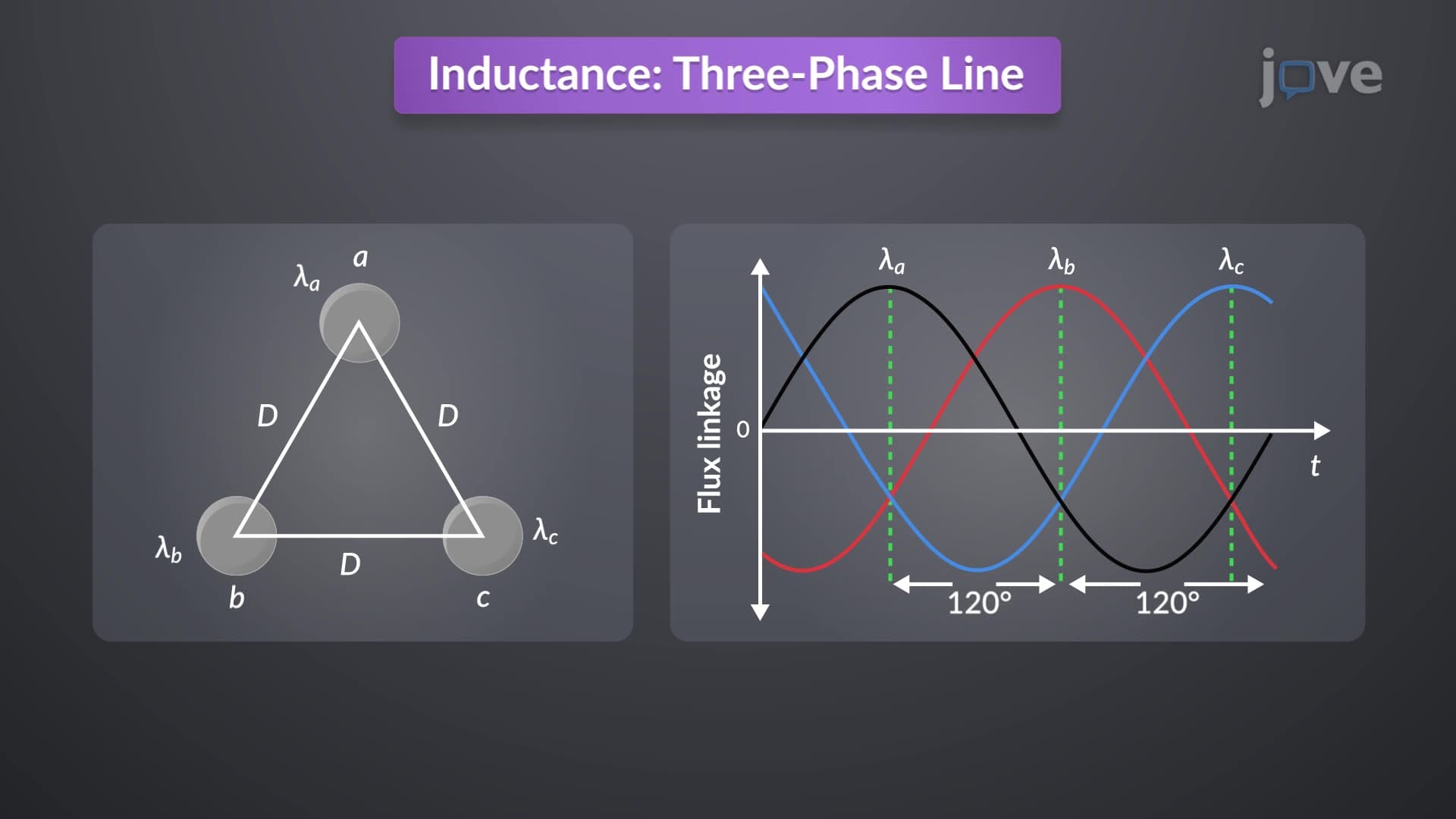
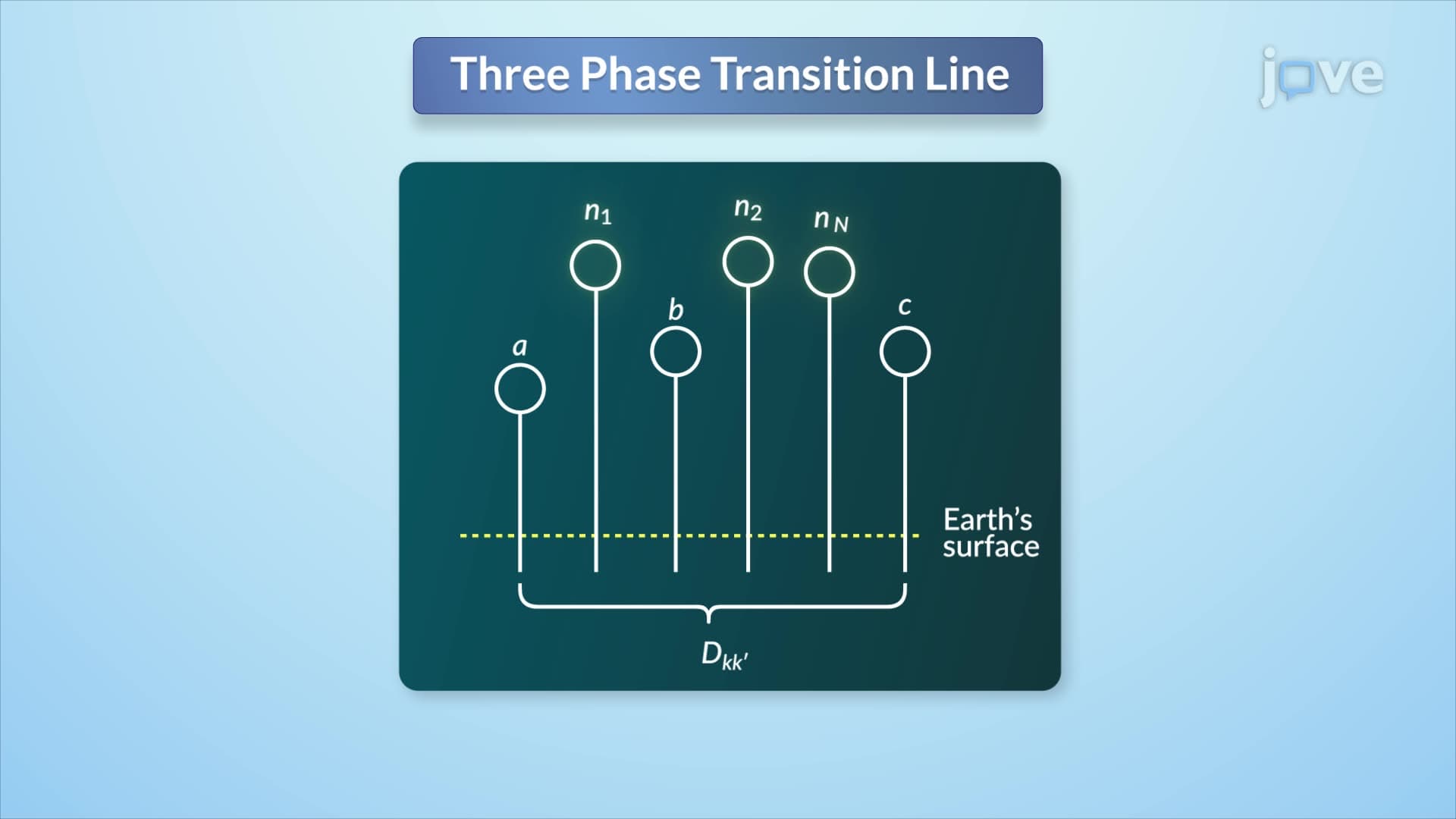
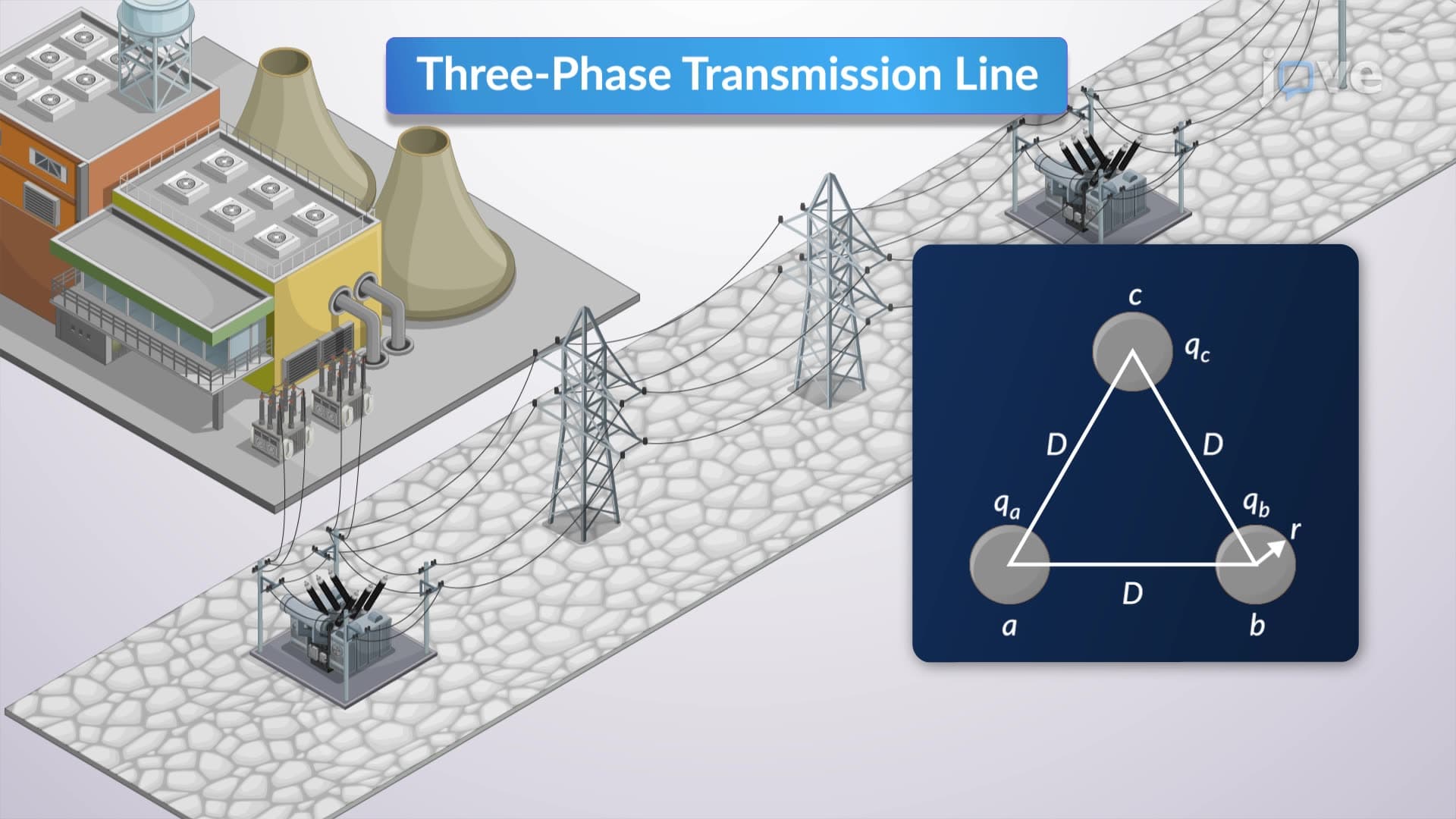
The inductance single phase and three concept extends naturally to three-phase systems where multiple cylindrical conductors carry currents that sum to zero. In balanced three-phase transmission—like the systems powering California's electrical grid—the mutual inductance between conductors becomes crucial for calculating total system impedance.
This understanding proves essential for students preparing for the Fundamentals of Engineering (FE) exam, where inductance calculations frequently appear in power systems problems. The mathematical approach involves superposition principles, adding internal inductance to the external inductance contributions from all conductors in the system.
Frequently Asked Questions
Inductance solid cylindrical conductor describes how current-carrying cylindrical wires create magnetic fields that oppose current changes. This concept is fundamental to understanding power transmission lines, electrical motors, and transformers used throughout US infrastructure. It's essential knowledge for AP Physics, college electrical engineering courses, and professional engineering licensing exams.
AP Physics C: Electricity and Magnetism frequently tests inductance calculations using Ampere's law and flux linkage concepts. Students typically encounter problems involving cylindrical conductors, mutual inductance between parallel wires, and energy storage in magnetic fields. Practice with both internal and external inductance calculations is crucial for exam success.
Focus on the internal inductance formula (μ₀/8π per unit length) and external inductance relationships involving logarithmic terms with conductor spacing. Most professors provide the complex mathematical expressions, but understanding when to apply internal versus external inductance concepts is what distinguishes strong students. Practice problems involving transmission line configurations are excellent preparation.
Every power line from residential neighborhoods to major transmission corridors uses cylindrical conductors whose inductance affects system performance. Examples include the overhead lines connecting Hoover Dam to Los Angeles, underground cables in Manhattan's electrical grid, and the conductors in wind turbine generators across Iowa and Texas.
The core concepts are absolutely accessible to motivated high school students, especially those in AP Physics or advanced mathematics courses. While the full mathematical derivations involve calculus, understanding the physical principles and applying given formulas requires only algebra and trigonometry skills that most juniors and seniors possess.
Focus on understanding the physical meaning behind the equations rather than memorizing complex formulas. Practice identifying when to use internal versus external inductance, work through transmission line spacing problems, and understand three-phase balanced systems. The FE Reference Handbook provides most formulas, so conceptual understanding and problem-solving strategy matter most.
Progress to mutual inductance between multiple conductor configurations, skin effect at high frequencies, and inductance matrices for complex transmission line geometries. These topics prepare you for advanced power systems courses and professional work in electrical utility companies or power system consulting firms.
Related Micro-courses
Related Subjects
 Civil Engineering 30 micro-courses›Mechanical Engineering 28 micro-courses›