Loading…
Loading video…

1,943 views
Ever wonder why the massive power lines stretching across America don't collapse under their own electrical stress? The secret lies in understanding series impedances three phase line calculations that keep our national grid stable. When engineers design transmission systems for utilities like ConEd in New York, they must master Inductance Single Phase And Three Explained principles to prevent catastrophic failures. These calculations determine how electrical energy flows from power plants to your home without dangerous voltage drops or equipment damage. Watch the full video on JoVE Coach to master this concept with expert-led visuals and step-by-step explanations.
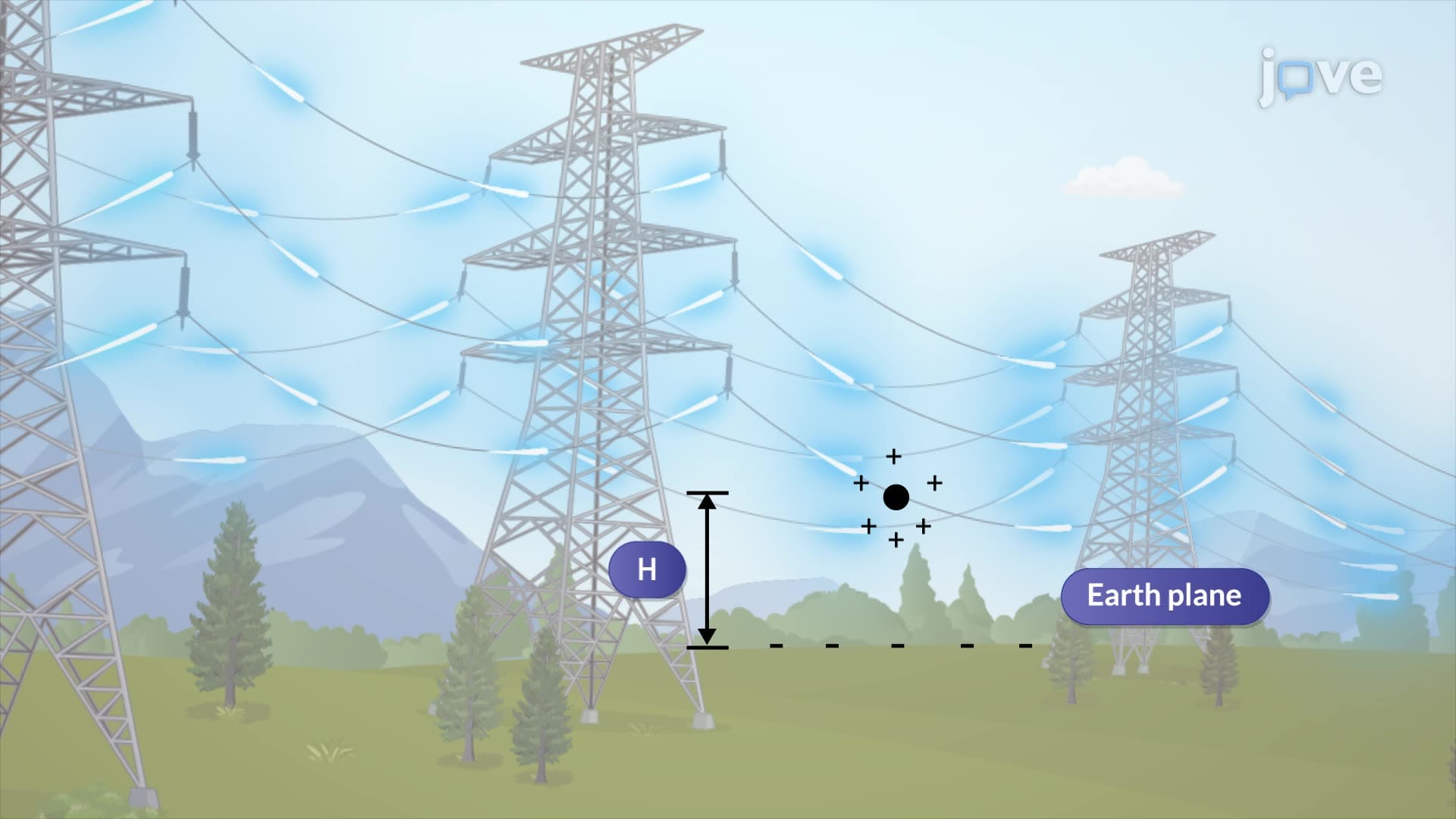
Series impedances three phase line calculations form the backbone of electrical power system design across America's transmission infrastructure. When Pacific Gas & Electric designs new transmission corridors in California, engineers must precisely calculate inductance values to ensure stable power delivery from generation facilities to distribution networks.
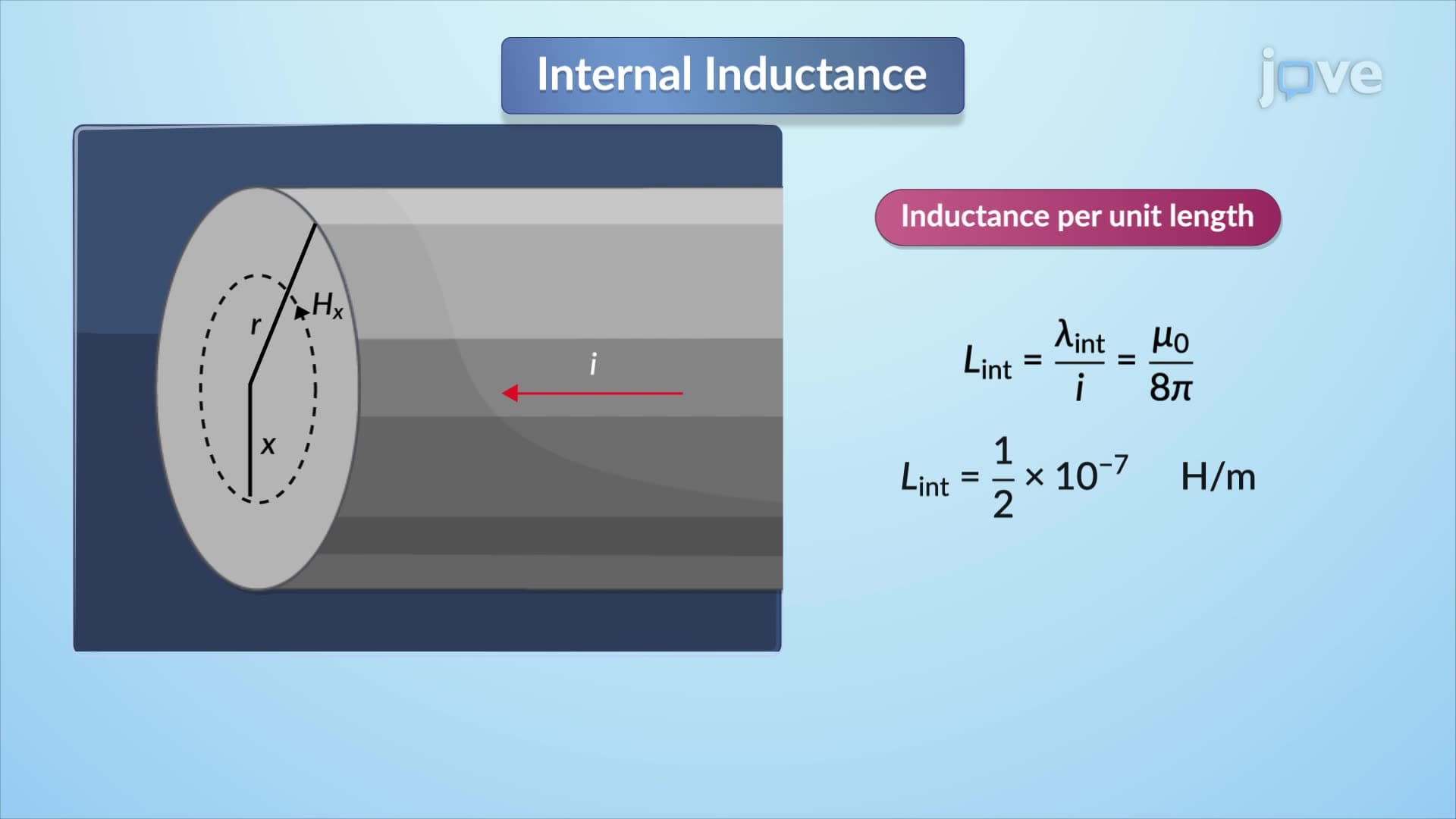
In single-phase systems, two solid cylindrical conductors carry equal but opposite phasor currents, satisfying Kirchhoff's current law where the algebraic sum equals zero. The series impedances three phase line tutorial approach begins by calculating total flux linking each conductor. For conductor x, magnetic flux originates from both its own current and the current in conductor y.
The inductance formula simplifies when both conductors have equal radii: L = (μ₀/π) × ln(D/r), where D represents conductor spacing and r equals conductor radius. This relationship appears frequently on AP Physics C: Electricity and Magnetism exams, particularly in free-response questions involving electromagnetic induction.
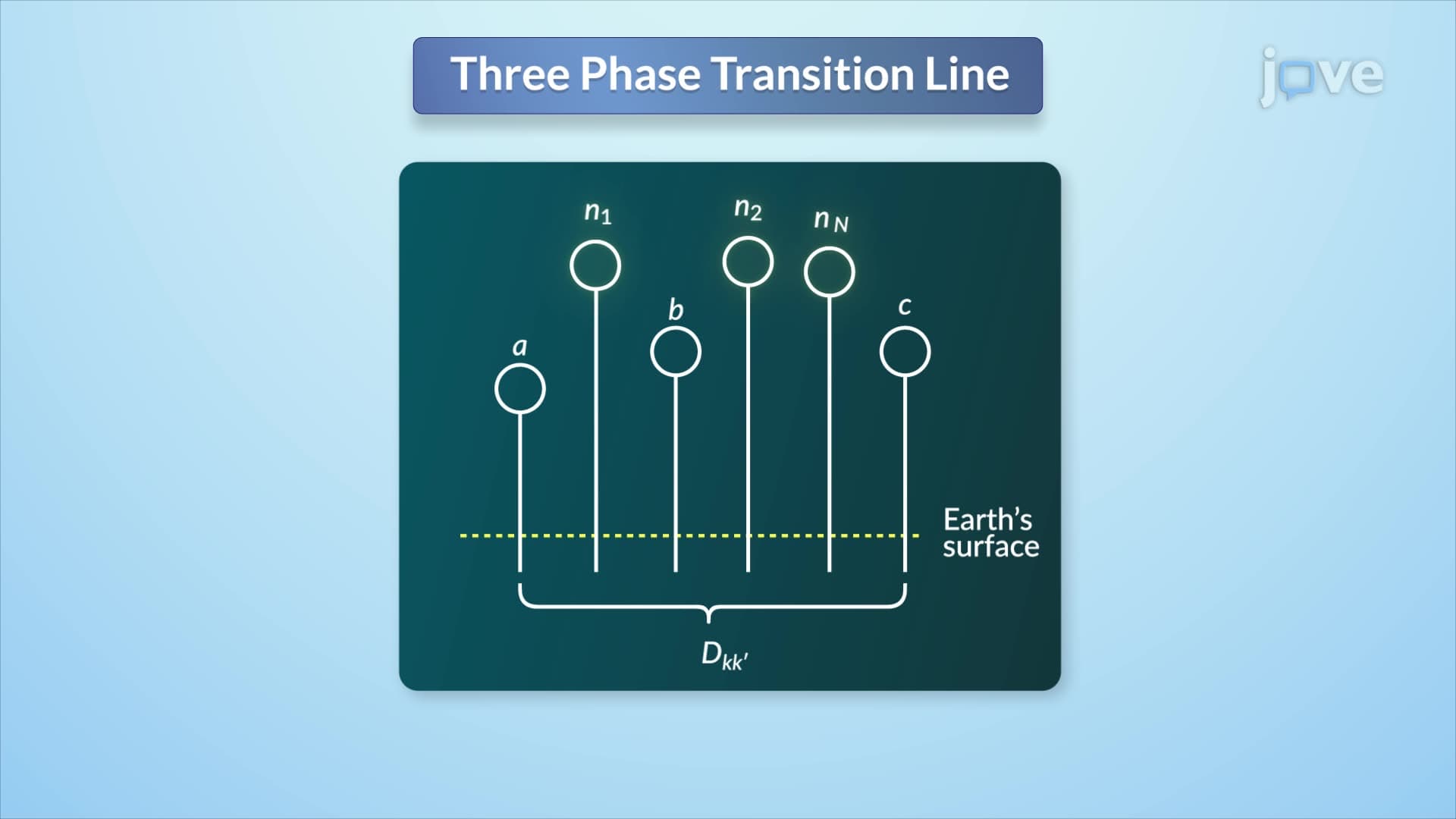
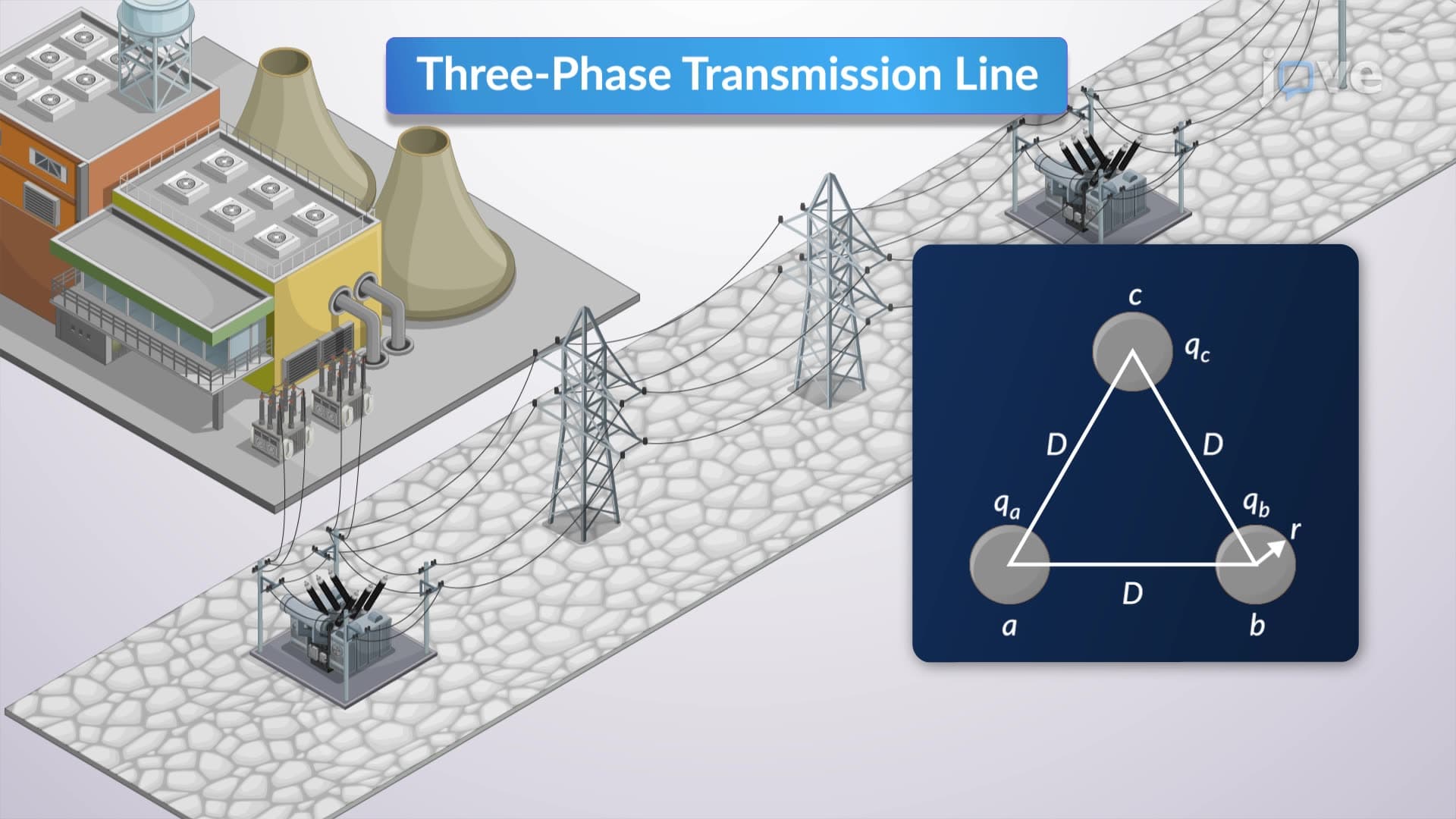
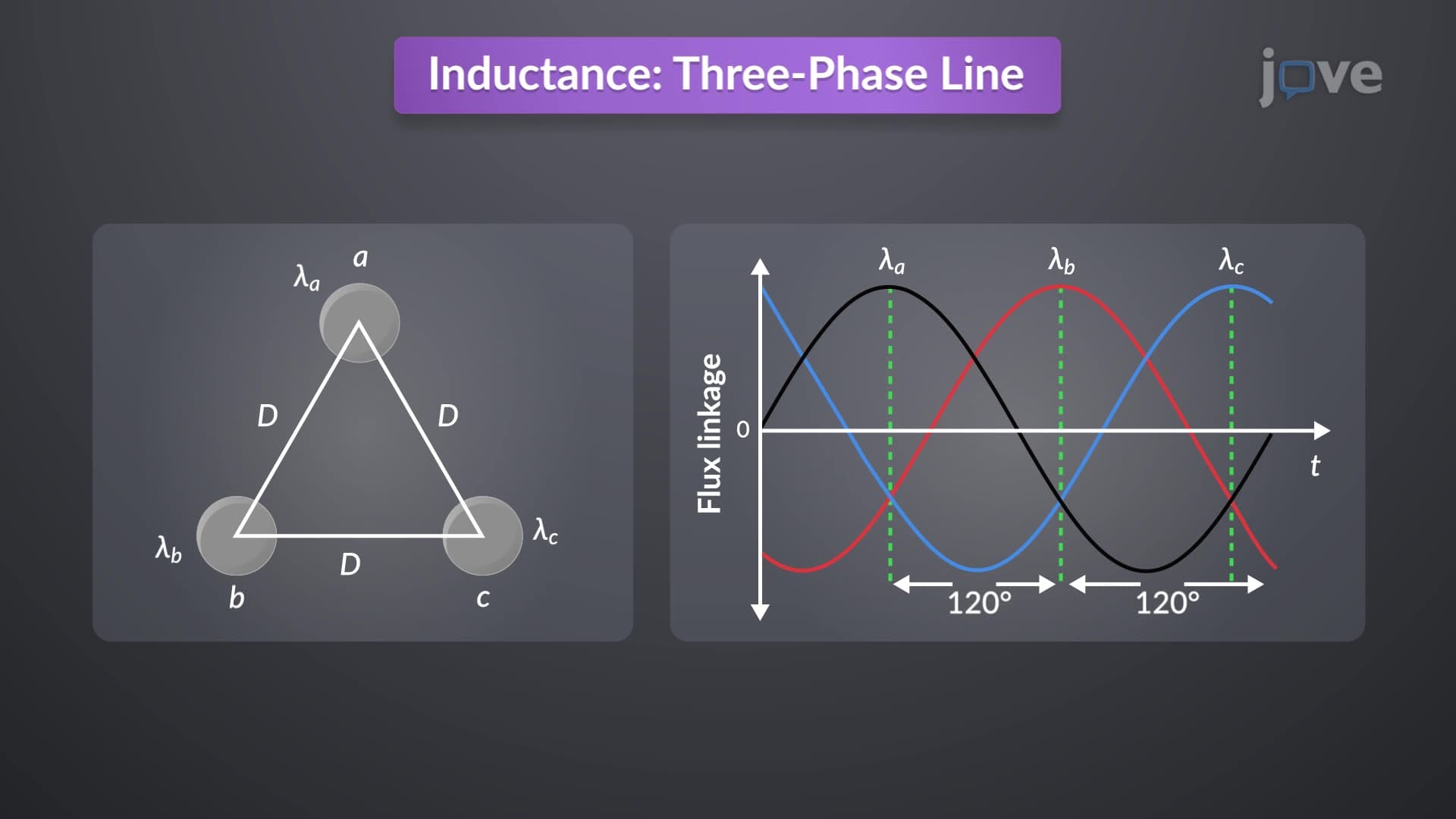
Three-phase transmission systems, like those connecting wind farms in Texas to urban centers, involve three conductors (phases a, b, and c) with equal radii and spacing. Under balanced conditions with positive-sequence currents, the system exhibits 120-degree phase displacement between currents, creating a mathematically elegant symmetry.
The key insight for how series impedances three phase line works lies in recognizing that balanced operation allows engineers to analyze just one phase. Since flux linkages have equal magnitudes with 120-degree displacement, calculating phase a inductance automatically determines phases b and c through rotational symmetry.
Major utilities like Duke Energy use these principles when planning grid expansions. The series impedances three phase line concept directly impacts voltage regulation, fault current calculations, and relay protection settings. Engineering students preparing for the Fundamentals of Engineering (FE) exam encounter these calculations in the electrical power section, where understanding conductor inductance affects circuit impedance and power flow studies.
Modern transmission planning software incorporates these fundamental relationships, but engineers must understand the underlying physics to interpret results correctly and troubleshoot system anomalies.
Frequently Asked Questions
Inductance single phase and three explained describes how electrical conductors in power transmission lines create magnetic fields that oppose current changes. Single-phase systems use two conductors with opposite currents, while three-phase systems use three conductors with balanced currents displaced by 120 degrees. This concept is fundamental to power system design and appears regularly on electrical engineering exams.
AP Physics C: Electricity and Magnetism frequently tests inductance calculations through free-response problems involving transmission lines. Students must apply Ampère's law and magnetic flux concepts to determine conductor inductance. The College Board emphasizes understanding the relationship between conductor geometry, current distribution, and resulting magnetic field patterns.
College courses like Circuit Analysis II and Power Systems Engineering build heavily on these foundations. Students encounter these concepts in junior-level coursework and again on the Fundamentals of Engineering exam. Mastering inductance calculations is essential for understanding power flow analysis, fault studies, and protective relay coordination.
Symmetry in balanced three-phase systems means all phases have identical inductance values with 120-degree phase displacement. Analyzing phase a automatically determines phases b and c through rotational symmetry. This mathematical elegance simplifies complex transmission line calculations used by utilities nationwide.
Electric utilities apply these calculations for transmission line design, fault current studies, and relay protection settings. Engineers use inductance values to determine voltage regulation, power transfer capability, and system stability margins. These calculations directly impact reliability of power delivery to millions of customers.
Students with solid algebra and basic trigonometry skills can grasp these concepts effectively. The key is understanding that inductance represents magnetic field energy storage in conductors. Starting with single-phase examples and progressing to three-phase systems builds confidence systematically.
Practice calculating inductance using different conductor spacings and radii to build pattern recognition. Create summary sheets linking conductor geometry to inductance formulas. Work through past AP Physics problems and FE exam questions to see how concepts apply in test scenarios.
Progress to transmission line modeling using ABCD parameters, power flow analysis, and fault current calculations. These topics appear in senior-level power systems courses and prepare students for graduate study or careers in electric utility engineering.
Related Micro-courses
Related Subjects
 Civil Engineering 30 micro-courses›Mechanical Engineering 28 micro-courses›