Loading…
Loading video…

3,390 views
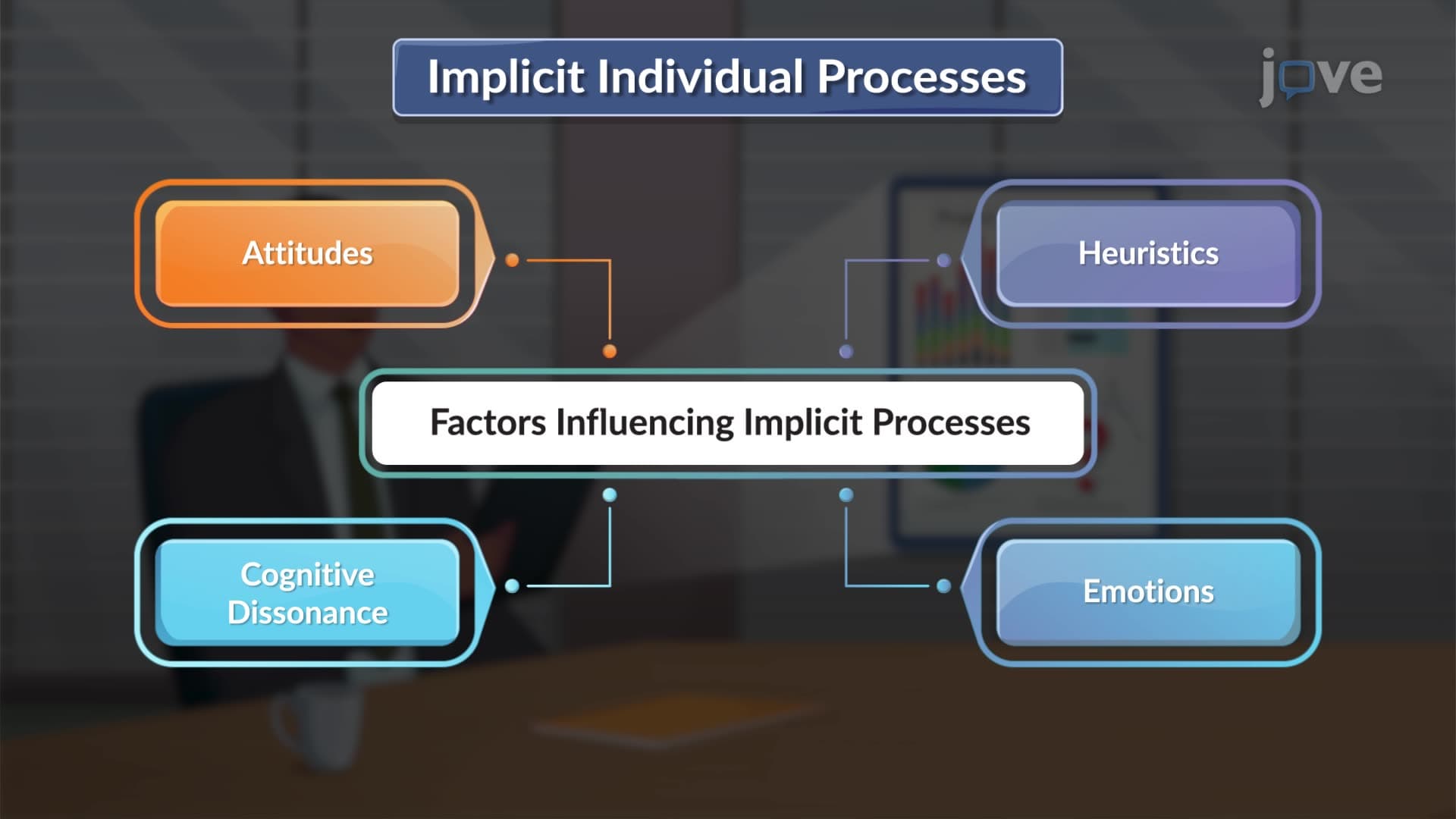
Financial leaders at Goldman Sachs and JPMorgan Chase regularly make million-dollar decisions influenced by subconscious mental patterns. Implicit individual processes are the hidden cognitive mechanisms that shape business judgment, from investment selections to strategic partnerships. These subconscious activities—including attitudes, heuristics, cognitive dissonance, and emotions—can create systematic biases that impact portfolio performance and competitive positioning. Watch the full video on JoVE Coach to master this concept with expert-led visuals and step-by-step explanations.
When Berkshire Hathaway's Warren Buffett famously avoided tech stocks for decades, he demonstrated how implicit individual processes can shape even the most successful investors' decisions. These subconscious mental activities operate beneath our awareness, influencing everything from merger and acquisition choices to daily operational decisions across Fortune 500 companies.
Attitudes and Experience-Based Bias Professional attitudes, forged through years of industry experience, create invisible filters that affect business judgment. A private equity partner who previously worked at McKinsey might unconsciously favor consulting-heavy due diligence processes, potentially overlooking more agile evaluation methods. This bias toward familiar approaches can limit strategic flexibility and competitive advantage.
Heuristic-Driven Decision Shortcuts Financial markets reward speed, making heuristics essential for portfolio managers and corporate development teams. However, these mental shortcuts carry risks. Vanguard's investment committee might rely on the "past performance indicates future results" heuristic when allocating resources to fund managers, potentially missing emerging opportunities in sectors like ESG investing or cryptocurrency markets.
Cognitive Dissonance and Strategic Rationalization When faced with contradictory information about existing investments or strategic initiatives, executives often engage in cognitive dissonance reduction. A Tesla executive heavily invested in autonomous driving technology might emphasize regulatory progress while downplaying technical setbacks, creating organizational blind spots that competitors like General Motors' Cruise division could exploit.
Emotional factors significantly impact high-stakes business decisions. Following Amazon's Fire Phone failure, leadership likely experienced disappointment and frustration, potentially influencing their approach to future hardware ventures. Understanding these emotional undercurrents helps leaders separate personal feelings from objective strategic analysis, enabling more effective resource allocation and competitive positioning.
Frequently Asked Questions
Implicit individual processes are subconscious mental activities that influence professional judgment without conscious awareness. These include attitudes formed by experience, mental shortcuts (heuristics), emotional responses, and the tendency to reduce cognitive dissonance when facing conflicting information about business decisions.
Portfolio managers may unconsciously favor familiar asset classes, rely too heavily on historical performance data, or rationalize poor-performing investments to avoid admitting mistakes. These biases can result in missed diversification opportunities, delayed position exits, and suboptimal risk-adjusted returns that impact client satisfaction and firm profitability.
Strategic planning requires objective evaluation of market opportunities and competitive threats. Implicit processes can create blind spots where teams favor familiar markets, dismiss innovative competitors, or rationalize existing strategies despite changing market conditions. Awareness helps ensure more comprehensive strategic analysis and better resource allocation decisions.
Kodak's leadership team demonstrated implicit individual processes when they invented digital photography but failed to cannibalize their profitable film business. Their attitudes toward protecting existing revenue streams, combined with cognitive dissonance about digital technology's disruptive potential, prevented them from capitalizing on their own innovation before competitors like Canon gained market share.
No specialized psychology training is required. Most business professionals already recognize these patterns from experience—like favoring certain suppliers or feeling reluctant to abandon failing projects. The key is developing systematic awareness of these tendencies and implementing decision-making frameworks that account for cognitive biases in high-stakes business situations.
Leaders who recognize and manage implicit processes make more objective decisions, avoid costly cognitive traps, and demonstrate superior judgment in complex business situations. This awareness enhances your credibility with senior executives, improves team leadership effectiveness, and positions you for roles requiring strategic thinking and risk management expertise.
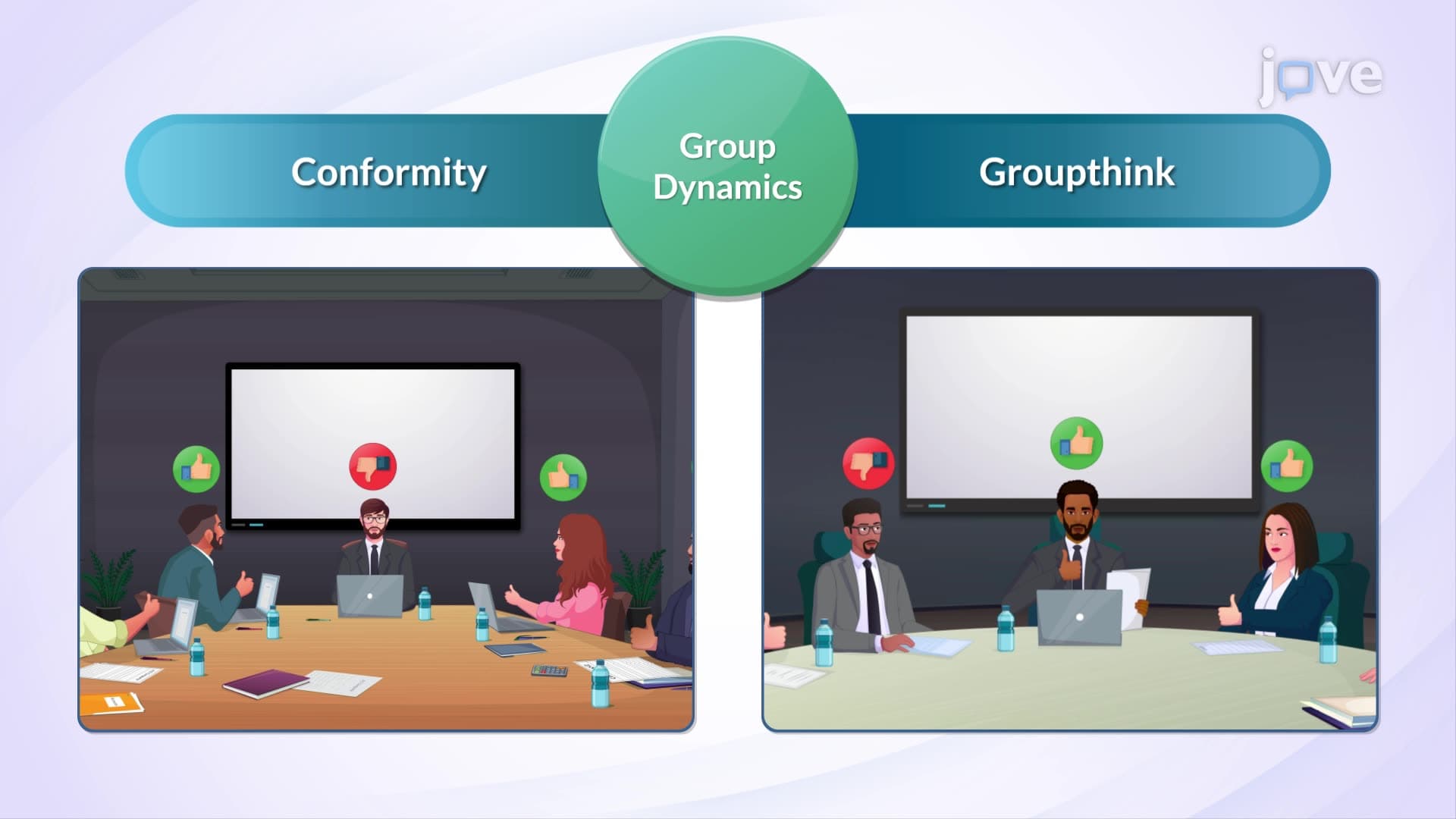
Group decision-making processes and organizational behavior patterns naturally extend this individual-focused framework. Understanding how implicit processes interact within teams, boardrooms, and cross-functional partnerships will help you navigate complex organizational dynamics and improve collaborative decision-making outcomes.
Related Micro-courses
Related Subjects