- Finance
- Financial Ethics
Micro-courses:17

Financial Ethics

1. Ethics in the Financial and Investment Industry
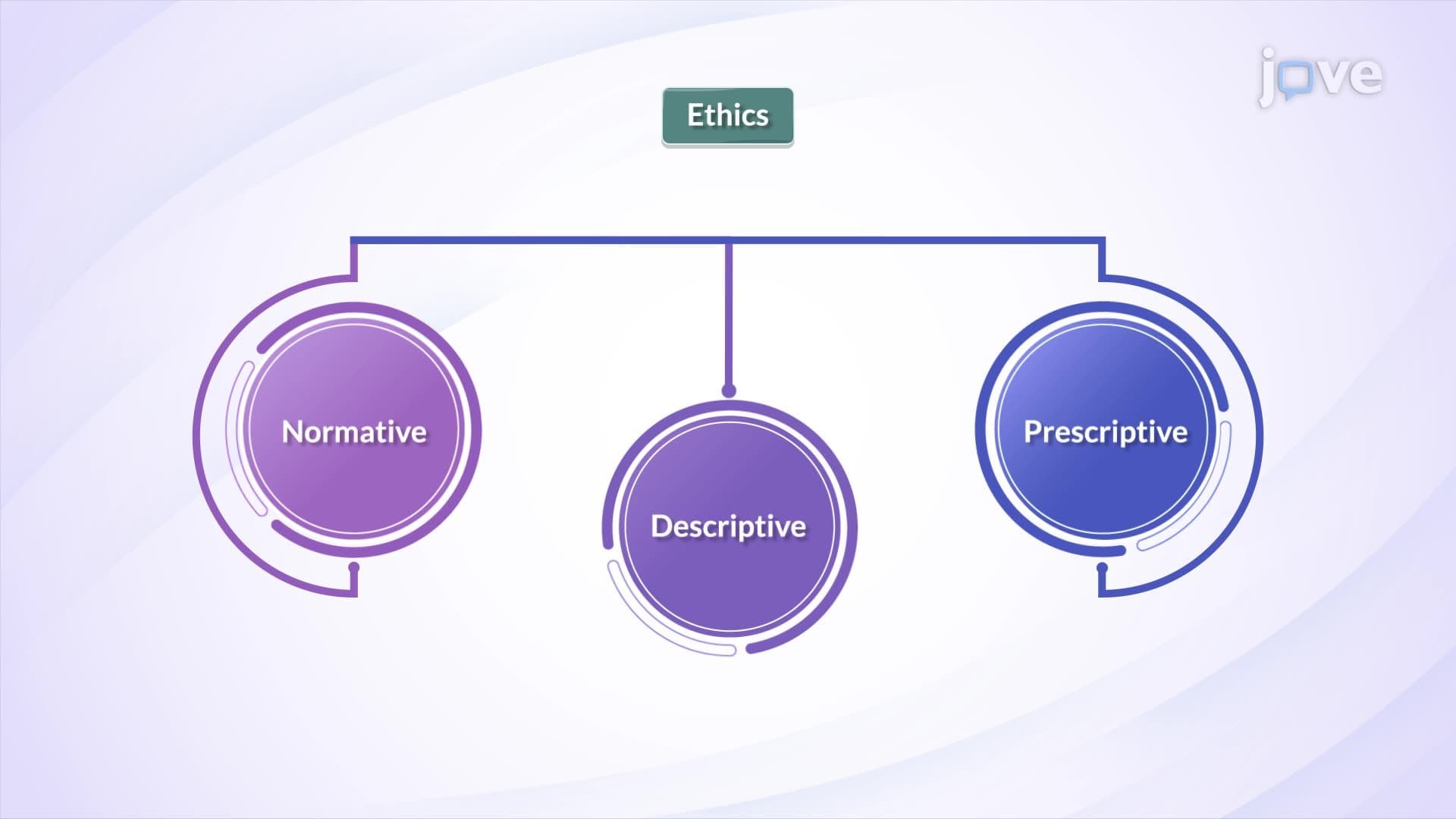
2. Defining Ethics and What Is Ethical
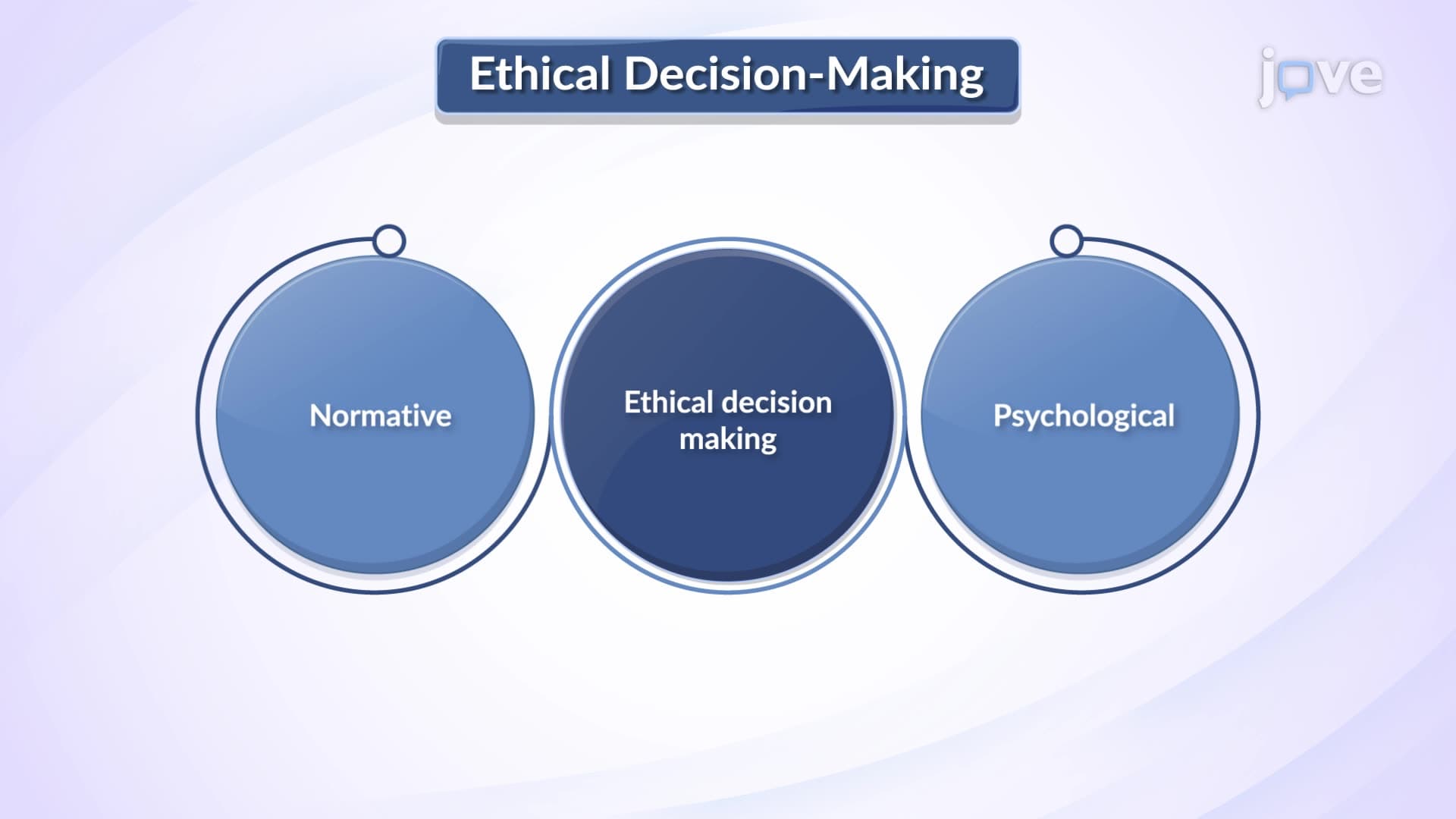
3. Psychological and Descriptive Understanding of Ethical Decision Making

4. Individual Ethical Development
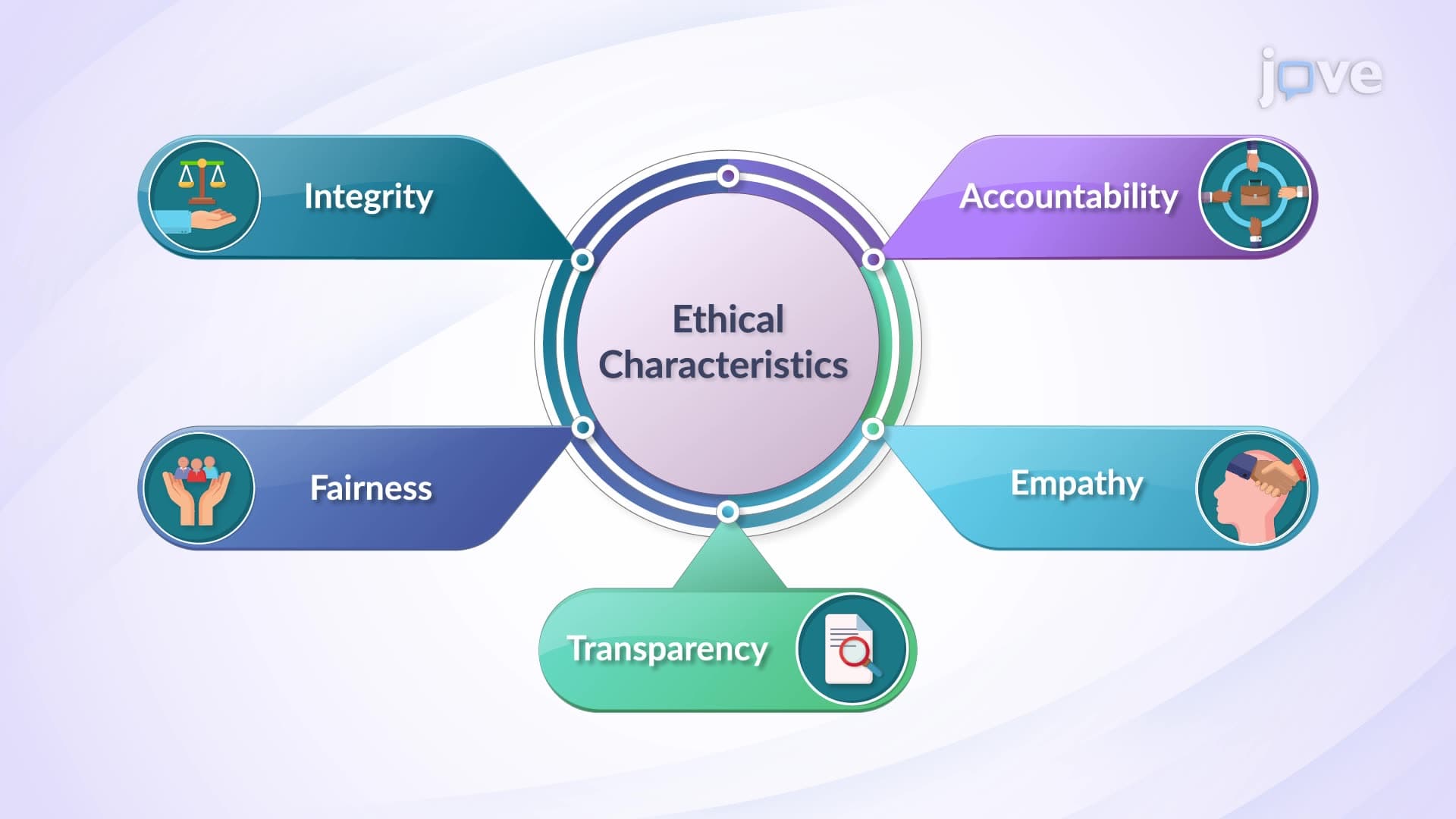
5. Ethics-Related Individual Characteristics
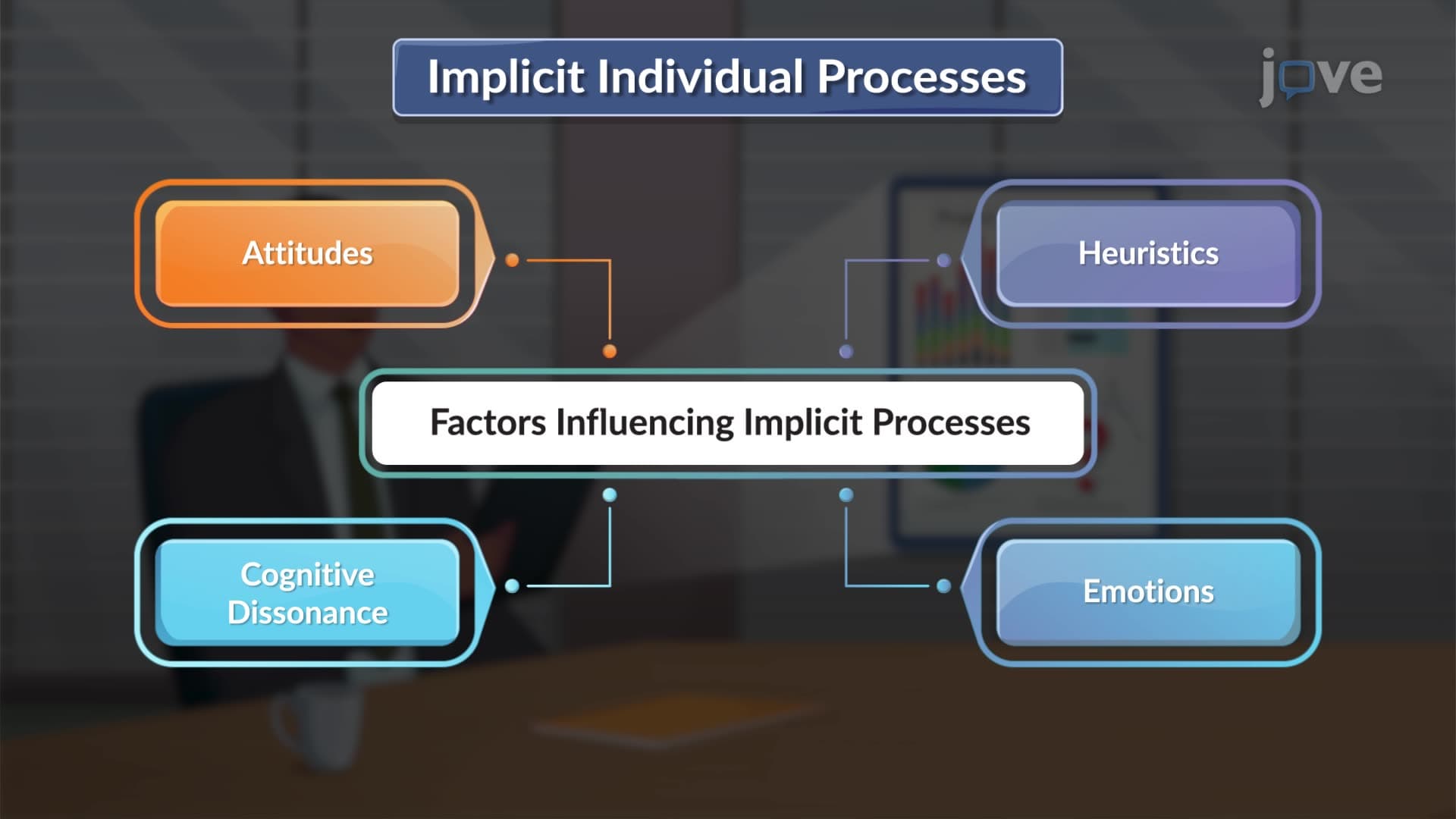
6. Implicit Individual Processes
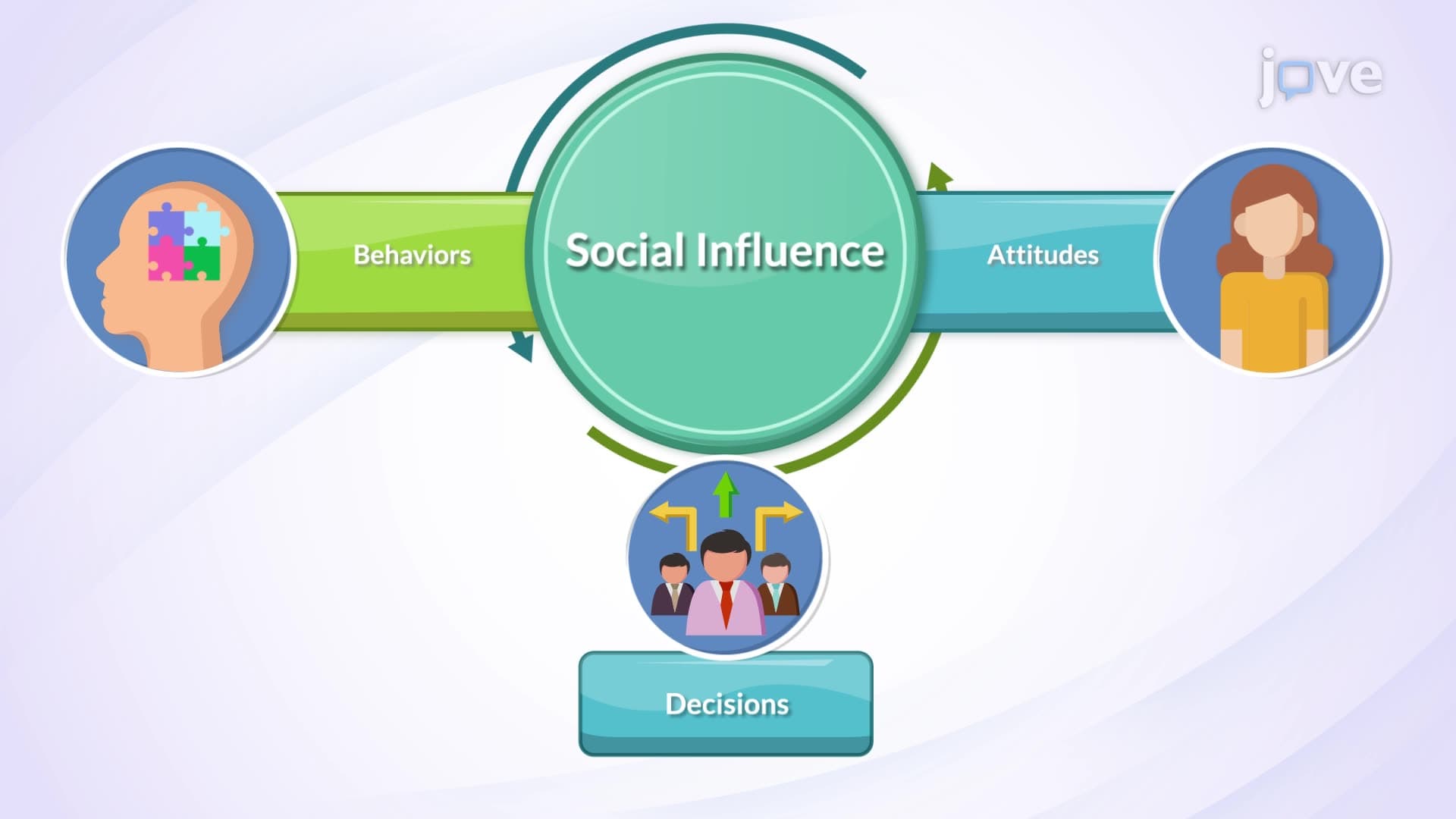
7. Social Influences on Ethics

8. Groups and Ethics
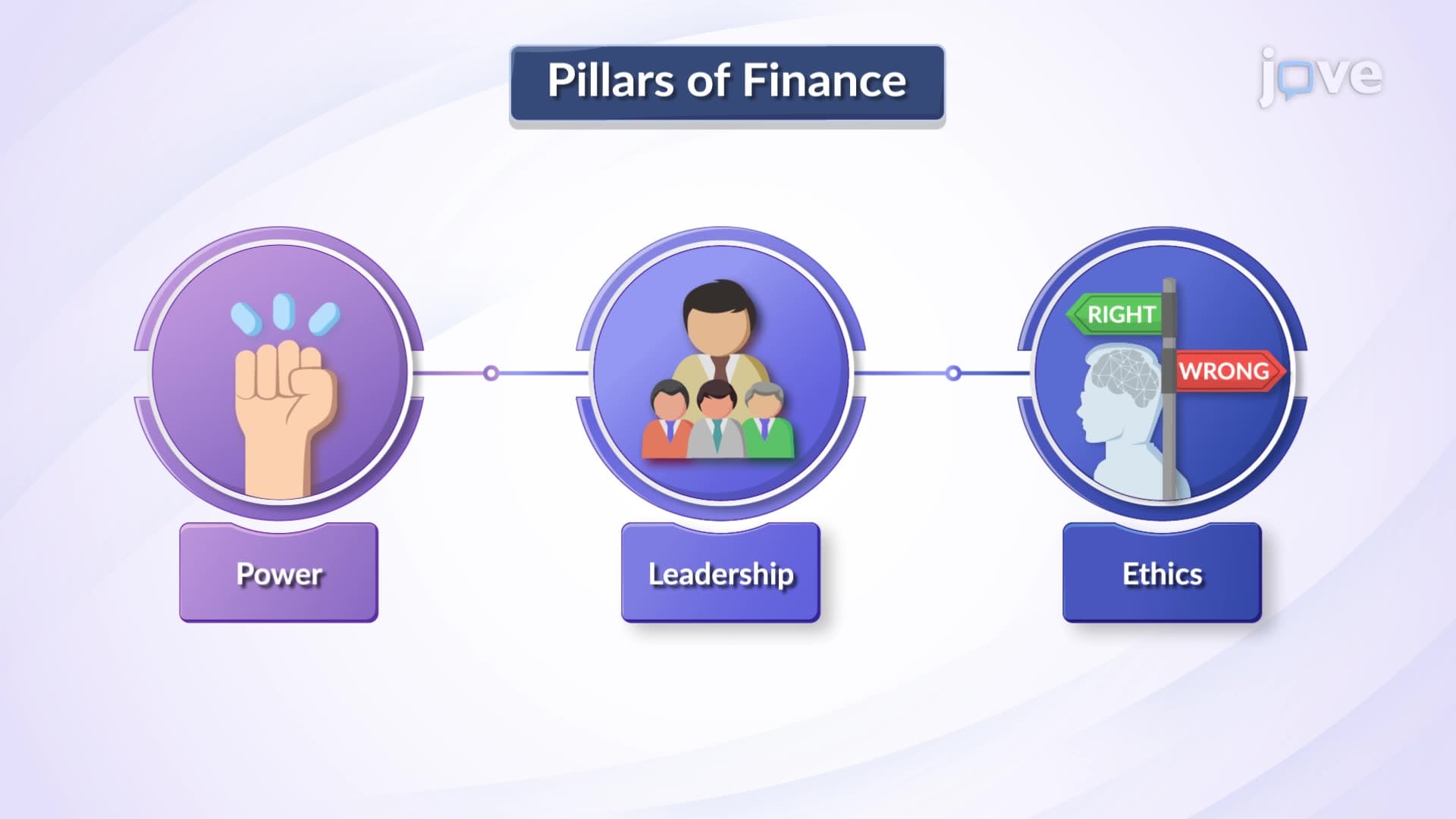
9. Power, Leadership, and Ethics

10. Organizational Culture and Ethics
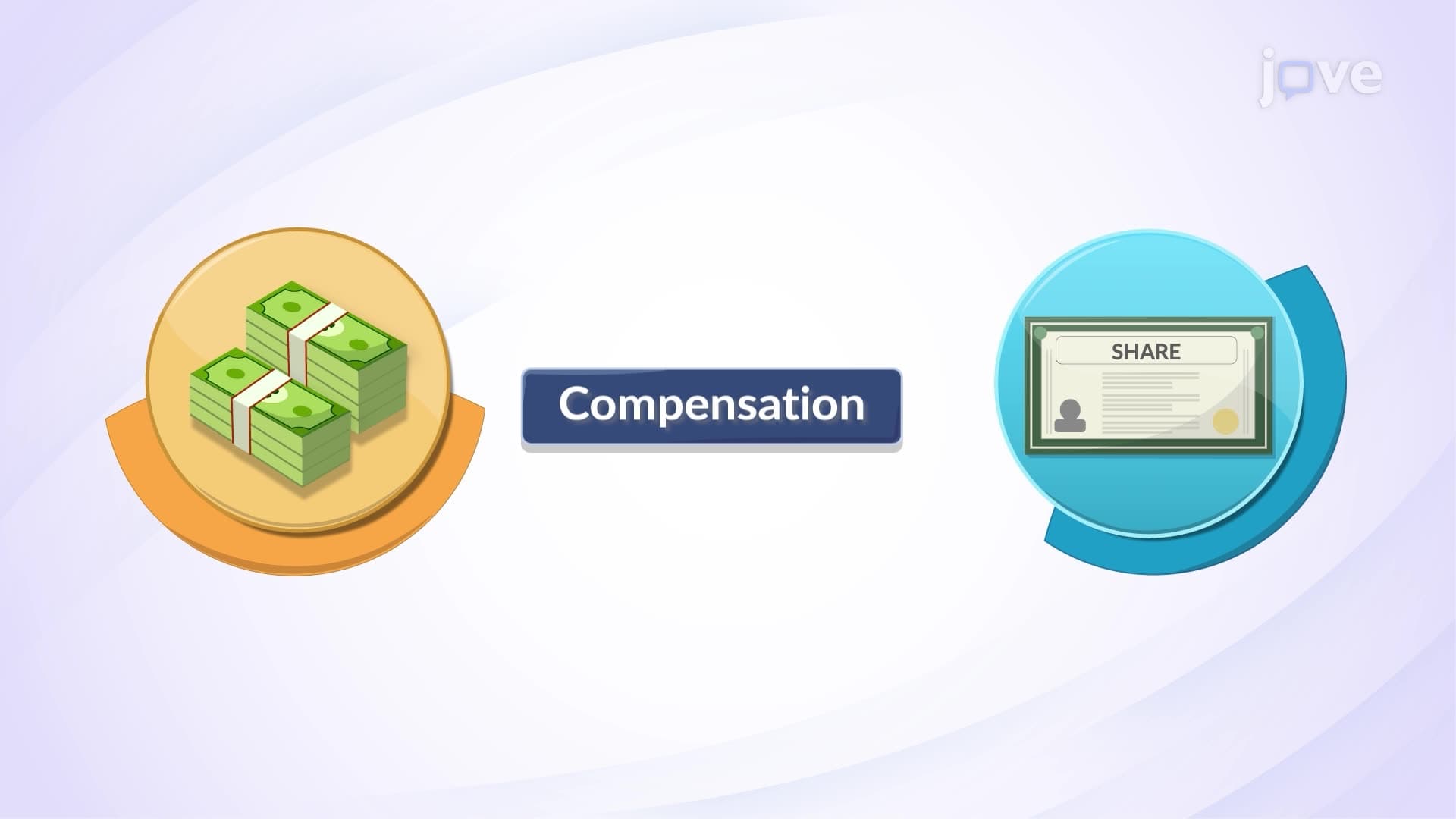
11. Compensation and Incentive Structures
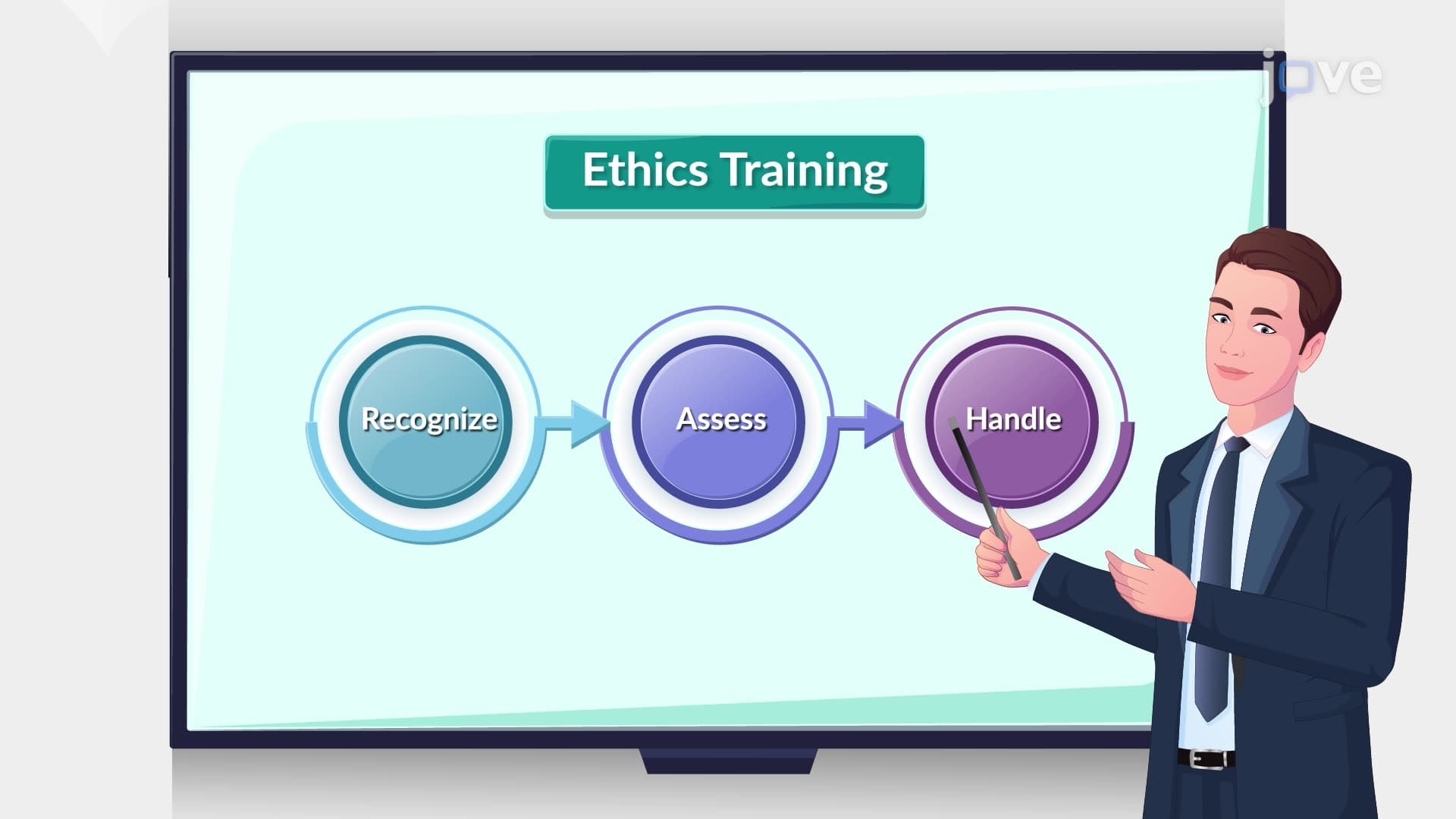
12. Ethics Training
Financial ethics forms the cornerstone of sustainable business practices in American financial markets, directly impacting corporate governance, client relationships, and long-term profitability. This JoVE Coach micro-course examines how ethical decision-making frameworks prevent financial fraud, ensure fiduciary duty compliance, and build competitive advantages through trust-based client relationships. Working professionals learn to navigate complex ethical dilemmas while maintaining regulatory compliance and maximizing business outcomes.
- Apply normative and psychological ethical frameworks to evaluate complex financial decisions in real-world scenarios
- Implement organizational culture strategies that balance profit maximization with ethical business practices
- Analyze how cognitive biases and implicit processes affect investment decisions and client recommendations
- Assess compensation structures to align employee incentives with ethical business conduct and client welfare
- Leverage group dynamics knowledge to prevent groupthink and promote ethical decision-making in team environments
- Evaluate power structures and leadership approaches that foster accountability and prevent insider trading violations
- Design ethics training programs that address specific financial industry challenges and regulatory requirements
- Apply social influence techniques ethically to guide stakeholder behavior without manipulation or coercion
1. Foundations of Financial Industry Ethics Understanding how business ethics finance principles create competitive advantages through client trust and regulatory compliance. Professionals learn to differentiate between legal compliance and ethical conduct, examining real-world scenarios where tax avoidance strategies may be legal but ethically questionable. This foundation covers normative, descriptive, and prescriptive approaches to ethical considerations in financial decision making, providing frameworks that major firms like Berkshire Hathaway use to maintain market leadership through ethical practices.
2. Psychological Frameworks for Ethical Decision Making Exploring how cognitive processes influence financial professionals' choices between profit maximization and client welfare. This section examines real workplace scenarios where investment bankers face conflicts between career advancement and corporate responsibility. Professionals learn to recognize when personal motivations and inherent biases affect their recommendations, developing strategies to balance idealistic ethical principles with practical business pressures that exist in competitive financial markets.
3. Individual Moral Development in Financial Careers Analyzing professional growth stages from self-interest focus to principled ethical leadership using Kohlberg's developmental framework. This progression shows how junior advisors initially prioritizing commission-based decisions can evolve into senior professionals who place client welfare above personal gain. The content demonstrates how ethical maturity directly correlates with long-term career success, client retention, and reputation building in competitive financial services environments.
4. Personal Ethics Characteristics and Workplace Impact Examining how integrity, accountability, fairness, empathy, and transparency drive positive organizational change and risk management. Professionals learn through scenarios involving data privacy violations and whistleblowing decisions that require courage despite potential career risks. This section shows how individual ethical characteristics influence team dynamics, client relationships, and organizational culture, ultimately affecting bottom-line business outcomes and regulatory compliance.
5. Cognitive Biases and Implicit Decision Processes Understanding how subconscious mental activities affect investment decisions and client recommendations in high-pressure financial environments. This covers attitude-based biases, heuristic shortcuts, cognitive dissonance reduction, and emotional decision-making that can compromise fiduciary duty. Professionals learn to identify when familiarity bias leads to suboptimal portfolio management or when past performance assumptions create blind spots in investment analysis and client advisory services.
6. Social Influence and Workplace Dynamics Analyzing ethical applications of coercion, manipulation, persuasion, and facilitation in professional financial settings. This section distinguishes between acceptable influence techniques like reasoned persuasion for securing project funding versus unethical manipulation that withholds critical information from clients. Professionals learn to recognize when workplace pressures compromise ethical standards and develop strategies to maintain integrity while achieving business objectives.
7. Group Decision Making and Preventing Groupthink Addressing how conformity pressures and groupthink affect financial teams' ethical decisions and risk assessment capabilities. This section examines scenarios where investment committees dismiss alternative viewpoints to maintain group harmony, potentially leading to significant financial losses. Professionals learn leadership techniques to promote open dialogue, critical thinking, and diverse perspectives that improve both ethical outcomes and business performance in financial organizations.
8. Power, Leadership, and Ethical Influence Exploring how legitimate, expert, and referent power types affect organizational culture and ethical standards in financial firms. Using Warren Buffett's leadership at Berkshire Hathaway as a model, professionals learn to leverage authority responsibly while maintaining accountability and transparency. This section covers how ethical leadership creates sustainable competitive advantages through employee trust, client loyalty, and regulatory relationship management.
9. Building Ethical Organizational Culture Implementing systematic approaches to balance profit maximization with ethical conduct through policies, training, and reward systems. Professionals learn to assess current practices, identify ethical concerns, and create accountability structures that prevent issues like mis-selling or conflicts of interest. This section provides practical frameworks for establishing ethics committees, rotating job roles, and creating incentive structures that align employee behavior with both financial goals and ethical standards.
10. Compensation Design and Ethical Incentives Designing reward systems that motivate performance while preventing unethical behaviors like promoting unsuitable high-risk products for commission gains. This section examines how brokerage firms can structure compensation to balance individual achievement with client welfare and regulatory compliance. Professionals learn to create incentive programs that reward ethical behavior, customer loyalty building, and long-term relationship development alongside traditional financial metrics.
11. Comprehensive Ethics Training Implementation Developing ongoing education programs that address insider trading, regulatory compliance, and ethical dilemma resolution in financial services environments. This section covers interactive training design using real-world scenarios, continuous reinforcement strategies, and measurement techniques for program effectiveness. Professionals learn to create training that builds confidence in ethical decision-making while addressing specific industry challenges like confidential information handling and fiduciary responsibility fulfillment.
Frequently Asked Questions
Financial ethics specifically address fiduciary duty, insider trading regulations, and client trust responsibilities that are unique to financial services. Unlike general business ethics, financial professionals handle other people's money and confidential market information, creating higher stakes for ethical failures. Understanding these distinctions helps professionals navigate industry-specific regulations and maintain the trust essential for client relationships and career advancement.
The most frequent dilemmas include conflicts between personal commission incentives and client welfare, pressure to meet sales targets that may lead to mis-selling, handling confidential information that could benefit personal investments, and balancing short-term profit demands with long-term client relationships. These situations require frameworks for ethical decision-making that consider both business objectives and professional responsibilities.
Develop pre-established ethical guidelines and decision trees that can be quickly referenced during time-sensitive situations. Practice applying normative and psychological approaches to common scenarios beforehand. Create accountability partnerships with colleagues and establish regular ethical check-ins with supervisors. Most importantly, recognize that ethical shortcuts often create larger long-term problems that far exceed any short-term gains.
Organizational culture fundamentally shapes whether ethical behavior is rewarded or punished through formal and informal systems. Companies that only reward financial results while ignoring methods used to achieve them often encourage unethical shortcuts. Effective ethical cultures create clear policies, provide ongoing training, establish accountability measures, and ensure leadership consistently models ethical behavior while making business decisions.
Traditional commission-based structures often create conflicts between personal financial gain and client welfare. Organizations can redesign compensation to include metrics for client satisfaction, long-term relationship building, and ethical conduct alongside financial performance. Implementing clawback provisions for unethical gains, team-based incentives, and recognition programs for ethical leadership helps align individual motivation with organizational values.
Warren Buffett's leadership at Berkshire Hathaway demonstrates how ethical principles create sustainable competitive advantages. By prioritizing transparency, long-term thinking, and stakeholder welfare over short-term profits, Berkshire has built extraordinary investor loyalty and consistently outperformed markets. This approach attracts top talent, reduces regulatory scrutiny, lowers legal costs, and creates premium pricing power through trust-based relationships.
Strong ethical skills lead to enhanced client trust and retention, reduced legal and regulatory risks, improved leadership opportunities, and stronger professional networks built on reputation rather than transactions. Ethical professionals often experience greater job security, access to high-value client relationships, and advancement opportunities as organizations increasingly prioritize ethical leadership in senior roles.
Document concerns clearly, understand your organization's ethics reporting procedures, and seek guidance from compliance departments or ethics committees. Build alliances with like-minded colleagues and consider external resources like professional associations or regulatory bodies when internal channels prove inadequate. Remember that short-term career risks from ethical stands typically pale compared to long-term consequences of compliance failures.
Engage in regular self-assessment of your decision-making patterns, seek feedback from trusted colleagues and mentors, stay current with industry regulations and best practices, and participate in continuing ethics education. Join professional associations that emphasize ethical standards, read case studies of ethical failures and successes, and practice applying ethical frameworks to hypothetical scenarios before facing real-world pressures.
This microcourse includes 12 concept videos that walk you through the building blocks of Finance. Each video is short, about 1 minute, so you can cover a full topic during a coffee break or between classes. The full sequence starts with Ethics in the Financial and Investment Industry and ends with Ethics Training.
The playlist moves from big-picture ideas to the precise vocabulary used in Finance. Early videos introduce Ethics in the Financial and Investment Industry, Defining Ethics and What Is Ethical, and Psychological and Descriptive Understanding of Ethical Decision Making. The middle of the series focuses on Ethics-Related Individual Characteristics, Implicit Individual Processes, and Social Influences on Ethics. The final stretch covers Groups and Ethics, Power, Leadership, and Ethics, Organizational Culture and Ethics, Compensation and Incentive Structures, and Ethics Training.
The natural next step is Behavioral Finance. From there, you can move to Leasing. Once you finish those, the full Finance curriculum of 17 microcourses on JoVE Coach opens up, taking you from foundational concepts to advanced systems.
Related Subjects

