- Finance
- Capital Budgeting
Micro-courses:17

Capital Budgeting

1. Introduction to Capital Budgeting
2. Basics of Investment Decision-making

3. Importance of Capital Budgeting

4. Advantages and Limitations of Capital Budgeting

5. Capital Budgeting Techniques
6. Payback

7. Payback Period
8. Discounted Payback Period

9. Net Present Value

10. Net Present Value Method

11. Decision-making Through Net Present Value
12. Internal Rate of Return
13. Calculating Internal Rate of Return
14. Decision-making Through Internal Rate of Return

15. Average Rate of Return

16. Calculating Average Rate of Return

17. Decision-making Through Average Rate of Return

18. Profitability Index

19. Calculating Profitability Index

20. Choosing Between Projects: Mutually Exclusive

21. Choosing Between Projects: Limited Resources
Capital budgeting enables working professionals to evaluate long-term investment opportunities and maximize shareholder value through systematic financial analysis. JoVE Coach delivers practical frameworks for assessing project profitability, risk, and resource allocation decisions. Learn proven techniques used by Fortune 500 companies like Amazon and AutoTech Inc. to make strategic investment choices that drive sustainable business growth.
- Apply Net Present Value (NPV) methodology to evaluate multi-million dollar capital projects and infrastructure investments
- Analyze Internal Rate of Return (IRR) calculations to benchmark project profitability against required return thresholds
- Implement payback period analysis for quick investment screening and cash flow recovery assessment
- Evaluate competing projects using Profitability Index when operating under capital constraints
- Leverage discounted cash flow techniques to account for time value of money in investment decisions
- Assess mutually exclusive projects to optimize resource allocation and strategic positioning
- Apply Average Rate of Return calculations for initial project screening and stakeholder presentations
- Implement comprehensive capital budgeting frameworks for complex business investment scenarios
1. Capital Budgeting Fundamentals and Strategic Decision Framework Capital budgeting provides the analytical foundation for evaluating long-term investments that shape organizational growth and competitive positioning. This comprehensive approach examines how companies like Blue Construction Company assess heavy machinery investments by analyzing initial costs, maintenance expenses, equipment lifespan, and incremental revenue potential. The framework integrates risk assessment with financial projections to ensure alignment with strategic objectives. Understanding these fundamentals enables professionals to make informed decisions about resource allocation, maximize profitability, and drive sustainable competitive advantages in dynamic market environments.
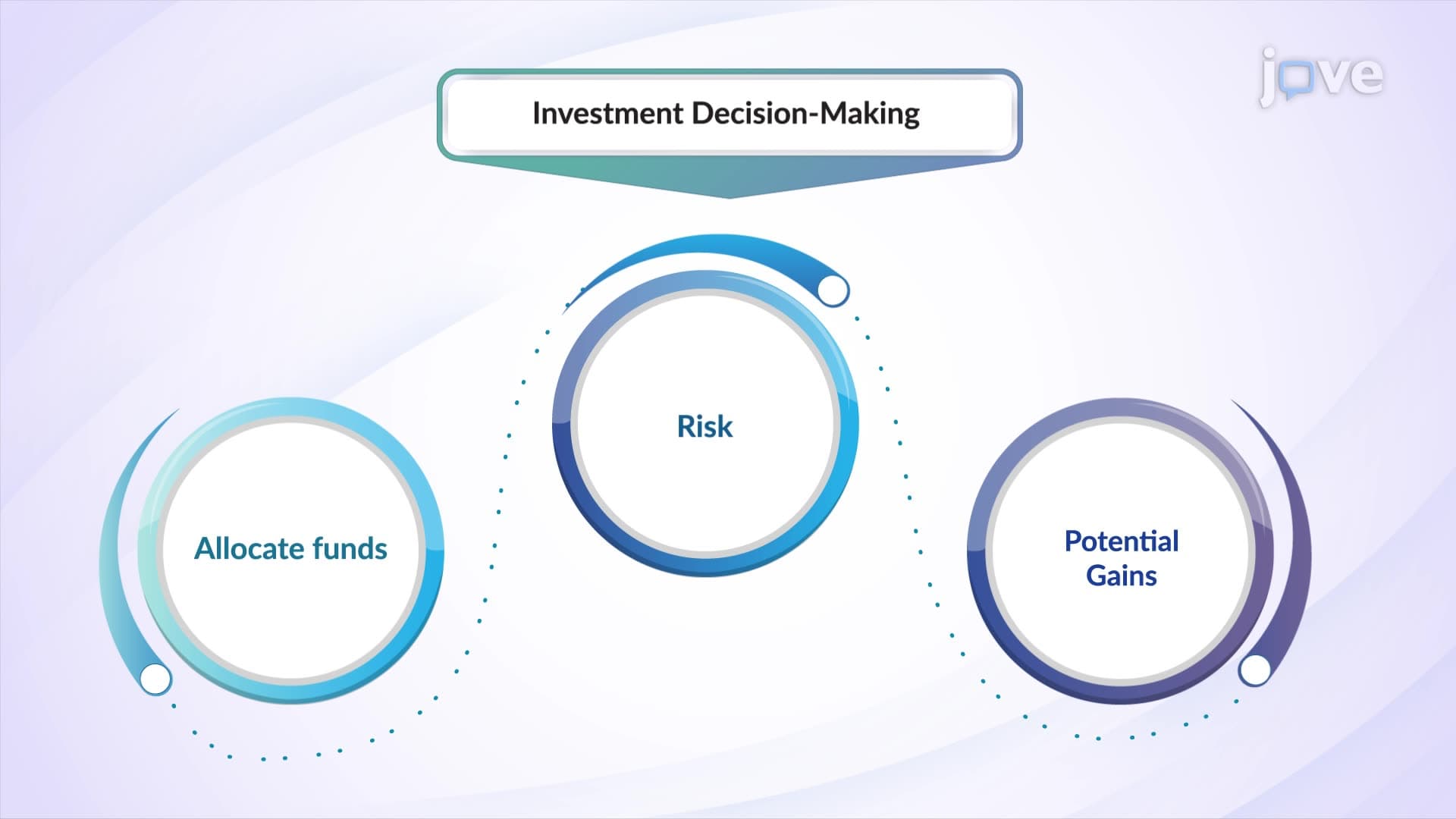
2. Investment Decision Methods and Risk Assessment Principles Investment decision-making requires systematic evaluation of opportunities to allocate capital for maximum returns while managing associated risks. BrightMart Electronics demonstrates this approach when considering e-commerce platform development, analyzing setup costs, operational expenses, revenue projections, cybersecurity threats, and competitive positioning. The methodology compares potential benefits against costs and risks to determine investment viability. This structured approach ensures that capital deployment decisions support long-term organizational objectives while maintaining appropriate risk-return profiles across diverse business initiatives and market conditions.
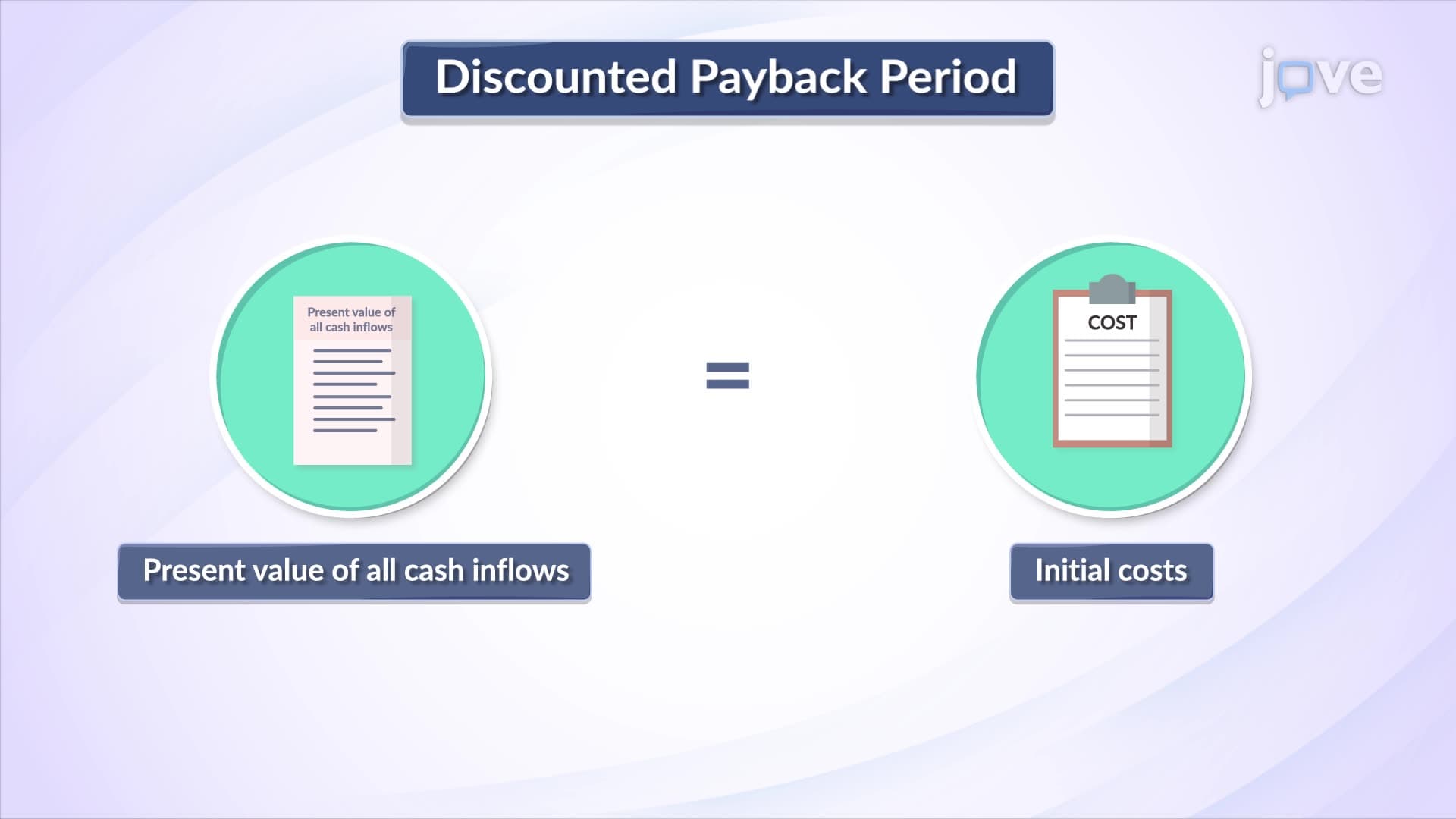
3. Net Present Value (NPV) Analysis and Present Value Calculations Net Present Value methodology represents the cornerstone of modern capital budgeting, calculating the difference between present value of cash inflows and initial investment requirements. Electronic manufacturing companies utilize NPV to evaluate projects requiring $100,000 investments with projected $30,000 annual cash flows over five-year periods. The technique incorporates discount rates reflecting investment risk and opportunity cost of capital to enable accurate project comparison. NPV analysis provides quantitative frameworks for measuring expected financial returns in present-day values, facilitating informed decision-making across multiple project alternatives and investment scenarios.
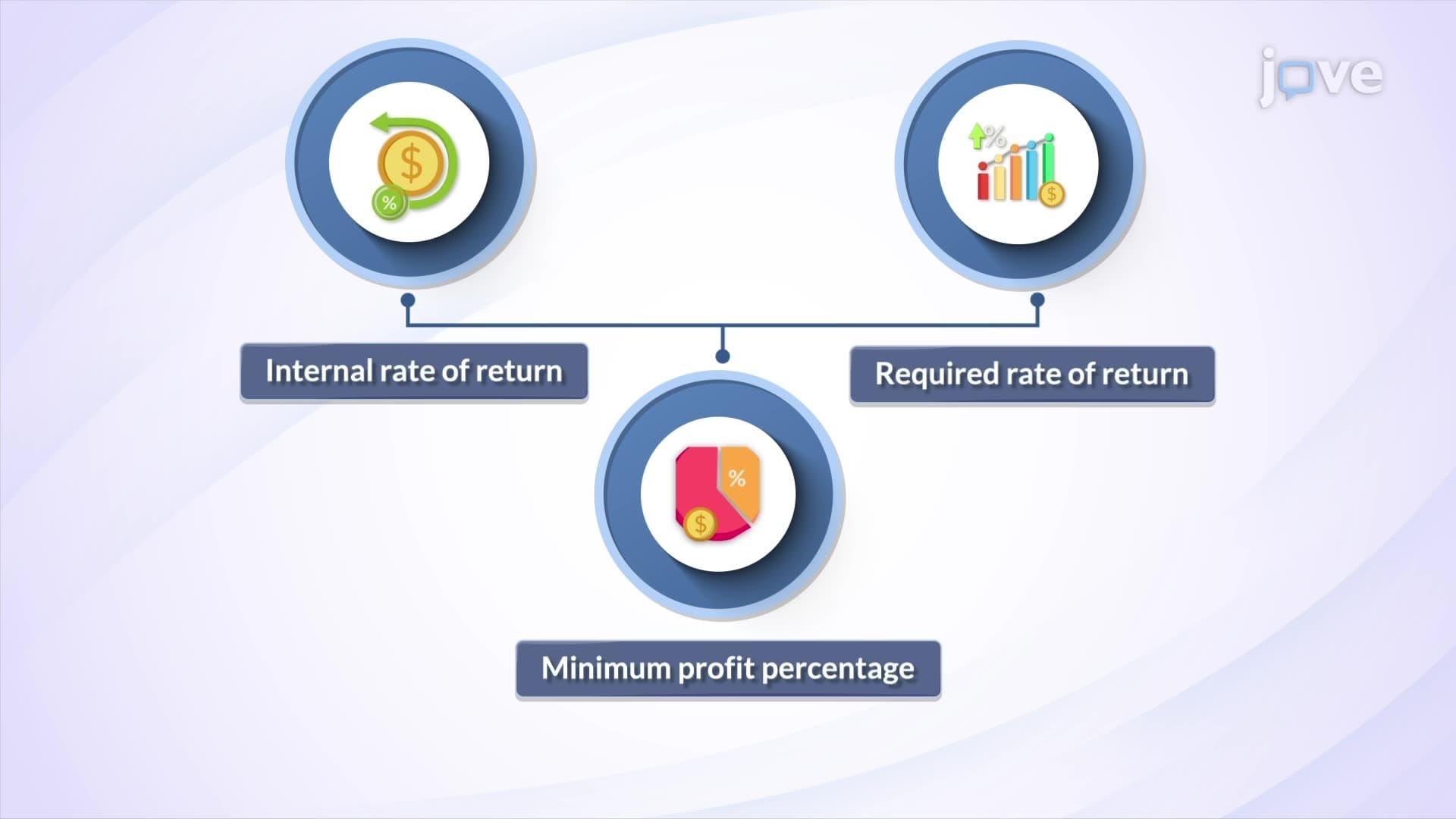
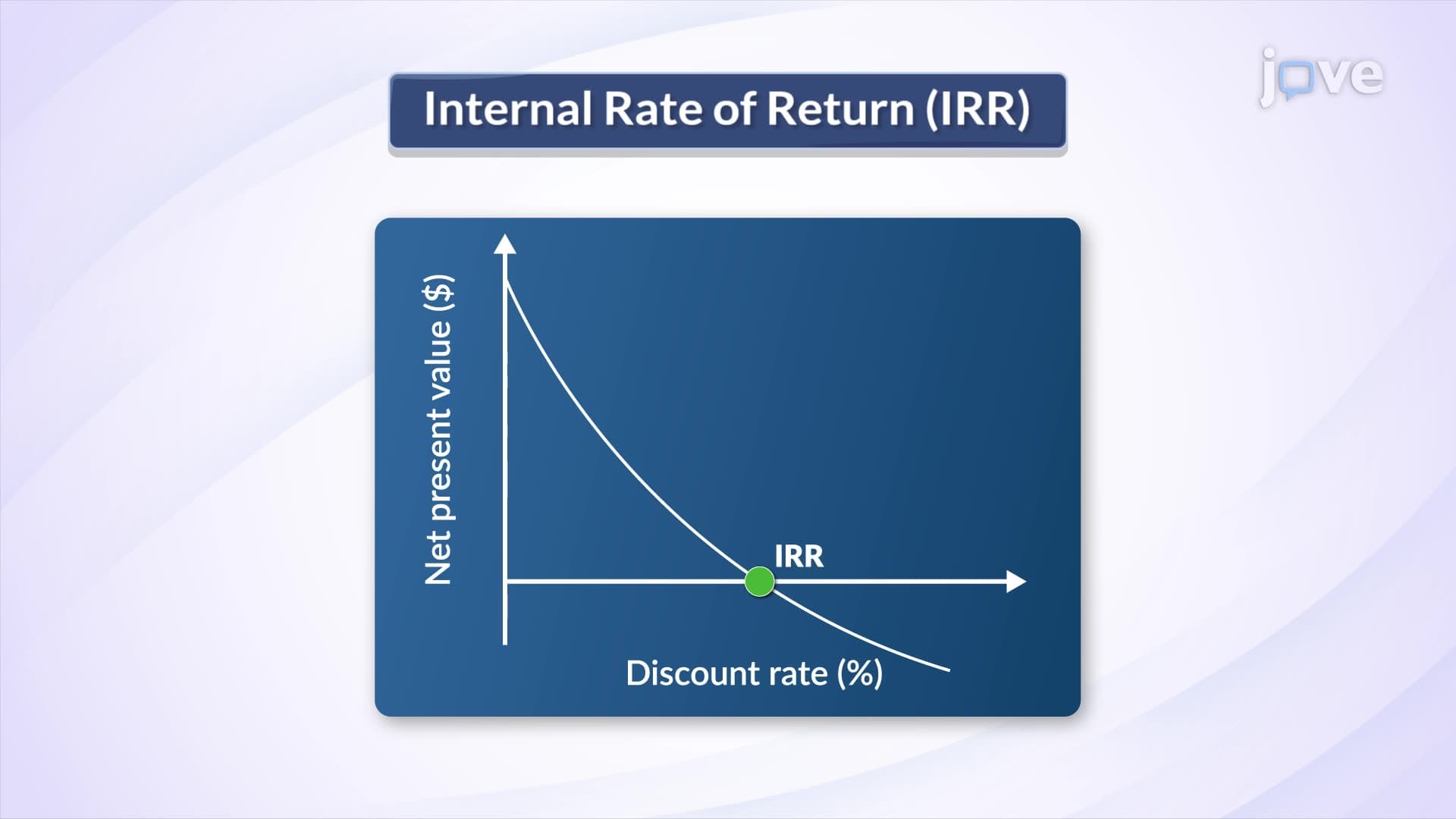
4. Internal Rate of Return (IRR) and Profitability Benchmarking Internal Rate of Return calculates the break-even interest rate where present value of cash inflows equals initial investment, providing a standardized profitability metric for project comparison. Pharmahealth company applies IRR methodology when evaluating new drug development investments, determining expected compound annual returns based on projected cash flows. The IRR of 15.24% enables comparison against required rates of return to assess project viability. This technique offers single percentage figures representing expected annual returns, making it easier to compare different investments regardless of size or duration while supporting strategic capital allocation decisions.
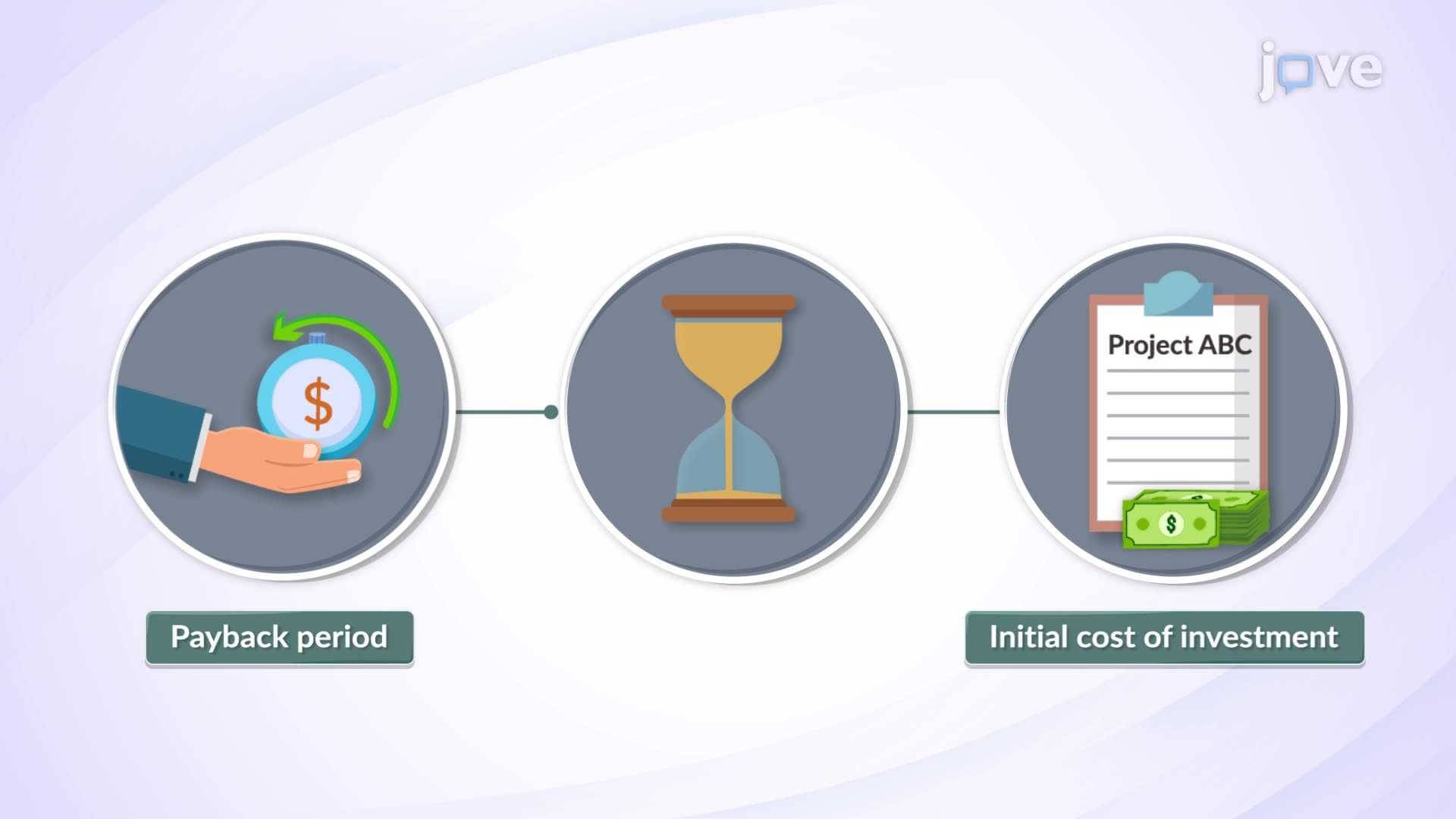
5. Payback Period Analysis and Cash Flow Recovery Assessment Payback period analysis determines the time required to recover initial investment costs through project cash flows, providing quick assessment tools for investment opportunities. Charlie's lemonade stand example demonstrates simple payback calculation: $100 initial cost divided by $25 daily earnings equals four-day recovery period. Companies utilize payback analysis for equipment purchases and project screening, particularly when seeking rapid capital recovery. While this method offers simplicity and ease of calculation, professionals must recognize limitations including ignored time value of money and post-payback profitability considerations when making comprehensive investment decisions.
6. Profitability Index and Capital Constraint Optimization Profitability Index methodology divides present value of future cash inflows by initial investment requirements to evaluate project attractiveness under capital constraints. AutoTech Inc. demonstrates this approach when choosing between robotic assembly line investments ($800,000 with $1M present value) versus electric vehicle battery development ($500,000 with $650,000 present value). Project B's PI of 1.3 exceeds Project A's 1.25, indicating superior returns relative to investment costs. This metric enables effective resource allocation when capital availability limits project selection, though professionals should combine PI analysis with other financial metrics for comprehensive investment evaluation.
Frequently Asked Questions
The discount rate typically reflects your company's weighted average cost of capital (WACC) plus a risk premium based on project-specific factors. Manufacturing companies often use 8-12%, while technology firms may apply 12-18%. Consider industry benchmarks, company cost of debt and equity, project risk profile, and alternative investment opportunities when establishing your discount rate.
Use a combination approach: NPV for comprehensive financial analysis, IRR for profitability benchmarking, and payback period for initial screening. IT investments often have intangible benefits, so consider qualitative factors like operational efficiency, competitive advantage, and scalability alongside quantitative metrics when making final decisions.
For irregular cash flows, calculate cumulative cash flows year by year until you reach the breakeven point. If recovery occurs mid-year, interpolate between years. For example, if you recover $80,000 by year 2 and need $100,000 total, with year 3 generating $30,000, your payback is 2 + ($20,000/$30,000) = 2.67 years.
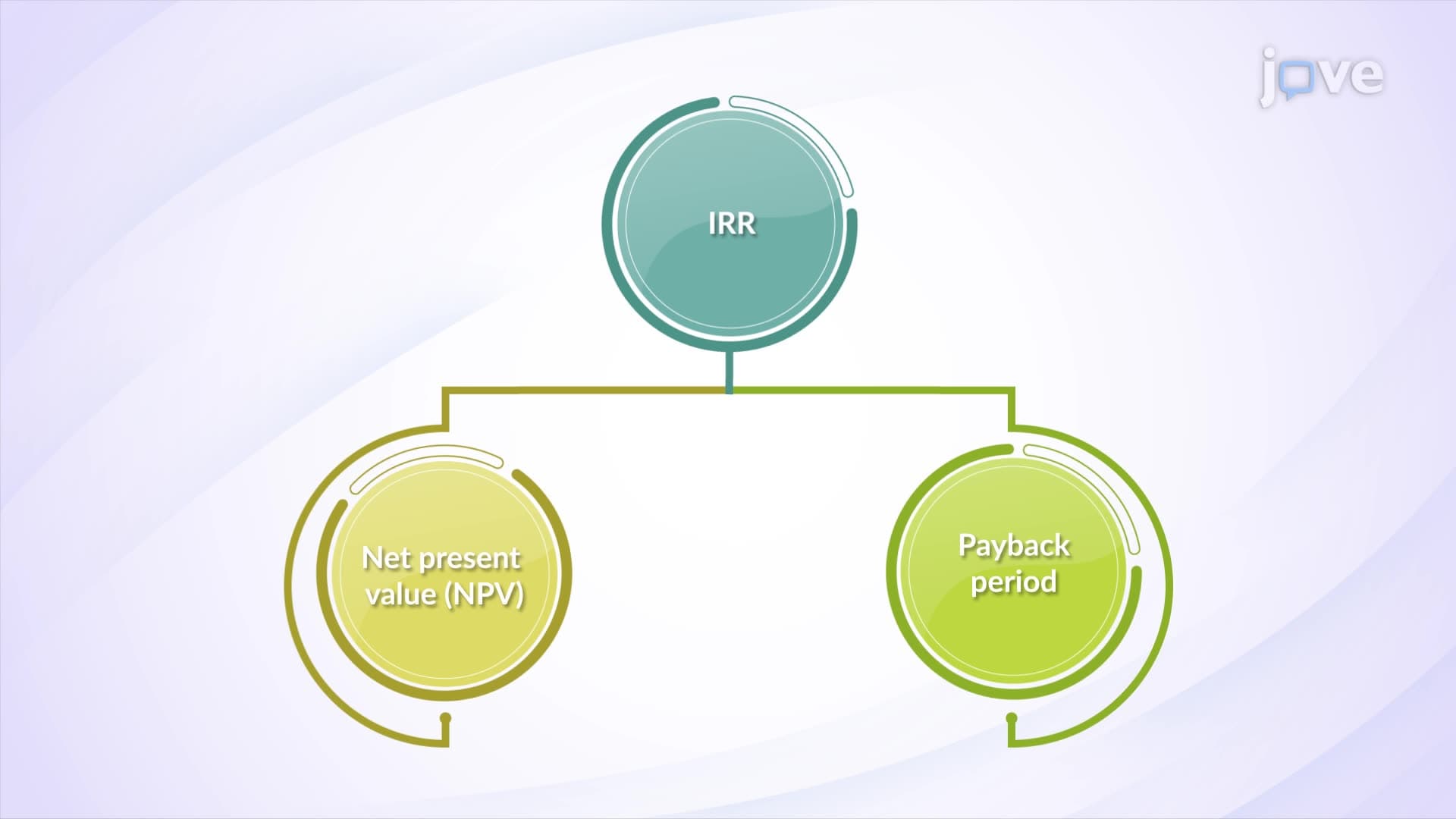
Use NPV as your primary decision tool since it measures absolute value creation. IRR works best for comparing projects of similar size and duration, or when communicating with stakeholders who prefer percentage returns. Avoid IRR for projects with multiple cash flow sign changes or when comparing mutually exclusive projects of different scales.
Amazon would evaluate a $50M distribution center by projecting 10-year cash flows including construction costs, operational savings, increased delivery capacity, and residual value. Using a 10% discount rate, they'd calculate NPV, compare IRR to their 15% hurdle rate, and assess payback period. Multiple scenarios would account for demand growth, labor costs, and automation benefits to ensure robust investment decisions.
You need solid understanding of basic finance concepts, Excel proficiency for calculations, and ability to interpret financial statements. Most techniques use standard formulas that can be automated in spreadsheets. Focus on understanding the business logic behind each method rather than complex mathematical derivations. Many professionals successfully apply these tools with fundamental finance knowledge and practical experience.
Capital budgeting expertise positions you as a strategic business partner who can evaluate investment opportunities, optimize resource allocation, and drive value creation. These skills are essential for finance manager, business development, and executive roles. Demonstrating ability to analyze complex projects, present compelling business cases, and make data-driven investment recommendations significantly enhances your career advancement potential across industries.
Common errors include using inconsistent discount rates across projects, ignoring cash flow timing differences, over-relying on single metrics like payback period, failing to account for project interdependencies, and not considering qualitative factors alongside quantitative analysis. Always validate assumptions, use multiple evaluation methods, and regularly review actual performance against projections to improve future decision-making accuracy.
This microcourse includes 21 concept videos that walk you through the building blocks of Finance. Each video is short, about 1 minute, so you can cover a full topic during a coffee break or between classes. The full sequence starts with Introduction to Capital Budgeting and ends with Choosing Between Projects: Limited Resources.
The playlist moves from big-picture ideas to the precise vocabulary used in Finance. Early videos introduce Introduction to Capital Budgeting, Basics of Investment Decision-making, and Importance of Capital Budgeting. The middle of the series focuses on Capital Budgeting Techniques, Payback, and Payback Period. The final stretch covers Discounted Payback Period, Net Present Value, Net Present Value Method, Decision-making Through Net Present Value, Internal Rate of Return, Calculating Internal Rate of Return, and Choosing Between Projects: Limited Resources.
The natural next step is Cost of Capital. From there, you can move to Raising Long-term Capital, Short-term Financing and Planning, and Dividend and Payout Policy. Once you finish those, the full Finance curriculum of 17 microcourses on JoVE Coach opens up, taking you from foundational concepts to advanced systems.
Related Subjects

